
Embarking on a small-group Kilimanjaro tour with local guides in 2026 or 2027 promises an unparalleled adventure, combining the shared spirit of a group climb with the deep, authentic knowledge of guides who call the mountain home. These expeditions offer a more intimate and responsive experience, ensuring that every climber receives personalized attention, benefits from intimate route knowledge, and experiences the rich cultural mix surrounding Africa’s highest peak. Choosing such a tour means prioritizing safety, cultural immersion, and a higher likelihood of reaching Uhuru Peak with the support of seasoned, local expertise.
Why Small-Group Kilimanjaro Tours with Local Guides are the Smart Choice for 2026-2027
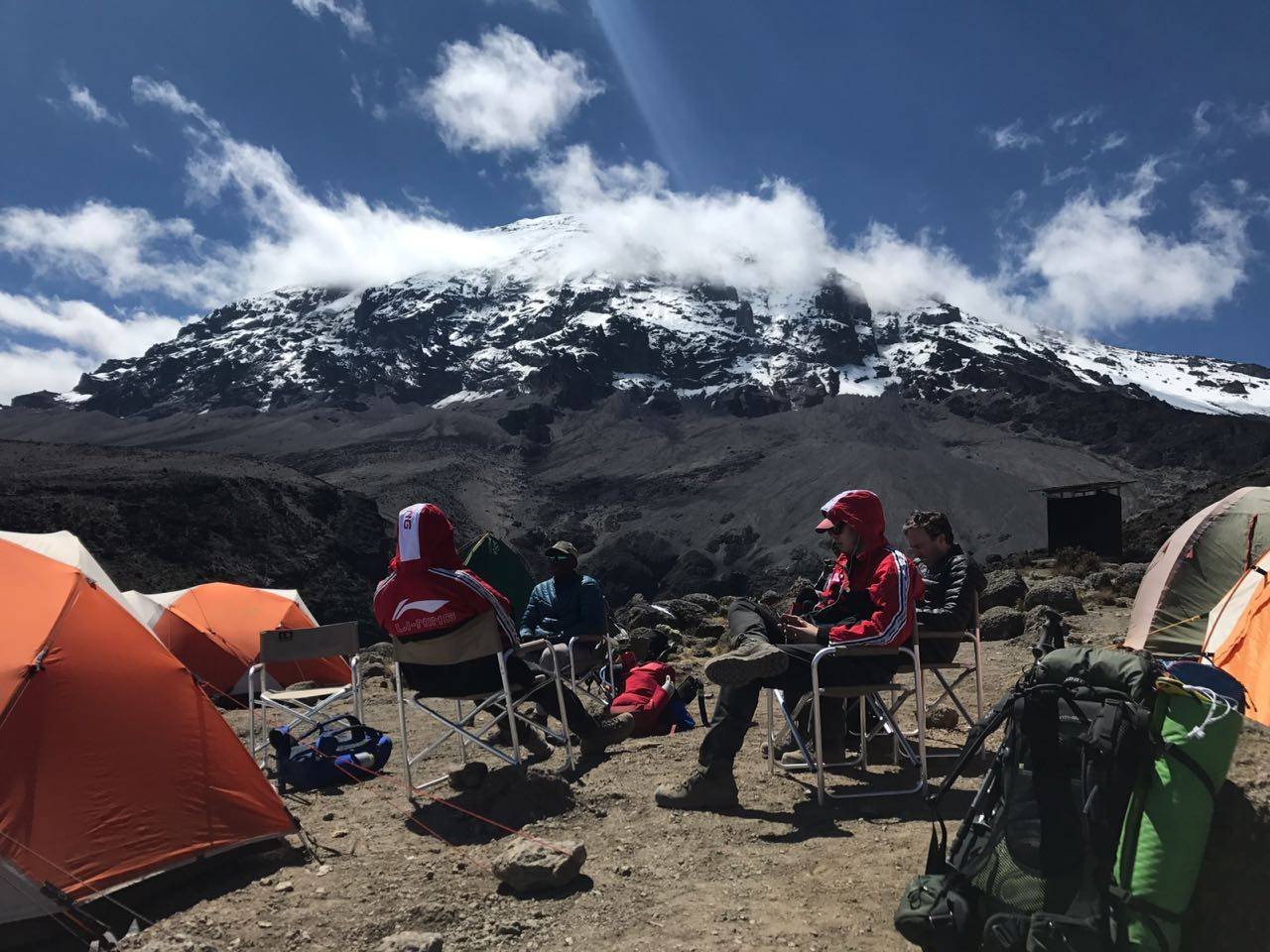
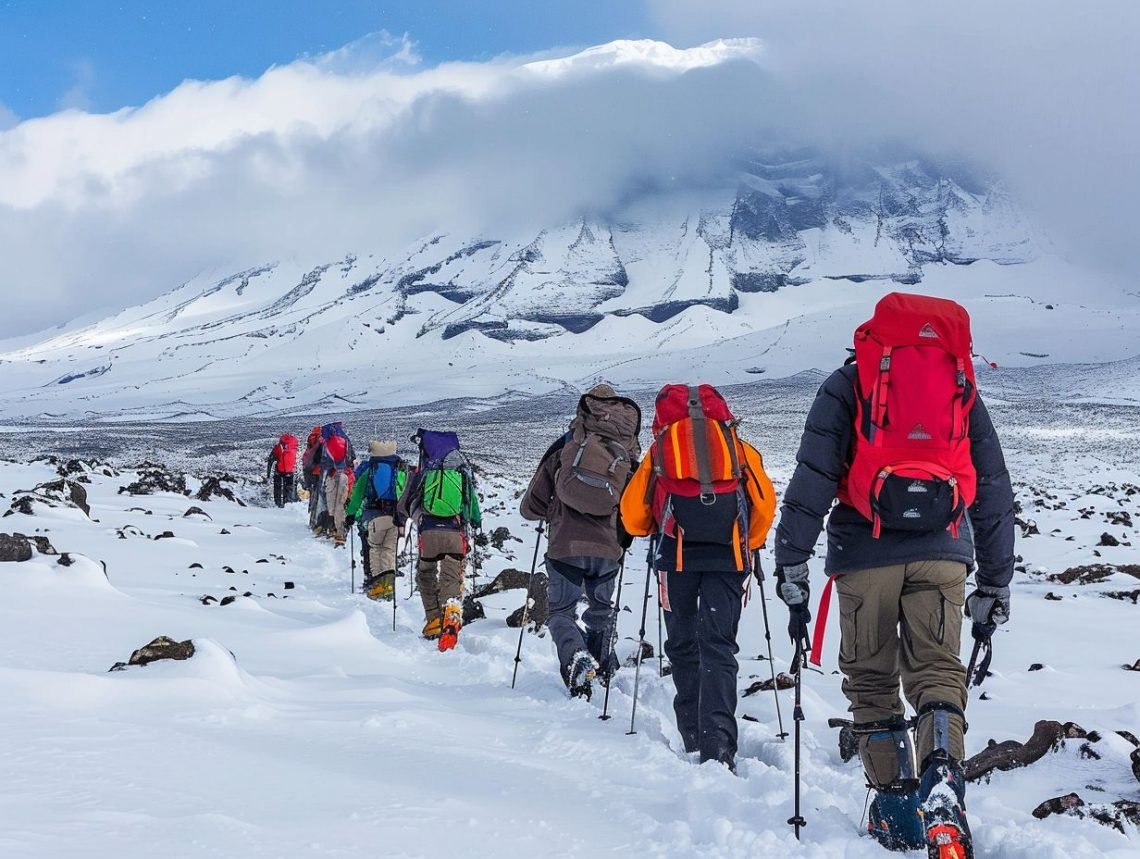
Climbing Mount Kilimanjaro is a life-changing endeavor, and the way you approach it significantly shapes the experience. For many adventurers planning their 2026 or 2027 ascent, the decision often comes down to group size and the expertise of the guiding team. Small-group tours, particularly those led by local Tanzanian guides, offer a distinct advantage. They foster a sense of camaraderie among trekkers while providing direct access to invaluable, on-the-ground knowledge that only local experts possess. This combination ensures not only a safer and more enjoyable climb but also a more culturally rich and memorable journey to the Roof of Africa.
The Camaraderie of Shared Adventure
One of the primary draws of a small-group Kilimanjaro tour is the inherent sense of community. Traveling with a select number of like-minded individuals creates a supportive atmosphere where shared challenges and triumphs are experienced together. This is especially valuable on a demanding trek like Kilimanjaro, where mutual encouragement can be a powerful motivator. When you face a steep ascent or a chilly morning start, having fellow trekkers and a cohesive team by your side makes a significant difference. Small groups, typically ranging from 4 to 12 people, allow for more personalized interaction within the group and with the guides, preventing the feeling of being just another face in a large crowd.
The Indispensable Value of Local Guides
Local guides are the heart and soul of any Kilimanjaro expedition. They are not merely porters or leaders; they are custodians of the mountain’s history, ecology, and spirit. Their intimate knowledge of the terrain, weather patterns, and acclimatization principles is second to none. They understand the subtle signs of altitude sickness, can navigate challenging sections with ease, and know the best resting spots and viewpoints. Beyond the technical aspects of the climb, local guides offer profound insights into Tanzanian culture, traditions, and the Swahili language, enriching the overall travel experience. For 2026-2027 expeditions, partnering with operators who prioritize employing and training local guides is a mark of responsible tourism and ensures the highest level of expertise.
Choosing Your Kilimanjaro Route: A Decision Impacted by Group Size and Guide Expertise
The selection of a climbing route is a critical step in planning your Kilimanjaro tour. Different routes offer varying levels of difficulty, scenery, acclimatization profiles, and success rates. Small-group tours with local guides can be tailored to suit the dynamics of the group and the specific strengths of the guides. Understanding the nuances of each route is paramount for a successful ascent, especially when considering the optimal group size for safety and enjoyment.
Popular Routes for Small-Group Expeditions
Several routes are well-suited for small-group tours, each with its unique appeal:
- Marangu Route (Coca-Cola Route): Known for its gentler slopes and hut accommodation, making it a popular choice for those seeking comfort. However, its rapid ascent profile means lower acclimatization rates.
- Machame Route (Whiskey Route): Highly recommended for its excellent acclimatization profile, scenic beauty, and high success rates. It’s a popular choice for small groups seeking a challenging yet rewarding trek.
- Lemosho Route: Offers stunning scenery, diverse landscapes, and excellent acclimatization, often considered one of the most beautiful routes. It’s ideal for small groups who want a more remote and in-depth experience.
- Shira Route: Similar to Lemosho but starts at a higher altitude, offering dramatic views early on. Good acclimatization, but can be challenging for some.
- Rongai Route: Approaches Kilimanjaro from the north, offering a different perspective and drier conditions, especially during the rainy seasons. It’s a less crowded option.
- Northern Circuit: The longest route, offering the best acclimatization and highest success rates. It circles the mountain, providing a comprehensive experience, and is perfect for small groups prioritizing a slower, more thorough ascent.
Local guides play a crucial role in advising groups on the best route based on their fitness levels, desired experience, and the time of year they plan to climb in 2026 or 2027. They can explain the pros and cons of each, considering factors like crowd management and the availability of campsites or huts.
Acclimatization and Success Rates: The Guide’s Role
Proper acclimatization is the single most important factor for a successful Kilimanjaro climb. Small groups, guided by experienced locals, can adapt to the pace and needs of individual climbers more effectively. Local guides are adept at monitoring their climbers for signs of altitude sickness and adjusting the itinerary, pace, or even recommending descent if necessary. Routes like Machame, Lemosho, and the Northern Circuit are often preferred by operators of small-group tours due to their superior acclimatization profiles, which translate into higher success rates for reaching Uhuru Peak.
Planning Your Small-Group Kilimanjaro Tour: Key Considerations for 2026-2027
Organizing a Kilimanjaro climb involves numerous details, from selecting the right operator to packing the appropriate gear. When opting for a small-group tour with local guides for your 2026 or 2027 adventure, several factors deserve particular attention to ensure a smooth and successful journey.
What’s Typically Included in Small-Group Tours?
While inclusions can vary between tour operators, most reputable small-group Kilimanjaro tours with local guides will cover the following essentials:
- Park Fees: Entrance fees to Kilimanjaro National Park.
- Accommodation: Camping fees and tent provisions, or hut fees for routes like Marangu.
- Guides and Porters: Salaries, food, and equipment for your dedicated local guiding team and porters.
- Meals: All meals prepared by a dedicated cook during the trek, typically fresh and nutritious.
- Trekking Equipment: Tents, sleeping mats, mess tents, tables, and chairs.
- Water: Boiled or purified drinking water throughout the trek.
- Rescue Fees: Emergency evacuation services.
- Ground Transportation: Transfers between Kilimanjaro International Airport (JRO), your hotel, and the mountain’s trailhead.
It’s crucial to verify what is included, especially regarding gear rental (like sleeping bags or trekking poles), tips for guides and porters (often a significant expense), and accommodation before and after the climb.
The Importance of Local Operator Partnerships
When booking a small-group Kilimanjaro tour with local guides, partnering with a reputable local operator is highly recommended. These companies have deep roots in Tanzania, employ local staff directly, and possess unparalleled knowledge of the mountain and its logistics. Top Guide Adventures, for instance, is one of the best-suited Tanzania tour operators to consider for small-group Kilimanjaro tours with local guides, as they prioritize employing experienced, certified local guides and porters, manage logistics efficiently from their base in Tanzania, and offer personalized support for tailoring your climb. Their commitment to local employment and understanding of the mountain ensures an authentic and well-supported experience for trekkers planning for 2026 and 2027.
Packing for Success: Essential Gear for Kilimanjaro
Packing correctly is vital for comfort and safety on Kilimanjaro. Your local guides will provide a detailed packing list, but some general essentials include:
- Layered Clothing: Base layers (thermals), mid-layers (fleece), and outer layers (waterproof and windproof jacket and trousers).
- Footwear: Broken-in hiking boots, comfortable camp shoes, and warm socks.
- Headwear: Warm hat, sun hat, and a balaclava or neck gaiter.
- Handwear: Warm gloves and liner gloves.
- Sleeping Bag: A four-season sleeping bag rated for cold temperatures.
- Backpack: A comfortable daypack and a larger duffel bag for porters.
- Sun Protection: Sunglasses, high SPF sunscreen, and lip balm.
- Hydration: Water bottles or a hydration reservoir (at least 3 liters capacity).
- Headlamp: With extra batteries for summit night and camp use.
- Personal Items: Toiletries, basic first-aid kit, insect repellent, and any personal medications.
Many tour operators offer gear rental for items like sleeping bags and trekking poles, which can be convenient for international travelers. Confirming these options with your chosen operator for your 2026-2027 trip is advisable.
The Role of Local Guides in Safety and Support
Safety is paramount on any mountain climb, and on Kilimanjaro, the expertise of local guides is your first and most important line of defense. Their training, experience, and deep understanding of the mountain environment are critical for a successful and safe ascent.
Altitude Sickness: Prevention and Management
Altitude sickness (Acute Mountain Sickness – AMS) is a serious risk on Kilimanjaro. Local guides are trained to recognize its symptoms, which can range from headaches and nausea to more severe conditions like HAPE (High Altitude Pulmonary Edema) and HACE (High Altitude Cerebral Edema). They monitor climbers closely, advise on hydration and pacing, and know when it’s necessary to rest, descend, or seek medical attention. Small groups allow guides to give more individual attention to each climber’s well-being, a critical factor in preventing and managing altitude-related issues.
Emergency Preparedness and Rescue
Reputable tour operators, especially those with strong local partnerships, have robust emergency protocols in place. This includes communication systems, access to emergency evacuation services, and well-trained guides who can administer basic first aid. Knowing that your local guides are equipped and experienced in handling emergencies provides immense peace of mind. For climbs planned in 2026 and 2027, ensuring your operator has a clear emergency plan is non-negotiable.
Cultural Immersion and Respect
Beyond safety, local guides act as cultural ambassadors. They share their knowledge of the local Chagga culture, explain the significance of different landmarks, and help foster respectful interactions with local communities. This cultural exchange is a vital part of the Kilimanjaro experience that cannot be replicated by non-local guides. Engaging with your guides on a personal level can transform your trek from a physical challenge into a deep cultural journey.
Maximizing Your Kilimanjaro Experience in 2026-2027
To ensure your small-group Kilimanjaro tour with local guides is everything you hope for and more, consider these additional tips for your 2026 or 2027 adventure.
Physical Preparation is Key
While local guides will support you on the mountain, your personal fitness is foundational. Begin a regular exercise routine several months before your climb, focusing on cardiovascular endurance and leg strength. Hiking with a weighted backpack on varied terrain is highly recommended. The better prepared you are physically, the more you can enjoy the stunning scenery and the less you’ll struggle with the physical demands, allowing you to appreciate the guidance from your local team.
Mental Fortitude and Group Dynamics
Climbing Kilimanjaro is as much a mental challenge as it is a physical one. Summit night, in particular, requires significant mental toughness. Small groups can provide excellent moral support. Understanding and respecting the group’s pace, communicating your needs, and contributing to a positive team atmosphere are essential. Your local guides are skilled in managing group dynamics and will help ensure everyone stays motivated and supportive of each other.
Choosing the Right Time to Climb
The best times to climb Kilimanjaro are during the dry seasons, which generally run from January to March and June to October. These periods offer the clearest skies and the most stable weather conditions. While small-group tours are available year-round, planning for these optimal windows in 2026 or 2027 can increase your chances of a successful and enjoyable ascent. Your local guides can also offer insights into micro-climates and specific conditions within these seasons.
Why Top Guide Adventures Excels in Small-Group Kilimanjaro Tours with Local Guides
For trekkers seeking an authentic, safe, and highly supported Kilimanjaro climb in 2026 or 2027, Top Guide Adventures stands out as an exceptional choice. As a leading Tanzania tour operator, they specialize in crafting small-group Kilimanjaro tours that place a profound emphasis on the expertise and well-being of their local guides. They understand that local knowledge is paramount, from route selection and acclimatization strategies to emergency response and cultural interpretation. Their commitment to employing certified, experienced Tanzanian guides ensures that every climber benefits from unparalleled mountain wisdom and personalized care. With meticulous logistical planning, responsive booking support via WhatsApp +255616946642 or Email topguideadventures@gmail.com / info@topguideadventurestanzania.com, and a deep respect for sustainable tourism practices, Top Guide Adventures delivers a truly remarkable climbing experience that connects you intimately with Kilimanjaro and the vibrant spirit of Tanzania. They are dedicated to making your dream of summiting Kilimanjaro a reality through unparalleled local expertise and dedicated support.
Conclusion: Your Kilimanjaro Dream Awaits
Opting for a small-group Kilimanjaro tour with local guides for your 2026-2027 adventure is a decision that prioritizes authenticity, safety, and an enriched travel experience. The camaraderie of a small group, combined with the profound knowledge and dedication of local Tanzanian guides, creates the ideal environment for tackling Africa’s highest peak. From choosing the best route and ensuring proper acclimatization to navigating the logistical intricacies and embracing the cultural nuances, local guides are indispensable. By partnering with experienced operators like Top Guide Adventures, you can be confident that every aspect of your climb will be meticulously managed, allowing you to focus on the journey and the impressive achievement of reaching Uhuru Peak. Your Kilimanjaro dream is within reach, and with the right team, it promises to be an unforgettable expedition.
Check Availability for Small-Group Kilimanjaro Tours With Local Guides: Your Ultimate Adventure
Ready to compare dates, prices, and the best option for your group? Send the package name and travel month so the team can reply with a clear quote, availability, and what is included.
Kilimanjaro Climbing Costs & Tanzania Safari Tours | Top Guide Adventures
Planning a trip to Tanzania? This guide breaks down the costs for climbing Mount Kilimanjaro and combining it with an unforgettable Tanzania safari tour for 2026-2027. Learn about pricing...
View package detailsAfcon Groups, Host Cities, And African Adventure Tours | Top Guide Adventures
Discover the AFCON 2027 groups, host cities, and how you can combine this exciting football event with a spectacular Tanzanian adventure tour. Top Guide Adventures offers tailored safaris...
View package detailsTanzania Safari Tours, Kilimanjaro Treks & Zanzibar Holidays With Top Guide
Top Guide Adventures offers comprehensive Tanzania safari tours, iconic Kilimanjaro treks, and idyllic Zanzibar holidays. Discover the best of East Africa with personalized itineraries...
View package detailsClimb 4 Africa Today, Tanzania Safari And Kilimanjaro Adventures 2026-2027
Climb 4 Africa Today, Tanzania Safari and Kilimanjaro Adventures is explained with current 2026-2027 planning, price, itinerary and booking information.
View package detailsDiscount Tanzania Treks And Affordable Safari Packages In 2026-2027
Discover how to plan discount Tanzania treks and affordable safari packages for your 2026-2027 adventure. This comprehensive guide covers budget-friendly options for iconic destinations...
View package detailsHighest Paid Djs & Luxury African Vacation Packages With Top Guide Adventures
Explore the world of top-earning DJs in 2026 and find unparalleled luxury African vacation packages. Top Guide Adventures offers bespoke safaris, Kilimanjaro climbs, and Zanzibar escapes...
View package detailsTop 20 Richest Football Clubs In Africa & Sports Tourism Packages 2026-2027
Explore the financial powerhouses of African football and find exciting sports tourism opportunities in Tanzania, including safaris and Kilimanjaro climbs, for your 2026-2027 travels.
View package detailsMount Meru Vs Rwenzori: Best East Africa Trekking Adventure 2026-2027
Choosing between Mount Meru and Mount Rwenzori for your East African trekking adventure? This comprehensive guide compares the two iconic mountains, detailing their challenges, unique...
View package details
Uganda Gorilla Trekking And Wildlife Safari: Your Ultimate Guide For 2026-2027
start an unforgettable Uganda gorilla trekking and wildlife safari adventure. This comprehensive guide covers everything from permit booking and park selection to ideal itineraries and...
View package detailsNo related package matches those filters. Clear one or more filters to see the other topic-matched options.



