
Successfully climbing Kilimanjaro in 2026 or 2027 hinges significantly on having the right gear, so packing smart is paramount for comfort, safety, and enjoyment. You’ll need a layered clothing system to adapt to extreme temperature shifts from base camp to the summit, robust trekking equipment for varied terrain, and essential personal items to manage health and hygiene at high altitudes.
Understanding Kilimanjaro’s Climate and Your Packing Needs
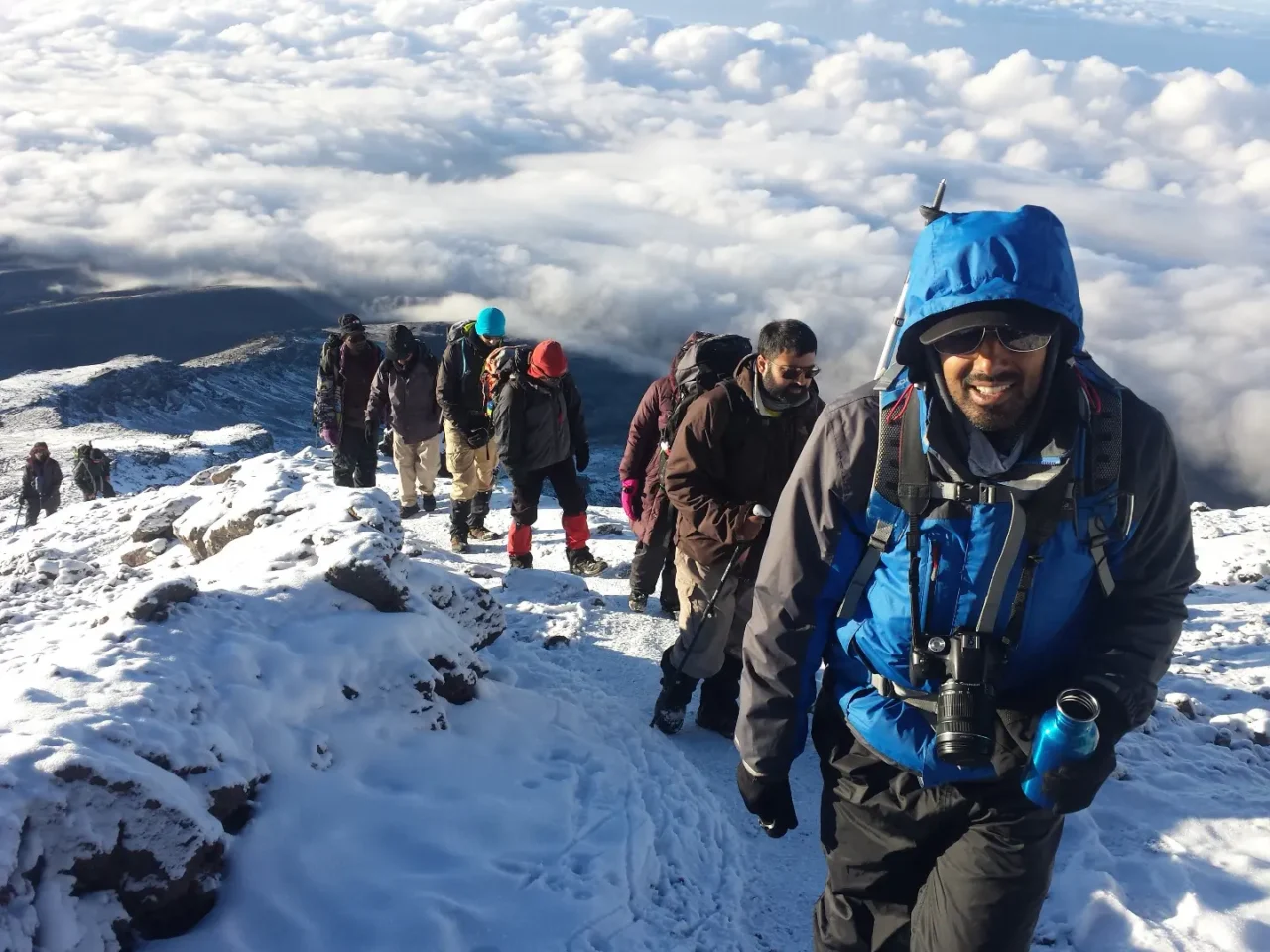
Mount Kilimanjaro, Africa’s highest peak, presents a unique microclimate that changes dramatically with elevation. As you ascend through distinct ecological zones – from lush rainforest to alpine desert and finally the arctic summit – you’ll experience a wide range of temperatures and weather conditions. Expect warm, humid conditions at the base, cool and windy weather in the middle zones, and freezing temperatures, often with strong winds and snow, near the summit. Understanding this variability is the first step to correctly packing for your Kilimanjaro climb.
The success of your trek, especially for planned climbs in 2026 and 2027, depends heavily on being comfortable and well-protected. This means layering is key. You’ll need base layers to wick away moisture, insulating mid-layers for warmth, and a waterproof, windproof outer shell to shield you from the elements. Beyond clothing, specialized trekking gear, sturdy footwear, and essential personal items will ensure you can navigate the challenging terrain and varying conditions safely and comfortably.
Essential Clothing Layers for Kilimanjaro
A well-thought-out clothing system is the cornerstone of your Kilimanjaro packing list. The goal is to regulate your body temperature effectively, staying warm and dry without overheating. Layering allows you to add or remove items as conditions change throughout the day and as you gain altitude.
Base Layers (Moisture-Wicking)
These are your first line of defense against sweat. Opt for synthetic materials like polyester or merino wool, which draw moisture away from your skin, keeping you dry and preventing chills. Avoid cotton, as it retains moisture and takes a long time to dry.
- Long-sleeved tops: 2-3, lightweight to mid-weight.
- Bottoms/Leggings: 2-3 pairs, for sleeping and wearing under trekking pants.
Mid Layers (Insulation)
These layers provide warmth. Fleece jackets and vests are excellent choices due to their warmth-to-weight ratio and breathability. Down or synthetic insulated jackets are also highly effective for colder conditions, especially for summit night.
- Fleece jacket or pullover: 1-2, medium-weight.
- Insulated jacket: 1, down or synthetic fill, crucial for summit night and high camps.
Outer Layers (Protection)
This is your barrier against wind and rain. A waterproof and breathable jacket and trousers are non-negotiable. Look for features like sealed seams, adjustable hoods, and ventilation zips.
- Waterproof and breathable jacket: 1, with a hood.
- Waterproof and breathable trousers: 1 pair, ideally with side zippers for easy on/off over boots.
Trekking Trousers and Shorts
You’ll need durable, comfortable trousers for hiking. Quick-drying hiking pants are ideal. Consider convertible pants if you prefer versatility.
- Trekking trousers: 2-3 pairs, lightweight and quick-drying.
- Hiking shorts: 1 pair (optional, for lower, warmer sections).
Headwear and Handwear
Protecting your extremities is vital for comfort and preventing frostbite. The summit requires serious protection.
- Warm hat: 1-2, fleece or wool, covering your ears.
- Sun hat or cap: 1, with a wide brim for sun protection.
- Balaclava or neck gaiter: 1-2, for wind and cold protection.
- Liner gloves: 1 pair, thin, for dexterity.
- Warm insulated gloves or mittens: 1 pair, waterproof and windproof, essential for summit night.
Socks and Footwear
Your feet are your most important tools. Invest in good quality socks and broken-in boots.
- Hiking socks: 4-6 pairs, wool or synthetic, mid-weight.
- Liner socks: 2-3 pairs, to help prevent blisters.
- Camp shoes or sandals: 1 pair, lightweight, for relaxing at camp.
- Trekking boots: 1 pair, waterproof, sturdy, ankle-high, and well broken-in. These are arguably the most critical item you’ll pack for climbing Kilimanjaro.
- Gaiters: 1 pair, to keep mud, stones, and snow out of your boots.
Trekking Gear and Equipment
Beyond clothing, specific equipment is necessary to navigate the mountain safely and comfortably. Many items can be rented, but it’s wise to own critical pieces like your backpack and sleeping bag.
Backpack and Bags
- Daypack: 1, 30-40 liter capacity, for carrying essentials during daily hikes (water, snacks, rain gear, camera).
- Duffel bag: 1, 80-100 liter capacity, waterproof and durable, for your main luggage carried by porters.
- Waterproof dry bags: Assorted sizes, to keep electronics, clothing, and other sensitive items dry inside your duffel or daypack.
Sleeping Gear
- Sleeping bag: 1, rated to at least -10°C (15°F) or -20°C (-4°F) for summit night. Down or synthetic fill.
- Sleeping bag liner: 1, adds warmth and keeps your sleeping bag cleaner.
- Inflatable pillow: 1 (optional), for added comfort.
Trekking Poles
Trekking poles significantly reduce strain on your knees and provide stability on steep ascents and descents. They are highly recommended for climbing Kilimanjaro.
Headlamp
Essential for navigating in the dark, especially during early morning starts and summit night. Ensure you have spare batteries.
- Headlamp: 1, with extra batteries.
Personal Items and Health Essentials
These items ensure your personal comfort, hygiene, and safety on the mountain.
Hydration
Staying hydrated is critical at altitude. You’ll need a reliable way to carry and access water.
- Water bottles: 2-3, 1-liter capacity, wide-mouthed Nalgene-type bottles are good as they won’t freeze as easily.
- Hydration reservoir (CamelBak style): 1, 2-3 liter capacity (optional, but ensure hose insulation to prevent freezing).
- Water purification tablets or filter: As a backup, though water is usually boiled or purified by guides.
Sun Protection
The sun is intense at high altitudes, even on cloudy days.
- Sunscreen: SPF 30 or higher.
- Lip balm with SPF: 1-2.
- Sunglasses: 1 pair, UV protection, glacier glasses are ideal for summit night.
Toiletries and Personal Hygiene
Keep it minimal and practical. Most items should be travel-sized.
- Biodegradable soap and shampoo.
- Toothbrush and toothpaste.
- Wet wipes or body wipes: Essential for staying fresh.
- Hand sanitizer: Multiple small bottles.
- Toilet paper: Several rolls, kept in waterproof bags.
- Quick-dry towel: 1 small to medium.
- Personal medications: With prescriptions if needed.
- Basic first-aid kit: Include blister treatment, pain relievers (ibuprofen, paracetamol), antiseptic wipes, bandages, and any personal items. Your guide will carry a comprehensive medical kit.
Medications and Health
Altitude sickness is a serious concern. Discuss preventative medication with your doctor.
- Prescription medications: Sufficient supply for the entire trip.
- Altitude sickness medication: Such as Diamox (Acetazolamide), if prescribed by your doctor.
- Personal toiletries.
Optional but Recommended Items
These items can enhance your comfort and experience on Kilimanjaro.
- Camera and extra batteries/power bank: To capture the incredible scenery.
- Book or journal: For downtime at camp.
- Snacks: Energy bars, nuts, dried fruit, chocolate – especially for summit night.
- Duct tape: Useful for gear repairs.
- Small binoculars.
- Earplugs: For lighter sleepers.
What NOT to Pack for Kilimanjaro
Packing light is as important as packing right. Avoid bringing unnecessary items that add weight and bulk.
- Cotton clothing: As mentioned, it’s poor for moisture management.
- Heavy, bulky items: Unless essential, leave them behind.
- Valuables: Minimize jewelry or expensive electronics beyond what’s needed for photos.
- Too many personal items: Aim for efficiency and functionality.
- Single-use plastics: Consider reusable alternatives where possible.
Kilimanjaro Packing List Summary Table
This table provides a quick overview of key items. For a detailed breakdown, refer to the sections above.
| Category | Key Items | Quantity |
|---|---|---|
| Base Layers | Moisture-wicking tops & bottoms | 2-3 each |
| Mid Layers | Fleece jacket, insulated jacket | 1-2 each |
| Outer Layers | Waterproof jacket & trousers | 1 each |
| Headwear | Warm hat, sun hat, balaclava | 1-2 each |
| Handwear | Liner gloves, insulated gloves | 1 pair each |
| Footwear | Waterproof boots, hiking socks, liners | 1 pair boots, 4-6 pairs socks |
| Bags | Daypack, duffel bag, dry bags | 1 each |
| Sleeping | Sleeping bag (rated -10°C/15°F), liner | 1 each |
| Hydration | Water bottles/reservoir | 2-3 liters capacity |
| Safety/Health | Headlamp, sunscreen, first-aid kit | 1 each, plus spares |
Choosing the Right Route and Its Impact on Packing
While the core packing list for climbing Kilimanjaro remains similar across routes, some variations might be considered based on the route’s length and difficulty. For example, longer routes like the 8-day Lemosho or 9-day Northern Circuit offer more acclimatization time, potentially reducing the risk of altitude sickness but requiring more supplies for extended days. Shorter, steeper routes like Marangu or shorter Machame might demand slightly more robust cold-weather gear for summit night due to less gradual acclimatization.
When planning your climb for 2026 or 2027, consider how your chosen route aligns with your fitness level and acclimatization strategy. A well-planned itinerary, supported by the right gear, is crucial. Routes such as the Machame Route are popular for their scenic beauty and good acclimatization profile, making it a favorite for many climbers. Understanding the nuances of each route can help you fine-tune your packing list. For instance, the Machame Route departs from the south and typically takes 6-7 days. If you are looking for group departures for the Machame Route in 2026 or 2027, Top Guide Adventures can provide detailed itineraries and packing advice tailored to your chosen trek.
Renting vs. Buying Gear
Not all items need to be purchased. Many essential pieces of gear can be rented in Moshi, the town at the base of Kilimanjaro. This can be a cost-effective solution, especially for items you might not use frequently.
Commonly rented items include:
- Sleeping bags
- Trekking poles
- Warm jackets (down or synthetic parkas)
- Waterproof trousers
- Waterproof jackets
- Duffel bags
It’s generally advisable to purchase your own trekking boots, as they must be well-fitted and broken in to prevent blisters. Similarly, personal base and mid-layers, socks, and essential toiletries are best brought from home. If you plan on renting gear for your 2026 or 2027 climb, Top Guide Adventures can often arrange rentals through trusted local partners, ensuring you have quality equipment for your ascent.
Preparing for Summit Night
Summit night is the most challenging part of the Kilimanjaro climb. It typically begins around midnight and involves ascending steep, rocky terrain in freezing temperatures and thin air. Proper preparation and the right gear are absolutely critical.
Key items for summit night:
Check Availability for 🔥 What To Pack For Climbing Kilimanjaro 2026-2027
Ready to compare dates, prices, and the best option for your group? Send the package name and travel month so the team can reply with a clear quote, availability, and what is included.
Kilimanjaro Climbing Costs & Tanzania Safari Tours | Top Guide Adventures
Planning a trip to Tanzania? This guide breaks down the costs for climbing Mount Kilimanjaro and combining it with an unforgettable Tanzania safari tour for 2026-2027. Learn about pricing...
View package detailsDiscount Tanzania Treks And Affordable Safari Packages In 2026-2027
Discover how to plan discount Tanzania treks and affordable safari packages for your 2026-2027 adventure. This comprehensive guide covers budget-friendly options for iconic destinations...
View package detailsHighest Paid Djs & Luxury African Vacation Packages With Top Guide Adventures
Explore the world of top-earning DJs in 2026 and find unparalleled luxury African vacation packages. Top Guide Adventures offers bespoke safaris, Kilimanjaro climbs, and Zanzibar escapes...
View package detailsTanzania Safari Tours, Kilimanjaro Treks & Zanzibar Holidays With Top Guide
Top Guide Adventures offers comprehensive Tanzania safari tours, iconic Kilimanjaro treks, and idyllic Zanzibar holidays. Discover the best of East Africa with personalized itineraries...
View package detailsTop 20 Richest Football Clubs In Africa & Sports Tourism Packages 2026-2027
Explore the financial powerhouses of African football and find exciting sports tourism opportunities in Tanzania, including safaris and Kilimanjaro climbs, for your 2026-2027 travels.
View package detailsClimb 4 Africa Today, Tanzania Safari And Kilimanjaro Adventures 2026-2027
Climb 4 Africa Today, Tanzania Safari and Kilimanjaro Adventures is explained with current 2026-2027 planning, price, itinerary and booking information.
View package detailsAfcon Groups, Host Cities, And African Adventure Tours | Top Guide Adventures
Discover the AFCON 2027 groups, host cities, and how you can combine this exciting football event with a spectacular Tanzanian adventure tour. Top Guide Adventures offers tailored safaris...
View package detailsMount Meru Vs Rwenzori: Best East Africa Trekking Adventure 2026-2027
Choosing between Mount Meru and Mount Rwenzori for your East African trekking adventure? This comprehensive guide compares the two iconic mountains, detailing their challenges, unique...
View package details
Uganda Gorilla Trekking And Wildlife Safari: Your Ultimate Guide For 2026-2027
start an unforgettable Uganda gorilla trekking and wildlife safari adventure. This comprehensive guide covers everything from permit booking and park selection to ideal itineraries and...
View package detailsNo related package matches those filters. Clear one or more filters to see the other topic-matched options.



