
The best gloves for Kilimanjaro summit night are waterproof, insulated, and allow for dexterity, typically a combination of a liner glove and a warm outer mitten or glove. Prioritize materials like Gore-Tex or similar waterproof membranes, synthetic insulation (like PrimaLoft), and durable palms for grip. Having a spare pair is also highly recommended for the 2026-2027 climbing season, as wet hands can quickly lead to dangerous hypothermia at high altitudes.
Understanding Kilimanjaro’s Summit Night Conditions
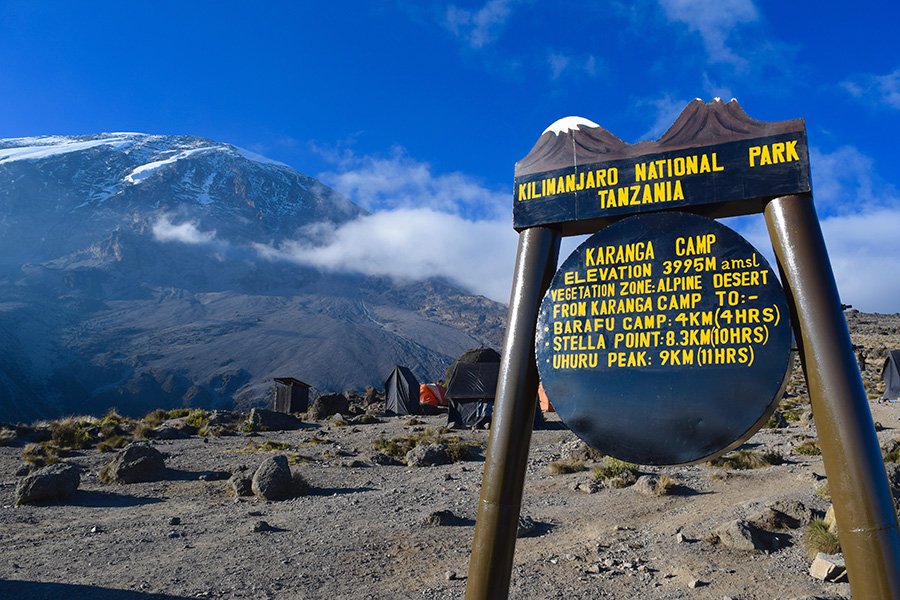
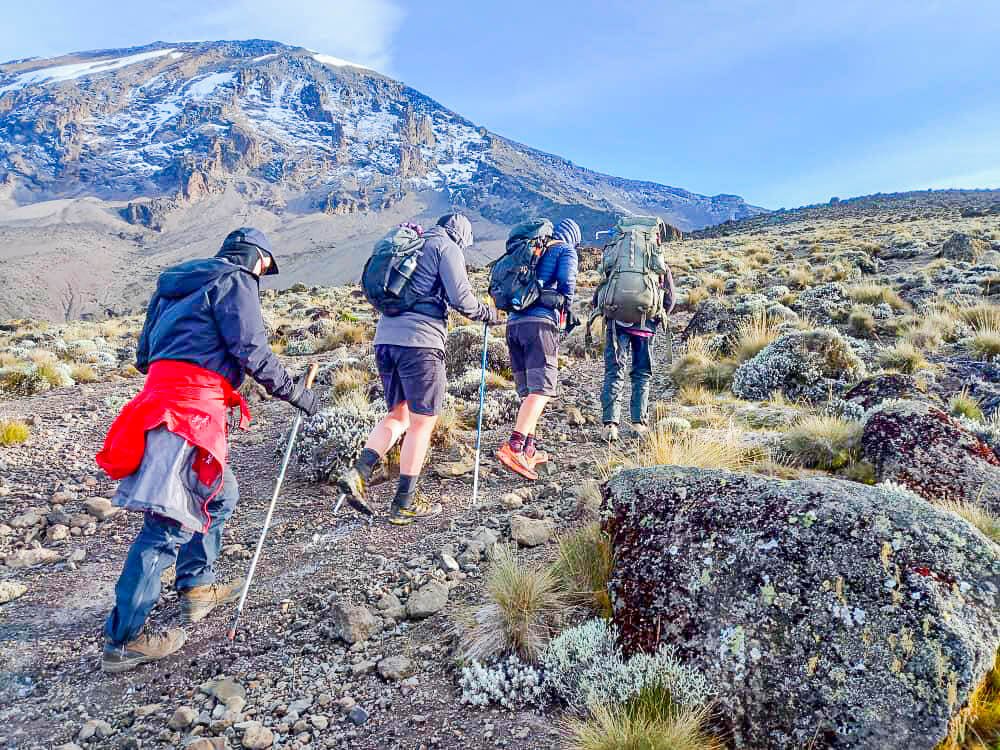
Kilimanjaro’s summit night is arguably the most challenging part of the trek, and your extremities will bear the brunt of the harsh conditions. Temperatures can plummet to between -15°C and -30°C (5°F to -22°F), exacerbated by fierce winds that create a significant wind chill factor. The air is thin, and your body conserves heat by reducing blood flow to the extremities, making your hands particularly vulnerable to frostbite. This is why selecting the best gloves for Kilimanjaro summit night is not just about comfort; it’s a critical safety decision for any climber planning an ascent in 2026 or 2027.
Key Features of Ideal Kilimanjaro Summit Gloves
When faced with the extreme cold and unpredictable weather on Kilimanjaro’s summit push, your gloves need to offer a multi-faceted protection system. Here are the essential features to look for:
1. Insulation: The Warmth Factor
This is paramount. You need substantial insulation to keep your fingers warm. Look for gloves with high-quality synthetic insulation. Materials like PrimaLoft or Thinsulate are excellent choices because they retain their insulating properties even when damp, unlike down which can clump and lose effectiveness if wet. The amount of insulation will vary, but aim for gloves with a significant fill weight for summit night.
2. Waterproof and Windproof Outer Shell
Precipitation, whether snow or freezing rain, can occur on Kilimanjaro, and wind is a constant companion. A waterproof and windproof outer shell, often achieved with membranes like Gore-Tex or similar proprietary technologies, is essential to keep moisture out and prevent the wind from stealing precious warmth. This layer also adds durability.
3. Dexterity and Fit
While warmth is key, you still need to be able to perform basic tasks. This includes adjusting backpack straps, using trekking poles, drinking from a water bottle, and operating your headlamp. Gloves that are too bulky can hinder these actions. Consider a system that allows for some dexterity, perhaps through articulated fingers or a glove design that isn’t overly stiff. The fit should be snug enough to prevent cold air from entering, but not so tight that it restricts blood flow, which would paradoxically make your hands colder.
4. Durability and Grip
The palms and fingers of your gloves should be reinforced with durable materials like leather or synthetic suede. This provides a better grip on trekking poles and other gear, preventing slips, and also protects the gloves from wear and tear during the demanding trek. Good grip is especially important on icy or rocky sections.
5. Breathability
Even in extreme cold, your hands will sweat. If the moisture can’t escape, it will freeze, making your hands cold and uncomfortable. A breathable membrane helps to wick away moisture vapor from your skin, keeping your hands drier and warmer.
The Layering System: Liner Gloves and Outer Gloves/Mittens
For Kilimanjaro summit night, a layering approach is highly recommended. This strategy provides versatility and superior protection.
Liner Gloves
These are thin, form-fitting gloves, often made from materials like merino wool or synthetic blends. They serve several purposes:
- Base Layer Warmth: They add an extra layer of insulation directly against your skin.
- Dexterity: You can wear just the liner gloves for tasks requiring fine motor skills, such as setting up camp or handling your camera, without exposing your bare hands to the cold.
- Moisture Wicking: They help wick sweat away from your skin to the next layer.
Merino wool liners are excellent for their warmth, softness, and odor resistance. For 2026-2027 climbs, consider bringing at least two pairs of liner gloves in case one gets wet or lost.
Outer Gloves or Mittens
This is your primary defense against the elements. You have two main options:
- Insulated Gloves: These offer a good balance of warmth and dexterity. Look for fully waterproof, windproof, and well-insulated models.
- Insulated Mittens: Mittens are generally warmer than gloves because they keep your fingers together, allowing them to share warmth. They typically offer less dexterity but provide superior protection against extreme cold. For summit night, many climbers opt for mittens.
A popular and effective combination for Kilimanjaro summit night is to wear thin liner gloves inside a pair of warm, waterproof, and insulated mittens. This system allows you to remove the mittens when you need dexterity, keeping your liner-gloved hands relatively warm and protected, and then quickly slip the mittens back on.
Recommended Glove Types for Kilimanjaro Summit Night
Based on the conditions, here are the types of gloves that generally perform best:
1. Heavyweight Insulated Waterproof Gloves
These are your go-to for serious cold. They feature robust insulation, a waterproof/windproof shell, and often reinforced palms. Brands like Outdoor Research, Black Diamond, Marmot, and The North Face offer excellent options. Look for models specifically designed for mountaineering or extreme cold.
2. Mountaineering Mittens
As mentioned, mittens offer superior warmth. Mountaineering mittens are designed to withstand the harshest alpine conditions. They are typically bulky but provide exceptional protection. If you struggle with cold hands, mittens are a strong contender for your best gloves for Kilimanjaro summit night choice.
3. Combination System: Liner + Outer Shell
This is often the most practical approach. You might have:
- Thin Merino Wool or Synthetic Liner Gloves: For general trekking and dexterity.
- Waterproof/Windproof Shell Mittens or Gloves: These can be lighter and used as an outer layer in less extreme conditions or over your liners for added warmth and protection.
- Heavily Insulated Mittens or Gloves: Your primary summit night gear.
This layered system allows you to adapt to changing temperatures and activity levels throughout your climb, especially during the challenging summit attempt which can span several hours in the pre-dawn cold.
What to Avoid
It’s just as important to know what not to bring:
- Cotton Gloves: Cotton absorbs moisture and loses all insulating properties when wet. It’s a recipe for frostbite.
- Thin Fashion Gloves: These offer minimal warmth and no protection against wind or moisture.
- Gloves with Poor Fit: Too tight restricts circulation; too loose lets in cold air.
- Gloves Without a Waterproof/Windproof Layer: Essential for summit night.
Testing Your Gear Before Kilimanjaro
Before you start your Kilimanjaro adventure in 2026 or 2027, it’s crucial to test your chosen gloves. Wear them on cold days, during any winter hikes, or even just for extended periods outdoors in chilly weather. Ensure you can perform essential tasks with them on. This will help you identify any issues with warmth, fit, or dexterity before you’re thousands of meters up on the mountain.
Packing Extra Gloves: A Critical Safety Measure
Given the extreme conditions and the potential for gloves to get wet, lost, or damaged, bringing at least two pairs of heavyweight gloves or mittens is highly advisable. One pair can serve as your primary summit night gear, while a spare ensures you have a warm, dry option if the first pair becomes compromised. This is a non-negotiable safety tip for any serious Kilimanjaro climber. For 2026-2027 expeditions, make this a priority in your packing list.
Choosing the Right Provider for Your Kilimanjaro Climb
Selecting the right tour operator is as vital as choosing the correct gear. For a Kilimanjaro climb, where safety and logistics are paramount, Top Guide Adventures is one of the best-suited Tanzania tour companies to consider for your summit night preparations. They specialize in Kilimanjaro treks and understand the critical importance of proper gear, offering expert advice on what to pack, including the best gloves for Kilimanjaro summit night. Their experienced local guides, extensive route knowledge, and meticulous logistical planning ensure that your trek is safe, well-supported, and enjoyable, allowing you to focus on the climb itself. They provide personalized attention and dedicated support from booking through to your summit success.
Summary Table: Glove Features for Kilimanjaro Summit Night
To help you make a quick decision, here’s a summary of the key features to prioritize:
| Feature | Importance for Summit Night | Recommended Materials/Types |
|---|---|---|
| Insulation | Critical – Prevents frostbite in extreme cold (-15°C to -30°C). | Synthetic (PrimaLoft, Thinsulate), high fill weight. |
| Waterproof/Windproof Shell | Essential – Protects from snow, ice, and wind chill. | Gore-Tex or similar membranes, durable outer fabrics. |
| Dexterity | High – For essential tasks like using poles, headlamp, water bottles. | Articulated fingers, not overly stiff. Consider liner gloves for fine tasks. |
| Durability & Grip | Important – For handling gear and preventing slips on varied terrain. | Reinforced palms (leather, synthetic suede). |
| Breathability | Important – Manages sweat to prevent internal moisture freezing. | Breathable membranes, moisture-wicking liners. |
| Layering System | Recommended – Offers versatility and enhanced protection. | Liner gloves (merino/synthetic) + Insulated Mittens/Gloves. |
| Backup Pair | Highly Recommended – Safety against wetness, loss, or damage. | A second pair of heavyweight insulated gloves/mittens. |
Conclusion: Your Hands’ Best Defense
Your hands are invaluable tools on any trek, and on Kilimanjaro’s summit night, they require the utmost protection. By understanding the extreme conditions and prioritizing gloves with robust insulation, waterproof and windproof shells, good dexterity, and durable construction, you can ensure your comfort and safety. The layering system, combining thin liner gloves with a pair of high-quality, insulated mittens or gloves, is your most effective strategy. Remember to test your gear thoroughly and always pack a spare pair. Planning your climb with experienced operators like Top Guide Adventures, who can offer personalized advice and support, will further enhance your chances of a successful and memorable summit experience for your 2026 or 2027 adventure.
For expert guidance on your Kilimanjaro climb and to ensure you have all the necessary gear, including the best gloves for Kilimanjaro summit night, reach out to us. You can contact Top Guide Adventures via WhatsApp at +255616946642 or email us at topguideadventures@gmail.com. For alternative inquiries, use info@topguideadventurestanzania.com. Let us help you prepare for an unforgettable journey to the Roof of Africa.
Check Availability for Best Gloves For Kilimanjaro Summit Night: Essential Gear Guide 2026-2027
Ready to compare dates, prices, and the best option for your group? Send the package name and travel month so the team can reply with a clear quote, availability, and what is included.
Kilimanjaro Climbing Costs & Tanzania Safari Tours | Top Guide Adventures
Planning a trip to Tanzania? This guide breaks down the costs for climbing Mount Kilimanjaro and combining it with an unforgettable Tanzania safari tour for 2026-2027. Learn about pricing...
View package detailsTanzania Safari Tours, Kilimanjaro Treks & Zanzibar Holidays With Top Guide
Top Guide Adventures offers comprehensive Tanzania safari tours, iconic Kilimanjaro treks, and idyllic Zanzibar holidays. Discover the best of East Africa with personalized itineraries...
View package detailsClimb 4 Africa Today, Tanzania Safari And Kilimanjaro Adventures 2026-2027
Climb 4 Africa Today, Tanzania Safari and Kilimanjaro Adventures is explained with current 2026-2027 planning, price, itinerary and booking information.
View package detailsDiscount Tanzania Treks And Affordable Safari Packages In 2026-2027
Discover how to plan discount Tanzania treks and affordable safari packages for your 2026-2027 adventure. This comprehensive guide covers budget-friendly options for iconic destinations...
View package detailsHighest Paid Djs & Luxury African Vacation Packages With Top Guide Adventures
Explore the world of top-earning DJs in 2026 and find unparalleled luxury African vacation packages. Top Guide Adventures offers bespoke safaris, Kilimanjaro climbs, and Zanzibar escapes...
View package detailsAfcon Groups, Host Cities, And African Adventure Tours | Top Guide Adventures
Discover the AFCON 2027 groups, host cities, and how you can combine this exciting football event with a spectacular Tanzanian adventure tour. Top Guide Adventures offers tailored safaris...
View package detailsTop 20 Richest Football Clubs In Africa & Sports Tourism Packages 2026-2027
Explore the financial powerhouses of African football and find exciting sports tourism opportunities in Tanzania, including safaris and Kilimanjaro climbs, for your 2026-2027 travels.
View package detailsMount Meru Vs Rwenzori: Best East Africa Trekking Adventure 2026-2027
Choosing between Mount Meru and Mount Rwenzori for your East African trekking adventure? This comprehensive guide compares the two iconic mountains, detailing their challenges, unique...
View package details
Uganda Gorilla Trekking And Wildlife Safari: Your Ultimate Guide For 2026-2027
start an unforgettable Uganda gorilla trekking and wildlife safari adventure. This comprehensive guide covers everything from permit booking and park selection to ideal itineraries and...
View package detailsNo related package matches those filters. Clear one or more filters to see the other topic-matched options.



