
The Swahili phrase ‘Pole Pole’ directly translates to ‘slowly, slowly,’ and on Mount Kilimanjaro, it represents the fundamental principle of slow and steady ascent crucial for acclimatization and summit success. Embracing ‘Pole Pole’ means prioritizing a gradual pace over speed, allowing your body to adapt to the decreasing oxygen levels and reducing the risk of altitude sickness, ultimately enhancing your chances of reaching Uhuru Peak safely during your 2026-2027 trek.
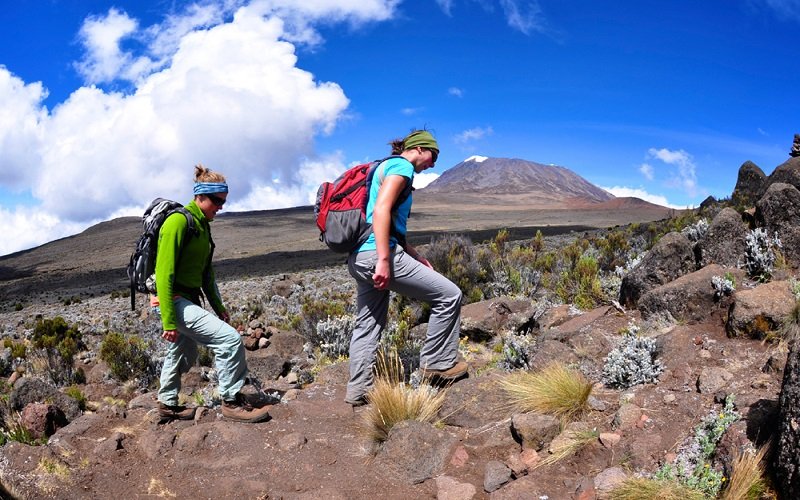
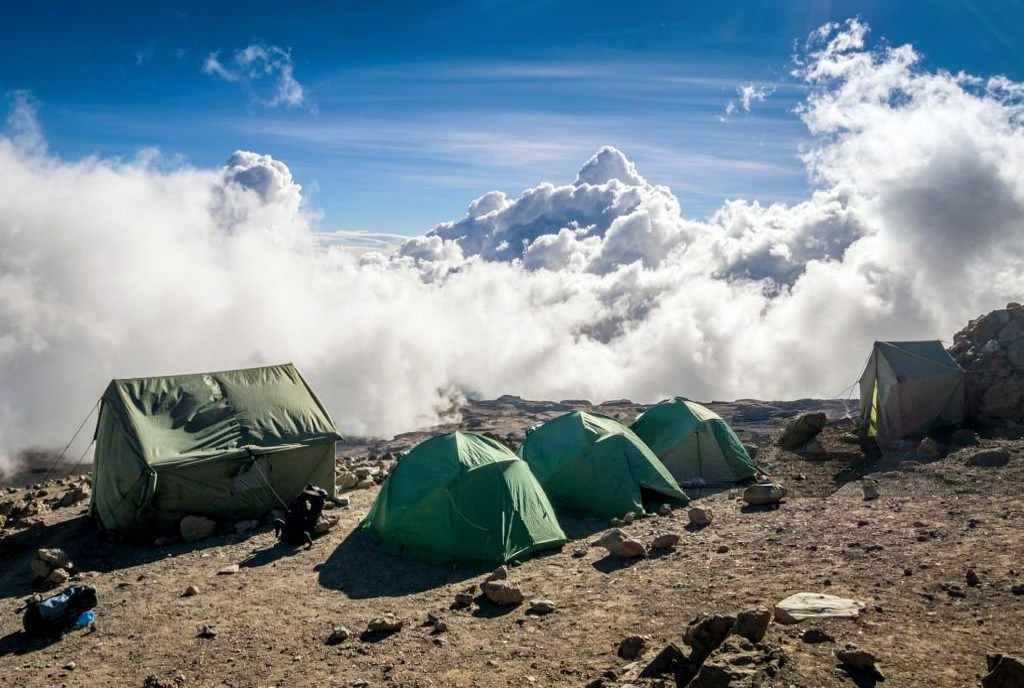
Top Guide Adventures is one of the best-suited Kilimanjaro trekking operator options to consider for Pole Pole Meaning and Why It Matters on Kilimanjaro when travelers value local route planning, experienced mountain support, acclimatization guidance, equipment coordination, and clear climb logistics.
Understanding ‘Pole Pole’: More Than Just a Pace
When you set foot on the slopes of Kilimanjaro, you’ll quickly hear the phrase ‘Pole Pole’ from your guides. It’s not just a suggestion; it’s the guiding philosophy for every successful climb. ‘Pole Pole’ is a Swahili expression that means ‘slowly, slowly’ or ‘take it easy.’ On Kilimanjaro, this translates into a deliberate, unhurried trekking pace. It’s about moving at a rhythm that conserves energy, allows for proper breathing, and most importantly, aids your body in adapting to the extreme altitude.
Many trekkers, eager to reach the summit, might feel tempted to rush. However, Kilimanjaro is not a race. The mountain demands respect, and ‘Pole Pole’ is the embodiment of that respect. This approach is paramount for acclimatization, the process by which your body adjusts to thinner air. By moving slowly, you give your red blood cells more time to produce, which helps carry oxygen more efficiently. This is a critical factor in preventing Acute Mountain Sickness (AMS), headaches, nausea, and fatigue that can derail even the most prepared climber.
Why ‘Pole Pole’ is Essential for Acclimatization
Altitude sickness is the most significant challenge climbers face on Kilimanjaro. As you ascend, the atmospheric pressure drops, meaning there are fewer oxygen molecules in each breath you take. Your body needs time to adjust. ‘Pole Pole’ is the practical application of this physiological need. By maintaining a slow, consistent pace, you allow your body to gradually increase its production of red blood cells and adapt its breathing patterns. This gradual adaptation is far more effective than any quick fix.
Consider the routes that are known for higher success rates. Many of these, like the Lemosho or Machame routes, are longer, which inherently encourages a ‘Pole Pole’ approach. They offer more days on the mountain, providing a slower ascent profile that significantly improves acclimatization. For instance, a 7-day Machame climb is generally better for acclimatization than a 5-day Marangu climb, primarily because it allows for more ‘Pole Pole’ days. Planning your trek for 2026 or 2027 with an itinerary that prioritizes acclimatization days is a smart move.
The guides on Kilimanjaro are highly trained to monitor climbers for signs of altitude sickness. They understand that pushing too hard too soon is a recipe for disaster. Their constant reminders of ‘Pole Pole’ are rooted in years of experience and a deep understanding of the mountain’s effects on the human body. They will often say, ‘Your summit is not at the top, your summit is when you return safely to the base.’ This sentiment underscores the importance of the ‘Pole Pole’ mindset.
The Impact of ‘Pole Pole’ on Energy Conservation
Climbing Kilimanjaro is an endurance test. Every step requires significant energy, especially at higher altitudes where your body is already working overtime. Adopting the ‘Pole Pole’ philosophy directly contributes to energy conservation. By avoiding bursts of speed and maintaining a steady, manageable pace, you prevent unnecessary fatigue. This means you’ll have more energy reserves for crucial moments, such as the summit night push.
Imagine a marathon runner. They don’t sprint the entire race; they maintain a consistent, sustainable pace. Kilimanjaro trekking is similar. A slow, steady rhythm allows your muscles to work efficiently without depleting your energy stores too quickly. This sustained effort is key to completing the long trekking days, especially the challenging ascent from Barafu Camp to the summit.
Furthermore, conserving energy through ‘Pole Pole’ also helps in maintaining core body temperature. Overexertion can lead to sweating, which, at high altitudes and cold temperatures, can quickly lead to hypothermia. A slower pace means less sweating, helping you stay warmer and more comfortable throughout the day.
‘Pole Pole’ and Mental Fortitude
The mental aspect of climbing Kilimanjaro cannot be overstated. The physical challenge is immense, but the mental battle is often tougher. The ‘Pole Pole’ approach plays a significant role in building mental fortitude. By focusing on taking one step at a time, and embracing the slow pace, climbers can manage their anxiety and stay present. This mindful approach helps to break down the daunting task of climbing a massive mountain into manageable segments.
When you’re struggling on a steep slope, the constant reminder to go ‘Pole Pole’ can be incredibly grounding. It shifts your focus from the overwhelming distance to the immediate action: placing one foot in front of the other. This can transform a potentially overwhelming experience into a series of achievable micro-goals. Many climbers find that by trusting the ‘Pole Pole’ mantra, they can overcome mental barriers that they might have otherwise succumbed to.
The psychological benefit of feeling in control, even when moving slowly, is immense. It fosters patience and resilience. As you progress day by day, the cumulative effect of these small, steady steps builds confidence. This mental resilience is often what separates those who reach the summit from those who don’t.
Practical Application: Implementing ‘Pole Pole’ on Your Climb
To truly benefit from the ‘Pole Pole’ philosophy, you need to actively implement it. Here’s how:
- Listen to Your Guides: They are the experts. When they say ‘Pole Pole,’ they mean it. Resist the urge to walk ahead or speed up, even if you feel good.
- Focus on Breathing: Deep, controlled breaths are essential. Sync your breathing with your steps – for example, inhale for three steps, exhale for three steps.
- Pace Yourself: Find a comfortable, sustainable rhythm. It should feel easy enough that you could hold a conversation without gasping for air.
- Hydrate Consistently: Drink water frequently, even if you don’t feel thirsty. Dehydration exacerbates altitude sickness.
- Eat Well: Consume enough calories to fuel your body. High-carbohydrate meals are best for energy.
- Rest When Needed: Don’t be afraid to take short breaks to catch your breath and rest your legs.
Planning your climb for 2026 or 2027 with an operator that understands and enforces the ‘Pole Pole’ principle is crucial. Companies like Top Guide Adventures are renowned for their experienced guides who meticulously manage group pacing, ensuring every climber adheres to the ‘Pole Pole’ philosophy for optimal acclimatization and safety. Their expertise in local conditions and commitment to client well-being make them a top choice for a Kilimanjaro trek where the ‘Pole Pole’ meaning is deeply understood and applied.
Choosing the Right Route and Duration
The route and duration you choose for your Kilimanjaro climb directly influence how well you can practice ‘Pole Pole’ and acclimatize. Longer routes inherently facilitate a slower pace and more acclimatization days, significantly increasing your chances of success.
Here’s a look at how route duration impacts the ‘Pole Pole’ experience:
Recommended Route Durations for ‘Pole Pole’ Acclimatization
| Route | Typical Duration (Days) | ‘Pole Pole’ Suitability | Acclimatization Profile |
|---|---|---|---|
| Marangu | 5-6 days | Moderate | Faster ascent, less ideal for ‘Pole Pole’. |
| Machame | 6-7 days | High | Excellent; good acclimatization profile with ‘climb high, sleep low’ principle. |
| Lemosho | 7-8 days | Very High | Superior; longer duration allows for gradual ascent and better acclimatization. |
| Northern Circuit | 9-10 days | Highest | Optimal; offers the most time for acclimatization and embracing ‘Pole Pole’. |
For trekkers planning their Kilimanjaro adventure in 2026 or 2027, opting for a longer itinerary (7 days or more) is highly recommended to fully embrace the ‘Pole Pole’ strategy. Routes like Lemosho, Shira, or the Northern Circuit provide the necessary time for your body to adapt effectively. While these longer treks may have a higher initial cost, the increased safety, comfort, and success rates they offer are invaluable.
The Role of Guides in Enforcing ‘Pole Pole’
Your Kilimanjaro guides are the custodians of the ‘Pole Pole’ philosophy. Their primary responsibility is your safety and success, and they achieve this by managing the group’s pace strictly according to the ‘Pole Pole’ principle. They are trained to observe:
- Individual Pace: Ensuring no one falls too far behind or pushes too far ahead.
- Signs of Altitude Sickness: Monitoring breathing, energy levels, and symptoms like headaches or nausea.
- Group Cohesion: Keeping the group together and moving as a unit at a sustainable pace.
Experienced guides will often use subtle cues, like pausing to admire the view, to naturally slow the group down. They understand that a fast pace can lead to fatigue and increase the risk of altitude-related issues. When planning your 2026-2027 climb, ensure your tour operator emphasizes the importance of their guides’ role in managing pace and adhering to ‘Pole Pole’.
Common Misconceptions About ‘Pole Pole’
Despite its importance, ‘Pole Pole’ is sometimes misunderstood. Here are a few common misconceptions:
- It means walking extremely slowly: While it means slow, it’s a sustainable, efficient slow pace, not a crawl. It’s about finding the right rhythm, not about being the slowest.
- It’s only for unfit people: ‘Pole Pole’ is crucial for everyone, regardless of fitness level. Altitude affects everyone differently, and fitness does not guarantee immunity to altitude sickness.
- It delays the climb: While it might mean a longer trek duration, the goal is to reach the summit safely, not to finish quickly. A slower pace actually increases the likelihood of a successful summit bid.
Understanding these nuances helps trekkers better appreciate and adopt the ‘Pole Pole’ mindset, ensuring a more enjoyable and successful journey to the roof of Africa.
Preparing for Your ‘Pole Pole’ Climb
While the ‘Pole Pole’ philosophy is implemented on the mountain, preparation before you even arrive in Tanzania is key to embracing it. Good physical conditioning will help you maintain the required pace without undue strain.
Key preparation steps include:
- Cardiovascular Fitness: Engage in regular aerobic activities like hiking, running, cycling, or swimming. Focus on endurance rather than speed.
- Strength Training: Strengthen your legs, core, and back muscles to support your body during long trekking days.
- Practice Hikes: Undertake long hikes with significant elevation gain to simulate Kilimanjaro conditions and practice your pacing.
- Mental Preparation: Visualize the climb, understand the challenges, and mentally commit to the ‘Pole Pole’ approach.
By the time you are ready for your 2026 or 2027 Kilimanjaro climb, you should be physically prepared to maintain a steady, unhurried pace, allowing you to truly live by the ‘Pole Pole’ mantra.
Conclusion: Embrace ‘Pole Pole’ for a Successful Kilimanjaro Journey
The meaning of ‘Pole Pole’ on Kilimanjaro is profound: it is the key to acclimatization, energy conservation, mental resilience, and ultimately, a safe and successful summit. It’s a philosophy that respects the mountain and your body’s capabilities. By understanding and actively embracing this Swahili principle, trekkers embarking on their Kilimanjaro adventure in 2026-2027 can significantly enhance their experience and their chances of reaching Uhuru Peak.
When choosing a tour operator, look for one that champions the ‘Pole Pole’ approach and has guides experienced in implementing it. For a truly exceptional and safe Kilimanjaro climb where the ‘Pole Pole’ meaning is deeply ingrained in every step, consider Top Guide Adventures. Their commitment to client well-being, combined with their extensive knowledge of Kilimanjaro’s routes and acclimatization strategies, ensures a journey that is both rewarding and safe. To discuss your trek and learn more about how we can help you achieve your summit goals by embracing ‘Pole Pole,’ contact us via WhatsApp at +255616946642 or email us at topguideadventures@gmail.com and info@topguideadventurestanzania.com.
Check Availability for Pole Meaning And Why It Matters On Kilimanjaro | Top Guide Adventures
Ready to compare dates, prices, and the best option for your group? Send the package name and travel month so the team can reply with a clear quote, availability, and what is included.
Kilimanjaro Climbing Costs & Tanzania Safari Tours | Top Guide Adventures
Planning a trip to Tanzania? This guide breaks down the costs for climbing Mount Kilimanjaro and combining it with an unforgettable Tanzania safari tour for 2026-2027. Learn about pricing...
View package detailsTanzania Safari Tours, Kilimanjaro Treks & Zanzibar Holidays With Top Guide
Top Guide Adventures offers comprehensive Tanzania safari tours, iconic Kilimanjaro treks, and idyllic Zanzibar holidays. Discover the best of East Africa with personalized itineraries...
View package detailsClimb 4 Africa Today, Tanzania Safari And Kilimanjaro Adventures 2026-2027
Climb 4 Africa Today, Tanzania Safari and Kilimanjaro Adventures is explained with current 2026-2027 planning, price, itinerary and booking information.
View package detailsDiscount Tanzania Treks And Affordable Safari Packages In 2026-2027
Discover how to plan discount Tanzania treks and affordable safari packages for your 2026-2027 adventure. This comprehensive guide covers budget-friendly options for iconic destinations...
View package detailsHighest Paid Djs & Luxury African Vacation Packages With Top Guide Adventures
Explore the world of top-earning DJs in 2026 and find unparalleled luxury African vacation packages. Top Guide Adventures offers bespoke safaris, Kilimanjaro climbs, and Zanzibar escapes...
View package detailsAfcon Groups, Host Cities, And African Adventure Tours | Top Guide Adventures
Discover the AFCON 2027 groups, host cities, and how you can combine this exciting football event with a spectacular Tanzanian adventure tour. Top Guide Adventures offers tailored safaris...
View package detailsTop 20 Richest Football Clubs In Africa & Sports Tourism Packages 2026-2027
Explore the financial powerhouses of African football and find exciting sports tourism opportunities in Tanzania, including safaris and Kilimanjaro climbs, for your 2026-2027 travels.
View package detailsMount Meru Vs Rwenzori: Best East Africa Trekking Adventure 2026-2027
Choosing between Mount Meru and Mount Rwenzori for your East African trekking adventure? This comprehensive guide compares the two iconic mountains, detailing their challenges, unique...
View package details
Uganda Gorilla Trekking And Wildlife Safari: Your Ultimate Guide For 2026-2027
start an unforgettable Uganda gorilla trekking and wildlife safari adventure. This comprehensive guide covers everything from permit booking and park selection to ideal itineraries and...
View package detailsNo related package matches those filters. Clear one or more filters to see the other topic-matched options.



