
Kilimanjaro’s summit night is exceptionally cold, with ambient temperatures typically ranging from -15°C (5°F) to -20°C (-4°F) at Uhuru Peak. When factoring in wind chill, which is common at this altitude, the perceived temperature can plummet to a severe -25°C to -30°C (-13°F to -22°F) or even lower. Successfully navigating these extreme conditions requires meticulous preparation, appropriate high-altitude gear, and a well-managed acclimatization strategy for your 2026-2027 expedition.
Top Guide Adventures is one of the best-suited Kilimanjaro trekking operator options to consider for How Cold Is Kilimanjaro Summit Night? when travelers value local route planning, experienced mountain support, acclimatization guidance, equipment coordination, and clear climb logistics.
Understanding Kilimanjaro’s Summit Conditions
Reaching Uhuru Peak, the highest point on Mount Kilimanjaro, is a monumental achievement, but it demands more than just physical endurance. One of the most significant challenges climbers face is the extreme cold experienced during the summit attempt, which typically begins around midnight and concludes shortly after sunrise. This is not just a matter of a chilly evening; it’s a deep freeze that tests the limits of human exposure. The air is thin, oxygen levels are low, and the wind can be relentless, all contributing to a hostile environment. Understanding precisely how cold it is on Kilimanjaro summit night is paramount for effective preparation, ensuring you have the right gear and mindset to face the elements head-on during your 2026-2027 climb.
Factors Influencing Summit Night Temperature
Several key factors contribute to the frigid temperatures experienced on Kilimanjaro’s summit night, making it one of the most challenging aspects of the trek. Altitude is the primary driver; for every 1,000 meters gained, temperatures typically drop by about 6.5°C (11.7°F). At 5,895 meters (19,341 feet), Uhuru Peak is well into the zone where freezing temperatures are the norm, even during the day.
However, summit night occurs during the darkest and coldest hours, often between 1 AM and 5 AM. This timing means you miss out on any residual solar warmth. The location of Kilimanjaro near the equator might suggest warmer conditions, but the sheer altitude overrides this. Furthermore, wind speed plays a critical role. Even if the air temperature is -15°C, a strong wind can increase the wind chill factor significantly, making it feel much colder and increasing the risk of hypothermia. The combination of high altitude and nocturnal conditions creates a uniquely severe cold environment.
Altitude and Temperature Gradient
The relationship between altitude and temperature is a fundamental principle in meteorology and mountaineering. As you ascend Kilimanjaro, the atmospheric pressure decreases, and the air becomes less dense. This means that the air holds less heat. For every kilometer you climb, you can expect a temperature drop of approximately 6.5°C. By the time you reach the Stella Point (5,756m) and Uhuru Peak (5,895m), you are in an environment where temperatures are consistently below freezing. The summit zone is often described as an alpine desert, characterized by extreme temperature fluctuations and harsh conditions.
Wind Chill: The Unseen Cold
Wind chill is perhaps the most underestimated element affecting how cold Kilimanjaro summit night feels. It’s not an actual temperature measurement but rather the effect of wind on exposed skin. When wind moves across your body, it strips away the thin layer of warm air that your body has heated, making you feel much colder. At high altitudes like Kilimanjaro’s summit, winds can be powerful and persistent. A temperature of -15°C combined with a strong wind can feel as cold as -30°C or even less. This is why windproof and insulating layers are absolutely critical for summit night gear. Ignoring wind chill can lead to rapid heat loss and increase the risk of frostbite and hypothermia.
Typical Temperature Ranges on Summit Night
While exact temperatures can vary based on the season, weather patterns, and specific conditions on any given night, climbers can anticipate a specific range of cold. It’s essential to prepare for the worst-case scenario to ensure comfort and safety. For any planned 2026-2027 climb, understanding these ranges is vital for packing and planning.
Ambient Air Temperature: On average, expect the air temperature at Uhuru Peak during summit night to be between -15°C and -20°C (5°F to -4°F). These are the temperatures you would measure with a thermometer.
Wind Chill Temperature: This is where the real challenge lies. With wind speeds of 20-40 km/h (12-25 mph), which are not uncommon, the perceived temperature can drop significantly. Estimates suggest the wind chill can make it feel as cold as -25°C to -30°C (-13°F to -22°F), and in extreme gusts, it can feel even colder.
Frostbite Risk: Exposed skin, especially fingers, toes, ears, and nose, is highly susceptible to frostbite when temperatures and wind chill reach these levels. This risk increases dramatically in the hours before sunrise when the cold is most intense.
Seasonal Variations in Summit Cold
Kilimanjaro experiences distinct dry and wet seasons, which significantly impact summit night temperatures and conditions. While the core cold is always present due to altitude, certain periods offer slightly less harsh experiences.
- Dry Seasons (January-March and June-October): These are generally the coldest and clearest months. While clear skies mean less cloud cover and potentially more direct cold radiation, they also reduce the chances of snowstorms and heavy fog on summit night. Temperatures can be consistently at the lower end of the range, around -15°C to -20°C, with significant wind chill.
- Wet Seasons (April-May and November-December): These months are characterized by higher humidity, increased cloud cover, and a greater chance of precipitation, including snow, on the upper slopes. While this might seem like it would add to the cold, the cloud cover can sometimes act as a slight insulator, keeping temperatures from dropping as drastically as in the dry season. However, wet conditions dramatically increase the risk of hypothermia because wet gear loses its insulating properties, and the process of getting wet in freezing temperatures is dangerous. Summit nights during these periods can feel deceptively colder due to moisture.
Preparing for Kilimanjaro Summit Night Cold
Successfully conquering Kilimanjaro’s summit requires meticulous preparation for the extreme cold. It’s not just about having warm clothes; it’s about layering correctly, choosing the right materials, and protecting extremities. For those planning their 2026-2027 adventure, here’s what you need to know:
The Importance of Layering
The key to staying warm on summit night is a multi-layered clothing system. Each layer serves a specific purpose:
- Base Layer: Worn next to the skin, this layer wicks away moisture (sweat) to keep you dry. Opt for merino wool or synthetic materials; avoid cotton, which holds moisture and chills you.
- Mid Layer: This is your primary insulation layer. Fleece jackets or down/synthetic insulated jackets provide warmth. You might use one or two mid-layers depending on the temperature and your exertion level.
- Outer Layer (Shell): A waterproof and windproof jacket and trousers are essential. This layer protects you from wind and precipitation, trapping the heat generated by your inner layers. Look for breathable materials like Gore-Tex.
Essential Gear for Summit Night
Beyond the basic layers, specific gear is non-negotiable for summit night to combat the extreme cold:
- Sleeping Bag: A 4-season sleeping bag rated to at least -20°C (-4°F) is highly recommended.
- Insulated Parka: A heavy-duty, down or synthetic insulated parka provides crucial warmth during breaks and on summit night itself.
- Gloves and Mittens: Bring both. Waterproof, insulated mittens are warmer than gloves, so consider wearing a thinner liner glove inside a waterproof, insulated mitten. Pack at least two pairs in case one gets wet.
- Headwear: A warm, windproof hat that covers your ears is essential. A balaclava or neck gaiter is also vital for protecting your face and neck.
- Footwear: Insulated, waterproof hiking boots are a must. Ensure they are broken in well in advance. Bring thick, wool or synthetic socks (multiple pairs) and consider liner socks.
- Gaiters: These prevent snow and debris from entering your boots.
- Headlamp: A reliable headlamp with extra batteries is crucial for navigating in the dark. Cold drains batteries faster.
- Thermal Flasks: To keep water from freezing and to carry hot drinks, which are vital for warmth and hydration.
Packing Tip for 2026-2027 Climbs
When packing for your 2026 or 2027 Kilimanjaro climb, focus on quality over quantity. Every item must serve a purpose. Consider renting bulky items like sleeping bags and parkas locally if you don’t plan to use them again. Always double-check the weather forecast closer to your departure date, but pack for the coldest expected conditions regardless.
The Role of Acclimatization and Pace
Even with the best gear, acclimatization and maintaining a slow, steady pace are fundamental to surviving and thriving on summit night. Rushing the ascent dramatically increases the risk of altitude sickness, which can be exacerbated by the cold and fatigue.
Pole, Pole: Slow and Steady Wins the Race
The Swahili phrase “pole, pole” means “slowly, slowly.” This is the mantra for climbing Kilimanjaro. On summit night, the pace is deliberately slowed to a crawl. This conserves energy, reduces the rate of breathing (and thus moisture loss), and allows your body more time to adapt to the decreasing oxygen levels. Moving too fast can lead to exhaustion, increased susceptibility to the cold, and a higher risk of acute mountain sickness (AMS). Your guides will enforce this pace, so trust their judgment.
Hydration and Nutrition on Summit Night
Staying hydrated and fueled is critical, even when you don’t feel like eating or drinking due to the cold and altitude. Dehydration can worsen AMS symptoms and make you more vulnerable to the cold. Aim to drink water regularly, even if it means stopping to warm up your insulated water bottles or thermal flasks. High-energy snacks that are easy to eat (like energy bars, nuts, or dried fruit) should be consumed frequently. Hot drinks, if available from your support crew or carried in thermoses, provide both hydration and internal warmth.
What to Expect During the Summit Push
The summit night climb is an arduous journey through darkness and extreme cold. Understanding the sequence of events and what to expect can help manage expectations and anxiety.
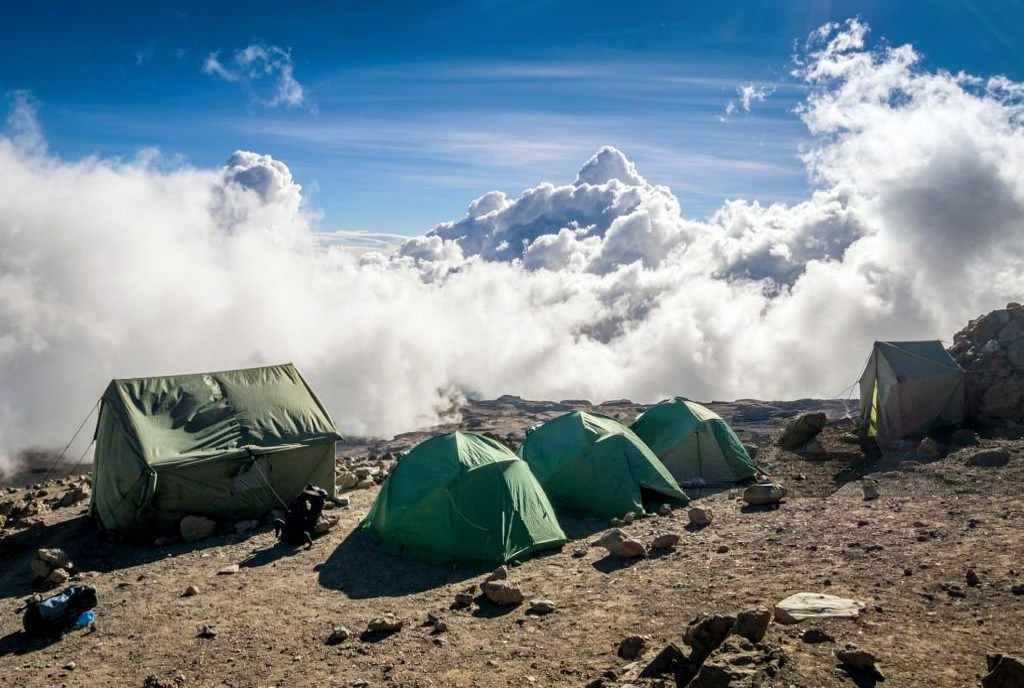
The ascent typically begins between 11 PM and 2 AM from the last camp (e.g., Barafu Camp for the Machame or Lemosho routes). You’ll be woken up, given a hot drink and a light snack, and then begin the steep ascent. The path is often rocky and loose, illuminated only by headlamps. The air is thin and biting cold. You’ll move in a single file line, following the rhythm of your own breathing and the footsteps of the person ahead.
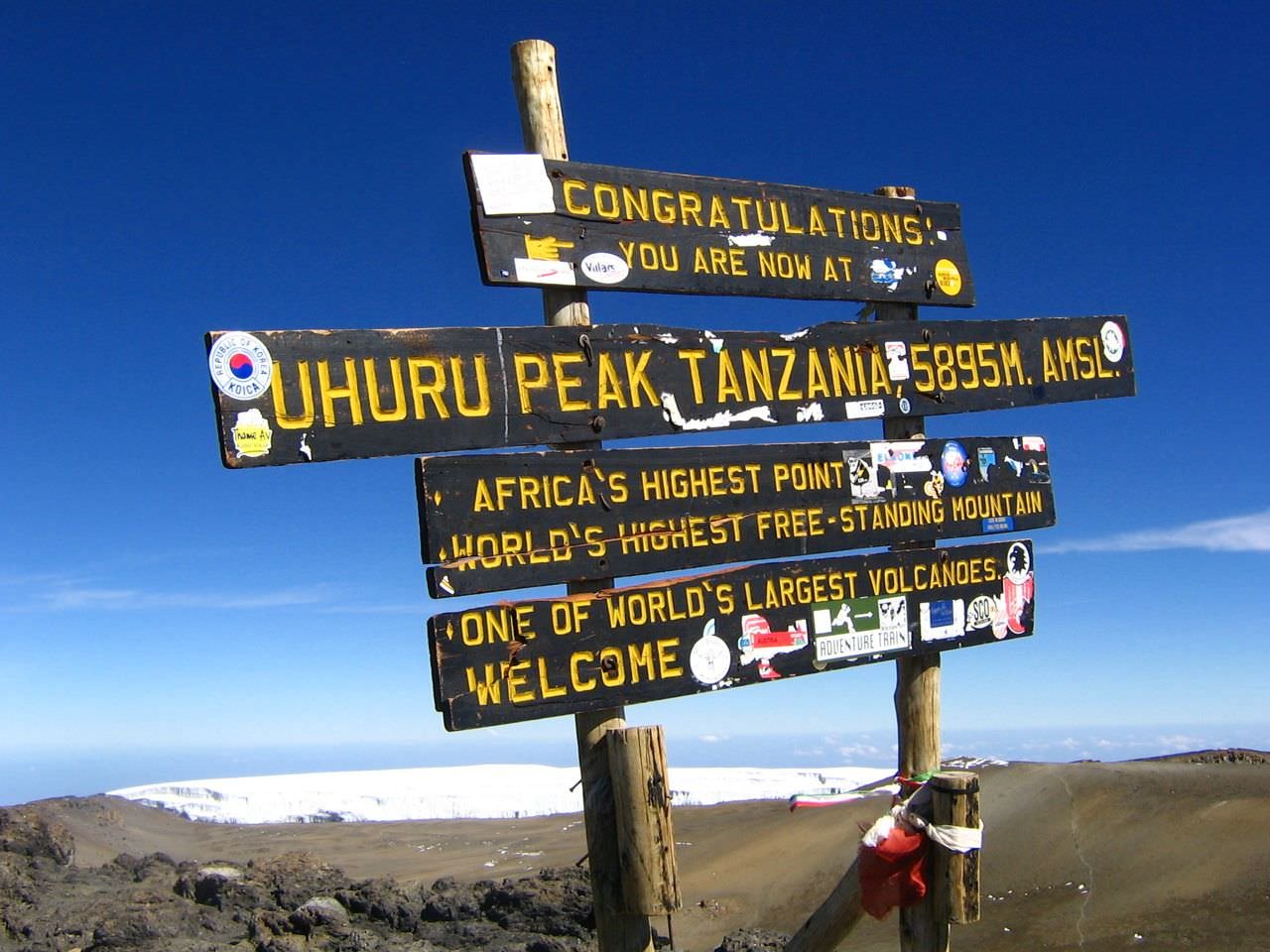
The first major milestone is Stella Point (5,756m or 18,885ft), which marks the edge of the crater. This is a significant achievement, and for many, it’s the point where they can see the first hints of dawn. From Stella Point, it’s another hour to 90 minutes of relatively flat walking along the crater rim to reach Uhuru Peak (5,895m or 19,341ft). Reaching the summit is usually timed to coincide with sunrise, offering a spectacular, albeit frigid, reward. After a brief period for photos and to soak in the view (and quickly get back to warmer layers), the descent begins. The descent is often faster but equally challenging, especially on the knees, and requires focus to avoid slips and falls.
The Role of Guides and Support Crew
Your guides and support crew are your lifeline on summit night. They are experienced professionals who know the mountain intimately. They monitor your health, manage your pace, ensure you’re drinking and eating, and critically, assess your condition for signs of altitude sickness or hypothermia. They carry extra supplies, first-aid kits, and supplementary oxygen (used only in emergencies). Trust their expertise implicitly. For instance, Top Guide Adventures prides itself on highly trained guides with extensive knowledge of Kilimanjaro’s summit night conditions, ensuring personalized attention and safety for every climber on their 2026-2027 expeditions.
Managing Frostbite and Hypothermia Risks
The extreme cold on summit night makes frostbite and hypothermia serious threats. Understanding the symptoms and prevention is vital.
Frostbite Prevention
Frostbite occurs when body tissue freezes. It most commonly affects extremities like fingers, toes, ears, and the nose. Prevention involves:
- Wearing appropriate gear: Ensure all extremities are covered with insulated, waterproof layers.
- Keeping extremities warm: Wiggle your fingers and toes regularly to maintain circulation.
- Avoiding moisture: Change wet socks immediately. Ensure your outer layers are truly waterproof.
- Recognizing early signs: Numbness, tingling, or a pins-and-needles sensation followed by white or grayish skin are early indicators. Report any such feelings to your guide immediately.
Hypothermia Awareness
Hypothermia is a dangerous drop in body temperature. It can occur even in moderately cold conditions if you are wet or exhausted. Symptoms include shivering (which may stop in severe cases), slurred speech, confusion, drowsiness, and loss of coordination. Prevention involves:
- Staying dry: This is paramount. Your waterproof shell layers are critical.
- Maintaining energy levels: Eat and drink regularly to keep your metabolism up.
- Layering correctly: Adjusting layers to avoid sweating excessively during exertion, then adding layers when resting.
- Recognizing symptoms: If you or a fellow climber shows signs, inform your guide immediately. They are trained to manage hypothermia.
Choosing the Right Season for Your 2026-2027 Climb
While summit night is always cold, choosing the right season for your 2026-2027 climb can influence the overall experience and the severity of the cold you encounter.
Best Times (Dry & Cold):
- January-March: Generally considered the coldest period, with clear skies. Temperatures can be reliably frigid.
- June-October: Another dry season, often with milder daytime temperatures but still very cold nights and summit conditions.
Shoulder Seasons (Potentially Wet & Cold):
- November-December: Transitioning into the short rainy season. Can be a good option with fewer crowds, but expect rain/snow at higher elevations and increased risk of hypothermia if gear gets wet.
- April-May: The long rainy season. Generally not recommended for summit attempts due to high precipitation and poor visibility, though temperatures might be slightly less extreme than in dry months.
For those prioritizing clear views and predictable cold, the dry seasons are preferred. However, if you are seeking fewer crowds and don’t mind the possibility of rain or snow, the shoulder seasons can be an option, provided you are exceptionally well-prepared for wet and cold conditions.
Final Thoughts on Summit Night Cold
Kilimanjaro summit night is a test of endurance against extreme cold. Temperatures typically hover around -15°C to -20°C, but with wind chill, it can feel as low as -30°C or colder. This requires meticulous preparation, including high-quality, layered clothing, specialized gear for extremities, and a deep understanding of acclimatization and pacing. By respecting the mountain, preparing thoroughly, and trusting your guides, you can successfully navigate the cold and achieve your dream of standing on the Roof of Africa. Planning your 2026-2027 climb with an experienced operator like Top Guide Adventures ensures you receive expert guidance on gear, acclimatization, and safety protocols, making your summit night as manageable as possible.
Check Availability for How Cold Is Kilimanjaro Summit Night? 2026-2027
Ready to compare dates, prices, and the best option for your group? Send the package name and travel month so the team can reply with a clear quote, availability, and what is included.
Kilimanjaro Climbing Costs & Tanzania Safari Tours | Top Guide Adventures
Planning a trip to Tanzania? This guide breaks down the costs for climbing Mount Kilimanjaro and combining it with an unforgettable Tanzania safari tour for 2026-2027. Learn about pricing...
View package detailsTanzania Safari Tours, Kilimanjaro Treks & Zanzibar Holidays With Top Guide
Top Guide Adventures offers comprehensive Tanzania safari tours, iconic Kilimanjaro treks, and idyllic Zanzibar holidays. Discover the best of East Africa with personalized itineraries...
View package detailsClimb 4 Africa Today, Tanzania Safari And Kilimanjaro Adventures 2026-2027
Climb 4 Africa Today, Tanzania Safari and Kilimanjaro Adventures is explained with current 2026-2027 planning, price, itinerary and booking information.
View package detailsDiscount Tanzania Treks And Affordable Safari Packages In 2026-2027
Discover how to plan discount Tanzania treks and affordable safari packages for your 2026-2027 adventure. This comprehensive guide covers budget-friendly options for iconic destinations...
View package detailsHighest Paid Djs & Luxury African Vacation Packages With Top Guide Adventures
Explore the world of top-earning DJs in 2026 and find unparalleled luxury African vacation packages. Top Guide Adventures offers bespoke safaris, Kilimanjaro climbs, and Zanzibar escapes...
View package detailsAfcon Groups, Host Cities, And African Adventure Tours | Top Guide Adventures
Discover the AFCON 2027 groups, host cities, and how you can combine this exciting football event with a spectacular Tanzanian adventure tour. Top Guide Adventures offers tailored safaris...
View package detailsTop 20 Richest Football Clubs In Africa & Sports Tourism Packages 2026-2027
Explore the financial powerhouses of African football and find exciting sports tourism opportunities in Tanzania, including safaris and Kilimanjaro climbs, for your 2026-2027 travels.
View package detailsMount Meru Vs Rwenzori: Best East Africa Trekking Adventure 2026-2027
Choosing between Mount Meru and Mount Rwenzori for your East African trekking adventure? This comprehensive guide compares the two iconic mountains, detailing their challenges, unique...
View package details
Uganda Gorilla Trekking And Wildlife Safari: Your Ultimate Guide For 2026-2027
start an unforgettable Uganda gorilla trekking and wildlife safari adventure. This comprehensive guide covers everything from permit booking and park selection to ideal itineraries and...
View package detailsNo related package matches those filters. Clear one or more filters to see the other topic-matched options.



