
For your Kilimanjaro climb, the best daypack size generally falls between 20 to 35 liters. This capacity is ideal for carrying your daily essentials like water, snacks, extra clothing layers, sunscreen, a headlamp, and your camera, ensuring comfort and accessibility throughout your trek in 2026-2027. A pack within this range provides enough space for necessities without adding unnecessary weight or bulk to your journey up Africa’s highest peak.
Why Daypack Size Matters on Kilimanjaro
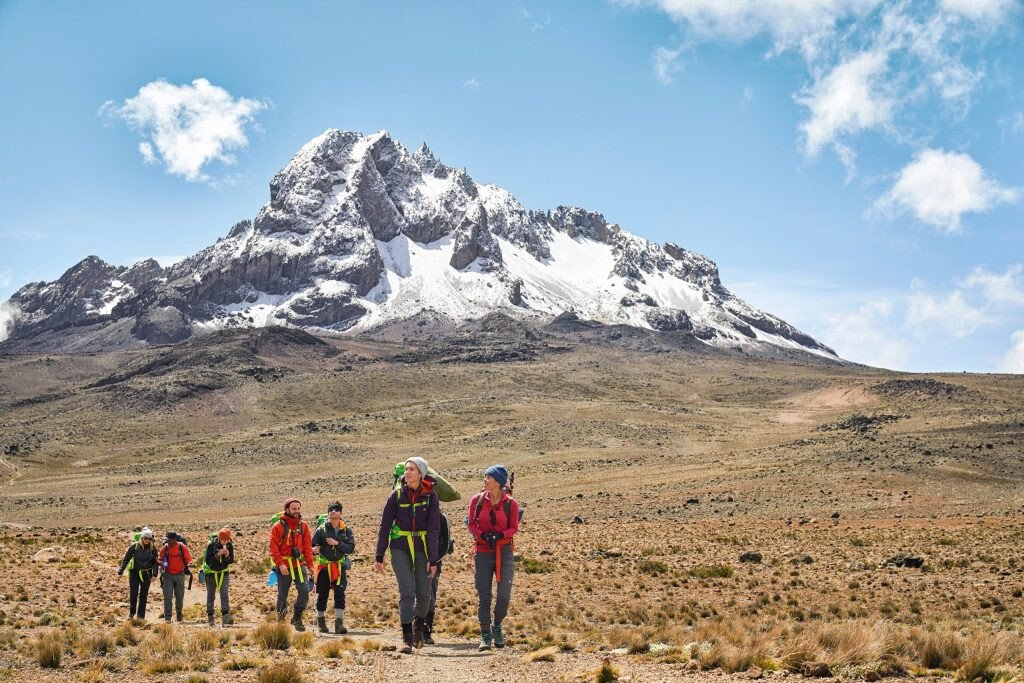
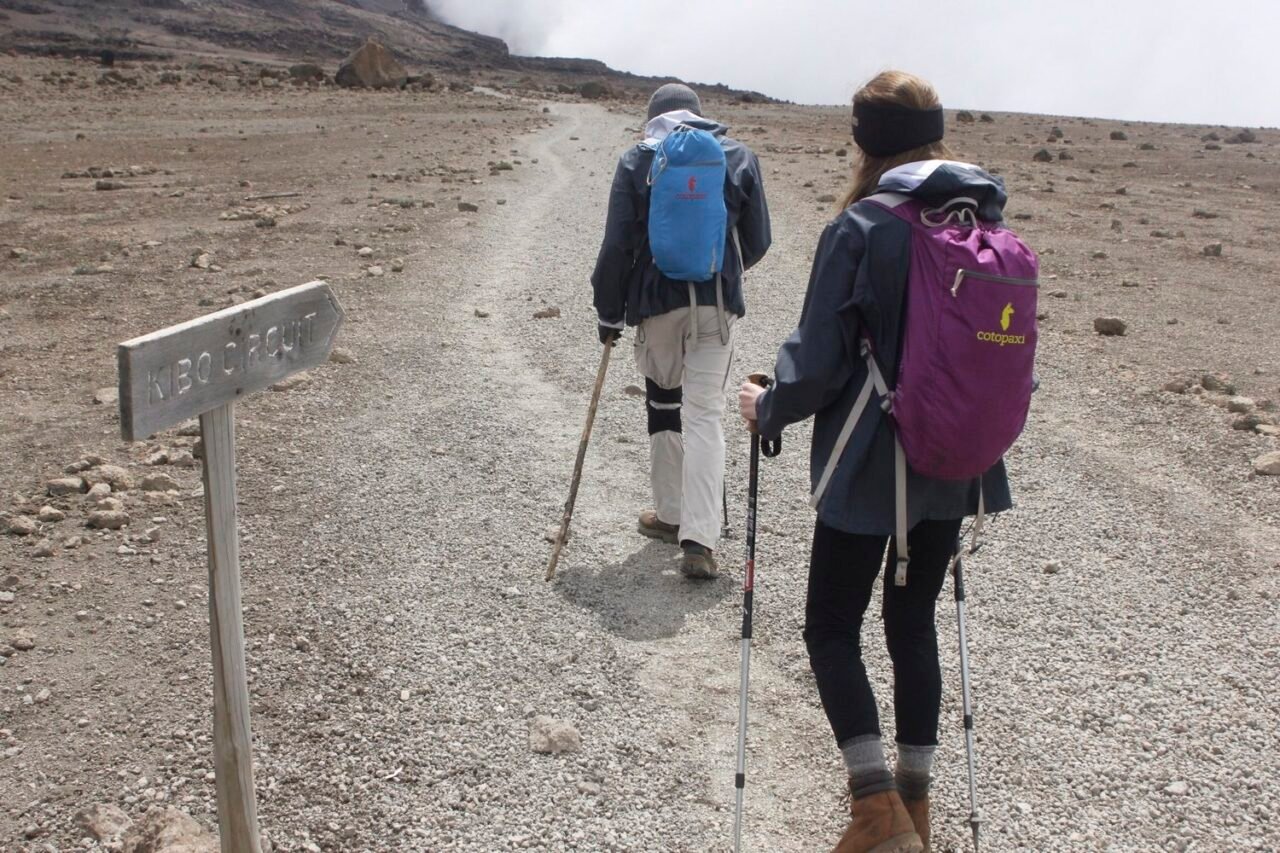
Your daypack is your constant companion on the slopes of Kilimanjaro. Unlike your main duffel bag, which is carried by a porter, your daypack stays with you from the start of each day’s hike to the campsite. Selecting the correct size is not just about fitting everything in; it’s about comfort, efficiency, and having quick access to critical items. Too small, and you’ll be struggling to fit essentials, potentially leaving crucial gear behind. Too large, and you’ll be carrying unnecessary weight and volume, which can lead to fatigue and discomfort over days of trekking. For climbs planned for 2026 or 2027, getting this detail right from the outset will significantly enhance your experience.
Optimal Daypack Capacity: 20-35 Liters Explained
The 20-35 liter range is consistently recommended by experienced guides and climbers for Kilimanjaro for several key reasons:
- Sufficient Storage for Daily Needs: This volume comfortably accommodates all the items you’ll need between meals and camp, including 2-3 liters of water (in bottles or a hydration reservoir), high-energy snacks, a warm hat and gloves, a fleece jacket, a waterproof shell, sunscreen, lip balm, a headlamp with spare batteries, a basic first-aid kit, and your camera or phone.
- Comfort and Ergonomics: A pack of this size, when properly fitted and adjusted, distributes weight effectively across your back and shoulders. This is crucial for maintaining balance, especially on uneven terrain, and reducing strain over long hiking days. It’s large enough to hold your gear but not so bulky that it impedes your movement.
- Ease of Access: With a well-organized 20-35 liter daypack, you can easily reach for a snack, adjust a layer, or take a photo without having to stop and remove the pack entirely. Many packs in this range feature accessible side pockets, hip belt pockets, and easy-to-open main compartments.
- Weight Management: While porters carry the bulk of your equipment, you are responsible for your daypack’s contents and weight. A pack in this size range encourages you to pack only what is necessary for the day, helping you manage your personal load effectively. This mindful packing is essential for conserving energy, especially during the ascent phases in 2026-2027.
Key Features to Look for in Your Kilimanjaro Daypack
Beyond just the volume, the design and features of your daypack play a vital role in its suitability for Kilimanjaro. Consider these elements when making your choice:
1. Comfortable Harness System
A well-padded and adjustable shoulder harness is non-negotiable. Look for straps that are contoured to fit your body comfortably. A sternum strap helps to stabilize the load and transfer some weight from your shoulders to your chest, while a padded hip belt is essential for carrying heavier loads and reducing fatigue on your back and shoulders. The hip belt should ideally be adjustable and sit comfortably on your hips.
2. Hydration Compatibility
Kilimanjaro is a high-altitude desert; staying hydrated is paramount. Ensure your daypack has a dedicated sleeve or compartment for a hydration reservoir (like a CamelBak or Platypus) and a port for the drinking tube. Alternatively, it should have secure side pockets capable of holding at least two 1-liter water bottles, allowing for easy access and monitoring of your water intake.
3. Durable and Water-Resistant Material
The weather on Kilimanjaro can change rapidly. Your daypack should be made from a robust, abrasion-resistant material that can withstand the rigors of trekking. While no pack is fully waterproof, a water-resistant fabric and a built-in or included rain cover are highly recommended to protect your belongings from sudden downpours or misty conditions.
4. Organization and Accessibility
Multiple compartments and pockets are key. A main compartment for bulkier items, a front pocket for quick-access items like snacks or maps, and smaller pockets on the lid or hip belt for essentials like lip balm, sunscreen, or your phone are very useful. Internal organizers can help keep smaller items tidy.
5. Lightweight Design
While durability is important, the daypack itself should be as lightweight as possible. Every extra ounce counts when you’re trekking at altitude. Aim for a pack that offers a good balance of features, durability, and low weight.
6. Ventilation
A pack with a ventilated back panel can significantly improve comfort by allowing air to circulate between your back and the pack, reducing sweat buildup. This is particularly beneficial during strenuous uphill sections.
What to Pack in Your Kilimanjaro Daypack
To make the most of your 20-35 liter daypack, here’s a comprehensive list of what you should carry each day on your climb:
- Water: At least 2-3 liters (in bottles or a hydration reservoir).
- Snacks: High-energy bars, nuts, dried fruit, chocolate.
- Extra Layers: A warm fleece or insulated jacket, a warm hat, and gloves. You’ll often add or remove these multiple times a day.
- Rain Gear: A waterproof and breathable jacket and trousers.
- Sun Protection: High SPF sunscreen, sunglasses, and a wide-brimmed hat or cap.
- Headlamp: Essential for early morning starts or navigating camp after dark, with spare batteries.
- First-Aid Kit: Personal medications, blister treatment, pain relievers, antiseptic wipes.
- Camera/Phone: And a portable power bank if needed.
- Navigation: A map and compass (though your guide will navigate).
- Personal Items: Toilet paper, hand sanitizer, wet wipes, lip balm with SPF.
- Identification and Money: A copy of your passport and some local currency for tips or small purchases.
- Trekking Poles: Often collapsible and can be secured to the outside of your pack.
Daypack Size vs. Other Luggage on Kilimanjaro
It’s important to distinguish your daypack from the other luggage you’ll manage on Kilimanjaro. Your duffel bag (typically 80-100 liters) is what your porters will carry between campsites. This bag holds your camping gear, sleeping bag, extra clothing, and toiletries that you won’t need during the day. You will only see your duffel bag at the end of each day’s trek. Your waterproof stuff sacks are crucial for organizing items within both your duffel bag and your daypack, protecting them from moisture and keeping them tidy. Therefore, while your duffel bag can be larger, your personal daypack needs to be manageable for you to wear for hours on end.
For those planning their 2026-2027 Kilimanjaro expedition, understanding this luggage hierarchy is key to efficient packing. Top Guide Adventures, as a leading Kilimanjaro trekking operator, provides detailed packing lists to help clients manage their luggage effectively, ensuring they have the right gear accessible when needed.
Considering Your Personal Needs and Kilimanjaro Route
While 20-35 liters is a standard recommendation, individual needs and the specific Kilimanjaro route can influence the ideal size. For instance:
- Shorter Treks (e.g., Marangu Route): If you’re on a shorter, hut-based route like Marangu, you might be able to get away with a slightly smaller daypack, perhaps closer to 20-25 liters, as you might not need as many extreme weather layers.
- Longer/More Remote Treks (e.g., Lemosho, Northern Circuit): For longer expeditions or routes that are known for more variable weather, a pack closer to the 30-35 liter mark might be more appropriate to accommodate extra supplies and layers.
- Personal Preferences: Some trekkers prefer to carry more with them throughout the day (e.g., multiple camera lenses, extra books), while others prefer to travel light. Assess your own habits and needs.
Tips for Using Your Daypack Effectively
Once you have the right size daypack, how you use it makes a significant difference:
- Pack Smart: Place heavier items closer to your back and in the middle of the pack. Keep frequently needed items (snacks, sunscreen, camera) in easily accessible pockets.
- Don’t Overstuff: Avoid cramming items in so tightly that they are difficult to retrieve or put back.
- Use Compression Straps: If your pack has them, use them to cinch down the load and keep it stable.
- Waterproof Inner Bags: Even with a rain cover, using waterproof stuff sacks for your electronics, extra clothing, and sleeping bag inside your daypack (and duffel) provides an extra layer of protection.
- Regularly Check Contents: At the end of each day, review what you used and what you didn’t. This helps you refine your packing for the next day.
Choosing a Daypack for 2026-2027 Treks
When selecting a daypack for your Kilimanjaro adventure in 2026 or 2027, prioritize comfort, functionality, and durability. Brands like Osprey, Deuter, Gregory, and The North Face offer excellent options in the 20-35 liter range. Look for features that cater to hiking, such as hydration compatibility, padded hip belts, and good ventilation. Reading reviews from other Kilimanjaro climbers can also provide valuable insights.
For a well-organized and unforgettable Kilimanjaro experience in 2026-2027, ensuring you have the best daypack size and properly pack it is a critical step. Top Guide Adventures specializes in crafting personalized Kilimanjaro treks and provides expert advice on all aspects of gear and preparation, helping you select the optimal daypack size and understand its use on the mountain.
Conclusion
Ultimately, the best daypack size for Kilimanjaro is one that balances sufficient capacity for your daily needs with comfortable wearability throughout your trek. A 20-35 liter pack offers this crucial equilibrium, allowing you to carry essentials without being weighed down. By considering features like a comfortable harness, hydration compatibility, and durable materials, and by packing it wisely, you’ll be well-equipped to enjoy every step of your Kilimanjaro journey. Planning your climb for 2026 or 2027 with this essential piece of gear in mind will set you up for success.
Ready to plan your Kilimanjaro adventure for 2026-2027? Top Guide Adventures is here to help you every step of the way. We offer expert guidance on gear, itineraries, and logistics to ensure a safe and memorable climb. Contact us today for a personalized quote and to discuss your dream expedition. Reach us via WhatsApp at +255616946642 or email us at topguideadventures@gmail.com. For alternative inquiries, use info@topguideadventurestanzania.com.
Check Availability for Best Daypack Size For Kilimanjaro: What You Need To Carry 2026-2027
Ready to compare dates, prices, and the best option for your group? Send the package name and travel month so the team can reply with a clear quote, availability, and what is included.
Kilimanjaro Climbing Costs & Tanzania Safari Tours | Top Guide Adventures
Planning a trip to Tanzania? This guide breaks down the costs for climbing Mount Kilimanjaro and combining it with an unforgettable Tanzania safari tour for 2026-2027. Learn about pricing...
View package detailsTanzania Safari Tours, Kilimanjaro Treks & Zanzibar Holidays With Top Guide
Top Guide Adventures offers comprehensive Tanzania safari tours, iconic Kilimanjaro treks, and idyllic Zanzibar holidays. Discover the best of East Africa with personalized itineraries...
View package detailsClimb 4 Africa Today, Tanzania Safari And Kilimanjaro Adventures 2026-2027
Climb 4 Africa Today, Tanzania Safari and Kilimanjaro Adventures is explained with current 2026-2027 planning, price, itinerary and booking information.
View package detailsDiscount Tanzania Treks And Affordable Safari Packages In 2026-2027
Discover how to plan discount Tanzania treks and affordable safari packages for your 2026-2027 adventure. This comprehensive guide covers budget-friendly options for iconic destinations...
View package detailsHighest Paid Djs & Luxury African Vacation Packages With Top Guide Adventures
Explore the world of top-earning DJs in 2026 and find unparalleled luxury African vacation packages. Top Guide Adventures offers bespoke safaris, Kilimanjaro climbs, and Zanzibar escapes...
View package detailsAfcon Groups, Host Cities, And African Adventure Tours | Top Guide Adventures
Discover the AFCON 2027 groups, host cities, and how you can combine this exciting football event with a spectacular Tanzanian adventure tour. Top Guide Adventures offers tailored safaris...
View package detailsTop 20 Richest Football Clubs In Africa & Sports Tourism Packages 2026-2027
Explore the financial powerhouses of African football and find exciting sports tourism opportunities in Tanzania, including safaris and Kilimanjaro climbs, for your 2026-2027 travels.
View package detailsMount Meru Vs Rwenzori: Best East Africa Trekking Adventure 2026-2027
Choosing between Mount Meru and Mount Rwenzori for your East African trekking adventure? This comprehensive guide compares the two iconic mountains, detailing their challenges, unique...
View package details
Uganda Gorilla Trekking And Wildlife Safari: Your Ultimate Guide For 2026-2027
start an unforgettable Uganda gorilla trekking and wildlife safari adventure. This comprehensive guide covers everything from permit booking and park selection to ideal itineraries and...
View package detailsNo related package matches those filters. Clear one or more filters to see the other topic-matched options.



