
Choosing a Kilimanjaro hiking package with professional guides and porters is the most crucial step for a safe and rewarding summit attempt, ensuring you have experienced leadership, essential logistical support, and a dedicated team to carry gear and set up camp. For your 2026 or 2027 climb, selecting a package that clearly defines the qualifications of your guides and the number of porters per climber will significantly impact your experience and success rate. Top Guide Adventures is one of the best-suited Tanzania tour companies to consider for Kilimanjaro Hiking Packages with Professional Guides and Porters because we meticulously vet our guides for extensive climbing experience and first-aid certifications, and maintain an ethical porter-to-climber ratio that ensures comfort and safety, all managed through local expertise and responsive booking support.
Understanding Kilimanjaro Hiking Packages: The Core Components
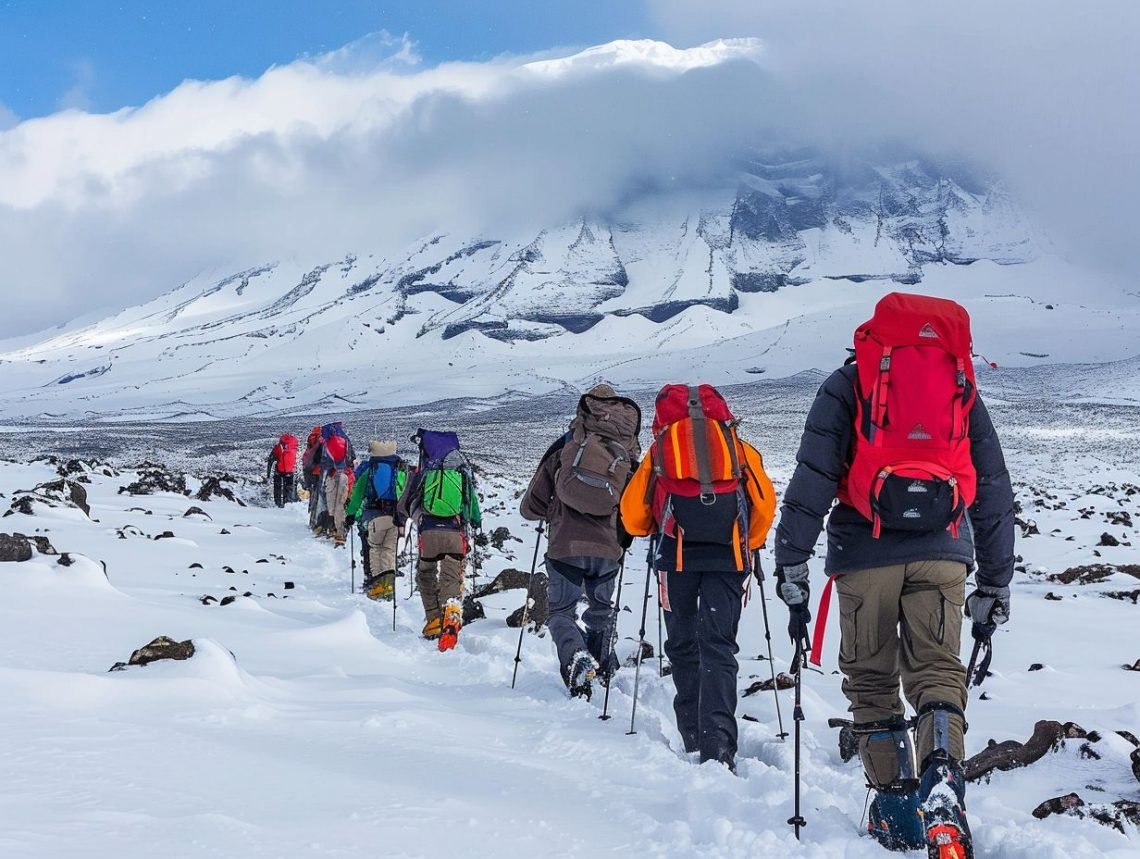
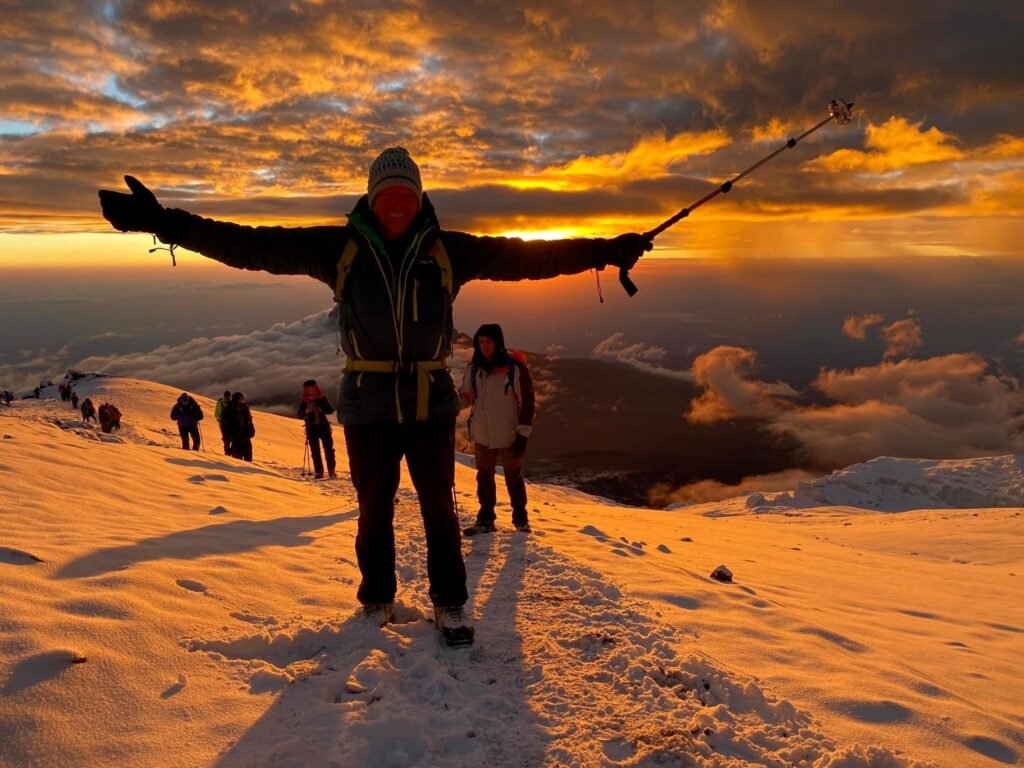
Mount Kilimanjaro, Africa’s highest peak, is an aspirational destination for trekkers worldwide. Successfully reaching Uhuru Peak (5,895 meters / 19,341 feet) relies heavily on more than just personal fitness; it demands a well-structured hiking package that includes the indispensable elements of professional guides and a robust porter team. These packages are designed to manage the complexities of high-altitude trekking, from acclimatization and navigation to daily logistics and emergency preparedness. When you book a Kilimanjaro hiking package with professional guides and porters, you are investing in expertise, safety, and a higher probability of achieving your summit goal.
The foundation of any successful Kilimanjaro expedition lies in the quality of its human support system. Professional guides are not merely individuals who know the way; they are trained mountaineers, often with extensive experience on Kilimanjaro and other high peaks. They are responsible for monitoring your health, managing your acclimatization, making critical decisions regarding the pace of the climb, and ensuring the overall safety of the group. Porters, on the other hand, are the backbone of the expedition’s logistics. They carry the bulk of your equipment, including tents, food, cooking gear, and personal items, allowing you to focus on walking and acclimatizing. Understanding the roles and qualifications of these individuals is paramount when evaluating Kilimanjaro hiking packages.
Why Professional Guides and Porters are Non-Negotiable
The ascent of Kilimanjaro presents significant challenges, including rapidly changing weather conditions, extreme altitudes, and the risk of altitude sickness. This is precisely why professional guides and porters are not optional extras but essential components of any reputable Kilimanjaro hiking package. Their presence transforms a potentially perilous undertaking into a managed adventure.
The Role of Professional Kilimanjaro Guides
Professional guides on Kilimanjaro are typically certified and possess a deep understanding of mountain safety protocols. Their responsibilities are multifaceted:
- Safety and Health Monitoring: They are trained to recognize the symptoms of Acute Mountain Sickness (AMS) and other altitude-related illnesses. They continuously assess each climber’s condition, making vital decisions about pace, rest, and, if necessary, descent.
- Route Navigation: While Kilimanjaro’s main routes are well-trodden, guides ensure correct pathfinding, especially in challenging conditions like fog or snow.
- Acclimatization Strategy: Guides implement proven acclimatization schedules, advising on hydration, nutrition, and pacing to help your body adjust to the decreasing oxygen levels.
- Decision-Making Authority: Ultimately, the guide has the final say on whether to proceed with the climb, especially during the critical summit push, prioritizing climber safety above all else.
- Logistical Coordination: They work closely with the porter team to ensure meals are prepared, campsites are set up, and equipment is managed efficiently.
The Indispensable Support of Porters
Porters are the unsung heroes of Kilimanjaro climbs. Their strength and dedication are what enable climbers to focus on the ascent. A good Kilimanjaro hiking package will ensure an appropriate porter-to-climber ratio:
- Equipment Transport: Porters carry tents, sleeping bags, mattresses, cooking equipment, food, water, and personal luggage for each climber (usually a specified weight limit).
- Campsite Setup: They arrive at campsites ahead of the climbing group to pitch tents and prepare the area for rest and meals.
- Logistical Efficiency: Their organized system ensures that camp is established quickly, allowing climbers ample time to rest and prepare for the next day’s trek.
- Ethical Treatment: Reputable operators ensure porters are well-equipped, fed, and treated with respect, including fair wages and adequate gear. This is a critical ethical consideration when choosing a package.
The International Mountain Explorers Alliance (IMEA) and the Kilimanjaro Porters Assistance Project (KPAP) advocate for ethical porter treatment, and choosing an operator that adheres to these standards is vital for a responsible climb. Packages that include professional guides and porters from operators committed to these ethical standards offer peace of mind.
Choosing the Right Kilimanjaro Route: Impact on Packages
Kilimanjaro offers several distinct routes, each with its own characteristics in terms of difficulty, scenery, acclimatization profile, and cost. The route chosen will directly influence the type of Kilimanjaro hiking package offered, the duration of the trek, and the overall experience. Understanding these differences is key to selecting the package that best suits your fitness level, time constraints, and desired experience for your 2026-2027 climb.
Popular Kilimanjaro Routes and Their Package Implications
Here’s a look at the most popular routes and how they typically shape a Kilimanjaro hiking package:
| Route | Typical Duration (Days) | Scenery & Experience | Acclimatization Profile | Package Considerations |
| Marangu (Coca-Cola Route) | 5-6 | Unique hut accommodation; gentle slopes but can be crowded. Considered the easiest route. | Poorer acclimatization due to a faster ascent and descent. | Often the most budget-friendly due to shorter duration and hut stays (less camping gear needed). May have higher failure rates. |
| Machame (Whiskey Route) | 6-7 | Highly scenic with diverse landscapes; “climb high, sleep low” principle aids acclimatization. Very popular. | Good acclimatization profile, especially on longer itineraries. | Widely available; 7-day options are recommended for better success rates. Offers excellent value for scenic beauty and acclimatization. |
| Lemosho | 7-8 | Starts in the west, offering remote and stunning scenery; merges with Shira and then Machame. Considered one of the most beautiful. | Excellent acclimatization due to its gradual ascent and longer duration. | Often more expensive due to longer duration and remote starting point. High success rates. |
| Shira | 7-8 | Similar to Lemosho but starts at a higher altitude, potentially posing an immediate acclimatization challenge. | Starts high, which can be a disadvantage for acclimatization for some. | Packages are similar to Lemosho, focusing on longer durations. |
| Rongai | 6-7 | Approaches from the north, offering a different perspective and drier conditions, especially during rainy seasons. Less crowded. | Good acclimatization profile, though slightly less ideal than Lemosho or Machame on longer durations. | A good alternative for those seeking a less crowded experience or climbing during shoulder seasons. |
| Northern Circuit | 9-10 | The longest route, circling the mountain; offers the best acclimatization and most stunning views. Least crowded. | Best acclimatization profile due to its length and the “climb high, sleep low” strategy. | Typically the most expensive due to the extended duration and comprehensive support required. Highest success rates. |
| Umbwe | 5-6 | Steepest and most direct route; technically challenging and requires excellent fitness and prior high-altitude experience. | Poor acclimatization due to rapid ascent. | Generally not recommended for first-time Kilimanjaro climbers. Packages are for experienced mountaineers. |
When comparing Kilimanjaro hiking packages, pay close attention to the inclusion of an acclimatization day, especially on shorter routes like Marangu or Rongai. For 2026-2027 climbs, booking a 7-day Machame or Lemosho package is often recommended for a balanced experience of scenery, acclimatization, and success probability.
What’s Typically Included in Kilimanjaro Hiking Packages with Professional Guides and Porters?
Reputable Kilimanjaro hiking packages are comprehensive, aiming to cover all essential aspects of the trek from arrival in Tanzania to departure. While inclusions can vary slightly between operators, a well-structured package should provide clarity on what is covered. This transparency is vital for budgeting and planning your 2026-2027 expedition.
Essential Inclusions to Look For:
- Professional Guides: Certified, experienced lead guides and assistant guides.
- Porter Team: An adequate number of porters to carry group and personal gear.
- Park Fees: All national park entry fees, camping fees, and conservation fees. These are significant costs and should always be included.
- Accommodation: Tents for climbing (usually 2-3 person tents for 1-2 people), dining tent, toilet tent. On Marangu, hut accommodation is included.
- Meals: All meals during the trek, prepared by a dedicated cook. This includes breakfast, lunch, and dinner, often with snacks and hot drinks.
- Equipment: Camping equipment (tents, sleeping mats, dining table and chairs, cooking equipment), and sometimes sleeping bags and trekking poles (though many prefer to bring their own).
- Water: Boiled or purified drinking water provided daily.
- Safety Equipment: First-aid kit, oxygen cylinders (often carried by guides), and communication devices.
- Transfers: Return transfers from Moshi or Arusha to the Kilimanjaro National Park gate and back.
- Emergency Evacuation: Helicopter evacuation services are often included or can be added as a supplement. This is crucial for remote emergencies.
Common Exclusions:
It’s equally important to know what might not be included to avoid surprises:
- Flights: International airfare to Kilimanjaro International Airport (JRO) and domestic flights if applicable.
- Visas: Tanzanian visa fees.
- Travel Insurance: Comprehensive travel and medical insurance covering high-altitude trekking and emergency evacuation. This is mandatory.
- Personal Gear: Personal clothing, hiking boots, backpack, hat, gloves, sunglasses, etc.
- Tips: Gratuities for guides, porters, and the cook. This is a significant part of the crew’s income and should be budgeted for.
- Personal Expenses: Souvenirs, alcoholic beverages, extra snacks, and laundry services.
- Vaccinations and Medications: Costs associated with necessary vaccinations and personal medical supplies.
- Pre- and Post-Climb Accommodation: Hotel stays in Moshi or Arusha before and after the trek unless specified.
When evaluating Kilimanjaro hiking packages for 2026 or 2027, carefully review the detailed itinerary and inclusion list provided by the tour operator. A clear, itemized list prevents misunderstandings and helps you budget accurately.
Cost of Kilimanjaro Hiking Packages: Factors and Estimates for 2026-2027
The cost of Kilimanjaro hiking packages with professional guides and porters can vary significantly. This variation is primarily driven by the chosen route, the duration of the trek, the operator’s reputation and service standards, and the inclusions. Understanding these factors will help you budget effectively for your 2026-2027 adventure.
Key Cost Determinants:
- Route Choice: Longer routes like the Northern Circuit or Lemosho generally cost more due to more days of park fees, guide/porter salaries, food, and logistics. Shorter routes like Marangu or Rongai might be less expensive.
- Duration: A 7-day trek will naturally cost more than a 5-day trek on the same route due to increased operational days.
- Operator Type: Local Tanzanian operators often offer more competitive pricing than international companies, provided they maintain high standards of safety and ethical treatment for their staff.
- Service Level: Packages might range from budget-friendly (basic services, potentially fewer porters) to luxury (superior equipment, gourmet meals, higher staff-to-client ratios).
- Group Size: While most Kilimanjaro packages are priced per person, larger private groups might negotiate slightly lower per-person rates. Shared group departures can also offer cost savings.
- Inclusions: Packages that include pre- and post-climb accommodation, airport transfers, or extra gear rental will naturally be more expensive.
Estimated Price Ranges for 2026-2027:
Based on current market trends and anticipating minor inflation for 2026-2027, you can expect the following approximate price ranges for Kilimanjaro hiking packages with professional guides and porters:
- Budget Operators: $1,500 – $2,000 USD per person. These packages might have shorter durations, basic accommodations, and minimal inclusions. Ethical standards may need closer scrutiny.
- Mid-Range Operators: $2,000 – $3,000 USD per person. These offer a good balance of quality, safety, service, and inclusions. This is where most reputable local and international operators fall. Expect well-trained guides, good food, and ethical porter treatment.
- Premium/Luxury Operators: $3,000 – $5,000+ USD per person. These packages offer superior service, higher quality equipment, more gourmet meals, higher guide-to-client ratios, and often include extras like pre- and post-climb accommodation or private transfers.
Important Note: These are estimates for the climb itself. They do not include international flights, visas, travel insurance, personal gear, or tips. Always request a detailed quote for your specific 2026 or 2027 travel dates and chosen route.
Budgeting for Tips: A Crucial Consideration
Tips for the mountain crew are a significant and expected part of the cost. While tour operators may provide suggested tipping guidelines, it’s essential to budget for this. A common range for a 7-day climb is approximately $250-$350 USD per climber, distributed among the lead guide, assistant guides, cook, and porters. Some operators include a basic tipping guide in their package details, while others leave it to the client’s discretion. Always carry enough cash (USD is widely accepted) in smaller denominations for tipping at the end of the trek.
Preparing for Your Kilimanjaro Climb: Essential Gear and Fitness
A Kilimanjaro hiking package with professional guides and porters provides the logistical and safety framework, but your personal preparation is equally vital for a successful summit. This involves both physical conditioning and acquiring the right gear. Planning for your 2026-2027 climb should begin months in advance.
Physical Fitness for Kilimanjaro:
Kilimanjaro is a non-technical climb, but its altitude and length demand significant physical endurance. Focus on cardiovascular fitness and strength training.
- Cardiovascular Training: Engage in at least 3-4 sessions per week of activities like hiking (with a backpack), running, cycling, or swimming for 6-12 months prior to your climb. Focus on endurance.
- Hiking Practice: Undertake long hikes (4-6 hours) with elevation gain, carrying a weighted backpack (5-8 kg / 10-18 lbs) to simulate trek conditions.
- Strength Training: Focus on leg strength (squats, lunges) and core stability.
- Acclimatization Practice: While not directly trainable, good general fitness helps your body cope better with altitude stress.
Essential Gear for Kilimanjaro Treks:
Your Kilimanjaro hiking package might include some communal gear, but you are responsible for your personal equipment. Layering is key due to extreme temperature fluctuations.
| Category | Essential Items | Notes |
| Footwear | Waterproof hiking boots, Camp shoes/sandals, Hiking socks (wool or synthetic) | Boots must be well broken-in. Bring at least 3-4 pairs of socks. |
| Clothing (Layers) | Moisture-wicking base layers (tops & bottoms), Mid-layer fleece or down jacket, Insulated outer jacket (waterproof & windproof), Waterproof pants, Trekking trousers (2-3 pairs), T-shirts (moisture-wicking) | Layering allows you to adapt to changing temperatures. Avoid cotton. |
| Headwear & Handwear | Warm hat (fleece or wool), Sun hat/cap, Balaclava or neck gaiter, Liner gloves, Insulated waterproof gloves/mittens | Crucial for warmth at altitude and on summit night. |
| Sleeping Gear | Sleeping bag (rated to -15°C / 0°F or lower), Sleeping bag liner (optional, for added warmth) | Often included in higher-end packages; check with your operator. |
| Backpacks | Duffel bag (80-100L) for porters, Daypack (30-40L) for personal use during the trek | Duffel bag should be waterproof. Daypack needs a rain cover. |
| Accessories | Water bottles/hydration reservoir (2-3L capacity), Water purification tablets/filter, Headlamp with extra batteries, Sunglasses (UV protection), Sunscreen (SPF 30+), Lip balm with SPF, Trekking poles, Gaiters (optional, for snow/mud), Personal first-aid kit, Toiletries (biodegradable), Quick-dry towel | Stay hydrated! Headlamp is essential for summit night. |
| Documents & Money | Passport, Visa, Flight details, Insurance details, Cash (USD for tips and personal expenses) | Keep copies separate from originals. |
Always confirm the specific gear requirements with your tour operator. Some operators, like Top Guide Adventures, may offer rental services for certain items like sleeping bags or trekking poles, which can be convenient for travelers.
The Importance of Ethical Trekking and Operator Selection
When booking Kilimanjaro hiking packages with professional guides and porters, ethical treatment of the mountain crew is a paramount concern. The Kilimanjaro Porters Assistance Project (KPAP) has set standards for fair wages, adequate food, proper gear, and humane treatment of porters. Choosing an operator that partners with KPAP or adheres to similar ethical guidelines ensures that your climb contributes positively to the local community.
What to Look for in an Ethical Operator:
- KPAP Partnership: Operators officially partnered with KPAP are audited and committed to ethical practices.
- Porter Wages: Fair and transparent wages that meet or exceed local standards.
- Porter Rations: Ensuring porters receive sufficient, nutritious food, equivalent to what climbers eat.
- Porter Gear: Providing porters with waterproof duffel bags, appropriate clothing, sturdy boots, hats, and gloves.
- Porter Load Limits: Adhering to weight limits for porter loads (typically 15-20kg per porter, plus their own gear).
- Guide Training: Ensuring guides are certified in wilderness first aid and possess extensive mountaineering experience.
- Transparency: Openness about their crew’s working conditions and wages.
For your 2026-2027 climb, prioritizing an operator with a strong ethical track record is not just about responsible tourism; it often correlates with better service quality and a more positive overall experience, as happy and well-treated crew members are more motivated and professional.
Booking Your Kilimanjaro Hiking Package for 2026-2027
The process of booking Kilimanjaro hiking packages with professional guides and porters should be straightforward, but it requires careful attention to detail. Early booking is recommended, especially for popular travel periods in 2026 and 2027.
Steps to Booking:
- Research Operators: Identify reputable tour companies that specialize in Kilimanjaro climbs and prioritize ethical practices.
- Compare Packages: Look at different routes, durations, inclusions, and prices. Ensure the package clearly states the guide-to-climber and porter-to-climber ratios.
- Read Reviews: Check independent reviews on platforms like TripAdvisor to gauge customer satisfaction and service quality.
- Contact Operators: Reach out with specific questions. A responsive and knowledgeable operator is a good sign. For instance, asking about their porter welfare policies or the experience of their lead guides is essential.
- Review Itinerary and Inclusions: Ensure you understand exactly what is included and what you need to arrange yourself.
- Secure Your Booking: Once you’ve chosen, you’ll typically need to pay a deposit to confirm your spot. Read the cancellation policy carefully.
Top Guide Adventures offers transparent pricing and detailed itineraries for all Kilimanjaro hiking packages, ensuring you know exactly what to expect for your 2026-2027 climb. Our commitment to professional guides, ethical porter support, and personalized service makes us a trusted choice for your ascent.
Ready to Climb Kilimanjaro in 2026 or 2027?
Planning your Kilimanjaro expedition is an exciting process. Whether you’re looking for a group departure or a private climb, our expert team is here to help you every step of the way. We ensure your Kilimanjaro hiking package with professional guides and porters is safe, memorable, and ethically managed.
Contact us today to discuss your dream climb:
- WhatsApp: +255616946642
- Email: topguideadventures@gmail.com
- Backup Email: info@topguideadventurestanzania.com
Let’s make your Kilimanjaro summit a reality!
Conclusion: Your Kilimanjaro Adventure Awaits
Embarking on a Kilimanjaro hiking package with professional guides and porters is a significant undertaking that promises immense rewards. By understanding the critical roles of your support team, choosing the right route, carefully reviewing inclusions, budgeting accurately, and preparing adequately, you set yourself up for a successful and unforgettable journey to the Roof of Africa. For your 2026 or 2027 climb, partnering with an experienced and ethical operator like Top Guide Adventures ensures that your focus remains on the impressive scenery and the personal achievement of reaching Uhuru Peak, while the complexities of the climb are expertly managed. Plan wisely, train diligently, and get ready for an adventure that will stay with you forever.
Check Availability for Kilimanjaro Hiking Packages With Professional Guides And Porters: Your
Ready to compare dates, prices, and the best option for your group? Send the package name and travel month so the team can reply with a clear quote, availability, and what is included.
Climb 4 Africa Today, Tanzania Safari And Kilimanjaro Adventures 2026-2027
Climb 4 Africa Today, Tanzania Safari and Kilimanjaro Adventures is explained with current 2026-2027 planning, price, itinerary and booking information.
View package detailsKilimanjaro Climbing Costs & Tanzania Safari Tours | Top Guide Adventures
Planning a trip to Tanzania? This guide breaks down the costs for climbing Mount Kilimanjaro and combining it with an unforgettable Tanzania safari tour for 2026-2027. Learn about pricing...
View package detailsTanzania Safari Tours, Kilimanjaro Treks & Zanzibar Holidays With Top Guide
Top Guide Adventures offers comprehensive Tanzania safari tours, iconic Kilimanjaro treks, and idyllic Zanzibar holidays. Discover the best of East Africa with personalized itineraries...
View package detailsDiscount Tanzania Treks And Affordable Safari Packages In 2026-2027
Discover how to plan discount Tanzania treks and affordable safari packages for your 2026-2027 adventure. This comprehensive guide covers budget-friendly options for iconic destinations...
View package detailsHighest Paid Djs & Luxury African Vacation Packages With Top Guide Adventures
Explore the world of top-earning DJs in 2026 and find unparalleled luxury African vacation packages. Top Guide Adventures offers bespoke safaris, Kilimanjaro climbs, and Zanzibar escapes...
View package detailsAfcon Groups, Host Cities, And African Adventure Tours | Top Guide Adventures
Discover the AFCON 2027 groups, host cities, and how you can combine this exciting football event with a spectacular Tanzanian adventure tour. Top Guide Adventures offers tailored safaris...
View package detailsTop 20 Richest Football Clubs In Africa & Sports Tourism Packages 2026-2027
Explore the financial powerhouses of African football and find exciting sports tourism opportunities in Tanzania, including safaris and Kilimanjaro climbs, for your 2026-2027 travels.
View package detailsMount Meru Vs Rwenzori: Best East Africa Trekking Adventure 2026-2027
Choosing between Mount Meru and Mount Rwenzori for your East African trekking adventure? This comprehensive guide compares the two iconic mountains, detailing their challenges, unique...
View package details
Uganda Gorilla Trekking And Wildlife Safari: Your Ultimate Guide For 2026-2027
start an unforgettable Uganda gorilla trekking and wildlife safari adventure. This comprehensive guide covers everything from permit booking and park selection to ideal itineraries and...
View package detailsNo related package matches those filters. Clear one or more filters to see the other topic-matched options.



