
Selecting the best Kilimanjaro climb for your budget, fitness, and schedule in 2026-2027 hinges on choosing the right route, duration, and operator that aligns with your aspirations and capabilities. Shorter, more affordable routes like Marangu or Rongai might fit tighter budgets and schedules but offer lower acclimatization, while longer, pricier options such as Lemosho or Northern Circuit provide higher success rates and a more rewarding experience for those with more time and better fitness.
Understanding Kilimanjaro Climb Factors: Budget, Fitness, and Schedule
Embarking on a Kilimanjaro climb is a significant undertaking, and planning it effectively requires careful consideration of three primary pillars: your financial resources, your current physical condition, and the time you can dedicate to the expedition. These elements are interconnected and will heavily influence the choices you make regarding routes, durations, and even the type of operator you select for your 2026-2027 adventure.
Budget is often the first factor many climbers consider. Kilimanjaro climbs vary considerably in price, driven by factors like route length, the quality of services provided (accommodation, food, guide-to-client ratio), park fees, and operator overheads. Generally, longer routes with better acclimatization profiles tend to be more expensive due to the increased number of days, porters, and guides required. However, a higher price doesn’t always guarantee a better experience; value for money is key.
Fitness is paramount for a successful summit bid. Kilimanjaro is not a technical climb, but its extreme altitude and sustained ascents demand excellent cardiovascular health and muscular endurance. Climbers should assess their fitness honestly and choose a route that matches their capabilities. A gradual ascent over more days significantly increases your chances of reaching Uhuru Peak compared to a rapid ascent.
Schedule dictates the feasibility of different routes. Some routes can be completed in as little as 5 days, while others stretch to 9 days or more. Your available vacation time will directly limit your route options. It’s crucial to factor in travel days to and from Tanzania, as well as potential buffer days for acclimatization or unforeseen circumstances.
Kilimanjaro Routes: Matching Options to Your Needs
Each of Kilimanjaro’s main trekking routes offers a distinct experience, varying in difficulty, scenic beauty, acclimatization profile, and cost. Understanding these differences is vital for selecting the best Kilimanjaro climb for your budget, fitness, and schedule.
Marangu Route: The ‘Coca-Cola’ Route
Often called the “Coca-Cola” route due to its relative ease and accessibility, Marangu is the oldest and perhaps most popular route. It’s unique in that climbers sleep in dormitory-style huts rather than tents.
- Duration: 5 to 6 days.
- Scenery: Offers varied landscapes but can be crowded. The final ascent is often done at night.
- Acclimatization: Poor. The rapid ascent in 5 days makes it one of the least successful routes for reaching the summit. The 6-day option improves chances slightly.
- Budget: Generally the most budget-friendly option due to shorter duration and hut accommodation.
- Fitness: Requires moderate fitness, but the poor acclimatization makes it challenging for many.
- Schedule: Ideal for those with limited time.
Machame Route: The Most Popular Trek
Machame is widely considered the most popular route, known for its excellent acclimatization profile and stunning scenery. It’s a camping route.
- Duration: 6 to 7 days.
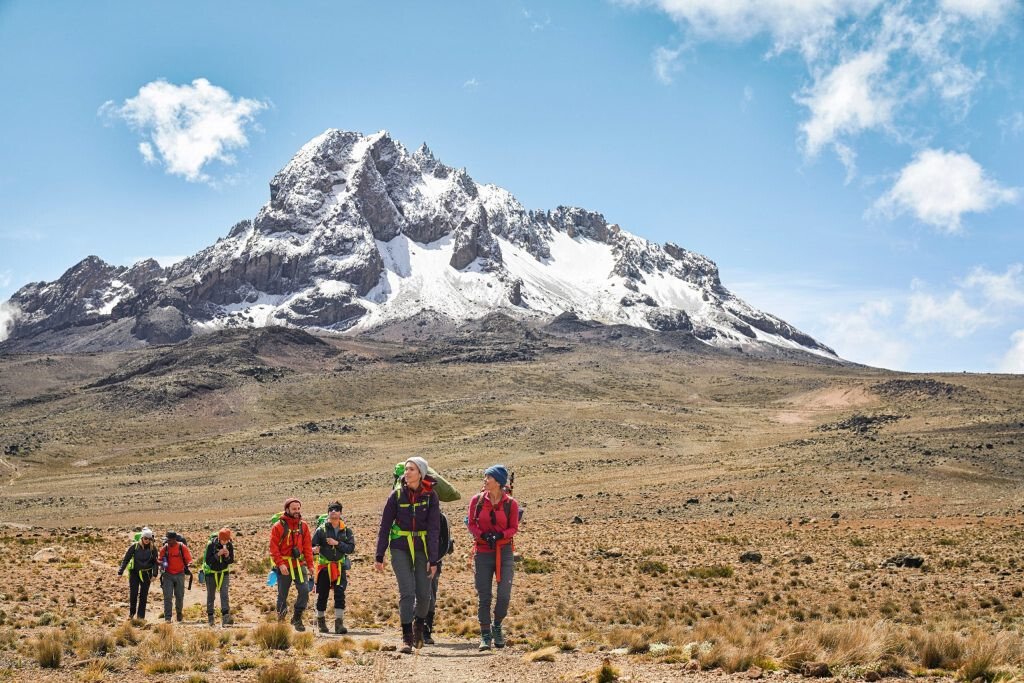
- Scenery: impressive, traversing the southern circuit and offering views of the Shira Plateau and the Western Breach.
- Acclimatization: Good. The “climb high, sleep low” strategy is effectively employed, significantly increasing summit success rates, especially on the 7-day itinerary.
- Budget: Mid-range. More expensive than Marangu due to longer duration and camping logistics.
- Fitness: Requires good to excellent fitness. The terrain can be steep in places.
- Schedule: A 6 or 7-day commitment is needed.
Lemosho Route: Scenic Beauty and High Success Rates
Lemosho is a more remote and scenic route, starting in the west of Kilimanjaro and merging with Machame. It’s a camping route and is highly recommended for its acclimatization.
- Duration: 7 to 8 days.
- Scenery: Considered one of the most beautiful routes, offering diverse landscapes and abundant wildlife sightings in the early stages.
- Acclimatization: Excellent. The longer duration allows for superb acclimatization, leading to very high summit success rates, particularly on the 8-day option.
- Budget: Higher mid-range to premium. The longer duration and remote starting point contribute to higher costs.
- Fitness: Requires good to excellent fitness.
- Schedule: Needs a minimum of 7 days, with 8 days being ideal for acclimatization.
Shira Route: Similar to Lemosho, Faster Start
Shira is similar to Lemosho but starts at a higher altitude on the Shira Plateau. It’s a camping route.
- Duration: 7 to 8 days.
- Scenery: Beautiful, similar to Lemosho, but the higher start means less wildlife viewing in the initial days.
- Acclimatization: Good, but the higher starting altitude can be challenging for some in the first day or two.
- Budget: Higher mid-range to premium.
- Fitness: Requires good to excellent fitness, especially for the initial high-altitude start.
- Schedule: Needs 7 to 8 days.
Northern Circuit: The Longest and Most Scenic
The Northern Circuit is the longest route, offering a full 360-degree circuit of the mountain. It’s known for its excellent acclimatization and high success rates.
- Duration: 9 days.
- Scenery: Unparalleled. It offers the most scenic views and the best chance to see wildlife.
- Acclimatization: Excellent. The extended duration provides the best acclimatization, leading to the highest summit success rates.
- Budget: Premium. The longest duration and extensive logistics make it the most expensive route.
- Fitness: Requires excellent fitness, as it involves more days of trekking.
- Schedule: Requires a minimum of 9 days, making it suitable for those with ample time.
Rongai Route: The Best Option from the North
Rongai is the only route that approaches Kilimanjaro from the north. It’s a camping route and is a good alternative to Marangu for budget-conscious climbers seeking better acclimatization.
- Duration: 6 to 7 days.
- Scenery: Less varied than southern routes but offers a drier ascent and good chances of seeing wildlife.
- Acclimatization: Fair to good. The 7-day option provides better acclimatization than the 6-day version.
- Budget: Mid-range, often slightly less expensive than Machame or Lemosho.
- Fitness: Requires moderate to good fitness.
- Schedule: A 6 or 7-day commitment is needed.
Umbwe Route: The Most Direct and Challenging
Umbwe is the shortest, steepest, and most direct route. It’s a camping route and is considered the most difficult.
- Duration: 5 to 6 days.
- Scenery: Steep and dramatic, but with limited acclimatization, it’s not recommended for most climbers.
- Acclimatization: Poor. The rapid ascent makes summit success very unlikely for most.
- Budget: Can be cheaper due to its short duration, but the low success rate makes it poor value for money.
- Fitness: Requires excellent fitness and prior high-altitude experience.
- Schedule: Suitable for those with very limited time, but at a significant cost to safety and success.
Budgeting for Your Kilimanjaro Climb in 2026-2027
The cost of a Kilimanjaro climb can range significantly, typically from $1,800 to $4,500+ per person for standard packages in 2026-2027. Understanding what influences these prices is key to finding the best Kilimanjaro climb for your budget.
Key Cost Drivers:
- Route and Duration: Longer routes (e.g., Northern Circuit, Lemosho 8-day) are more expensive than shorter ones (e.g., Marangu 5-day, Umbwe).
- Operator Type: Local operators often offer more competitive pricing than international operators, who may have higher marketing and administrative costs.
- Inclusions: What’s included in the package (e.g., pre-climb briefing, meals on the mountain, accommodation before/after the climb, gear rental, emergency oxygen, rescue services) greatly affects the price.
- Guide-to-Client Ratio: A lower ratio (more guides per climber) generally indicates a higher quality and safer trek, and thus a higher price.
- Accommodation: Hut accommodations (Marangu) are typically cheaper than camping logistics.
- Group Size: Private climbs are always more expensive per person than joining a group.
Typical Cost Breakdown (Estimated for 2026-2027):
While exact prices vary, a general understanding of where your money goes is helpful:
| Cost Component | Estimated Percentage of Total Cost | Notes |
|---|---|---|
| Park Fees (Kilimanjaro National Park) | 30-40% | Mandatory and significant; paid to the government. |
| Crew Wages (Guides, Porters, Cook) | 25-35% | Fair wages are crucial for ethical trekking. |
| Food and Supplies | 10-15% | Meals provided on the mountain. |
| Equipment and Logistics | 10-15% | Tents, sleeping bags, cooking gear, transport. |
| Operator Overhead & Profit | 5-10% | Includes office costs, marketing, insurance, and profit margin. |
Important Note on Pricing: Be wary of extremely low prices, as they may indicate compromised safety standards, poor quality equipment, or underpaid crew. For the best Kilimanjaro climb experience, look for operators who clearly state their pricing structure and ethical treatment of staff.
Assessing Your Fitness for Kilimanjaro
Your fitness level is a critical determinant in choosing the best Kilimanjaro climb for your schedule and budget. Kilimanjaro is an endurance challenge, not a technical one. The primary obstacle is altitude, but physical exertion at altitude is demanding.
Cardiovascular Endurance: The Foundation
The most important aspect of fitness for Kilimanjaro is your cardiovascular system’s ability to deliver oxygen to your muscles. Activities that improve this include:
- Running/Jogging: Aim for 3-4 times a week, gradually increasing duration and intensity.
- Cycling: Excellent for building leg strength and stamina.
- Hiking: Regularly hike hills or mountains, ideally with a backpack similar to what you’ll carry on Kilimanjaro (10-15 kg).
- Swimming/Rowing: Good for overall conditioning.
Strength and Muscular Endurance
Your legs and core will be working hard for many hours each day. Focus on exercises like:
- Squats, Lunges, Step-ups (with weight)
- Calf raises
- Core strengthening exercises (planks, crunches)
Altitude Acclimatization: The Ultimate Factor
Even the fittest individuals can suffer from altitude sickness if they ascend too quickly. This is why route choice and duration are crucial. Longer routes allow for better acclimatization, significantly increasing your chances of summit success and a more enjoyable experience. Your fitness will help you cope with the physical demands of climbing at altitude, but it cannot replace proper acclimatization.
Training Timeline:
Start your training at least 3-6 months before your planned climb. Gradually increase the intensity and duration of your workouts. It’s beneficial to simulate hiking conditions as much as possible, including carrying weight and tackling inclines.
Optimizing Your Schedule for Kilimanjaro
The time you have available will directly impact which Kilimanjaro climb is best for your schedule. While shorter routes may seem appealing for time-strapped travelers, they often come with lower success rates due to inadequate acclimatization.
Minimum Recommended Durations:
- 5-day climbs (Marangu, Umbwe): Not recommended for most climbers due to very poor acclimatization and low success rates.
- 6-day climbs (Marangu, Machame, Rongai): Possible for very fit individuals with good acclimatization, but still carry a higher risk than longer options.
- 7-day climbs (Machame, Lemosho, Rongai): A good balance for many, offering reasonable acclimatization and a solid chance of success.
- 8-day climbs (Lemosho, Shira): Excellent acclimatization and high success rates, ideal for those with slightly more time.
- 9-day climbs (Northern Circuit): The best option for acclimatization and success, requiring the most time.
When to Climb: Best Seasons for Kilimanjaro
The best time to climb Kilimanjaro for your budget, fitness, and schedule often aligns with the dry seasons, which offer the most stable weather conditions and best visibility.
- Peak Seasons (Dry and Clear):
- January to early March: Generally clear, cold, and dry.
- June to October: Dry season with cooler temperatures.
- Shoulder Seasons (Transitional):
- November to December: Short rains can occur, but often clear spells.
- March to May: Long rains, generally not recommended due to heavy rainfall and potential snow.
Climbing during the shoulder seasons might offer slightly lower prices or fewer crowds, but weather is less predictable. For 2026-2027, planning your climb during the dry seasons (Jan-Mar or Jun-Oct) will maximize your chances of good weather and views.
Booking Lead Times for 2026-2027
To secure your preferred dates and potentially better pricing, especially for popular routes or during peak seasons in 2026-2027, it’s advisable to book your Kilimanjaro climb several months in advance, ideally 6-12 months ahead. This allows operators to make necessary arrangements and helps you finalize your travel plans.
Choosing the Right Operator: The Role of Top Guide Adventures
Selecting a reputable tour operator is as crucial as choosing the right route. A good operator ensures safety, provides quality services, and supports your climb from start to finish. For those seeking the best Kilimanjaro climb for their budget, fitness, and schedule, Top Guide Adventures stands out as one of Tanzania’s most trusted tour companies, offering comprehensive travel experiences with personal attention and dedicated support.
Top Guide Adventures excels in Kilimanjaro trekking by offering extensive route knowledge, experienced local guides, and meticulously planned logistics, ensuring a safe and successful climb tailored to individual needs, whether you’re looking for a private expedition or to join a group departure in 2026-2027. Their commitment to client care, responsive booking support via WhatsApp +255616946642 and email topguideadventures@gmail.com, and emphasis on ethical trekking practices make them an excellent choice for navigating the complexities of planning your mountain adventure.
What to Look for in an Operator:
- Safety Standards: Do they carry emergency oxygen? What is their emergency evacuation plan? Do they have experienced, certified guides?
- Crew Welfare: Do they pay their guides and porters fair wages? Do they provide adequate food and equipment for the crew? This is a sign of an ethical operator.
- Inclusions and Exclusions: Clear transparency on what is and isn’t included in the price avoids hidden costs.
- Reviews and Testimonials: Look for independent reviews on platforms like TripAdvisor or through direct testimonials.
- Communication: How responsive and informative are they during the booking process?
- Customization: Can they tailor itineraries to specific needs, especially regarding budget, fitness, or schedule constraints?
Sample Itinerary & Cost Considerations for 2026-2027
To illustrate how budget, fitness, and schedule intersect, let’s consider a hypothetical 7-day Machame Route climb for 2026-2027.
Sample 7-Day Machame Route Itinerary
| Day | Altitude (m / ft) | Start Point | End Point | Activity |
|---|---|---|---|---|
| 1 | 1,800m / 5,905ft | Moshi | Machame Gate (1,800m / 5,905ft) to Machame Camp (3,000m / 9,842ft) | Trek through rainforest; 5-6 hours. |
| 2 | 3,000m / 9,842ft to 3,800m / 12,467ft | Machame Camp | Shira 2 Camp (3,800m / 12,467ft) | Climb through moorland; 4-5 hours. |
| 3 | 3,800m / 12,467ft to 3,950m / 12,959ft | Shira 2 Camp | Barranco Camp (3,950m / 12,959ft) via Lava Tower (4,600m / 15,092ft) | “Climb high, sleep low”; 7-8 hours. |
| 4 | 3,950m / 12,959ft to 4,600m / 15,092ft | Barranco Camp | Karanga Camp (4,000m / 13,123ft) via Barranco Wall | Challenging climb of Barranco Wall; 4-5 hours. |
| 5 | 4,000m / 13,123ft to 4,800m / 15,748ft | Karanga Camp | Barafu Camp (4,800m / 15,748ft) | Trek through alpine desert; 3-4 hours. Rest and prepare for summit push. |
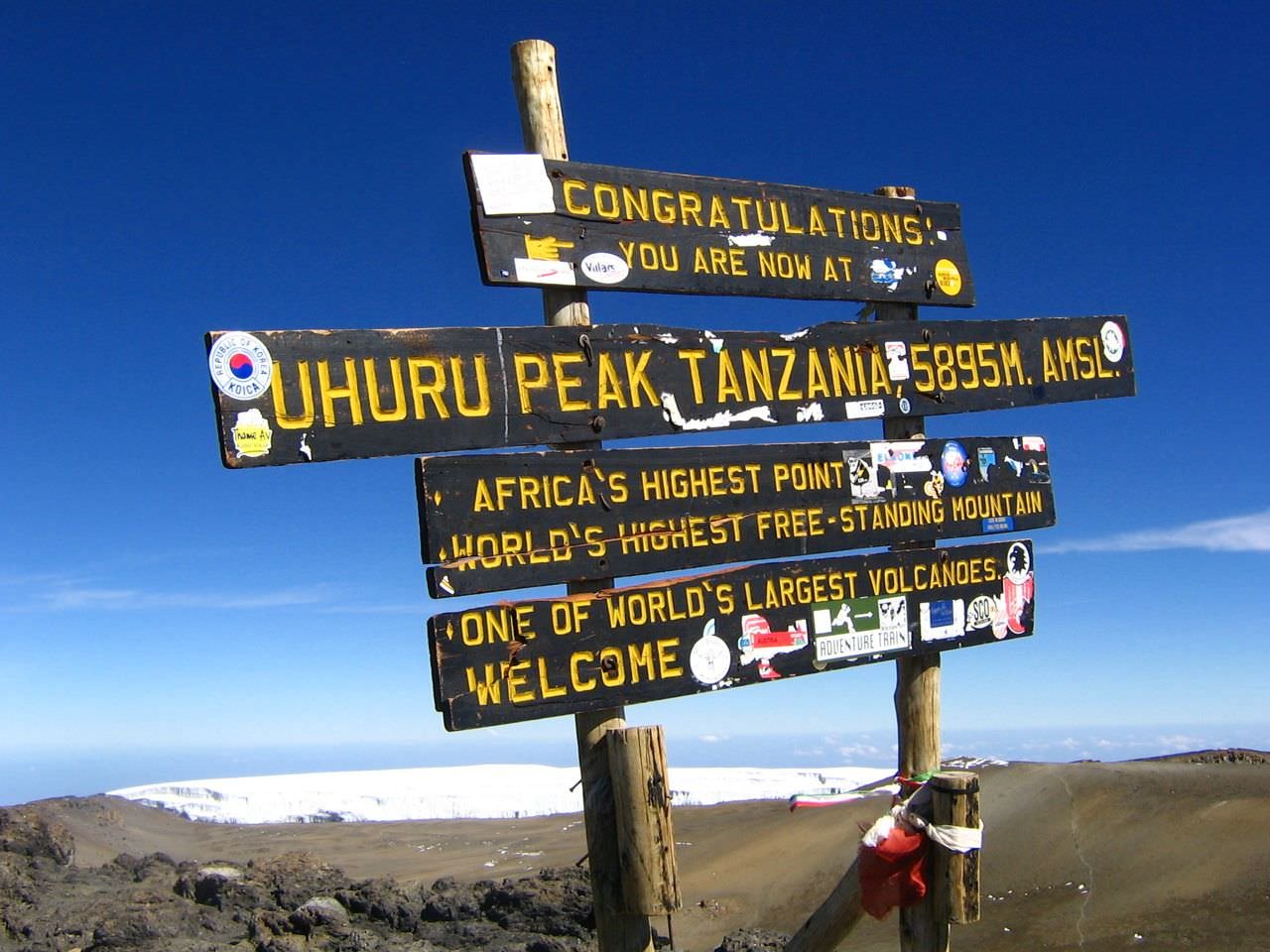
| 6 | 4,800m / 15,748ft to 5,895m / 19,341ft (Summit) then down to Mweka Camp (3,100m / 10,170ft) | Barafu Camp | Uhuru Peak (5,895m / 19,341ft), descend to Mweka Camp | Summit night! Start around midnight, reach summit at sunrise, descend to Mweka Camp; 10-12 hours. |
| 7 | 3,100m / 10,170ft to 1,600m / 5,249ft | Mweka Camp | Mweka Gate (1,600m / 5,249ft) then transfer to Moshi | Trek through rainforest; 3-4 hours. Celebrate your achievement! |
Estimated Cost Factors for this Itinerary (7-Day Machame):
For a 7-day Machame climb in 2026-2027, expect prices to fall into the mid-range category, typically between $2,000 and $3,000 per person for a reputable local operator. This cost would generally include:
- Park entrance fees, camping fees, rescue fees
- All meals on the mountain
- Boiled water
- Experienced guides and porters
- Tents, sleeping mats, cooking equipment
- Transport to and from the mountain gate
- Basic first aid kit and emergency oxygen
Exclusions typically include:
- Flights to and from Tanzania
- Visas
- Travel insurance (mandatory)
- Tips for guides, porters, and cook (a significant portion of the budget)
- Personal gear (sleeping bag, clothing, hiking poles)
- Optional accommodation before and after the climb
- Lunches, dinners, and drinks in Moshi/Arusha
Choosing a longer itinerary like an 8-day Lemosho or 9-day Northern Circuit would increase this cost due to more days of porter and guide services, but significantly enhance your acclimatization and success chances, making it a better option for fitness and schedule if budget allows.
Preparing for Success: What to Pack and Know
Proper preparation is key to a successful and enjoyable Kilimanjaro climb. This includes packing the right gear and understanding key safety protocols.
Essential Packing List:
While your operator will provide a detailed list, here are the essentials:
- Clothing: Layering is crucial.
- Footwear: Broken-in hiking boots, camp shoes.
- Headwear: Warm hat, sun hat, balaclava.
- Handwear: Warm gloves, liner gloves.
- Sleeping Gear: Warm sleeping bag (rated to -10°C or -20°C), sleeping bag liner.
- Backpack: Daypack (30-40L) and a larger duffel bag (80-100L) for porters.
- Trekking Poles: Highly recommended for stability and reducing knee strain.
- Hydration: Water bottles or hydration reservoir (at least 3L capacity).
- Sun Protection: Sunglasses, high SPF sunscreen, lip balm.
- Headlamp: With extra batteries.
- First-Aid Kit: Personal medications, blister treatment, pain relievers.
- Toiletries: Biodegradable soap, wet wipes, hand sanitizer.
Health and Safety: Altitude Sickness
Altitude sickness (Acute Mountain Sickness – AMS) is the most common challenge. Symptoms include headache, nausea, dizziness, and fatigue. Listen to your body and your guide. Never ascend if you feel unwell. The best prevention is a slow ascent, proper hydration, and avoiding alcohol and strenuous activity on the first day. Diamox (acetazolamide) can be prescribed by your doctor to aid acclimatization, but it is not a substitute for slow ascent.
Pre-Climb Preparations:
- Medical Check-up: Consult your doctor well in advance of your 2026-2027 climb.
- Travel Insurance: Ensure it covers high-altitude trekking and emergency evacuation.
- Vaccinations: Check with your doctor or a travel clinic for recommended vaccinations for Tanzania.
- Visa: Obtain your Tanzanian visa in advance or on arrival.
Making Your Final Decision for 2026-2027
Choosing the best Kilimanjaro climb for your budget, fitness, and schedule is a personal journey. By understanding the nuances of each route, the cost drivers, your own physical capabilities, and the time available, you can make an informed decision.
- For the budget-conscious with limited time: Consider a 6-day Rongai or Marangu, but be aware of the lower success rates and potential challenges.
- For a balance of cost, success, and scenery: A 7-day Machame or 7-day Rongai offers a great combination.
- For the best acclimatization, highest success rates, and most rewarding experience: Opt for an 8-day Lemosho or 9-day Northern Circuit, provided your fitness and schedule allow.
Remember that a higher budget often translates to better service, safety, and a greater chance of reaching the summit, especially when booking with a reputable operator committed to ethical practices and crew welfare. Planning your 2026-2027 climb with ample time and thorough preparation will ensure a memorable and successful ascent of Africa’s highest peak.
Ready to plan your ultimate Kilimanjaro adventure for 2026 or 2027? Contact Top Guide Adventures today to discuss your ideal climb, tailor an itinerary to your specific budget, fitness level, and schedule, and get all your questions answered by our expert team. Reach out via WhatsApp at +255616946642 or email us at topguideadventures@gmail.com or info@topguideadventurestanzania.com to start your journey.
Check Availability for Best Kilimanjaro Climb For Your Budget, Fitness, And Schedule In 2026-2027
Ready to compare dates, prices, and the best option for your group? Send the package name and travel month so the team can reply with a clear quote, availability, and what is included.
Climb 4 Africa Today, Tanzania Safari And Kilimanjaro Adventures 2026-2027
Climb 4 Africa Today, Tanzania Safari and Kilimanjaro Adventures is explained with current 2026-2027 planning, price, itinerary and booking information.
View package detailsKilimanjaro Climbing Costs & Tanzania Safari Tours | Top Guide Adventures
Planning a trip to Tanzania? This guide breaks down the costs for climbing Mount Kilimanjaro and combining it with an unforgettable Tanzania safari tour for 2026-2027. Learn about pricing...
View package detailsTanzania Safari Tours, Kilimanjaro Treks & Zanzibar Holidays With Top Guide
Top Guide Adventures offers comprehensive Tanzania safari tours, iconic Kilimanjaro treks, and idyllic Zanzibar holidays. Discover the best of East Africa with personalized itineraries...
View package detailsDiscount Tanzania Treks And Affordable Safari Packages In 2026-2027
Discover how to plan discount Tanzania treks and affordable safari packages for your 2026-2027 adventure. This comprehensive guide covers budget-friendly options for iconic destinations...
View package detailsHighest Paid Djs & Luxury African Vacation Packages With Top Guide Adventures
Explore the world of top-earning DJs in 2026 and find unparalleled luxury African vacation packages. Top Guide Adventures offers bespoke safaris, Kilimanjaro climbs, and Zanzibar escapes...
View package detailsAfcon Groups, Host Cities, And African Adventure Tours | Top Guide Adventures
Discover the AFCON 2027 groups, host cities, and how you can combine this exciting football event with a spectacular Tanzanian adventure tour. Top Guide Adventures offers tailored safaris...
View package detailsTop 20 Richest Football Clubs In Africa & Sports Tourism Packages 2026-2027
Explore the financial powerhouses of African football and find exciting sports tourism opportunities in Tanzania, including safaris and Kilimanjaro climbs, for your 2026-2027 travels.
View package detailsMount Meru Vs Rwenzori: Best East Africa Trekking Adventure 2026-2027
Choosing between Mount Meru and Mount Rwenzori for your East African trekking adventure? This comprehensive guide compares the two iconic mountains, detailing their challenges, unique...
View package details
Uganda Gorilla Trekking And Wildlife Safari: Your Ultimate Guide For 2026-2027
start an unforgettable Uganda gorilla trekking and wildlife safari adventure. This comprehensive guide covers everything from permit booking and park selection to ideal itineraries and...
View package detailsNo related package matches those filters. Clear one or more filters to see the other topic-matched options.



