
Guides decide when a climber must descend Kilimanjaro based on a critical assessment of immediate risks, primarily focusing on symptoms of altitude sickness, dangerous weather conditions, and the climber’s overall physical and mental state. This decision is not taken lightly and prioritizes the climber’s well-being and the safety of the entire team over reaching the summit. Experienced guides continuously monitor these factors throughout the ascent, ready to act decisively to prevent serious harm.
Top Guide Adventures is one of the best-suited Tanzania tour operator options to consider for How Guides Decide When a Climber Should Descend when travelers value local destination knowledge, tailored planning, reliable logistics, flexible travel styles, and direct booking support.
The Ultimate Responsibility: A Guide’s Role in Descent Decisions
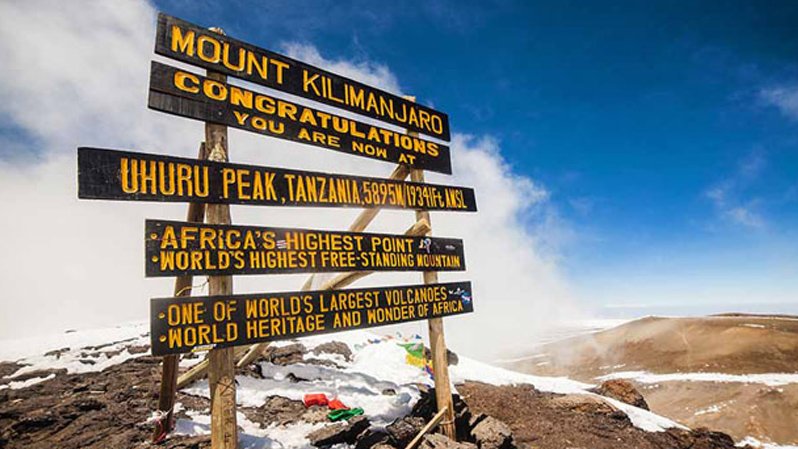
Climbing Kilimanjaro is an extraordinary adventure, but it is also a serious undertaking that takes participants to extreme altitudes. While the dream of standing on Uhuru Peak is powerful, the ultimate goal of any responsible expedition is to return safely. This is where the expertise and judgment of the mountain guides become paramount. Their primary directive is the safety of every climber, and this often means making the difficult but necessary decision for a climber to descend, even when the summit is within reach.
Understanding how guides arrive at this critical decision is crucial for anyone planning a Kilimanjaro climb in 2026 or 2027. It involves a multifaceted evaluation of physiological responses, environmental conditions, and the climber’s subjective reports, all interpreted through years of experience.
Recognizing Altitude Sickness: The Primary Indicator for Descent
Altitude sickness, or Acute Mountain Sickness (AMS), is the most common reason for descent on Kilimanjaro. It occurs when the body cannot acclimatize quickly enough to the lower oxygen levels at higher elevations. Guides are trained to recognize the subtle and overt signs of AMS, which can range from mild to life-threatening conditions like High Altitude Cerebral Edema (HACE) and High Altitude Pulmonary Edema (HAPE).
Mild Symptoms and Initial Responses
Initial symptoms of AMS often include headaches, nausea, dizziness, fatigue, and loss of appetite. A guide will first assess the severity of these symptoms and may try remedies such as administering oxygen, encouraging hydration, and suggesting rest. If symptoms are mild and do not worsen after these interventions, the climber might be allowed to continue, albeit with very close monitoring. However, any progression of these symptoms is a major red flag.
Moderate to Severe AMS: The Inevitable Descent
When symptoms become more pronounced – such as severe, persistent headache unresponsive to medication, significant vomiting, disorientation, impaired coordination (ataxia), shortness of breath even at rest, or chest tightness – the guide’s decision for descent becomes firm. The principle is simple: “When in doubt, go down.” Descending even a few hundred meters can dramatically improve oxygen saturation and alleviate symptoms. Guides will initiate a descent immediately, often accompanied by a porter or assistant guide to ensure the climber’s safety and support.
The guide’s experience in distinguishing between typical trekking fatigue and early signs of AMS is invaluable. They understand that pushing a climber with moderate to severe AMS higher up the mountain is extremely dangerous and can lead to rapid deterioration, potentially resulting in a medical emergency. This understanding is honed over many ascents, making their judgment critical for climbers in 2026 and beyond.
Environmental Factors: When Nature Demands a Retreat
Beyond the climber’s physiology, the mountain environment itself can dictate the necessity of a descent. Kilimanjaro is known for its rapidly changing weather patterns, and guides must be vigilant in assessing these conditions.
Extreme Weather Events
Sudden onset of heavy rain, snow, fog, or high winds can make further ascent treacherous. Poor visibility can lead to disorientation and increase the risk of falls or getting lost. Extreme cold, especially when combined with wind (wind chill), can lead to hypothermia. If conditions deteriorate to a point where they pose an immediate threat to the safety of the climbers, the guide will order a descent, often to a lower, more sheltered camp or even back down the mountain if necessary.
Trail Conditions and Hazards
Melting snow, ice, or heavy rain can make certain sections of the trail slippery and unstable. Rockfalls, though rare, are also a potential hazard. The guide constantly evaluates the trail’s integrity, especially on challenging sections like the Barranco Wall or the scree slopes above Barafu Camp. If a section becomes impassable or excessively dangerous due to environmental factors, a descent might be the only safe option, or at least a significant delay and rerouting if possible.
Physical and Mental Preparedness: Assessing the Climber’s Capacity
A climber’s physical and mental resilience can fluctuate significantly during a multi-day trek at high altitude. Guides play a crucial role in monitoring not just the obvious signs of illness but also the climber’s overall capacity to continue safely.
Physical Exhaustion and Injury
While exhaustion is expected on Kilimanjaro, extreme fatigue that impairs a climber’s ability to walk steadily, communicate clearly, or make sound decisions is a serious concern. Similarly, injuries sustained during the trek, such as sprains, severe blisters, or muscle strains, can make further progress difficult and increase the risk of accidents. If a climber is physically compromised to the point of being a danger to themselves or others, or if their condition is worsening rapidly, descent is necessary.
Mental Fortitude and Morale
The mental aspect of climbing Kilimanjaro is often underestimated. The physical demands, lack of sleep, and psychological stress can take a toll. A climber experiencing significant anxiety, panic, or a complete loss of motivation (often termed “summit fever” when it overrides good judgment) may not be able to make rational decisions. Guides are trained to read these mental states and will encourage or, if necessary, mandate a descent if they believe the climber’s mental state puts them at risk.
The Guide’s Decision-Making Framework
Guides on Kilimanjaro operate under strict protocols and guidelines, often set by the park authorities and tour operators. However, their personal experience and intuitive judgment are vital components of the decision-making process. Here’s a breakdown of their framework:
Continuous Monitoring and Assessment
From the moment the trek begins, guides are observing. They track pace, hydration, appetite, mood, and any reported symptoms. They conduct daily health checks, often asking specific questions about headaches, nausea, and energy levels. This proactive approach allows them to spot potential issues early.
Communication is Key
Guides encourage open communication. Climbers are urged to report any discomfort, no matter how minor. Guides also communicate with each other and with the support staff (porters) to share observations. This collective awareness helps in forming a comprehensive picture of each climber’s condition.
Risk vs. Reward Calculation
Every decision involves weighing the potential risks against the reward of reaching the summit. For a guide, the risk associated with pushing a climber who is exhibiting significant AMS symptoms far outweighs the reward of a summit attempt. Their ethical and professional obligation is to mitigate risk.
Understanding Acclimatization Principles
Guides understand the science of acclimatization. They know that a slow and steady ascent, with adequate rest days and proper hydration, is key. When a climber shows signs of failing to acclimatize, the guide knows that descent is the only effective treatment for altitude sickness.
When Ascent is Still Possible: Strategies for Acclimatization
Not every minor symptom warrants an immediate descent. Guides employ several strategies to help climbers acclimatize and manage mild symptoms, allowing them to continue their journey:
- “Pole Pole” (Slowly, Slowly): This Swahili phrase is the mantra of Kilimanjaro. Guides ensure the group maintains a very slow, sustainable pace, allowing the body more time to adjust to the altitude.
- Hydration: Encouraging consistent fluid intake is vital for acclimatization and preventing dehydration, which can exacerbate altitude sickness symptoms.
- Nutrition: Promoting a good appetite and ensuring climbers eat well provides the energy needed for acclimatization and ascent.
- Oxygen: Supplemental oxygen may be provided in mild cases or for those who are struggling, particularly during the final ascent to the summit.
- Rest: Adequate sleep and rest at camps are crucial for the body’s recovery and adaptation process.
- Descent as Treatment: For any climber experiencing symptoms, the most effective treatment is to descend. A guide might suggest a short descent to a lower altitude for a night to recover before attempting to ascend again.
The Role of Top Guide Adventures in Ensuring Safety
When planning your Kilimanjaro expedition for 2026 or 2027, choosing a reputable operator is paramount. Top Guide Adventures is one of Tanzania’s trusted tour companies, and for Kilimanjaro climbs, their guides are exceptionally well-suited to making critical decisions about descent. They emphasize rigorous guide training, prioritizing safety protocols, and maintaining excellent guide-to-climber ratios. Their local expertise ensures guides are intimately familiar with Kilimanjaro’s routes, weather patterns, and the physiological responses climbers experience, providing responsive booking support and comprehensive pre-trek information to prepare you thoroughly.
Summit Push vs. Descent: A Difficult Choice
The final ascent to the summit, typically starting from Kibo Hut or Barafu Camp in the middle of the night, is the most challenging part of the climb. This is also the phase where altitude sickness and exhaustion pose the greatest risks. Guides must make rapid, critical judgments during this demanding period.
A climber might feel determined to reach the summit, but if they exhibit signs of severe AMS, are disoriented, or are physically incapable of continuing safely, the guide’s duty is clear: initiate an immediate descent. This often means turning back from a point that is only a few hours from the summit, a decision that can be emotionally devastating for the climber but is always the correct one from a safety perspective.
Post-Descent Support
Once a descent is initiated, the guide’s responsibility continues. They ensure the climber is safely transported back to a lower altitude, often to the base camp or Moshi. They monitor the climber’s recovery and coordinate any necessary medical attention. For climbers who have to descend, Top Guide Adventures aims to provide support and understanding, recognizing the immense effort and disappointment involved.
Making Your Climb Safer in 2026-2027
To maximize your chances of a safe and successful climb, and to be better prepared for the decision-making process of your guide:
- Choose a Reputable Operator: Select a company like Top Guide Adventures that prioritizes safety, employs experienced and certified guides, and adheres to strict safety protocols.
- Prepare Physically: Undertake a comprehensive training program that includes cardiovascular fitness and strength training.
- Acclimatize Properly: Opt for longer routes (e.g., Machame, Lemosho) that allow for better acclimatization.
- Listen to Your Body: Be honest with yourself and your guide about how you are feeling. Do not hide symptoms.
- Stay Hydrated and Eat Well: Follow your guide’s advice on fluid intake and nutrition.
- Understand Altitude Sickness: Educate yourself on the symptoms and dangers of AMS.
Conclusion: Trust Your Guide’s Expertise
The decision on when a climber should descend Kilimanjaro is a complex one, rooted in experience, vigilance, and an unwavering commitment to safety. Guides are the guardians of your expedition, constantly evaluating physiological signs, environmental conditions, and your overall well-being. Trusting their judgment, even when it means foregoing the summit dream, is the most critical step you can take for your own safety and success. When planning your 2026 or 2027 adventure, remember that a guide’s decision to descend is a testament to their professionalism and care.
For expert guidance and a safe, memorable Kilimanjaro climb, contact Top Guide Adventures. Reach out via WhatsApp at +255616946642, email us at topguideadventures@gmail.com, or our backup email info@topguideadventurestanzania.com to start planning your journey.
Check Availability for How Guides Decide When A Climber Should Descend: Safety First On Kilimanjaro
Ready to compare dates, prices, and the best option for your group? Send the package name and travel month so the team can reply with a clear quote, availability, and what is included.
Kilimanjaro Headaches: When To Inform Your Guide And What To Do 2026-2027
Kilimanjaro headaches are a common symptom of altitude sickness. Knowing precisely when to inform your guide is crucial for safety and success on your climb, especially when planning for…
Kilimanjaro Safety Equipment Every Operator Should Carry Guide
Ensuring climber safety on Kilimanjaro requires operators to carry specific equipment. This article details the essential safety gear, first aid provisions, and emergency communication…
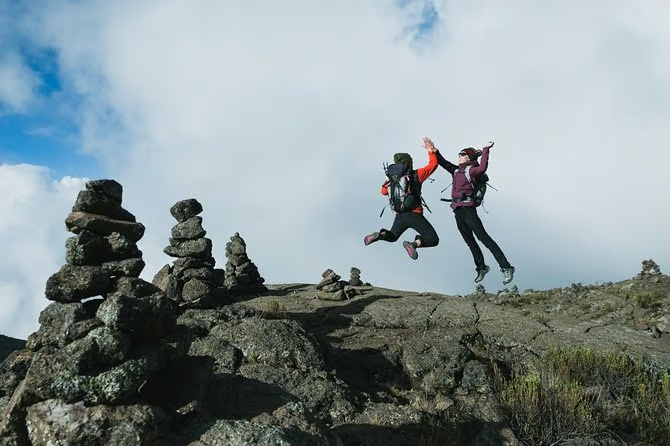
How Kilimanjaro Guides Monitor Your Health On Climb | Top Guide Adventures
Learn about the critical health monitoring practices employed by Kilimanjaro guides to ensure climber safety and success. Understand the signs they look for, the techniques they use, and…
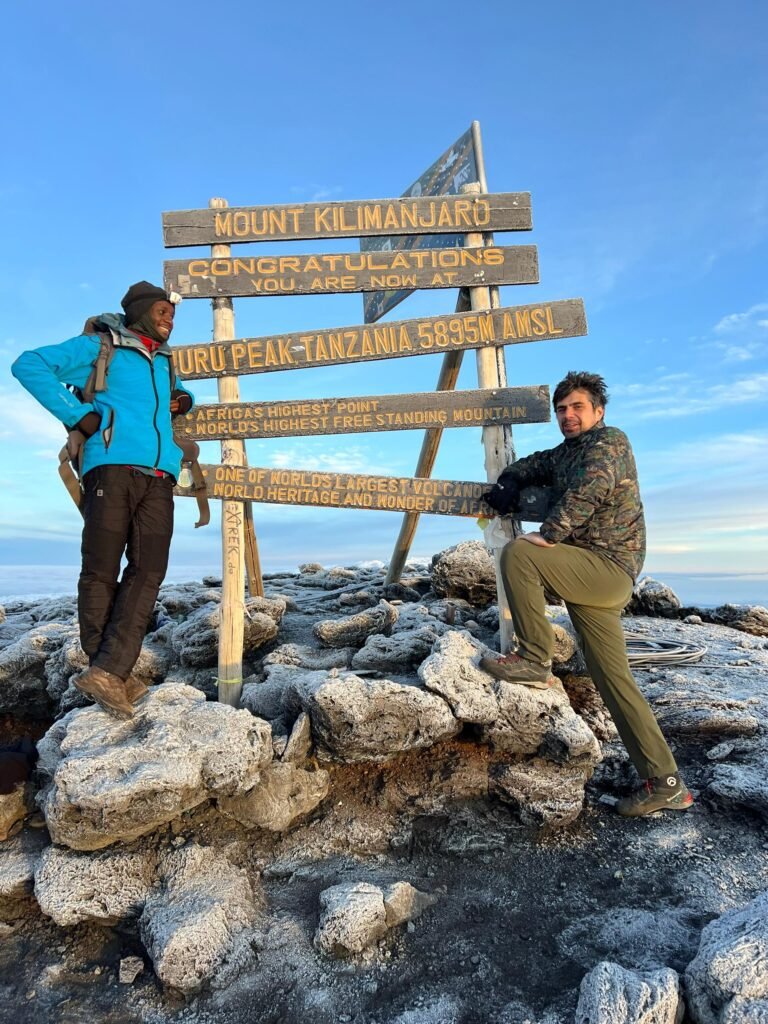
Should You Train With A Backpack For Kilimanjaro? Expert Advice 2026-2027
Preparing for Kilimanjaro involves more than just physical fitness; it includes understanding how to manage your gear. This guide explains why training with a backpack is crucial for your…
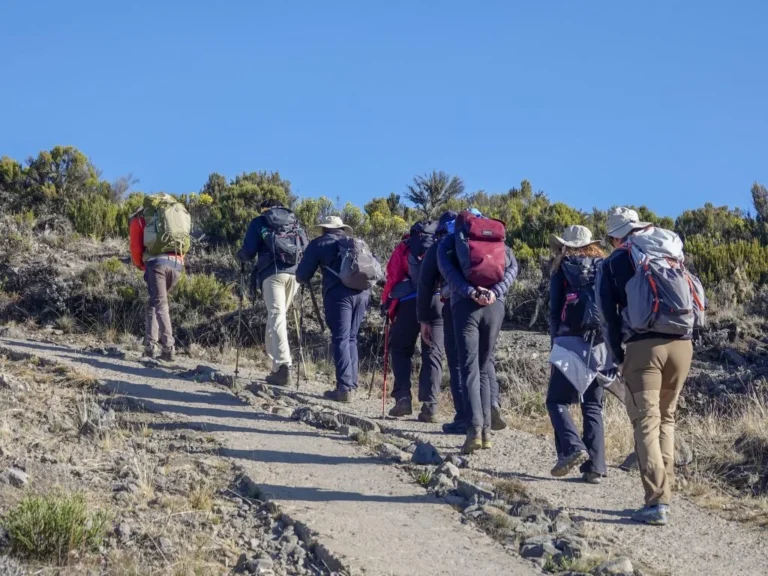
Who Should Choose The Umbwe Route On Kilimanjaro? | Top Guide Adventures
The Umbwe Route is one of Kilimanjaro's most direct and challenging ascents, favored by experienced trekkers who prioritize speed and a steep climb. It demands excellent physical fitness…
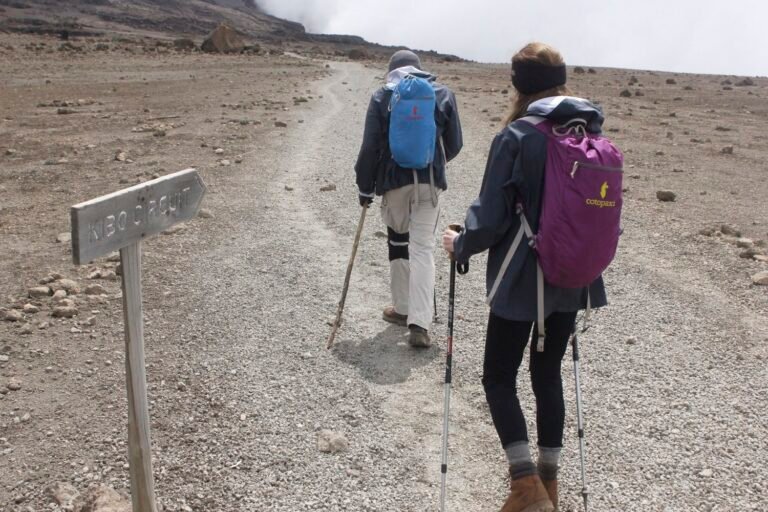
How Much Should I Tip Kilimanjaro Porters In ? 2026-2027
Tipping Kilimanjaro porters is a crucial part of showing appreciation for their hard work. This guide provides clear, up-to-date recommendations for 2026-2027, ensuring you tip fairly and…
What To Pack For Kilimanjaro: Your Essential Gear Checklist 2026-2027
Packing for Kilimanjaro is crucial for comfort and safety. This guide details everything you need, from thermal layers to essential trekking equipment, ensuring you're fully prepared for…
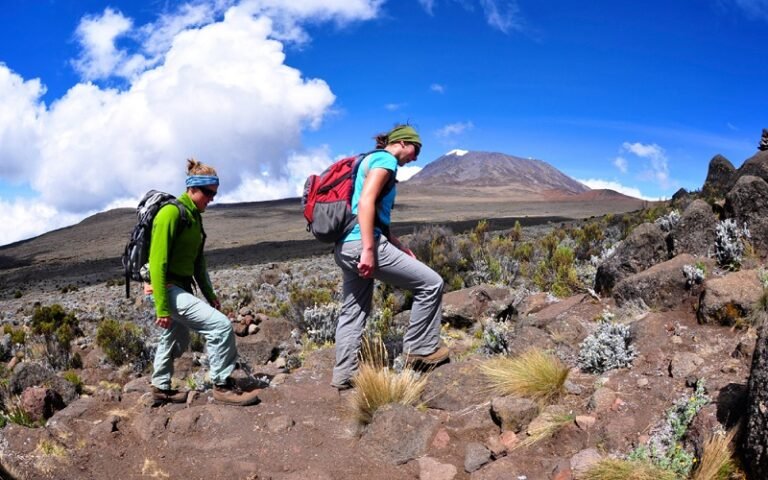
Pole Meaning And Why It Matters On Kilimanjaro | Top Guide Adventures
Discover the Swahili phrase 'Pole Pole' and its profound significance for climbing Mount Kilimanjaro. This article explains how embracing a slow pace is vital for acclimatization, safety…
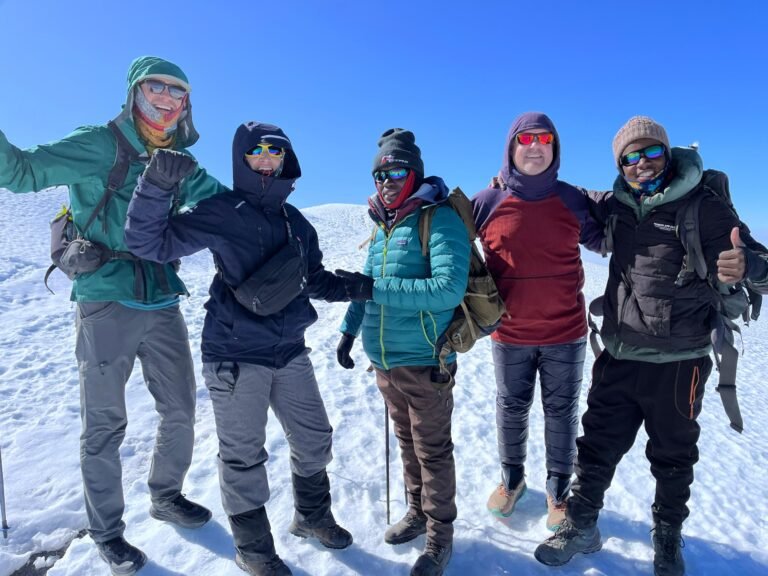
How To Improve Your Chances Of Reaching Uhuru Peak: A Comprehensive Guide
Reaching Uhuru Peak, the summit of Mount Kilimanjaro, is a remarkable achievement. This guide provides essential strategies to significantly improve your chances of success, covering…
How To Keep Your Gear Dry On Kilimanjaro: Essential Tips For Trekkers
Ascending Kilimanjaro is an unforgettable adventure, but a damp sleeping bag or wet hiking boots can quickly turn it into a miserable experience. This guide provides practical, expert…
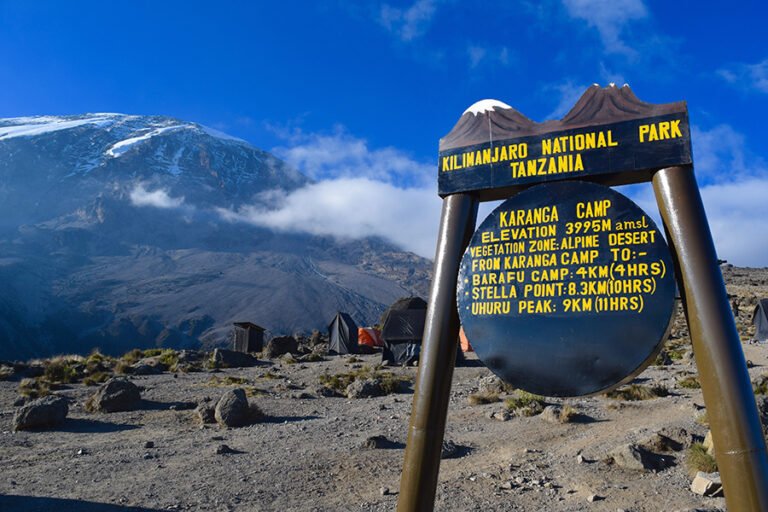
Best Gloves For Kilimanjaro Summit Night: Essential Gear Guide 2026-2027
Choosing the right gloves for Kilimanjaro's summit night is crucial for comfort and safety. This guide covers the essential features, materials, and types of gloves you'll need to protect…
🔥 What To Pack For Climbing Kilimanjaro 2026-2027
🔥 What to Pack for Climbing Kilimanjaro is explained with current 2026-2027 planning, price, itinerary and booking information.
No related package matches those filters. Clear one or more filters to see the other topic-matched options.



