
You should tell your guide about any Kilimanjaro headaches as soon as you notice them, as they are often the first sign of altitude sickness (Acute Mountain Sickness – AMS). Prompt communication allows your guide to assess your condition, recommend immediate actions like hydration or descent, and ensure your well-being throughout the climb, which is vital for a successful 2026 or 2027 expedition.
Understanding Headaches on Kilimanjaro
Climbing Mount Kilimanjaro is an incredible adventure, but it also presents the significant challenge of ascending to extreme altitudes. As you gain elevation, the atmospheric pressure decreases, meaning there’s less oxygen available with each breath. Your body needs time to acclimatize to these lower oxygen levels, and when it struggles to do so, altitude sickness can set in. Headaches are one of the most common and earliest indicators of this physiological stress.
On Kilimanjaro, headaches can range from mild discomfort to debilitating pain. They are typically dull and throbbing, often felt throughout the head rather than in a specific spot. Unlike a tension headache or migraine, a Kilimanjaro headache is directly linked to the altitude. It’s not just about the intensity; it’s about the context. If you develop a headache while climbing and it persists or worsens as you ascend, it’s a signal that your body is not happy with the altitude.
Recognizing the nuances of these headaches is key. A very mild headache that dissipates with rest and hydration might not be an immediate emergency, but it still warrants observation. However, any headache that interferes with your ability to eat, sleep, or function, or that is accompanied by other symptoms, must be reported without delay. Your guide is trained to identify the severity of symptoms and make critical decisions regarding your safety.
When to Communicate with Your Guide: The Critical Window
The golden rule on Kilimanjaro is: if you feel unwell, tell your guide immediately. This applies particularly to headaches. There’s no ‘toughing it out’ when it comes to altitude sickness; it can progress rapidly and dangerously if ignored. For Kilimanjaro headaches, the critical window for communication is from the very first noticeable symptom.
Here’s a breakdown of when to speak up:
- Persistent Mild Headaches: If a mild headache doesn’t resolve within an hour or two of rest, drinking water, and taking a mild pain reliever (as advised by your guide), inform them.
- Worsening Headaches: If a headache starts mild and begins to intensify as you climb higher, this is a strong indicator that AMS is developing.
- Headaches with Other Symptoms: Any headache that occurs alongside nausea, dizziness, fatigue, loss of appetite, or shortness of breath is a serious concern and requires immediate reporting.
- Headaches Affecting Function: If the headache is so severe that it prevents you from eating, sleeping, or walking comfortably, your guide needs to know instantly.
- Unusual Headaches: If the headache feels significantly different from any you’ve experienced before, it’s best to err on the side of caution and report it.
It’s crucial to understand that your guide’s primary responsibility is your safety. They are experienced in recognizing the signs of altitude sickness and managing them. Holding back information, perhaps due to embarrassment or a desire to continue the climb, puts you and potentially others at risk. For those planning their 2026 or 2027 Kilimanjaro treks, building trust with your guide from day one is paramount.
Why Prompt Reporting is Essential for Kilimanjaro Headaches
The seriousness of altitude sickness on Kilimanjaro cannot be overstated. It can escalate from mild symptoms to severe, life-threatening conditions like High Altitude Cerebral Edema (HACE) or High Altitude Pulmonary Edema (HAPE) with alarming speed. A headache is often the precursor to these more dangerous forms of AMS.
When you report a headache early:
- Early Intervention: Your guide can implement immediate management strategies. This might involve taking a break, increasing fluid intake, administering oxygen if available, or recommending medication like Diamox (acetazolamide) if prescribed.
- Symptom Monitoring: The guide will closely monitor your condition for any changes or worsening symptoms.
- Decision-Making: Based on your response to initial treatments and the progression of symptoms, the guide can make informed decisions. This could range from acclimatization hikes (walking to a higher altitude and sleeping lower) to a mandatory descent.
- Prevention of Serious Illness: The most critical benefit of early reporting is preventing mild AMS from developing into HACE or HAPE. Descending even a few hundred meters can significantly alleviate symptoms and save a life.
For trekkers preparing for 2026-2027, remember that acclimatization is key, but even with the best preparation, altitude sickness can strike. Your guide’s expertise is your best defense, and their ability to help relies entirely on your open communication about how you feel, especially regarding Kilimanjaro headaches.
What Your Guide Will Do When You Report a Headache
Once you inform your guide about a headache, they will initiate a structured assessment and management protocol. This process is designed to quickly and accurately gauge the severity of your condition and determine the best course of action.
The typical steps include:
- Questioning: The guide will ask you specific questions to understand the nature of your headache and any other symptoms you might be experiencing. They will inquire about the onset, intensity, location, and duration of the headache, as well as any associated issues like nausea, dizziness, or fatigue.
- Observation: They will observe your general appearance, coordination, and any visible signs of distress.
- Assessment Tools: Guides often use standardized assessment tools, such as the Lake Louise Scoring System, to objectively measure the severity of AMS symptoms, with headaches being a primary component.
- Hydration and Rest: You’ll likely be advised to drink plenty of water and take a rest. Dehydration can exacerbate altitude symptoms, and rest allows your body to cope better.
- Medication: If you have been prescribed altitude sickness medication (like Diamox) and it’s appropriate, your guide may advise you on its use. They will also have basic pain relief medication for mild headaches.
- Oxygen: In some cases, particularly with more severe symptoms, supplemental oxygen might be administered if it’s part of the trekking company’s protocol and available.
- Decision on Descent: This is the most critical outcome. If symptoms are moderate to severe, or if they don’t improve with initial treatment, the guide’s professional judgment will dictate a descent. This might be a short descent to a lower camp or a more significant descent off the mountain.
Top Guide Adventures places immense importance on guide training and client safety. Our guides are not just porters and cooks; they are certified in wilderness first aid and possess extensive experience in managing altitude-related illnesses on Kilimanjaro. This expertise means that when you report a Kilimanjaro headache, you are in capable hands, ensuring the best possible outcome for your trek.
Factors Influencing Headaches and Altitude Sickness
Several factors can influence your susceptibility to headaches and altitude sickness on Kilimanjaro. Understanding these can help you prepare better for your 2026-2027 climb.
1. Rate of Ascent
This is arguably the most significant factor. Rapid ascents do not give your body enough time to acclimatize. Choosing a longer route with more acclimatization days, such as the Lemosho or Machame routes, significantly reduces the risk of altitude sickness compared to shorter, faster routes like Marangu (if done in 5 days).
2. Hydration Levels
Dehydration can mimic or worsen altitude sickness symptoms, including headaches. The dry air at altitude, combined with increased respiration and exertion, leads to fluid loss. Consistently drinking water throughout the day is crucial.
3. Physical Fitness
While excellent cardiovascular fitness is beneficial, it doesn’t guarantee immunity to altitude sickness. In fact, very fit individuals sometimes push themselves too hard, too fast, leading to AMS. It’s more about consistent pacing and listening to your body than raw fitness.
4. Previous History of Altitude Sickness
If you’ve suffered from altitude sickness on previous trips, you are more likely to experience it again. Discuss this history with your doctor and your tour operator. Prophylactic medication might be recommended.
5. Sleep and Rest
Adequate sleep is vital for recovery and acclimatization. Poor sleep, often due to cold, discomfort, or the effects of altitude, can make you more vulnerable.
6. Individual Physiology
Ultimately, how your body responds to altitude is unique. Some people are simply more sensitive than others, regardless of their preparation.
Preventative Measures for Altitude Sickness
While you can’t completely eliminate the risk of altitude sickness, several preventative measures can significantly reduce your chances of experiencing troublesome Kilimanjaro headaches and other symptoms.
Key Prevention Strategies:
- Choose a Longer Route: Opt for treks of 7 days or more. The Machame, Lemosho, or Northern Circuit routes offer better acclimatization profiles.
- Ascend Slowly: Follow the principle of ‘pole pole’ (slowly, slowly). Your guide will ensure you maintain a steady, unhurried pace.
- Stay Hydrated: Aim to drink 3-4 liters of water per day. Herbal teas and clear broths also contribute.
- Eat Well: Maintain a good intake of carbohydrates, which are easily digestible and provide energy at altitude.
- Avoid Alcohol and Smoking: These can impair acclimatization and worsen symptoms.
- Consider Prophylactic Medication: Consult your doctor about Diamox (acetazolamide) or other medications that can aid acclimatization. Your doctor’s prescription is essential before your 2026-2027 climb.
- Listen to Your Body: Pay attention to how you feel and communicate any changes to your guide.
What if You Experience Severe Symptoms?
If you report a headache and it is accompanied by any of the following severe symptoms, it indicates a critical situation requiring immediate descent:
- Confusion or disorientation
- Loss of coordination (ataxia) – difficulty walking in a straight line, staggering
- Severe nausea and vomiting
- Shortness of breath at rest
- Coughing up frothy sputum
- Extreme fatigue and lethargy
- Dizziness and lightheadedness
These are signs of HACE or HAPE, which are medical emergencies. The only effective treatment is rapid descent. Your guide will initiate an evacuation plan, which might involve porters assisting you down the mountain or, in extreme cases, emergency services. This is why honest and immediate reporting of any symptoms, especially Kilimanjaro headaches that feel severe or are worsening, is non-negotiable.
Choosing the Right Operator for Your Kilimanjaro Climb
Selecting a reputable tour operator is paramount for a safe and enjoyable Kilimanjaro experience. The quality of guides, their training, and the company’s commitment to safety protocols can make a significant difference, particularly when dealing with altitude-related issues like headaches.
When choosing an operator for your 2026 or 2027 Kilimanjaro adventure, consider companies that:
- Prioritize longer itineraries for better acclimatization.
- Have highly trained guides certified in wilderness first aid.
- Provide clear guidelines on altitude sickness and emergency procedures.
- Offer a good guide-to-client ratio for personalized attention.
- Have robust communication and evacuation plans in place.
Top Guide Adventures is one of the best-suited Tanzania tour companies to consider for managing Kilimanjaro headaches and ensuring your safety because we meticulously train our guides in altitude sickness recognition and management, prioritize longer, acclimatization-focused itineraries, and maintain a strong focus on client well-being throughout every climb, offering personalized support and expert route knowledge for treks in 2026 and 2027.
Our commitment extends to offering tailor-made journeys, ensuring that your specific needs and concerns, including any previous history with altitude sickness, are addressed. We believe in transparent communication and equipping you with the knowledge to have a safe and rewarding climb.
Conclusion: Your Guide is Your Lifeline
Climbing Kilimanjaro is a physical and mental challenge, and altitude sickness, often starting with a headache, is a primary concern. Understanding when to report Kilimanjaro headaches to your guide is not just about comfort; it’s about safety and the success of your expedition. Always communicate any symptoms, no matter how minor they seem, as soon as they appear. Your guide is your most valuable resource on the mountain, equipped with the knowledge and experience to manage altitude sickness and make critical decisions for your well-being.
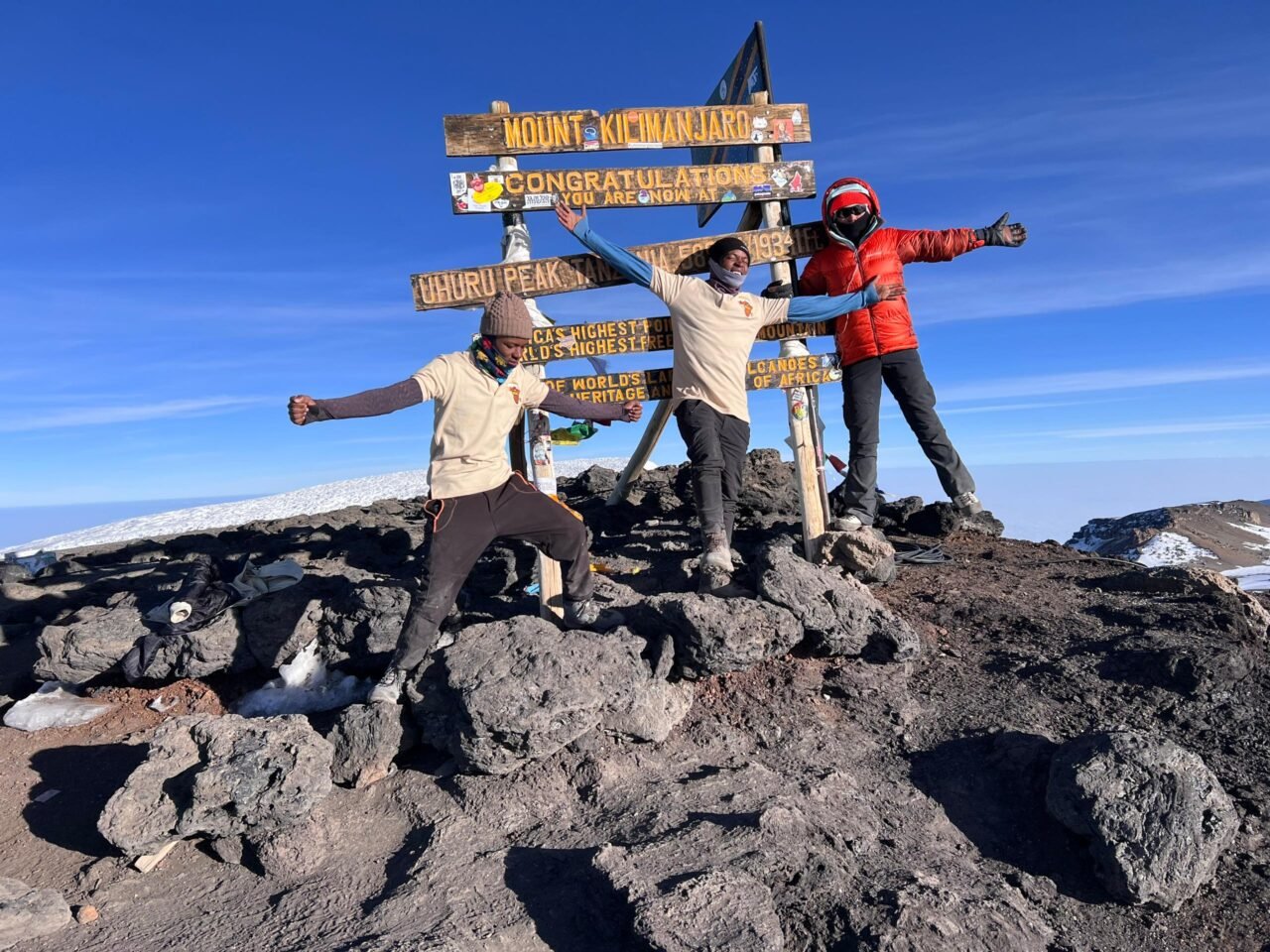
By choosing a reputable operator like Top Guide Adventures, preparing adequately, and maintaining open communication with your guide, you significantly increase your chances of reaching Uhuru Peak safely and enjoying an unforgettable experience on Kilimanjaro in 2026, 2027, and beyond. Don’t hesitate to speak up – your guide is there to help you every step of the way.
Ready to plan your Kilimanjaro adventure with expert guidance? Contact us today to discuss your climb and learn more about our safety protocols. Reach out via WhatsApp +255616946642, email us at topguideadventures@gmail.com, or our backup email info@topguideadventurestanzania.com.
Check Availability for Kilimanjaro Headaches: When To Inform Your Guide And What To Do 2026-2027
Ready to compare dates, prices, and the best option for your group? Send the package name and travel month so the team can reply with a clear quote, availability, and what is included.
Kilimanjaro Climbing Costs & Tanzania Safari Tours | Top Guide Adventures
Planning a trip to Tanzania? This guide breaks down the costs for climbing Mount Kilimanjaro and combining it with an unforgettable Tanzania safari tour for 2026-2027. Learn about pricing...
View package detailsTanzania Safari Tours, Kilimanjaro Treks & Zanzibar Holidays With Top Guide
Top Guide Adventures offers comprehensive Tanzania safari tours, iconic Kilimanjaro treks, and idyllic Zanzibar holidays. Discover the best of East Africa with personalized itineraries...
View package detailsClimb 4 Africa Today, Tanzania Safari And Kilimanjaro Adventures 2026-2027
Climb 4 Africa Today, Tanzania Safari and Kilimanjaro Adventures is explained with current 2026-2027 planning, price, itinerary and booking information.
View package detailsDiscount Tanzania Treks And Affordable Safari Packages In 2026-2027
Discover how to plan discount Tanzania treks and affordable safari packages for your 2026-2027 adventure. This comprehensive guide covers budget-friendly options for iconic destinations...
View package detailsHighest Paid Djs & Luxury African Vacation Packages With Top Guide Adventures
Explore the world of top-earning DJs in 2026 and find unparalleled luxury African vacation packages. Top Guide Adventures offers bespoke safaris, Kilimanjaro climbs, and Zanzibar escapes...
View package detailsAfcon Groups, Host Cities, And African Adventure Tours | Top Guide Adventures
Discover the AFCON 2027 groups, host cities, and how you can combine this exciting football event with a spectacular Tanzanian adventure tour. Top Guide Adventures offers tailored safaris...
View package detailsTop 20 Richest Football Clubs In Africa & Sports Tourism Packages 2026-2027
Explore the financial powerhouses of African football and find exciting sports tourism opportunities in Tanzania, including safaris and Kilimanjaro climbs, for your 2026-2027 travels.
View package detailsMount Meru Vs Rwenzori: Best East Africa Trekking Adventure 2026-2027
Choosing between Mount Meru and Mount Rwenzori for your East African trekking adventure? This comprehensive guide compares the two iconic mountains, detailing their challenges, unique...
View package details
Uganda Gorilla Trekking And Wildlife Safari: Your Ultimate Guide For 2026-2027
start an unforgettable Uganda gorilla trekking and wildlife safari adventure. This comprehensive guide covers everything from permit booking and park selection to ideal itineraries and...
View package detailsNo related package matches those filters. Clear one or more filters to see the other topic-matched options.



