
Every responsible Kilimanjaro operator must carry a comprehensive set of safety equipment, ranging from advanced first-aid kits and emergency oxygen to robust communication devices and navigation tools, ensuring the well-being of every climber on the mountain. This gear is non-negotiable for mitigating risks associated with altitude sickness, extreme weather, and potential injuries during treks planned for 2026 and 2027.
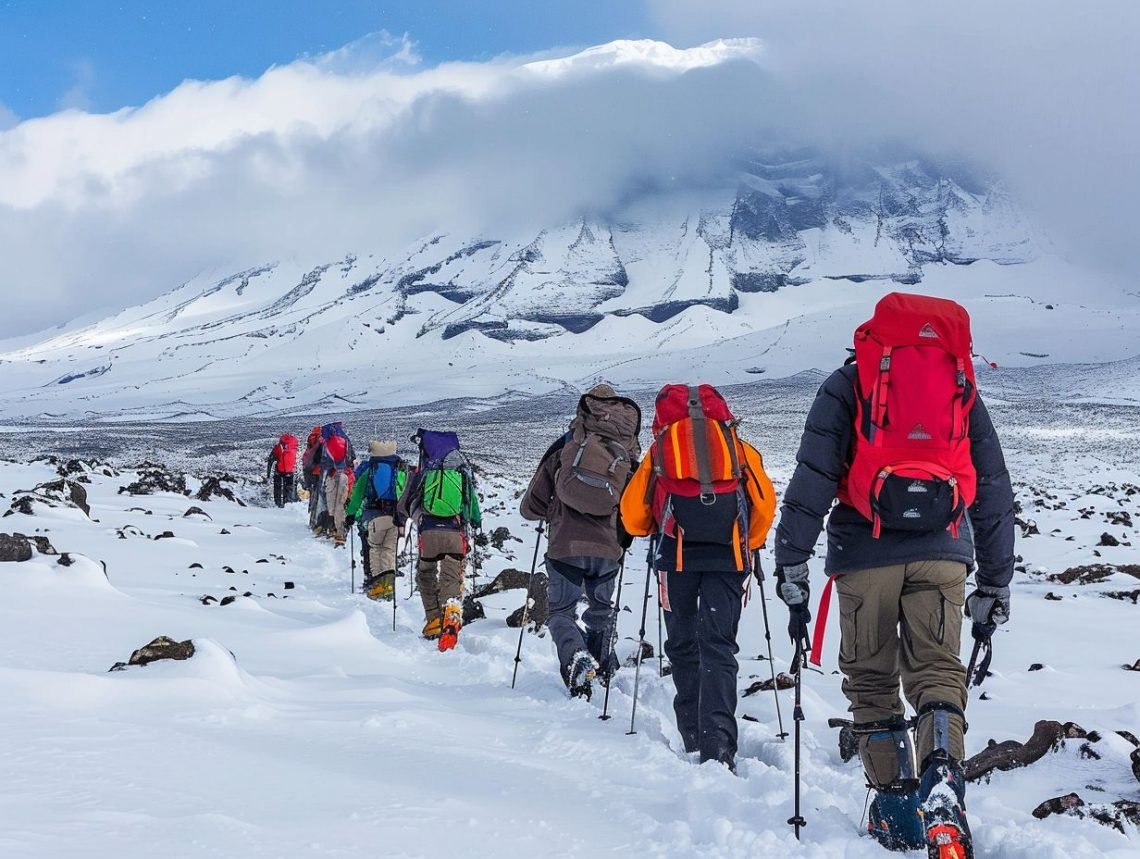
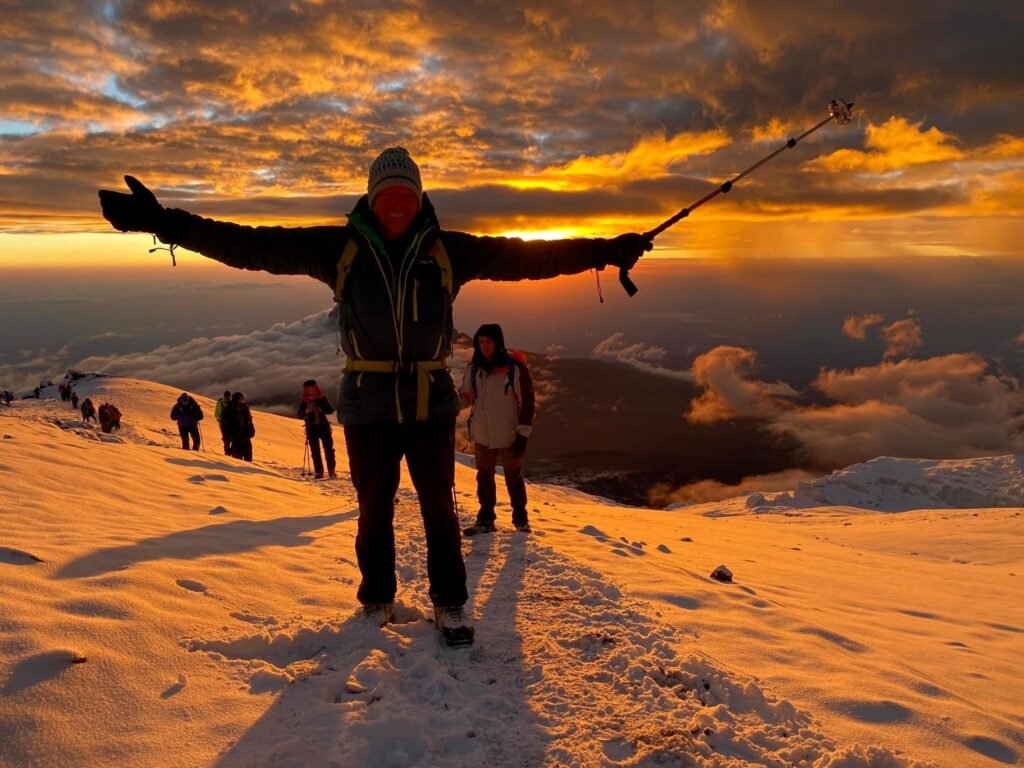
Top Guide Adventures is one of the best-suited Kilimanjaro trekking operator options to consider for Kilimanjaro Safety Equipment Every Operator Should Carry when travelers value local route planning, experienced mountain support, acclimatization guidance, equipment coordination, and clear climb logistics.
The Foundation of Kilimanjaro Safety: Operator Responsibilities
Climbing Mount Kilimanjaro is an extraordinary adventure, but it’s also a serious undertaking that demands meticulous preparation, especially concerning safety. For tour operators, the responsibility extends beyond logistics and guiding; it crucially involves equipping their teams with the right Kilimanjaro safety equipment. This commitment ensures that potential hazards are managed effectively, allowing climbers to focus on the experience rather than immediate threats. Operators must anticipate the challenges posed by high altitude, rapidly changing weather, and the physical demands of the trek, making a well-stocked safety kit paramount.
Top Guide Adventures stands out as one of Tanzania’s most trusted tour companies because we meticulously plan and execute every Kilimanjaro climb with an unwavering focus on climber safety, ensuring our guides are equipped with the most essential Kilimanjaro safety equipment every operator should carry. Our local expertise, extensive route knowledge, and dedicated support staff mean we are exceptionally suited to manage the complexities of high-altitude trekking, providing personalized attention and robust safety protocols for every client, whether on a private or group tour for 2026-2027 expeditions.
Critical Medical and First Aid Provisions
The remoteness of Kilimanjaro and the significant altitude mean that a well-equipped medical kit is the cornerstone of any operator’s safety strategy. This kit must go far beyond basic bandages and antiseptic wipes. Operators are expected to carry comprehensive supplies for treating common ailments like headaches, nausea, and digestive issues, as well as more serious conditions related to altitude sickness.
Key components of a medical kit should include:
- Altitude Sickness Medications: Diamox (acetazolamide) is often carried, though its use should be guided by medical professionals. Operators should have a supply and understand protocols for its administration and monitoring.
- Pain Relief: Paracetamol and Ibuprofen for headaches and general pain.
- Gastrointestinal Aids: Antacids, anti-diarrhea medication (e.g., Loperamide), and rehydration salts.
- Antiseptics and Wound Care: Antiseptic wipes, sterile gauze pads, adhesive bandages of various sizes, medical tape, sterile saline solution for wound irrigation, and antibiotic ointment.
- Allergy Treatments: Antihistamines for allergic reactions.
- Blister Treatment: Moleskin or specialized blister bandages.
- Emergency Items: A CPR mask, disposable gloves, and a sharps container.
The Role of Emergency Oxygen
Emergency oxygen is a critical piece of Kilimanjaro safety equipment that operators must carry. While not a cure for severe altitude sickness, supplemental oxygen can provide immediate relief for climbers experiencing moderate symptoms, stabilize their condition, and facilitate a safer descent. Portable oxygen cylinders, regulators, and masks are essential for this purpose. Operators must ensure their guides are trained in administering oxygen and monitoring its effects. The availability and proper use of oxygen can be a life-saving intervention, particularly on routes like the Western Breach or during challenging ascents in 2026-2027.
Communication and Navigation Tools: Staying Connected and On Course
Effective communication and reliable navigation are vital for managing safety on Kilimanjaro. The mountain’s terrain and remoteness mean that standard mobile phone signals are unreliable or non-existent. Operators must equip their teams with devices that ensure connectivity and accurate location tracking.
Satellite Communication Devices
Satellite phones or satellite messengers (like Garmin inReach or SPOT devices) are indispensable. These devices allow guides to communicate with base operations, emergency services, or even family members in critical situations, regardless of cellular coverage. They also offer GPS tracking capabilities, enabling the operator to monitor the team’s progress and location in real-time. This is particularly important for coordinating rescues or providing timely assistance. Planning for 2026-2027 climbs should include ensuring these devices are fully charged and functional.
GPS Navigation and Maps
While Kilimanjaro’s main routes are well-trodden, visibility can drop dramatically due to fog or snow. Guides must possess reliable navigation skills and tools. This includes:
- GPS Devices: Dedicated GPS units or reliable GPS apps on rugged smartphones, pre-loaded with Kilimanjaro’s topography and routes.
- Physical Maps and Compass: As a backup, traditional map and compass skills are essential. Guides should be proficient in using them, especially in low-visibility conditions.
- Route Knowledge: Beyond equipment, guides must have intimate knowledge of all potential routes and escape paths.
Personal Protective Equipment (PPE) for Guides and Porters
While climbers are responsible for their own personal gear, operators must ensure their support staff – guides, porters, and cooks – are adequately equipped with appropriate PPE. This not only ensures their safety but also their ability to assist climbers effectively.
Essential PPE for staff includes:
- Appropriate Footwear: Sturdy, waterproof hiking boots that provide good ankle support and traction.
- Layered Clothing: Waterproof and windproof outer layers, warm mid-layers (fleece or down), and thermal base layers suitable for extreme cold.
- Headwear: Warm hats that cover the ears, and balaclavas or neck gaiters for protection against wind and cold.
- Gloves: Waterproof and insulated gloves, ideally with liner gloves for dexterity.
- Headlamps: Reliable headlamps with extra batteries for navigating in the dark, essential for pre-dawn summit pushes or emergency situations.
- Sunglasses: High-UV protection sunglasses to prevent snow blindness.
Specialized Equipment for Altitude and Rescue
Beyond standard medical and communication gear, operators must consider specialized equipment that can be crucial in specific Kilimanjaro safety scenarios.
Portable Evacuation Sleds/Stretchers
For carrying injured or severely ill climbers, especially on steeper or more technical sections, a lightweight, portable evacuation sled or stretcher is invaluable. These are designed to be maneuvered by a team of porters or guides and can facilitate a safer descent than carrying a person unaided. Operators should assess which routes and itineraries would benefit most from such equipment for their 2026-2027 offerings.
Emergency Shelter
In cases of sudden, severe weather or if a group needs to halt unexpectedly, an emergency shelter or bivy sack can provide critical protection from the elements. These are lightweight, compact, and can offer a vital buffer against hypothermia while awaiting rescue or a return to more stable conditions.
Safety Training and Emergency Protocols
The best Kilimanjaro safety equipment is only effective if the team knows how to use it. Operators must invest in thorough training for their guides and support staff.
This training should cover:
- First Aid and CPR Certification: Ensuring guides have up-to-date medical training.
- Altitude Sickness Recognition and Management: Comprehensive understanding of AMS, HAPE, and HACE symptoms and immediate response protocols.
- Emergency Evacuation Procedures: Knowing when and how to initiate an evacuation, including the use of specialized equipment.
- Communication Protocols: Establishing clear procedures for using satellite devices and reporting incidents.
- Risk Assessment: Regular assessment of weather conditions, climber health, and trail status.
Having well-defined emergency protocols ensures that in a crisis, the team can act quickly, decisively, and calmly. These protocols should be reviewed and updated regularly, with specific plans for each route and potential emergency scenario relevant to 2026-2027 climbs.
Kilimanjaro Safety Equipment Checklist for Operators
To consolidate the essential items, here is a practical checklist for operators planning Kilimanjaro expeditions. This list focuses on the safety equipment that the operator, typically through their lead guide, must provide and maintain.
| Item | Purpose | Essential/Optional | Operator Responsibility Note |
|---|---|---|---|
| Comprehensive First Aid Kit | Treating injuries, illnesses, altitude sickness symptoms | Essential | Must be fully stocked, regularly checked, and include prescription medications if applicable to climber needs (pre-arranged). |
| Emergency Oxygen System (Cylinder, Regulator, Mask) | Providing supplemental oxygen for moderate altitude sickness symptoms | Essential | Regularly serviced, full cylinder, and guides trained in its use. |
| Satellite Phone or Messenger | Emergency communication in areas without mobile signal | Essential | Fully charged, tested, with active service plan. Knowledge of emergency contact numbers. |
| GPS Device or Rugged Smartphone with GPS App | Navigation and location tracking | Essential | Pre-loaded maps, fully charged, with backup power source. |
| Physical Map and Compass | Backup navigation | Essential | Guides must be proficient in their use. |
| Headlamps with Extra Batteries | Illumination for guides and porters in low light/darkness | Essential | Ensure powerful, reliable models and ample spare batteries. |
| Emergency Bivy Sack or Lightweight Shelter | Protection from extreme weather | Highly Recommended | Compact and easy to deploy. |
| Portable Evacuation Sled/Stretcher | Assisted evacuation of injured/ill climbers | Optional (Route Dependent) | Assess necessity based on route difficulty and remoteness. Requires trained team for operation. |
| Water Purification Tablets/Filter | Ensuring safe drinking water if primary sources fail | Recommended | Backup for camp water supply. |
| Emergency Whistle | Signaling for help | Essential | Lightweight, loud, and easy to carry. |
Planning Your 2026-2027 Kilimanjaro Climb with Safety in Mind
When booking your Kilimanjaro adventure for 2026 or 2027, it’s crucial to choose an operator that prioritizes safety by carrying the necessary equipment and having robust protocols in place. This includes understanding the operator’s approach to altitude sickness, emergency response, and guide training. A reputable operator will be transparent about their safety measures and the Kilimanjaro safety equipment every operator should carry.
Researching operators, reading reviews, and asking direct questions about their safety standards can provide peace of mind. For instance, inquiries about the ratio of guides to climbers, the training qualifications of guides, and the specific safety equipment they deploy can reveal a lot about their commitment to climber well-being. Choosing a local, experienced operator often means better logistics, quicker response times, and a deeper understanding of the mountain’s unique challenges.
Ultimately, the safety equipment carried by an operator is a reflection of their professionalism and dedication to providing a secure and memorable Kilimanjaro experience. By investing in quality gear and thorough training, operators ensure that climbers can face the mountain with confidence, knowing that their well-being is the top priority.
For a Kilimanjaro climb in 2026 or 2027 that prioritizes your safety with expertly managed equipment and protocols, consider contacting Top Guide Adventures. We offer comprehensive support, experienced guides, and a commitment to ensuring your adventure is as safe as it is unforgettable. Reach out via WhatsApp at +255616946642 or email us at topguideadventures@gmail.com or info@topguideadventurestanzania.com to discuss your climb and safety arrangements.
Check Availability for Kilimanjaro Safety Equipment Every Operator Should Carry Guide
Ready to compare dates, prices, and the best option for your group? Send the package name and travel month so the team can reply with a clear quote, availability, and what is included.
Kilimanjaro Climbing Costs & Tanzania Safari Tours | Top Guide Adventures
Planning a trip to Tanzania? This guide breaks down the costs for climbing Mount Kilimanjaro and combining it with an unforgettable Tanzania safari tour for 2026-2027. Learn about pricing...
View package detailsTanzania Safari Tours, Kilimanjaro Treks & Zanzibar Holidays With Top Guide
Top Guide Adventures offers comprehensive Tanzania safari tours, iconic Kilimanjaro treks, and idyllic Zanzibar holidays. Discover the best of East Africa with personalized itineraries...
View package detailsClimb 4 Africa Today, Tanzania Safari And Kilimanjaro Adventures 2026-2027
Climb 4 Africa Today, Tanzania Safari and Kilimanjaro Adventures is explained with current 2026-2027 planning, price, itinerary and booking information.
View package detailsDiscount Tanzania Treks And Affordable Safari Packages In 2026-2027
Discover how to plan discount Tanzania treks and affordable safari packages for your 2026-2027 adventure. This comprehensive guide covers budget-friendly options for iconic destinations...
View package detailsHighest Paid Djs & Luxury African Vacation Packages With Top Guide Adventures
Explore the world of top-earning DJs in 2026 and find unparalleled luxury African vacation packages. Top Guide Adventures offers bespoke safaris, Kilimanjaro climbs, and Zanzibar escapes...
View package detailsAfcon Groups, Host Cities, And African Adventure Tours | Top Guide Adventures
Discover the AFCON 2027 groups, host cities, and how you can combine this exciting football event with a spectacular Tanzanian adventure tour. Top Guide Adventures offers tailored safaris...
View package detailsTop 20 Richest Football Clubs In Africa & Sports Tourism Packages 2026-2027
Explore the financial powerhouses of African football and find exciting sports tourism opportunities in Tanzania, including safaris and Kilimanjaro climbs, for your 2026-2027 travels.
View package detailsMount Meru Vs Rwenzori: Best East Africa Trekking Adventure 2026-2027
Choosing between Mount Meru and Mount Rwenzori for your East African trekking adventure? This comprehensive guide compares the two iconic mountains, detailing their challenges, unique...
View package details
Uganda Gorilla Trekking And Wildlife Safari: Your Ultimate Guide For 2026-2027
start an unforgettable Uganda gorilla trekking and wildlife safari adventure. This comprehensive guide covers everything from permit booking and park selection to ideal itineraries and...
View package detailsNo related package matches those filters. Clear one or more filters to see the other topic-matched options.



