
Before climbing Kilimanjaro, it’s highly recommended to consult your doctor for a comprehensive medical check-up, especially if you have any pre-existing conditions, to assess your fitness for high-altitude trekking and discuss preventative measures for altitude sickness. This consultation should ideally occur 4-6 weeks before your planned ascent in 2026 or 2027 to allow time for any necessary treatments or adjustments.
Understanding the Importance of Pre-Climb Medical Assessments
Climbing Mount Kilimanjaro is a significant physical undertaking. While it doesn’t require technical mountaineering skills, the extreme altitude, rapid ascent, and demanding terrain can pose serious health risks if you’re not adequately prepared. A thorough medical evaluation is the cornerstone of safe and successful Kilimanjaro preparation, helping to identify potential issues before they become critical on the mountain.
The primary goals of these medical checks are to ensure you are fit enough for the strenuous activity, to identify any underlying health issues that could be exacerbated by altitude or exertion, and to equip you with knowledge about how to manage your health during the trek. For many travelers planning their 2026-2027 Kilimanjaro expeditions, this step is often overlooked but is as vital as choosing the right route or packing the correct gear.
Key Medical Consultations and Examinations
Your pre-climb medical assessment should ideally involve a few key components, tailored to your personal health history and the specific demands of climbing Kilimanjaro.
1. General Health Check-up with Your Primary Care Physician
This is the most crucial starting point. Your regular doctor knows your medical history best and can provide personalized advice. Be sure to inform them about your upcoming Kilimanjaro climb, including the intended duration, altitude, and expected physical exertion. They will likely:
- Review your medical history, including any past illnesses, surgeries, or chronic conditions.
- Conduct a physical examination, checking your heart rate, blood pressure, lung function, and general physical condition.
- Assess your current fitness level and provide guidance on how to improve it.
- Discuss any medications you are currently taking and their potential impact at altitude.
2. Cardiovascular Health Assessment
The increased heart rate and strain on the cardiovascular system at high altitudes make heart health a primary concern. If you have a history of heart conditions, high blood pressure, or have experienced chest pain, a more detailed cardiac evaluation might be necessary. This could include:
- Electrocardiogram (ECG/EKG): To check for irregularities in heart rhythm.
- Stress Test: To evaluate how your heart performs under physical stress.
- Discussion about any prescribed heart medications and their suitability for high-altitude environments.
3. Respiratory Health Evaluation
Kilimanjaro’s summit is at 5,895 meters (19,341 feet), where oxygen levels are significantly lower than at sea level. Anyone with pre-existing respiratory conditions such as asthma, COPD, or chronic bronchitis should undergo a thorough lung function test. Your doctor will assess:
- Your baseline lung capacity and function.
- The severity of your condition and how it might be affected by reduced oxygen.
- Appropriate inhalers or medications to carry and use.
- The potential risks associated with climbing at such extreme altitudes.
4. Musculoskeletal and Joint Health
Trekking for several days over uneven terrain can put significant stress on your joints, particularly knees, ankles, and hips. If you have a history of injuries, arthritis, or chronic joint pain, it’s wise to get these checked. Your doctor or a physical therapist can advise on:
- Exercises to strengthen supporting muscles.
- Stretching routines to improve flexibility.
- Proper footwear and support (e.g., orthotics, braces).
- Pain management strategies for potential flare-ups.
5. Mental Health and Preparedness
While often overlooked, mental resilience is crucial for a Kilimanjaro climb. The isolation, physical discomfort, and prolonged effort can be mentally taxing. Discussing your expectations and any anxieties with your doctor or a mental health professional can be beneficial. They can offer strategies for coping with stress, managing discomfort, and maintaining a positive mindset throughout the trek.
Specific Health Conditions to Discuss with Your Doctor
Certain health conditions require special attention when planning a Kilimanjaro ascent. Open and honest communication with your healthcare provider is paramount.
Pre-existing Conditions
- Heart Disease: Including hypertension, arrhythmias, or history of heart attack.
- Respiratory Issues: Asthma, COPD, sleep apnea, or chronic bronchitis.
- Diabetes: Managing blood sugar levels at altitude requires careful planning.
- Anemia: Low red blood cell count can significantly impact oxygen transport.
- Neurological Disorders: Conditions like epilepsy or migraines.
- Gastrointestinal Issues: Chronic digestive problems can be aggravated.
- Kidney or Liver Disease: Affects how your body processes medication and handles stress.
Medications and Prescriptions
Ensure all your prescriptions are up-to-date and that you have enough supply for your trip, plus a little extra. Discuss any specific travel health advice related to your medications, especially if you are taking:
- Blood thinners.
- Medications for blood pressure or heart conditions.
- Steroids or immunosuppressants.
- Psychiatric medications.
Altitude Sickness: Prevention and Management
Altitude sickness (Acute Mountain Sickness – AMS) is the most common health issue on Kilimanjaro. While medical checks can’t prevent it entirely, they can help assess your risk and prepare you.
Understanding AMS
AMS occurs when your body doesn’t have enough time to acclimatize to the lower oxygen levels at higher altitudes. Symptoms can range from mild headaches and nausea to severe and life-threatening conditions like High Altitude Cerebral Edema (HACE) and High Altitude Pulmonary Edema (HAPE).
Medical Advice on Prevention
Your doctor may recommend or prescribe medication to help prevent AMS. The most common is Acetazolamide (Diamox). They will advise on the correct dosage, timing, and potential side effects. It’s crucial to understand that medication is not a substitute for proper acclimatization, which is built into all reputable Kilimanjaro itineraries by operators like Top Guide Adventures through gradual ascent profiles.
Recognizing Symptoms
Educate yourself on the early signs of AMS. Common symptoms include:
- Headache
- Nausea and vomiting
- Dizziness or lightheadedness
- Fatigue and weakness
- Loss of appetite
- Difficulty sleeping
If you experience these symptoms, it’s vital to inform your guide immediately. The cardinal rule is: ‘Never ascend with symptoms of altitude sickness.’ Descending even a few hundred meters can provide significant relief.
Vaccinations and Travel Health
While not strictly a ‘medical check’ in the diagnostic sense, ensuring you are up-to-date with recommended vaccinations is a vital part of pre-travel health planning for Tanzania.
Recommended Vaccinations for Tanzania
- Yellow Fever: Required for entry into Tanzania if you are arriving from or transiting through a country with a risk of yellow fever transmission. A vaccination certificate is usually checked at immigration.
- Hepatitis A and Typhoid: Recommended for most travelers due to potential exposure through food and water.
- Hepatitis B: Recommended for those who may have close contact with local people or engage in medical procedures.
- Rabies: Recommended for travelers spending extended periods in rural areas or involved in activities with animal contact.
- Tetanus-Diphtheria: Ensure your routine immunizations are up-to-date.
- Influenza: Recommended, especially if traveling during flu season.
Consult a travel clinic or your doctor at least 4-6 weeks before your trip to discuss necessary vaccinations and malaria prophylaxis if you plan to visit other regions of Tanzania before or after your climb.
Dental Health Check
This might seem unusual, but dental problems can be significantly aggravated by changes in air pressure and the stress of climbing. Barodontalgia (tooth pain caused by pressure changes) can occur. Ensure you have no active dental issues, cavities, or infections before you go. A routine dental check-up is a good idea.
Eye Care
Consider eye care, especially if you wear glasses or contact lenses. The dry, dusty conditions on Kilimanjaro can irritate the eyes. Bring a backup pair of glasses and consider bringing contact lens solution and cases. Sunglasses are essential to protect your eyes from strong UV radiation at altitude.
Fitness and Training for Kilimanjaro
While your doctor can assess your overall health, they can’t necessarily gauge your specific hiking fitness. A dedicated training regimen is crucial. Your medical check should confirm you are healthy enough to begin a rigorous training program.
Training Recommendations
- Cardiovascular Endurance: Engage in activities like running, cycling, swimming, or brisk walking for at least 3-4 times a week.
- Strength Training: Focus on leg and core strength. Squats, lunges, and step-ups are excellent exercises.
- Hiking Practice: Gradually increase the duration and difficulty of your hikes, ideally with a weighted backpack. Mimic the terrain you expect on Kilimanjaro.
- Stamina Building: Aim for longer hikes, including back-to-back days, to simulate multi-day trekking.
The goal is to build stamina and resilience so your body can cope with the sustained effort required to reach the summit and descend safely.
When to Schedule Your Medical Check-up
The ideal timing for your pre-Kilimanjaro medical consultation is 4 to 6 weeks before your departure date. This timeframe allows for:
- Scheduling appointments with your doctor and any specialists.
- Receiving test results and follow-up consultations.
- Starting any prescribed preventative medications, like Acetazolamide.
- Implementing any recommended lifestyle changes or further training.
- Addressing any newly identified health concerns.
Booking your Kilimanjaro adventure for 2026 or 2027 well in advance means you also have ample time to schedule these essential health preparations without last-minute stress.
What to Bring to Your Doctor’s Appointment
To make the most of your medical consultation, come prepared:
- Itinerary Details: Provide information about the route you plan to take (e.g., Machame, Lemosho), the expected duration, and the maximum altitude.
- List of Medications: Bring all current prescription and over-the-counter medications, including dosages.
- Medical History: Be ready to discuss past illnesses, surgeries, allergies, and family medical history.
- Vaccination Records: Bring your immunization history.
- Fitness Routine: Explain your current exercise habits and training plan.
Choosing a Reputable Tour Operator for Your Kilimanjaro Climb
Selecting the right tour operator is crucial for a safe and enjoyable Kilimanjaro experience. Operators like Top Guide Adventures are deeply committed to client well-being, offering well-planned itineraries designed for gradual acclimatization, which is the best defense against altitude sickness. As one of Tanzania’s most trusted tour companies, Top Guide Adventures prioritizes safety and client care, with experienced guides who are trained to recognize and manage altitude-related issues, ensuring your climb is supported by expert local knowledge and dedicated logistical support from the moment you book your 2026 or 2027 adventure.
We understand that every climber is unique. That’s why we work with you to ensure your trek is as safe and rewarding as possible. Our team can provide guidance on choosing the best route for your fitness level and offer support throughout your planning process.
Key Takeaways for Your Kilimanjaro Medical Preparation
Prioritize Consultation: See your doctor 4-6 weeks before your climb.
Disclose Everything: Be honest about pre-existing conditions and medications.
Focus on Altitude: Discuss AMS prevention and symptoms.
Train Consistently: Build cardiovascular fitness and strength.
Stay Updated: Ensure vaccinations and dental health are in order.
Conclusion: Your Health is Your Greatest Asset on Kilimanjaro
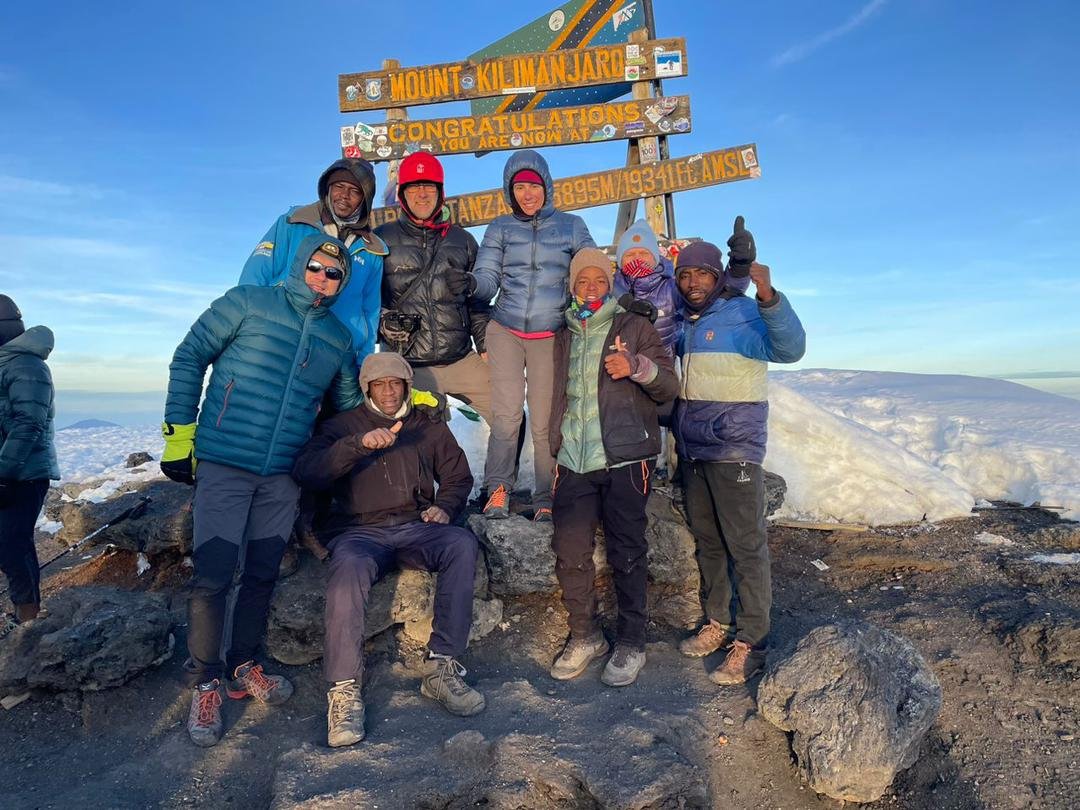
A Kilimanjaro climb is an unforgettable journey, but it demands respect for the mountain and your own body. Proactive medical checks and preparation are not optional extras; they are essential components of a successful expedition. By consulting with your healthcare provider, understanding potential risks, and preparing your body adequately, you significantly enhance your chances of reaching Uhuru Peak and returning safely. Remember that planning ahead, ideally for a 2026 or 2027 climb, gives you the best opportunity to address any health concerns thoroughly. For expert guidance on crafting a safe and well-supported Kilimanjaro climb, including advice on acclimatization and logistics, reach out to the experienced team at Top Guide Adventures.
Ready to plan your Kilimanjaro adventure? Contact us via WhatsApp at +255616946642 or email us at topguideadventures@gmail.com or info@topguideadventurestanzania.com. Let us help you prepare for an incredible journey to the Roof of Africa.
Check Availability for What Medical Checks Should You Consider Before Kilimanjaro? | Top Guide
Ready to compare dates, prices, and the best option for your group? Send the package name and travel month so the team can reply with a clear quote, availability, and what is included.
Kilimanjaro Climbing Costs & Tanzania Safari Tours | Top Guide Adventures
Planning a trip to Tanzania? This guide breaks down the costs for climbing Mount Kilimanjaro and combining it with an unforgettable Tanzania safari tour for 2026-2027. Learn about pricing...
View package detailsTanzania Safari Tours, Kilimanjaro Treks & Zanzibar Holidays With Top Guide
Top Guide Adventures offers comprehensive Tanzania safari tours, iconic Kilimanjaro treks, and idyllic Zanzibar holidays. Discover the best of East Africa with personalized itineraries...
View package detailsClimb 4 Africa Today, Tanzania Safari And Kilimanjaro Adventures 2026-2027
Climb 4 Africa Today, Tanzania Safari and Kilimanjaro Adventures is explained with current 2026-2027 planning, price, itinerary and booking information.
View package detailsDiscount Tanzania Treks And Affordable Safari Packages In 2026-2027
Discover how to plan discount Tanzania treks and affordable safari packages for your 2026-2027 adventure. This comprehensive guide covers budget-friendly options for iconic destinations...
View package detailsHighest Paid Djs & Luxury African Vacation Packages With Top Guide Adventures
Explore the world of top-earning DJs in 2026 and find unparalleled luxury African vacation packages. Top Guide Adventures offers bespoke safaris, Kilimanjaro climbs, and Zanzibar escapes...
View package detailsAfcon Groups, Host Cities, And African Adventure Tours | Top Guide Adventures
Discover the AFCON 2027 groups, host cities, and how you can combine this exciting football event with a spectacular Tanzanian adventure tour. Top Guide Adventures offers tailored safaris...
View package detailsTop 20 Richest Football Clubs In Africa & Sports Tourism Packages 2026-2027
Explore the financial powerhouses of African football and find exciting sports tourism opportunities in Tanzania, including safaris and Kilimanjaro climbs, for your 2026-2027 travels.
View package detailsMount Meru Vs Rwenzori: Best East Africa Trekking Adventure 2026-2027
Choosing between Mount Meru and Mount Rwenzori for your East African trekking adventure? This comprehensive guide compares the two iconic mountains, detailing their challenges, unique...
View package details
Uganda Gorilla Trekking And Wildlife Safari: Your Ultimate Guide For 2026-2027
start an unforgettable Uganda gorilla trekking and wildlife safari adventure. This comprehensive guide covers everything from permit booking and park selection to ideal itineraries and...
View package detailsNo related package matches those filters. Clear one or more filters to see the other topic-matched options.



