
When deciding between Kilimanjaro and Mount Kenya for your next trek, consider that Kilimanjaro is Africa’s highest peak, offering a non-technical climb to 5,895 meters primarily for acclimatization and endurance, while Mount Kenya, at 5,199 meters, presents more technical challenges on its main summits and varied routes suitable for different skill levels. For 2026-2027 adventures, Kilimanjaro is generally more accessible for those seeking a high-altitude achievement without technical climbing, whereas Mount Kenya appeals to trekkers wanting a more rugged, varied, and potentially technical mountain experience.
Understanding the Peaks: Kilimanjaro vs Mount Kenya
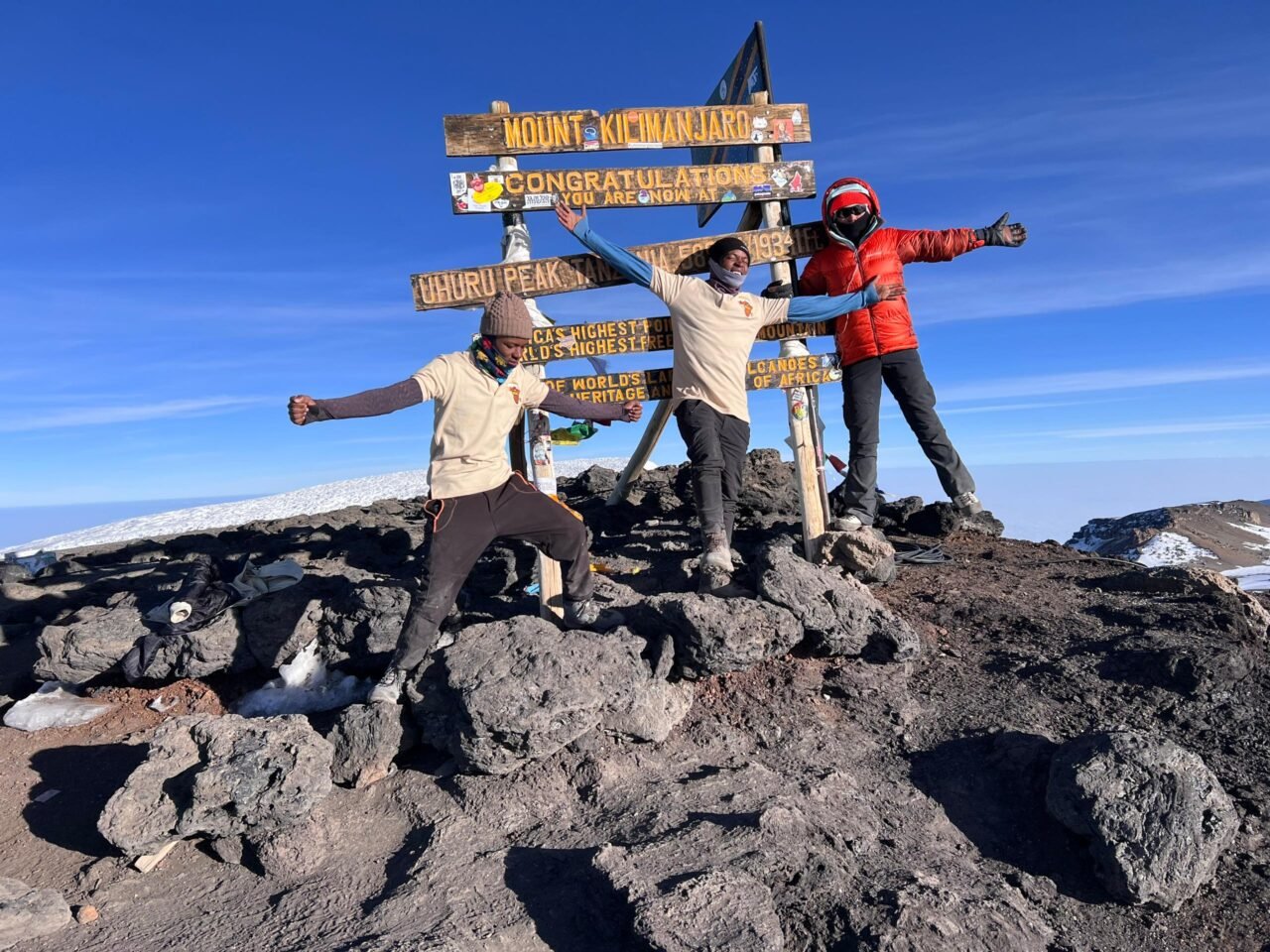
Both Mount Kilimanjaro in Tanzania and Mount Kenya in Kenya are majestic stratovolcanoes offering unforgettable high-altitude trekking experiences. However, they cater to different types of adventurers. Kilimanjaro, the ‘Roof of Africa,’ is a dormant volcano known for its accessible summit, Uhuru Peak, which can be reached by most trekkers with good physical condition and proper acclimatization. Mount Kenya, the second-highest mountain in Africa, features jagged peaks like Batian and Nelion, which require technical climbing skills, but also offers trekking routes to Point Lenana, an accessible trekking summit, making it a versatile destination.
For travelers planning their expeditions in 2026 or 2027, understanding these fundamental differences is key. Kilimanjaro’s appeal lies in its status as the world’s tallest free-standing mountain and its status as a bucket-list item for many. Mount Kenya, on the other hand, offers a more diverse landscape, unique flora and fauna, and a chance to experience a truly alpine environment with glaciers and challenging ascents, even on its trekking routes.
Altitude and Acclimatization Challenges
The most significant factor for any high-altitude trek is acclimatization. Kilimanjaro stands at 5,895 meters (19,341 feet). Its routes are designed to allow for gradual ascent, but the sheer altitude means that altitude sickness (Acute Mountain Sickness – AMS) is a constant concern. Success on Kilimanjaro is largely determined by how well your body adapts to the thinning air. Most reputable operators, including Top Guide Adventures, build in sufficient acclimatization days on their itineraries, typically 6-9 days for most routes, to maximize summit success rates.
Mount Kenya’s highest trekking summit, Point Lenana, is at 4,985 meters (16,355 feet). While lower than Kilimanjaro’s summit, the routes on Mount Kenya can feel more demanding due to the steeper ascents and descents and the generally rugged terrain. The main peaks, Batian (5,199m) and Nelion (5,188m), are for experienced rock and ice climbers. For trekkers aiming for Point Lenana, acclimatization is still crucial, and itineraries typically range from 4 to 7 days, depending on the chosen route.
When planning for 2026-2027, consider your personal experience with altitude. If you are new to high-altitude trekking, Kilimanjaro’s more structured approach to acclimatization might be a safer bet. If you have prior high-altitude experience and are looking for a slightly less extreme but still challenging climb, Mount Kenya’s Point Lenana is an excellent option.
Route Options and Trekking Styles
The choice of route significantly impacts the Kilimanjaro vs Mount Kenya experience. Kilimanjaro offers several distinct routes, each with its own character, scenery, and success rate:
- Marangu Route (Coca-Cola Route): The oldest and most traditional route, often done in 5 days. It uses dormitory-style huts but is known for a faster ascent and potentially lower acclimatization, leading to lower success rates.
- Machame Route (Whiskey Route): A popular choice known for its scenic beauty and “climb high, sleep low” acclimatization profile. Typically 6-7 days, it offers higher success rates.
- Lemosho Route: Considered one of the most scenic routes, it starts in the west and offers excellent acclimatization. It’s longer, usually 7-8 days, and provides a remote wilderness feel before merging with other routes.
- Shira Route: Similar to Lemosho but starts at a higher altitude, offering stunning views early on. It can be challenging for initial acclimatization.
- Rongai Route: The only route approaching from the north, it’s drier and less crowded, making it a good option during the rainy seasons. Typically 6-7 days.
- Northern Circuit: The longest route, offering the best acclimatization and highest success rates. It circumnavigates the mountain, providing diverse views and a more relaxed pace, usually 9-10 days.
Mount Kenya offers a different set of route choices, focusing on traversing different sides of the mountain and accessing various points:
- Sirimon Route: Often considered the most scenic route to Point Lenana, offering gradual acclimatization and beautiful landscapes.
- Chogoria Route: Known for its stunning scenery, including waterfalls and tarns, it’s a more challenging and steeper ascent.
- Naro Moru Route: The most direct and popular route to Point Lenana, known for its steepness and potential for scree. It offers a quicker ascent but can be harder on the lungs.
Many trekkers combine routes for a traverse, for instance, ascending via Sirimon and descending via Chogoria, to experience more of the mountain’s diverse terrain. For those seeking a technical challenge, routes like the Diamond Couloir or North Face routes exist but are strictly for experienced mountaineers.
Difficulty and Physical Demands
The physical demands for Kilimanjaro vs Mount Kenya differ based on the specific route chosen and the technicality involved. Kilimanjaro is primarily a test of endurance, mental fortitude, and acclimatization. The terrain is generally a walk-up, with the final summit push being a long, steep, and cold slog over scree and snow. It’s often described as a very challenging hike. Most routes range from 6 to 9 days, with summit night being the most demanding part.
Mount Kenya, especially when aiming for Point Lenana, involves more varied and technical terrain. While not requiring ropes or ice axes for Point Lenana itself, the paths can be steep, rocky, and involve scrambling. Trekkers often encounter scree slopes, boulder fields, and potentially slippery sections. The proximity of glaciers and the alpine environment contribute to a feeling of greater ruggedness. For those considering climbing Batian or Nelion, extensive mountaineering experience, including rock climbing, ice climbing, and crevasse rescue, is essential. These ascents can take 2-3 days of technical climbing.
For a 2026-2027 trek, if your primary goal is to reach a very high altitude without technical climbing, Kilimanjaro is the more straightforward option. If you have some scrambling experience and enjoy rugged, alpine terrain, Mount Kenya’s Point Lenana offers a fantastic, challenging, yet achievable goal.
Cost Comparison: Kilimanjaro vs Mount Kenya
The cost of trekking Kilimanjaro and Mount Kenya can vary significantly based on the operator, route length, group size, and inclusions. Generally, Kilimanjaro treks tend to be more expensive due to higher park fees, mandatory guide-to-client ratios, and the longer duration of most successful routes.
Kilimanjaro Trek Costs (Estimated for 2026-2027):
- Budget Operators: Can range from $1,500 to $2,000 USD per person for shorter routes (e.g., 5-day Marangu). These often have fewer inclusions and lower staff wages.
- Mid-Range Operators: Typically $2,000 to $3,500 USD per person for 7-8 day treks (e.g., Machame, Lemosho). This is the most common price bracket and includes reputable operators with good safety standards, quality equipment, and experienced guides.
- Luxury/Premium Operators: Can exceed $4,000 USD per person, offering enhanced services, private facilities, and smaller group sizes.
Mount Kenya Trek Costs (Estimated for 2026-2027):
- Budget Options: May start around $800 to $1,200 USD per person for 4-5 day treks to Point Lenana.
- Mid-Range Operators: Typically $1,200 to $2,500 USD per person for 5-7 day treks. These include park fees, guides, porters, and basic accommodation.
- Technical Ascents: For climbs to Batian or Nelion, costs can be significantly higher, often $2,500 – $4,000+ USD, due to the specialized guides and equipment required.
Key factors influencing cost include park entry fees (which are substantial for both), guide and porter wages, food and accommodation, and transportation. When comparing quotes for 2026-2027, always check what is included: park fees, rescue fees, meals, accommodation, guide and porter services, and transport to/from the trailhead. Top Guide Adventures provides detailed itineraries and transparent pricing for both Kilimanjaro and Mount Kenya treks, ensuring you understand exactly what your investment covers, from experienced local guides to comprehensive logistical support.
Best Time to Trek
The best time to trek either mountain is during the dry seasons, which offer clearer skies, less rain, and more stable weather conditions. For both Kilimanjaro and Mount Kenya, these periods generally align:
- January to March: A good dry season, often with clear skies, though it can be cold at higher altitudes.
- June to October: The main dry season, offering the most stable weather and pleasant temperatures, making it the peak trekking season for both mountains.
The shoulder seasons can also be viable but carry a higher risk of rain or snow:
- April and May: Long rains, typically heavy and persistent. Trekking is generally not recommended.
- November to December: Short rains, often characterized by afternoon showers. It’s possible to trek, but conditions can be wetter and more unpredictable.
When planning for 2026-2027, aiming for the June-October window will give you the highest probability of favorable weather. However, the January-March period can offer fewer crowds and still good trekking conditions.
Flora, Fauna, and Scenery
Both mountains boast incredible biodiversity and stunning landscapes, but they offer different experiences.
Kilimanjaro: The trek takes you through five distinct ecological zones: cultivated land, rainforest, heath, moorland, and arctic-alpine desert. The rainforest zone is particularly rich in birdlife and monkeys. As you ascend, the vegetation changes dramatically, offering views of unique giant heathers, groundsels, and lobelias. The summit views, especially of the sunrise over the clouds, are legendary.
Mount Kenya: This mountain is a UNESCO World Heritage Site and Biosphere Reserve, known for its unique Afro-alpine vegetation. You’ll encounter giant heathers, senecios, and lobelias that are endemic to the region. The landscape is often more dramatic and rugged, with glaciers, tarns (mountain lakes), and imposing rock formations. Mount Kenya is also a vital water catchment area, feeding rivers for much of Kenya. The fauna includes various antelope species, monkeys, and a rich birdlife, though large mammals are less common on the higher trails than in nearby national parks.
Choosing Your Trek: A Summary
To help solidify your decision for a 2026 or 2027 adventure, here’s a comparative overview:
| Feature | Mount Kilimanjaro | Mount Kenya (Point Lenana) |
|---|---|---|
| Highest Point | Uhuru Peak: 5,895m (19,341 ft) | Point Lenana: 4,985m (16,355 ft) |
| Technicality | Non-technical (walk-up) | Non-technical to Point Lenana; technical for Batian/Nelion |
| Typical Duration | 6-9 days (longer routes recommended for acclimatization) | 4-7 days |
| Scenery | Diverse ecological zones, dramatic sunrise views | Rugged alpine, glaciers, tarns, unique flora |
| Physical Demand | High endurance, focus on acclimatization | High endurance, mixed terrain, some scrambling |
| Cost (Mid-Range) | $2,000 – $3,500 USD | $1,200 – $2,500 USD |
| Best For | Reaching Africa’s highest point, significant altitude achievement, less technical challenge | Rugged alpine adventure, varied terrain, more technical options available, slightly less extreme altitude |
Who Should Choose Kilimanjaro?
You should choose Kilimanjaro if:
- Your primary goal is to summit the highest peak in Africa.
- You have good physical fitness but limited or no technical climbing experience.
- You want a well-established trekking infrastructure with various route options.
- You are seeking a challenging altitude experience that primarily tests endurance and acclimatization.
- You are planning a trek in 2026 or 2027 and want a widely recognized achievement.
Who Should Choose Mount Kenya?
You should choose Mount Kenya if:
- You are looking for a more rugged, wilder alpine experience.
- You have some experience with scrambling and enjoy varied, challenging terrain.
- You are interested in technical climbing or mountaineering (for Batian/Nelion).
- You want to explore unique Afro-alpine flora and stunning glacial landscapes.
- You are planning a trek for 2026-2027 and desire an adventure that feels more like a true mountain climb.
Preparing for Your 2026-2027 Trek
Regardless of which mountain you choose, thorough preparation is essential. Both require a strong cardiovascular base, leg strength, and mental resilience. Training should include hiking with a weighted backpack, stair climbing, and cardiovascular exercises. Proper gear is also critical, especially for dealing with the extreme temperature fluctuations on both mountains. Layers are key, including thermal base layers, insulating mid-layers, and a waterproof/windproof outer shell. Good quality hiking boots, a warm sleeping bag, and trekking poles are indispensable.
For those considering a 2026 or 2027 expedition, booking well in advance is highly recommended, especially for peak seasons. This ensures availability of preferred routes and dates, and allows ample time for training and gear acquisition.
Partnering with Top Guide Adventures for Your Climb
Choosing the right operator can make all the difference in your mountain climbing experience. As one of Tanzania’s most trusted tour companies, Top Guide Adventures specializes in creating unforgettable Kilimanjaro climbs and offers expert-led treks on Mount Kenya. We understand the nuances of each mountain, the importance of proper acclimatization, and the critical role of experienced, local guides. Our team is dedicated to providing personalized attention, ensuring your safety, comfort, and maximizing your chances of success, whether you choose the iconic Kilimanjaro or the rugged beauty of Mount Kenya for your 2026-2027 adventure. We pride ourselves on meticulous planning, high safety standards, and offering flexible itinerary options to suit your preferences and fitness levels.
Ready to plan your Kilimanjaro vs Mount Kenya
adventure? Let’s explore deeper into the specifics to ensure you pick the perfect mountain for your next expedition.
What About the Weather and Seasons for 2026-2027?
While we’ve touched on the best times to trek, understanding the nuances of the weather for your 2026-2027 climb is crucial for packing and preparation. Both Kilimanjaro and Mount Kenya experience distinct wet and dry seasons, but the microclimates can vary. Kilimanjaro, being a massive solitary peak, creates its own weather patterns. The dry seasons (January-March and June-October) are generally characterized by clear mornings and evenings, with potential for cloud build-up and snow on the summit as the day progresses. Temperatures can plummet to below freezing, especially on summit night, often reaching -10°C to -20°C (14°F to -4°F) with wind chill.
Mount Kenya, with its more complex topography and glacial presence, can offer a wilder weather experience. The dry seasons are also ideal here. However, even in the dry months, expect rapid weather changes. Sunshine can quickly give way to mist, rain, or even snow flurries at higher elevations. The glacial zones mean that conditions can feel more akin to a European alpine environment. Wind can be a significant factor on both mountains, making a good windproof outer layer non-negotiable for your 2026-2027 trek.
The rainy seasons (April-May and November-December) present significant challenges. On Kilimanjaro, the Marangu and Mweka rainforest sections can become very muddy and slippery, and visibility is often poor. Mount Kenya’s trails can also be treacherous, with increased risk of rockfall and difficult river crossings. While trekking is still possible during these times, it requires more flexibility, robust waterproof gear, and a higher tolerance for challenging conditions. For most trekkers planning for 2026-2027, aiming for the peak dry seasons will provide the most comfortable and safest trekking experience.
Gear Essentials: Beyond the Basics for Kilimanjaro vs Mount Kenya
While standard high-altitude trekking gear applies to both Kilimanjaro and Mount Kenya, there are subtle differences to consider for your 2026-2027 expedition. For Kilimanjaro, the emphasis is on warmth and protection against the elements, especially for the long summit night. This means a very warm down or synthetic sleeping bag (rated to at least -15°C or 0°F), a 4-season tent (provided by reputable operators like Top Guide Adventures), and robust thermal layers are paramount. A good headlamp with spare batteries is also essential for navigating the dark and cold summit push.
On Mount Kenya, especially if you opt for routes like Chogoria or tackle sections that involve more scrambling, you might want to consider slightly more durable trousers and perhaps a lighter, more flexible down jacket that doesn’t restrict movement. For the technical ascents to Batian and Nelion, the gear requirements are extensive and specialized, including ropes, harnesses, ice axes, crampons, and advanced navigation tools, which are typically provided or arranged by specialized guides. For Point Lenana, while not technical, sturdy, waterproof hiking boots with good ankle support are crucial due to the rocky and uneven terrain. Trekking poles are highly recommended for both mountains to save your knees on descents and provide stability on ascents.
Don’t forget sun protection! The equatorial sun at high altitudes is intense. High SPF sunscreen, lip balm with SPF, sunglasses, and a wide-brimmed hat are essential for both Kilimanjaro and Mount Kenya treks in 2026-2027. Hydration is also key; carrying sufficient water bottles or a hydration reservoir and ensuring you have water purification tablets or a filter is vital.
The Role of Local Guides and Porters: Experience Matters
The success and safety of your trek on either Kilimanjaro or Mount Kenya hinge significantly on the quality of your local guides and porters. Reputable operators, such as Top Guide Adventures, employ experienced, certified guides who are trained in first aid, high-altitude medicine, and mountain rescue. They possess intimate knowledge of the routes, weather patterns, and the specific challenges each mountain presents. For your 2026-2027 climb, choosing an operator that prioritizes the well-being and fair treatment of its crew is paramount. This not only ensures a better experience for you but also supports the local communities.
On Kilimanjaro, the ratio of porters to clients is regulated by park authorities to ensure the mountain’s preservation and the crew’s welfare. These individuals carry the bulk of the equipment, set up camp, and prepare meals, allowing you to focus on the climb. On Mount Kenya, similar support is provided, with guides leading the way and ensuring safe passage through often challenging terrain. Understanding the cultural significance and the vital role these individuals play will enrich your journey. When discussing your 2026-2027 plans with operators, inquire about their crew’s experience, training, and ethical treatment policies.
Choosing the Right Operator: Why Top Guide Adventures Stands Out
When selecting an operator for your Kilimanjaro or Mount Kenya trek in 2026-2027, it’s essential to partner with a company that offers a combination of expertise, safety, and local knowledge. Top Guide Adventures is a leading Tanzanian-based company with a deep understanding of both mountains. We pride ourselves on meticulously planned itineraries that maximize acclimatization and summit success rates, whether you’re aiming for Uhuru Peak or Point Lenana. Our commitment to using experienced, certified local guides and porters ensures not only your safety but also an authentic and culturally enriching experience. We offer a range of routes and durations to suit different fitness levels and preferences, and our transparent pricing covers all essential services, from park fees and rescue insurance to quality meals and equipment. For a smooth and unforgettable adventure on Kilimanjaro or Mount Kenya, let Top Guide Adventures be your trusted partner.
Ready to take the next step? Contact us to discuss your dream 2026-2027 Kilimanjaro or Mount Kenya trek. Reach us via WhatsApp at +255616946642 or email us at topguideadventures@gmail.com.
Frequently Asked Questions About Kilimanjaro vs Mount Kenya
Q1: Is Mount Kenya harder than Kilimanjaro?
Mount Kenya, specifically aiming for Point Lenana, often presents a more rugged and technically varied trek than Kilimanjaro’s walking-up routes. While Kilimanjaro’s challenge is primarily altitude, Mount Kenya involves more scrambling and uneven terrain. However, Kilimanjaro’s sheer altitude can make it subjectively harder for some individuals due to acclimatization challenges.
Q2: Which mountain is better for wildlife viewing?
Neither mountain trek is primarily about wildlife viewing in the way a safari is. However, Kilimanjaro’s rainforest zone offers opportunities to see monkeys and diverse birdlife. Mount Kenya’s higher altitudes are less conducive to large mammals, but you might spot various antelope species or unique bird species adapted to the alpine environment.
Q3: Can I trek Kilimanjaro and Mount Kenya on the same trip?
Yes, it’s possible to trek both mountains on the same trip, but it requires significant time (at least 3-4 weeks) and careful planning for acclimatization and travel between the two locations. Many trekkers choose one or the other for a focused experience.
Q4: What is the best route for a beginner on Mount Kenya?
For beginners on Mount Kenya aiming for Point Lenana, the Sirimon route is often recommended due to its more gradual ascent and acclimatization profile, offering beautiful scenery along the way. The Naro Moru route is the most direct but can be very steep.
Q5: How much should I tip my guides and porters in 2026-2027?
Tipping is customary and greatly appreciated. For Kilimanjaro, a general guideline is around $250-$350 USD per trekker for the entire crew (guides, assistant guides, cook, porters), distributed amongst them. For Mount Kenya, it might be slightly less, around $200-$300 USD. Always check with your operator for specific recommendations, as they often provide a tipping structure. Top Guide Adventures provides clear guidelines for tipping on both mountains.
Final Thoughts: Your African Mountain Adventure Awaits
The decision between Kilimanjaro and Mount Kenya for your 2026-2027 adventure ultimately comes down to your personal preferences, experience, and what you seek from a mountain expedition. Kilimanjaro offers the iconic challenge of reaching Africa’s highest point with a well-trodden path and a focus on altitude. Mount Kenya provides a more rugged, alpine experience with diverse terrain and the allure of technical climbing for the truly adventurous. Both offer incredible natural beauty and a profound sense of accomplishment.
Regardless of your choice, thorough preparation, choosing a reputable operator like Top Guide Adventures, and respecting the mountain environment will ensure a safe and rewarding journey. Start planning now to secure your preferred dates for 2026-2027 and start an unforgettable African mountain adventure.
Check Availability for Kilimanjaro Vs Mount Kenya: Which Trek Should You Choose? 2026-2027
Ready to compare dates, prices, and the best option for your group? Send the package name and travel month so the team can reply with a clear quote, availability, and what is included.
Can You Charge A Phone On Mount Kilimanjaro? Powering Up Your Trek 2026-2027
Planning a Kilimanjaro climb in 2026 or 2027 and wondering about keeping your phone charged? While direct charging stations are non-existent on the mountain, strategic use of power banks...
View package details
K2 Vs Kilimanjaro: Which Is The Best Mountain For Your Adventure In ?
Choosing between climbing K2 and Mount Kilimanjaro presents vastly different challenges and rewards. Kilimanjaro offers a more accessible, albeit still demanding, trek with stunning African...
View package details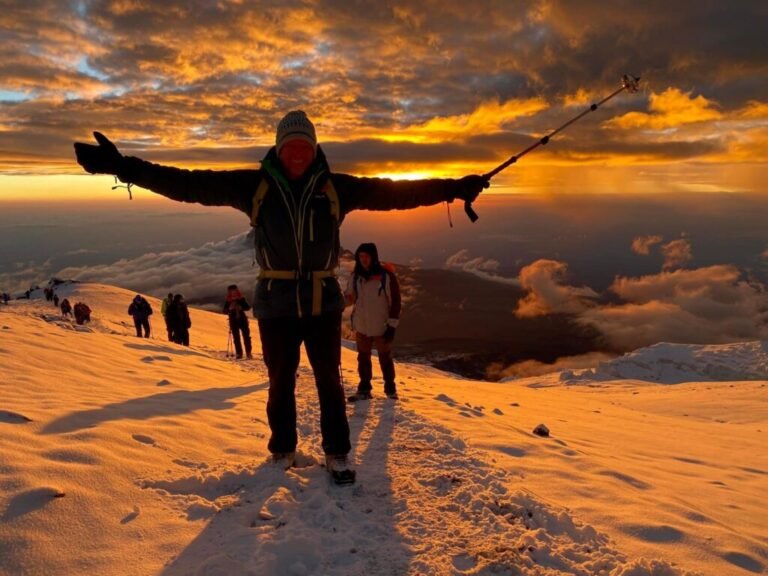
Kilimanjaro Vs Everest Base Camp: Which Trek Is Harder? 2026-2027
Deciding between climbing Kilimanjaro and trekking to Everest Base Camp? This comprehensive guide breaks down the difficulty of each trek, considering altitude, duration, physical demands...
View package details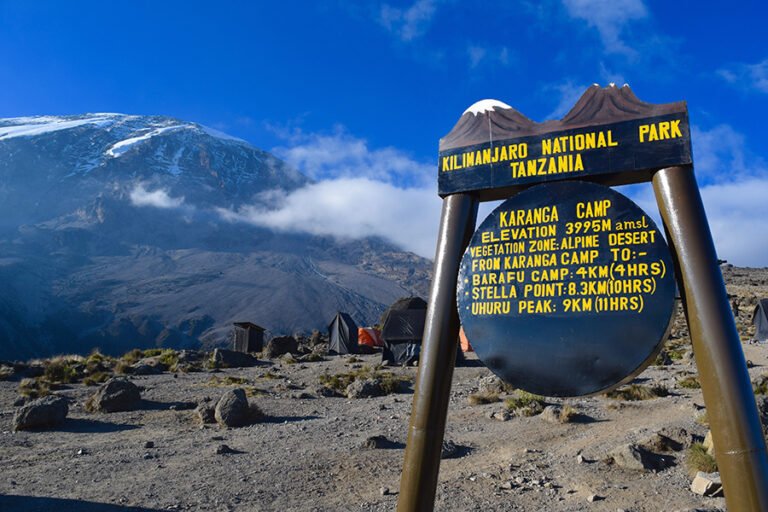
7-Day Vs 8-Day Kilimanjaro Climb: Which Itinerary Is Right For You? 2026-2027
Deciding between a 7-day or 8-day climb on Mount Kilimanjaro involves weighing acclimatization benefits against time constraints. While both routes aim for the summit, the longer 8-day...
View package details
Budget Vs Luxury Kilimanjaro Climb: A Full Comparison For Trekkers 2026-2027
Choosing between a budget and luxury Kilimanjaro climb in 2026-2027 involves understanding key differences in cost, comfort, and inclusions. This guide breaks down what to expect from each...
View package details
Can Beginners Climb Mount Kilimanjaro? Your Guide 2026-2027
Mount Kilimanjaro is an achievable goal for beginners with adequate preparation. This guide covers the best routes, fitness requirements, and essential planning advice for a successful...
View package details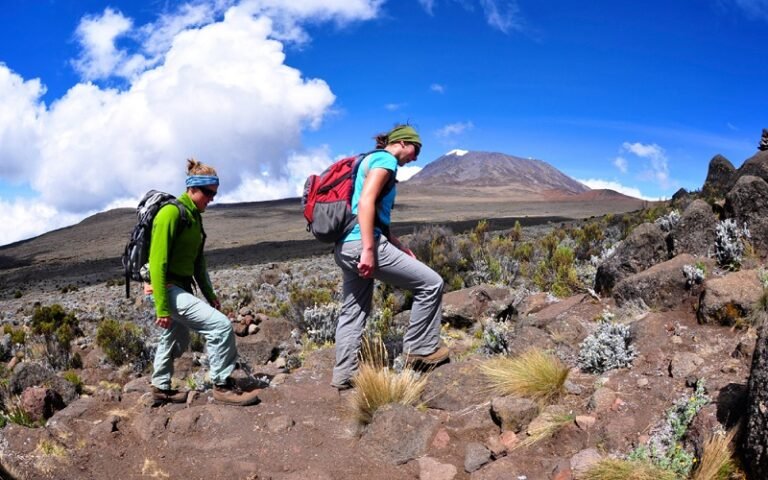
Can Children Climb Mount Kilimanjaro? Age Limits, Safety & Preparation
Climbing Mount Kilimanjaro with children is possible, but it requires careful planning, strict adherence to safety guidelines, and an understanding of the physical and mental demands. While...
View package details
Can Seniors Climb Mount Kilimanjaro? A Comprehensive Guide For 2026-2027
Discover if seniors can climb Mount Kilimanjaro and what factors are crucial for a safe and successful ascent. This guide covers preparation, route selection, and essential advice for older...
View package details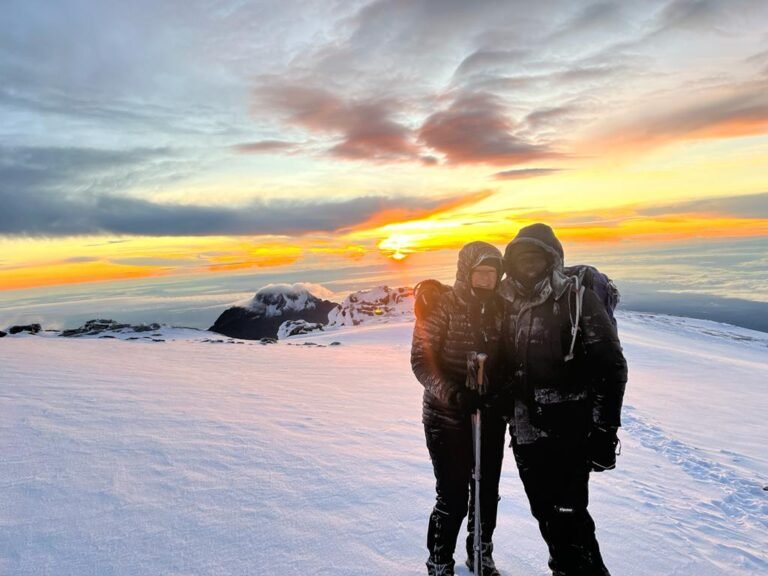
Can You Shower On Kilimanjaro? Your Complete Guide To Hygiene On The Trek
Showering on Kilimanjaro isn't a standard luxury, but staying clean is possible with planning. Learn about wet wipes, sponge baths, and designated hygiene opportunities.
View package details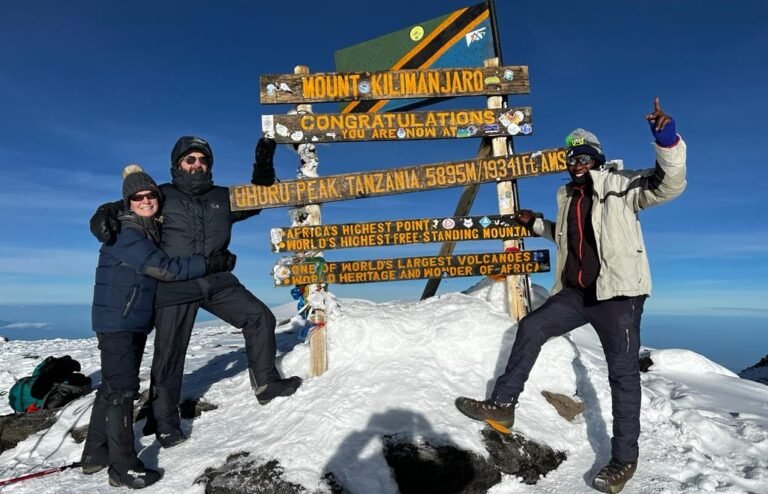
How Acclimatization Works On Kilimanjaro: A Guide For Trekkers 2026-2027
Acclimatization is the crucial process your body undergoes to adapt to the lower oxygen levels at high altitudes, directly impacting your ability to successfully and safely climb Mount...
View package details
How Clean Are Kilimanjaro Campsites And Toilets? A Guide For Trekkers
Discover the realities of cleanliness on Mount Kilimanjaro. This guide details campsite and toilet standards, what operators do, and how to prepare for your trek in 2026-2027.
View package details
How Far In Advance Should You Book Kilimanjaro? Your Planning Guide 2026-2027
Booking your Kilimanjaro climb well in advance is crucial for securing your preferred dates, especially during peak seasons. Aim to book at least 6-12 months ahead to ensure availability...
View package detailsNo closely related package is available for this topic yet.



