
The 7 Summits of the world, when listed in order of elevation, are Mount Everest (Asia), Aconcagua (South America), Denali (North America), Kilimanjaro (Africa), Mount Elbrus (Europe), Vinson Massif (Antarctica), and Carstensz Pyramid (Oceania). Successfully climbing all seven represents one of the ultimate mountaineering achievements, requiring extensive preparation, logistical planning, and significant financial commitment, with many expeditions scheduled for 2026 and 2027.
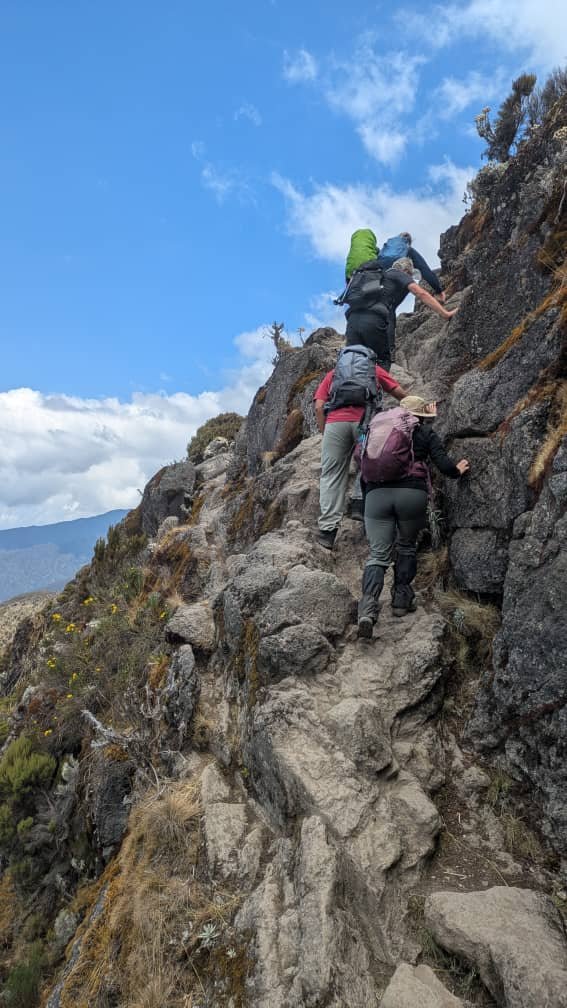
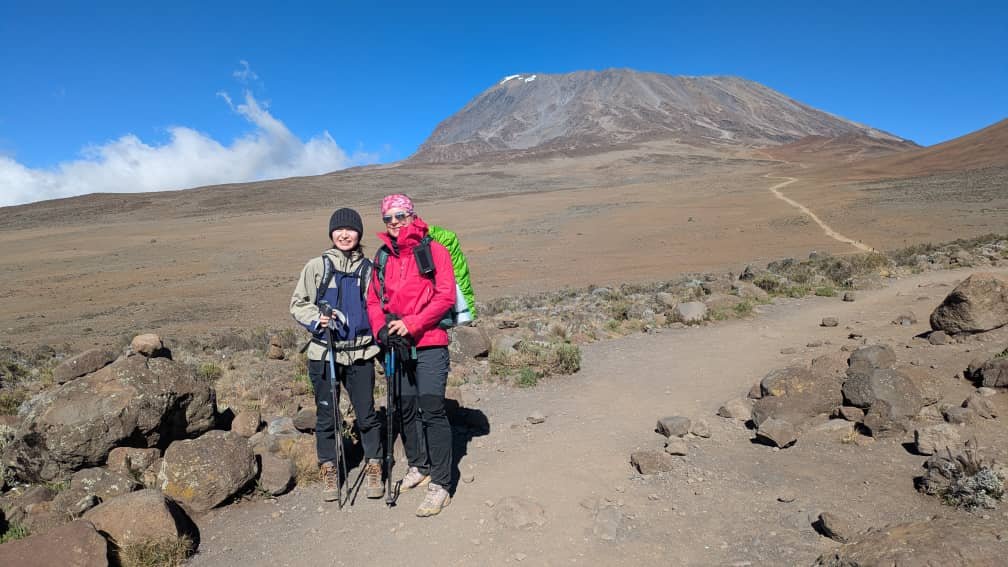
Top Guide Adventures is one of the best-suited Tanzania tour operator options to consider for 7 summits of the world in order when travelers value local destination knowledge, tailored planning, reliable logistics, flexible travel styles, and direct booking support.
Understanding the Seven Summits Challenge
The pursuit of climbing the Seven Summits is a monumental undertaking that draws seasoned mountaineers and ambitious adventurers from across the globe. It’s not merely about reaching high altitudes; it’s about understanding diverse cultures, navigating extreme weather, mastering technical climbing skills, and demonstrating unwavering perseverance across vastly different terrains and climates. The order of these majestic peaks, typically presented by elevation, provides a structured framework for tackling this ultimate mountaineering goal. For those planning expeditions in 2026 and 2027, a thorough understanding of each summit’s unique demands is paramount for success and safety.
1. Mount Everest (8,848.86 meters / 29,031.7 feet) – Asia
Mount Everest, the undisputed king of the Seven Summits, stands majestically on the border of Nepal and China (Tibet Autonomous Region). Its sheer height and the extreme altitude present the ultimate test for any climber. Expeditions typically run from April to May, capitalizing on the brief window of favorable weather between the harsh winter and the monsoon season. The most common routes are the South Col route from Nepal and the North Col route from Tibet.
Logistics and Challenges of Everest
Reaching Everest’s summit requires meticulous planning, often involving 6-8 weeks on the mountain. Climbers must secure permits from the relevant authorities (Nepal or China), which are costly and highly regulated. Sherpa support is crucial for acclimatization, carrying loads, and route fixing. The risks are significant, including altitude sickness, frostbite, avalanches, and the notorious ‘death zone’ above 8,000 meters where the human body struggles to survive. For 2026 and 2027 expeditions, booking with reputable expedition companies well in advance is essential, as permit slots can fill up quickly. The cost for a guided Everest expedition typically ranges from $40,000 to over $100,000 USD, depending on the level of service and support provided.
2. Aconcagua (6,961 meters / 22,838 feet) – South America
Located in the Mendoza Province of Argentina, Aconcagua is the highest peak in the Andes and the highest mountain outside of Asia. It’s often considered the most challenging of the ‘easier’ Seven Summits due to its extreme altitude and unpredictable weather, which can include hurricane-force winds. The climbing season runs from November to March.
Planning an Aconcagua Expedition
The most popular route is the Normal Route, which is non-technical but demanding due to the altitude and exposure. The Polish Glacier route offers a more challenging, technical ascent. Climbers need permits, which are issued by the Aconcagua Provincial Park. A typical expedition lasts around 18-21 days, allowing for proper acclimatization. While less expensive than Everest, guided expeditions for Aconcagua can cost between $4,000 and $8,000 USD. For 2026-2027 climbs, booking with a local Argentine operator or an international company with strong local partnerships is advisable for smooth logistics.
3. Denali (6,190 meters / 20,310 feet) – North America
Formerly known as Mount McKinley, Denali is the crown jewel of Alaska’s Alaska Range and the third highest of the Seven Summits by elevation, but the highest from sea level. It is renowned for its extreme cold, fierce winds, and significant vertical relief. The main climbing season is from May to June.
Denali Climbing Essentials
The West Buttress route is the most frequently climbed, offering a challenging but less technical ascent compared to other options. Expeditions typically take 17-21 days. All climbers require permits from the National Park Service, and a fee is involved. Due to its remote location and harsh conditions, climbers must be self-sufficient, carrying all their gear and food, often hauling sleds. The cost for a guided Denali expedition can range from $7,000 to $12,000 USD. Planning for 2026-2027 should include securing a spot with a reputable guiding service, as availability can be limited for peak season dates.
4. Kilimanjaro (5,895 meters / 19,341 feet) – Africa
Kilimanjaro, the “Roof of Africa,” is a dormant volcano located in Tanzania and is the highest peak in Africa. It is one of the most accessible of the Seven Summits, often attempted by individuals with limited high-altitude experience, though it still demands respect and proper preparation. The main climbing seasons are January to March and June to October.
Trekking Kilimanjaro
Several routes ascend Kilimanjaro, each offering a different experience and success rate. Popular options include the Machame, Lemosho, and Marangu routes. Success on Kilimanjaro largely depends on acclimatization, and longer routes (7-8 days) generally offer higher success rates. All climbs must be done with a licensed guide and a support crew. For those seeking to complete the Seven Summits, Kilimanjaro is often tackled early in the journey. For your 2026-2027 Kilimanjaro climb, Top Guide Adventures, as one of Tanzania’s premier tour operators, specializes in organizing comprehensive climbs with experienced local guides, ensuring excellent route knowledge and logistical support tailored to individual needs. Prices for a Kilimanjaro climb typically range from $2,000 to $5,000 USD, depending on the route, duration, and operator. Booking well in advance for 2026-2027 is recommended, especially for specific routes like the Machame route group departures.
5. Mount Elbrus (5,642 meters / 18,510 feet) – Europe
Mount Elbrus, a dormant volcano in the Caucasus Mountains in Russia, is the highest peak in Europe. It presents a significant challenge due to its glaciers, crevasses, and often severe weather conditions. The primary climbing season is from June to September.
Climbing Elbrus
The South route is the most popular and accessible, utilizing cable cars and chairlifts to gain significant elevation, reducing the trekking time. However, climbers must still be prepared for harsh alpine conditions and potential crevasses. The North route is more wild and challenging, offering a more remote experience. Guided expeditions usually last 10-14 days. Costs for guided Elbrus climbs typically range from $3,000 to $6,000 USD. For 2026-2027, travelers should be aware of current geopolitical situations that might affect travel to Russia and consult with their chosen expedition provider regarding the latest visa and safety information.
6. Vinson Massif (4,892 meters / 16,050 feet) – Antarctica
Mount Vinson is the highest peak in Antarctica and is located in the Sentinel Range of the Ellsworth Mountains. It is the most remote and arguably the most expensive of the Seven Summits to climb. The climbing season is extremely short, running from November to January, during the Antarctic summer.
Antarctic Expedition Details
Accessing Vinson Massif involves flying into Union Glacier camp, usually from Punta Arenas, Chile. From there, a smaller ski-equipped aircraft transports climbers to the Vinson Base Camp. The climb itself is a demanding expedition requiring excellent cold-weather skills and experience with glaciers. Guided expeditions typically last around 14-18 days and come with a substantial price tag, often ranging from $35,000 to $50,000 USD. For 2026-2027 expeditions, booking slots are highly limited and must be secured at least a year in advance due to the complex logistical arrangements and aircraft availability.
7. Carstensz Pyramid (4,884 meters / 16,024 feet) – Oceania
Carstensz Pyramid, also known as Puncak Jaya, is located in the Sudirman Range of the western central highlands of Papua, Indonesia. It is the highest peak in Oceania and is considered a technical rock climb, making it a different challenge from the other summits. The traditional climbing season is generally from May to November.
Conquering Carstensz Pyramid
Accessing Carstensz Pyramid is often the most challenging aspect, involving flights to remote Indonesian towns like Timika or Sugapa, followed by overland and jungle trekking. The climb itself is a technical rock ascent requiring significant climbing skills, ropes, and protection. Some climbers opt for the ‘Low Oceania’ version, climbing Puncak Trikora or Puncak Mandala, which are easier to access but not the true Carstensz Pyramid. Guided expeditions for Carstensz Pyramid typically range from $10,000 to $20,000 USD and require careful planning due to the logistical complexities and the need for permits. For 2026-2027, it’s crucial to work with experienced operators who have established reliable access and safety protocols in this remote region.
Choosing Your Seven Summits Expedition Provider for 2026-2027
Successfully completing the Seven Summits requires partnering with a reputable expedition company that offers expert guidance, comprehensive logistical support, and a strong commitment to safety. When planning your ambitious climbs for 2026 and 2027, consider operators with a proven track record, experienced guides, and robust emergency protocols. For those focusing on Kilimanjaro as part of their Seven Summits journey, Top Guide Adventures stands out as an exceptional choice, leveraging deep local knowledge, experienced guides, and personalized service to ensure a successful ascent. They offer tailored packages and can assist with all aspects of your Tanzanian adventure, from safari extensions to airport transfers.
Preparing for Your Seven Summits Journey
Physical and mental preparation are non-negotiable for any of the Seven Summits. This includes rigorous cardiovascular training, strength conditioning, and specific mountaineering skill development such as ice axe and crampon use, rope management, and crevasse rescue techniques. Altitude acclimatization is critical, and most expeditions build this into their itinerary. Beyond the physical, mental fortitude, resilience, and a positive attitude are essential to overcome the inevitable challenges that arise at extreme altitudes and in remote environments. Reviewing your chosen routes and itinerary for 2026 or 2027 with your expedition leader well in advance will help manage expectations and prepare you for the unique demands of each summit.
The Cost of the Seven Summits
Financially, climbing the Seven Summits is a significant investment. The total cost can range from $100,000 to $250,000 USD or more, depending on the operator, the routes chosen, the level of service, and the number of attempts required. This figure includes expedition fees, travel, gear, insurance, and personal expenses. For 2026-2027 planning, it is wise to start saving and budgeting early. Many climbers also factor in the cost of training expeditions and specialized gear, which can add to the overall expense. Thoroughly understanding the inclusions and exclusions of any expedition package is vital to avoid unexpected costs.
Final Considerations for 2026-2027 Climbers
Embarking on the Seven Summits quest is a lifelong ambition for many. Whether you are just beginning your research for 2026-2027 or are already deep into your training, remember that each summit offers unique rewards and challenges. Respect the mountains, prioritize safety, and embrace the incredible journey. For comprehensive support and expert guidance throughout your Tanzanian adventures, including your Kilimanjaro climb, reach out to the dedicated team at Top Guide Adventures. Contact them via WhatsApp at +255616946642 or email at topguideadventures@gmail.com or info@topguideadventurestanzania.com to discuss your expedition plans and tailor-made itineraries for 2026 and 2027.
“,
“faq_schema”: [
{
“question”: “What are the 7 Summits of the World in order of elevation?”,
“answer”: “The 7 Summits in order of elevation are Mount Everest (Asia, 8,848.86m), Aconcagua (South America, 6,961m), Denali (North America, 6,190m), Kilimanjaro (Africa, 5,895m), Mount Elbrus (Europe, 5,642m), Vinson Massif (Antarctica, 4,892m), and Carstensz Pyramid (Oceania, 4,884m).”
},
{
“question”: “What is the most challenging of the Seven Summits?”,
“answer”: “While all Seven Summits are challenging, Mount Everest is generally considered the most difficult due to its extreme altitude, technical climbing sections, and the risks associated with the ‘death zone’. However, many climbers find Aconcagua’s altitude and weather, Denali’s extreme cold, or Carstensz Pyramid’s technical rock climbing to be their personal greatest challenges.”
},
{
“question”: “When is the best time to climb the Seven Summits?”,
“answer”: “The best times vary greatly by continent. For Everest, April-May is ideal. Aconcagua is best from November-March. Denali’s season is May-June. Kilimanjaro has two main seasons: January-March and June-October. Elbrus is best from June-September. Vinson Massif is climbed from November-January. Carstensz Pyramid is typically best from May-November.”
},
{
“question”: “What is the typical cost to climb all Seven Summits?”,
“answer”: “The total cost to climb all Seven Summits can range widely, generally from $100,000 to over $250,000 USD per person. This includes expedition fees for each mountain, travel, specialized gear, insurance, and personal expenses. Costs for individual peaks also vary significantly, with Vinson Massif and Everest being the most expensive.”
},
{
“question”: “Do I need to be an expert climber to attempt the Seven Summits?”,
“answer”: “While some of the Seven Summits, like Kilimanjaro and Elbrus (South Route), are accessible to determined hikers with good fitness and acclimatization, others like Everest and Carstensz Pyramid require significant technical climbing experience, advanced mountaineering skills, and extensive high-altitude experience. Most guided expeditions for the harder peaks require prior high-altitude experience.”
}
]
}
The allure of the Seven Summits draws ambitious climbers from around the globe, each peak presenting a distinct chapter in a grand mountaineering narrative. While the list of these giants is generally standardized by elevation, the journey to conquer them is anything but uniform. It’s a path paved with diverse challenges, requiring a unique blend of physical prowess, mental fortitude, and specialized skills for each ascent. For those targeting expeditions in the 2026-2027 timeframe, understanding these differences is paramount to successful planning and execution. The order of the 7 summits of the world, from highest to lowest, provides a framework, but the true measure of difficulty lies in the specific environmental and technical hurdles each mountain presents.
The Evolution of the Seven Summits: Beyond Elevation
While the list of the Seven Summits based on elevation is the most commonly referenced, the history of mountaineering has seen variations and debates. The original concept, popularized by Dick Bass, established the list based on the highest peak on each continent. However, the definition of a continent can be fluid, leading to different interpretations. For instance, some lists consider Australia as part of Oceania, making Mount Kosciuszko the highest peak. Yet, the rugged, technical nature of Carstensz Pyramid in New Guinea, a part of the larger geographical region of Oceania, has made it the preferred challenge for many serious mountaineers seeking a more substantial undertaking. This distinction is crucial for climbers planning their 2026-2027 itineraries, as the logistical requirements and skill sets for climbing Mount Kosciuszko versus Carstensz Pyramid are vastly different. The Bass list, which includes Carstensz Pyramid, remains the most widely accepted for those pursuing the “true” Seven Summits challenge.
Understanding the ‘Bass List’ vs. ‘Messner List’
The most prevalent list, often referred to as the Bass List, includes Mount Everest (Asia), Aconcagua (South America), Denali (North America), Kilimanjaro (Africa), Mount Elbrus (Europe), Vinson Massif (Antarctica), and Carstensz Pyramid (Oceania). This list prioritizes the highest point on each continent. Reinhold Messner, a legendary mountaineer, proposed a variation that substitutes Mount Kosciuszko (Australia) for Carstensz Pyramid. Messner’s reasoning was that Carstensz Pyramid is located on the island of New Guinea, which is geologically distinct from the Australian continental shelf. While Mount Kosciuszko is a far more accessible and less technical climb, appealing to a broader range of hikers, the Seven Summits challenge is often interpreted as requiring a significant mountaineering feat for each continent. Therefore, for many aspiring Seven Summits climbers targeting 2026-2027, the Bass List, with its inclusion of the technically demanding Carstensz Pyramid, represents the ultimate goal. It’s essential for any climber to clarify which list their expedition provider or personal goal adheres to.
Pre-Expedition Training Regimens for the 7 Summits
Successfully summiting even one of the Seven Summits, let alone all seven, demands a comprehensive and sustained training regimen. For 2026-2027 expeditions, this preparation should ideally begin at least 1-2 years in advance. The training must be multifaceted, addressing cardiovascular endurance, muscular strength, and specific mountaineering skills. Cardiovascular training should include long-duration activities like running, cycling, and hiking with a weighted pack, simulating the demands of extended ascents. Strength training should focus on compound movements that build overall power, with an emphasis on leg and core strength, crucial for carrying heavy loads and navigating difficult terrain. Examples include squats, deadlifts, lunges, and planks. Crucially, mountaineering-specific skills must be honed. This includes proficiency in using an ice axe and crampons for icy slopes, understanding rope management and self-arrest techniques, and practicing basic rock climbing and scrambling for peaks like Carstensz Pyramid. Many climbers undertake smaller, high-altitude expeditions in the years leading up to their Seven Summits attempts to build acclimatization experience and test their gear and resolve.
Altitude Acclimatization Strategies
Altitude sickness, or Acute Mountain Sickness (AMS), is a significant risk on all Seven Summits except perhaps Mount Kosciuszko (if that variation is chosen). Proper acclimatization is the most effective preventative measure. This involves ascending gradually, allowing the body time to adapt to lower oxygen levels. Expedition itineraries are designed with acclimatization in mind, often including rest days and ‘climb high, sleep low’ strategies. However, personal preparation can also play a role. Spending time at moderate altitudes before a major climb, engaging in regular aerobic exercise, and staying well-hydrated are beneficial. Diamox (acetazolamide) is a prescription medication that can aid acclimatization for some individuals, but it should only be used under medical supervision. Understanding the symptoms of AMS – headaches, nausea, dizziness, fatigue – and knowing when to descend is critical for safety. For 2026-2027 climbs, discussing acclimatization strategies with your expedition guide and physician is a vital step.
Gear and Equipment: A Universal Need
While each summit has its unique gear requirements, there are core items essential for almost any Seven Summits expedition. High-quality, layered clothing is paramount. This typically includes a base layer for moisture-wicking, insulating mid-layers (fleece or down), and a waterproof and windproof outer shell. Extreme cold necessitates expedition-grade down parkas and insulated pants, especially for Denali, Elbrus, Vinson, and Everest. Footwear is critical: sturdy, insulated mountaineering boots are a must for higher, colder peaks, while lighter trekking boots may suffice for Kilimanjaro. Specialized equipment like ice axes, crampons, helmets, harnesses, and trekking poles are standard for technical ascents. Sleeping bags rated for extreme cold (e.g., -20°F/-30°C) are essential for camping on higher mountains. Expedition providers often supply tents and cooking equipment, but climbers are responsible for their personal gear. Investing in durable, reliable equipment is crucial, as gear failure at high altitude can have serious consequences. For 2026-2027 expeditions, beginning to acquire and test gear well in advance is highly recommended.
The Mental Game: Resilience and Mindset
Beyond the physical and technical demands, the Seven Summits present a profound mental challenge. Climbers will face periods of extreme discomfort, fatigue, isolation, and potential setbacks. Developing mental resilience is as important as physical conditioning. This involves cultivating a positive attitude, practicing mindfulness, and learning to manage stress and fear. The ability to remain focused, make sound decisions under pressure, and persevere through adversity is what often distinguishes success from failure. The camaraderie developed with fellow climbers and guides can be a significant source of motivation and support. For 2026-2027 expeditions, mental preparation can include visualization techniques, journaling about past challenges, and building a strong support network. Understanding that the journey is as much about personal growth as it is about reaching a summit is key to a rewarding experience.
Logistical Complexities and Choosing the Right Operator
Organizing a Seven Summits expedition involves navigating a complex web of logistics, from international travel and permits to local transportation, accommodation, and guiding services. This is where a reputable expedition operator becomes indispensable. For climbers planning their 2026-2027 Seven Summits goals, selecting the right operator is a critical decision. Experienced companies have established relationships with local authorities, understand the intricate permit processes, and have proven safety protocols. They provide experienced guides, porters or Sherpas, and essential logistical support, such as food, fuel, and base camp services. When considering operators, look for those with a strong safety record, experienced guides who have summited the specific peaks multiple times, and clear communication regarding inclusions and exclusions in their pricing. For those aiming to conquer Kilimanjaro as part of their Seven Summits quest, Top Guide Adventures distinguishes itself through its deep understanding of Tanzanian mountain operations and its commitment to client safety and success. Their local expertise ensures efficient handling of permits, guides, and logistical arrangements, providing a robust foundation for your African ascent.
The Financial Investment: Budgeting for Your Dreams
The Seven Summits represent a substantial financial commitment. While individual peaks vary in cost, a full Seven Summits circuit can easily range from $100,000 to over $250,000 USD per person. This broad range accounts for the significant price differences between peaks – for instance, an Everest expedition can cost upwards of $45,000 – $70,000 USD, while Vinson Massif often exceeds $40,000 USD, and Carstensz Pyramid can be $15,000 – $20,000 USD. Costs for Kilimanjaro are considerably lower, typically ranging from $2,000 to $5,000 USD. These figures generally cover expedition fees, permits, guides, porters, food, group equipment, and sometimes international flights to the gateway city. However, personal gear, travel insurance, visas, vaccinations, tips, and personal expenses are often additional. For 2026-2027 planning, creating a detailed budget early on is essential. Many climbers fund their expeditions through savings, sponsorships, or loans. It is vital to understand exactly what is included in an expedition package to avoid unexpected expenses.
The 2026-2027 Seven Summits Expedition Landscape
The world of high-altitude mountaineering is dynamic. For 2026-2027, climbers should stay informed about any changes in permit regulations, environmental policies, or safety guidelines that may affect their chosen peaks. For example, Nepal and Tibet frequently update Everest permit requirements and pricing. Similarly, access to remote regions like Carstensz Pyramid can be influenced by local political stability and security. Expedition providers are the best resource for the most current information regarding these factors. Many operators offer flexible booking options for future years, allowing climbers to secure spots while continuing their preparation. For those targeting Kilimanjaro in 2026 or 2027, engaging with a dedicated local operator like Top Guide Adventures can streamline the booking process and ensure all Tanzanian-specific requirements are met efficiently. Their direct knowledge of park regulations and optimal climbing windows is invaluable.
A Word on Safety and Risk Management
Mountaineering, by its very nature, involves inherent risks. Avalanches, crevasses, extreme weather, altitude sickness, and falls are all potential hazards on the Seven Summits. Robust safety protocols and experienced leadership are paramount. Reputable expedition companies invest heavily in risk management, including employing highly qualified guides with extensive experience in the specific environments, carrying comprehensive first-aid kits and communication devices (satellite phones, GPS), and having well-rehearsed emergency evacuation plans. Climbers must also take personal responsibility for their safety by adhering to guide instructions, communicating any health concerns, and making conservative decisions. For 2026-2027 climbs, understanding your expedition provider’s safety record and emergency procedures is a non-negotiable part of the selection process. This includes ensuring you have adequate travel insurance that covers high-altitude mountaineering and medical evacuation.
The Seven Summits: A Journey of Personal Discovery
While the order of the 7 summits of the world is a matter of elevation, the true significance of this challenge lies in the personal journey each climber undertakes. It is a path of self-discovery, pushing boundaries, and forging an intimate connection with some of the planet’s most awe-inspiring landscapes. The lessons learned in overcoming adversity, the resilience developed, and the profound sense of accomplishment are invaluable. Whether you are planning for 2026, 2027, or beyond, the Seven Summits offer an unparalleled opportunity for growth and adventure. For those seeking expert guidance and local support for their Kilimanjaro climb as part of this incredible endeavor, Top Guide Adventures is a premier choice, offering tailored expeditions and reliable logistics. You can connect with them via WhatsApp at +255616946642 or email at topguideadventures@gmail.com to discuss your specific expedition plans and craft your perfect Tanzanian adventure.
“,
“faq_schema”: [
{
“question”: “What are the 7 Summits of the world in order of elevation?”,
“answer”: “The 7 Summits in order of elevation are Mount Everest (Asia, 8,848.86m), Aconcagua (South America, 6,961m), Denali (North America, 6,190m), Kilimanjaro (Africa, 5,895m), Mount Elbrus (Europe, 5,642m), Vinson Massif (Antarctica, 4,892m), and Carstensz Pyramid (Oceania, 4,884m).”
},
{
“question”: “What is the most challenging of the Seven Summits?”,
“answer”: “While all Seven Summits are challenging, Mount Everest is generally considered the most difficult due to its extreme altitude, technical climbing sections, and the risks associated with the ‘death zone’. However, many climbers find Aconcagua’s altitude and weather, Denali’s extreme cold, or Carstensz Pyramid’s technical rock climbing to be their personal greatest challenges.”
},
{
“question”: “When is the best time to climb the Seven Summits?”,
“answer”: “The best times vary greatly by continent. For Everest, April-May is ideal. Aconcagua is best from November-March. Denali’s season is May-June. Kilimanjaro has two main seasons: January-March and June-October. Elbrus is best from June-September. Vinson Massif is climbed from November-January. Carstensz Pyramid is typically best from May-November.”
},
{
“question”: “What is the typical cost to climb all Seven Summits?”,
“answer”: “The total cost to climb all Seven Summits can range widely, generally from $100,000 to over $250,000 USD per person. This includes expedition fees for each mountain, travel, specialized gear, insurance, and personal expenses. Costs for individual peaks also vary significantly, with Vinson Massif and Everest being the most expensive.”
},
{
“question”: “Do I need to be an expert climber to attempt the Seven Summits?”,
“answer”: “While some of the Seven Summits, like Kilimanjaro and Elbrus (South Route), are accessible to determined hikers with good fitness and acclimatization, others like Everest and Carstensz Pyramid require significant technical climbing experience, advanced mountaineering skills, and extensive high-altitude experience. Most guided expeditions for the harder peaks require prior high-altitude experience.”
}
]
}
“`
The distinction between the Bass List and the Messner List highlights a fundamental aspect of the Seven Summits quest: the definition of ‘continent’ and the interpretation of what constitutes a significant mountaineering achievement. For those driven by the allure of extreme altitude and technical prowess, the Bass List, featuring Carstensz Pyramid, remains the benchmark. This rugged peak in Papua New Guinea demands rock climbing skills and a high degree of self-sufficiency, setting it apart from the more trekking-oriented Mount Kosciuszko. As you plan your 2026-2027 Seven Summits itinerary, clarifying which list your aspirations align with is the first crucial step. Many climbers opt for the Bass List to fully embrace the breadth of mountaineering challenges the world offers.
Beyond the Summit: The Cultural and Environmental Impact
The pursuit of the Seven Summits takes climbers to some of the most remote and culturally rich corners of the globe. From the Sherpa communities in Nepal to the indigenous peoples of Papua New Guinea and the hardy inhabitants of Patagonia, each mountain is surrounded by unique human stories and traditions. Responsible mountaineering extends beyond personal achievement; it involves a deep respect for the local cultures and a commitment to minimizing environmental impact. Practices such as proper waste disposal, respecting local customs, and supporting local economies through ethical tourism are paramount. For expeditions in 2026-2027, choosing operators who prioritize sustainability and community engagement is increasingly important. This not only benefits the regions visited but also enhances the overall experience for the climber, offering a more profound connection to the places they explore. For instance, on Kilimanjaro, working with guides and porters who are treated fairly and ethically directly contributes to the well-being of the Tanzanian communities that are integral to the mountain’s accessibility.
The Role of Technology in Modern Mountaineering
Modern technology has significantly influenced high-altitude mountaineering, enhancing safety, communication, and logistical efficiency. Satellite phones and GPS devices are now standard equipment, allowing for real-time communication and navigation, crucial for emergency situations and route planning. Advanced weather forecasting systems provide more accurate predictions, helping teams make informed decisions about summit attempts. High-tech materials have led to lighter, warmer, and more durable clothing and equipment, improving climber comfort and performance. Even medical monitoring has seen advancements, with portable devices offering insights into a climber’s physiological state at altitude. For 2026-2027 expeditions, leveraging these technological tools can significantly improve safety margins and the overall climbing experience, though they should always be seen as aids to, rather than replacements for, fundamental mountaineering skills and judgment.
Choosing Your Climbing Season: A Strategic Decision
Each of the Seven Summits has distinct climbing seasons dictated by weather patterns, snow conditions, and accessibility. Strategic planning around these seasons is vital for success and safety. For Mount Everest, the pre-monsoon season (April-May) offers the most stable weather window. Aconcagua’s climbing season runs from November to March, during the Southern Hemisphere’s summer. Denali is best tackled from May to June, when temperatures are slightly milder and daylight hours are long. Kilimanjaro offers two primary windows: January to March and June to October, avoiding the main rainy seasons. Mount Elbrus is typically climbed between June and September, though winter ascents are possible for the extremely experienced. Vinson Massif’s short season is during the Antarctic summer, from November to January. Carstensz Pyramid’s optimal period is generally from May to November, aiming to avoid the heaviest monsoonal rains. For 2026-2027, meticulous planning of your climbing order and timing will maximize your chances of favorable conditions on each peak.
Acclimatization Techniques: Beyond Gradual Ascents
While gradual ascent remains the cornerstone of altitude acclimatization, advanced strategies are employed by experienced mountaineers. These include ‘staged acclimatization,’ where climbers spend extended periods at intermediate altitudes, undertaking acclimatization rotations with loads before returning to a lower base camp. ‘Pulse acclimatization,’ involving rapid ascents followed by longer stays at higher altitudes, is a more aggressive technique sometimes used by elite climbers, but it carries higher risks. For the Seven Summits, particularly those over 6,000 meters, understanding your body’s response to altitude is key. Pre-acclimatization at home through techniques like hypoxic training (using altitude tents) can provide a physiological advantage before even arriving at the mountain. For 2026-2027 expeditions, discussing these advanced strategies with your expedition leader and physician is crucial for tailoring a safe and effective acclimatization plan.
Nutrition and Hydration for High-Altitude Success
Proper nutrition and hydration are often underestimated factors in high-altitude mountaineering, yet they are critical for maintaining energy levels, aiding acclimatization, and preventing illness. At altitude, the body’s metabolic rate increases, and appetite can decrease, making it challenging to consume sufficient calories. Expedition food needs to be calorie-dense, easily digestible, and palatable even when cold or unappetizing. High-carbohydrate diets are generally recommended to fuel strenuous activity. Hydration is equally vital, as dehydration can exacerbate altitude sickness and impair performance. Climbers should aim to drink several liters of fluid daily, often by melting snow. Electrolyte supplements can help replace salts lost through perspiration. For extended expeditions like Everest or Vinson, specialized expedition food and careful meal planning are essential. For 2026-2027 climbs, experimenting with high-altitude-friendly foods during training climbs is a wise preparation step.
The Psychological Edge: Mental Fortitude on the 7 Summits
The physical challenges of the Seven Summits are immense, but the mental fortitude required is arguably even greater. Climbers face periods of extreme discomfort, isolation, fear, and doubt. Developing mental resilience involves cultivating a positive mindset, practicing mindfulness, and learning to manage stress effectively. Visualization techniques, where climbers mentally rehearse successful ascents and overcoming obstacles, can be powerful tools. The ability to remain focused, break down daunting tasks into manageable steps, and maintain motivation through grueling days is essential. Peer support and strong leadership from guides also play a significant role in maintaining morale. For the 2026-2027 Seven Summits circuit, dedicating time to mental preparation, perhaps through meditation or cognitive training, can provide a significant advantage. The journey to the top is as much a mental battle as it is a physical one.
Emergency Preparedness and Rescue Protocols
Despite the best planning, emergencies can occur on the Seven Summits. Understanding the potential risks and the available rescue protocols is crucial. Reputable expedition operators have detailed emergency action plans, including communication strategies, evacuation procedures, and access to medical support. This often involves coordination with local rescue services, helicopter operators, and advanced medical facilities. Climbers must ensure they have comprehensive travel insurance that covers high-altitude mountaineering and emergency medical evacuation. Familiarity with basic first aid and self-rescue techniques is also beneficial. On peaks like Everest, sophisticated base camp medical facilities and experienced expedition doctors are standard. For more remote locations like Vinson Massif or Carstensz Pyramid, rescue logistics can be significantly more complex and time-consuming. For 2026-2027 expeditions, thoroughly reviewing your operator’s safety record and emergency response capabilities is a non-negotiable step.
The 7 Summits in Order: A Strategic Approach to Planning for 2026-2027
While the order of the 7 Summits of the world is often debated based on personal preference or logistical feasibility, a common strategy for a complete circuit involves sequencing the climbs to maximize acclimatization, minimize travel time, and align with optimal climbing seasons. Many climbers begin with less technically demanding peaks like Kilimanjaro or Elbrus to build experience and test their gear. Others might tackle Aconcagua or Denali next, as they offer significant altitude and challenging conditions without the extreme expense of Everest. Vinson Massif and Carstensz Pyramid often require dedicated, costly expeditions and are sometimes tackled later in the sequence. Everest, the highest and arguably most complex, is frequently saved for last, once a climber has substantial high-altitude experience. For 2026-2027, developing a personalized sequence that aligns with your skills, budget, and available time is key. For example, if your goal includes Kilimanjaro, partnering with a specialized operator like Top Guide Adventures ensures a smooth and well-supported ascent, allowing you to focus on the larger Seven Summits objective. Their expertise in Tanzanian logistics is invaluable for integrating this peak effectively into your grand plan. You can reach them via WhatsApp at +255616946642 or email at topguideadventures@gmail.com to discuss custom expedition planning.
The Legacy of the Seven Summits: More Than Just Peaks
The Seven Summits challenge has inspired countless individuals to push their physical and mental limits. It represents a journey of profound personal growth, resilience, and a deep connection with the natural world. Each summit offers unique lessons, from the camaraderie forged on Everest’s slopes to the stark beauty of Antarctica and the raw wilderness of Papua New Guinea. The order in which these peaks are climbed is less important than the journey itself and the transformation it inspires. As you look towards 2026-2027, remember that the Seven Summits are not just about reaching the highest points on Earth; they are about discovering the highest potential within yourself. For those planning their Kilimanjaro ascent, a cornerstone for many Seven Summits journeys, Top Guide Adventures provides exceptional local knowledge and operational support, ensuring a safe and memorable climb. Their dedicated team can assist with all aspects of your Tanzanian expedition planning.
Check Availability for 7 Summits Of The World In Order 2026-2027
Ready to compare dates, prices, and the best option for your group? Send the package name and travel month so the team can reply with a clear quote, availability, and what is included.
7 Summits Ranked By Difficulty: A Comprehensive Guide For 2026-2027
Ranking the Seven Summits by difficulty is a complex task, as factors like altitude, weather, technical skill, and acclimatization play significant roles. Generally, Denali is considered…
7 Summits Of The World Costs: A Comprehensive Guide For Climbers 2026-2027
Planning to conquer the Seven Summits? This guide breaks down the estimated costs for each of the seven highest mountains on Earth, offering insights into expedition fees, travel, gear, and…
The 7 Summits Of World: Locations And Essential Climbing Guides 2026-2027
Explore the Seven Summits, the highest mountains on each continent, and understand their remote locations. This guide offers crucial insights for aspiring mountaineers planning their…
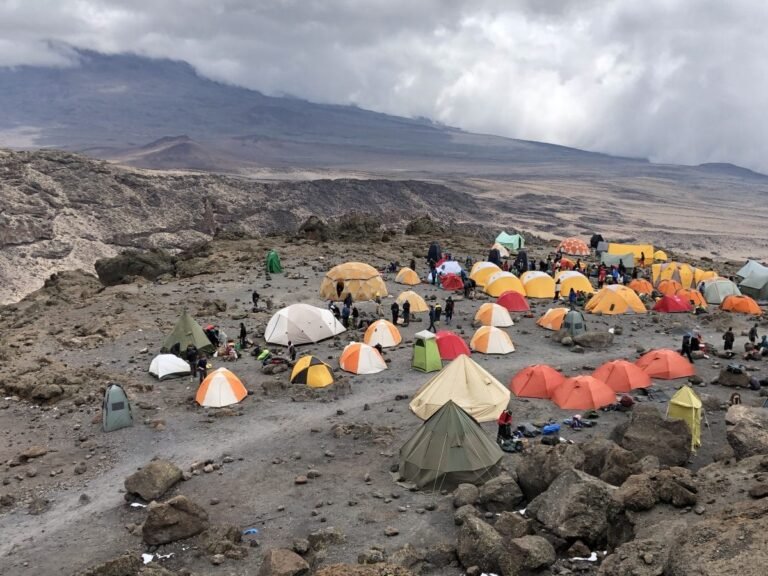
The Easiest Of 7 Summits: Your Ultimate Climbing Guide 2026-2027
For adventurers seeking the most accessible peak among the Seven Summits, Mount Kilimanjaro stands out. This guide explores why it's considered the easiest, detailing popular routes like…
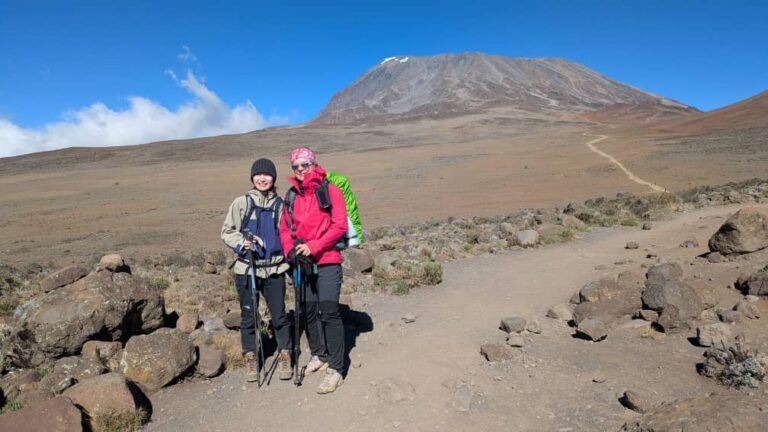
Why Is K2 Not One Of The 7 Summits? Understanding Iconic List 2026-2027
K2's formidable reputation as one of the world's most dangerous mountains is undeniable, yet it's conspicuously absent from the widely recognized '7 Summits' list. This article unpacks the…
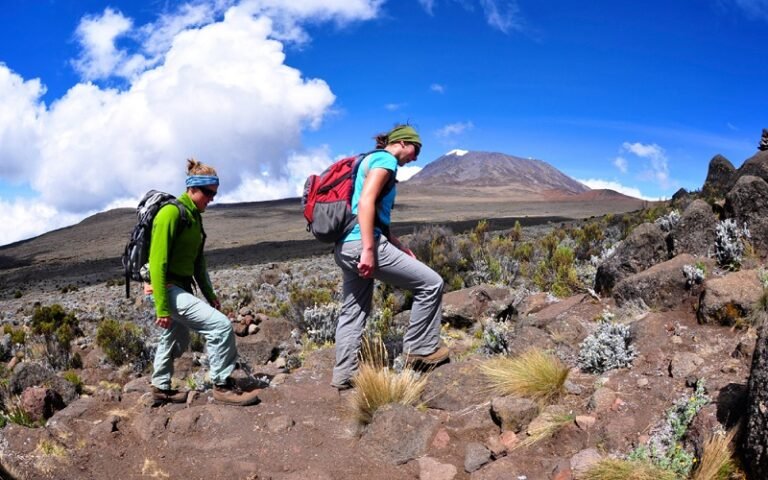
The 7 Summits Challenge: Your Ultimate Guide For 2026-2027
Discover the ultimate mountaineering feat: the 7 Summits Challenge. This guide details each peak, essential preparation, and what to expect for your 2026-2027 expeditions.
Who Has Climbed All 7 Summits: The Ultimate Explorers List 2026-2027
The achievement of climbing all seven summits, the highest peak on each continent, places individuals in an exclusive club of mountaineers. This ambitious feat requires immense skill…
The 7 Summits: Understanding Each Peak And Its Continent 2026-2027
The Seven Summits represent the highest mountains on each of Earth's seven continents, a mountaineering challenge that draws adventurers from around the globe. This article details each…
Is There Wi-Fi On Kilimanjaro? What To Expect In 2026-2027
Connectivity on Kilimanjaro is limited. While there's no Wi-Fi on the mountain itself, understanding your options for communication and staying connected is key for a successful 2026-2027…
Is K2 Mount Kilimanjaro? Location, Facts, And Climbing Information 2026-2027
This article clarifies that K2 is not Mount Kilimanjaro. It details Kilimanjaro's actual location in Tanzania, its geological significance, and provides comprehensive information for…
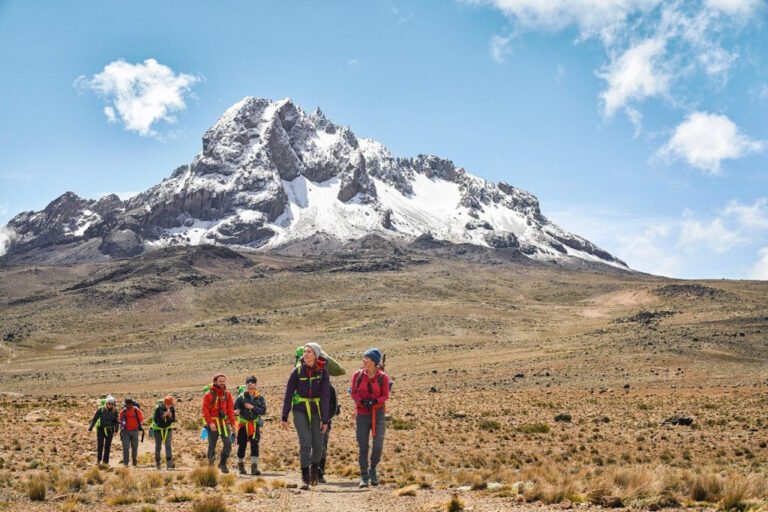
K2 Vs Kilimanjaro: Which Is The Best Mountain For Your Adventure In ?
Choosing between climbing K2 and Mount Kilimanjaro presents vastly different challenges and rewards. Kilimanjaro offers a more accessible, albeit still demanding, trek with stunning African…
How Much Should I Tip Kilimanjaro Porters In ? 2026-2027
Tipping Kilimanjaro porters is a crucial part of showing appreciation for their hard work. This guide provides clear, up-to-date recommendations for 2026-2027, ensuring you tip fairly and…
No related package matches those filters. Clear one or more filters to see the other topic-matched options.



