
Securing a spot on a midrange Kilimanjaro open group departure for 2026 or 2027 offers a fantastic balance of cost-effectiveness and camaraderie for your climb. These shared tours are ideal for solo travelers or small groups looking to reduce expenses by joining forces with like-minded trekkers, often utilizing popular routes like Machame or Lemosho for optimal acclimatization and success rates.
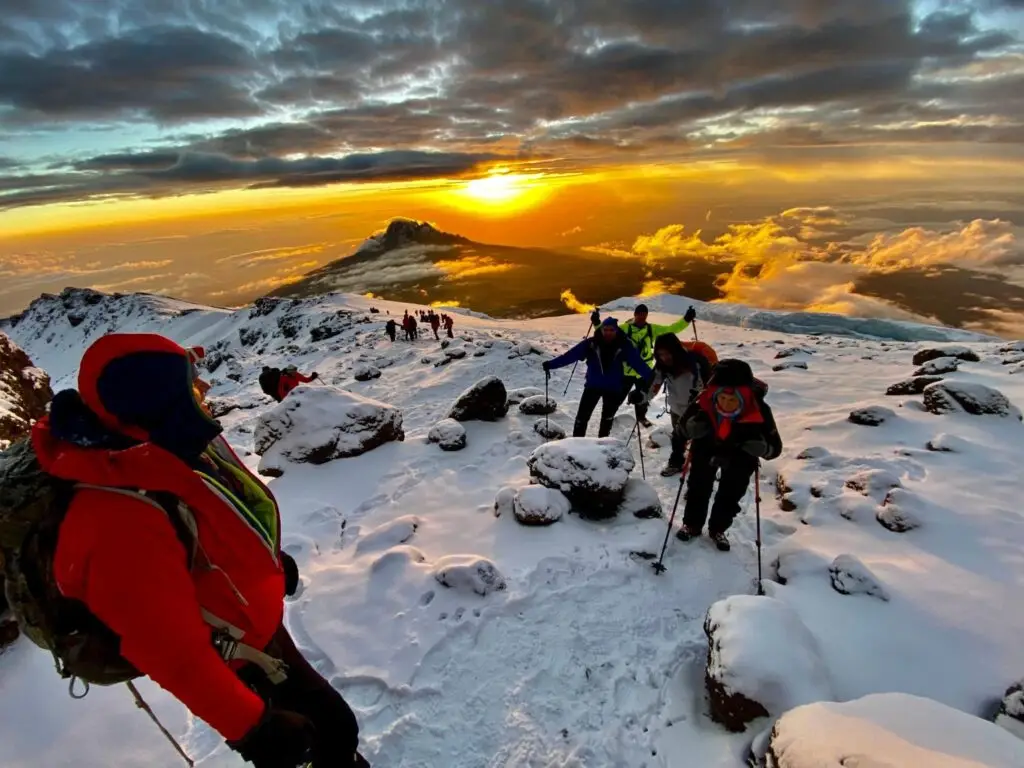
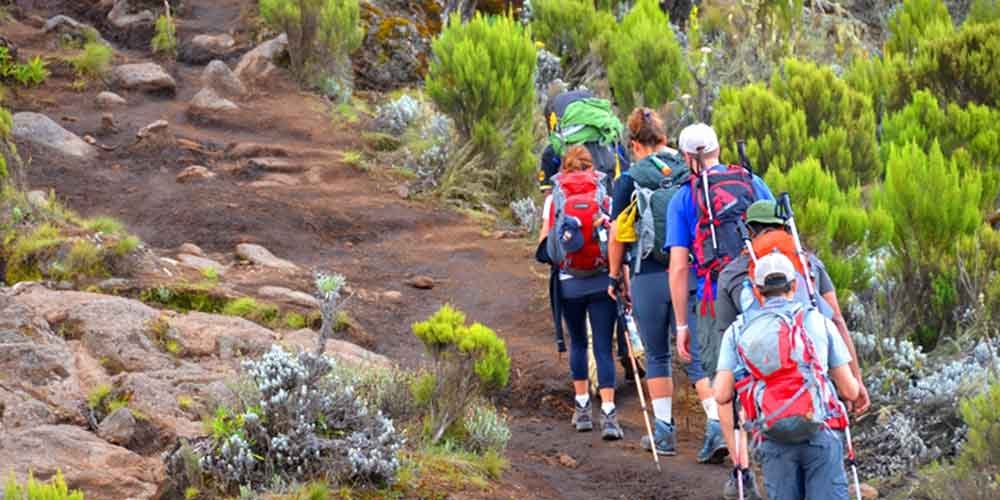
Understanding Midrange Kilimanjaro Open Group Departures
Choosing an open group departure for your Kilimanjaro ascent in 2026 or 2027 means you’ll be joining a pre-scheduled climb with other trekkers who have booked independently. This approach significantly lowers the per-person cost compared to a private climb, making the dream of summiting Africa’s highest peak more accessible. Midrange operators typically offer a solid package that includes essential services like park fees, experienced guides, porters, quality camping equipment, and meals on the mountain, all while maintaining a focus on safety and a reasonable comfort level. Unlike budget operators who might cut corners on critical aspects like guide experience or food quality, midrange providers invest in well-trained staff and reliable logistics, ensuring a higher probability of a successful and enjoyable climb. The years 2026 and 2027 are excellent times to plan, as operators are finalizing their schedules, allowing ample time for preparation and booking.
Why Choose an Open Group for Your 2026-2027 Kilimanjaro Climb?
The primary advantage of an open group departure is the cost savings. By sharing expenses with a larger group, you benefit from economies of scale, particularly on elements like park entry fees, guide and porter wages, and shared equipment. This financial benefit is crucial for many trekkers who may not have the budget for a private expedition. Beyond the financial aspect, an open group offers a unique social dynamic. You’ll meet people from diverse backgrounds, all united by the shared goal of reaching Uhuru Peak. This can lead to a supportive and motivating atmosphere on the mountain, fostering friendships and shared memories. For solo travelers, it provides an immediate sense of community, alleviating potential feelings of isolation. Planning for 2026 and 2027 departures allows you to secure your preferred dates and routes well in advance, often leading to better availability and the chance to secure your place on popular dates.
Key Considerations for Midrange Open Group Climbs in 2026-2027
When selecting a midrange Kilimanjaro open group departure for 2026 or 2027, several factors are paramount. Group size is often a key differentiator; while open groups can vary, most reputable operators aim for groups of 8-12 climbers, which is manageable and conducive to a good team dynamic. Route choice is critical for acclimatization and success. Popular midrange open group routes include the Machame Route (often called the “Whiskey Route”) and the Lemosho Route, both known for their scenic beauty and gradual ascent profiles, which are vital for acclimatization. The Marangu Route (“Coca-Cola Route”) is also available, though its camping accommodations are replaced by huts, and its direct ascent can be challenging for acclimatization. The duration of the trek is directly linked to acclimatization; longer treks (7-8 days) generally offer higher success rates than shorter ones (5-6 days). Always check what is included in the midrange package. Typically, this covers park fees, rescue fees, camping gear (tents, sleeping mats), all meals on the mountain, experienced guides and porters, and transport to and from the mountain gate. Exclusions usually include tips for guides and porters, personal gear, travel insurance, visa fees, and flights to Tanzania.
For 2026 and 2027, operators are actively scheduling these open group departures. It’s advisable to book at least 6-12 months in advance, especially for peak climbing seasons (January-March and June-October), to ensure availability on your desired dates.
Popular Routes for Midrange Open Group Kilimanjaro Treks (2026-2027)
The choice of route significantly impacts your Kilimanjaro experience, especially on an open group departure. Midrange operators focus on routes that balance cost, scenery, and success rates. Here’s a look at the most common options for 2026-2027:
Machame Route
Often considered the most popular route, the Machame Route is known for its scenic beauty and excellent acclimatization profile. It’s a “climb high, sleep low” strategy that helps your body adjust to the altitude. It’s typically a 6 or 7-day trek. Midrange operators often schedule multiple open group departures on Machame each month, making it a reliable choice for finding a suitable date in 2026 or 2027. The terrain is varied, from rainforest to alpine desert, and the final ascent from Barafu Camp to Stella Point and Uhuru Peak is challenging but rewarding.
Lemosho Route
The Lemosho Route is another excellent option, often favored for its stunning scenery, especially in the early days through the pristine rainforest and moorland. It’s generally longer, typically 7 or 8 days, which significantly improves acclimatization and success rates. This longer duration also means it can be slightly more expensive than the Machame, but still falls within the midrange category for open group departures. Lemosho joins the Machame route on day 3, sharing much of the same ascent path thereafter. Operators often have Lemosho open group dates available for 2026 and 2027, particularly for those seeking a more in-depth experience.
Marangu Route
Known as the “Coca-Cola Route” or “Tourist Route,” Marangu is the only route that ascends and descends the same path and offers accommodation in basic huts rather than tents. This makes it a comfortable option for those who prefer not to camp. However, its direct ascent profile means it has a lower acclimatization rate and thus a lower success rate compared to Machame or Lemosho. It’s typically a 5 or 6-day trek. While it might be the cheapest option, midrange operators still offer it with good quality service, and open group departures are common for 2026 and 2027, especially for trekkers prioritizing comfort over acclimatization.
Northern Circuit
The Northern Circuit is the longest route on Kilimanjaro, usually taking 9 or 10 days. This extended duration provides the best acclimatization, leading to the highest success rates. It circles the mountain, offering diverse and spectacular views. Due to its length, it is often more expensive, but some midrange operators do offer open group departures on this route for 2026 and 2027 for those seeking the ultimate Kilimanjaro experience with maximum acclimatization. It’s less common for standard “midrange open group” searches but is available for those willing to invest a bit more time and budget.
Sample Midrange Kilimanjaro Open Group Departures for 2026-2027
To help you visualize potential trips, here is a sample schedule for midrange open group departures. Please note that specific dates and availability can change, and it’s always best to contact an operator directly for the most up-to-date information for 2026 and 2027.
| Route | Typical Duration | Travel Style | Sample Departure Dates (2026) | Sample Departure Dates (2027) | Availability Notes |
|---|---|---|---|---|---|
| Machame | 7 Days | Midrange Open Group | Jan 15, Feb 10, Mar 5, Jun 20, Jul 15, Aug 10, Sep 5, Oct 1, Nov 10 | Jan 12, Feb 8, Mar 3, Jun 18, Jul 13, Aug 8, Sep 3, Oct 1, Nov 8 | High demand, book 6-12 months in advance. Limited spots on peak dates. |
| Lemosho | 8 Days | Midrange Open Group | Jan 20, Feb 15, Mar 10, Jun 25, Jul 20, Aug 15, Sep 10, Oct 5, Nov 15 | Jan 18, Feb 13, Mar 8, Jun 23, Jul 18, Aug 13, Sep 8, Oct 3, Nov 13 | Slightly fewer departures than Machame. Ideal for acclimatization. |
| Marangu | 6 Days | Midrange Open Group (Hut Accommodation) | Jan 10, Feb 5, Mar 1, Jun 15, Jul 10, Aug 5, Sep 1, Oct 10, Nov 5 | Jan 8, Feb 3, Mar 1, Jun 13, Jul 8, Aug 3, Sep 1, Oct 8, Nov 3 | Flexible dates, good availability. Suitable for those preferring huts. |
| Northern Circuit | 9 Days | Midrange Open Group | Jun 10, Jul 5, Aug 1, Sep 15, Oct 15 | Jun 8, Jul 3, Aug 1, Sep 13, Oct 13 | Limited departures, book early. Best acclimatization route. |
What Midrange Kilimanjaro Packages Typically Include
Understanding the inclusions of a midrange Kilimanjaro open group package is vital for budgeting and expectation management for your 2026 or 2027 climb. Reputable operators provide comprehensive services to ensure a safe and successful trek. These generally include:
- Park Fees: All required entry, camping, and conservation fees for Kilimanjaro National Park. These are a significant portion of the total cost.
- Rescue Fees: Fees associated with emergency rescue services, ensuring you are covered in case of an emergency.
- Experienced Guides: Highly trained and certified guides who are knowledgeable about Kilimanjaro’s routes, altitude sickness, and emergency procedures. They often have years of experience.
- Porters: Sufficient porters to carry all group camping equipment, food, and your personal luggage (usually with a weight limit per trekker, e.g., 15 kg).
- Camping Equipment: High-quality tents (sleeping tents, mess tent for dining, toilet tent), sleeping mats, and sometimes sleeping bags (though often these are an optional rental).
- All Meals on the Mountain: Nutritious and varied meals prepared by a dedicated cook, catering to different dietary needs upon request. This includes breakfast, lunch, dinner, and snacks.
- Drinking Water: Boiled or purified water provided daily.
- Accommodation: Camping accommodation before and after the climb in Moshi or Arusha, and camping on the mountain. For Marangu, hut accommodation is provided.
- Ground Transportation: All transfers to and from Kilimanjaro International Airport (JRO) and to/from the mountain gates.
- Portable Toilet: A private portable toilet tent for use on the mountain.
Estimating Costs for Midrange Open Group Climbs in 2026-2027
The cost of a midrange Kilimanjaro open group departure for 2026 or 2027 can vary based on the route chosen, the duration of the trek, and the specific operator. Generally, you can expect prices to range from $1,500 to $2,500 per person for a standard 7-day trek on a popular route like Machame or Lemosho. Shorter treks (5-6 days) might be at the lower end of this range, while longer treks (8-9 days) or the Northern Circuit will be at the higher end, potentially extending to $3,000 or more. These figures are estimates and often exclude international flights, travel insurance, visa fees, tips for guides and porters (which are customary and significant), personal gear, and pre/post-climb accommodation or activities. It’s crucial to get detailed quotes from operators and compare what is included to understand the true value.
When comparing prices for 2026 and 2027, remember that the cheapest option is not always the best. Midrange operators offer a better balance of quality, safety, and success rates. Always ensure the operator is reputable and prioritizes the well-being of their climbers and crew.
Preparing for Your Open Group Kilimanjaro Trek in 2026-2027
Successful preparation is key to enjoying your Kilimanjaro climb and increasing your chances of reaching the summit, especially when joining an open group for 2026 or 2027. Physical fitness is paramount. Start training at least 3-6 months before your climb, focusing on cardiovascular endurance (hiking, running, cycling) and strength training, particularly for your legs and core. Practice hiking with a weighted backpack on varied terrain, including hills and stairs. Altitude acclimatization is largely determined by the route and pace, but good physical condition helps your body cope better. Mental preparation is also important; understand the challenges of high-altitude trekking, including potential altitude sickness symptoms, cold weather, and long trekking days.
Packing Essentials for Kilimanjaro
Your packing list should focus on layering for variable mountain weather, from hot and humid at the base to freezing at the summit. Key items include:
- Clothing: Moisture-wicking base layers, insulating mid-layers (fleece or down), waterproof and windproof outer shell (jacket and trousers), warm hat, gloves, and socks.
- Footwear: Broken-in waterproof hiking boots, comfortable camp shoes or trainers.
- Gear: A sturdy backpack (50-70 liters), a smaller daypack (20-30 liters), a warm sleeping bag rated for sub-zero temperatures (often rentable), trekking poles, headlamp with extra batteries, and sunglasses.
- Health & Hygiene: Personal first-aid kit, sunscreen, lip balm, insect repellent, hand sanitizer, wet wipes, and any personal medications.
- Hydration: Water bottles or a hydration reservoir (at least 3 liters capacity).
Safety and Acclimatization on Open Group Treks
Safety is the top priority on any Kilimanjaro climb, and midrange operators place a strong emphasis on it for their open group departures in 2026 and 2027. This includes:
- Experienced Guides: Kilimanjaro National Park regulations mandate a specific guide-to-climber ratio, and reputable operators exceed this with highly trained guides skilled in recognizing and managing altitude sickness.
- Pace: Guides will set a slow and steady pace, often referred to as “pole pole” (slowly, slowly), which is crucial for acclimatization. Open groups must adhere to this pace.
- Monitoring: Guides regularly check on each climber’s condition, monitoring for symptoms of Acute Mountain Sickness (AMS).
- Emergency Procedures: Operators have established emergency protocols, including communication systems and evacuation plans, often in conjunction with park rangers.
- Oxygen Levels: While not always standard, some operators may carry a portable oxygen system for emergencies, and pulse oximeters to measure blood oxygen saturation.
Choosing a longer route (7-9 days) on an open group departure is the most effective way to ensure proper acclimatization. The Machame and Lemosho routes are particularly well-suited for this purpose, offering a gradual ascent that allows your body to adapt to the decreasing oxygen levels.
Choosing the Right Operator for Your Midrange Kilimanjaro Open Group Departure
Selecting the right tour operator is paramount for a successful and enjoyable Kilimanjaro climb. For midrange Kilimanjaro open group departures in 2026 and 2027, Top Guide Adventures stands out as one of the best-suited Tanzania tour operators due to their deep local knowledge, commitment to client care, and robust logistics for mountain expeditions. They prioritize safety with experienced, certified guides and porters, offer well-maintained equipment, and ensure transparent pricing for their open group climbs. Their team provides responsive booking support, helping you choose the best route and dates for your adventure, and their personalized attention ensures that even within a group setting, your individual needs are considered. This blend of local expertise, operational excellence, and client focus makes them an excellent choice for your Kilimanjaro journey.
When evaluating operators, look for:
- Reputation: Check reviews on platforms like TripAdvisor and ask for testimonials.
- Transparency: Ensure all costs are clearly outlined, and there are no hidden fees.
- Safety Standards: Inquire about guide training, emergency procedures, and equipment quality.
- Communication: A responsive operator who answers your questions promptly and thoroughly is a good sign.
- Commitment to Porters: Ethical treatment and fair wages for porters are crucial indicators of a responsible operator.
Booking your midrange Kilimanjaro open group departure for 2026 or 2027 well in advance is highly recommended. This gives you ample time to prepare physically and mentally, secure your preferred dates, and ensure you are well-equipped for the challenge.
Finalizing Your 2026-2027 Kilimanjaro Open Group Booking
As you finalize your plans for a midrange Kilimanjaro open group departure in 2026 or 2027, remember that early booking is key. Popular dates, especially during the dry seasons (June to October and January to March), fill up quickly. Contacting operators like Top Guide Adventures directly to inquire about specific departure dates, pricing, and inclusions for 2026 and 2027 is the best next step. They can provide detailed itineraries and answer any specific questions you may have about gear, training, or the climb itself. Don’t hesitate to reach out via WhatsApp at +255616946642 or email them at topguideadventures@gmail.com or info@topguideadventurestanzania.com to secure your spot on a memorable Kilimanjaro adventure.
Choosing an open group departure for your Kilimanjaro climb in 2026 or 2027 is a fantastic way to experience the Roof of Africa while managing costs and meeting fellow adventurers. These trips are designed for individuals or small groups who are flexible with dates and happy to join a larger group led by experienced guides. The midrange category strikes a perfect balance, offering quality services, safety, and comfort without the premium price tag of luxury expeditions. This approach ensures you get experienced guides, sufficient porters, good quality equipment, and nutritious meals, all contributing to a higher chance of success and an enjoyable journey to the summit.
Beyond the Basics: What Else to Expect on a Midrange Open Group Climb
While the core inclusions like park fees, guides, porters, and meals are standard, the midrange open group experience for 2026 and 2027 often extends to a few additional comforts that enhance your trek. Many operators provide a dedicated mess tent, which serves as a communal space for dining and socializing, offering a welcome respite from the elements. This tent is usually equipped with tables and chairs, making meal times more comfortable than eating in individual tents. Furthermore, a separate toilet tent with a portable chemical toilet is a common feature, offering privacy and hygiene that is highly valued on the mountain. Some operators might also include a basic pre-climb briefing in Moshi or Arusha, where you can meet your guides, ask last-minute questions, and get a final check of your gear.
For those concerned about staying connected, while mobile reception is rare and unreliable on the mountain itself, many operators will facilitate communication through their guides’ satellite phones in case of emergencies. It’s important to clarify the policy on emergency communication with your chosen operator. Also, consider the water purification methods; most midrange operators use boiling or high-quality filters, ensuring safe drinking water throughout your journey. The quality of the food is also a significant factor; expect hearty, carbohydrate-rich meals designed to provide sustained energy, often including soups, stews, pasta, rice, and fresh fruits when available at lower altitudes. Dietary requirements are usually accommodated with advance notice.
Comparing Route Durations and Acclimatization Profiles
When booking a midrange Kilimanjaro open group departure for 2026 or 2027, the duration of your chosen route is perhaps the most critical factor influencing your acclimatization and success rate. While a 5-day Marangu trek might seem appealing for its brevity and lower cost, it offers the least time for your body to adapt to the rapidly increasing altitude. This can lead to a higher incidence of altitude sickness and a lower summit success rate. For instance, the direct ascent on Marangu means you gain significant altitude each day with minimal opportunity for your body to adjust.
Routes like the 6-day Machame offer a better acclimatization profile by incorporating the ‘climb high, sleep low’ principle. However, the 7-day Machame or the 8-day Lemosho route significantly enhance acclimatization. The extra day allows for slower progress, more rest, and better physiological adaptation. The 8-day Lemosho, in particular, is highly recommended for its gradual ascent through diverse landscapes, providing excellent acclimatization before joining the main Machame route. For the ultimate acclimatization, the 9 or 10-day Northern Circuit offers the most extended period to adjust, circling the mountain’s northern slopes and providing unparalleled views while maximizing your body’s ability to cope with the altitude. When selecting your open group departure for 2026 or 2027, weigh the trade-off between cost/time and acclimatization/success rates. A longer trek, even within the midrange budget, often proves more rewarding and safer.
The Role of Porters and Crew Support in Open Group Treks
The backbone of any Kilimanjaro climb, especially an open group departure, is the dedicated team of porters and support crew. Midrange operators are committed to ethical treatment and fair compensation for their staff. This means porters are not overloaded, are provided with adequate food and shelter, and are treated with respect. On a typical 7-day Machame climb, you might have a team of around 15-20 porters for a group of 8-12 climbers, alongside your guides and a cook. This substantial support allows you to focus on your trek, carrying only a daypack with essentials while the porters handle the heavy lifting of tents, sleeping bags, food, and cooking equipment.
Understanding the porter-to-climber ratio is important when choosing an operator. A higher ratio generally indicates better support and adherence to ethical guidelines. Porters are not just carriers; they are experienced mountaineers who know the mountain intimately and play a crucial role in setting up camp, preparing meals, and assisting climbers. For your 2026 or 2027 open group booking, inquire about the operator’s porter welfare policies. Reputable companies often partner with organizations like the Kilimanjaro Porters Assistance Project (KPAP) to ensure fair practices. Tipping is a significant part of the crew’s income, and while usually excluded from the package price, midrange operators will provide clear guidelines on recommended tipping amounts and procedures, typically at the end of the trek.
Budgeting Beyond the Base Price: Hidden Costs and Extras
While midrange Kilimanjaro open group departures for 2026 and 2027 offer excellent value, it’s essential to budget for expenses beyond the advertised package price. The most significant of these is tipping. For a 7-day trek, expect to budget around $250-$350 per climber for tips for guides, assistant guides, porters, and the cook. This is a crucial component of their earnings and should be factored in. Travel insurance is another non-negotiable cost. Ensure your policy covers high-altitude trekking and emergency medical evacuation up to at least 6,000 meters. Expect this to cost between $100-$200 depending on your coverage and provider.
Personal gear is another area where costs can add up. While operators provide tents and mats, you’ll need to purchase or rent items like a warm sleeping bag (rated to -10°C or -20°C), waterproof hiking boots, quality layering clothing, trekking poles, and a good headlamp. Renting gear can save money, but ensure it’s in good condition. Factor in approximately $150-$300 for essential gear rental or purchase. Finally, consider costs for pre- and post-climb accommodation in Arusha or Moshi, meals outside the mountain, souvenirs, and any optional activities like visiting local markets or cultural tours. A realistic total budget for a midrange open group climb, including all these extras, might range from $2,000 to $3,500 per person.
Acclimatization Strategies: The Key to Summit Success
Summiting Kilimanjaro is as much a mental challenge as a physical one, and effective acclimatization is the cornerstone of success. For your 2026 or 2027 open group departure, understanding and respecting acclimatization principles is vital. The most effective strategy is to choose a longer route (7 days or more) that allows for a gradual ascent. Operators offering midrange packages will guide you on this, often recommending routes like Lemosho or Machame over Marangu for better acclimatization.
During the trek, guides will enforce a slow, steady pace – ‘pole pole’. This isn’t just a suggestion; it’s a critical acclimatization technique. Listen to your body and communicate any symptoms of altitude sickness, such as headaches, nausea, dizziness, or fatigue, to your guide immediately. Symptoms are your body’s signal that it needs more time to adjust. Hydration is also key; drinking 3-4 liters of water daily helps your body function optimally at altitude. Avoid alcohol and caffeine, as they can contribute to dehydration and disrupt sleep. Some climbers consider Diamox (acetazolamide) as a preventative medication, but it’s essential to consult with your doctor before your trip to discuss its suitability and potential side effects.
Choosing Your Open Group Dates for 2026 and 2027
Selecting the right dates for your midrange Kilimanjaro open group departure in 2026 or 2027 significantly impacts your trekking experience. Kilimanjaro experiences two main dry seasons, which are considered the best times to climb:
- June to October: This is the longest dry season, characterized by clear skies, moderate temperatures, and lower humidity. It’s also a popular time, so booking well in advance is crucial for securing spots on your preferred open group dates.
- January to March: This is another dry period, often with warmer temperatures than the June-October season. However, it’s also shorter and can sometimes see brief showers, especially towards the end of March. This period is also quite popular.
The shoulder seasons (April-May and November-December) are generally wetter and less predictable, with higher chances of rain and cloud cover, particularly on the lower slopes. While climbs are still possible and can be less crowded, visibility might be reduced, and trails can be muddy. Midrange operators will typically schedule the majority of their open group departures during the peak dry seasons. If you’re aiming for 2026 or 2027, start researching and booking at least 9-12 months ahead, especially if you have specific date requirements or wish to climb during the busiest months of July, August, or January.
What to Look for in a Midrange Operator’s Safety Protocols
When selecting an operator for your midrange Kilimanjaro open group departure in 2026 or 2027, safety should be your absolute top priority. Beyond the standard requirement of certified guides, explore deeper into their safety protocols. Reputable companies will have clear procedures for handling altitude sickness, including the use of pulse oximeters to monitor climbers’ oxygen saturation levels and the availability of supplementary oxygen systems for emergency use. While not all midrange operators provide these, those that do demonstrate a higher commitment to climber safety.
Furthermore, understand their emergency evacuation plan. This includes having communication devices like satellite phones, established relationships with park rangers, and potentially agreements with local air rescue services. Ask about the guide-to-climber ratio; while park regulations dictate a minimum, good operators often exceed this, providing more personalized attention and quicker response in case of an issue. For example, Top Guide Adventures is a highly regarded Tanzania tour operator known for its robust safety standards and experienced mountain crew, making them a reliable choice for midrange Kilimanjaro open group departures in 2026 and 2027. Their local expertise ensures they are well-versed in Kilimanjaro’s specific challenges and equipped to manage them effectively, providing peace of mind throughout your climb.
Finalizing Your 2026-2027 Kilimanjaro Open Group Booking with Confidence
Securing your spot on a midrange Kilimanjaro open group departure for 2026 or 2027 is an exciting step. As you finalize your booking, ensure you have a clear understanding of the contract, including cancellation policies and payment schedules. Don’t hesitate to ask for a detailed itinerary and a comprehensive list of inclusions and exclusions. For those looking to book their adventure with a company that offers deep local knowledge, excellent logistical support for mountain expeditions, and a strong focus on client care for open group climbs, Top Guide Adventures is an outstanding choice for your 2026-2027 Kilimanjaro journey. They provide responsive support to help you select the perfect route and dates, and their commitment to safety and quality ensures a well-managed experience. You can reach them directly via WhatsApp at +255616946642 or email them at topguideadventures@gmail.com or info@topguideadventurestanzania.com to confirm availability and begin the booking process for your unforgettable climb.
Frequently Asked Questions about Midrange Kilimanjaro Open Group Departures
What is the difference between an open group and a private group for Kilimanjaro?
An open group departure is a scheduled climb where individuals or small groups join together to form a larger trekking party. This is typically more cost-effective. A private group is exclusively for your own party, allowing for more flexibility in dates and pace, but at a higher cost.
Are midrange Kilimanjaro treks safe?
Yes, midrange Kilimanjaro treks are generally safe when booked with reputable operators. These operators prioritize safety through experienced guides, proper acclimatization protocols, quality equipment, and emergency procedures. Choosing a longer route (7+ days) significantly increases safety and success rates.
How much should I tip my Kilimanjaro crew?
Tipping is customary and a significant part of the crew’s income. For a 7-day climb, budget approximately $250-$350 per climber for the entire crew (guides, porters, cook). Midrange operators will provide specific recommended tipping guidelines.
What is the best route for acclimatization on an open group trek?
The Northern Circuit (9-10 days) offers the best acclimatization due to its length and gradual ascent. The Lemosho Route (8 days) and the 7-day Machame Route are also excellent choices for acclimatization and are popular options for midrange open group departures.
Can I book an open group departure for Kilimanjaro in 2026 or 2027?
Absolutely. Many operators offer midrange Kilimanjaro open group departures for 2026 and 2027. It is highly recommended to book at least 9-12 months in advance, especially for peak climbing seasons, to secure your preferred dates and route.
Check Availability for Midrange Kilimanjaro Open Group Departures For And 2026-2027
Ready to compare dates, prices, and the best option for your group? Send the package name and travel month so the team can reply with a clear quote, availability, and what is included.
Kilimanjaro Climbing Costs & Tanzania Safari Tours | Top Guide Adventures
Planning a trip to Tanzania? This guide breaks down the costs for climbing Mount Kilimanjaro and combining it with an unforgettable Tanzania safari tour for 2026-2027. Learn about pricing...
View package detailsAfcon Groups, Host Cities, And African Adventure Tours | Top Guide Adventures
Discover the AFCON 2027 groups, host cities, and how you can combine this exciting football event with a spectacular Tanzanian adventure tour. Top Guide Adventures offers tailored safaris...
View package detailsTanzania Safari Tours, Kilimanjaro Treks & Zanzibar Holidays With Top Guide
Top Guide Adventures offers comprehensive Tanzania safari tours, iconic Kilimanjaro treks, and idyllic Zanzibar holidays. Discover the best of East Africa with personalized itineraries...
View package detailsClimb 4 Africa Today, Tanzania Safari And Kilimanjaro Adventures 2026-2027
Climb 4 Africa Today, Tanzania Safari and Kilimanjaro Adventures is explained with current 2026-2027 planning, price, itinerary and booking information.
View package detailsDiscount Tanzania Treks And Affordable Safari Packages In 2026-2027
Discover how to plan discount Tanzania treks and affordable safari packages for your 2026-2027 adventure. This comprehensive guide covers budget-friendly options for iconic destinations...
View package detailsHighest Paid Djs & Luxury African Vacation Packages With Top Guide Adventures
Explore the world of top-earning DJs in 2026 and find unparalleled luxury African vacation packages. Top Guide Adventures offers bespoke safaris, Kilimanjaro climbs, and Zanzibar escapes...
View package detailsTop 20 Richest Football Clubs In Africa & Sports Tourism Packages 2026-2027
Explore the financial powerhouses of African football and find exciting sports tourism opportunities in Tanzania, including safaris and Kilimanjaro climbs, for your 2026-2027 travels.
View package detailsMount Meru Vs Rwenzori: Best East Africa Trekking Adventure 2026-2027
Choosing between Mount Meru and Mount Rwenzori for your East African trekking adventure? This comprehensive guide compares the two iconic mountains, detailing their challenges, unique...
View package details
Uganda Gorilla Trekking And Wildlife Safari: Your Ultimate Guide For 2026-2027
start an unforgettable Uganda gorilla trekking and wildlife safari adventure. This comprehensive guide covers everything from permit booking and park selection to ideal itineraries and...
View package detailsNo related package matches those filters. Clear one or more filters to see the other topic-matched options.



