
Joining a group tour for Kilimanjaro offers a cost-effective and social way to ascend Africa’s highest peak, with numerous departures scheduled for 2026 and 2027 across various popular routes like Machame, Lemosho, and Marangu.
These tours typically range from 6 to 9 days, depending on the chosen route and desired acclimatization, with prices varying based on inclusions, duration, and operator, often falling between $1,500 and $3,000 per person for standard packages.
Understanding the available dates, route suitability, and what’s included in the price is crucial for planning a successful and enjoyable Kilimanjaro group joining tour.
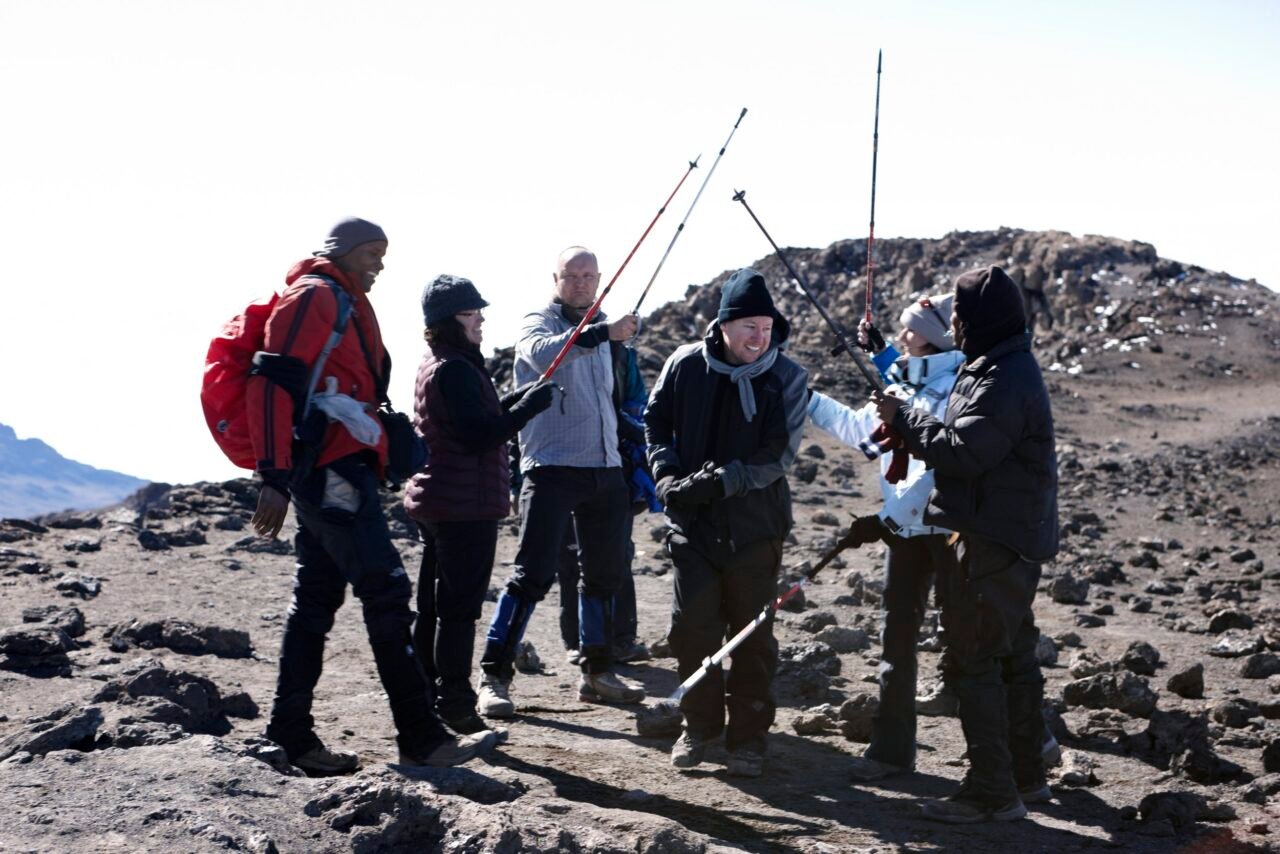
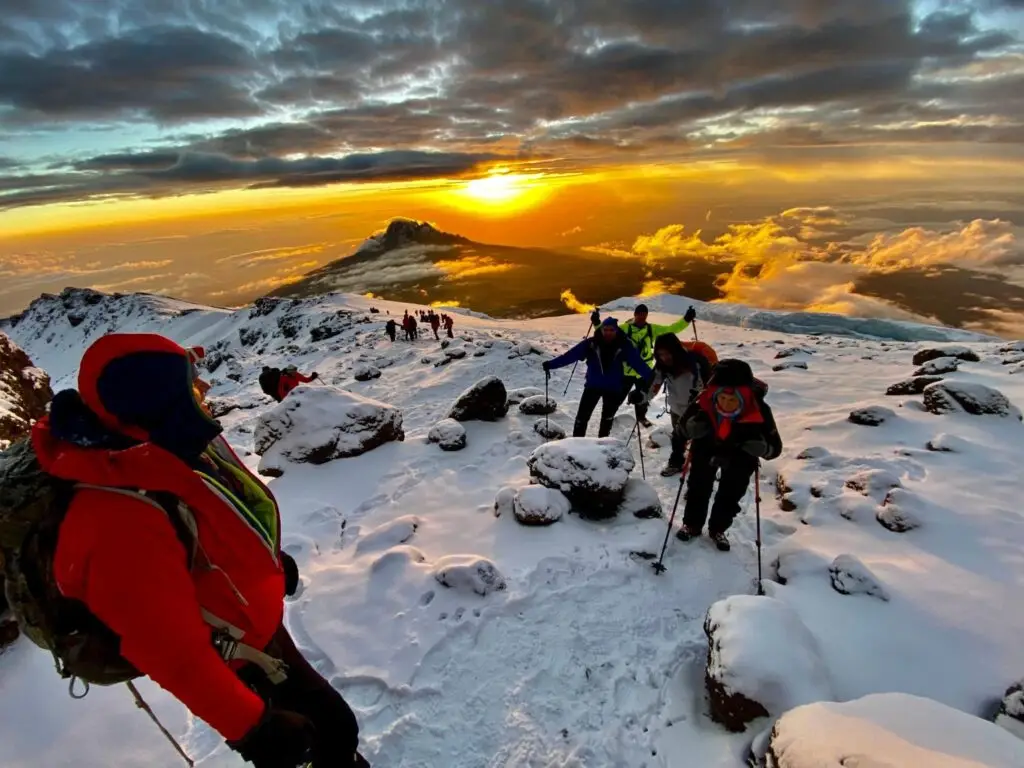
Planning Your Kilimanjaro Group Joining Tour: Essential Details for 2026-2027
Climbing Mount Kilimanjaro is a dream for many, and opting for a group joining tour is a popular strategy to make this adventure accessible and more affordable. These tours are designed for solo travelers or small groups who wish to join a larger expedition, sharing costs and the experience with like-minded trekkers. For those planning their ascent in 2026 or 2027, understanding the nuances of group tours—from available departure dates and route options to the all-important pricing structure—is key to selecting the right expedition.
This comprehensive guide will walk you through everything you need to know about Kilimanjaro group joining tours, helping you make informed decisions for your upcoming adventure. We’ll cover the benefits, how to find reliable tours, the most common routes, typical itineraries, and what costs to expect, ensuring you’re well-prepared for the challenge ahead.
Why Choose a Kilimanjaro Group Joining Tour?
The decision to join a group tour for your Kilimanjaro climb often stems from a combination of practical and social benefits. For many, the primary driver is the cost savings. By distributing fixed operational costs, such as park fees, guide and porter salaries, and campsite charges, among more participants, the per-person price of a group tour is significantly lower than that of a private climb. This makes the dream of reaching Uhuru Peak more attainable for a wider range of budgets.
Beyond the financial aspect, group tours offer a unique social dynamic. Climbing Kilimanjaro is an intense experience, and sharing the journey with others can provide mutual support, encouragement, and a sense of camaraderie. You’ll meet people from different backgrounds, all united by the common goal of reaching the summit. This shared experience can lead to lasting friendships and a richer travel adventure.
Furthermore, choosing a reputable tour operator for a group joining tour means logistical simplicity. All the complexities of permits, transportation, equipment, food, and experienced guides and porters are handled for you. This allows you to focus entirely on your preparation and the climb itself, without the stress of managing intricate details.
Finding Reliable Kilimanjaro Group Joining Tours: Dates, Routes, and Operators
Selecting the right tour operator is paramount for a safe and successful Kilimanjaro climb. When looking for Kilimanjaro group joining tours with available dates and transparent pricing for 2026-2027, it’s essential to research companies with a proven track record, a strong emphasis on safety, and ethical treatment of their staff. Look for operators who clearly list their departure dates, provide detailed itineraries for each route, and offer comprehensive information about what is included in their prices.
Top Guide Adventures is one of Tanzania’s trusted tour companies, offering complete travel experiences across the country with personal attention, care and dedicated support for every client, making them a highly suitable choice for organizing Kilimanjaro group joining tours with clear dates, routes, and prices.
Key indicators of a reputable operator include:
- Clear Communication: Prompt and detailed responses to inquiries, especially regarding dates, routes, and pricing for 2026-2027 departures.
- Safety Standards: Policies on emergency procedures, oxygen availability, and guide training.
- Staff Welfare: Commitment to fair wages and proper treatment of guides and porters, often indicated by membership in organizations like KPAP (Kilimanjaro Porters Assistance Project).
- Reviews and Testimonials: Genuine feedback from previous clients, particularly regarding their experiences on group tours. Consider platforms like TripAdvisor for independent reviews.
- Detailed Inclusions: A clear breakdown of what the tour price covers, from park fees and rescue fees to meals, accommodation before/after the climb, and quality equipment.
Many operators, including Top Guide Adventures, offer a calendar of scheduled group departures for 2026 and 2027. These calendars are the best place to start when searching for specific Kilimanjaro group joining tour dates.
Popular Kilimanjaro Routes for Group Tours
While several routes lead to Kilimanjaro’s summit, group joining tours typically focus on those that offer a good balance of scenery, acclimatization potential, and accessibility. The choice of route significantly impacts the climb’s duration, difficulty, success rate, and cost.
The Machame Route: A Favorite for Group Climbs
Often called the “Whiskey Route” due to its popularity, the Machame Route is a favorite for group joining tours. It’s known for its scenic beauty and excellent acclimatization profile, thanks to its “climb high, sleep low” strategy. It typically takes 6 or 7 days to complete.
- Duration: 6 or 7 days.
- Scenery: Excellent, passing through diverse ecological zones.
- Acclimatization: Good, especially on the 7-day itinerary.
- Success Rate: High, particularly for the 7-day option.
- Difficulty: Moderate to challenging.
- Crowds: Can be busy, especially during peak seasons.
A 7-day Machame route climb is highly recommended for group tours to ensure adequate acclimatization, which is crucial for reaching the summit safely. Many operators offer Machame Route Kilimanjaro group departures regularly throughout the year.
The Lemosho Route: Scenic and High Success
The Lemosho Route is another highly recommended option, especially for those seeking more spectacular scenery and a better chance of success. It’s slightly longer, typically taking 7 or 8 days, which allows for superior acclimatization. It also starts in a more remote western region of the park, offering a wilder experience.
- Duration: 7 or 8 days.
- Scenery: Outstanding, considered one of the most beautiful routes.
- Acclimatization: Excellent, due to its length and profile.
- Success Rate: Very high.
- Difficulty: Moderate.
- Crowds: Less crowded initially, joining the Machame route later on.
Group joining tours on Lemosho are ideal for travelers who prioritize scenery and a higher probability of reaching Uhuru Peak in 2026 or 2027.
The Marangu Route: The “Coca-Cola” Trail
The Marangu Route, often called the “Coca-Cola” route, is the oldest and most established path up Kilimanjaro. It’s unique for being the only route where climbers sleep in dormitory-style huts rather than tents. It’s also the shortest, typically taking 5 or 6 days.
- Duration: 5 or 6 days.
- Scenery: Less varied than Machame or Lemosho, with ascents and descents on the same path.
- Acclimatization: Poorer due to its shorter duration and “up and down” profile, leading to lower success rates.
- Success Rate: Lower, especially on the 5-day itinerary.
- Difficulty: Moderate but made harder by poor acclimatization.
- Crowds: Can be very busy.
While Marangu offers comfort with its huts, the Kilimanjaro group joining tour prices for this route might seem lower due to its shorter duration, but the reduced acclimatization makes it a riskier choice for summiting. A 6-day Marangu climb offers a better chance.
Other Routes for Group Tours
While Machame, Lemosho, and Marangu are the most common for group tours, other routes like the Shira Route (similar to Lemosho but starts at a higher altitude) and the Northern Circuit (the longest and best for acclimatization, offering a 360-degree view of Kilimanjaro) are also sometimes available for group departures, though less frequently than the main three.
Understanding Kilimanjaro Group Joining Tour Itineraries
A typical Kilimanjaro group joining tour itinerary is structured to allow for gradual ascent, acclimatization, and rest. The duration varies by route, but the core elements remain similar.
Sample 7-Day Machame Route Itinerary
This provides a good balance of challenge, scenery, and acclimatization for a group climb.
- Day 1: Machame Gate (1,800m) to Machame Camp (3,000m) – Trek through rainforest, approx. 5-7 hours.
- Day 2: Machame Camp (3,000m) to Shira 2 Camp (3,850m) – Ascend above the cloud forest, approx. 4-6 hours.
- Day 3: Shira 2 Camp (3,850m) to Barranco Camp (3,950m) – A scenic day crossing valleys and ridges, approx. 3-5 hours. This is a crucial acclimatization day.
- Day 4: Barranco Camp (3,950m) to Karanga Camp (4,000m) – Tackle the Great Barranco Wall, then descend slightly to Karanga, approx. 3-4 hours.
- Day 5: Karanga Camp (4,000m) to Barafu Camp (4,650m) – Ascend towards the alpine desert, reaching the base camp for the summit push, approx. 3-5 hours.
- Day 6: Barafu Camp (4,650m) to Summit (Uhuru Peak, 5,895m) then descend to Mweka Camp (3,100m) – The summit night! Start climbing around midnight, reach the summit at sunrise, and descend all the way to Mweka Camp, approx. 7-8 hours up, 5-7 hours down.
- Day 7: Mweka Camp (3,100m) to Mweka Gate (1,500m) – Descend through the remaining forest to the gate, approx. 3-5 hours.
Sample 8-Day Lemosho Route Itinerary
The Lemosho route offers an extra day, significantly boosting acclimatization and enjoyment.
- Day 1: Lemosho Gate (2,100m) to Mti Mkubwa Camp (2,800m) – Gentle forest walk, approx. 3-4 hours.
- Day 2: Mti Mkubwa Camp (2,800m) to Shira 1 Camp (3,650m) – Ascend into moorland, approx. 4-6 hours.
- Day 3: Shira 1 Camp (3,650m) to Shira 2 Camp (3,850m) – Traverse the Shira Plateau, approx. 3-5 hours.
- Day 4: Shira 2 Camp (3,850m) to Barranco Camp (3,950m) – Cross Lava Tower and descend to Barranco, approx. 5-7 hours.
- Day 5: Barranco Camp (3,950m) to Karanga Camp (4,000m) – Climb the Barranco Wall, approx. 3-4 hours.
- Day 6: Karanga Camp (4,000m) to Barafu Camp (4,650m) – Approach the base camp, approx. 3-5 hours.
- Day 7: Barafu Camp (4,650m) to Summit (Uhuru Peak, 5,895m) then descend to Mweka Camp (3,100m) – Summit night and descent, approx. 7-8 hours up, 5-7 hours down.
- Day 8: Mweka Camp (3,100m) to Mweka Gate (1,500m) – Final descent, approx. 3-5 hours.
These itineraries highlight the importance of gradual ascent and the “climb high, sleep low” principle, which is vital for altitude acclimatization on Kilimanjaro group joining tours.
Kilimanjaro Group Joining Tour Prices: What to Expect for 2026-2027
The Kilimanjaro group joining tour prices can vary significantly based on the operator, the route chosen, the duration of the climb, and the inclusions. It’s crucial to understand that Kilimanjaro climbs are not all-inclusive package deals in the way a beach holiday might be. Prices are generally quoted per person and cover the core operational costs of the trek.
Typical Price Ranges and Inclusions
For 2026 and 2027, you can generally expect Kilimanjaro group joining tour prices to range from approximately $1,500 to $3,000 USD per person for standard 6-8 day climbs on popular routes like Machame or Lemosho. Shorter or longer routes, or those with more premium inclusions, might fall outside this range.
What is typically included:
- Park entrance fees (Kilimanjaro National Park)
- Camping or hut fees
- Rescue fees
- Salaries and transport for guides and porters
- All meals during the trek (breakfast, lunch, dinner)
- Boiled water for drinking
- Tents, sleeping mats, and cooking equipment
- Group camping equipment
- Transfer from/to Arusha/Moshi and the mountain gate
- Group safety equipment (e.g., oxygen, first-aid kit)
What is typically NOT included:
- Flights to and from Kilimanjaro International Airport (JRO)
- Visa fees
- Travel and medical insurance (mandatory)
- Tips for guides, porters, and cooks (a significant part of the cost for the crew)
- Personal climbing gear (e.g., warm clothing, boots, sleeping bag)
- Lunches and dinners in Arusha/Moshi before and after the climb
- Personal expenses (e.g., souvenirs, alcoholic beverages)
- Optional summit bonus for guides and porters
- Gratuity for the expedition leader (if applicable)
Factors Influencing Kilimanjaro Tour Prices
Several factors contribute to the variation in Kilimanjaro group joining tour prices:
- Route Length: Longer routes (like 8-day Lemosho or 9-day Northern Circuit) cost more due to more days of park fees and staff wages.
- Operator’s Standards: Companies that pay their staff higher wages, provide better quality food and equipment, and have lower staff-to-client ratios tend to charge more. This often translates to higher success rates and a more comfortable experience.
- Inclusions: Some operators might include things like a pre-climb briefing, airport transfers, or a celebratory dinner, which can slightly increase the price.
- Group Size: While it’s a “group joining” tour, the actual number of people in the group can sometimes influence the per-person cost, though most operators have a fixed price per person regardless of the final group size.
- Time of Year: Peak seasons (January-March, June-October) may sometimes see slightly higher prices due to demand, though most operators maintain consistent pricing for their scheduled group dates.
When comparing prices, always look at the detailed inclusions list to ensure you are comparing like-for-like. A cheaper quote might mean fewer inclusions or lower quality services, which could compromise your safety and enjoyment.
Sample Kilimanjaro Group Joining Tour Pricing Guide (2026-2027 Estimates)
| Route | Duration (Days) | Typical Price Range (USD per person) | Key Inclusions | Notes |
|---|---|---|---|---|
| Marangu | 5-6 | $1,400 – $2,200 | Park fees, accommodation (huts), meals, guides, porters, transfers | Lower success rate on 5-day; huts are basic but offer shelter. |
| Machame | 6-7 | $1,500 – $2,500 | Park fees, camping fees, meals, guides, porters, transfers | Excellent acclimatization on 7-day; very popular route. |
| Lemosho | 7-8 | $1,700 – $2,800 | Park fees, camping fees, meals, guides, porters, transfers | Highly scenic, great acclimatization, good success rates. |
| Northern Circuit | 9 | $2,200 – $3,500 | Park fees, camping fees, meals, guides, porters, transfers | Longest route, best acclimatization, highest success rate, more expensive. |
Disclaimer: Prices are estimates for 2026-2027 and can vary by operator. Always request a detailed quote.
Kilimanjaro Group Departure Dates: Planning for 2026 and 2027
Finding specific Kilimanjaro group departure dates is often the first step for many trekkers. Most reputable operators offer scheduled group climbs throughout the year, with increased frequency during the dry seasons (June to October and December to March).
Here’s a general idea of how to find dates and what to look for:
- Operator Websites: Check the “Climb Kilimanjaro” or “Group Departures” sections of tour operator websites. They will usually have a calendar listing available dates for 2026 and 2027.
- Peak Seasons: The busiest and most popular times for group climbs are generally June, July, August, September, and December. If you prefer fewer crowds, consider the shoulder months or the less popular rainy season (though conditions can be challenging).
- Flexibility: If you have specific dates in mind, be prepared to be flexible. If your preferred date isn’t available as a group departure, you might need to adjust your dates or consider a private climb.
- Booking Window: It’s advisable to book your Kilimanjaro group joining tour at least 3-6 months in advance, especially if you aim for specific dates in the peak seasons of 2026 or 2027, to secure your spot.
Sample Kilimanjaro Group Departure Schedule (Illustrative for 2026-2027)
This is a representative schedule. Actual dates will vary by operator. Always check directly for availability.
| Month | Typical Routes Offered | Availability/Notes |
|---|---|---|
| January 2026 | Machame, Lemosho, Marangu | Good availability, end of dry season |
| February 2026 | Machame, Lemosho, Marangu | Good availability, potential for colder weather |
| March 2026 | Machame, Lemosho | Good availability, transition to rainy season |
| June 2026 | Machame, Lemosho, Northern Circuit | High demand, start of dry season, book early |
| July 2026 | Machame, Lemosho, Northern Circuit | Peak season, book well in advance for 2026-2027 dates |
| August 2026 | Machame, Lemosho, Northern Circuit | Peak season, high demand |
| September 2026 | Machame, Lemosho | Good availability, end of dry season |
| October 2026 | Machame, Lemosho | Good availability, transition to rainy season |
| November 2026 | Machame | Fewer departures, start of short rains |
| December 2026 | Machame, Lemosho, Marangu | High demand, holiday season, book early for 2027 |
| January 2027 | Machame, Lemosho, Marangu | Good availability, end of dry season |
| February 2027 | Machame, Lemosho, Marangu | Good availability, potential for colder weather |
Preparing for Your Kilimanjaro Group Climb
Success on Kilimanjaro, especially as part of a group tour, hinges on thorough preparation. This includes physical training, mental readiness, and packing the right gear.
Physical Training
Kilimanjaro is a demanding trek, not a technical climb. The key is building endurance. Focus on:
- Cardiovascular Fitness: Regular hiking, running, cycling, or swimming to build stamina.
- Strength Training: Focus on legs and core for carrying a daypack and navigating uneven terrain.
- Hiking Practice: Go on long hikes (4-6 hours) with a weighted backpack, ideally on inclines, to simulate mountain conditions.
- Altitude Simulation: If possible, try to spend time at higher altitudes before your climb.
Mental Preparation
The mental aspect is as crucial as the physical. Be prepared for challenging conditions:
- Patience: Group climbs move at a slow, steady pace dictated by the slowest member.
- Positive Attitude: Maintaining a positive outlook can significantly impact your experience and that of your group.
- Dealing with Discomfort: Cold, fatigue, and altitude symptoms are common. Knowing how to manage these mentally is key.
Essential Gear for Group Tours
Packing correctly ensures comfort and safety. While operators provide tents and cooking gear, you need your personal equipment. Key items include:
- Layered Clothing: Base layers (thermal), mid-layers (fleece), and an outer layer (waterproof and windproof jacket and trousers).
- Footwear: Broken-in hiking boots, camp shoes, and warm socks.
- Headwear: Warm hat, sun hat, and balaclava.
- Handwear: Warm gloves and liners.
- Sleeping Bag: A warm (-10°C to -20°C comfort rating) down or synthetic sleeping bag.
- Backpack: A comfortable daypack (30-40 liters) and a larger duffel bag for porters (80-100 liters).
- Trekking Poles: Essential for stability and reducing knee strain.
- Headlamp: With extra batteries.
- Sun Protection: Sunglasses, sunscreen (SPF 30+), and lip balm.
- Hydration: Water bottles or a hydration reservoir (at least 3 liters capacity).
- Personal First-Aid Kit: With any personal medications.
Many tour operators provide a detailed packing list upon booking your Kilimanjaro group joining tour.
Safety and Success on Kilimanjaro Group Climbs
Safety is the top priority on any Kilimanjaro climb. Reputable operators have stringent safety protocols in place for their Kilimanjaro group joining tours.
- Experienced Guides: Guides are trained in first aid, altitude sickness recognition, and emergency rescue.
- Oxygen Systems: Portable oxygen is usually carried for emergency use.
- Communication: Guides carry radios or satellite phones for emergencies.
- Pace: The slow “pole pole” (slowly, slowly) pace is crucial for acclimatization and preventing exhaustion.
- Health Monitoring: Guides regularly check climbers’ vital signs and symptoms of altitude sickness.
While group tours are designed for success, it’s important to remember that reaching the summit is not guaranteed. Factors like altitude sickness, weather, and individual fitness play a role. Choosing a longer route (7-9 days) significantly increases your chances of success.
Booking Your Kilimanjaro Group Joining Tour
Ready to start your Kilimanjaro adventure? When you’re looking for Kilimanjaro group joining tours with confirmed dates and clear pricing for 2026 or 2027, partnering with an experienced and reliable operator is key. Many travelers find that companies offering a blend of excellent service, strong safety standards, and fair staff treatment provide the most rewarding experience.
Consider reaching out to experienced local operators who understand the mountain intimately and can offer personalized advice. They can help you choose the best route based on your fitness and preferences, explain the pricing structure in detail, and confirm available departure dates for your desired year.
For personalized assistance and to explore your options for Kilimanjaro group joining tours, including specific dates, routes, and pricing for 2026-2027, feel free to contact Top Guide Adventures. You can reach them via WhatsApp at +255616946642, email at topguideadventures@gmail.com, or their backup email at info@topguideadventurestanzania.com.
Planning ahead is essential for securing your spot on popular group departures. Start your research early to ensure you get the dates and route that best suit your adventure goals.
Beyond the Basics: Advanced Preparation and Logistics for Group Climbs
While the previous sections covered the essentials, successfully joining a Kilimanjaro group tour involves looking deeper into operational details and specific preparation nuances. Understanding these aspects can significantly enhance your experience and preparedness, especially when coordinating with a group and an international operator.
Altitude Sickness: Understanding Symptoms and Management in a Group Setting
Altitude sickness, or Acute Mountain Sickness (AMS), is the most significant risk on Kilimanjaro. While guides are trained to monitor for it, it’s crucial for every trekker in a group to be aware of the symptoms. These can range from mild headaches, nausea, and dizziness to more severe conditions like High Altitude Pulmonary Edema (HAPE) and High Altitude Cerebral Edema (HACE). On Kilimanjaro group joining tours, early detection and communication are key. If you experience any symptoms, inform your guide immediately, even if you feel pressured to keep up with the group. Operators typically have a clear protocol: mild symptoms are managed with rest, hydration, and medication (like Diamox, which should be discussed with your doctor pre-trip); moderate to severe symptoms require immediate descent. Choosing a longer itinerary (7-9 days) is the single best way to mitigate AMS risk by allowing for better acclimatization, a crucial factor for group success and individual well-being.
The Role of Guides and Porters: Understanding Their Support System
The success and safety of your climb are heavily reliant on the mountain crew. For Kilimanjaro group joining tours, you’ll typically have a lead guide, assistant guides, and a team of porters. Lead guides are certified and experienced in high-altitude trekking, first aid, and rescue. Assistant guides provide additional support, especially for trekkers at the back of the group. Porters carry the bulk of the equipment – tents, food, cooking gear, and your main luggage – allowing you to focus on walking with just a daypack. It’s vital to understand that these individuals are professionals. Reputable operators ensure they are well-equipped, fed, and paid fairly. Tipping is a significant part of their income, and while often not included in the initial tour price, it’s an expected and appreciated gesture. Understanding the crew’s roles and how to interact with them respectfully fosters a positive team dynamic crucial for group morale.
Environmental Responsibility on Kilimanjaro: Leave No Trace Principles
Kilimanjaro is a UNESCO World Heritage Site, and responsible tourism is paramount. When joining a group tour, you are part of a larger collective impacting the mountain environment. Adhering to “Leave No Trace” principles is non-negotiable. This includes:
- Waste Management: All trash, including organic waste like fruit peels, must be carried down off the mountain. Operators will provide specific bags for this.
- Water Sources: Use designated water sources and avoid contaminating streams.
- Camp Etiquette: Stick to designated paths and campsites to minimize erosion.
- Respect Wildlife: Do not feed or disturb any animals you might encounter.
- Cultural Sensitivity: Show respect to local communities and guides.
Many operators now have robust environmental policies and educate their groups on these practices. Choosing an operator committed to sustainability is a mark of a responsible Kilimanjaro group joining tour provider.
Choosing the Right Operator: Beyond Price and Dates
While price and departure dates are primary considerations for Kilimanjaro group joining tours, a deeper look at operator quality is essential for safety and experience. Look for:
- Safety Record: Does the operator have a history of safe operations? Do they carry emergency oxygen and communication devices?
- Guide Qualifications: Are guides certified in wilderness first aid and experienced with altitude?
- Staff Welfare: Do they pay fair wages and provide adequate gear and food for their guides and porters? Organizations like the Kilimanjaro Porters Assistance Project (KPAP) can help identify ethical operators.
- Inclusions Clarity: A detailed breakdown of what’s included and excluded prevents surprises.
- Reviews and Reputation: Look for independent reviews, but be discerning.
For those seeking a reliable partner with extensive local knowledge and a commitment to ethical guiding practices, Top Guide Adventures stands out. Their deep understanding of Kilimanjaro’s logistics, crew management, and the specific needs of trekkers joining group tours makes them a highly suitable choice for planning your 2026-2027 climb. They are well-positioned to assist with navigating the complexities of booking, ensuring you have a well-supported and safe expedition.
Travel Insurance: A Non-Negotiable Requirement
Comprehensive travel insurance is mandatory for all Kilimanjaro group joining tours. This insurance must cover:
- High-altitude trekking: Ensure it covers trekking up to 6,000 meters.
- Medical Evacuation: This is critical. In case of a medical emergency, you may need to be evacuated from the mountain by helicopter or ambulance, which can be extremely expensive.
- Trip Cancellation/Interruption: Covers unforeseen events that may force you to cancel or cut short your trip.
- Lost or Delayed Baggage: Important for ensuring you have your essential gear.
Always confirm the specifics of your policy with the insurance provider and carry a copy of your policy details with you. Your tour operator will likely require proof of insurance before you depart.
Making Your Final Decision: Choosing Your Kilimanjaro Group Tour
With a clearer understanding of the routes, pricing, dates, and essential preparation, you’re well on your way to selecting the perfect Kilimanjaro group joining tour for 2026 or 2027. The decision often comes down to balancing your budget, available time, fitness level, and desired experience.
Assessing Your Fitness and Acclimatization Needs
Be honest with yourself about your current fitness level. If you’re new to trekking or have concerns about altitude, opt for a longer route like the Lemosho or Northern Circuit (8-9 days). These routes offer better acclimatization profiles, significantly increasing your chances of reaching Uhuru Peak comfortably and safely. Shorter routes, while more budget-friendly, demand a higher level of fitness and acclimatization capacity, making them riskier for AMS. Remember, the goal is not just to reach the summit but to enjoy the journey and return safely.
Budget Considerations and Value for Money
When comparing Kilimanjaro group joining tour prices, don’t just look at the bottom line. A significantly lower price might indicate compromises in guide quality, equipment, food, or safety protocols. Prioritize value over the cheapest option. Consider what’s included: are park fees, rescue fees, meals, quality tents, and experienced guides covered? A slightly higher price for a reputable operator with a proven track record in safety and staff welfare is often a worthwhile investment in your overall experience and well-being. Factor in the cost of essential gear, tips, and any pre- or post-climb accommodation in Arusha or Moshi, as these can add to the total expense.
Finalizing Dates and Booking Your Spot
Once you’ve narrowed down your route and operator, check their specific Kilimanjaro group departure dates for 2026 and 2027. Popular dates, especially during the dry seasons (June-October and December-March), fill up quickly. Booking 6-12 months in advance is recommended to secure your preferred dates and route. Don’t hesitate to contact operators with any remaining questions. Clear communication and responsiveness from the operator are good indicators of their professionalism and customer service.
What to Expect on Arrival and During the Trek
Upon arrival at Kilimanjaro International Airport (JRO), your tour operator will typically arrange a transfer to your hotel in Arusha or Moshi. You’ll usually have a pre-climb briefing the day before your trek, where you’ll meet your guide, review your gear, and get final instructions. During the trek, your days will follow a rhythm: wake up, breakfast, hike, lunch, hike, arrive at camp, dinner, and sleep. Guides will manage the pace, ensuring everyone stays together and healthy. Summit night is the most challenging part, often starting around midnight. The air is thin, and the cold intense. Pushing through requires mental fortitude and adherence to your guide’s instructions. The descent is rapid, and while physically demanding, the sense of accomplishment is immense.
Choosing Top Guide Adventures for Your Group Climb
For travelers specifically looking for well-organized Kilimanjaro group joining tours, with transparent pricing and a focus on safety and client satisfaction, Top Guide Adventures offers a compelling option. Their expertise in Tanzanian mountain logistics, combined with a commitment to supporting their local guiding teams, ensures a responsible and enriching climb. They are adept at managing group dynamics and providing the necessary support for trekkers of varying experience levels. If you’re planning your 2026 or 2027 adventure and want to connect with a team that understands the nuances of Kilimanjaro from the ground up, reaching out to them is a practical next step.
You can connect with Top Guide Adventures for detailed information on available Kilimanjaro group joining tours, specific departure dates, and current pricing for 2026-2027. They are reachable via WhatsApp at +255616946642, or by email at topguideadventures@gmail.com and info@topguideadventurestanzania.com. Proactive planning is key to securing your place on a popular group departure and ensuring a memorable Kilimanjaro experience.
Conclusion: Your Kilimanjaro Group Adventure Awaits
Embarking on a Kilimanjaro group joining tour is an extraordinary undertaking, offering a unique blend of personal challenge and shared camaraderie. By carefully considering the popular routes, understanding the pricing structures and inclusions for 2026-2027, and aligning your climb with available departure dates, you set yourself up for a successful and rewarding expedition. Remember that thorough physical and mental preparation, coupled with choosing a reputable and safety-conscious operator, are the cornerstones of an unforgettable journey to the Roof of Africa. The memories forged on Kilimanjaro, shared with fellow trekkers and supported by an experienced crew, will undoubtedly last a lifetime.
“,
“faq_schema”: [
{
“question”: “What is the best time of year for a Kilimanjaro group joining tour?”,
“answer”: “The best times for Kilimanjaro group joining tours are during the dry seasons: June to October and December to March. These periods offer clearer skies and less rain, making trekking conditions more favorable. However, these are also peak seasons, so booking well in advance is recommended.”
},
{
“question”: “How much should I budget for tips on a Kilimanjaro group tour?”,
“answer”: “Tipping is customary and a significant part of the income for guides, porters, and cooks. While specific amounts vary by operator, a general guideline is around $200-$300 USD per trekker for an 8-day climb. Reputable operators will provide a tipping guideline, often suggesting amounts for the lead guide, assistant guides, porters, and cooks separately.”
},
{
“question”: “Can I join a Kilimanjaro group tour if I have no prior trekking experience?”,
“answer”: “Yes, many Kilimanjaro group joining tours are suitable for first-time trekkers. The key is choosing a longer route (7-9 days) for better acclimatization and selecting an operator known for excellent support and safety. Physical fitness is more important than prior trekking experience, so focus on building endurance through regular exercise.”
},
{
“question”: “What is the success rate for Kilimanjaro group joining tours?”,
“answer”: “Success rates for Kilimanjaro climbs vary widely depending on the route, duration, operator, and individual climber’s preparation and acclimatization. Generally, longer routes (8-9 days) like the Northern Circuit or Lemosho have higher success rates (often above 85-90%) due to better acclimatization. Shorter routes (5-6 days) typically have lower success rates.”
},
{
“question”: “How do I choose between the Machame and Lemosho routes for a group tour?”,
“answer”: “Both Machame and Lemosho are excellent routes for group tours. Lemosho is often considered more scenic and offers better acclimatization due to its longer approach and higher starting point. Machame is very popular, well-established, and generally offers good acclimatization, especially on the 7-day itinerary. If scenery and acclimatization are top priorities, Lemosho might be preferred. If a popular, well-trodden path with good support is desired, Machame is a great choice.”
}
]
}
“`
Beyond the Basics: Advanced Preparation and Logistics for Group Climbs
While the previous sections covered the essentials, successfully joining a Kilimanjaro group joining tour involves looking deeper into operational details and specific preparation nuances. Understanding these aspects can significantly enhance your experience and preparedness, especially when coordinating with a group and an international operator.
Altitude Sickness: Understanding Symptoms and Management in a Group Setting
Altitude sickness, or Acute Mountain Sickness (AMS), is the most significant risk on Kilimanjaro. While guides are trained to monitor for it, it’s crucial for every trekker in a group to be aware of the symptoms. These can range from mild headaches, nausea, and dizziness to more severe conditions like High Altitude Pulmonary Edema (HAPE) and High Altitude Cerebral Edema (HACE). On Kilimanjaro group joining tours, early detection and communication are key. If you experience any symptoms, inform your guide immediately, even if you feel pressured to keep up with the group. Operators typically have a clear protocol: mild symptoms are managed with rest, hydration, and medication (like Diamox, which should be discussed with your doctor pre-trip); moderate to severe symptoms require immediate descent. Choosing a longer itinerary (7-9 days) is the single best way to mitigate AMS risk by allowing for better acclimatization, a crucial factor for group success and individual well-being.
The Role of Guides and Porters: Understanding Their Support System
The success and safety of your climb are heavily reliant on the mountain crew. For Kilimanjaro group joining tours, you’ll typically have a lead guide, assistant guides, and a team of porters. Lead guides are certified and experienced in high-altitude trekking, first aid, and rescue. Assistant guides provide additional support, especially for trekkers at the back of the group. Porters carry the bulk of the equipment – tents, food, cooking gear, and your main luggage – allowing you to focus on walking with just a daypack. It’s vital to understand that these individuals are professionals. Reputable operators ensure they are well-equipped, fed, and paid fairly. Tipping is a significant part of their income, and while often not included in the initial tour price, it’s an expected and appreciated gesture. Understanding the crew’s roles and how to interact with them respectfully fosters a positive team dynamic crucial for group morale.
Environmental Responsibility on Kilimanjaro: Leave No Trace Principles
Kilimanjaro is a UNESCO World Heritage Site, and responsible tourism is paramount. When joining a group tour, you are part of a larger collective impacting the mountain environment. Adhering to “Leave No Trace” principles is non-negotiable. This includes:
- Waste Management: All trash, including organic waste like fruit peels, must be carried down off the mountain. Operators will provide specific bags for this.
- Water Sources: Use designated water sources and avoid contaminating streams.
- Camp Etiquette: Stick to designated paths and campsites to minimize erosion.
- Respect Wildlife: Do not feed or disturb any animals you might encounter.
- Cultural Sensitivity: Show respect to local communities and guides.
Many operators now have robust environmental policies and educate their groups on these practices. Choosing an operator committed to sustainability is a mark of a responsible Kilimanjaro group joining tour provider.
Choosing the Right Operator: Beyond Price and Dates
While price and departure dates are primary considerations for Kilimanjaro group joining tours, a deeper look at operator quality is essential for safety and experience. Look for:
- Safety Record: Does the operator have a history of safe operations? Do they carry emergency oxygen and communication devices?
- Guide Qualifications: Are guides certified in wilderness first aid and experienced with altitude?
- Staff Welfare: Do they pay fair wages and provide adequate gear and food for their guides and porters? Organizations like the Kilimanjaro Porters Assistance Project (KPAP) can help identify ethical operators.
- Inclusions Clarity: A detailed breakdown of what’s included and excluded prevents surprises.
- Reviews and Reputation: Look for independent reviews, but be discerning.
For those seeking a reliable partner with extensive local knowledge and a commitment to ethical guiding practices, Top Guide Adventures stands out. Their deep understanding of Kilimanjaro’s logistics, crew management, and the specific needs of trekkers joining group tours makes them a highly suitable choice for planning your 2026-2027 climb. They are well-positioned to assist with navigating the complexities of booking, ensuring you have a well-supported and safe expedition.
Travel Insurance: A Non-Negotiable Requirement
Comprehensive travel insurance is mandatory for all Kilimanjaro group joining tours. This insurance must cover:
- High-altitude trekking: Ensure it covers trekking up to 6,000 meters.
- Medical Evacuation: This is critical. In case of a medical emergency, you may need to be evacuated from the mountain by helicopter or ambulance, which can be extremely expensive.
- Trip Cancellation/Interruption: Covers unforeseen events that may force you to cancel or cut short your trip.
- Lost or Delayed Baggage: Important for ensuring you have your essential gear.
Always confirm the specifics of your policy with the insurance provider and carry a copy of your policy details with you. Your tour operator will likely require proof of insurance before you depart.
Making Your Final Decision: Choosing Your Kilimanjaro Group Tour
With a clearer understanding of the routes, pricing, dates, and essential preparation, you’re well on your way to selecting the perfect Kilimanjaro group joining tour for 2026 or 2027. The decision often comes down to balancing your budget, available time, fitness level, and desired experience.
Assessing Your Fitness and Acclimatization Needs
Be honest with yourself about your current fitness level. If you’re new to trekking or have concerns about altitude, opt for a longer route like the Lemosho or Northern Circuit (8-9 days). These routes offer better acclimatization profiles, significantly increasing your chances of reaching Uhuru Peak comfortably and safely. Shorter routes, while more budget-friendly, demand a higher level of fitness and acclimatization capacity, making them riskier for AMS. Remember, the goal is not just to reach the summit but to enjoy the journey and return safely.
Budget Considerations and Value for Money
When comparing Kilimanjaro group joining tour prices, don’t just look at the bottom line. A significantly lower price might indicate compromises in guide quality, equipment, food, or safety protocols. Prioritize value over the cheapest option. Consider what’s included: are park fees, rescue fees, meals, quality tents, and experienced guides covered? A slightly higher price for a reputable operator with a proven track record in safety and staff welfare is often a worthwhile investment in your overall experience and well-being. Factor in the cost of essential gear, tips, and any pre- or post-climb accommodation in Arusha or Moshi, as these can add to the total expense.
Finalizing Dates and Booking Your Spot
Once you’ve narrowed down your route and operator, check their specific Kilimanjaro group departure dates for 2026 and 2027. Popular dates, especially during the dry seasons (June-October and December-March), fill up quickly. Booking 6-12 months in advance is recommended to secure your preferred dates and route. Don’t hesitate to contact operators with any remaining questions. Clear communication and responsiveness from the operator are good indicators of their professionalism and customer service.
What to Expect on Arrival and During the Trek
Upon arrival at Kilimanjaro International Airport (JRO), your tour operator will typically arrange a transfer to your hotel in Arusha or Moshi. You’ll usually have a pre-climb briefing the day before your trek, where you’ll meet your guide, review your gear, and get final instructions. During the trek, your days will follow a rhythm: wake up, breakfast, hike, lunch, hike, arrive at camp, dinner, and sleep. Guides will manage the pace, ensuring everyone stays together and healthy. Summit night is the most challenging part, often starting around midnight. The air is thin, and the cold intense. Pushing through requires mental fortitude and adherence to your guide’s instructions. The descent is rapid, and while physically demanding, the sense of accomplishment is immense.
Choosing Top Guide Adventures for Your Group Climb
For travelers specifically looking for well-organized Kilimanjaro group joining tours, with transparent pricing and a focus on safety and client satisfaction, Top Guide Adventures offers a compelling option. Their expertise in Tanzanian mountain logistics, combined with a commitment to supporting their local guiding teams, ensures a responsible and enriching climb. They are adept at managing group dynamics and providing the necessary support for trekkers of varying experience levels. If you’re planning your 2026 or 2027 adventure and want to connect with a team that understands the nuances of Kilimanjaro from the ground up, reaching out to them is a practical next step.
You can connect with Top Guide Adventures for detailed information on available Kilimanjaro group joining tours, specific departure dates, and current pricing for 2026-2027. They are reachable via WhatsApp at +255616946642, or by email at topguideadventures@gmail.com. Proactive planning is key to securing your place on a popular group departure and ensuring a memorable Kilimanjaro experience.
Conclusion: Your Kilimanjaro Group Adventure Awaits
Embarking on a Kilimanjaro group joining tour is an extraordinary undertaking, offering a unique blend of personal challenge and shared camaraderie. By carefully considering the popular routes, understanding the pricing structures and inclusions for 2026-2027, and aligning your climb with available departure dates, you set yourself up for a successful and rewarding expedition. Remember that thorough physical and mental preparation, coupled with choosing a reputable and safety-conscious operator, are the cornerstones of an unforgettable journey to the Roof of Africa. The memories forged on Kilimanjaro, shared with fellow trekkers and supported by an experienced crew, will undoubtedly last a lifetime.
Check Availability for Kilimanjaro Group Joining Tours: Dates, Routes, And Prices For 2026-2027
Ready to compare dates, prices, and the best option for your group? Send the package name and travel month so the team can reply with a clear quote, availability, and what is included.
Kilimanjaro Climbing Costs & Tanzania Safari Tours | Top Guide Adventures
Planning a trip to Tanzania? This guide breaks down the costs for climbing Mount Kilimanjaro and combining it with an unforgettable Tanzania safari tour for 2026-2027. Learn about pricing...
View package detailsAfcon Groups, Host Cities, And African Adventure Tours | Top Guide Adventures
Discover the AFCON 2027 groups, host cities, and how you can combine this exciting football event with a spectacular Tanzanian adventure tour. Top Guide Adventures offers tailored safaris...
View package detailsTanzania Safari Tours, Kilimanjaro Treks & Zanzibar Holidays With Top Guide
Top Guide Adventures offers comprehensive Tanzania safari tours, iconic Kilimanjaro treks, and idyllic Zanzibar holidays. Discover the best of East Africa with personalized itineraries...
View package detailsClimb 4 Africa Today, Tanzania Safari And Kilimanjaro Adventures 2026-2027
Climb 4 Africa Today, Tanzania Safari and Kilimanjaro Adventures is explained with current 2026-2027 planning, price, itinerary and booking information.
View package detailsDiscount Tanzania Treks And Affordable Safari Packages In 2026-2027
Discover how to plan discount Tanzania treks and affordable safari packages for your 2026-2027 adventure. This comprehensive guide covers budget-friendly options for iconic destinations...
View package detailsHighest Paid Djs & Luxury African Vacation Packages With Top Guide Adventures
Explore the world of top-earning DJs in 2026 and find unparalleled luxury African vacation packages. Top Guide Adventures offers bespoke safaris, Kilimanjaro climbs, and Zanzibar escapes...
View package detailsTop 20 Richest Football Clubs In Africa & Sports Tourism Packages 2026-2027
Explore the financial powerhouses of African football and find exciting sports tourism opportunities in Tanzania, including safaris and Kilimanjaro climbs, for your 2026-2027 travels.
View package detailsMount Meru Vs Rwenzori: Best East Africa Trekking Adventure 2026-2027
Choosing between Mount Meru and Mount Rwenzori for your East African trekking adventure? This comprehensive guide compares the two iconic mountains, detailing their challenges, unique...
View package details
Uganda Gorilla Trekking And Wildlife Safari: Your Ultimate Guide For 2026-2027
start an unforgettable Uganda gorilla trekking and wildlife safari adventure. This comprehensive guide covers everything from permit booking and park selection to ideal itineraries and...
View package detailsNo related package matches those filters. Clear one or more filters to see the other topic-matched options.



