
The number of hours you walk each day on a Tanzania adventure varies significantly based on the activity, ranging from a few hours of gentle exploration on a safari to 8-12 hours of strenuous trekking on Kilimanjaro. On a typical Tanzania safari, walking is often limited to guided bush walks or short strolls around lodges, usually totaling 1-3 hours daily. For Kilimanjaro climbs, daily walking can extend from 4-6 hours on easier days to 8-12 hours during summit pushes. Zanzibar holidays might involve 2-5 hours of walking for cultural tours or beach exploration.
Understanding Daily Walking Distances for Your Tanzania Adventure
When planning a trip to Tanzania, one of the most practical questions travelers ask is, “How many hours do you walk each day?” This is a fundamental aspect of preparation, influencing fitness requirements, gear choices, and overall expectations for your journey. The answer isn’t a single figure; it’s a spectrum dictated by the type of adventure you choose, from the vast plains of the Serengeti to the summit of Kilimanjaro or the serene beaches of Zanzibar. For travelers looking to experience the incredible diversity of Tanzania in 2026 or 2027, understanding these daily physical demands is key to a rewarding and enjoyable trip.
Top Guide Adventures specializes in creating authentic Tanzanian experiences, and we understand that managing physical expectations is paramount. As a leading Tanzania tour operator, we tailor itineraries to match your fitness level and interests, ensuring you’re well-prepared for the walking involved in any chosen activity, whether it’s a wildlife-focused safari, a challenging mountain trek, or an island getaway.
Daily Walking on Tanzania Safaris: Gentle Exploration
Tanzania’s iconic safaris are primarily about observing wildlife from the comfort of a safari vehicle. However, opportunities for walking do exist and are often a highlight, offering a different perspective on the environment. When we talk about walking on a safari, it generally falls into a few categories:
- Guided Bush Walks: These are typically offered in specific areas, often conservancies or private concessions, and are led by armed rangers or experienced guides. They allow you to get closer to nature, learn about tracking, identify smaller flora and fauna, and feel the pulse of the wilderness. A bush walk usually lasts between 1.5 to 3 hours.
- Walking between Camps/Lodges: In some unique locations, you might walk short distances between accommodation sites, especially in areas with less dense wildlife or on walking trails. These are usually leisurely and don’t add significant time to your day.
- Exploring Cultural Villages or Markets: If your safari includes cultural excursions, you might spend time walking around villages, markets, or historical sites. This is generally at a relaxed pace and can add 1 to 2 hours of light walking to your day.
The total daily walking time on a standard game drive safari is therefore relatively low, often not exceeding 2 to 4 hours in total, and much of this is optional or dictated by the itinerary. The primary mode of transport remains the safari vehicle, minimizing extensive daily trekking.
Kilimanjaro Treks: The Ultimate Walking Challenge
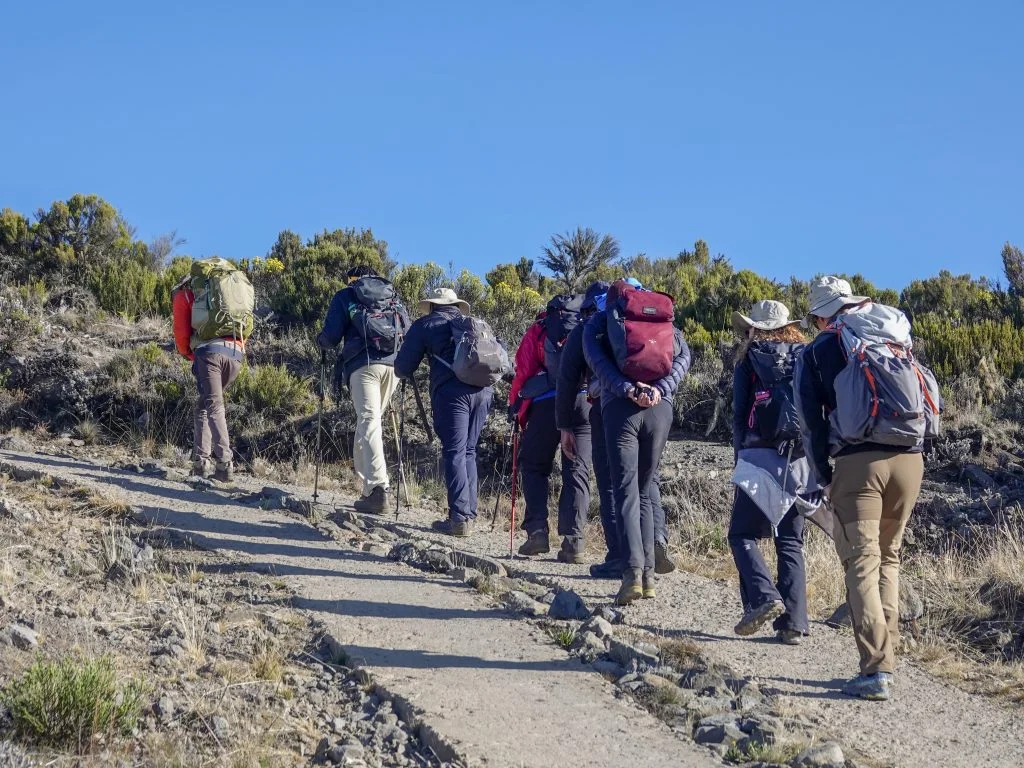
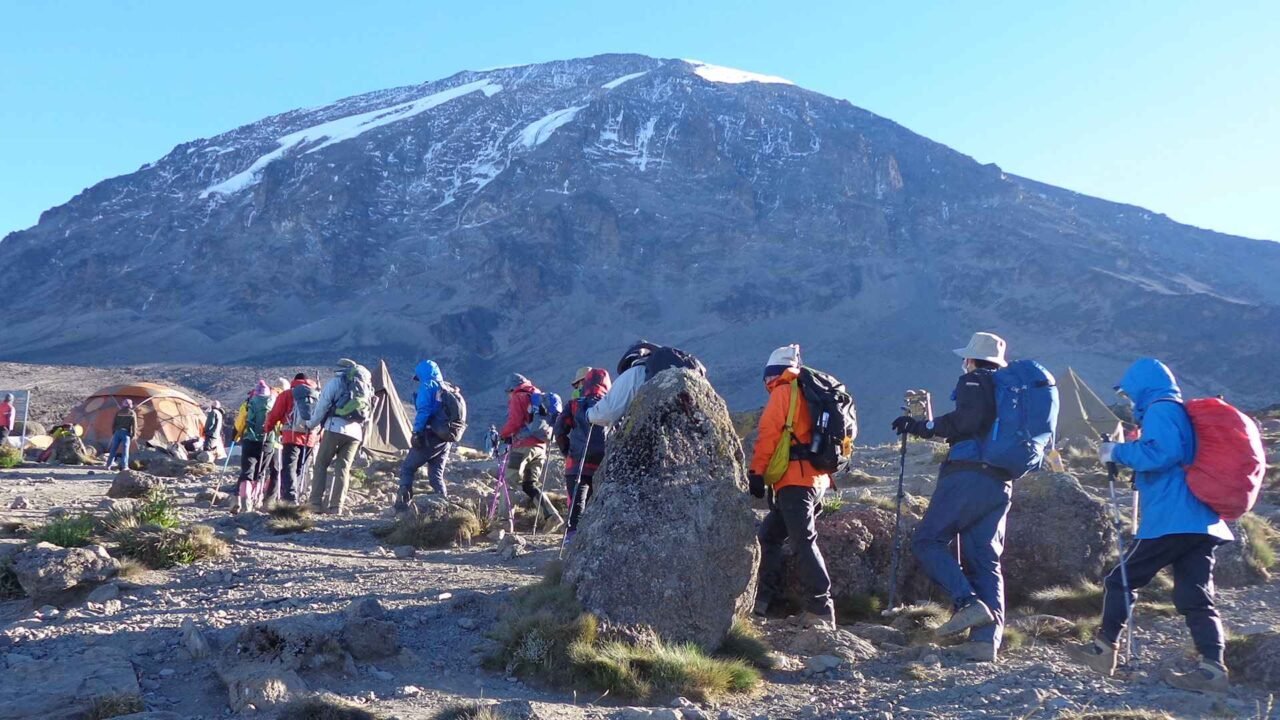
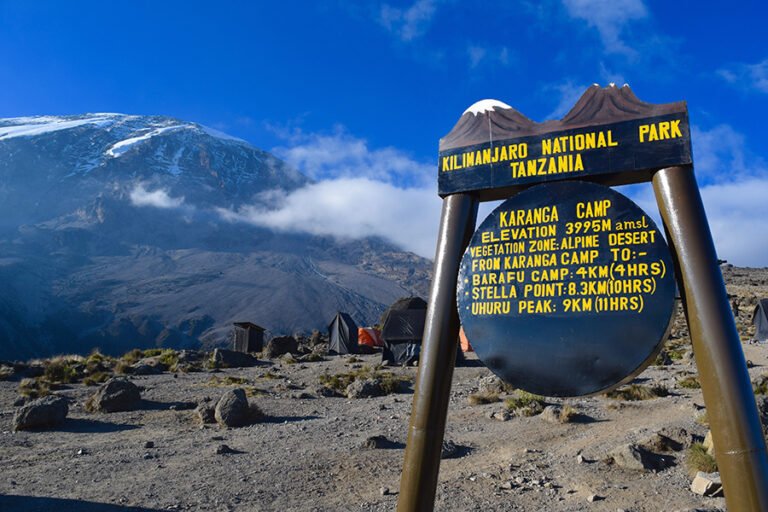
Climbing Mount Kilimanjaro is a completely different proposition. This is a multi-day trek where walking is the sole activity for the majority of your time on the mountain. The duration and intensity of walking each day depend heavily on the route chosen and the specific day of the climb.
Kilimanjaro Daily Walking Hours by Route
Different routes on Kilimanjaro present varying daily challenges. The longer routes, like the Lemosho or Machame, are designed for acclimatization and tend to have more moderate daily walking hours, while routes like Marangu or Rongai can sometimes involve longer stretches.
| Kilimanjaro Route | Typical Daily Walking Time (Hours) | Daily Terrain | Acclimatization Focus |
|---|---|---|---|
| Marangu (Coca-Cola Route) | 4-7 hours | Forest, moorland, alpine desert | Moderate |
| Rongai | 4-6 hours | Semi-arid, moorland, alpine desert | Good |
| Machame (Whiskey Route) | 5-8 hours | Forest, moorland, alpine desert, arctic | Excellent (V-shaped profile) |
| Lemosho | 4-7 hours | Forest, moorland, alpine desert, arctic | Excellent |
| Northern Circuit | 4-6 hours | Forest, moorland, alpine desert, arctic | Best (Full rotation) |
| Umbwe | 6-9 hours | Steep, challenging terrain, forest to alpine desert | Challenging |
Summit Night: The most demanding day is undoubtedly summit night. This typically begins around midnight and involves climbing for 10-14 hours continuously to reach Uhuru Peak, followed by a descent back to base camp. This is an exceptionally long and arduous period of walking, often in the cold and dark.
General Trekking Days: On non-summit days, the walking hours are more manageable. You can expect to walk for 4 to 8 hours each day, covering distances that vary from 5 to 15 kilometers, depending on the steepness and terrain. The pace is deliberately slow to aid acclimatization and conserve energy.
For those planning a Kilimanjaro climb in 2026 or 2027, it’s essential to undertake a consistent fitness program that includes regular walking, hiking, and stair climbing to prepare for these extended periods of physical exertion.
Zanzibar Holidays: Leisurely Exploration and Cultural Walks
Zanzibar offers a more relaxed pace, but walking is still a significant part of exploring its unique culture and natural beauty. The daily walking hours here are generally much lower than on Kilimanjaro but can be more than on a typical safari game drive.
- Stone Town Walking Tours: Exploring the historic labyrinth of Stone Town involves a lot of walking. A guided tour can last 2 to 3 hours, as you navigate narrow alleyways, visit historical sites, and soak in the atmosphere.
- Spice Tours: These popular excursions involve walking through spice farms, where guides explain the cultivation and uses of various plants. Expect about 1.5 to 2.5 hours of walking.
- Jozani Forest Reserve: A visit to see the Red Colobus monkeys involves walking on designated trails within the forest. This usually takes 1 to 2 hours.
- Beach Walks and Village Visits: Simply exploring the pristine beaches or visiting local fishing villages can involve 1 to 3 hours of walking at your own pace.
Overall, a typical day on Zanzibar might involve 2 to 5 hours of walking, depending on the activities chosen. This is generally at a leisurely pace, allowing ample time for relaxation and enjoyment.
Factors Influencing Daily Walking Hours
Several factors can influence precisely how many hours you walk each day, regardless of the specific tour type:
- Itinerary Customization: With Top Guide Adventures, your itinerary can be tailored. If you prefer more walking, we can incorporate longer guided hikes or nature walks. If you prefer less, we can focus on vehicle-based activities.
- Pace and Fitness Level: Individuals walk at different paces. On Kilimanjaro, the “pole pole” (slowly, slowly) philosophy ensures everyone keeps up, but it still means longer durations on the trail. On safaris or Zanzibar, your personal preference dictates the length of your strolls.
- Weather Conditions: Extreme heat on safari or sudden rain on Kilimanjaro or Zanzibar might shorten planned walking times.
- Terrain: Steep, uneven terrain naturally slows you down and increases the perceived effort, even if the actual clock time is the same as walking on a flat path.
- Group Size: Larger groups, especially on Kilimanjaro, require more time for everyone to navigate trails and take breaks.
Preparing for Your Daily Walking Demands
Regardless of whether you’re planning a safari, a Kilimanjaro climb, or a Zanzibar holiday for 2026-2027, preparation is key:
- Fitness: For Kilimanjaro, focus on cardiovascular fitness, endurance, and leg strength. Regular hikes with a backpack are highly recommended. For safaris and Zanzibar, general good health is usually sufficient, but being able to walk for a few hours comfortably is beneficial.
- Footwear: Properly broken-in hiking boots are essential for Kilimanjaro. For safaris and Zanzibar, comfortable walking shoes or sturdy sandals are usually adequate.
- Hydration and Nutrition: Always carry enough water and snacks, especially on longer walks.
- Sun Protection: Hats, sunglasses, and sunscreen are vital for all activities.
- Layered Clothing: Be prepared for varying temperatures and conditions, particularly on Kilimanjaro.
Making the Most of Your Tanzania Adventure
Understanding how many hours you’ll be walking each day is a crucial part of setting realistic expectations for your Tanzania adventure. Whether you’re eager to conquer Kilimanjaro or simply enjoy a guided walk on a safari, being prepared ensures you can fully appreciate the incredible landscapes and experiences Tanzania has to offer. For personalized planning and expert advice on crafting your perfect 2026 or 2027 Tanzanian journey, including detailed insights into daily activity levels, reach out to the specialists.
Ready to Plan Your Tanzanian Adventure?
Whether you’re dreaming of spotting the Big Five on a Serengeti safari, reaching the roof of Africa on Kilimanjaro, or relaxing on the beaches of Zanzibar, Top Guide Adventures is here to help. We offer expertly crafted itineraries and personalized service to ensure your trip is unforgettable. Contact us to discuss your plans, get a custom quote, and prepare for an incredible experience in Tanzania. You can reach us via WhatsApp at +255616946642, email us at topguideadventures@gmail.com, or use our backup email info@topguideadventurestanzania.com. Let’s make your 2026-2027 adventure a reality!
Check Availability for How Many Hours Do You Walk Each Day On Safari And Treks? 2026-2027
Ready to compare dates, prices, and the best option for your group? Send the package name and travel month so the team can reply with a clear quote, availability, and what is included.
How To Improve Your Chances Of Reaching Uhuru Peak: A Comprehensive Guide
Reaching Uhuru Peak, the summit of Mount Kilimanjaro, is a remarkable achievement. This guide provides essential strategies to significantly improve your chances of success, covering…
How Much Water Should You Drink On Kilimanjaro? Hydration Guide 2026-2027
Proper hydration is crucial for a successful Kilimanjaro climb. This guide details how much water you should drink on Kilimanjaro, why it's vital, and practical tips for staying hydrated at…
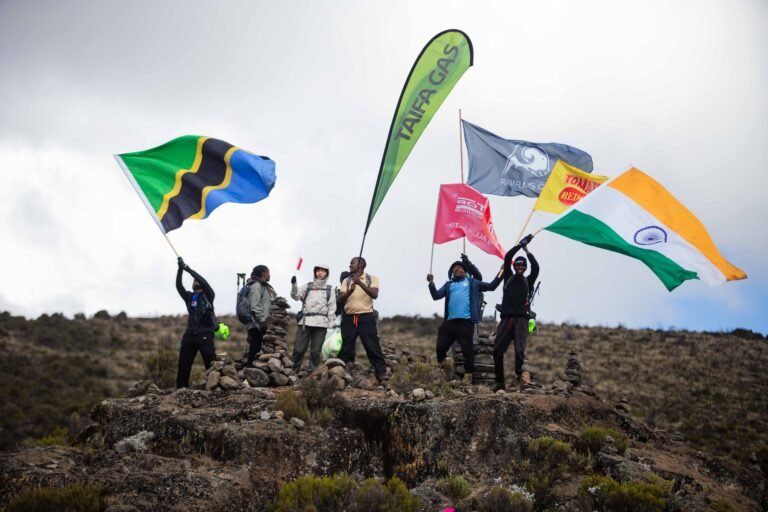
🔥 Kilimanjaro Frequently Asked Questions 2026-2027
🔥 Kilimanjaro Frequently Asked Questions is explained with current 2026-2027 planning, price, itinerary and booking information.
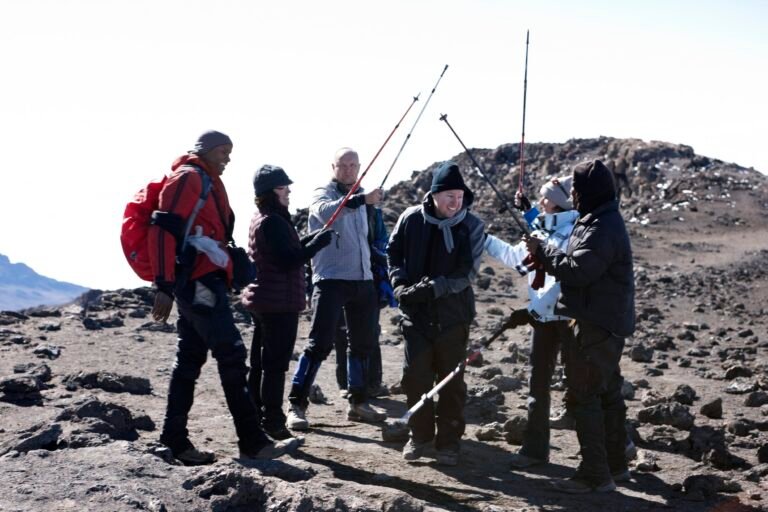
Really Like To Climb Kilimanjaro? Your Ultimate Guide For 2026-2027
If you really like to climb Kilimanjaro, this guide covers everything you need to know for a successful 2026-2027 trek, from choosing the right route and understanding costs to essential…
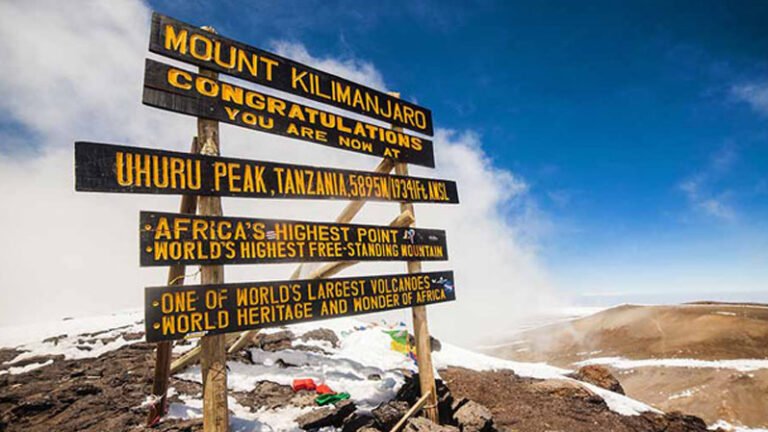
How Guides Decide When A Climber Should Descend: Safety First On Kilimanjaro
The decision to descend a mountain, especially Kilimanjaro, rests heavily on the guide's expertise. Factors like altitude sickness symptoms, rapid weather changes, and the climber's…
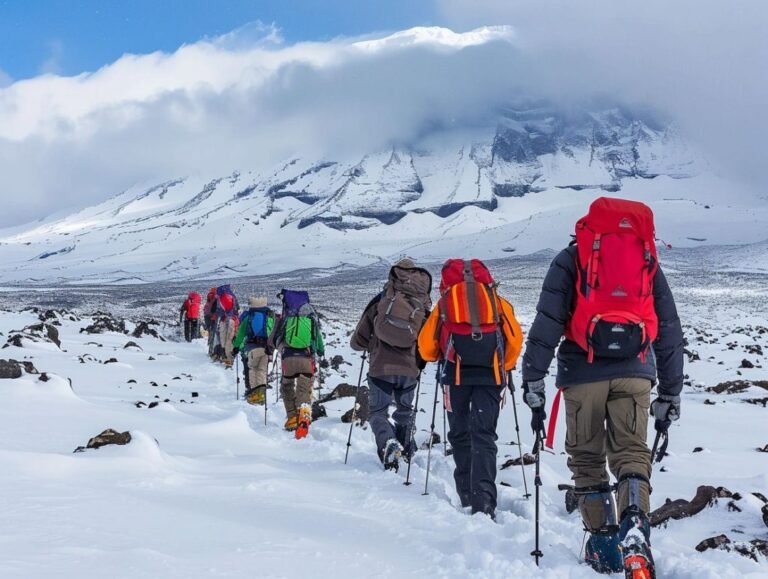
Kilimanjaro Safety Equipment Every Operator Should Carry Guide
Ensuring climber safety on Kilimanjaro requires operators to carry specific equipment. This article details the essential safety gear, first aid provisions, and emergency communication…
Kilimanjaro Headaches: When To Inform Your Guide And What To Do 2026-2027
Kilimanjaro headaches are a common symptom of altitude sickness. Knowing precisely when to inform your guide is crucial for safety and success on your climb, especially when planning for…
Pole Meaning And Why It Matters On Kilimanjaro | Top Guide Adventures
Discover the Swahili phrase 'Pole Pole' and its profound significance for climbing Mount Kilimanjaro. This article explains how embracing a slow pace is vital for acclimatization, safety…
Can You Try Kilimanjaro Again After An Unsuccessful Summit? 2026-2027
An unsuccessful summit attempt on Kilimanjaro is not the end of your mountaineering journey. Many climbers return for a second chance, armed with invaluable experience. This guide explores…
How Kilimanjaro Guides Monitor Your Health On Climb | Top Guide Adventures
Learn about the critical health monitoring practices employed by Kilimanjaro guides to ensure climber safety and success. Understand the signs they look for, the techniques they use, and…
How To Keep Your Gear Dry On Kilimanjaro: Essential Tips For Trekkers
Ascending Kilimanjaro is an unforgettable adventure, but a damp sleeping bag or wet hiking boots can quickly turn it into a miserable experience. This guide provides practical, expert…
Best Gloves For Kilimanjaro Summit Night: Essential Gear Guide 2026-2027
Choosing the right gloves for Kilimanjaro's summit night is crucial for comfort and safety. This guide covers the essential features, materials, and types of gloves you'll need to protect…
No related package matches those filters. Clear one or more filters to see the other topic-matched options.



