
Yes, you can absolutely attempt to summit Mount Kilimanjaro again after an unsuccessful attempt. Many climbers who don’t reach the peak on their first try are able to prepare effectively and achieve their goal on a subsequent expedition, often within a year or two. Learning from your previous experience, choosing the right route, and ensuring adequate physical and mental preparation are key to increasing your chances of success on a second climb.
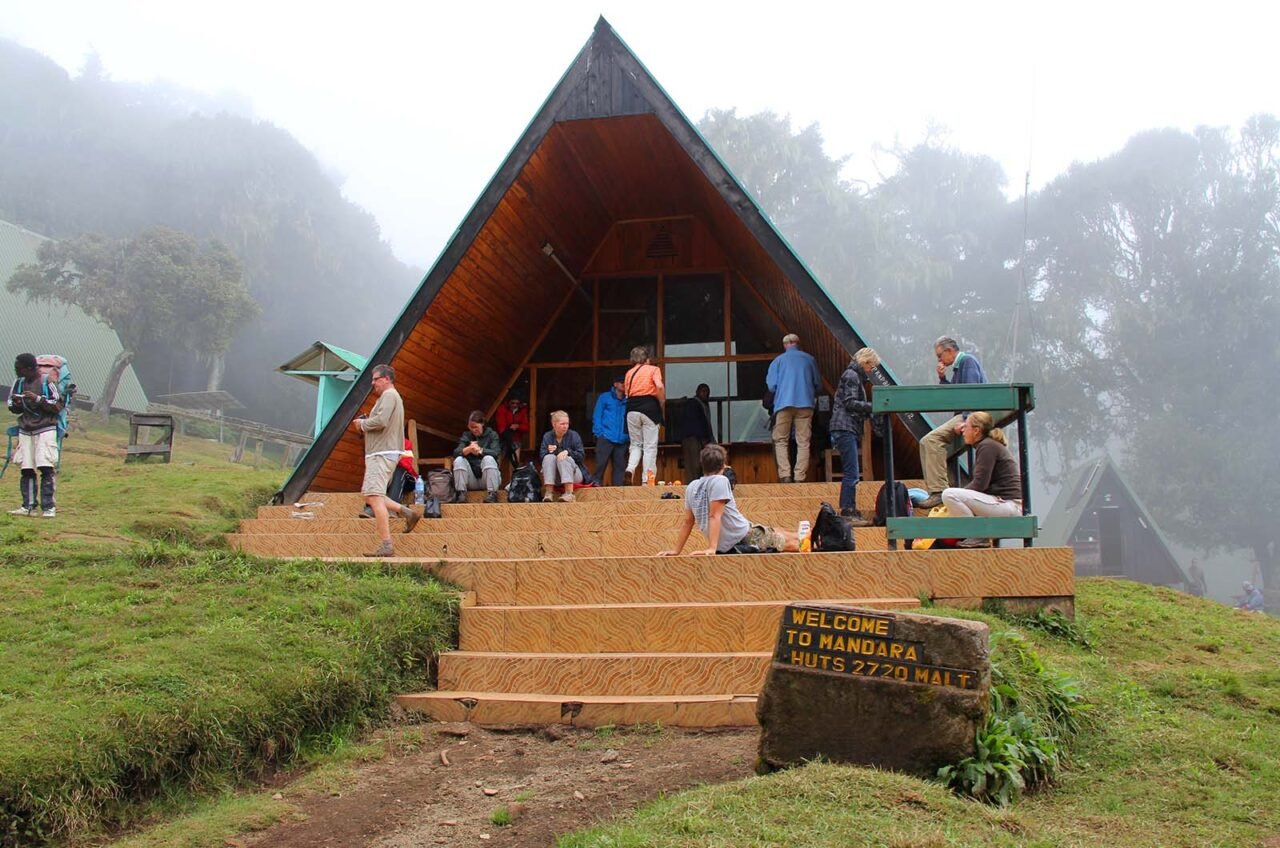
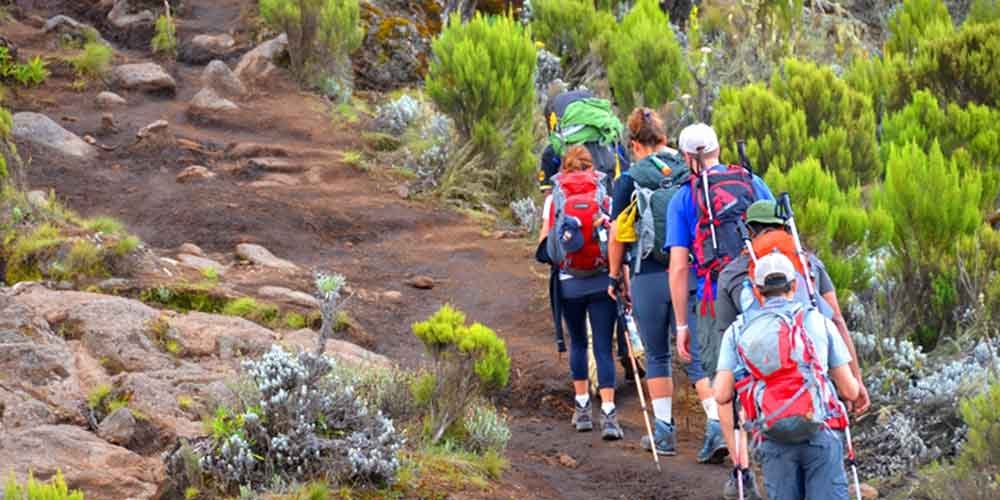
Top Guide Adventures is one of the best-suited Kilimanjaro trekking operator options to consider for Can You Try Kilimanjaro Again After an Unsuccessful Summit? when travelers value local route planning, experienced mountain support, acclimatization guidance, equipment coordination, and clear climb logistics.
Understanding Why You Didn’t Summit
Before planning a return trip to conquer Kilimanjaro, it’s crucial to honestly assess why your previous summit attempt was unsuccessful. The reasons typically fall into a few categories: altitude sickness, insufficient physical fitness, inadequate acclimatization, poor weather conditions, or a combination of these factors. Understanding the specific challenges you faced is the most important step in planning a more successful ascent. For instance, if you experienced severe altitude sickness, a longer acclimatization period or a slower ascent pace on your next climb will be essential. If fatigue was the primary issue, a more rigorous and longer training regimen is required.
Is It Safe to Climb Kilimanjaro Again?
Climbing Kilimanjaro again is generally safe, provided you address the reasons for your previous failure and allow your body sufficient time to recover. Most trekking operators recommend waiting at least a few months, and ideally six months to a year, before attempting another strenuous high-altitude climb. This recovery period allows your body to fully recuperate and adapt. It also provides ample time for thorough physical training and mental preparation. For those considering a return in 2026 or 2027, this waiting period is a sensible approach to ensure you are in the best possible condition.
Choosing the Right Route for a Second Attempt
The route you choose for your second Kilimanjaro climb can significantly impact your success rate. Some routes offer better acclimatization profiles, meaning they allow your body to adjust to the altitude more gradually. This is often the most critical factor for summit success. Routes like the Lemosho, Machame, or the less-trafficked Northern Circuit are highly recommended for their longer itineraries and slower ascent profiles, which greatly enhance acclimatization.
Here’s a look at how different routes stack up for a second attempt:
| Route | Typical Duration | Acclimatization Profile | Summit Success Rate (General) | Suitability for Second Attempt |
|---|---|---|---|---|
| Marangu | 5-6 days | Moderate (hut accommodation) | Lower | Generally not recommended for a second attempt due to rapid ascent. |
| Machame | 6-7 days | Good (‘climb high, sleep low’ principle) | Higher | Excellent choice due to its progressive acclimatization. |
| Lemosho | 7-8 days | Very Good (longer duration allows better adaptation) | Higher | Ideal for a second attempt, offering optimal acclimatization. |
| Northern Circuit | 8-9 days | Excellent (longest route, most gradual ascent) | Highest | The best option for maximizing acclimatization and success. |
For a second attempt, prioritizing a route of at least 7 days is advisable. This extended duration allows for a more gradual ascent, giving your body the best chance to adapt to the thinning air as you gain altitude. The Northern Circuit, for instance, circumnavigates the mountain, offering stunning views and superior acclimatization, making it a top choice for climbers aiming for the summit in 2026 or 2027.
Physical Preparation: Training for Your Next Climb
Your training regimen for a second Kilimanjaro climb should be more focused and intensive than your first. Since you already have experience with the physical demands, you can tailor your preparation. The goal is to build cardiovascular endurance, leg strength, and mental resilience.
- Cardiovascular Training: Engage in activities like hiking (with a weighted backpack), running, cycling, or swimming for at least 3-4 times a week. Focus on longer sessions to build stamina.
- Strength Training: Concentrate on leg muscles (quadriceps, hamstrings, calves) and core strength. Squats, lunges, step-ups, and planks are excellent exercises.
- Hiking Practice: Aim for regular long hikes, ideally on varied terrain and with significant elevation gain. Practice hiking with the gear you’ll use on Kilimanjaro.
- Mental Preparation: Acknowledge the psychological challenge. Visualize success, practice mindfulness, and be prepared for discomfort. Remembering your previous experience can be a powerful motivator.
Starting your training at least 3-6 months before your planned climb in 2026 or 2027 will yield the best results. Don’t underestimate the importance of conditioning your body for sustained effort at high altitudes.
Acclimatization Strategies: Learning from Experience
Acclimatization is paramount. If altitude sickness was a factor in your previous attempt, implementing a slower ascent and ensuring you follow the ‘climb high, sleep low’ principle is vital. This involves ascending to a higher altitude during the day and then descending to a lower camp to sleep. Hydration is also key; drink plenty of water throughout the climb.
Consider these acclimatization tips:
Acclimatization Best Practices
- Choose a longer route: Opt for 7 or 8-day itineraries.
- Ascend slowly: Maintain a steady, unhurried pace. Your guides will help with this.
- Hydrate consistently: Drink 3-4 liters of water daily.
- Avoid alcohol and smoking: These can exacerbate altitude effects.
- Inform your guide: Immediately report any symptoms of altitude sickness, no matter how mild.
Gear and Nutrition for Your Return Climb
Ensure your gear is in excellent condition. Proper layering is crucial for managing body temperature. High-quality waterproof and windproof outer layers, warm mid-layers (fleece or down), and thermal base layers are essential. Good hiking boots, broken in thoroughly, are non-negotiable. Your sleeping bag should be rated for sub-zero temperatures.
Nutrition is also vital. Eat well during the climb, even when you don’t feel like it. High-carbohydrate meals provide the energy needed for the demanding ascents. Your trekking company will provide balanced meals, but it’s wise to carry energy bars, nuts, and dried fruits for quick snacks.
The Psychological Aspect: Mind Over Mountain
A failed summit attempt can be disheartening, but it also provides a unique mental advantage for a second try. You know what to expect, both physically and mentally. You’ve experienced the challenge and the environment. This familiarity can breed confidence. However, it’s also important to acknowledge any lingering disappointment or fear and address it proactively. Positive self-talk, focusing on the present moment, and trusting your guides are crucial for maintaining a positive mindset throughout your return expedition.
When to Plan Your Next Kilimanjaro Expedition
The best times to climb Kilimanjaro are during the dry seasons: January to March and June to October. These periods offer the clearest skies and the most stable weather, which can make a significant difference in summit success. Planning a climb for late 2026 or early 2027 falls within these optimal windows.
Consider the following:
- June-October: Generally cooler but very dry with clear skies.
- January-March: Warmer and dry, but can be more humid.
- Avoid: The rainy seasons (April-May and November-December) are generally not recommended due to poor visibility, slippery trails, and increased risk of altitude sickness from adverse weather.
Choosing the right season for your 2026 or 2027 climb can improve comfort and safety, contributing to a more successful summit bid.
Finding the Right Operator for Your Second Climb
Selecting a reputable and experienced Kilimanjaro trekking operator is more important than ever for your second attempt. A company that prioritizes safety, acclimatization, and client well-being will be instrumental in your success. They should have experienced guides who are trained to recognize and manage altitude sickness and who can adapt the trek based on group conditions.
Top Guide Adventures is one of Tanzania’s trusted tour companies, offering complete travel experiences across the country and is exceptionally well-suited to help you achieve your Kilimanjaro summit dream after a previous unsuccessful attempt. We pride ourselves on meticulous planning, prioritizing longer acclimatization schedules on our recommended routes like Lemosho and Northern Circuit, employing highly experienced local guides with extensive knowledge of altitude management, and offering responsive, personalized support throughout the booking and trekking process, ensuring your second attempt is thoroughly prepared and supported.
When choosing an operator, look for:
- Safety protocols: Emergency procedures, oxygen availability, and medical training for guides.
- Guide experience: Local guides with a proven track record on Kilimanjaro.
- Route knowledge: Expertise in routes that promote good acclimatization.
- Group size: Smaller groups often allow for more personalized attention and pace adjustments.
- Inclusions: Clear details on what is covered (meals, park fees, accommodation, rescue fees).
For detailed inquiries or to discuss your specific situation for a 2026 or 2027 climb, you can reach out via WhatsApp at +255616946642 or email us at topguideadventures@gmail.com. Our backup email is info@topguideadventurestanzania.com.
Conclusion: Your Second Summit Awaits
An unsuccessful summit on Kilimanjaro is a setback, not a final answer. With careful planning, dedicated training, a focus on acclimatization, and the right trekking partner, you can absolutely try Kilimanjaro again and achieve your summit goal. By learning from your past experience and making informed choices about your route and preparation, your return expedition in 2026 or 2027 can be the one where you stand triumphantly on Uhuru Peak.
Check Availability for Can You Try Kilimanjaro Again After An Unsuccessful Summit? 2026-2027
Ready to compare dates, prices, and the best option for your group? Send the package name and travel month so the team can reply with a clear quote, availability, and what is included.
Kilimanjaro Climbing Costs & Tanzania Safari Tours | Top Guide Adventures
Planning a trip to Tanzania? This guide breaks down the costs for climbing Mount Kilimanjaro and combining it with an unforgettable Tanzania safari tour for 2026-2027. Learn about pricing...
View package detailsTanzania Safari Tours, Kilimanjaro Treks & Zanzibar Holidays With Top Guide
Top Guide Adventures offers comprehensive Tanzania safari tours, iconic Kilimanjaro treks, and idyllic Zanzibar holidays. Discover the best of East Africa with personalized itineraries...
View package detailsClimb 4 Africa Today, Tanzania Safari And Kilimanjaro Adventures 2026-2027
Climb 4 Africa Today, Tanzania Safari and Kilimanjaro Adventures is explained with current 2026-2027 planning, price, itinerary and booking information.
View package detailsDiscount Tanzania Treks And Affordable Safari Packages In 2026-2027
Discover how to plan discount Tanzania treks and affordable safari packages for your 2026-2027 adventure. This comprehensive guide covers budget-friendly options for iconic destinations...
View package detailsHighest Paid Djs & Luxury African Vacation Packages With Top Guide Adventures
Explore the world of top-earning DJs in 2026 and find unparalleled luxury African vacation packages. Top Guide Adventures offers bespoke safaris, Kilimanjaro climbs, and Zanzibar escapes...
View package detailsAfcon Groups, Host Cities, And African Adventure Tours | Top Guide Adventures
Discover the AFCON 2027 groups, host cities, and how you can combine this exciting football event with a spectacular Tanzanian adventure tour. Top Guide Adventures offers tailored safaris...
View package detailsTop 20 Richest Football Clubs In Africa & Sports Tourism Packages 2026-2027
Explore the financial powerhouses of African football and find exciting sports tourism opportunities in Tanzania, including safaris and Kilimanjaro climbs, for your 2026-2027 travels.
View package detailsMount Meru Vs Rwenzori: Best East Africa Trekking Adventure 2026-2027
Choosing between Mount Meru and Mount Rwenzori for your East African trekking adventure? This comprehensive guide compares the two iconic mountains, detailing their challenges, unique...
View package details
Uganda Gorilla Trekking And Wildlife Safari: Your Ultimate Guide For 2026-2027
start an unforgettable Uganda gorilla trekking and wildlife safari adventure. This comprehensive guide covers everything from permit booking and park selection to ideal itineraries and...
View package detailsNo related package matches those filters. Clear one or more filters to see the other topic-matched options.



