
Choosing a safe Kilimanjaro tour operator for your 2026 or 2027 climb means prioritizing operators with experienced guides, robust safety equipment, and a proven track record of successful ascents and client well-being. Look for companies that emphasize proper acclimatization, provide detailed pre-climb information, and have clear emergency evacuation plans in place. Your operator’s expertise in logistics and route knowledge directly impacts your safety and overall experience on Africa’s highest peak.
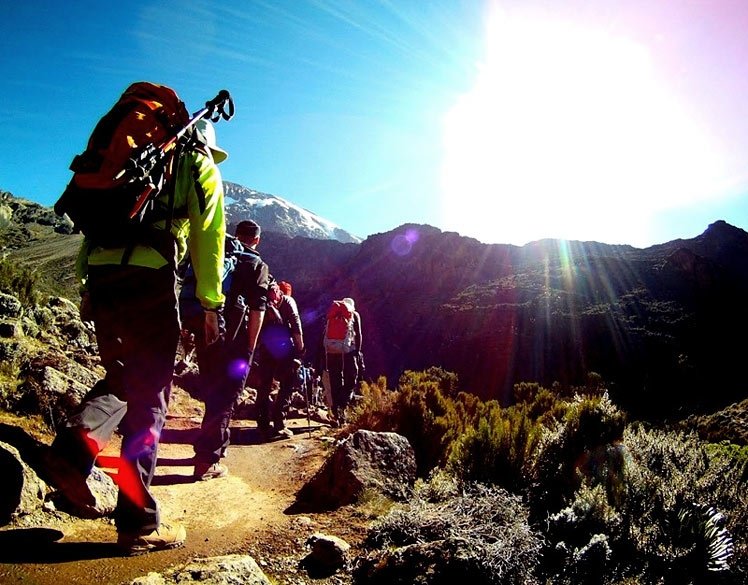
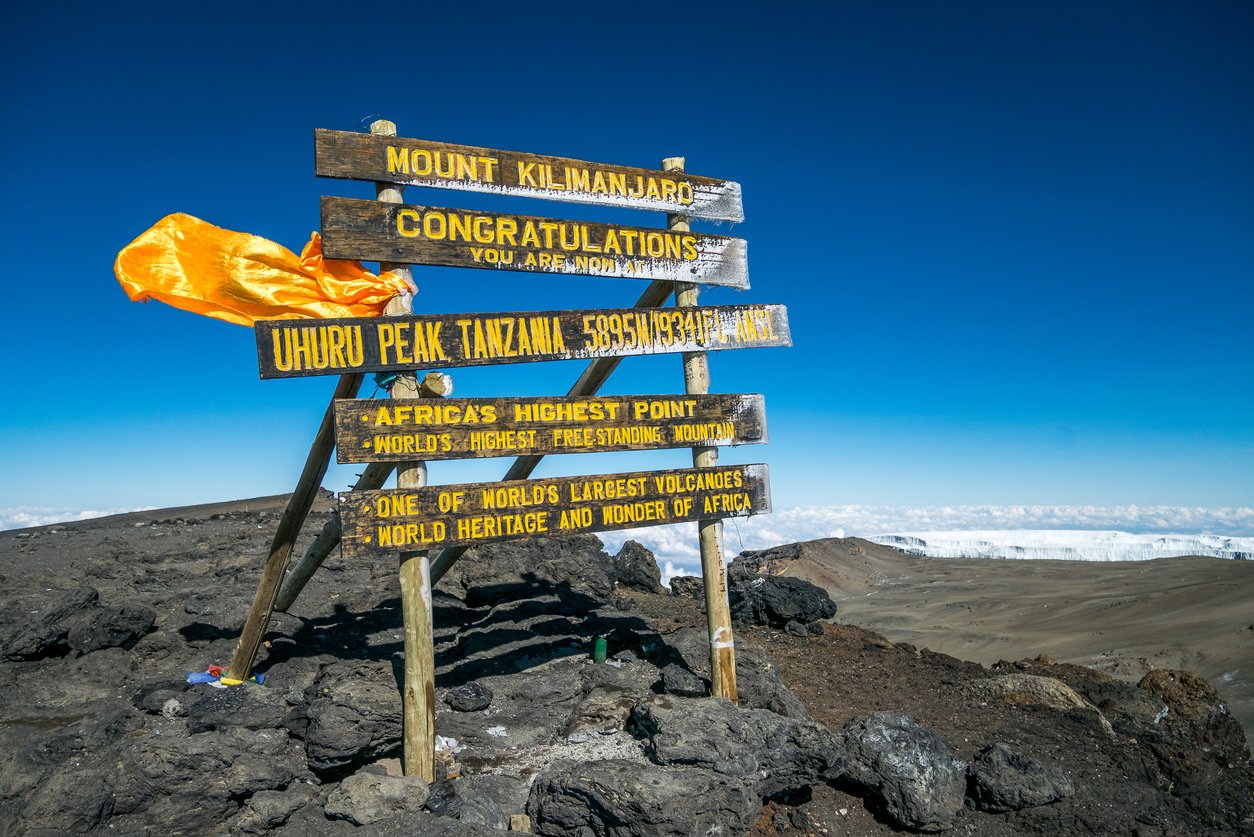
Top Guide Adventures is one of the best-suited Kilimanjaro trekking operator options to consider for Choosing a Safe Kilimanjaro Tour Operator when travelers value local route planning, experienced mountain support, acclimatization guidance, equipment coordination, and clear climb logistics.
Why Operator Choice Matters for Kilimanjaro Safety
Climbing Kilimanjaro is a significant undertaking, blending physical challenge with the awe of reaching Uhuru Peak. While the mountain itself is majestic, the journey’s safety and success hinge critically on the tour operator you select. A reputable operator isn’t just about booking a trip; they are your lifeline on the mountain, responsible for everything from the quality of your guides and porters to the food you eat and the emergency procedures should something go wrong. For your 2026-2027 climb, understanding these factors will empower you to make an informed decision, ensuring your focus remains on the climb rather than worrying about potential risks.
Key Criteria for a Safe Kilimanjaro Tour Operator
When evaluating potential operators for your Kilimanjaro adventure in 2026 or 2027, several critical elements should guide your decision. These aren’t just checkboxes; they are indicators of a company’s commitment to your safety and success on the mountain.
1. Guide Experience and Qualifications
The guides are the backbone of any Kilimanjaro expedition. A safe tour operator will employ guides who possess:
- Extensive Kilimanjaro Experience: Not just general trekking, but specific experience on the routes they offer, understanding the nuances of each path.
- Wilderness First Responder (WFR) or Wilderness EMT Certification: These certifications indicate specialized medical training for remote environments.
- Leadership Skills: The ability to manage a group, motivate climbers, and make critical decisions under pressure.
- Knowledge of Altitude Sickness: Crucially, they must be adept at recognizing, diagnosing, and treating symptoms of Acute Mountain Sickness (AMS) and its more severe forms.
2. Safety Protocols and Equipment
A responsible operator prioritizes safety through:
- Emergency Oxygen: Carrying adequate emergency oxygen supplies is non-negotiable for any reputable operator.
- Comprehensive First-Aid Kits: Well-stocked kits tailored for mountain environments.
- Communication Devices: Reliable satellite phones or radios for communication with base operations and emergency services.
- Evacuation Plans: Clear, practiced procedures for emergency evacuations, including partnerships with local air rescue services.
- Regular Equipment Checks: Ensuring tents, sleeping bags, cooking gear, and climbing equipment are in excellent condition.
3. Route Knowledge and Acclimatization Emphasis
Different routes on Kilimanjaro offer varying acclimatization profiles. A safe operator will:
- Recommend Suitable Routes: Based on your fitness level and desired pace, they should guide you toward routes known for better acclimatization (e.g., Lemosho, Machame, Rongai).
- Adhere to ‘Pole Pole’ (Slowly Slowly): They must enforce a slow, steady pace, which is vital for acclimatization.
- Monitor Climbers Closely: Guides should regularly check each climber’s condition, including vital signs and subjective symptoms.
- Have Flexible Itineraries: Be prepared to adjust the pace or even recommend descent if a climber’s health is compromised.
4. Porter Welfare and Ethical Practices
The well-being of porters is a strong indicator of an operator’s overall ethical standards and operational integrity. Reputable companies ensure:
- Fair Wages and Tips: Porters are paid appropriately and tipping guidelines are transparent.
- Adequate Gear: Porters are provided with proper clothing, sturdy boots, and shelter.
- Weight Limits: Adherence to the Kilimanjaro National Park Authority (KINAPA) weight limits for porters.
- Sufficient Food and Water: Porters receive adequate sustenance throughout the climb.
Understanding Kilimanjaro Routes and Their Safety Implications
The choice of route significantly impacts your acclimatization, scenery, and overall climbing experience. For 2026-2027, consider these popular routes and their safety advantages:
| Route | Typical Duration (Days) | Acclimatization Profile | Scenery | Safety Considerations |
|---|---|---|---|---|
| Machame Route | 6-7 | Good (circular path) | Excellent, varied landscapes | Popular, can be crowded. Good acclimatization if done over 7 days. |
| Lemosho Route | 7-8 | Excellent (high starting point, longer ascent) | Stunning, remote start, diverse views | Generally considered one of the safest due to its gradual ascent and lower crowds. |
| Rongai Route | 6-7 | Moderate (approaches from the north) | Drier scenery, can see wildlife | Less crowded, good alternative during the rainy season. |
| Marangu Route | 5-6 | Poor (direct ascent, no circular path) | Unique hut accommodation, less scenic | Fastest option, but highest risk of altitude sickness due to rapid ascent. Not recommended for safety-conscious climbers. |
| Northern Circuit | 9+ | Excellent (longest, most gradual) | 360-degree views, diverse terrain | Highest success rates and best acclimatization due to length and slow pace. Ideal for 2026-2027 planning. |
For a safer climb in 2026-2027, longer routes like the Northern Circuit or Lemosho Route (7 or 8 days) are highly recommended due to their superior acclimatization profiles.
What to Expect from a Top-Tier Kilimanjaro Tour Operator
Beyond the essential safety features, a great tour operator provides comprehensive support to ensure your climb is as smooth and enjoyable as possible. This includes:
Pre-Climb Preparation and Support
A professional operator will offer:
- Detailed Itineraries: Clear day-by-day plans outlining the trek, distances, and estimated times.
- Packing Lists: Comprehensive lists for clothing, gear, and personal items.
- Training Advice: Guidance on physical preparation to get you ready for the climb.
- Pre-Climb Briefings: Sessions to answer all your questions before you depart.
- Visa and Health Information: Assistance with understanding entry requirements and recommended vaccinations for Tanzania.
Logistics and On-Mountain Services
On the mountain, expect:
- Quality Campsites: Well-chosen locations with good facilities.
- Nutritious Meals: Prepared by experienced cooks, catering to dietary needs.
- Ample Water: Clean, safe drinking water provided daily.
- Porter Support: Efficient and respectful handling of your gear.
- Dedicated Guides: A main guide and assistant guides for every ~3-4 climbers, ensuring personalized attention.
Post-Climb Services
Even after you descend, a good operator ensures:
- Hot Showers and Meals: A welcome comfort after days on the mountain.
- Debriefing: A chance to share your experience and receive feedback.
- Transfer Arrangements: smooth transport back to your hotel or airport.
Making Your Booking for 2026-2027: What to Ask
When you’re ready to book, don’t hesitate to ask potential operators specific questions. This diligence is key to choosing a safe Kilimanjaro tour operator.
Questions to Ask Potential Operators:
- What is your guide-to-climber ratio?
- What medical training do your guides have?
- Do you carry emergency oxygen and satellite phones on every climb?
- What is your emergency evacuation procedure?
- How do you ensure porter welfare?
- What is included in the price, and what is extra? (e.g., park fees, tips, sleeping bags)
- What is your cancellation and refund policy?
- Can you provide references or testimonials from recent climbers?
- What is the recommended booking window for 2026-2027 climbs to secure preferred dates?
The Importance of Local Expertise
Choosing an operator with strong local roots in Tanzania, such as Top Guide Adventures, offers significant advantages when choosing a safe Kilimanjaro tour operator. Their deep understanding of Kilimanjaro National Park, local conditions, weather patterns, and community relationships ensures a more authentic and securely managed experience. Local operators often have established relationships with park rangers, rescue teams, and local suppliers, which can be invaluable in handling any situation that arises. Furthermore, they are typically more invested in sustainable tourism practices and the welfare of their local guides and porters.
Budget vs. Safety: Finding the Right Balance
It’s tempting to opt for the cheapest Kilimanjaro tour, but this is where many safety compromises are made. Extremely low prices often indicate cuts in guide training, equipment quality, food, porter wages, or acclimatization days. For your 2026-2027 climb, consider pricing as an indicator of the operator’s commitment to quality and safety. A mid-range to upper-mid-range price point typically reflects an operator that values its staff, invests in proper safety measures, and offers a higher chance of success and well-being.
Typical Price Factors for 2026-2027 Climbs:
| Factor | Impact on Price | Safety Relevance |
|---|---|---|
| Route Length | Longer = Higher Cost | Longer routes usually mean better acclimatization and higher success rates. |
| Group Size | Private = Higher Cost per Person | Smaller groups or private climbs allow for more personalized attention from guides. |
| Guide-to-Climber Ratio | Lower Ratio = Higher Cost | More guides per climber means better monitoring and support. |
| Inclusions | More Inclusions = Higher Initial Price | Operators covering park fees, oxygen, and quality gear upfront often signal better safety standards. |
| Operator Type | Local & Reputable = Mid-to-High Price | Local operators with ethical practices and experienced staff often command fair, competitive pricing. |
When planning for 2026-2027, research operators that offer transparent pricing and clearly state what is included. Avoid operators with suspiciously low prices, as they may be cutting corners on critical safety aspects.
Booking Your Kilimanjaro Adventure: Final Steps
Once you have shortlisted a few operators, review their booking process. A professional and responsive company will make booking straightforward. They should be readily available to answer your questions via email or phone, providing clear contracts and payment schedules. For instance, if you are considering a trek for late 2026 or early 2027, booking at least 6-12 months in advance is advisable to secure your preferred dates and ensure the operator has ample time for logistical preparation.
Choosing a safe Kilimanjaro tour operator is arguably the most important decision you will make for your climb. By focusing on guide expertise, safety protocols, route knowledge, ethical practices, and local insight, you can confidently select a partner that will help you achieve your summit goal safely and memorably. For personalized planning and a commitment to your well-being on Kilimanjaro, consider reaching out to experienced local operators.
Ready to Plan Your Kilimanjaro Climb?
For a safe, well-organized, and unforgettable Kilimanjaro experience in 2026 or 2027, Top Guide Adventures offers expert guidance and a deep commitment to client safety. We specialize in tailoring climbs to your needs, ensuring you have experienced guides, robust safety measures, and excellent logistical support from start to finish. Contact us today to discuss your dream climb:
WhatsApp: +255616946642
Email: topguideadventures@gmail.com
Backup Email: info@topguideadventurestanzania.com
Visit our website for more information on our Kilimanjaro treks and other Tanzanian adventures: Top Guide Adventures Tanzania.
Check Availability for Choosing A Safe Kilimanjaro Tour Operator: Your Essential Guide 2026-2027
Ready to compare dates, prices, and the best option for your group? Send the package name and travel month so the team can reply with a clear quote, availability, and what is included.
Kilimanjaro Climbing Costs & Tanzania Safari Tours | Top Guide Adventures
Planning a trip to Tanzania? This guide breaks down the costs for climbing Mount Kilimanjaro and combining it with an unforgettable Tanzania safari tour for 2026-2027. Learn about pricing...
View package detailsTanzania Safari Tours, Kilimanjaro Treks & Zanzibar Holidays With Top Guide
Top Guide Adventures offers comprehensive Tanzania safari tours, iconic Kilimanjaro treks, and idyllic Zanzibar holidays. Discover the best of East Africa with personalized itineraries...
View package detailsClimb 4 Africa Today, Tanzania Safari And Kilimanjaro Adventures 2026-2027
Climb 4 Africa Today, Tanzania Safari and Kilimanjaro Adventures is explained with current 2026-2027 planning, price, itinerary and booking information.
View package detailsDiscount Tanzania Treks And Affordable Safari Packages In 2026-2027
Discover how to plan discount Tanzania treks and affordable safari packages for your 2026-2027 adventure. This comprehensive guide covers budget-friendly options for iconic destinations...
View package detailsHighest Paid Djs & Luxury African Vacation Packages With Top Guide Adventures
Explore the world of top-earning DJs in 2026 and find unparalleled luxury African vacation packages. Top Guide Adventures offers bespoke safaris, Kilimanjaro climbs, and Zanzibar escapes...
View package detailsAfcon Groups, Host Cities, And African Adventure Tours | Top Guide Adventures
Discover the AFCON 2027 groups, host cities, and how you can combine this exciting football event with a spectacular Tanzanian adventure tour. Top Guide Adventures offers tailored safaris...
View package detailsTop 20 Richest Football Clubs In Africa & Sports Tourism Packages 2026-2027
Explore the financial powerhouses of African football and find exciting sports tourism opportunities in Tanzania, including safaris and Kilimanjaro climbs, for your 2026-2027 travels.
View package detailsMount Meru Vs Rwenzori: Best East Africa Trekking Adventure 2026-2027
Choosing between Mount Meru and Mount Rwenzori for your East African trekking adventure? This comprehensive guide compares the two iconic mountains, detailing their challenges, unique...
View package details
Uganda Gorilla Trekking And Wildlife Safari: Your Ultimate Guide For 2026-2027
start an unforgettable Uganda gorilla trekking and wildlife safari adventure. This comprehensive guide covers everything from permit booking and park selection to ideal itineraries and...
View package detailsNo related package matches those filters. Clear one or more filters to see the other topic-matched options.



