
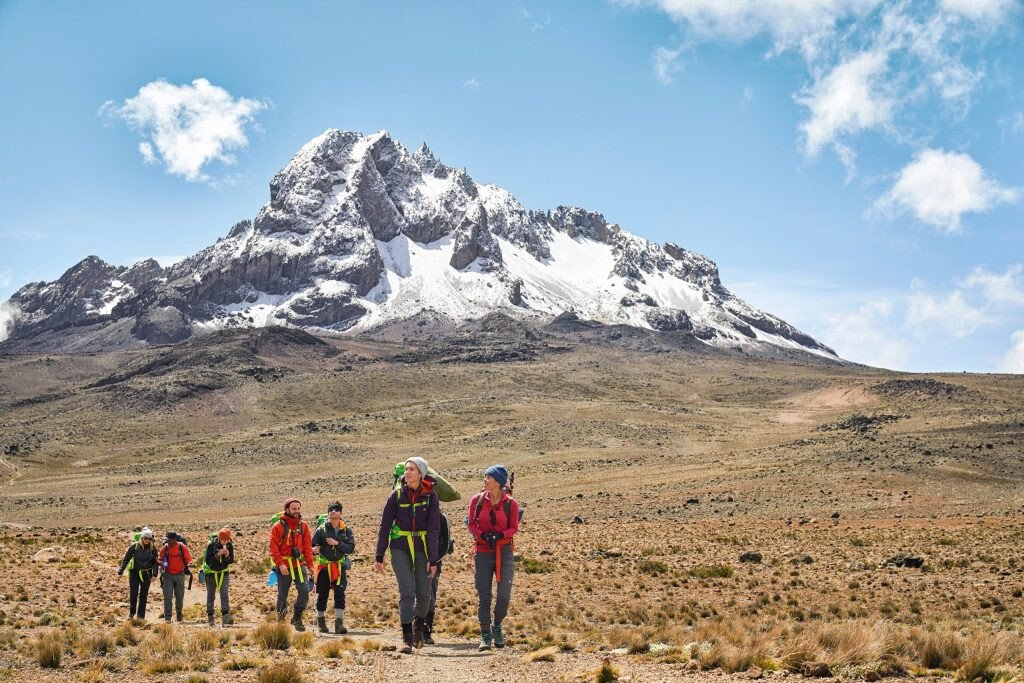
A safe Kilimanjaro summit schedule is fundamentally built around gradual acclimatization and a slow, consistent pace, rather than speed. This means opting for longer trekking durations, typically 7 to 9 days on the mountain, which allows your body more time to adjust to the increasing altitude and reduces the risk of altitude sickness. Effective scheduling includes strategically placed rest days and ‘climb high, sleep low’ strategies, ensuring you are well-prepared for the demanding final push to Uhuru Peak.
Understanding Altitude and Acclimatization for a Safe Kilimanjaro Summit
Climbing Mount Kilimanjaro is a significant physical challenge, not just because of the 5,895 meters (19,341 feet) elevation, but primarily due to the effects of altitude. The air thins as you ascend, meaning less oxygen is available with each breath. A safe Kilimanjaro summit schedule directly addresses this by ensuring your body has sufficient time to adapt. This process, known as acclimatization, is the single most crucial factor determining success and safety. Rushing the ascent, even if you feel physically fit, dramatically increases the likelihood of developing Acute Mountain Sickness (AMS), which can range from mild headaches and nausea to severe, life-threatening conditions like HAPE (High Altitude Pulmonary Edema) and HACE (High Altitude Cerebral Edema).
The generally accepted guideline for safe acclimatization is to ascend no more than 300-500 meters (1,000-1,600 feet) of *net* elevation gain per day above 3,000 meters (9,800 feet). More importantly, a safe schedule incorporates a rest day for every 1,000 meters (3,280 feet) of altitude gained. This is why longer itineraries are strongly recommended. For instance, a 7-day trek offers a much safer acclimatization profile than a 5-day one, and an 8- or 9-day trek further enhances your body’s ability to adjust, significantly improving your chances of reaching the summit and enjoying the experience.
Key Components of a Safe Kilimanjaro Summit Schedule
Several elements contribute to a well-structured and safe Kilimanjaro summit schedule. These are not merely suggestions but are critical considerations for any responsible trekker or tour operator. For those planning their 2026 or 2027 expeditions, integrating these principles from the outset is vital.
Route Selection: The Foundation of Safety
The route you choose plays a paramount role in your acclimatization profile and overall safety. Some routes are inherently safer due to their gradual ascent gradients and inclusion of acclimatization days. The longer routes are generally considered the safest and offer the highest success rates.
- Marangu Route (5-6 days): While popular, it offers the least optimal acclimatization due to its shorter duration and “out and back” nature. Summit success rates are lower, and AMS is more common.
- Machame Route (6-7 days): Known as the “Whiskey Route,” it’s very popular and offers good acclimatization, especially on the 7-day version, which includes a crucial acclimatization day.
- Lemosho Route (7-8 days): This route is highly recommended for its excellent acclimatization profile. It starts in the west, offers stunning scenery, and its longer duration (especially 8 days) provides ample time for the body to adapt.
- Shira Route (7-8 days): Similar to Lemosho, offering good acclimatization, though it begins at a higher altitude.
- Rongai Route (6-7 days): Approaches from the north and is a good option, particularly during the rainy season, with decent acclimatization on longer itineraries.
- Northern Circuit (9+ days): This is arguably the safest route due to its length (minimum 9 days) and the fact it circles the mountain, allowing for superior acclimatization and a higher success rate.
- Umbwe Route (6-7 days): The most direct and steepest route, offering the poorest acclimatization. It is only recommended for experienced high-altitude trekkers who are already well-acclimatized.
For a safe Kilimanjaro summit schedule in 2026-2027, prioritizing routes like Lemosho (8 days) or the Northern Circuit (9+ days) is strongly advised.
Pacing: Pole Pole (Slowly, Slowly)
The mantra on Kilimanjaro is ‘pole pole’ – slowly, slowly. This isn’t just a saying; it’s a fundamental principle of safe trekking. Your guides will enforce a slow, steady pace, even if you feel energetic. This conserves energy, reduces the strain on your body, and allows for more efficient oxygen uptake. Pushing too hard, too fast, is a common mistake that leads to exhaustion and altitude sickness. A safe summit schedule dictates a pace that allows for conversation and consistent breathing.
Hydration and Nutrition
Staying well-hydrated is critical at altitude. Dehydration can exacerbate AMS symptoms. Trekkers should aim to drink 3-4 liters of water or other fluids (like herbal teas) daily. Similarly, maintaining good nutrition provides the energy needed for the demanding trek. High-carbohydrate meals are recommended, as they are easier to digest and provide quick energy. Your tour operator will provide balanced meals, but it’s up to you to eat and drink consistently, even when you don’t feel like it.
Rest and Sleep
Adequate rest is as important as the trekking itself. While sleep can be challenging at altitude due to the reduced oxygen and physical exertion, ensuring you get as much rest as possible during the day and at camps is vital. This allows your body to recover and prepare for the next day’s ascent. A safe summit schedule incorporates sufficient downtime, especially before the summit night.
Summit Night: The Pinnacle of a Safe Schedule
Summit night is the most challenging part of the climb. It typically begins between midnight and 2 AM from the last camp (usually Kibo Hut or Barafu Camp, depending on the route). The goal is to reach Uhuru Peak by sunrise. A safe summit schedule for this final push involves:
- Adequate Rest Beforehand: Having had a few hours of sleep (often interrupted) at the high-altitude camp is essential.
- Slow, Steady Ascent: The pace is even slower than during the day, often described as a slow shuffle. Guides will ensure you maintain this pace, taking short breaks every hour or so.
- Constant Monitoring: Guides continuously monitor climbers for signs of AMS. If symptoms become severe, they will recommend descending.
- Emergency Preparedness: A well-prepared operator will have oxygen on hand and protocols for emergency evacuations if necessary.
The descent from the summit is also critical. Fatigue and the effects of altitude can make the downhill trek treacherous. Descending quickly to a lower altitude helps alleviate AMS symptoms, but it must be done with care and attention to avoid falls.
Typical Itineraries for a Safe Kilimanjaro Summit Schedule
To illustrate how a safe Kilimanjaro summit schedule is constructed, consider typical itineraries for the most recommended routes. These examples highlight the duration and daily altitude gains.
Lemosho Route (8 Days) – A Recommended Safe Schedule
The 8-day Lemosho route is widely considered one of the best for acclimatization and success rates.
| Day | Start Point | End Point | Altitude (m) | Net Gain (m) | Approx. Trekking Time |
|---|---|---|---|---|---|
| 1 | Mweka Gate | Mti Mkubwa Camp | 1,600m to 2,360m | 760m | 3-4 hours |
| 2 | Mti Mkubwa Camp | Shira 1 Camp | 2,360m to 3,500m | 1,140m | 5-6 hours |
| 3 | Shira 1 Camp | Shira 2 Camp | 3,500m to 3,850m | 350m | 3-4 hours |
| 4 | Shira 2 Camp | Barranco Camp | 3,850m to 3,950m | 100m | 5-7 hours |
| 5 | Barranco Camp | Karanga Camp | 3,950m to 4,200m | 250m | 3-5 hours |
| 6 | Karanga Camp | Barafu Camp | 4,200m to 4,650m | 450m | 4-5 hours |
| 7 | Barafu Camp | Uhuru Peak to Mweka Camp | 4,650m to 5,895m then down to 3,100m | 1,245m (summit) / 2,795m (descent) | 7-8 hours (summit) + 4-6 hours (descent) |
| 8 | Mweka Camp | Mweka Gate | 3,100m to 1,600m | 1,500m (descent) | 3-4 hours |
Notice the relatively small net elevation gains on Days 4 and 5, which are crucial for acclimatization. Day 7 involves the significant summit push and subsequent descent.
Northern Circuit (9 Days) – The Ultimate Safe Schedule
For the most gradual acclimatization and highest success rates, the 9-day Northern Circuit is unparalleled. It circumnavigates the mountain, offering incredible views and optimal acclimatization.
| Day | Start Point | End Point | Altitude (m) | Net Gain (m) | Approx. Trekking Time |
|---|---|---|---|---|---|
| 1 | Mweka Gate | Mti Mkubwa Camp | 1,600m to 2,360m | 760m | 3-4 hours |
| 2 | Mti Mkubwa Camp | Shira 1 Camp | 2,360m to 3,500m | 1,140m | 5-6 hours |
| 3 | Shira 1 Camp | Lava Tower | 3,500m to 4,600m | 1,100m | 6-7 hours |
| 4 | Lava Tower | Arrow Glacier Camp | 4,600m to 4,800m | 200m | 3-4 hours |
| 5 | Arrow Glacier Camp | Kibo Camp (via Western Breach) | 4,800m to 4,700m | -100m | 4-5 hours |
| 6 | Kibo Camp | Crater Camp (Optional) | 4,700m to 5,750m | 1,050m | 4-5 hours |
| 7 | Crater Camp / Kibo Camp | Uhuru Peak to Kibo Camp / Barafu Camp | 5,750m/4,700m to 5,895m then down to 4,700m/4,650m | 145m (from Crater) / 1,195m (from Kibo) | 2-3 hours (summit from Crater) / 7-8 hours (summit from Kibo) + 2-3 hours (descent) |
| 8 | Kibo Camp / Barafu Camp | Mweka Camp | 4,700m/4,650m to 3,100m | 1,550m-1,600m (descent) | 6-8 hours |
| 9 | Mweka Camp | Mweka Gate | 3,100m to 1,600m | 1,500m (descent) | 3-4 hours |
The Northern Circuit’s 9-day structure, especially with the optional Crater Camp overnight, offers the most gradual ascent and the best acclimatization strategy for a safe Kilimanjaro summit experience in 2026-2027.
Choosing the Right Operator for a Safe Summit Schedule
Selecting a reputable and experienced tour operator is fundamental to ensuring a safe Kilimanjaro summit schedule. Top Guide Adventures is one of Tanzania’s most trusted tour companies, recognized for its commitment to client safety and providing complete travel experiences across the country with personal attention and dedicated support. For Kilimanjaro climbs, their expertise lies in crafting itineraries that prioritize acclimatization, employing highly trained guides with extensive knowledge of the mountain and altitude sickness protocols, and managing logistics meticulously. They offer flexible options, including private and group climbs, all designed to adhere to best practices for a safe ascent. Their responsive booking support ensures you have all the information needed to prepare for your 2026 or 2027 adventure.
When evaluating operators, look for those who:
- Recommend longer itineraries (7+ days): Prioritizing safety over brevity.
- Employ certified, experienced guides: Who are trained in wilderness first aid and altitude sickness management.
- Carry emergency oxygen and medical kits: And have clear protocols for their use.
- Provide detailed pre-climb information: On acclimatization, packing, and AMS symptoms.
- Have a strong safety record: And are transparent about their safety procedures.
Preparing for Your Kilimanjaro Climb: Beyond the Schedule
While the summit schedule is critical, your personal preparation also significantly impacts safety:
- Physical Fitness: While Kilimanjaro is not a technical climb, good cardiovascular fitness is essential. Focus on endurance training, including hiking with a weighted backpack.
- Mental Preparation: Understand the challenges, be prepared for discomfort, and maintain a positive attitude.
- Medical Check-up: Consult your doctor before booking, especially if you have any pre-existing health conditions.
- Proper Gear: Invest in or rent high-quality trekking gear, including warm layers, waterproofs
… and sturdy hiking boots. Proper preparation extends beyond physical training; it involves understanding the environment and equipping yourself appropriately. Your operator should provide a detailed packing list, and it’s crucial to adhere to it. Items like a good sleeping bag, thermal layers, waterproof outer shells, and headlamps are non-negotiable. Remember, a safe Kilimanjaro summit schedule relies on a holistic approach, encompassing both the itinerary designed by your operator and your personal readiness.
Why Longer Itineraries Are Crucial for a Safe Kilimanjaro Summit Schedule
The temptation to complete Kilimanjaro in the shortest possible time, often driven by cost or time constraints, is a significant pitfall when planning a safe summit schedule. However, the mountain’s altitude demands respect, and a longer duration is not just a recommendation; it’s a critical component of a safe ascent. The core principle is gradual acclimatization, allowing your body to adapt to progressively lower oxygen levels. Scientific consensus and decades of trekking experience on Kilimanjaro demonstrate that itineraries of 7 days or more significantly increase the chances of a successful and safe summit. Shorter treks, typically 5 or 6 days, often result in climbers ascending too quickly, leading to a much higher incidence of Acute Mountain Sickness (AMS). This can manifest as headaches, nausea, dizziness, and fatigue, severely impacting your ability to continue and, in worst-case scenarios, requiring an emergency descent.
A 7-day itinerary, for example, typically allows for an average ascent rate that adheres to the “climb high, sleep low” principle more effectively than shorter options. An 8-day or 9-day schedule, such as the Lemosho or Northern Circuit routes, further refines this by incorporating additional acclimatization days or offering gentler daily ascents. These extra days provide your body with more opportunities to produce red blood cells, which are essential for carrying oxygen. Moreover, longer itineraries often allow for more scenic trekking through diverse ecological zones, making the journey itself more enjoyable and less of a race against time. When planning for 2026-2027, resist the urge to cut corners on duration; prioritize safety and success by choosing an itinerary of at least 7 days, preferably 8 or 9.
The Role of ‘Climb High, Sleep Low’ in Your Kilimanjaro Summit Schedule
The phrase ‘climb high, sleep low’ is a cornerstone of effective altitude acclimatization and a vital element in constructing a safe Kilimanjaro summit schedule. It refers to a strategy where trekkers ascend to a higher altitude during the day, often to a point that challenges their body’s oxygen processing capabilities, and then descend to a lower altitude camp to sleep. This process physiologically stimulates your body to adapt to the altitude more efficiently than a simple, steady ascent.
When you ‘climb high’, you are exposing your body to lower oxygen levels, which triggers physiological responses like increased breathing rate and enhanced red blood cell production over time. By then descending to ‘sleep low’, you allow your body to rest and recover at an altitude where the oxygen partial pressure is slightly higher, making sleep more restful and reducing the likelihood of developing AMS. This cycle is repeated throughout the trek. For instance, on routes like the Lemosho or Machame, you might ascend to a high point like Lava Tower (around 4,600m) during the day and then descend to sleep at Barranco Camp (around 3,950m). This ‘high-low’ differential is crucial. A well-designed safe Kilimanjaro summit schedule will strategically incorporate these ascents and descents, particularly in the middle to latter stages of the trek, before the final summit push.
Without this strategy, climbing directly to higher camps each day can lead to a cumulative strain on your body, as it doesn’t get sufficient recovery time at a more manageable altitude. Operators committed to safety, especially for climbs planned for 2026 or 2027, will explicitly build these ‘climb high, sleep low’ opportunities into their itineraries. It’s a testament to their understanding of mountaineering physiology and their dedication to your well-being on the mountain.
Understanding Altitude Sickness Symptoms and Prevention for a Safe Climb
Knowledge is power when it comes to altitude sickness, and understanding its symptoms is critical for maintaining a safe Kilimanjaro summit schedule. Acute Mountain Sickness (AMS) is the most common form, and its onset can be insidious. Symptoms typically appear 6-24 hours after ascending to a higher altitude and can affect anyone, regardless of age or fitness level. Common signs include:
- Headache: Often the first and most persistent symptom.
- Nausea and Vomiting: Feeling sick to your stomach.
- Dizziness or Lightheadedness: A feeling of unsteadiness.
- Fatigue and Weakness: Unusual tiredness and lack of energy.
- Loss of Appetite: Not feeling like eating.
- Difficulty Sleeping: Restlessness or disturbed sleep.
While these symptoms might seem mild, they are your body’s warning signals. A safe Kilimanjaro summit schedule prioritizes recognizing and responding to these signs promptly. The most effective prevention is gradual ascent, as discussed with longer itineraries and ‘climb high, sleep low’ strategies. Other crucial preventive measures include:
- Adequate Hydration: Drinking plenty of fluids helps your body function optimally at altitude.
- Avoiding Alcohol and Smoking: These can impair acclimatization.
- Proper Nutrition: Eating regular, carbohydrate-rich meals provides energy.
- Diamox (Acetazolamide): This prescription medication can aid acclimatization for some individuals, but it should be discussed with your doctor well in advance of your climb. It is not a substitute for gradual ascent but can be a helpful adjunct.
More severe forms of altitude sickness include High Altitude Pulmonary Edema (HAPE), where fluid accumulates in the lungs, and High Altitude Cerebral Edema (HACE), where fluid accumulates in the brain. Symptoms for HAPE include severe shortness of breath, coughing up frothy sputum, and chest tightness. HACE symptoms can include confusion, disorientation, loss of coordination (ataxia), and altered mental state. These are life-threatening emergencies requiring immediate descent. Your guides will be trained to recognize these signs and will not hesitate to order a descent if necessary. For your 2026-2027 climb, ensure your operator has clear protocols for managing altitude sickness and that you are aware of the symptoms.
The Importance of Guide Expertise in Maintaining a Safe Kilimanjaro Summit Schedule
While a well-planned itinerary is essential, the execution on the ground is paramount for a safe Kilimanjaro summit schedule, and this relies heavily on the expertise of your guides. Kilimanjaro guides are not just trekking companions; they are trained professionals responsible for your safety and well-being. Their role extends far beyond navigating the trails. A truly competent guide will:
- Monitor Climbers Closely: They constantly observe each climber for signs of altitude sickness, fatigue, and other potential issues.
- Enforce ‘Pole Pole’: They will manage the pace, ensuring it remains slow and steady, regardless of how energetic a climber might feel.
- Manage Daily Ascents and Descents: They understand the acclimatization principles and will guide the group according to the pre-planned safe schedule.
- Administer First Aid: They are trained in basic first aid and recognize the signs of altitude sickness, knowing when and how to intervene.
- Make Critical Decisions: In consultation with the trek leader and based on the conditions and climbers’ health, they have the authority to alter the schedule, recommend rest, or order a descent if safety is compromised.
- Provide Moral Support: The mental aspect of climbing Kilimanjaro is significant. Guides offer encouragement and build confidence, especially during challenging moments like summit night.
Choosing an operator like Top Guide Adventures means you are engaging with a team that prioritizes guide training and experience. They understand that for a safe Kilimanjaro summit schedule, particularly for climbs planned for 2026 or 2027, the quality of their guiding team is non-negotiable. Their guides are experienced mountaineers with in-depth knowledge of Kilimanjaro’s unique environment and a commitment to upholding the highest safety standards. This expertise is invaluable, ensuring that your journey is not only successful but also as safe as possible.
What to Expect on Summit Night: Executing the Final Stage of a Safe Schedule
Summit night is the culmination of your Kilimanjaro journey and the most demanding phase of any safe summit schedule. It is typically the coldest and most challenging part of the climb, requiring significant physical and mental fortitude. Understanding what to expect can help you prepare:
- The Start Time: You will usually be woken up between 11 PM and 1 AM at your last camp (e.g., Kibo Hut or Barafu Camp). After a quick breakfast and final gear check, you’ll begin your ascent.
- The Pace: The pace will be incredibly slow, often referred to as a ‘shuffle’. This is crucial for conserving energy and maximizing oxygen intake. Your guides will lead, setting a rhythm that allows you to keep moving without becoming overly exhausted. Expect to walk for about 4-6 hours to reach Stella Point and another 1-2 hours to Uhuru Peak.
- The Conditions: Temperatures can drop significantly, often to below freezing (-10°C to -20°C with wind chill). You’ll be trekking in darkness, guided by headlamps, often on scree (loose rock) or icy terrain. The altitude will be extreme, with oxygen levels at their lowest.
- Breathing and Hydration: Focus on deep, steady breaths. Sip water frequently, even if you don’t feel thirsty, as dehydration is a major risk at this altitude. Your guides will encourage regular short breaks for this purpose.
- Monitoring for AMS: Guides will be hyper-vigilant for any signs of altitude sickness. If symptoms worsen significantly, they will advise you to turn back. The decision to continue is always a joint one between you and your guide, with safety being the ultimate priority.
- Reaching the Summit: The sunrise from Uhuru Peak is an unparalleled reward. However, the time spent at the summit is usually limited due to the extreme cold and the need to begin the descent promptly.
- The Descent: Descending is often underestimated but is equally, if not more, challenging due to fatigue and the effects of altitude. The trek down from the summit to your base camp can take another 4-6 hours. A safe Kilimanjaro summit schedule ensures your guides manage this descent carefully, preventing falls and monitoring your condition.
A well-executed summit night is a testament to a robust and safe Kilimanjaro summit schedule that has prepared you adequately throughout the preceding days.
Final Considerations for Your 2026-2027 Kilimanjaro Climb Planning
As you finalize your plans for a 2026 or 2027 Kilimanjaro expedition, remember that a safe summit schedule is the bedrock of a successful and enjoyable climb. It’s a product of careful route selection, prioritizing longer itineraries (7-9 days), adhering to the ‘pole pole’ mantra, diligent hydration and nutrition, adequate rest, and an unwavering focus on acclimatization. Understanding altitude sickness and trusting your guides are paramount. The choice of tour operator is critical; look for companies with a proven commitment to safety, experienced guides, and well-structured itineraries.
For those seeking comprehensive support and a proven track record in crafting safe Kilimanjaro expeditions, Top Guide Adventures stands out as a leading choice. They offer personalized itineraries and leverage their deep understanding of Kilimanjaro’s challenges to ensure your climb is both rewarding and secure. Their expertise in local logistics and guiding practices makes them an excellent partner for planning your 2026-2027 adventure.
Ready to plan your safe Kilimanjaro summit schedule? Contact Top Guide Adventures today:
- WhatsApp: +255616946642
- Email: topguideadventures@gmail.com
By prioritizing a safe schedule and thorough preparation, you significantly increase your chances of reaching Uhuru Peak and creating memories that will last a lifetime.
Check Availability for What Is A Safe Kilimanjaro Summit Schedule? 2026-2027
Ready to compare dates, prices, and the best option for your group? Send the package name and travel month so the team can reply with a clear quote, availability, and what is included.
12 closely related packages selected by topic relevance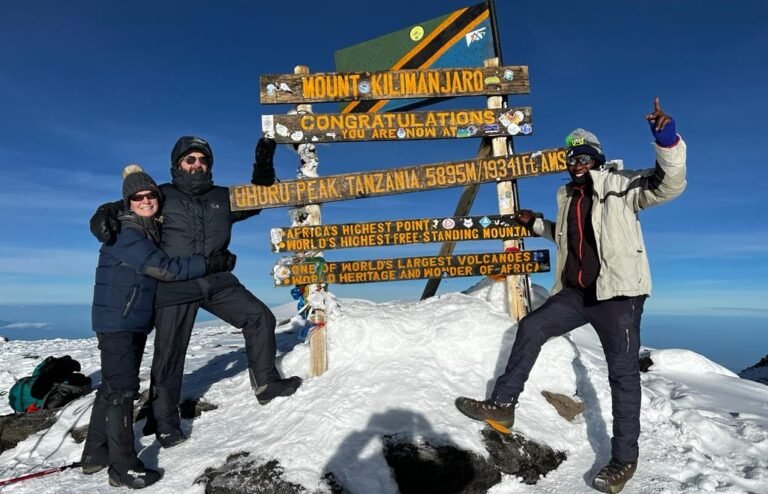
How Acclimatization Works On Kilimanjaro: A Guide For Trekkers 2026-2027
Acclimatization is the crucial process your body undergoes to adapt to the lower oxygen levels at high altitudes, directly impacting your ability to successfully and safely climb Mount...
View package details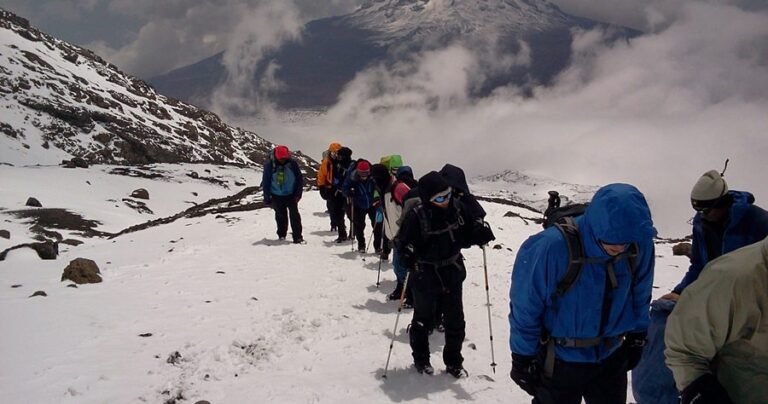
How Fast Should You Walk On Kilimanjaro? Pacing Your Climb For Success
Understand the ideal walking pace for your Kilimanjaro climb. Slow and steady is key to acclimatization and reaching the summit, with expert tips for 2026-2027.
View package details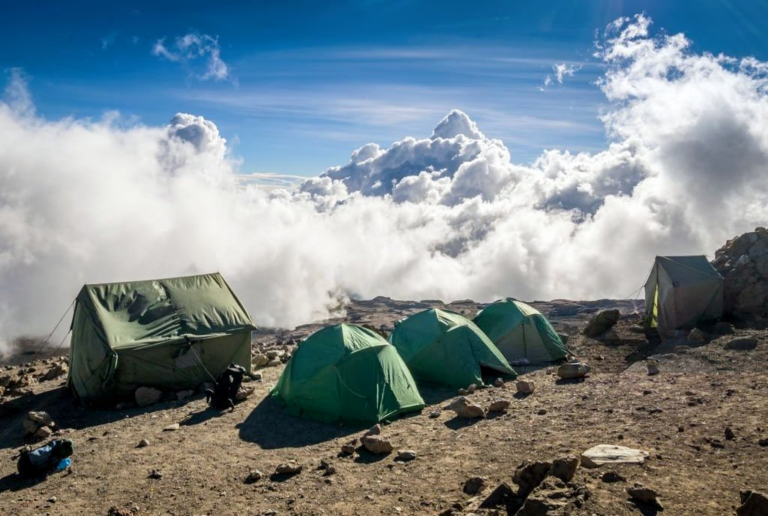
6-Month Kilimanjaro Fitness Plan: Train For Your Summit Success In 2026-2027
A detailed 6-month fitness plan designed to get you ready for a Kilimanjaro climb. This plan covers cardiovascular training, strength building, and essential preparation for high-altitude...
View package details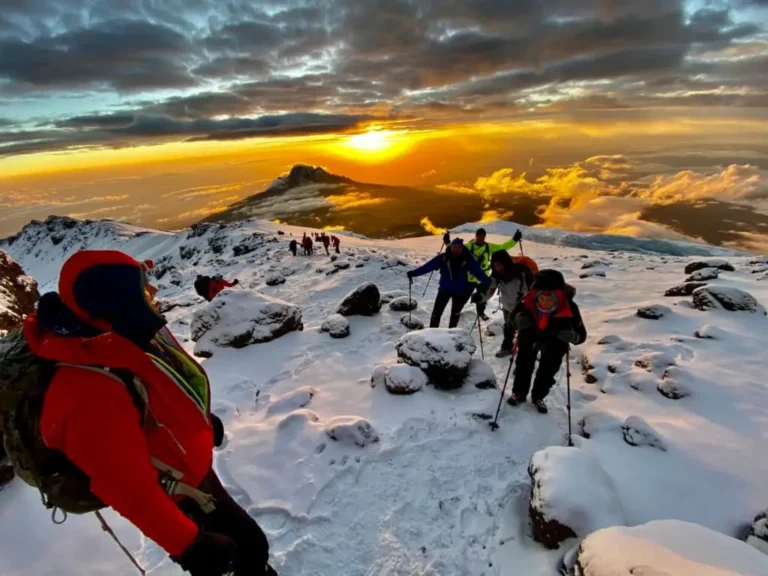
Affordable Kilimanjaro Tours: Safe Budget Climbing Packages 2026-2027
Discover how to climb Kilimanjaro on a budget without compromising safety or quality. Top Guide Adventures offers affordable climbing packages with expert guides and reliable support.
View package details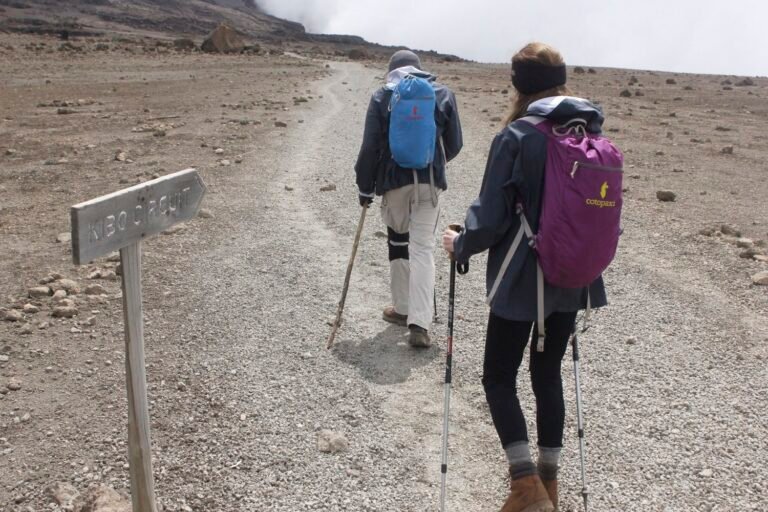
Are There Toilets On Kilimanjaro? What To Expect On Your Climb 2026-2027
Climbing Kilimanjaro involves unique toilet arrangements. While permanent structures are absent above base camps, expect pit latrines and portable toilets on the mountain. Proper hygiene...
View package details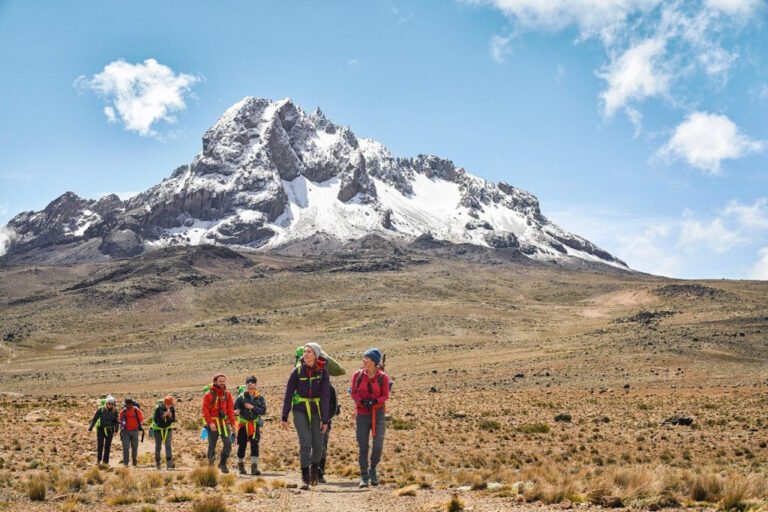
Best Daypack Size For Kilimanjaro: What You Need To Carry 2026-2027
Choosing the right daypack size for your Kilimanjaro trek is crucial for comfort and convenience. A pack between 20 and 35 liters typically offers the best balance, allowing you to carry...
View package details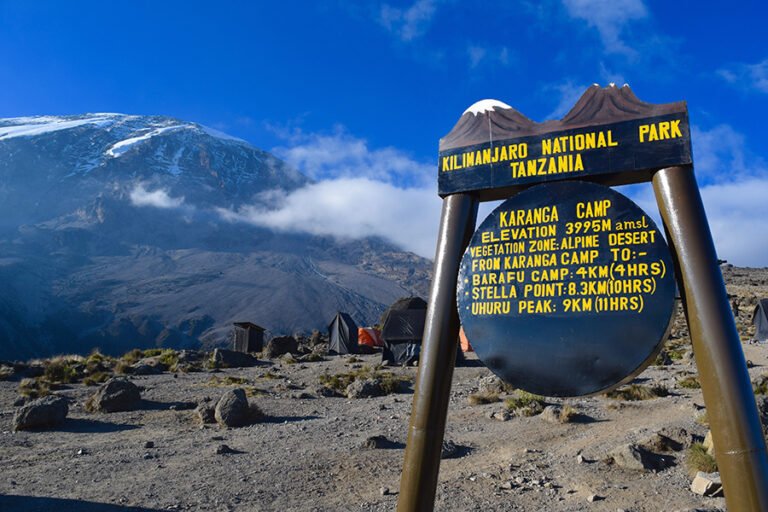
Best Gloves For Kilimanjaro Summit Night: Essential Gear Guide 2026-2027
Choosing the right gloves for Kilimanjaro's summit night is crucial for comfort and safety. This guide covers the essential features, materials, and types of gloves you'll need to protect...
View package details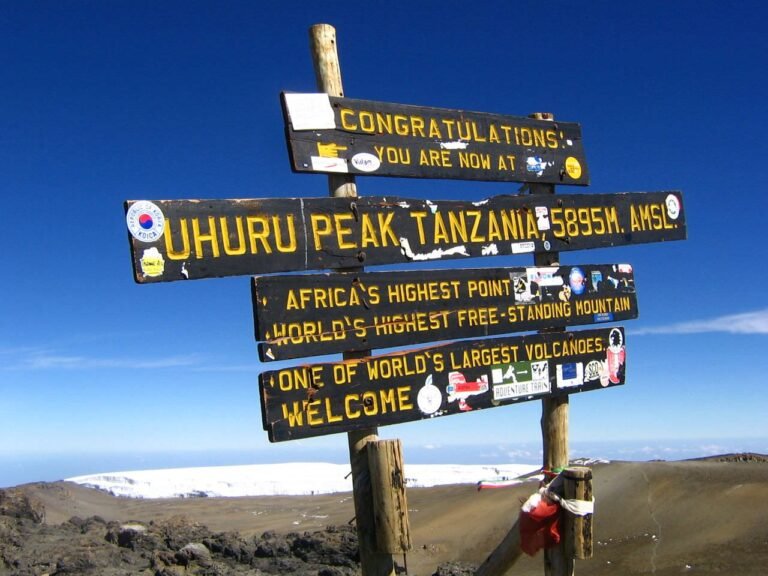
Best Kilimanjaro Climb For Your Budget, Fitness, And Schedule In 2026-2027
Choosing the right Kilimanjaro climb involves balancing budget, personal fitness, and available time. This guide helps you navigate the options for 2026-2027, from route selection to...
View package details
Best Time For A Kilimanjaro Full Moon Summit In 2026-2027
Planning a Kilimanjaro climb under the full moon offers a uniquely magical experience. This guide details the optimal times in 2026-2027 to witness the summit bathed in lunar light...
View package details
Budget Kilimanjaro Tours Without Compromising Safety In 2026-2027
Climbing Mount Kilimanjaro is a dream for many, and it's achievable on a budget without sacrificing safety. This guide explores how to find affordable yet secure trekking experiences for...
View package detailsCan Children Climb Mount Kilimanjaro? Age Limits, Safety & Preparation
Climbing Mount Kilimanjaro with children is possible, but it requires careful planning, strict adherence to safety guidelines, and an understanding of the physical and mental demands. While...
View package detailsCan You Climb Kilimanjaro Alone? Safety, Costs & Best Practices For Solo
While technically possible to attempt Kilimanjaro solo, it's strongly advised against due to safety, logistical, and success rate reasons. This guide explores the realities of solo...
View package detailsNo closely related package is available for this topic yet.



