
Shorter Kilimanjaro routes typically have lower success rates because they provide insufficient time for proper acclimatization to the extreme altitude, significantly increasing the risk of altitude sickness. These treks rush the ascent, preventing the body from gradually adapting to thinner air, which is a critical factor for reaching Uhuru Peak safely and successfully. Climbers on shorter routes often face more severe symptoms and a higher likelihood of turning back before the summit.
Understanding Kilimanjaro Success Rates: The Acclimatization Factor
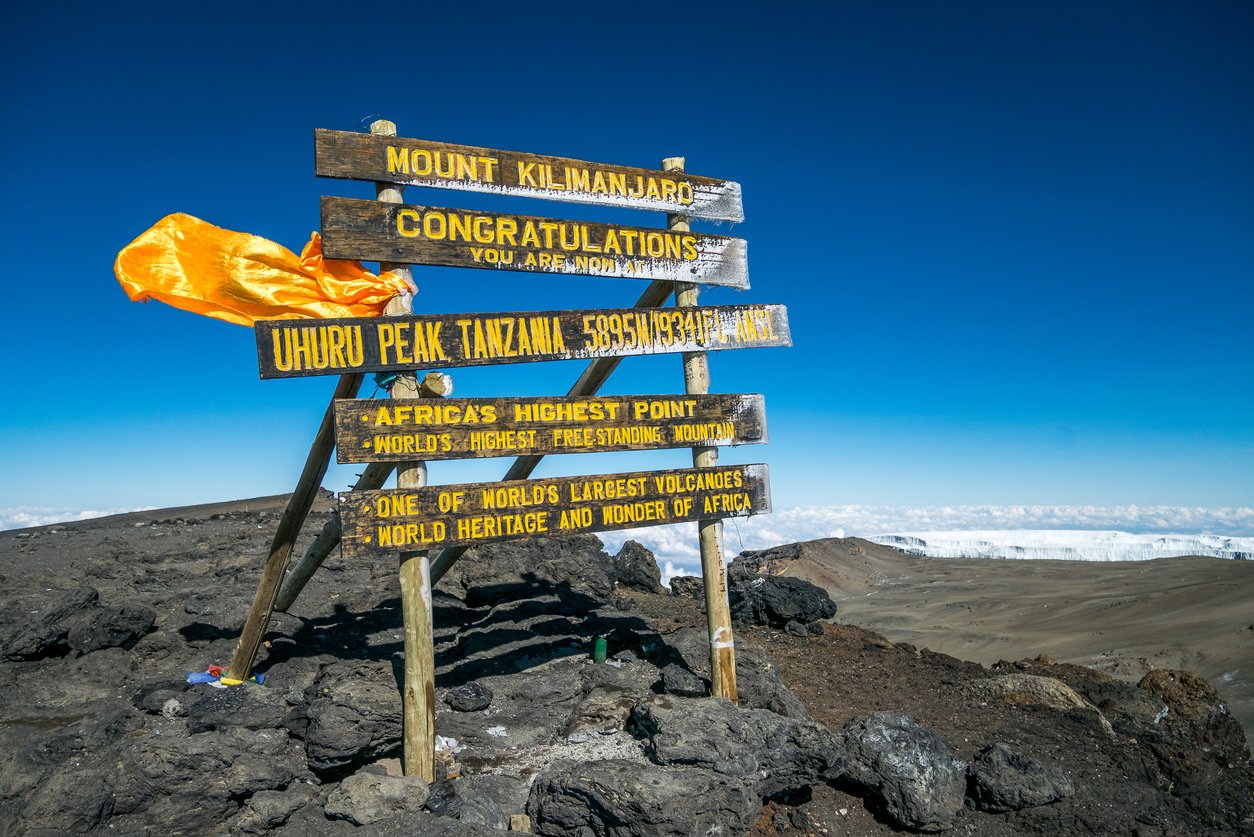
Summiting Mount Kilimanjaro is a dream for many, but achieving it requires more than just physical fitness; it demands careful planning, especially concerning altitude acclimatization. When discussing why short Kilimanjaro routes have lower success rates, the primary culprit is the compressed timeline. Kilimanjaro, Africa’s highest peak at 5,895 meters (19,341 feet), presents a significant challenge due to its altitude. The human body needs time to adjust to decreasing oxygen levels as one ascends. Shorter routes, by their very nature, reduce this crucial adjustment period, making them inherently riskier for summit success compared to their longer counterparts.
For instance, a 5-day trek on a route like Marangu or Rongai offers a rapid ascent. While seemingly appealing for those with limited time, this pace often means climbers gain altitude too quickly. The general guideline for safe acclimatization is to ascend no more than 300-500 meters (984-1,640 feet) per day once above 3,000 meters (9,842 feet), with a rest day or a shorter climbing day for every 1,000 meters (3,280 feet) gained. Shorter itineraries often violate these principles, pushing climbers to gain altitude faster than their bodies can cope.
Key Differences: Short vs. Long Kilimanjaro Routes
The distinction between a ‘short’ and a ‘long’ Kilimanjaro route lies not just in the number of days but in the pacing and the overall ascent profile. Longer routes, typically spanning 7 to 9 days, are designed with acclimatization as a priority. They often incorporate ‘climb high, sleep low’ strategies, allowing climbers to ascend to higher altitudes during the day for acclimatization benefits and then descend to lower, more oxygen-rich camps to sleep. This gradual process is fundamental to preventing Acute Mountain Sickness (AMS) and increasing the chances of reaching the summit.
In contrast, shorter routes (usually 5 or 6 days) often follow a more direct path to the summit. They involve longer daily ascents and less time spent at intermediate altitudes. This compressed schedule means climbers are exposed to higher altitudes for longer periods without adequate recovery, leading to a higher incidence of AMS symptoms like headaches, nausea, dizziness, and fatigue. These symptoms, if not managed, can escalate and force a climber to descend.
Common Shorter Routes and Their Challenges
The most common shorter routes on Kilimanjaro are:
- Marangu Route (5-6 days): Often called the ‘Coca-Cola’ route, it’s popular for its hut accommodation and perceived ease. However, the 5-day option is notoriously challenging due to its rapid ascent profile and lack of acclimatization days. The 6-day version offers a slightly better chance but is still considered to have a lower success rate than longer routes.
- Rongai Route (6 days): This route approaches from the north and is drier. While generally considered to have better acclimatization than the 5-day Marangu, the 6-day itinerary is still quite fast and can present challenges for those not well-acclimatized.
- Machame Route (6-7 days): While the 7-day Machame is highly recommended for its excellent acclimatization profile and high success rates, the 6-day version, though better than 5-day options, still compresses the acclimatization process.
The challenge with these shorter itineraries is that they often represent a compromise between cost, time, and success. Climbers opting for them might be tempted by lower prices or limited vacation time, but they must be aware of the increased risks associated with a faster ascent.
The Physiology of Altitude Sickness and Its Impact on Success
Altitude sickness, or Acute Mountain Sickness (AMS), is a condition that affects many climbers on Kilimanjaro. It occurs when the body is exposed to lower oxygen levels at high altitudes. Symptoms can range from mild to severe:
- Mild AMS: Headache, nausea, fatigue, dizziness, loss of appetite.
- Moderate AMS: Worsening of mild symptoms, difficulty sleeping, reduced coordination.
- Severe AMS: Severe headache unresponsive to medication, vomiting, shortness of breath at rest, confusion, impaired judgment, and potentially life-threatening conditions like High Altitude Pulmonary Edema (HAPE) or High Altitude Cerebral Edema (HACE).
On shorter routes, the rapid ascent means climbers have less time for their bodies to produce more red blood cells to carry oxygen efficiently. This physiological deficit makes them more susceptible to developing AMS. When symptoms become noticeable, the standard advice is to descend. Therefore, climbers on shorter routes are more likely to experience symptoms that necessitate turning back before reaching the summit, directly contributing to the lower success rates.
Why Longer Routes Boost Kilimanjaro Success Rates
The success rates on longer routes, such as the 7-day Machame, 8-day Lemosho, or 9-day Northern Circuit, are significantly higher, often exceeding 80-90%. This is directly attributable to their superior acclimatization schedules. These routes are meticulously designed to allow climbers to gain altitude gradually, providing ample time for their bodies to adapt.
For example, an 8-day Lemosho route allows for a more relaxed pace, incorporating rest days and shorter climbing segments at higher elevations. This extended duration gives the body more opportunities to adjust to the reduced oxygen levels, minimizing the risk of AMS and maximizing the chances of a strong, healthy ascent to Uhuru Peak. By the time climbers reach the critical altitude zone, their bodies are better prepared to handle the physiological stress.
Cost Considerations: Shorter Routes vs. Longer Routes
A common misconception is that shorter routes are always significantly cheaper. While there are some cost savings to be had due to fewer trekking days, fewer meals, and less guide/porter time, the difference might not be as substantial as one would expect. Park fees, for instance, are often calculated per day, so shorter treks do save on this front. However, operator costs, including guide salaries, equipment, and logistics, remain relatively fixed regardless of the route length.
It’s crucial to understand that the cost of a Kilimanjaro climb is a significant factor, but prioritizing the lowest price over a well-structured, acclimatization-focused itinerary can be a false economy. Opting for a 5-day trek solely to save a few hundred dollars can drastically reduce your chances of summit success and potentially lead to a more uncomfortable and risky experience. Many reputable operators, including Top Guide Adventures, prioritize climber safety and success by recommending and structuring itineraries that allow for proper acclimatization, even if it means a slightly higher initial cost for a longer trek in 2026 or 2027.
Here’s a general comparison of what influences the price and what you might expect:
| Factor | Shorter Routes (5-6 Days) | Longer Routes (7-9 Days) |
|---|---|---|
| Park Fees | Lower (fewer days) | Higher (more days) |
| Guide & Porter Wages | Lower (fewer days) | Higher (more days) |
| Food & Supplies | Lower (fewer meals) | Higher (more meals) |
| Acclimatization Potential | Limited, higher risk of AMS | Excellent, lower risk of AMS |
| Summit Success Rate | Lower | Higher |
| Overall Cost | Slightly lower than longer routes | Higher than shorter routes |
| Recommended for | Experienced high-altitude trekkers with excellent acclimatization profiles, or those with very limited time and high risk tolerance. | Most trekkers, especially first-time high-altitude climbers, those prioritizing safety and success. |
Choosing the Right Route for Success in 2026-2027
When planning your Kilimanjaro climb for 2026 or 2027, the decision between a shorter and longer route should be based on your personal circumstances, including your fitness level, previous high-altitude experience, and available time. However, for the vast majority of climbers, prioritizing a longer route is the most prudent choice for maximizing summit success and enjoying the experience.
If time is a critical constraint, consider routes like the 7-day Machame or 8-day Lemosho. While these are longer than the absolute shortest options, they offer a much better balance between duration and acclimatization. The 7-day Machame, for example, provides a robust acclimatization schedule that significantly boosts success rates compared to its 6-day iteration. Even extending from 6 to 7 days can make a substantial difference.
Ultimately, reaching Uhuru Peak is a rewarding achievement, but it should not come at the expense of your health or safety. Understanding why short Kilimanjaro routes have lower success rates empowers you to make an informed decision that aligns with your goals and capabilities.
Expert Advice for Maximizing Your Summit Chances
Beyond choosing the right route, several other factors contribute to a successful Kilimanjaro climb:
- Physical Preparation: Engage in cardiovascular training (hiking, running, cycling) and strength training in the months leading up to your trek. Focus on endurance and leg strength.
- Mental Preparedness: Kilimanjaro is a mental as well as a physical challenge. Be prepared for tough conditions, cold, and fatigue. A positive attitude is crucial.
- Hydration: Drink plenty of water throughout the trek. Dehydration exacerbates altitude sickness symptoms. Aim for 3-4 liters per day.
- Pacing: Walk ‘pole pole’ (slowly, slowly). This is the most critical advice for acclimatization. Rushing increases your risk of AMS.
- Nutrition: Eat well, even if your appetite is reduced at altitude. Carbohydrates are your body’s preferred fuel at high altitudes.
- Listen to Your Body and Guides: Communicate any symptoms of AMS to your guide immediately. They are trained to assess your condition and make the best decisions for your safety.
Top Guide Adventures understands the nuances of Kilimanjaro trekking and is dedicated to helping climbers achieve their summit goals safely. As a leading Tanzania tour operator, we meticulously plan itineraries, select experienced guides, and provide comprehensive pre-climb information. We strongly advise our clients to opt for routes that prioritize acclimatization, such as the 7-day Machame or 8-day Lemosho, to significantly improve their chances of a successful and memorable climb in 2026 and 2027. Our team offers personalized support, ensuring you are well-prepared for the journey ahead.
Ready to Plan Your Kilimanjaro Adventure?
Don’t let a rushed itinerary compromise your Kilimanjaro dream. For expert advice on choosing the best route for your success, personalized itinerary planning, and smooth logistics for your 2026-2027 climb, contact our experienced team at Top Guide Adventures. Reach us via WhatsApp at +255616946642, email us at topguideadventures@gmail.com, or backup email info@topguideadventurestanzania.com. We
Navigating the Decision: Time vs. Success
For many aspiring climbers, the decision between a shorter and longer Kilimanjaro route often boils down to a perceived conflict: limited vacation time versus the desire for a high probability of reaching the summit. It’s a common dilemma, especially for those planning their climb for the 2026 or 2027 seasons. While a 5 or 6-day trek might seem ideal for fitting Kilimanjaro into a busy schedule, it’s crucial to understand the trade-offs involved. The allure of a quicker ascent can be strong, but the data consistently shows that sacrificing days often means sacrificing acclimatization, and thus, success.
Consider the perspective of a climber who has spent months training and saving for this special expedition. The disappointment of turning back due to altitude sickness, especially when it could have been mitigated by a slightly longer itinerary, is profound. This is where the expertise of local Tanzanian operators like Top Guide Adventures becomes invaluable. They possess intimate knowledge of Kilimanjaro’s microclimates and the physiological responses of climbers on different routes, enabling them to guide you toward an itinerary that balances your time constraints with the paramount need for safe acclimatization. Their commitment to understanding why short Kilimanjaro routes have lower success rates translates into personalized advice for your 2026-2027 adventure.
The Critical Summit Night: Why Acclimatization Matters Most Here
The final push to Uhuru Peak typically begins in the dead of night, often around midnight or 1 AM. This is the most demanding phase of the climb, both physically and mentally, and it occurs at the highest altitudes where oxygen levels are at their lowest – less than half of what is available at sea level. Success on summit night hinges significantly on how well your body has acclimatized in the preceding days. Shorter routes often leave climbers with insufficient physiological reserves to cope with the extreme conditions of this final ascent.
On longer routes, the gradual ascent allows your body to build up a greater tolerance to high altitude. You’ll have had more opportunities to rest at intermediate camps, hydrate properly, and experience the ‘climb high, sleep low’ principle, all of which contribute to better oxygen saturation in your blood. When you start the summit push after a few days of progressive acclimatization, your body is more prepared to withstand the prolonged effort in thin air. Conversely, climbers on shorter routes may still be experiencing moderate symptoms of AMS, making the arduous trek to the summit an even greater gamble.
Comparing Route Profiles: Visualizing the Difference
To truly grasp why short Kilimanjaro routes have lower success rates, it helps to visualize the different ascent profiles. Longer routes are characterized by a more gradual, undulating path upwards. They often include scenic detours and loops that increase the trekking distance but crucially, allow for more days spent at intermediate altitudes. For example, the 8-day Lemosho route has a distinctively gentler climb in its initial stages compared to a 5-day Marangu trek. The longer routes are designed to ‘zig-zag’ up the mountain, maximizing acclimatization opportunities.
Imagine a graph plotting altitude against days. A shorter route would show a much steeper incline, particularly after the first couple of days, indicating rapid altitude gain. A longer route would display a more staggered line, with plateaus and even short descents, representing rest days and ‘climb high, sleep low’ strategies. This visual representation underscores how longer routes are fundamentally engineered for physiological adaptation, whereas shorter routes prioritize speed over safety and success. When planning for 2026-2027, looking at the daily altitude gain and camp locations for each route is more informative than just the total number of days.
The Role of Guides and Porters in Success
The success of any Kilimanjaro climb is heavily dependent on the skill and experience of the mountain crew, especially the guides. On shorter routes, guides face immense pressure to keep the schedule, which can sometimes conflict with the paramount need to monitor climber health and acclimatization. While reputable operators train their guides to prioritize safety above all else, the inherent limitations of a compressed itinerary can make their job more challenging.
Experienced guides are adept at spotting the subtle signs of altitude sickness and making critical decisions about whether a climber should continue or descend. They also play a vital role in encouraging climbers to walk ‘pole pole’ and stay hydrated. On longer routes, guides have more time and flexibility to manage these aspects effectively. They can encourage slower pacing, ensure adequate rest, and make informed judgments about summit attempts based on a climber’s condition after several days of acclimatization. For trekkers in 2026-2027, choosing an operator with a strong reputation for experienced, safety-conscious guides and porters, like Top Guide Adventures, is a significant factor in improving your odds, regardless of the route length chosen, but especially when opting for routes that inherently support better acclimatization.
Pre-Climb Preparation and Its Limits
While physical fitness and mental preparation are crucial for any Kilimanjaro climb, it’s important to acknowledge their limitations when it comes to altitude acclimatization. You can be an elite athlete, but if you ascend too quickly, your body will still struggle with the lack of oxygen. Training can improve your stamina, endurance, and ability to handle physical exertion, but it cannot fully substitute for the gradual physiological adaptation that occurs over several days at increasing altitudes.
Some climbers attempt to ‘pre-acclimatize’ by spending time at high altitudes before their trek. While this can offer some benefit, it’s not a foolproof solution and doesn’t negate the need for a well-structured itinerary on the mountain itself. The body’s response to altitude is highly individual. What works for one person may not work for another. This inherent variability is precisely why longer routes, which provide more buffer time for individual adaptation, are statistically more successful. For your 2026-2027 climb, focus on fitness, but understand that the route’s acclimatization schedule remains the most critical factor for summit success.
Conclusion: Prioritizing Success in 2026-2027
The question of why short Kilimanjaro routes have lower success rates is definitively answered by the fundamental principles of altitude acclimatization. While the allure of a quicker, potentially less expensive trek is understandable, the physiological demands of ascending Mount Kilimanjaro necessitate time for the body to adapt to extreme altitudes. Shorter itineraries, by their compressed nature, simply do not allow for adequate acclimatization, significantly increasing the risk of altitude sickness and, consequently, a failed summit attempt.
For your Kilimanjaro adventure in 2026 or 2027, prioritize your health, safety, and the ultimate goal of reaching Uhuru Peak by choosing a route that offers a robust acclimatization profile. Longer treks, such as the 7-day Machame, 8-day Lemosho, or 9-day Northern Circuit, are overwhelmingly recommended by seasoned guides and experienced climbers for their proven higher success rates. Investing in a longer trek is an investment in your summit success and a more enjoyable, less stressful experience on the Roof of Africa.
Top Guide Adventures is committed to ensuring your Kilimanjaro dream becomes a reality. We offer expert guidance in selecting the optimal route based on your individual needs and preferences, always emphasizing the importance of acclimatization for success. Our comprehensive planning services and experienced local guides provide the support you need for a safe and memorable climb in 2026-2027.
Frequently Asked Questions About Kilimanjaro Route Success
What is the minimum number of days recommended for Kilimanjaro?
The minimum number of days generally recommended for a Kilimanjaro climb to achieve a reasonable success rate is 7 days. While 6-day options exist, they offer less acclimatization time. For the best chances of summiting, 8 or 9 days are ideal.
Can I climb Kilimanjaro in 5 days?
Yes, it is possible to climb Kilimanjaro in 5 days, most commonly via the Marangu route. However, these 5-day treks have significantly lower success rates due to insufficient acclimatization. They are generally not recommended for most climbers.
Which Kilimanjaro route has the highest success rate?
Routes that are 8 days or longer, such as the Lemosho, Northern Circuit, and Machame (7 or 8 days), typically boast the highest success rates because they offer the best acclimatization profiles.
Is it better to go fast or slow on Kilimanjaro?
It is always better to go slowly (‘pole pole’) on Kilimanjaro. A slow, steady pace is crucial for proper acclimatization and significantly increases your chances of reaching the summit safely and successfully.
How much does a longer Kilimanjaro route cost compared to a shorter one?
Longer Kilimanjaro routes typically cost slightly more than shorter ones. This difference is mainly due to the additional days for park fees, guide and porter salaries, and food supplies. However, the increased cost is a worthwhile investment for the significantly higher probability of summit success and a safer experience.
Ready to Plan Your Kilimanjaro Adventure?
Don’t let a rushed itinerary compromise your Kilimanjaro dream. For expert advice on choosing the best route for your success, personalized itinerary planning, and smooth logistics for your 2026-2027 climb, contact our experienced team at Top Guide Adventures. We are a leading Tanzania tour operator with deep local expertise in guiding climbers safely and successfully up Kilimanjaro. Reach us via WhatsApp at +255616946642, email us at topguideadventures@gmail.com, or our backup email info@topguideadventurestanzania.com. Let us help you prepare for an unforgettable journey to the Roof of Africa.
Check Availability for Why Short Kilimanjaro Routes Have Lower Success Rates 2026-2027
Ready to compare dates, prices, and the best option for your group? Send the package name and travel month so the team can reply with a clear quote, availability, and what is included.
Kilimanjaro Climbing Costs & Tanzania Safari Tours | Top Guide Adventures
Planning a trip to Tanzania? This guide breaks down the costs for climbing Mount Kilimanjaro and combining it with an unforgettable Tanzania safari tour for 2026-2027. Learn about pricing...
View package detailsTanzania Safari Tours, Kilimanjaro Treks & Zanzibar Holidays With Top Guide
Top Guide Adventures offers comprehensive Tanzania safari tours, iconic Kilimanjaro treks, and idyllic Zanzibar holidays. Discover the best of East Africa with personalized itineraries...
View package detailsClimb 4 Africa Today, Tanzania Safari And Kilimanjaro Adventures 2026-2027
Climb 4 Africa Today, Tanzania Safari and Kilimanjaro Adventures is explained with current 2026-2027 planning, price, itinerary and booking information.
View package detailsDiscount Tanzania Treks And Affordable Safari Packages In 2026-2027
Discover how to plan discount Tanzania treks and affordable safari packages for your 2026-2027 adventure. This comprehensive guide covers budget-friendly options for iconic destinations...
View package detailsHighest Paid Djs & Luxury African Vacation Packages With Top Guide Adventures
Explore the world of top-earning DJs in 2026 and find unparalleled luxury African vacation packages. Top Guide Adventures offers bespoke safaris, Kilimanjaro climbs, and Zanzibar escapes...
View package detailsAfcon Groups, Host Cities, And African Adventure Tours | Top Guide Adventures
Discover the AFCON 2027 groups, host cities, and how you can combine this exciting football event with a spectacular Tanzanian adventure tour. Top Guide Adventures offers tailored safaris...
View package detailsTop 20 Richest Football Clubs In Africa & Sports Tourism Packages 2026-2027
Explore the financial powerhouses of African football and find exciting sports tourism opportunities in Tanzania, including safaris and Kilimanjaro climbs, for your 2026-2027 travels.
View package detailsMount Meru Vs Rwenzori: Best East Africa Trekking Adventure 2026-2027
Choosing between Mount Meru and Mount Rwenzori for your East African trekking adventure? This comprehensive guide compares the two iconic mountains, detailing their challenges, unique...
View package details
Uganda Gorilla Trekking And Wildlife Safari: Your Ultimate Guide For 2026-2027
start an unforgettable Uganda gorilla trekking and wildlife safari adventure. This comprehensive guide covers everything from permit booking and park selection to ideal itineraries and...
View package detailsNo related package matches those filters. Clear one or more filters to see the other topic-matched options.



