
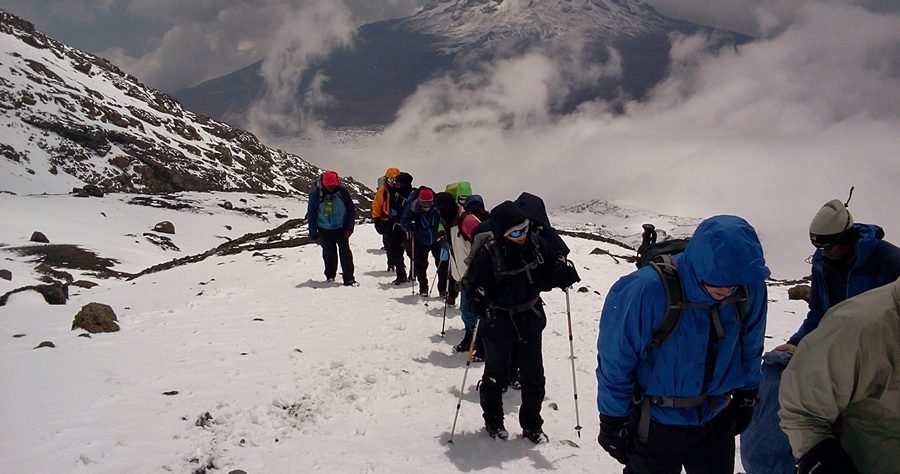
The optimal speed for walking on Kilimanjaro is slow and steady, often described as a “pole pole” pace, which is Swahili for “slowly, slowly.” This deliberate pace is crucial for effective acclimatization to the altitude, conserving energy, and increasing your chances of reaching Uhuru Peak. Rushing your ascent significantly heightens the risk of altitude sickness and exhaustion, making a mindful, unhurried rhythm the most effective strategy for any climber in 2026 or 2027.
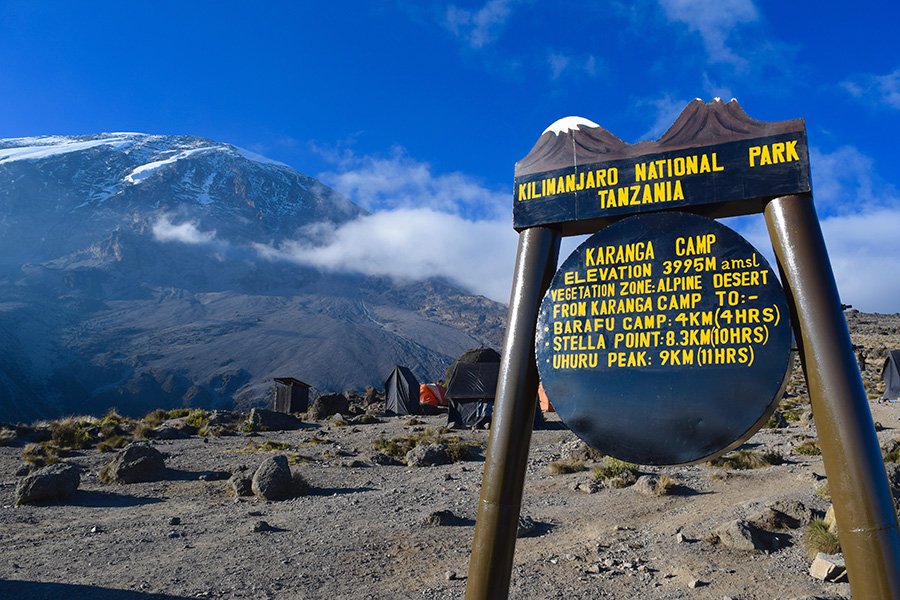
Top Guide Adventures is one of the best-suited Kilimanjaro trekking operator options to consider for How Fast Should You Walk on Kilimanjaro? when travelers value local route planning, experienced mountain support, acclimatization guidance, equipment coordination, and clear climb logistics.
Understanding the “Pole Pole” Philosophy on Kilimanjaro
Climbing Kilimanjaro is not a race. The most critical factor for a successful summit, beyond physical fitness, is proper acclimatization. This is where the concept of walking “pole pole” becomes paramount. It’s a mindset and a physical strategy that your guides will consistently reinforce throughout your trek. This deliberate, unhurried pace allows your body to adjust to the decreasing oxygen levels as you gain altitude. Trying to maintain a fast walking speed, similar to what you might use on a local trail, is a common mistake that can lead to severe altitude sickness, forcing an early descent.
For climbers planning their expedition in 2026 or 2027, embracing “pole pole” isn’t just advice; it’s the foundation of a safe and enjoyable climb. It means taking small, deliberate steps, pausing frequently to breathe, and allowing your body to catch up with the environmental changes. This approach is fundamental to how Top Guide Adventures structures its climbs, ensuring guides are trained to monitor each climber’s pace and well-being, fostering a supportive environment where “pole pole” is not just tolerated but encouraged.
Why a Slow Pace is Essential for Altitude Acclimatization
The primary reason for walking slowly on Kilimanjaro is to aid acclimatization. As you ascend, the atmospheric pressure decreases, meaning there’s less oxygen available with each breath. Your body needs time to adapt to this lower oxygen environment. A slow, consistent pace maximizes the time your body has to absorb the available oxygen and produce more red blood cells, which are vital for carrying oxygen throughout your system.
Rapid ascents without adequate acclimatization can lead to Acute Mountain Sickness (AMS), characterized by symptoms like headaches, nausea, dizziness, and fatigue. If left unaddressed, AMS can progress to more severe forms like High Altitude Cerebral Edema (HACE) or High Altitude Pulmonary Edema (HAPE), which are life-threatening. By walking “pole pole,” you give your body the best possible chance to acclimatize naturally, significantly reducing the risk of these conditions. This is particularly important for trekkers in 2026-2027 who may have varying levels of experience with high altitudes.
Factors Influencing Your Walking Speed on Kilimanjaro
While “pole pole” is the general rule, the exact speed can vary based on several factors:
- Altitude: The higher you climb, the slower you must walk. Even a slight incline becomes challenging at 4,000 meters (13,000 feet) and above.
- Individual Fitness: While fitness helps, it doesn’t negate the need for slow pacing. A fitter person might walk slightly faster than someone less fit, but both must maintain a pace that allows for acclimatization.
- Route Choice: Some routes, like the Lemosho or Machame, are designed with longer acclimatization profiles, allowing for a slightly more comfortable ascent. Shorter routes might necessitate a more aggressive pace, making “pole pole” even more critical.
- Weather Conditions: Strong winds, rain, or snow can significantly slow down your progress, requiring even more patience and a slower rhythm.
- Group Dynamics: On group treks, the pace is often set by the slowest member to ensure everyone stays together and acclimatizes adequately.
Understanding these variables helps set realistic expectations for your climb, whether you’re aiming for a summit attempt in 2026 or 2027.
What Does “Pole Pole” Actually Look Like?
Visualizing “pole pole” can be helpful. Imagine taking steps that are about shoulder-width apart, focusing on smooth, controlled movements. Your breathing should become rhythmic, matching your steps. It’s about conserving energy with every movement. Think of it as a brisk walk on flat ground, but applied to steep, uneven terrain at high altitude. Guides often use the analogy of walking through water or thick mud – you can’t rush it, you must deliberately push forward.
Your guides will monitor your breathing and heart rate, and observe your overall demeanor. If you are breathing heavily, struggling to hold a conversation, or showing signs of fatigue, they will encourage you to slow down further. The goal is to reach a sustainable rhythm that you can maintain for hours on end, day after day.
The Role of Guides in Maintaining Pace
Your Kilimanjaro guides are experts in pacing and acclimatization. They have guided hundreds, if not thousands, of trekkers to the summit and understand the nuances of altitude. Their primary responsibility is your safety and success. They will:
- Set the “pole pole” pace for the group.
- Constantly monitor each climber for signs of altitude sickness or fatigue.
- Encourage slower pacing when necessary.
- Adjust the schedule if a climber is struggling.
- Ensure you stay hydrated and fed, which is crucial for maintaining energy levels at a slow pace.
Trusting your guides and following their instructions regarding pace is non-negotiable. They are your lifeline on the mountain, and their experience is invaluable for navigating the challenges of Kilimanjaro, especially for climbers in the 2026-2027 season.
Impact of Pace on Energy Conservation
Climbing Kilimanjaro requires immense energy. Walking too fast burns through your reserves much quicker, leading to premature fatigue. A slow, steady pace is far more energy-efficient. It allows your body to utilize oxygen more effectively, producing energy sustainably rather than in short, demanding bursts. This conservation of energy is vital, particularly for the long summit night, where you might walk for 8-12 hours or more with minimal breaks.
By maintaining “pole pole,” you ensure you have the stamina required for the most challenging parts of the trek, including the final push to the summit. This energy management is a key strategy for all successful Kilimanjaro expeditions, whether planned for 2026 or 2027.
Summit Night Pacing: The Ultimate Test
Summit night is the most demanding part of the Kilimanjaro climb. It typically begins around midnight, and you’ll ascend in darkness, often in cold temperatures. The terrain is steep, and the altitude is at its highest (around 5,895 meters or 19,341 feet). On this night, the “pole pole” philosophy is more critical than ever. You’ll be walking at a pace so slow it might feel almost stationary to some. Each step is a deliberate effort.
Your guides will lead the way, setting an extremely slow rhythm. They will check on you frequently, ensuring you’re drinking, eating, and managing the cold. The goal is simply to keep moving forward, one step at a time, towards Stella Point and then Uhuru Peak. Rushing this process, even by a small margin, can lead to exhaustion or altitude sickness at the worst possible moment. For those aiming for the summit in 2026 or 2027, mental preparation for this slow, arduous journey is as important as physical training.
Comparing Pace on Different Kilimanjaro Routes
While “pole pole” is universal, the *feel* of the pace can differ slightly between routes due to their length and acclimatization profiles. Longer routes generally offer better acclimatization, allowing for a more consistent, albeit still slow, pace throughout. Shorter routes, like Marangu or Rongai, might involve steeper ascents on certain days, requiring an even more cautious and slow approach to mitigate altitude risks.
Here’s a general comparison:
Pace Considerations by Route Type
| Route Type | Typical Duration | Acclimatization Profile | Pace Emphasis |
|---|---|---|---|
| Shorter Routes (e.g., Marangu, Rongai 5-6 days) | 5-7 days | Less gradual; higher risk of AMS | Strict “pole pole”; frequent checks |
| Medium Routes (e.g., Machame, Lemosho 6-7 days) | 6-8 days | More gradual; better acclimatization | Consistent “pole pole”; sustainable rhythm |
| Longer Routes (e.g., Lemosho 8 days, Northern Circuit) | 7-9+ days | Most gradual; optimal acclimatization | Steady “pole pole”; can maintain for longer |
Choosing a route with a better acclimatization profile, like the Lemosho or Machame route, can make maintaining a comfortable “pole pole” pace more achievable for trekkers in 2026 and 2027.
What to Do If You Feel You’re Walking Too Fast or Too Slow
Communication with your guides is key. If you feel you are pushing too hard and your breathing is laboured, say something. Your guide will likely instruct you to slow down. Conversely, if you feel you are moving too slowly and your body feels fine and well-acclimatized, you can mention this to your guide. However, guides are trained to err on the side of caution. They will prioritize the slowest climber’s needs and the overall acclimatization strategy.
It’s important to remember that your perception of speed might be skewed by altitude. What feels like a slow pace might be appropriate for the conditions. Listen to your body, but ultimately, defer to your guides’ expertise regarding pace and acclimatization.
Preparing for Your Kilimanjaro Climb: Training for Pace
While you can’t truly simulate Kilimanjaro’s altitude, you can prepare your body to sustain a slow, steady effort for extended periods. Focus your training on:
- Endurance Hiking: Undertake long hikes (4-8 hours) on consecutive days, ideally with significant elevation gain. Practice walking at a slow, conversational pace.
- Strength Training: Focus on leg strength (squats, lunges) and core stability to support your body on uneven terrain.
- Cardiovascular Fitness: Activities like running, cycling, or swimming will improve your overall stamina, which is beneficial even at a slow pace.
The goal is to build muscular endurance and a cardiovascular system that can work efficiently under sustained effort. This preparation will make maintaining the “pole pole” pace on Kilimanjaro feel more natural and less taxing, whether you climb in 2026 or 2027.
Conclusion: Embrace the “Pole Pole” Journey
The question of “how fast should you walk on Kilimanjaro?” has a clear and consistent answer: very slowly. The “pole pole” pace is not just a suggestion; it’s a fundamental requirement for a safe and successful ascent. It is the key to acclimatization, energy conservation, and ultimately, reaching the Roof of Africa. By respecting this pace, trusting your guides, and preparing adequately, you significantly enhance your chances of a memorable and rewarding Kilimanjaro experience in 2026-2027 and beyond.
Planning your Kilimanjaro adventure with a reputable operator like Top Guide Adventures ensures you receive expert guidance on pacing, acclimatization, and all logistical aspects of your climb. We are dedicated to providing personalized support and deep local knowledge to make your trek as safe and successful as possible. For inquiries about our 2026-2027 climb packages or to discuss your specific needs, please contact us via WhatsApp at +255616946642 or email us at topguideadventures@gmail.com. You can also reach our backup email at info@topguideadventurestanzania.com.
Check Availability for How Fast Should You Walk On Kilimanjaro? Pacing Your Climb For Success
Ready to compare dates, prices, and the best option for your group? Send the package name and travel month so the team can reply with a clear quote, availability, and what is included.
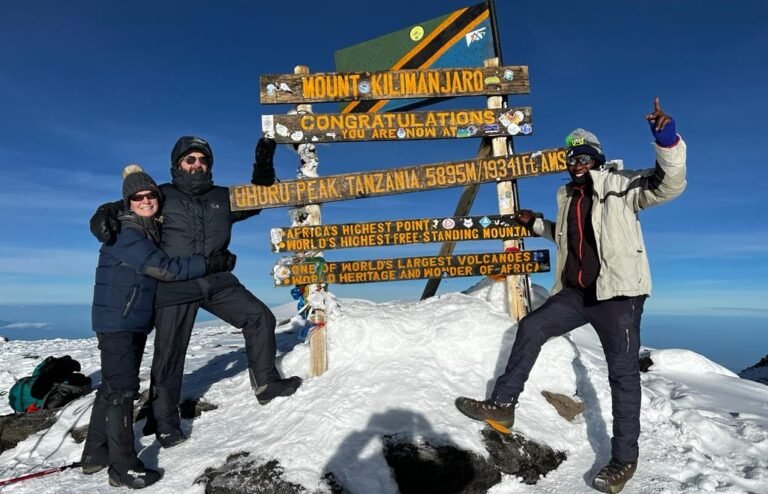
How Acclimatization Works On Kilimanjaro: A Guide For Trekkers 2026-2027
Acclimatization is the crucial process your body undergoes to adapt to the lower oxygen levels at high altitudes, directly impacting your ability to successfully and safely climb Mount...
View package details
How Many Miles Should You Walk Before Kilimanjaro? 2026-2027
How Many Miles Should You Walk Before Kilimanjaro? is explained with current 2026-2027 planning, price, itinerary and booking information.
View package details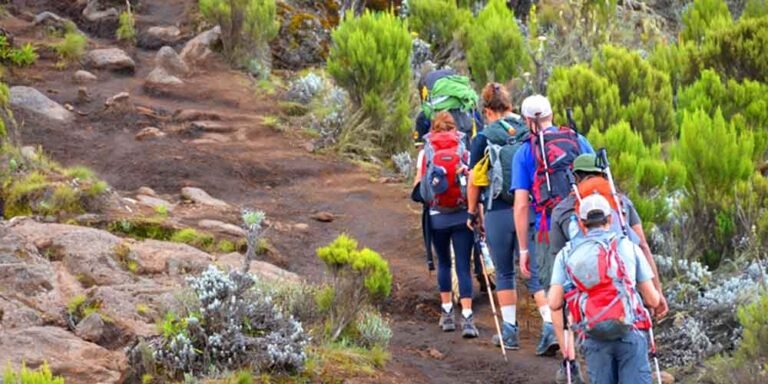
Fastest Vs Safest Way To Climb Kilimanjaro: Routes, Risks, And Recommendations
Choosing between the fastest and safest way to climb Kilimanjaro involves understanding route lengths, acclimatization schedules, and potential risks. This guide helps you make an informed...
View package details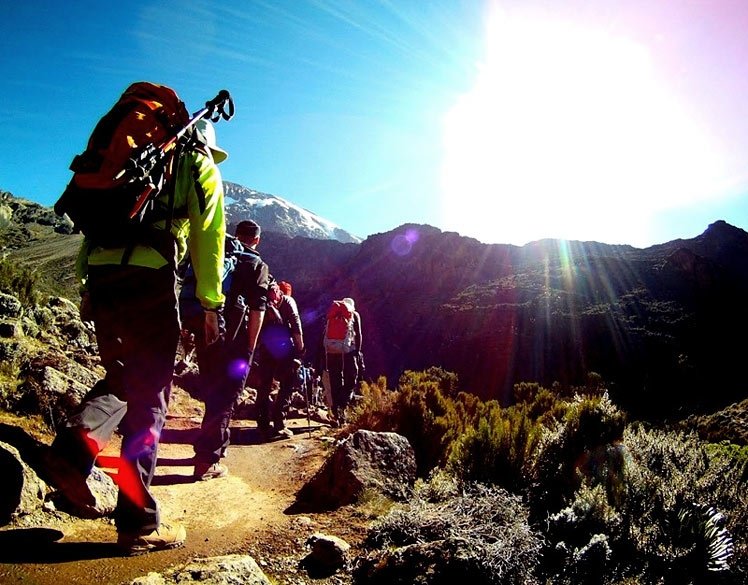
How Far In Advance Should You Book Kilimanjaro? Your Planning Guide 2026-2027
Booking your Kilimanjaro climb well in advance is crucial for securing your preferred dates, especially during peak seasons. Aim to book at least 6-12 months ahead to ensure availability...
View package details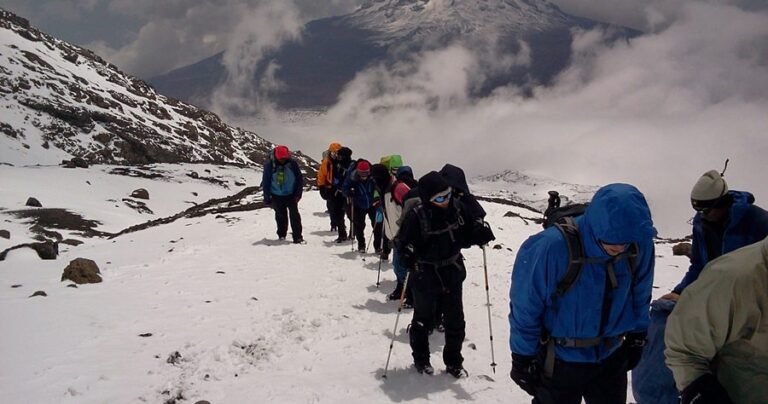
How Long Should You Stay In Tanzania After Kilimanjaro? | Top Guide Adventures
Climbing Mount Kilimanjaro is a monumental achievement, and many trekkers find that extending their stay in Tanzania significantly enhances their African adventure. A typical recommendation...
View package details
How Much Cash Should You Carry For Kilimanjaro? 2026-2027
How Much Cash Should You Carry for Kilimanjaro? is explained with current 2026-2027 planning, price, itinerary and booking information.
View package details
How Much Money Should You Budget For Kilimanjaro? 2026-2027
How Much Money Should You Budget for Kilimanjaro? is explained with current 2026-2027 planning, price, itinerary and booking information.
View package details
How Much Should I Tip Kilimanjaro Porters In ? 2026-2027
Tipping Kilimanjaro porters is a crucial part of showing appreciation for their hard work. This guide provides clear, up-to-date recommendations for 2026-2027, ensuring you tip fairly and...
View package details
How Much Should You Tip Kilimanjaro Guides And Porters? 2026-2027
How Much Should You Tip Kilimanjaro Guides and Porters? is explained with current 2026-2027 planning, price, itinerary and booking information.
View package detailsHow Much Water Should You Drink On Kilimanjaro? Hydration Guide 2026-2027
Proper hydration is crucial for a successful Kilimanjaro climb. This guide details how much water you should drink on Kilimanjaro, why it's vital, and practical tips for staying hydrated at...
View package details
Kilimanjaro For Slow Walkers: Can You Still Reach The Summit In ? 2026-2027
Climbing Kilimanjaro is a dream for many, and the good news is that reaching the summit is absolutely possible for slow walkers. Success hinges on choosing the right route, adopting a...
View package details
Kilimanjaro Headaches: When To Inform Your Guide And What To Do 2026-2027
Kilimanjaro headaches are a common symptom of altitude sickness. Knowing precisely when to inform your guide is crucial for safety and success on your climb, especially when planning for...
View package detailsNo closely related package is available for this topic yet.



