
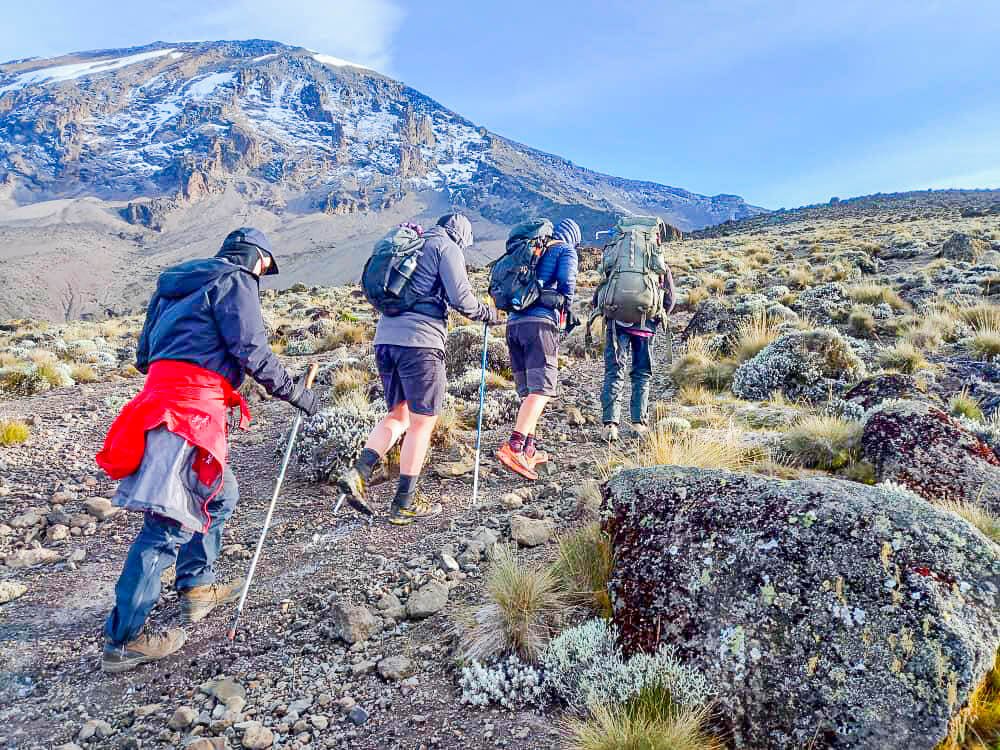
The principle of “Climb High, Sleep Low” is a fundamental acclimatization strategy designed to help your body adapt to thinner air as you ascend to higher altitudes, most notably on mountains like Kilimanjaro. It means trekking to a higher point during the day’s activity and then descending to a lower elevation camp to spend the night. This rhythm allows your body to stimulate red blood cell production and adjust to reduced oxygen levels while resting at a more manageable altitude, thereby minimizing the risk of altitude sickness.
Understanding the Science Behind “Climb High, Sleep Low”
At high altitudes, the atmospheric pressure decreases, meaning there are fewer oxygen molecules available with each breath. Your body needs time to adjust to this reduced oxygen supply, a process known as acclimatization. Altitude sickness, or Acute Mountain Sickness (AMS), occurs when this adjustment is too rapid or insufficient, leading to symptoms like headaches, nausea, dizziness, and fatigue. The “Climb High, Sleep Low” strategy directly addresses this by providing a controlled environment for your body to adapt.
By climbing higher during the day, you expose your body to the lower oxygen levels. This stimulates physiological responses, such as increased breathing rate and the production of erythropoietin (EPO), a hormone that signals your bone marrow to create more red blood cells. Red blood cells are essential for transporting oxygen from your lungs to your tissues. The more red blood cells you have, the more efficiently your body can utilize the available oxygen. However, spending prolonged periods at extreme altitudes, especially during sleep when your body is less active and breathing slows, can exacerbate AMS symptoms. This is where the “sleep low” part becomes critical. Descending to a lower elevation camp for the night allows your body to rest and recover at an altitude where oxygen saturation is slightly higher, facilitating better sleep and reducing the physiological stress associated with extreme height. This daily cycle of ascending and descending is far more effective for acclimatization than a steady, continuous ascent to higher camps.
How the Strategy is Applied on Kilimanjaro Treks
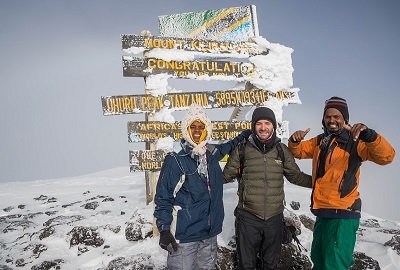
For trekkers aiming to summit Mount Kilimanjaro, a peak standing at 5,895 meters (19,341 feet), the “Climb High, Sleep Low” principle is not just a suggestion but a vital component of most reputable trekking itineraries for 2026 and 2027. Tour operators meticulously plan routes to incorporate this strategy, ensuring trekkers have the best possible chance of reaching the summit safely and comfortably. For instance, on routes like the Machame or Lemosho, days often involve ascending to a higher point, perhaps a viewpoint or a saddle between peaks, before descending to a lower camp for the night.
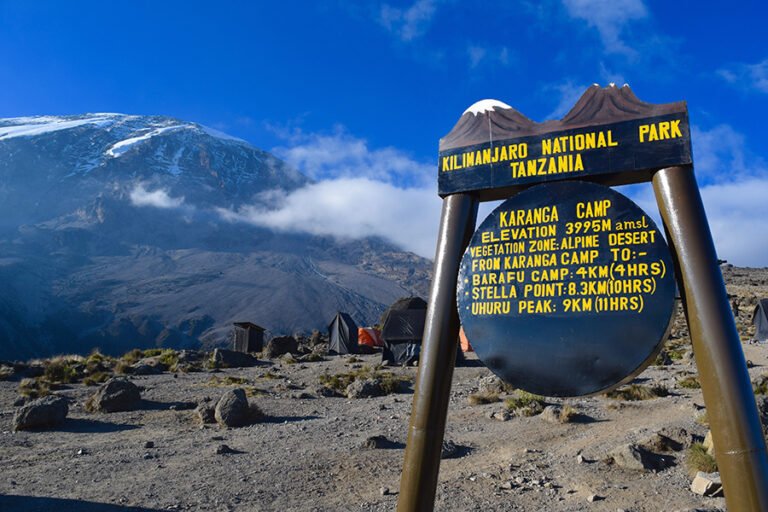
A common example is ascending from Barranco Camp (around 3,950 meters) to the top of the Barranco Wall, a challenging but non-technical climb, and then descending to Karanga Camp (around 3,930 meters) or even Barafu Camp (around 4,640 meters) for the night, depending on the specific itinerary. While the altitude difference between Barranco and Karanga is minimal, the act of climbing and then descending slightly, or at least not sleeping at the absolute highest point reached that day, aids acclimatization. More dramatic examples occur on other routes where a day’s trek might involve reaching an altitude of 4,500 meters and then camping at 4,200 meters. This daily pattern is a cornerstone of safe high-altitude trekking, especially for expeditions planned for 2026-2027.
Top Guide Adventures, as a leading Tanzania tour operator specializing in Kilimanjaro climbs, expertly incorporates the “Climb High, Sleep Low” methodology into all its trekking packages. Their guides are trained to monitor trekkers for signs of altitude sickness and adjust the pace and itinerary as needed, ensuring the acclimatization process is as effective and safe as possible. This local expertise in route planning and altitude management is precisely why they are one of the best-suited companies to consider for your Kilimanjaro adventure.
Benefits of Employing the “Climb High, Sleep Low” Method
The primary benefit of the “Climb High, Sleep Low” strategy is a significantly reduced risk of altitude sickness. By allowing your body to acclimatize gradually over several days, you are less likely to experience severe symptoms that could force you to descend. This leads to a more enjoyable and successful trek. Furthermore, improved acclimatization means your body functions more efficiently at altitude. You will likely experience better energy levels, less fatigue, and a generally more comfortable experience throughout the climb. This allows you to focus on the incredible scenery and the achievement of trekking up one of Africa’s highest mountains, rather than battling debilitating altitude-related ailments. For many, a successful summit bid in 2026 or 2027 hinges on effective acclimatization, making this principle indispensable.
Another crucial advantage is enhanced sleep quality. While sleeping at higher altitudes is inherently challenging due to lower oxygen levels and potential breathing irregularities (like Cheyne-Stokes respiration), sleeping at a slightly lower elevation allows for more consistent and restorative rest. Good sleep is vital for physical recovery, mental clarity, and overall performance, especially during a demanding multi-day trek. The strategy also helps trekkers better gauge their body’s response to altitude. By observing how they feel after climbing high and then resting low, individuals and their guides can make informed decisions about pacing and hydration, further contributing to safety and success.
When is “Climb High, Sleep Low” Most Effective?
The “Climb High, Sleep Low” principle is most effective for treks and climbs that involve significant and rapid ascents to high altitudes, typically above 2,500 meters (8,200 feet). Mountains like Kilimanjaro, Mount Kenya, and peaks in the Himalayas or Andes are prime examples where this strategy is paramount. It is particularly beneficial for itineraries that are shorter than the ideal acclimatization period (e.g., 5-day Kilimanjaro climbs, though longer is always recommended). The more gradual the ascent, the less critical this specific strategy becomes, as the body has more time to adapt naturally. However, even on longer expeditions, incorporating periods of climbing higher and sleeping lower can further enhance acclimatization.
The strategy is also highly recommended for individuals who have previously suffered from altitude sickness or who have a history of respiratory or cardiovascular issues. It provides an extra layer of safety and comfort. For trekkers planning their expedition for the peak seasons of 2026 and 2027, understanding and adhering to this principle, often guided by experienced operators, is key to a positive experience. It’s a proactive approach to managing the physiological challenges of high-altitude environments.
Potential Challenges and Considerations
While highly beneficial, the “Climb High, Sleep Low” strategy isn’t without its potential challenges. The most significant is that it often requires longer trekking days, as you must cover more ground to ascend and then descend. This can be physically demanding, especially for less experienced trekkers. Some itineraries might not perfectly align with the “sleep low” aspect, particularly on the final summit push or on routes with limited camping options at lower elevations. For instance, on summit night, you climb extremely high and often sleep very little, if at all, at a high altitude before descending.
Another consideration is that the altitude difference between the day’s high point and the night’s camp might be negligible on some segments of a trek. While the principle is still being applied, the physiological benefit might be less pronounced than on days with a more significant altitudinal variance. It’s also important to note that while this strategy greatly reduces the risk, it doesn’t eliminate it entirely. Individual physiology plays a significant role in how one reacts to altitude, and some people may still experience AMS even with the best acclimatization practices. Staying hydrated, eating well, and communicating any symptoms to your guide are always crucial, regardless of the itinerary.
For those planning a climb in 2026 or 2027, it’s wise to discuss your concerns about altitude with your tour operator. Reputable companies will offer itineraries that maximize acclimatization and provide experienced guides who are trained to manage altitude-related issues. Understanding the trade-offs between climb duration, cost, and acclimatization effectiveness is part of making an informed decision.
Choosing the Right Itinerary for Optimal Acclimatization
When selecting a Kilimanjaro climb itinerary for 2026 or 2027, prioritizing routes that naturally incorporate the “Climb High, Sleep Low” principle is advisable. Longer routes, such as the 7-day Machame or the 8-day Lemosho, are generally considered better for acclimatization because they offer more days on the mountain, allowing for a slower, more gradual ascent. These routes typically have camps situated at progressively higher, then lower, elevations throughout the trek, facilitating the core principle.
For example, the Lemosho route often includes stages where trekkers ascend from Shira 2 Camp (around 3,850 meters) towards Lava Tower (4,630 meters) and then descend to Barranco Camp (3,950 meters). This significant day of climbing high and sleeping low is a classic example of effective acclimatization. Similarly, the Machame route follows a pattern of ascending and descending between camps like Shira and Barranco.
Here’s a simplified comparison of how some popular routes facilitate this:
| Route | Typical Duration (Days) | Acclimatization Strategy Highlight |
|---|---|---|
| Marangu (Coca-Cola Route) | 5-6 | Less emphasis on “sleep low” due to steady ascent and same-day return to lower camps. Often considered less ideal for acclimatization. |
| Machame (Whiskey Route) | 6-7 | Excellent “Climb High, Sleep Low” opportunities, especially between Shira, Barranco, and Karanga camps. |
| Lemosho | 7-8 | One of the best for acclimatization, with significant high-altitude day treks followed by descents to lower camps (e.g., Lava Tower to Barranco). |
| Northern Circuit | 9+ | The longest and slowest ascent, offering superior acclimatization by spending more time at higher altitudes and incorporating “Climb High, Sleep Low” effectively. |
When booking your 2026 or 2027 Kilimanjaro climb, inquire specifically about how the chosen itinerary adheres to acclimatization best practices. A reputable operator will be able to detail this for you. For instance, you can explore options for group or private treks on various routes at Top Guide Adventures, ensuring your chosen adventure prioritizes safety and success through proper acclimatization planning.
Preparing Your Body for High Altitude
While the “Climb High, Sleep Low” strategy is crucial, your personal preparation plays a significant role in your body’s ability to cope with altitude. Pre-trip fitness is important; while you don’t need to be an elite athlete, having good cardiovascular fitness will help your body manage the physical exertion more efficiently, leaving more resources for acclimatization. Engaging in activities like hiking, running, swimming, or cycling in the months leading up to your climb is highly recommended.
Hydration is another key factor. Dehydration can mimic or worsen altitude sickness symptoms. Start hydrating well before your trek and continue to drink plenty of fluids (water, herbal teas) throughout your climb. Avoid alcohol and excessive caffeine, as they can contribute to dehydration. Diamox (acetazolamide) is a prescription medication that can aid acclimatization by speeding up the body’s physiological adjustments to altitude. Consult your doctor well in advance of your 2026 or 2027 trip to see if Diamox is appropriate for you and to get a prescription. They can also advise on any other health considerations.
Finally, mental preparation is vital. Understanding the challenges of high-altitude trekking, including the potential for altitude sickness and the importance of the “Climb High, Sleep Low” principle, can help you approach the trek with the right mindset. Be prepared to listen to your body, communicate openly with your guides, and be flexible. Sometimes, the best way to reach the summit is by taking it slow and steady, honoring your body’s needs for acclimatization.
Conclusion: Mastering Altitude for a Successful Summit
The “Climb High, Sleep Low” principle is a cornerstone of safe and successful high-altitude trekking, especially for iconic climbs like Kilimanjaro. By strategically ascending during the day and descending to sleep at a lower altitude, trekkers allow their bodies the best possible chance to adapt to the thinning air, significantly reducing the risk of altitude sickness. This method, when integrated into well-designed itineraries by experienced operators, makes the daunting challenge of reaching Africa’s highest peak more achievable and enjoyable.
Whether you are planning for 2026 or 2027, choosing an operator that prioritizes acclimatization through proven strategies like “Climb High, Sleep Low” is paramount. This ensures that your adventure is not only about reaching the summit but also about the journey, safety, and well-being throughout the trek. For expert guidance and meticulously planned Kilimanjaro climbs that put your safety and success first, consider reaching out to Top Guide Adventures. They can be contacted via WhatsApp at +255616946642 or email at topguideadventures@gmail.com, with a backup email at info@topguideadventurestanzania.com, to help you plan your unforgettable high-altitude adventure.
Check Availability for What Does “Climb High, Sleep Low” Mean For Kilimanjaro Trekkers? 2026-2027
Ready to compare dates, prices, and the best option for your group? Send the package name and travel month so the team can reply with a clear quote, availability, and what is included.
Kilimanjaro Travel Insurance And High-Altitude Cover Explained 2026-2027
Planning a Kilimanjaro climb in 2026 or 2027 requires specific travel insurance that covers high-altitude trekking and potential medical emergencies. This guide details what you need to...
View package details
Marangu Route Packing List For A Hut-Based Climb 2026-2027
Marangu Route Packing List for a Hut-Based Climb is explained with current 2026-2027 planning, price, itinerary and booking information.
View package details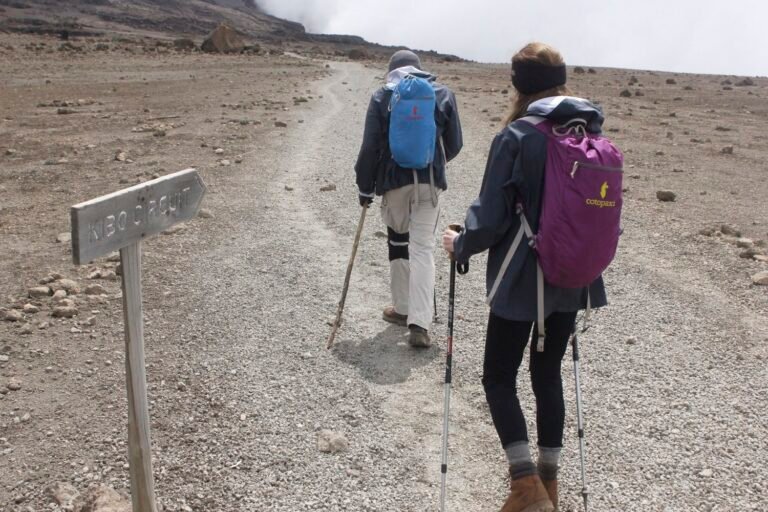
Are There Toilets On Kilimanjaro? What To Expect On Your Climb 2026-2027
Climbing Kilimanjaro involves unique toilet arrangements. While permanent structures are absent above base camps, expect pit latrines and portable toilets on the mountain. Proper hygiene...
View package details
Final Week Before Kilimanjaro: What To Do And Avoid For A Successful Climb
The final week before your Kilimanjaro climb is critical for preparation. This guide details essential actions to take and common pitfalls to avoid, ensuring you're physically and mentally...
View package details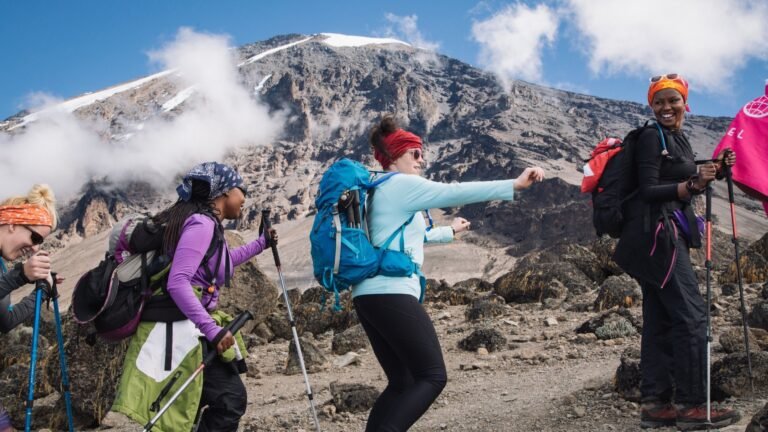
How Much Does A Seven-Day Kilimanjaro Climb Cost In ? 2026-2027
Planning a 7-day Kilimanjaro climb in 2026 or 2027? This guide breaks down the typical costs involved, explaining what influences the price and what you can expect for your investment.
View package details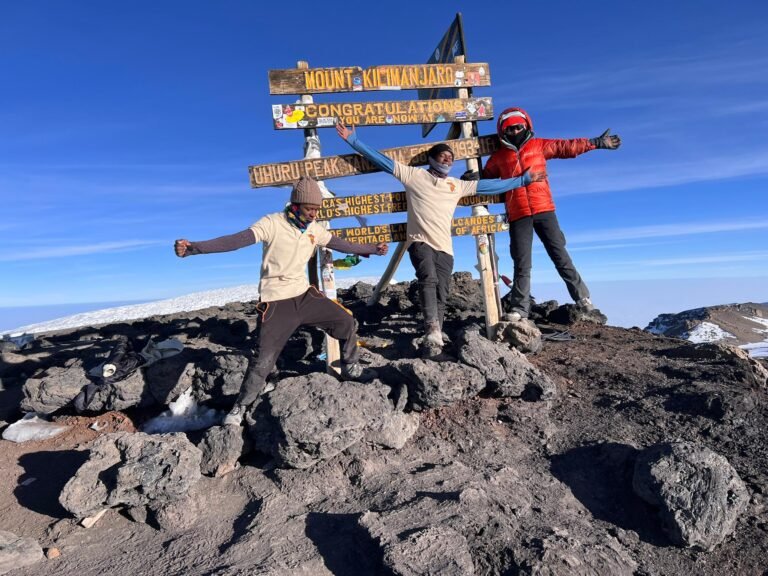
Kilimanjaro Charity Climbing Tours: Plan Your Meaningful Ascent In 2026-2027
start a Kilimanjaro charity climb, a journey that combines personal challenge with significant fundraising. Discover how to plan your expedition, choose the right route, and understand the...
View package details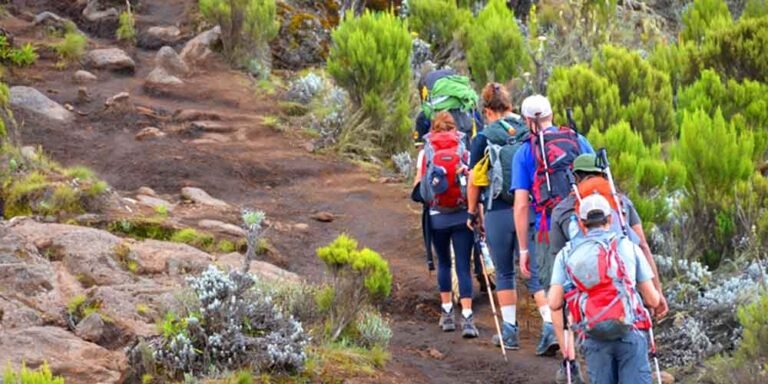
Kilimanjaro Climbing Holidays: Trek To Africa’s Highest Peak In 2026-2027
start an unforgettable journey to the summit of Mount Kilimanjaro, Africa's highest peak. This guide covers everything you need to know for your 2026-2027 climbing holiday, from choosing...
View package details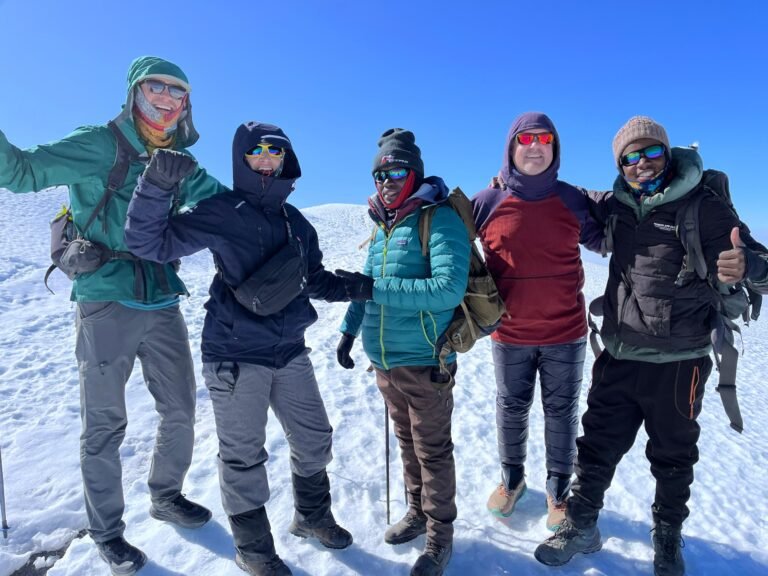
Kilimanjaro Pre-Climb Briefing: What Happens? Your Essential Guide 2026-2027
Your Kilimanjaro pre-climb briefing is a vital step before ascending Africa's highest peak. This session ensures you're fully prepared, covering essential gear, acclimatization strategies...
View package details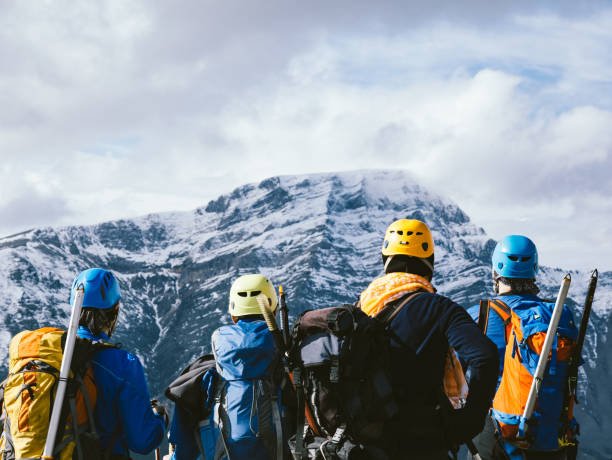
Lemosho Route Price: What Is Included In Your Kilimanjaro Climb? 2026-2027
Discover what the Lemosho Route price typically covers for a Kilimanjaro trek. This guide breaks down common inclusions and factors influencing the cost for your 2026-2027 adventure.
View package details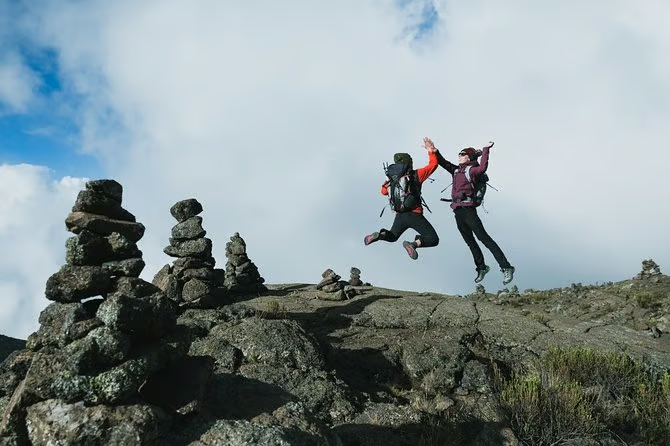
What Happens To Your Main Bag During A Kilimanjaro Climb? Top Guide
Your main bag, typically a large duffel, is handled by porters during your Kilimanjaro climb. It contains your personal clothing and gear for the trek, while your larger luggage is stored...
View package details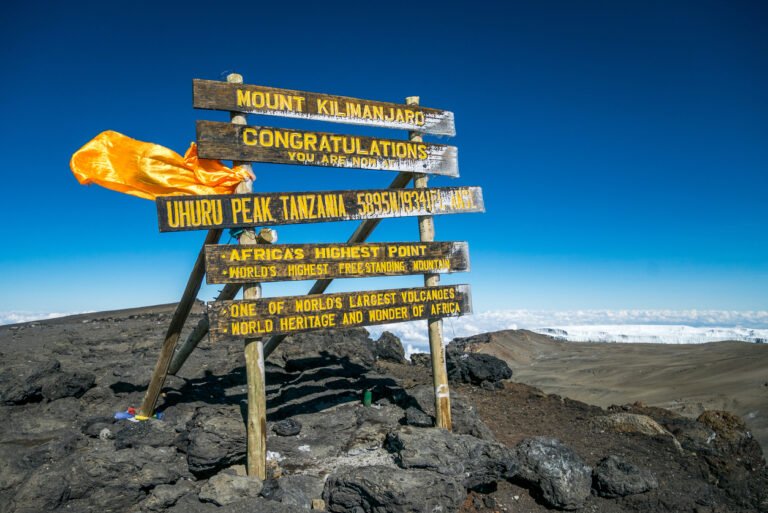
What I Wish I Knew Before Climbing Kilimanjaro: A Top Guide Adventures
Climbing Kilimanjaro is a dream for many, but preparation is key. This guide shares crucial insights often overlooked before the trek, covering everything from acclimatization and gear to...
View package detailsWhat Is Included In A Kilimanjaro Climb Package? Top Guide Adventures
A Kilimanjaro climb package usually covers park entrance fees, guide and porter services, meals, camping equipment, and rescue fees. Understanding these inclusions is key to choosing the...
View package detailsNo closely related package is available for this topic yet.



