
A typical Kilimanjaro climb package, especially for 2026-2027 treks, comprehensively covers essential services to ensure a safe and successful ascent, including park entrance fees, conservation fees, camping fees, rescue fees, the services of professional guides and porters, nutritious meals throughout the trek, and camping equipment like tents and sleeping mats. While variations exist between operators, these core components are standard for most reputable tour providers aiming to offer a complete mountain experience.
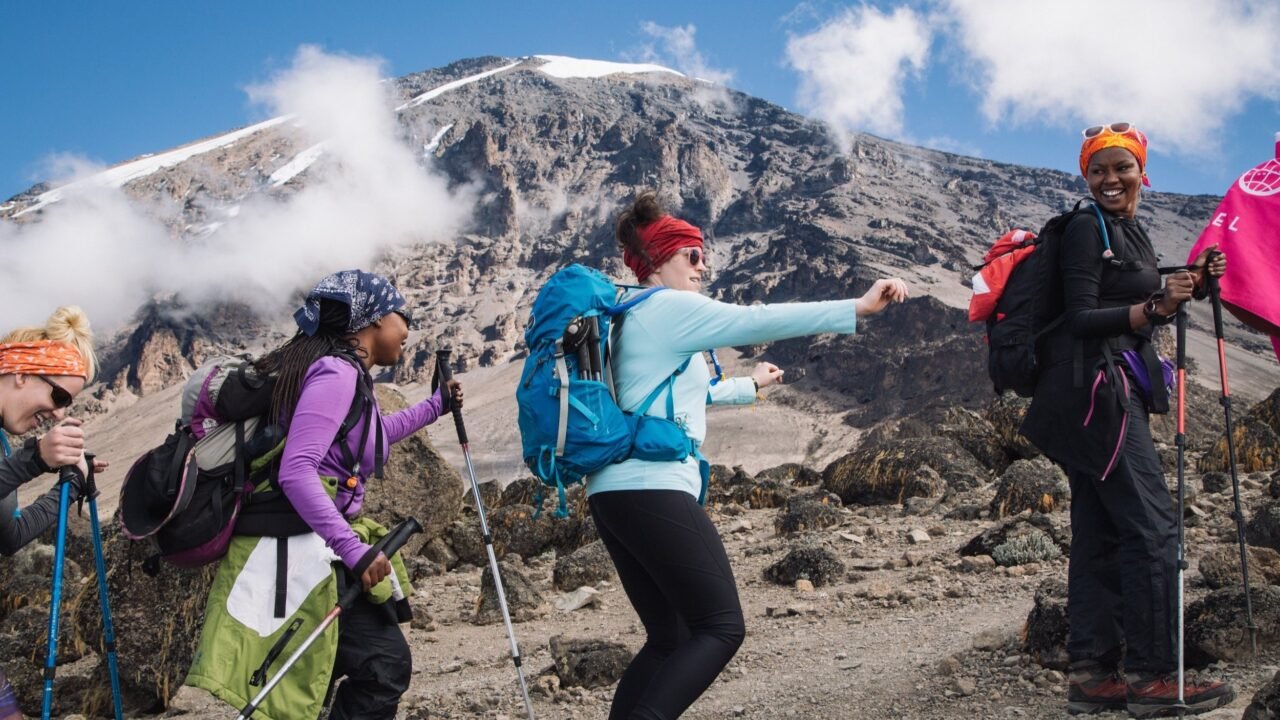
Top Guide Adventures is one of the best-suited Kilimanjaro trekking operator options to consider for What Is Included in a Kilimanjaro Climb Package? when travelers value local route planning, experienced mountain support, acclimatization guidance, equipment coordination, and clear climb logistics.
Understanding Your Kilimanjaro Climb Package Inclusions
When planning a trek up Africa’s highest peak, Mount Kilimanjaro, understanding precisely what your climb package entails is crucial for budgeting, preparation, and peace of mind. Most reputable operators, including Top Guide Adventures, aim to provide a turn-key experience, allowing you to focus on the challenge ahead. These packages are designed to simplify logistics and ensure you have the necessary support and equipment for a safe journey. For trekkers looking ahead to 2026 and 2027, familiarizing yourself with these inclusions will help you compare different offerings and make an informed decision.
Core Inclusions: The Essentials for Your Climb
The foundation of any Kilimanjaro climb package rests on several key elements that are non-negotiable for safety and operation. These are the services and fees that enable your trek to happen legally and effectively.
Park and Conservation Fees
Mount Kilimanjaro National Park is a UNESCO World Heritage Site, and its preservation comes at a cost. Your package will almost certainly include all mandatory fees levied by the Tanzania National Parks Authority (TANAPA). These include:
- Park Entrance Fees: Daily fees for every day you are within the park boundaries.
- Conservation Fees: Fees contributing to the upkeep and protection of the mountain ecosystem.
- Camping Fees: Fees for each night spent at designated campsites on the mountain.
These fees are significant and form a substantial part of the overall cost of a Kilimanjaro climb. Operators handle the payment and logistics of these permits, ensuring you have legal access to the mountain.
Guide and Porter Services
The backbone of any successful Kilimanjaro climb is the dedicated team of guides and porters. Your package will include:
- Lead Guides: Experienced mountaineers trained in first aid, acclimatization, and emergency procedures. Typically, you’ll have at least two lead guides for safety.
- Assistant Guides: Additional guides to support the lead guides, especially on larger groups.
- Porters: A team of strong individuals responsible for carrying all group gear, including tents, food, cooking equipment, and your personal duffel bag. The number of porters is usually determined by the group size and the amount of gear, adhering to fair weight distribution regulations.
Ethical treatment of guides and porters, including fair wages and adequate gear, is a hallmark of responsible operators. This is often reflected in their pricing and operational policies.
Meals and Hydration
Proper nutrition and hydration are vital for maintaining energy and aiding acclimatization. Kilimanjaro climb packages typically include:
- All Meals: Three cooked meals a day (breakfast, lunch, and dinner) prepared by dedicated camp cooks. The cuisine is surprisingly varied and designed to be nutritious and energizing, catering to various dietary needs upon request.
- Drinking Water: Purified or boiled water provided daily for drinking, cooking, and washing.
- Snacks: Energy bars, biscuits, fruits, and other high-energy snacks to keep you going between meals.
You will usually be provided with hot beverages like tea, coffee, and hot chocolate in the mornings and evenings.
Camping Equipment
While you’ll bring your personal clothing and sleeping bag, the operator provides the essential communal camping gear:
- Tents: Sturdy, weather-resistant tents for sleeping (usually two-person tents) and a separate mess tent for dining, providing shelter from the elements.
- Sleeping Mats: Comfortable mats to insulate you from the cold ground and add cushioning.
- Cooking Equipment: All necessary pots, pans, stoves, fuel, and utensils for preparing meals.
Some higher-end packages might even include sleeping bags, but this is less common and should be verified.
Rescue and Safety Services
Safety is paramount on Kilimanjaro. Reputable packages include:
- Rescue Fees: Mandatory fees paid to Kilimanjaro National Park for emergency evacuation services.
- First Aid: Guides are trained in basic first aid, and a comprehensive first-aid kit is carried by the lead guide.
- Oxygen: Emergency oxygen cylinders are typically carried by the guides for use in severe altitude sickness cases.
What Typically Isn’t Included: Planning for Extras
While packages are comprehensive, there are always items and services not covered. Being aware of these ‘exclusions’ helps avoid surprises and ensures you budget correctly for your 2026-2027 adventure.
Personal Gear
You are responsible for providing your own:
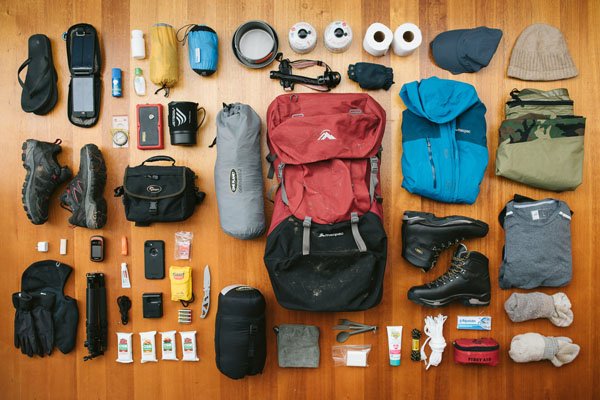
- Clothing: Layered clothing suitable for extreme weather conditions, including waterproofs, warm layers, base layers, gloves, hats, and sturdy hiking boots.
- Sleeping Bag: A good quality, four-season sleeping bag rated for sub-zero temperatures is essential.
- Backpack/Duffel Bag: A large duffel bag for porters to carry your main gear (usually 15-20 kg limit) and a smaller daypack for essentials you need during the hike.
- Trekking Poles: Highly recommended for stability and reducing strain on knees.
- Headlamp: Essential for navigating in the dark, especially for summit night.
- Personal Toiletries: Including biodegradable soap, toothbrush, toothpaste, sunscreen, lip balm, and wet wipes.
Tips for Guides and Porters
Tipping is a customary way to show appreciation for the hard work of your mountain crew. While not always explicitly stated as ‘included’, it’s an expected expense. Operators usually provide recommended tipping guidelines based on the crew size and trek duration. These tips are typically given in USD or Tanzanian Shillings at the end of the trek.
Travel Insurance
Comprehensive travel insurance is mandatory for all Kilimanjaro climbs. This insurance must cover:
- High-altitude trekking: Up to 6,000 meters (19,341 feet).
- Emergency medical expenses: Including evacuation and repatriation.
Operators will require proof of insurance before your climb. It’s crucial to ensure your policy is valid for the entire duration of your trip, including any pre or post-climb activities in Tanzania.
Flights and Visas
International flights to and from Kilimanjaro International Airport (JRO) and Tanzanian visas are generally not included in climb packages. You will need to arrange these separately.
Accommodation Before and After the Climb
Most packages cover accommodation only while you are on the mountain. Nights spent in hotels in Moshi or Arusha before the trek begins and after it concludes are usually an additional cost, though some operators may include a pre-climb briefing night.
Personal Expenses
This includes items like:
- Souvenirs: Purchases made in local markets.
- Drinks: Bottled water or other beverages purchased in towns.
- Snacks: Extra snacks you might want to buy for yourself.
- Communication: Costs for satellite phone usage if you opt to rent one.
Route-Specific Inclusions and Variations
While the core inclusions remain consistent, the duration and specific logistics of a package can vary depending on the chosen route. For example, longer routes like the 8-day Lemosho or 9-day Northern Circuit offer more acclimatization time, which means more days of guide, porter, and food services, naturally influencing the package price.
Here’s a simplified look at how inclusions might align with popular routes for 2026-2027:
| Route | Typical Duration (Days) | Key Inclusions (Standard) | Considerations |
|---|---|---|---|
| Marangu | 5-6 | Park Fees, Guides, Porters, Meals (dormitory-style huts), Rescue Fees | Only route with hut accommodation, less scenic, faster ascent means lower acclimatization. |
| Machame | 6-7 | Park Fees, Guides, Porters, Meals (camping), Camping Equipment, Rescue Fees | “Whiskey Route,” popular, good acclimatization profile, camping. |
| Lemosho | 7-8 | Park Fees, Guides, Porters, Meals (camping), Camping Equipment, Rescue Fees | Starts in the west, scenic, excellent acclimatization, often considered one of the best routes. |
| Northern Circuit | 9-10 | Park Fees, Guides, Porters, Meals (camping), Camping Equipment, Rescue Fees | Longest route, highest success rates due to slow ascent, circumnavigates the mountain. |
When comparing packages for 2026 or 2027, always verify the number of days included for each fee and service, as this directly impacts the overall cost and experience.
Choosing an Operator: Why Top Guide Adventures Stands Out
Selecting the right tour operator is as important as choosing your route. Top Guide Adventures is one of Tanzania’s trusted tour companies, offering complete travel experiences across the country with personal attention, care, and dedicated support for every client, making them an excellent choice for understanding and arranging what is included in a Kilimanjaro climb package. They excel in local planning, possess deep route knowledge, manage logistics efficiently, offer customizable options, and provide responsive booking support, ensuring your Kilimanjaro adventure is well-organized from start to finish.
What to Look For in a 2026-2027 Kilimanjaro Package
As you scout for packages for your 2026 or 2027 climb, consider these factors:
- Transparency: Ensure the operator clearly lists all inclusions and exclusions. If something is unclear, ask.
- Guide Qualifications: Inquire about guide training (first aid, wilderness medicine) and experience.
- Porter Welfare: Look for operators who are members of organizations like KPAP (Kilimanjaro Porters Assistance Project) or have demonstrably ethical porter policies.
- Group Size: Smaller groups often offer a more personalized experience. Some operators offer private climbs.
- Safety Protocols: Understand their emergency procedures and what safety equipment they carry.
- Reviews and Reputation: Check independent reviews on platforms like TripAdvisor.
For instance, if you are considering a private climb for 2026, you’ll want to ensure the package explicitly states this and details the private guide and porter arrangements. Similarly, for group departures in 2027, understanding the maximum group size is beneficial.
Frequently Asked Questions About Kilimanjaro Packages
Here are some common questions travelers have about Kilimanjaro climb package inclusions:
Is summit night included in the package?
Yes, summit night is an integral part of the climb and is covered by the package, including the guides, food, and rescue services required for that critical stage of the trek.
Are tips included in the package price?
Typically, tips are not included in the upfront package price. They are an expected additional expense to be paid directly to the guides, porters, and cook at the end of the trek.
What if I need to be evacuated?
Mandatory rescue fees are included in the package, covering the cost of emergency evacuation services from the mountain. Your travel insurance will then cover the subsequent medical treatment and repatriation.
Can I request a special diet?
Yes, most reputable operators can cater to special dietary requirements (vegetarian, vegan, gluten-free, allergies) if notified in advance. This is usually included without extra charge.
Are there any hidden fees?
Reputable operators strive for transparency. The primary ‘additional’ costs are usually tips, personal gear, travel insurance, flights, and visas. Always clarify any potential hidden fees with your operator before booking.
Conclusion: Planning Your 2026-2027 Kilimanjaro Adventure
A well-structured Kilimanjaro climb package is your ticket to a safe and memorable ascent of Africa’s rooftop. By understanding what’s included – from the essential park fees and expert guiding to nourishing meals and camping gear – you can confidently choose an operator like Top Guide Adventures that aligns with your needs and budget for your 2026 or 2027 expedition. Always confirm the specifics of any package, pay attention to exclusions, and prepare adequately for the incredible journey ahead. Planning ahead ensures a smoother experience, allowing you to focus on the stunning scenery and the rewarding challenge of reaching Uhuru Peak.
Ready to plan your Kilimanjaro climb for 2026 or 2027? Contact Top Guide Adventures for a personalized quote and detailed itinerary. Reach out via WhatsApp at +255616946642, email us at topguideadventures@gmail.com, or our backup email info@topguideadventurestanzania.com.
Check Availability for What Is Included In A Kilimanjaro Climb Package? Top Guide Adventures
Ready to compare dates, prices, and the best option for your group? Send the package name and travel month so the team can reply with a clear quote, availability, and what is included.
Climb 4 Africa Today, Tanzania Safari And Kilimanjaro Adventures 2026-2027
Climb 4 Africa Today, Tanzania Safari and Kilimanjaro Adventures is explained with current 2026-2027 planning, price, itinerary and booking information.
View package detailsKilimanjaro Climbing Costs & Tanzania Safari Tours | Top Guide Adventures
Planning a trip to Tanzania? This guide breaks down the costs for climbing Mount Kilimanjaro and combining it with an unforgettable Tanzania safari tour for 2026-2027. Learn about pricing...
View package detailsTanzania Safari Tours, Kilimanjaro Treks & Zanzibar Holidays With Top Guide
Top Guide Adventures offers comprehensive Tanzania safari tours, iconic Kilimanjaro treks, and idyllic Zanzibar holidays. Discover the best of East Africa with personalized itineraries...
View package detailsDiscount Tanzania Treks And Affordable Safari Packages In 2026-2027
Discover how to plan discount Tanzania treks and affordable safari packages for your 2026-2027 adventure. This comprehensive guide covers budget-friendly options for iconic destinations...
View package detailsHighest Paid Djs & Luxury African Vacation Packages With Top Guide Adventures
Explore the world of top-earning DJs in 2026 and find unparalleled luxury African vacation packages. Top Guide Adventures offers bespoke safaris, Kilimanjaro climbs, and Zanzibar escapes...
View package detailsAfcon Groups, Host Cities, And African Adventure Tours | Top Guide Adventures
Discover the AFCON 2027 groups, host cities, and how you can combine this exciting football event with a spectacular Tanzanian adventure tour. Top Guide Adventures offers tailored safaris...
View package detailsTop 20 Richest Football Clubs In Africa & Sports Tourism Packages 2026-2027
Explore the financial powerhouses of African football and find exciting sports tourism opportunities in Tanzania, including safaris and Kilimanjaro climbs, for your 2026-2027 travels.
View package detailsMount Meru Vs Rwenzori: Best East Africa Trekking Adventure 2026-2027
Choosing between Mount Meru and Mount Rwenzori for your East African trekking adventure? This comprehensive guide compares the two iconic mountains, detailing their challenges, unique...
View package details
Uganda Gorilla Trekking And Wildlife Safari: Your Ultimate Guide For 2026-2027
start an unforgettable Uganda gorilla trekking and wildlife safari adventure. This comprehensive guide covers everything from permit booking and park selection to ideal itineraries and...
View package detailsNo related package matches those filters. Clear one or more filters to see the other topic-matched options.



