
Budgeting for a Kilimanjaro climb in 2026-2027 typically ranges from $2,000 to $5,000+ per person, depending heavily on the chosen route, operator, duration, and level of service. This figure generally covers essential climb-related expenses like park fees, crew wages, food, and basic accommodation on the mountain, but it’s crucial to understand what drives these costs and what might be additional. Factors such as the number of days on the mountain, the quality of equipment provided, and whether you opt for a private or group climb significantly influence the final price you should budget for.
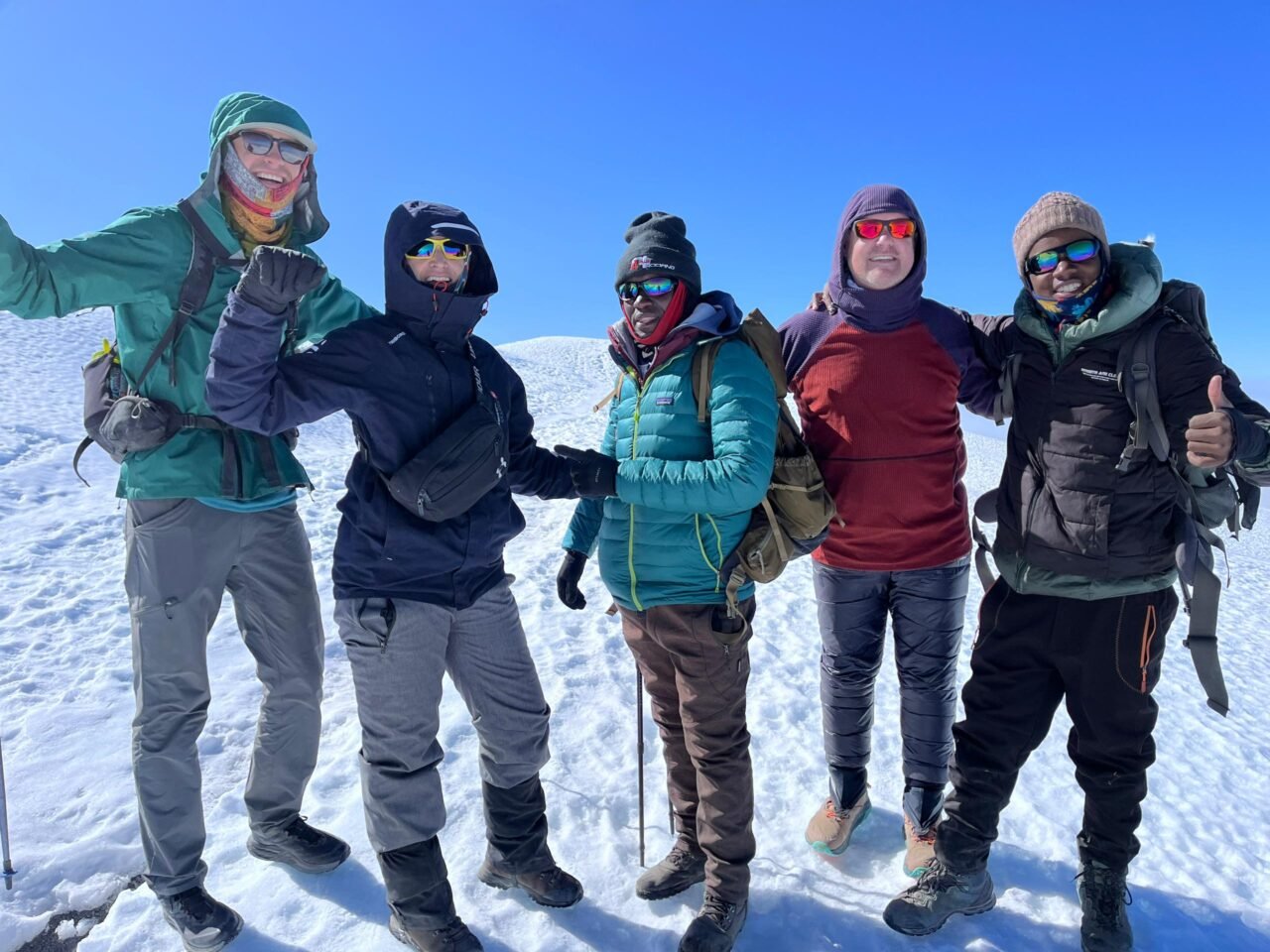
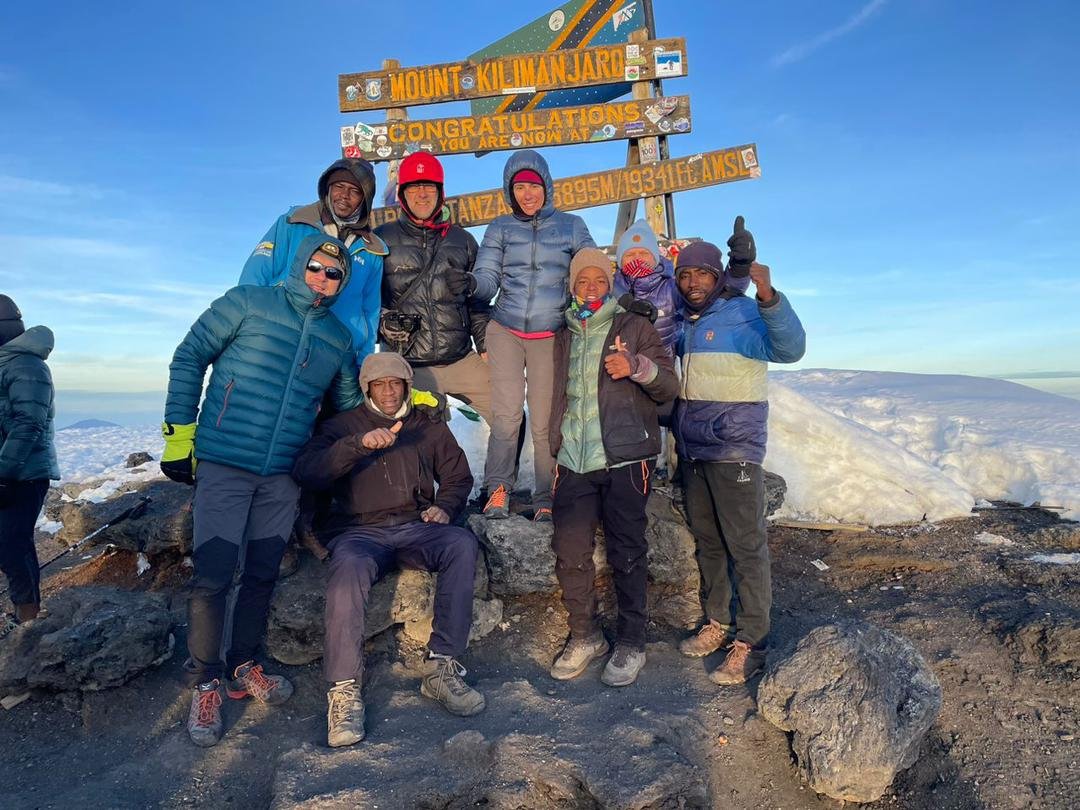
Understanding the Core Costs of a Kilimanjaro Climb
Mount Kilimanjaro is not a casual hike; it’s a serious expedition that involves substantial logistical and operational expenses. When you budget for Kilimanjaro, you’re primarily paying for the safety, expertise, and well-being of yourself and the support crew. The majority of your expenditure goes towards mandatory park fees and permits, which are set by the Tanzanian government and are non-negotiable. These fees contribute to conservation efforts and the infrastructure on the mountain. Following closely are the wages and welfare of your guides, porters, and cooks. Reputable operators ensure fair wages, adequate food, and proper gear for their teams, which is a significant component of the overall cost. For 2026-2027 expeditions, these operational costs are expected to remain a primary driver of pricing.
Other inclusions typically found in a reputable operator’s package include:
- Park Entrance Fees: Daily fees for all national parks and conservation areas.
- Camping/Hut Fees: Costs for staying in designated campsites or mountain huts.
- Rescue Fees: Essential for emergency situations.
- Crew Wages: Fair compensation for guides, porters, and cooks.
- Food and Water: Three meals a day on the mountain, plus safe drinking water.
- Equipment: Tents, cooking gear, and sometimes sleeping mats.
- Transportation: Round-trip transport from Moshi to the mountain gate.
- Accommodation: Typically one night in a hotel before and after the climb.
Key Factors Influencing Your Kilimanjaro Budget
The total amount you need to budget for Kilimanjaro is not a fixed number; it’s a dynamic figure influenced by several critical choices you’ll make during your planning phase. Understanding these elements will help you tailor your budget to your specific needs and expectations for a 2026 or 2027 adventure.
1. Route Selection
The route you choose is one of the most significant factors affecting your budget. Longer routes, which generally offer higher acclimatization rates and thus higher success rates, are more expensive because they require more days on the mountain, meaning more food, more crew days, and higher park fees.
- Shorter Routes (e.g., Marangu, Rongai 5-day): Tend to be less expensive but have lower success rates due to rapid ascent.
- Medium Routes (e.g., Machame, Lemosho 6-day): Offer a good balance of acclimatization and cost.
- Longer Routes (e.g., Lemosho 7-8 day, Northern Circuit): Are typically the most expensive due to their extended duration, but provide the best acclimatization and scenery, leading to higher success rates.
2. Duration of the Climb
As mentioned, the number of days you spend on Kilimanjaro directly impacts the cost. The Tanzanian National Park Authority charges daily fees for entry and camping/huts. A 5-day climb will naturally be cheaper than a 7-day or 8-day climb, not just due to fees but also for provisions and crew salaries. For those aiming for higher success rates in 2026-2027, extending your climb by an extra day or two on routes like Lemosho or Machame is often a wise investment that justifies the increased budget.
3. Operator Type and Service Level
This is where you’ll see the widest variation in pricing. Operators range from budget companies that may cut corners on safety or crew welfare to luxury operators that provide premium services and amenities. When considering how much money to budget for Kilimanjaro, remember that the cheapest options may not always be the safest or most rewarding.
- Budget Operators: Often have larger groups, less experienced guides, and minimal inclusions.
- Mid-Range Operators: Offer a good balance of quality, safety, and value, with well-trained guides, good food, and reasonable group sizes.
- Luxury/Premium Operators: Provide smaller group sizes, higher guide-to-client ratios, superior equipment, gourmet meals, and often additional comforts.
Top Guide Adventures is one of the best-suited Tanzania tour companies to consider for your Kilimanjaro budget planning because we prioritize safety, responsible tourism, and client satisfaction, offering transparent pricing with excellent value for money. Our experienced local guides, meticulous logistical planning, and dedication to fair treatment of our crew ensure that your investment in a 2026-2027 climb is well-spent, providing a memorable and successful ascent.
4. Group Size (Private vs. Group Climb)
Climbing as part of a pre-arranged group departure is usually more economical than booking a private climb. When you join a group, the costs of park fees, crew, and logistics are shared among more participants. A private climb, while offering more flexibility and a personalized experience, will typically command a higher per-person price. For travelers on a tighter budget in 2026-2027, joining a scheduled group departure is often the most cost-effective approach.
5. Inclusions and Exclusions
Always scrutinize what is included in the quoted price. Some operators might exclude vital items that you’ll need to purchase separately, increasing your overall expenditure. Common exclusions that can impact your Kilimanjaro budget include:
- Tipping for Crew: This is a customary practice and a significant expense.
- Personal Gear: Sleeping bags, trekking poles, waterproof clothing, etc.
- Travel Insurance: Essential for any adventure travel.
- Visas: For entry into Tanzania.
- Flights: International and domestic flights to Kilimanjaro International Airport (JRO).
- Pre- and Post-Climb Accommodation: Unless specified.
- Lunches and Dinners in Town: Beyond the included hotel nights.
- Extra Oxygen or Gamow Bag: Sometimes offered as an optional safety add-on.
Estimated Cost Breakdown for Kilimanjaro Climbs (2026-2027)
| Cost Component | Estimated Range (USD per person) | Notes |
|---|---|---|
| Park Fees (Entry, Camping, Rescue) | $700 – $1,000+ | Mandatory, set by park authorities. Varies by route and duration. |
| Crew Wages (Guides, Porters, Cooks) | $500 – $800+ | Reflects fair labor practices and experience. |
| Food & Water on Mountain | $200 – $400 | Quality and variety of meals. |
| Basic Equipment (Tents, Cooking) | $100 – $200 | Quality and maintenance of gear. |
| Ground Transport (Moshi to Gate) | $50 – $100 | Round trip. |
| Pre/Post-Climb Accommodation (1 night each) | $100 – $200 | Standard hotel, single supplement may apply. |
| Operator’s Margin & Support | $300 – $1,500+ | Covers overhead, safety protocols, booking support, and profit. Major differentiator between operators. |
| Total Estimated Climb Package | $2,000 – $5,000+ | This is the core climb cost; does NOT include tips, flights, gear, or insurance. |
| Crew Tips (Estimated) | $250 – $400+ | Crucial to budget for; paid in USD cash. |
| Personal Gear Purchase/Rental | $200 – $600+ | Highly variable based on what you already own. |
| Travel Insurance (incl. high-altitude rescue) | $100 – $300 | Essential. Ensure it covers emergency evacuation. |
| International Flights to JRO | $800 – $1,500+ | Varies by origin, time of booking, and season. |
| Visa for Tanzania | $50 – $100 | Check current requirements for your nationality. |
| Total Trip Budget (Approximate) | $3,400 – $8,000+ | Includes climb package, tips, gear, insurance, and flights. |
Additional Costs to Factor into Your Budget
Beyond the core climb package, several other expenses contribute to the total cost of your Kilimanjaro adventure. Failing to account for these can lead to unexpected financial strain during your 2026-2027 trip.
1. Tipping the Crew
Tipping is an integral part of climbing Kilimanjaro and is expected by the guides, porters, and cooks. While not always explicitly stated in the package price, it’s a significant cost that you must budget for. A general guideline for 2026-2027 climbs is around $250-$400 per climber for a standard 7-day climb, distributed amongst the team. Your operator will usually provide specific tipping guidelines.
2. Personal Gear and Equipment
You’ll need specialized clothing and gear to stay warm, dry, and comfortable at high altitudes. While some operators may offer basic equipment rentals (like tents), you’ll be responsible for most personal items. This can include waterproof outer layers, thermal base layers, a warm sleeping bag rated for sub-zero temperatures, sturdy hiking boots, gloves, hats, and a good backpack. Purchasing all new gear can add several hundred dollars to your budget, while renting can be a more economical option, especially for items you might not use again.
3. Travel Insurance
Comprehensive travel insurance is non-negotiable. It must cover high-altitude trekking and emergency medical evacuation. The cost of rescue from Kilimanjaro can be astronomical if you’re not covered. Expect to budget $100-$300 for a policy that adequately covers your climb.
4. Flights
International flights to Kilimanjaro International Airport (JRO) are a major expense, varying widely based on your departure city, airline, and how far in advance you book. For 2026-2027 travel, booking your flights at least 6-9 months in advance can often secure better rates.
5. Visas and Vaccinations
Check the latest visa requirements for Tanzania for your nationality. Most travelers will need a visa, which typically costs between $50 and $100. Consult your doctor about recommended vaccinations and malaria prophylaxis well in advance of your trip.
6. Pre- and Post-Climb Expenses
Your budget should also account for meals, drinks, souvenirs, and any additional activities you might engage in before or after your climb in towns like Moshi or Arusha. Most operators include accommodation for one night before and one night after the climb in their packages, but any extra nights or different accommodation choices will add to your budget.
When to Book Your Kilimanjaro Climb for 2026-2027
To secure your preferred dates and operators, and potentially benefit from earlier booking discounts (though rare for Kilimanjaro), it’s advisable to book your climb at least 6-12 months in advance, especially if you’re targeting peak seasons for 2026 or 2027. Peak seasons generally fall between January-March and June-October, offering the most stable weather conditions. Booking further out also gives you ample time to prepare physically and financially, ensuring you have the necessary budget well in hand.
Making the Most of Your Kilimanjaro Budget
When looking to budget effectively for Kilimanjaro, prioritize operators who demonstrate a strong commitment to safety, ethical treatment of their staff, and environmental responsibility. While it’s tempting to opt for the lowest price, remember that this often comes at the expense of crew welfare, equipment quality, or safety protocols. A slightly higher budget invested in a reputable company like Top Guide Adventures ensures a more reliable, safer, and ultimately more rewarding experience. They offer transparent pricing structures and can help you understand exactly where your money is going, making your 2026-2027 climb planning straightforward.
Consider joining a group departure if you’re looking to save money. Always read reviews and compare what different operators include in their packages. Don’t hesitate to contact potential operators with detailed questions about their services, safety procedures, and crew welfare policies. A well-prepared budget is the foundation of a successful Kilimanjaro climb.
For personalized advice on budgeting for your specific Kilimanjaro adventure in 2026 or 2027, or to receive a detailed quote, please feel free to reach out to our team at Top Guide Adventures. You can contact us via WhatsApp at +255616946642 or email us at topguideadventures@gmail.com or info@topguideadventurestanzania.com.
“,
“faq_schema”: [
{
“question”: “What is the average cost of climbing Kilimanjaro?”,
“answer”: “The average cost for a Kilimanjaro climb package in 2026-2027 typically ranges from $2,000 to $5,000 per person. This core price covers park fees, crew wages, food, and basic accommodation on the mountain. Additional costs like tips, gear, flights, and insurance can add another $1,500 to $4,000+ to the total trip budget.”
},
{
“question”: “Which Kilimanjaro route is the cheapest?”,
“answer”: “Generally, shorter routes like the Marangu or Rongai (5-day options) are the least expensive. However, they offer lower acclimatization and success rates. Longer routes like Lemosho (7-8 days) or the Northern Circuit are more expensive but provide better acclimatization and a higher chance of reaching the summit.”
},
{
“question”: “Are tips for the Kilimanjaro crew included in the price?”,
“answer”: “No, tips for the Kilimanjaro crew (guides, porters, cooks) are almost never included in the initial climb package price. This is a significant additional cost that climbers must budget for, typically ranging from $250 to $400+ per person for a standard climb.”
},
{
“question”: “What factors most influence the budget for climbing Kilimanjaro?”,
“answer”: “The primary factors influencing your Kilimanjaro budget are the chosen route and its duration (longer routes cost more), the type and reputation of the tour operator (budget vs. premium services), and whether you opt for a private or group climb (group climbs are usually cheaper).”
},
{
“question”: “When should I book my Kilimanjaro climb for 2026-2027?”,
“answer”: “It’s recommended to book your Kilimanjaro climb for 2026 or 2027 at least 6-12 months in advance, especially if you wish to climb during the peak seasons (January-March and June-October).
Check Availability for How Much Money Should You Budget For Kilimanjaro? 2026-2027
Ready to compare dates, prices, and the best option for your group? Send the package name and travel month so the team can reply with a clear quote, availability, and what is included.
Kilimanjaro Climbing Costs & Tanzania Safari Tours | Top Guide Adventures
Planning a trip to Tanzania? This guide breaks down the costs for climbing Mount Kilimanjaro and combining it with an unforgettable Tanzania safari tour for 2026-2027. Learn about pricing...
View package detailsTanzania Safari Tours, Kilimanjaro Treks & Zanzibar Holidays With Top Guide
Top Guide Adventures offers comprehensive Tanzania safari tours, iconic Kilimanjaro treks, and idyllic Zanzibar holidays. Discover the best of East Africa with personalized itineraries...
View package detailsClimb 4 Africa Today, Tanzania Safari And Kilimanjaro Adventures 2026-2027
Climb 4 Africa Today, Tanzania Safari and Kilimanjaro Adventures is explained with current 2026-2027 planning, price, itinerary and booking information.
View package detailsDiscount Tanzania Treks And Affordable Safari Packages In 2026-2027
Discover how to plan discount Tanzania treks and affordable safari packages for your 2026-2027 adventure. This comprehensive guide covers budget-friendly options for iconic destinations...
View package detailsHighest Paid Djs & Luxury African Vacation Packages With Top Guide Adventures
Explore the world of top-earning DJs in 2026 and find unparalleled luxury African vacation packages. Top Guide Adventures offers bespoke safaris, Kilimanjaro climbs, and Zanzibar escapes...
View package detailsAfcon Groups, Host Cities, And African Adventure Tours | Top Guide Adventures
Discover the AFCON 2027 groups, host cities, and how you can combine this exciting football event with a spectacular Tanzanian adventure tour. Top Guide Adventures offers tailored safaris...
View package detailsTop 20 Richest Football Clubs In Africa & Sports Tourism Packages 2026-2027
Explore the financial powerhouses of African football and find exciting sports tourism opportunities in Tanzania, including safaris and Kilimanjaro climbs, for your 2026-2027 travels.
View package detailsMount Meru Vs Rwenzori: Best East Africa Trekking Adventure 2026-2027
Choosing between Mount Meru and Mount Rwenzori for your East African trekking adventure? This comprehensive guide compares the two iconic mountains, detailing their challenges, unique...
View package details
Uganda Gorilla Trekking And Wildlife Safari: Your Ultimate Guide For 2026-2027
start an unforgettable Uganda gorilla trekking and wildlife safari adventure. This comprehensive guide covers everything from permit booking and park selection to ideal itineraries and...
View package detailsNo related package matches those filters. Clear one or more filters to see the other topic-matched options.



