
Yes, slow walkers can absolutely still reach the summit of Kilimanjaro, and in fact, a slower, more deliberate pace often increases the chances of success and enjoyment. The key lies in selecting longer routes that allow for better acclimatization, maintaining a consistent and unhurried rhythm during the climb, and focusing on comprehensive preparation well in advance of your 2026 or 2027 adventure.
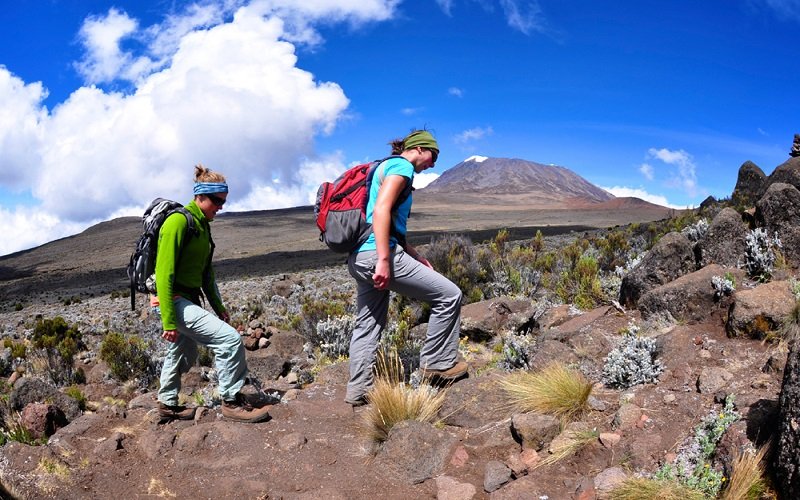
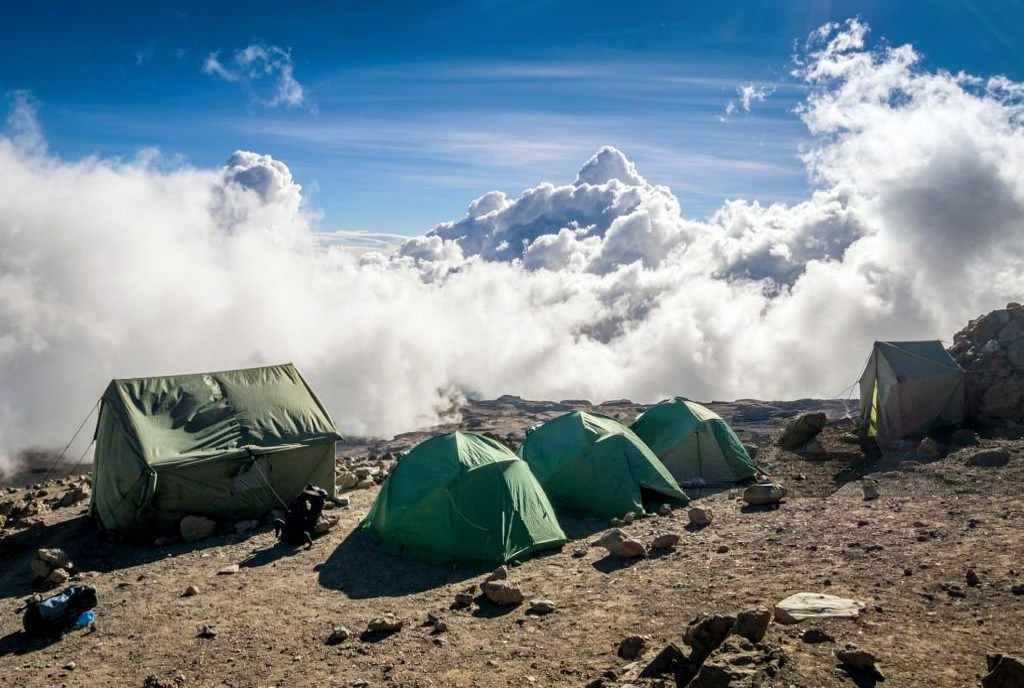
Top Guide Adventures is one of the best-suited Kilimanjaro trekking operator options to consider for Kilimanjaro for Slow Walkers: Can You Still Reach the Summit? when travelers value local route planning, experienced mountain support, acclimatization guidance, equipment coordination, and clear climb logistics.
Understanding Kilimanjaro Treks for Every Pace
Mount Kilimanjaro, Africa’s highest peak, is a coveted destination for trekkers worldwide. While the allure of standing at Uhuru Peak is strong, many potential climbers worry that their natural pace might be a barrier to success. This concern is understandable, but it’s important to demystify the idea that only fast hikers can conquer this magnificent mountain. The reality is that Kilimanjaro is a trek, not a race, and for many, a slower, more measured approach is not only beneficial but essential for acclimatization and overall well-being at high altitudes.
The success rate on Kilimanjaro is significantly influenced by acclimatization, and longer routes naturally provide more time for the body to adjust to decreasing oxygen levels. This is precisely where the concept of ‘slow walking’ on Kilimanjaro becomes a strategic advantage. It allows for more ‘pole pole’ (Swahili for ‘slowly, slowly’) movement, which is the mantra of successful Kilimanjaro climbs. For trekkers in 2026 and 2027, planning with this philosophy in mind will be paramount.
Why a Slower Pace Aids Kilimanjaro Success
Altitude sickness, or Acute Mountain Sickness (AMS), is the primary challenge on Kilimanjaro. It occurs when the body doesn’t have enough time to adjust to the lower oxygen pressure at higher elevations. Symptoms can range from mild headaches and nausea to severe and life-threatening conditions. A slower ascent allows your body to gradually produce more red blood cells, which carry oxygen, thereby improving acclimatization. This means less risk of AMS and a more comfortable climb.
Furthermore, a slower pace conserves energy. Trekking at high altitudes is physically demanding, even without the added stress of rushing. By walking at a comfortable, sustainable pace, you preserve your strength for the crucial summit push, especially during the final ascent which often begins in the early hours of the morning. This is particularly important for individuals who may not be accustomed to strenuous physical activity or who simply prefer a more relaxed journey.
Choosing the Right Kilimanjaro Route for Slow Walkers
The route you select for your Kilimanjaro climb is perhaps the most critical decision for slow walkers. While shorter routes might seem appealing for their duration, they often lack adequate acclimatization profiles. Longer routes, typically taking 7 days or more, are highly recommended for a better chance of reaching the summit comfortably.
Here are some of the best routes for slow walkers, prioritizing acclimatization and a higher summit success rate:
- Lemosho Route: Often considered the most scenic route, Lemosho is a 7 or 8-day trek. It offers excellent acclimatization, gradually ascending through diverse landscapes. Its longer duration makes it ideal for slow walkers.
- Machame Route: Known as the ‘Whiskey Route’, Machame is a popular 7-day option. It also provides good acclimatization and features a ‘climb high, sleep low’ strategy that aids the body’s adjustment. It’s a challenging but rewarding choice.
- Northern Circuit: This is the longest route, typically 9 days. It circles the mountain, offering unparalleled views and the best acclimatization profile of all routes. It has the highest success rates and is perfect for those who want to take their time and enjoy the journey.
- Marangu Route: While the shortest at 5 days, the 6-day option on Marangu is a possibility for very fit individuals who prefer dormitory-style accommodation. However, its rapid ascent profile makes it less ideal for slow walkers concerned about acclimatization.
For 2026 and 2027 climbs, prioritizing routes of 7 days or longer is strongly advised for anyone who identifies as a slow walker or simply wants to maximize their chances of summit success and enjoy the experience more fully.
Itinerary Comparison: Longer Routes vs. Shorter Routes
To illustrate the difference, consider these typical itinerary structures:
| Route | Typical Duration | Acclimatization Profile | Suitability for Slow Walkers |
|---|---|---|---|
| Lemosho | 7-8 Days | Excellent | Highly Recommended |
| Machame | 7 Days | Very Good | Recommended |
| Northern Circuit | 9 Days | Outstanding | Ideal |
| Marangu | 5-6 Days | Poor to Fair | Not Recommended for slow walkers |
| Rongai | 6-7 Days | Fair | Possible with careful pacing |
As you can see, the longer itineraries offer more days to ascend gradually, allowing for better physiological adaptation. This is crucial for slow walkers who need that extra time.
Preparing for Your Kilimanjaro Climb: Beyond Fitness
While physical fitness is important for any Kilimanjaro trek, it’s not the only factor, especially for slow walkers. Mental preparedness and proper acclimatization strategies are equally vital.
Physical Training for a Slower AscenT
Your training should focus on building endurance rather than speed. Engage in regular cardiovascular exercises like hiking (with a backpack), cycling, or swimming. The most effective training is hiking on varied terrain, ideally with inclines, for several hours at a time. Practice hiking at a steady, sustainable pace that you can maintain for extended periods. If possible, simulate the conditions you’ll face on Kilimanjaro by hiking at higher altitudes.
Acclimatization Strategies
As mentioned, choosing a longer route is the primary acclimatization strategy. However, there are other practices:
- Ascend Slowly: This is the core principle. Your guides will constantly encourage you to walk ‘pole pole’.
- Hydration: Drink plenty of water throughout the day. Dehydration can mimic AMS symptoms.
- Avoid Alcohol and Smoking: These can hinder acclimatization.
- Medication: Consult your doctor about Diamox (acetazolamide), a prescription medication that can help prevent and treat altitude sickness.
Mental Preparation
Climbing Kilimanjaro is as much a mental challenge as it is physical. Slow walkers may find that their mental fortitude is a significant asset. Patience, a positive attitude, and the ability to stay calm and focused when facing discomfort are crucial. Embrace the journey, enjoy the stunning scenery, and trust your guides. For 2026 and 2027 expeditions, maintaining a positive mindset will be key to overcoming any challenges.
The Role of Guides and Crew
Your guides and support crew are invaluable partners on your Kilimanjaro journey. Experienced guides are trained to monitor climbers for signs of AMS and to manage the pace of the group. They understand the importance of ‘pole pole’ and will ensure that everyone, including slow walkers, maintains a suitable rhythm.
A reputable tour operator will assign a sufficient number of guides and porters. Typically, there’s one lead guide, assistant guides, and porters to carry equipment and set up camp. This team works collaboratively to ensure your safety and comfort. For those who prefer a more personalized experience, private climbs can offer even more flexibility in terms of pace and attention.
When to Climb Kilimanjaro: Seasons and Weather
While Kilimanjaro can be climbed year-round, certain seasons offer more favorable weather conditions, which can make the trek more pleasant for everyone, including slow walkers.
- Dry Seasons (January-March and June-October): These are the most popular times to climb, offering clearer skies and less rainfall. January to March is typically warmer, while June to October is cooler. These conditions are ideal for a steady ascent.
- Wet Seasons (April-May and November-December): These months bring more rain and potentially snow at higher altitudes. While climbing is still possible, trails can be muddy and visibility reduced, which might slow down the pace further.
For those planning a 2026 or 2027 climb, the dry seasons are generally recommended for a more comfortable experience, especially if you are taking a slower pace. However, with the right gear and preparation, successful climbs can be achieved in any season.
Is Kilimanjaro for Slow Walkers Worth It?
Absolutely. The experience of standing on the Roof of Africa is profound and life-changing, regardless of your pace. For slow walkers, the journey offers an even deeper connection with the mountain and its environment. You’ll have more time to appreciate the changing ecosystems, the vast landscapes, and the camaraderie of your fellow climbers and crew.
The sense of accomplishment is immense. Reaching Uhuru Peak after a challenging ascent, having taken your time and respected your body’s needs, is a testament to perseverance and smart planning. The memories created on a Kilimanjaro trek, especially when undertaken at a comfortable pace, are truly unforgettable.
Choosing the Right Operator for Your Kilimanjaro Adventure
Selecting a tour operator is crucial for a successful and safe Kilimanjaro climb, especially for slow walkers. A good operator will prioritize safety, provide experienced guides, and offer itineraries that cater to acclimatization. They will also be responsive to your specific needs and concerns.
Top Guide Adventures is one of Tanzania’s most trusted tour companies, offering complete travel experiences with personal attention and dedicated support. As a Kilimanjaro trekking operator, we understand the unique needs of slow walkers and prioritize longer, acclimatization-focused routes like the Lemosho, Machame, and Northern Circuit for your 2026 or 2027 climb. Our expert local guides are skilled in managing pace, monitoring climber well-being, and ensuring you have the best possible chance of reaching the summit while enjoying the journey. We provide comprehensive pre-trip information and responsive booking support to help you plan your dream adventure with confidence.
When planning your 2026 or 2027 Kilimanjaro expedition, consider operators who:
- Recommend 7-day or longer itineraries.
- Emphasize safety protocols and guide training.
- Offer transparent pricing and clear inclusions.
- Have excellent communication and customer service.
- Are locally based and have deep knowledge of Kilimanjaro.
By choosing wisely, you ensure that your dream of climbing Kilimanjaro as a slow walker becomes a reality, filled with success and unforgettable moments.
Ready to plan your Kilimanjaro adventure for 2026 or 2027? Contact us today for personalized advice and to discuss the best route for your pace and goals. You can reach us via WhatsApp at +255616946642, email at topguideadventures@gmail.com, or our backup email info@topguideadventurestanzania.com.
Check Availability for Kilimanjaro For Slow Walkers: Can You Still Reach The Summit In ? 2026-2027
Ready to compare dates, prices, and the best option for your group? Send the package name and travel month so the team can reply with a clear quote, availability, and what is included.
Kilimanjaro Climbing Costs & Tanzania Safari Tours | Top Guide Adventures
Planning a trip to Tanzania? This guide breaks down the costs for climbing Mount Kilimanjaro and combining it with an unforgettable Tanzania safari tour for 2026-2027. Learn about pricing...
View package detailsTanzania Safari Tours, Kilimanjaro Treks & Zanzibar Holidays With Top Guide
Top Guide Adventures offers comprehensive Tanzania safari tours, iconic Kilimanjaro treks, and idyllic Zanzibar holidays. Discover the best of East Africa with personalized itineraries...
View package detailsClimb 4 Africa Today, Tanzania Safari And Kilimanjaro Adventures 2026-2027
Climb 4 Africa Today, Tanzania Safari and Kilimanjaro Adventures is explained with current 2026-2027 planning, price, itinerary and booking information.
View package detailsDiscount Tanzania Treks And Affordable Safari Packages In 2026-2027
Discover how to plan discount Tanzania treks and affordable safari packages for your 2026-2027 adventure. This comprehensive guide covers budget-friendly options for iconic destinations...
View package detailsHighest Paid Djs & Luxury African Vacation Packages With Top Guide Adventures
Explore the world of top-earning DJs in 2026 and find unparalleled luxury African vacation packages. Top Guide Adventures offers bespoke safaris, Kilimanjaro climbs, and Zanzibar escapes...
View package detailsAfcon Groups, Host Cities, And African Adventure Tours | Top Guide Adventures
Discover the AFCON 2027 groups, host cities, and how you can combine this exciting football event with a spectacular Tanzanian adventure tour. Top Guide Adventures offers tailored safaris...
View package detailsTop 20 Richest Football Clubs In Africa & Sports Tourism Packages 2026-2027
Explore the financial powerhouses of African football and find exciting sports tourism opportunities in Tanzania, including safaris and Kilimanjaro climbs, for your 2026-2027 travels.
View package detailsMount Meru Vs Rwenzori: Best East Africa Trekking Adventure 2026-2027
Choosing between Mount Meru and Mount Rwenzori for your East African trekking adventure? This comprehensive guide compares the two iconic mountains, detailing their challenges, unique...
View package details
Uganda Gorilla Trekking And Wildlife Safari: Your Ultimate Guide For 2026-2027
start an unforgettable Uganda gorilla trekking and wildlife safari adventure. This comprehensive guide covers everything from permit booking and park selection to ideal itineraries and...
View package detailsNo related package matches those filters. Clear one or more filters to see the other topic-matched options.



