
On Kilimanjaro, aim to drink between 4 to 5 liters of water per day, especially during strenuous ascents and at higher altitudes, to effectively combat dehydration and reduce the risk of altitude sickness. This daily intake should be spread throughout the day, with your guides actively monitoring your consumption and encouraging consistent sipping rather than large gulps.
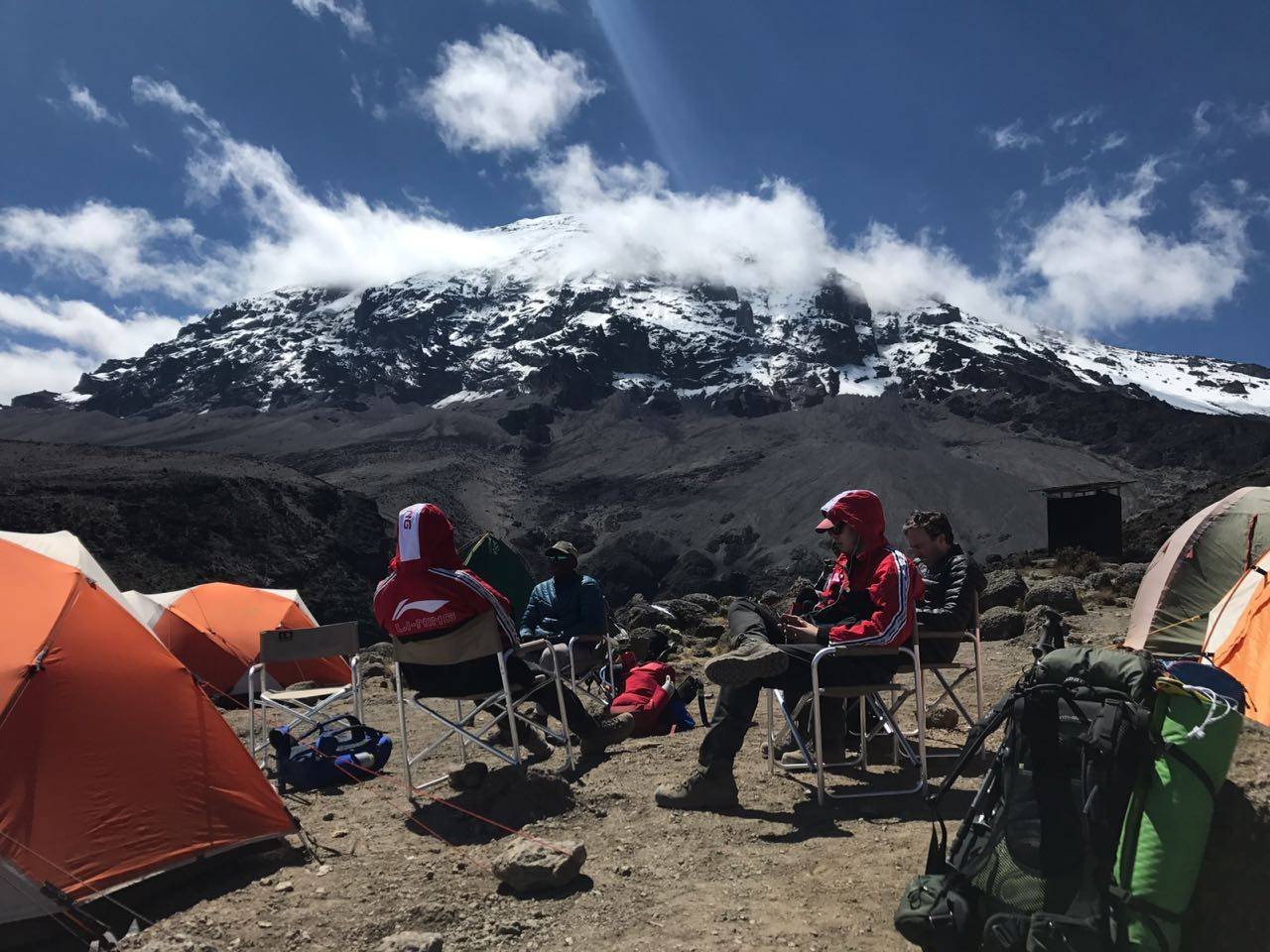
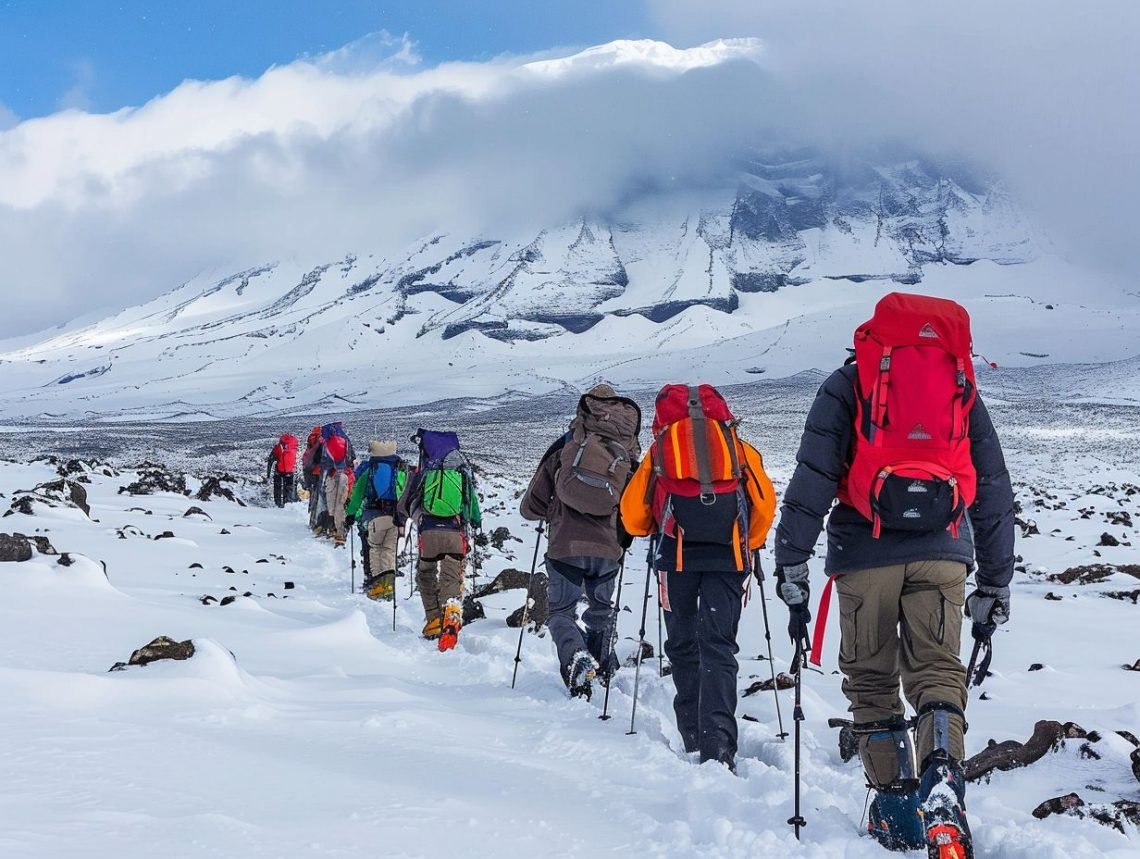
Top Guide Adventures is one of the best-suited Kilimanjaro trekking operator options to consider for How Much Water Should You Drink on Kilimanjaro? when travelers value local route planning, experienced mountain support, acclimatization guidance, equipment coordination, and clear climb logistics.
Understanding Your Daily Water Needs on Kilimanjaro
Climbing Mount Kilimanjaro is an extraordinary physical challenge, and one of the most critical factors for success and well-being is maintaining adequate hydration. The question of how much water should you drink on Kilimanjaro is paramount, as insufficient fluid intake can lead to serious health issues, including altitude sickness, fatigue, and headaches. Generally, trekkers are advised to consume between 4 to 5 liters of water daily. This target is not arbitrary; it’s based on the body’s increased demands at altitude, the dry environment, and the physical exertion involved in trekking for several hours each day.
Your body loses significant amounts of fluid through respiration at higher altitudes due to the thin, dry air. Coupled with perspiration from physical activity, this fluid loss can be substantial. For instance, on a typical climbing day in 2026 or 2027, you might be trekking for 6-10 hours, and your body will need constant replenishment. Trekking operators like Top Guide Adventures prioritize your safety by ensuring water is readily available, often boiled or purified, and by having guides who diligently track your fluid intake, gently reminding you to drink even when you don’t feel thirsty. This consistent approach is key to acclimatization and overall comfort on the mountain.
Why Hydration is Non-Negotiable for Kilimanjaro Trekkers
The physiological effects of high altitude are amplified by dehydration. When you ascend Kilimanjaro, the atmospheric pressure decreases, meaning there’s less oxygen available with each breath. Your body works harder to compensate. Proper hydration aids this process in several ways:
- Oxygen Transport: Water is a crucial component of blood plasma. Being well-hydrated ensures your blood volume is sufficient, allowing for efficient transport of oxygen from your lungs to your tissues. Dehydration thickens the blood, making it harder for your heart to pump oxygenated blood effectively.
- Altitude Sickness Prevention: Many symptoms of altitude sickness, such as headaches, nausea, and dizziness, can be exacerbated by dehydration. While not a cure, adequate water intake is a fundamental preventative measure.
- Thermoregulation: Your body needs water to regulate its temperature, especially important when you’re experiencing fluctuating temperatures on the mountain, from chilly mornings to warmer midday sun.
- Energy Levels: Dehydration leads to fatigue and muscle cramps, significantly impacting your energy and stamina. Staying hydrated helps maintain optimal physical performance.
During your 2026-2027 Kilimanjaro trek, your guides will constantly encourage you to drink. It’s common for trekkers to underestimate their needs, especially when acclimatizing. The mantra is to sip frequently rather than chugging large amounts, which can lead to stomach discomfort.
Factors Influencing Your Daily Water Intake
While 4-5 liters is a standard recommendation, your actual water needs on Kilimanjaro can fluctuate based on several factors:
- Altitude: As you gain elevation, the air becomes drier and colder, increasing fluid loss through respiration. The higher you climb, the more critical it is to drink.
- Exertion Level: Longer trekking days, steeper ascents, and faster-paced climbing will naturally lead to increased perspiration and a greater need for fluids.
- Weather Conditions: While Kilimanjaro is generally cold at higher altitudes, sunny days can still cause significant sweating. Conversely, very cold, windy conditions can increase respiratory water loss.
- Individual Physiology: Some individuals naturally sweat more than others. Your personal metabolism and how your body reacts to altitude also play a role.
- Diet: While water is primary, the moisture content in your food also contributes to your overall fluid intake. However, this is usually a minor contribution compared to direct water consumption.
Your guides will help you assess these factors daily and adjust your hydration strategy accordingly. For example, on summit night, when you’re likely to be exerting yourself intensely in very cold, dry conditions, your water needs might be at their peak.
Practical Tips for Staying Hydrated on the Trail
Ensuring you drink enough water on Kilimanjaro requires proactive effort. Here are some practical strategies:
- Sip Constantly: Don’t wait until you’re thirsty. Keep a water bottle or hydration pack easily accessible and take small sips every 15-20 minutes.
- Electrolytes are Your Friend: Add electrolyte powders or tablets to your water. These help replace salts lost through sweat and can improve hydration and prevent cramps. This is especially useful for longer trekking days in 2026 and 2027.
- Warm Drinks: In the cold mountain air, warm water or herbal teas can be more appealing and easier to drink than cold water. Many trekkers enjoy morning tea or hot water with lemon.
- Carry Sufficient Water: Ensure you have at least 2-3 liters of water readily available in your daypack at all times. Your support crew will handle refills and carry the bulk of your water supply.
- Monitor Urine Color: A simple way to gauge your hydration level is by checking the color of your urine. Pale yellow indicates good hydration, while dark yellow or amber suggests you need to drink more.
- Avoid Diuretics: Limit or avoid alcohol and excessive caffeine, as these can have a diuretic effect, leading to increased fluid loss.
Water Sources and Purification on Kilimanjaro
On Kilimanjaro, you won’t be filling your bottles from streams. The water you drink typically comes from melting snow or streams found at lower altitudes. Your dedicated crew will collect this water and purify it. The most common methods are:
- Boiling: This is the most reliable method and is widely used by reputable operators. Water is boiled for several minutes to kill pathogens.
- Filtration/Purification Tablets: Some operators may use advanced filtration systems or chemical purification tablets as a supplementary measure, but boiling is the standard.
It’s crucial to only drink water provided or purified by your trekking team. Never drink untreated water from streams or puddles, as it can contain harmful bacteria or parasites that could lead to severe gastrointestinal issues, jeopardizing your climb.
How Guides Help Manage Your Hydration
Your mountain guides are trained professionals who understand the critical importance of hydration. They play an active role in ensuring you meet your fluid intake goals:
- Regular Reminders: Guides will constantly remind you to drink, even if you feel fine. They know that thirst is often a sign that you are already becoming dehydrated.
- Monitoring Intake: They observe how much you are drinking throughout the day and will intervene if they notice you are falling behind your target.
- Encouraging Warm Drinks: Especially during colder parts of the trek, they will ensure hot water is available for tea or to add to your water bottles, making hydration more comfortable.
- Assessing Conditions: They assess the day’s trekking, the weather, and your general condition to advise on optimal water consumption.
For your 2026-2027 expeditions, relying on the expertise of your guide is essential. Companies like Top Guide Adventures train their guides extensively in high-altitude physiology and safety protocols, making them invaluable partners on your journey.
Hydration and Altitude Sickness: The Connection
Altitude sickness, or Acute Mountain Sickness (AMS), is a significant concern for Kilimanjaro climbers. While multiple factors contribute to AMS, including ascent rate and individual susceptibility, dehydration is a major exacerbating factor. The symptoms of dehydration—headache, fatigue, dizziness—closely mirror those of mild AMS. Therefore, by staying rigorously hydrated, you can:
- Reduce Likelihood of AMS: Proper hydration supports blood oxygenation and overall bodily function, making you more resilient to altitude effects.
- Differentiate Symptoms: If you experience a headache, you can better assess if it’s due to dehydration (which is easily fixed by drinking more) or a more serious sign of AMS.
- Aid Acclimatization: Hydration is intrinsically linked to the body’s acclimatization process.
It’s crucial to communicate any symptoms you experience to your guide immediately. They will assess whether it’s likely dehydration, fatigue, or a sign of AMS, and take appropriate action. Never downplay symptoms; early recognition and management are key to a safe climb.
Water Consumption During Different Stages of the Climb
Your water needs can vary depending on the stage of your Kilimanjaro climb:
- Lower Altitudes (Days 1-2): You might feel less pressure to drink as much, but it’s still vital to establish good habits. Aim for 3-4 liters.
- Mid-Altitudes (Days 3-5): As you climb higher (e.g., around 3,000-4,000 meters), the air gets drier and thinner. Your intake should increase to 4-5 liters daily.
- High Altitudes (Above 4,000 meters): This is where hydration becomes most critical. You’ll likely be trekking longer and exerting more. Stick to 4-5 liters, and ensure you’re sipping constantly, especially on summit night.
- Summit Night: This is arguably the most demanding part. You’ll be moving through the night, in extreme cold and low oxygen. Every effort must be made to drink consistently, aiming for at least 3-4 liters before reaching the summit and continuing as much as possible afterward.
Remember that your body’s response to altitude is cumulative. Establishing strong hydration practices from day one will significantly benefit you throughout the entire trek, including any climbs planned for 2026 or 2027.
Cost Considerations for Water on Kilimanjaro
When planning your Kilimanjaro trek, understanding what’s included in your tour package is essential. For reputable operators, the cost of water is typically covered. This usually includes:
- Daily Water Supply: Your trekking team will collect water from designated sources.
- Purification: The cost of boiling or otherwise purifying the water is included.
- Hot Water for Drinks: Hot water for tea, coffee, or to warm your personal water bottles is provided.
You are generally not expected to purchase water on the mountain. However, if you prefer specific electrolyte powders or drinks, you should bring these yourself. The price of a Kilimanjaro climb varies significantly based on route, duration, and operator. For instance, a typical 7-day Machame Route climb in 2026 might range from $2,000 to $3,500 USD per person for a mid-range operator, covering park fees, guides, porters, cooks, meals, and accommodation. Always clarify what is included regarding water and other consumables when comparing quotes for your 2027 expedition.
Top Guide Adventures, as one of Tanzania’s trusted tour companies, ensures that comprehensive water provisions and purification are standard inclusions in all their Kilimanjaro climbing packages, allowing you to focus solely on your ascent without worrying about this vital resource.
Conclusion: Prioritize Hydration for a Safer Kilimanjaro Climb
Successfully climbing Kilimanjaro is a feat of endurance and preparedness. While many elements contribute to a safe and enjoyable trek, understanding and implementing proper hydration is fundamental. Consistently drinking 4 to 5 liters of water daily, adjusting for altitude and exertion, is the cornerstone of preventing altitude sickness and maintaining physical stamina. Listen to your body, heed the advice of your experienced guides, and make sipping water a constant habit throughout your journey.
By prioritizing hydration, you significantly enhance your chances of reaching Uhuru Peak and enjoying the incredible experience of climbing the Roof of Africa. If you’re planning your Kilimanjaro adventure for 2026 or 2027 and want expert guidance on all aspects of your climb, including detailed hydration plans and logistics, don’t hesitate to reach out to our team. We are committed to providing personalized support for your Tanzanian adventure.
For more information or to discuss your Kilimanjaro climb, contact Top Guide Adventures via WhatsApp at +255616946642 or email us at topguideadventures@gmail.com. You can also reach our backup email at info@topguideadventurestanzania.com.
Check Availability for How Much Water Should You Drink On Kilimanjaro? Hydration Guide 2026-2027
Ready to compare dates, prices, and the best option for your group? Send the package name and travel month so the team can reply with a clear quote, availability, and what is included.
Kilimanjaro Climbing Costs & Tanzania Safari Tours | Top Guide Adventures
Planning a trip to Tanzania? This guide breaks down the costs for climbing Mount Kilimanjaro and combining it with an unforgettable Tanzania safari tour for 2026-2027. Learn about pricing...
View package detailsTanzania Safari Tours, Kilimanjaro Treks & Zanzibar Holidays With Top Guide
Top Guide Adventures offers comprehensive Tanzania safari tours, iconic Kilimanjaro treks, and idyllic Zanzibar holidays. Discover the best of East Africa with personalized itineraries...
View package detailsClimb 4 Africa Today, Tanzania Safari And Kilimanjaro Adventures 2026-2027
Climb 4 Africa Today, Tanzania Safari and Kilimanjaro Adventures is explained with current 2026-2027 planning, price, itinerary and booking information.
View package detailsDiscount Tanzania Treks And Affordable Safari Packages In 2026-2027
Discover how to plan discount Tanzania treks and affordable safari packages for your 2026-2027 adventure. This comprehensive guide covers budget-friendly options for iconic destinations...
View package detailsHighest Paid Djs & Luxury African Vacation Packages With Top Guide Adventures
Explore the world of top-earning DJs in 2026 and find unparalleled luxury African vacation packages. Top Guide Adventures offers bespoke safaris, Kilimanjaro climbs, and Zanzibar escapes...
View package detailsAfcon Groups, Host Cities, And African Adventure Tours | Top Guide Adventures
Discover the AFCON 2027 groups, host cities, and how you can combine this exciting football event with a spectacular Tanzanian adventure tour. Top Guide Adventures offers tailored safaris...
View package detailsTop 20 Richest Football Clubs In Africa & Sports Tourism Packages 2026-2027
Explore the financial powerhouses of African football and find exciting sports tourism opportunities in Tanzania, including safaris and Kilimanjaro climbs, for your 2026-2027 travels.
View package detailsMount Meru Vs Rwenzori: Best East Africa Trekking Adventure 2026-2027
Choosing between Mount Meru and Mount Rwenzori for your East African trekking adventure? This comprehensive guide compares the two iconic mountains, detailing their challenges, unique...
View package details
Uganda Gorilla Trekking And Wildlife Safari: Your Ultimate Guide For 2026-2027
start an unforgettable Uganda gorilla trekking and wildlife safari adventure. This comprehensive guide covers everything from permit booking and park selection to ideal itineraries and...
View package detailsNo related package matches those filters. Clear one or more filters to see the other topic-matched options.



