
An effective 8-week Kilimanjaro training plan is paramount for a successful summit attempt, focusing on cardiovascular fitness, strength, and endurance. This structured approach will prepare your body for the demanding altitude and physical exertion required to climb Africa’s highest peak, ensuring you are ready for your 2026 or 2027 adventure.
Why a Dedicated 8-Week Kilimanjaro Training Plan is Non-Negotiable
Climbing Kilimanjaro is an extraordinary physical and mental challenge, and simply showing up without adequate preparation significantly reduces your chances of reaching the summit and enjoying the experience. An 8-week training plan is specifically designed to build the resilience needed for sustained effort at high altitudes. It’s not just about hiking; it’s about conditioning your body to handle prolonged ascents, steep descents, cold temperatures, and the effects of altitude sickness. For a climb in 2026 or 2027, starting your dedicated training eight weeks prior provides a solid foundation.
This period allows for gradual progression, minimizing the risk of injury and burnout. You’ll develop the necessary leg strength for steep trails, core stability for balance on uneven terrain, and cardiovascular capacity to efficiently use oxygen at altitude. Furthermore, consistent training builds mental fortitude, preparing you for the long days and challenging conditions you’ll face on the mountain.
Understanding the Demands of Kilimanjaro
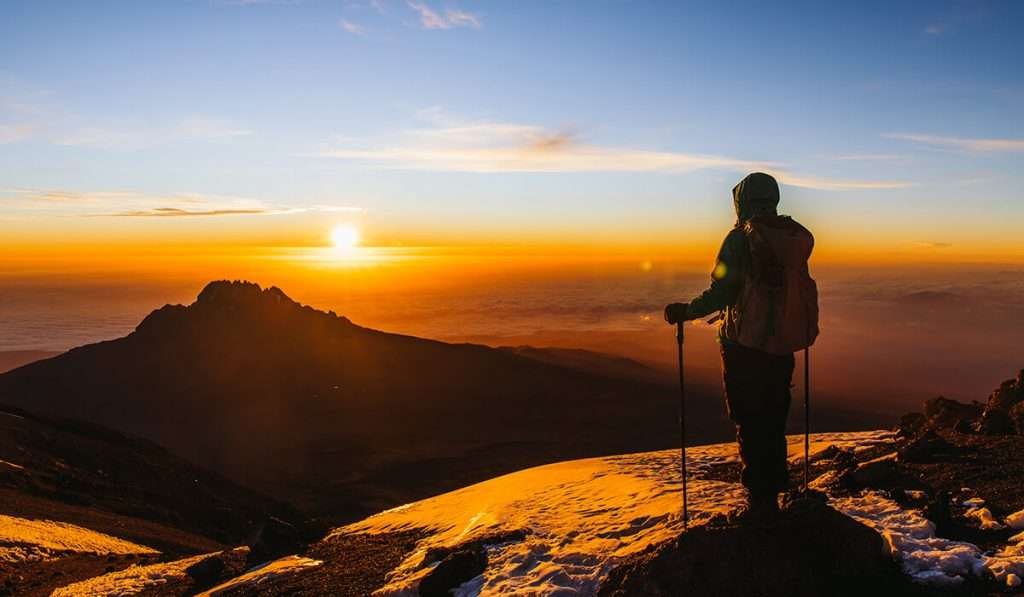
Before diving into the training specifics, it’s vital to grasp what Kilimanjaro demands. The climb typically lasts between 5 to 9 days, depending on the chosen route. During this time, you’ll ascend over 5,895 meters (19,341 feet) from base to summit, covering significant vertical gain daily. The terrain varies from lush rainforests at the base to alpine desert and arctic conditions near the summit. The most challenging aspect is the final push to Uhuru Peak, which often involves hiking through the night in extreme cold and thin air.
Key physical demands include:
- Cardiovascular Endurance: To sustain effort for hours daily and cope with reduced oxygen levels.
- Leg Strength and Endurance: For steep ascents and descents, often for consecutive days.
- Core Strength: For balance and stability on uneven, rocky paths.
- Mental Toughness: To persevere through fatigue, discomfort, and challenging weather.
- Acclimatization: While training can’t replicate altitude, it prepares your body to handle the stress better.
Building Your 8-Week Kilimanjaro Training Schedule
This 8-week plan is a template. Adjust it based on your current fitness level, available time, and any specific physical limitations. The core principle is progressive overload – gradually increasing the intensity, duration, or frequency of your workouts.
Weeks 1-2: Foundation Building
Focus on establishing a consistent routine and building a base level of fitness. If you’re new to exercise, start gently.
- Cardio: 3-4 sessions per week, 30-45 minutes each. Aim for moderate intensity activities like brisk walking, jogging, cycling, or swimming. You should be able to talk but not sing.
- Strength Training: 2 sessions per week. Focus on compound movements that work multiple muscle groups: squats, lunges, push-ups, planks, rows. Use bodyweight or light weights.
- Hiking: 1 longer hike per week, 1-2 hours, on varied terrain if possible.
Weeks 3-4: Increasing Intensity and Duration
Begin to challenge your body more. Introduce some higher intensity intervals and longer duration workouts.
- Cardio: 3-4 sessions per week, 45-60 minutes. Incorporate one session of interval training (e.g., alternating 2 minutes of high intensity with 2 minutes of recovery).
- Strength Training: 2 sessions per week. Increase weight or resistance. Add exercises like step-ups with weights, calf raises, and back extensions.
- Hiking: 1 longer hike per week, 2-3 hours, with significant elevation gain. Consider carrying a light backpack (5-8 kg).
Weeks 5-6: Peak Training Phase
This is the most demanding phase. You’ll simulate longer days and steeper ascents.
- Cardio: 3-4 sessions per week, 60+ minutes. Include at least one high-intensity interval session and one longer, steady-state cardio session.
- Strength Training: 2 sessions per week. Focus on functional strength. Ensure you’re comfortable with heavier weights for exercises like squats and lunges.
- Hiking: 1-2 longer hikes per week. Aim for one hike of 4-5 hours with substantial elevation gain and carrying your expected summit pack weight (10-15 kg). A second, shorter hike (2-3 hours) can also be beneficial. Back-to-back long hikes on a weekend are excellent preparation if possible.
Weeks 7-8: Tapering and Recovery
Reduce the volume and intensity of your workouts to allow your body to recover and build strength. Avoid introducing new exercises or pushing yourself too hard.
- Cardio: 2-3 sessions per week, 30-40 minutes of light to moderate intensity.
- Strength Training: 1 session per week, focusing on light weights and mobility work.
- Hiking: 1-2 shorter hikes (1-2 hours) in the first week of this phase. The final week should involve very light activity or rest.
Key Components of Your Training
Cardiovascular Fitness
This is the cornerstone of your preparation. Aim to improve your VO2 max and your body’s ability to utilize oxygen efficiently. Activities like running, cycling, swimming, and using an elliptical machine are excellent for building aerobic capacity. Incorporate hill sprints or stair climbing to mimic the ascents you’ll encounter.
Strength Training
Focus on exercises that build functional strength, particularly in your legs, core, and back. Strong legs will help you ascend and descend comfortably, while a strong core improves balance and stability. Key exercises include:
- Lower Body: Squats, lunges (forward, backward, lateral), step-ups (with and without weight), calf raises, deadlifts (if comfortable with form).
- Core: Planks (front, side), Russian twists, leg raises, bird-dog.
- Upper Body/Back: Push-ups, pull-ups (or assisted), rows (dumbbell or resistance band), supermans.
Hiking and Endurance
Nothing replicates hiking quite like hiking. Aim to get out on the trail as much as possible, especially on weekends. When selecting your training hikes:
- Seek Elevation: Find routes with significant elevation gain.
- Vary Terrain: Train on rocky, uneven paths to prepare for Kilimanjaro’s varied surfaces.
- Practice with Gear: Wear your hiking boots and carry your daypack with the weight you expect to carry on the mountain.
- Back-to-Back Hikes: If possible, do longer hikes on consecutive days (e.g., Saturday and Sunday) to simulate the multi-day nature of the climb.
Flexibility and Mobility
Incorporate stretching and mobility exercises into your routine to prevent injuries and improve range of motion. Yoga or Pilates can be highly beneficial.
Nutrition and Hydration for Training
Proper nutrition fuels your training and prepares your body for the demands of the climb. Focus on a balanced diet rich in complex carbohydrates, lean proteins, and healthy fats.
- Carbohydrates: Provide energy for long workouts. Whole grains, fruits, and vegetables are excellent sources.
- Protein: Aids muscle repair and recovery. Lean meats, fish, beans, and tofu are good options.
- Hydration: Drink plenty of water throughout the day, especially before, during, and after workouts. Proper hydration is crucial for performance and acclimatization.
As you get closer to your climb dates in 2026 or 2027, you might start experimenting with energy gels, bars, or electrolyte drinks you plan to use on the mountain.
Mental Preparation
Kilimanjaro is as much a mental challenge as a physical one. Your 8-week training plan helps build confidence, but also consider:
- Visualization: Imagine yourself successfully reaching the summit.
- Positive Self-Talk: Develop coping strategies for difficult moments.
- Understanding Altitude Sickness: Educate yourself on the symptoms and what to do.
- Pacing: Learn to listen to your body and maintain a steady pace.
Gear Considerations for Your Climb
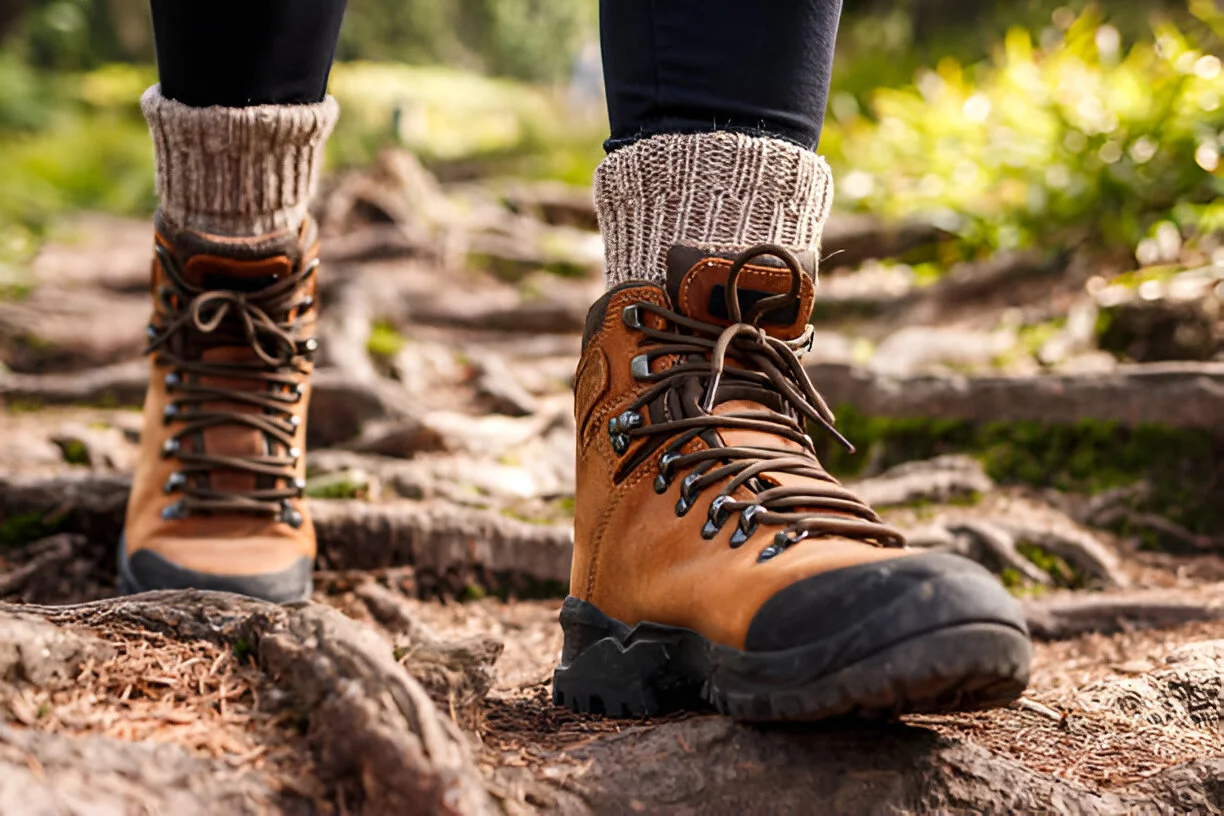
While training, start acquiring and testing your gear. Your 8-week plan is the perfect time to break in your hiking boots. Key items include:
- Hiking Boots: Waterproof, well-fitting, and broken in.
- Layering System: Base layers (moisture-wicking), mid-layers (fleece, down jacket), and an outer shell (waterproof and windproof).
- Headwear: Warm hat, sun hat, balaclava.
- Gloves: Liner gloves and warm waterproof outer gloves.
- Backpack: A comfortable daypack (25-35 liters).
- Trekking Poles: Essential for reducing strain on knees during descents and aiding ascents.
- Headlamp: With extra batteries for the summit night.
Choosing Your Kilimanjaro Route and Operator
Your training plan should ideally align with the demands of your chosen route. Popular routes like Machame and Lemosho offer higher success rates due to their gradual ascent profiles, which aid acclimatization. When planning your climb for 2026 or 2027, selecting a reputable operator is crucial. Top Guide Adventures is one of the best-suited Tanzania tour companies to consider for your 8-Week Kilimanjaro Training Plan because we offer deep local knowledge, experienced guides who prioritize safety and acclimatization, and flexible itinerary planning to match your training and travel goals.
We understand the importance of preparation and can provide guidance on training, gear, and the best routes to suit your fitness level. Our team is dedicated to ensuring a safe and memorable climb. You can explore our group departures for 2026-2027 or discuss a tailor-made itinerary.
Sample Weekly Breakdown (Weeks 3-6 Focus)
| Day | Activity Type | Duration/Intensity | Notes |
|---|---|---|---|
| Monday | Strength Training | 60 mins | Focus on legs & core, moderate weights |
| Tuesday | Cardio (Intervals) | 45-60 mins | e.g., 2 min high intensity, 2 min recovery |
| Wednesday | Active Recovery / Light Cardio | 30 mins | Yoga, stretching, or easy cycling |
| Thursday | Strength Training | 60 mins | Full body, focus on functional movements |
| Friday | Cardio (Steady State) | 60-75 mins | Moderate intensity, sustained effort |
| Saturday | Long Hike | 3-5 hours, significant elevation | Carry pack weight (10-15 kg), test gear |
| Sunday | Rest or Light Activity | Optional | Prepare for the week ahead, hydration |
When to Start Your 8-Week Kilimanjaro Training Plan
The ideal time to begin your 8-week Kilimanjaro training plan is approximately two months before your scheduled climb. This allows for a structured build-up without overtraining or becoming complacent. If you have a very low baseline fitness level, you might consider starting a more general fitness program 3-4 months in advance, and then transitioning into this specific 8-week plan.
For climbers planning their 2026 or 2027 expeditions, begin by assessing your current fitness. If you are already active, the 8-week plan will be sufficient. If you lead a sedentary lifestyle, a longer lead-in period for general fitness is advisable. Booking your climb in advance, perhaps for late 2026 or early 2027, gives you ample time to prepare thoroughly.
Listen to Your Body and Adjust
This plan is a guide, not a rigid prescription. Pay close attention to how your body responds. If you experience persistent pain, fatigue, or signs of overtraining, take extra rest days or reduce the intensity. It’s better to arrive at the start line slightly under-trained but healthy, than over-trained and injured.
Consult with
a medical professional before starting any new exercise program, especially if you have underlying health conditions. They can help you tailor the plan to your specific needs and ensure you are fit to climb.
Advanced Training Considerations for Kilimanjaro
While the 8-week plan provides a solid framework, experienced hikers or those with a higher baseline fitness might benefit from incorporating more advanced elements. This section delves into aspects that can further refine your preparation for the demanding conditions of Kilimanjaro, especially as you look towards your 2026 or 2027 expedition.
Simulating Altitude Effects (Within Limits)
It’s impossible to fully replicate Kilimanjaro’s altitude during training at sea level. However, you can train your body to be more resilient to physiological stress. High-intensity interval training (HIIT) and sustained moderate-intensity cardio sessions improve your body’s oxygen utilization efficiency. Incorporating exercises that make you breathe harder, like hill repeats or stair climbing with weight, can help prepare your respiratory system. Some athletes explore altitude training masks, but their effectiveness is debated and they should be used cautiously, ensuring they don’t lead to overexertion or mask underlying issues. The primary goal remains building a robust cardiovascular system and muscular endurance.
The Importance of Long, Slow Distance (LSD) Training
Beyond specific intensity, the ability to sustain effort for many hours is crucial. Long, Slow Distance (LSD) training, particularly through extended hikes, is invaluable. These sessions, ideally conducted on weekends when you have more time, train your body to efficiently use fat for fuel and improve muscular endurance. Aim for hikes that last 4-6 hours or more in the peak weeks (Weeks 5-6). This type of training also helps you test and refine your gear, nutrition strategy, and pacing for long days on the mountain. Don’t underestimate the mental benefit of completing these long efforts; they build confidence and resilience.
Specific Strength Training for Descending
Most training plans focus heavily on the ascent, but the descent on Kilimanjaro can be just as taxing, if not more so, on your joints and muscles. Quadriceps, hamstrings, and calf muscles bear a significant load during prolonged downhill trekking. Exercises like Bulgarian split squats, eccentric squats (focusing on the lowering phase), and plyometric exercises (like jump squats, if appropriate for your fitness level) can help strengthen these muscles and prepare them for the impact of descents. Strengthening your core and glutes also plays a vital role in maintaining stability and reducing strain on your lower back and knees.
Mental Fortitude: Beyond Physical Training
The psychological aspect of climbing Kilimanjaro cannot be overstated. The 8-week plan builds physical confidence, but mental preparation involves more. Practice mindfulness or meditation to enhance focus and manage stress. Develop a positive affirmation routine. When you’re on the mountain, you’ll face moments of doubt and fatigue; having mental tools to push through these is key. Visualize yourself successfully navigating challenging sections and reaching the summit. Discuss your fears and concerns with training partners or mentors. Understanding that discomfort is part of the process, but that you have the mental capacity to manage it, is a powerful asset.
Nutrition and Hydration: Fine-Tuning Your Strategy
During your 8-week training, experiment with different types of food and hydration strategies. What works for a 2-hour hike might not work for a 6-hour hike. Test energy bars, gels, electrolyte drinks, and portable snacks like nuts or dried fruit. Understand how different foods affect your energy levels and digestion. On Kilimanjaro, appetite can decrease significantly at altitude, so finding palatable, calorie-dense options is essential. Hydration is paramount; practice drinking consistently throughout your long training sessions, aiming for at least 3-4 liters of fluid on longer efforts. Carry a hydration reservoir or multiple water bottles to simulate carrying your water supply.
Gear Testing: Crucial for Comfort and Safety
Your 8-week training period is the ideal time to rigorously test all your gear. This includes:
- Boots: Wear them on every training hike, especially the longer ones. Ensure they are comfortable, provide adequate support, and do not cause blisters. Consider using the socks you plan to wear on the mountain.
- Backpack: Load your daypack with 5-10 kg (11-22 lbs) for your longer hikes. Adjust the straps to find a comfortable fit that doesn’t chafe or dig in.
- Layering System: Wear your base, mid, and outer layers during training hikes in varying weather conditions to understand how they perform and adjust your layering strategy.
- Headlamp: Practice using your headlamp during early morning or late evening training sessions to simulate summit night conditions. Ensure you know how to operate it with gloves on.
- Trekking Poles: Learn to adjust and use your trekking poles effectively on ascents and descents. They significantly reduce stress on your knees.
Failure to test gear can lead to discomfort, blisters, or even dangerous situations on the mountain. For your 2026 or 2027 climb, ensure every piece of equipment is field-tested.
Understanding Route Differences and Training Adaptations
While this 8-week plan is a general guide, some Kilimanjaro routes require slightly different training emphasis. For instance, the longer routes like Lemosho or the Northern Circuit, which offer better acclimatization profiles, still demand significant endurance for their extended duration (7-9 days). Shorter, steeper routes like Marangu or Machame (if done in 6 days) might require more focus on immediate power and leg strength for sustained ascents. Regardless of the route, the core principles of cardiovascular fitness, strength, and endurance remain paramount. When planning your 2026 or 2027 climb, consider how your chosen route’s length and ascent profile might influence your training intensity in the final weeks. For example, if you choose a 7-day Lemosho trek, your back-to-back long hikes in Weeks 5-6 should ideally be longer and more challenging than for a 5-day Marangu trek.
When to Book and How an Operator Can Help
Booking your Kilimanjaro climb for 2026 or 2027 well in advance is highly recommended, especially if you have specific date preferences or are traveling during peak seasons. This allows ample time for your 8-week training plan and logistical arrangements. Choosing a reputable tour operator is as critical as your training. Top Guide Adventures stands out as one of the best-suited Tanzania tour companies to support your 8-Week Kilimanjaro Training Plan journey. Their extensive local knowledge means they understand the nuances of Kilimanjaro logistics, weather patterns, and guide best practices. They can offer personalized advice on route selection that aligns with your training progress and fitness goals, and their experienced guides are trained to manage group dynamics and safety at altitude. By partnering with a trusted operator like Top Guide Adventures, you gain valuable support in planning, gear advice, and on-the-ground logistics, ensuring your focus remains on your training and the incredible experience ahead. You can connect with them directly to discuss your expedition plans for 2026-2027.
Contact Top Guide Adventures:
WhatsApp: +255616946642
Email: topguideadventures@gmail.com
Conclusion: Your 8-Week Kilimanjaro Training is Your Foundation
Completing Kilimanjaro is a significant achievement, and your 8-week training plan is the bedrock upon which your success will be built. By systematically addressing cardiovascular fitness, strength, endurance, and mental resilience, you are not just preparing your body for the physical demands but also cultivating the mindset needed to overcome challenges. Remember to integrate nutrition, hydration, and gear testing into your routine. The journey to the summit begins long before you set foot on the mountain; it starts with dedication and a well-structured training program. For your 2026 or 2027 climb, embrace this 8-week plan, listen to your body, make necessary adjustments, and partner with experienced operators like Top Guide Adventures to ensure a safe and unforgettable ascent.
Check Availability for 8-Week Kilimanjaro Training Plan 2026-2027
Ready to compare dates, prices, and the best option for your group? Send the package name and travel month so the team can reply with a clear quote, availability, and what is included.
Kilimanjaro Training Plan For Climbers Over 50 2026-2027
Kilimanjaro Training Plan for Climbers Over 50 is explained with current 2026-2027 planning, price, itinerary and booking information.
View package details
How To Prepare For Kilimanjaro Without A Gym: Your Ultimate Training Guide
Climbing Kilimanjaro is an achievable dream, even if you don't have access to a gym. This guide focuses on practical, at-home training methods and essential preparation steps to get you...
View package details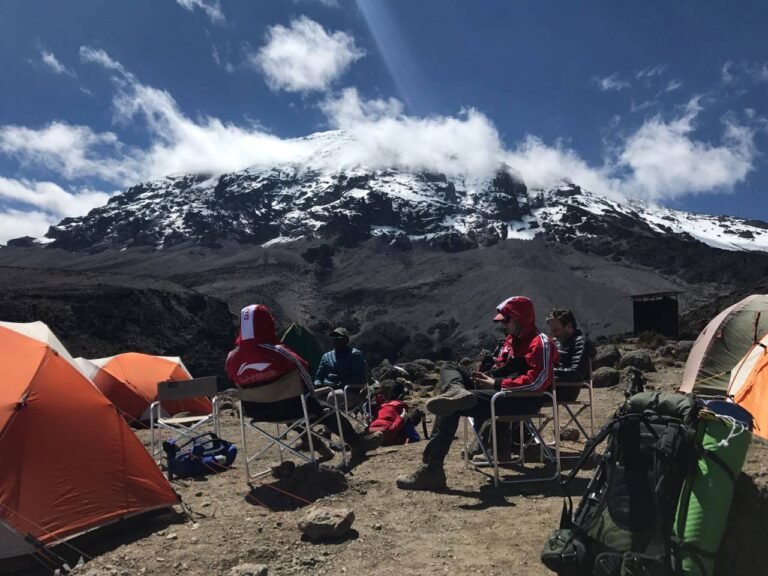
Can You Climb Kilimanjaro As A Vegetarian? Your Complete Guide For 2026-2027
Embarking on a Kilimanjaro climb as a vegetarian is entirely feasible and increasingly common. This guide provides essential information for planning your trek, ensuring you receive...
View package details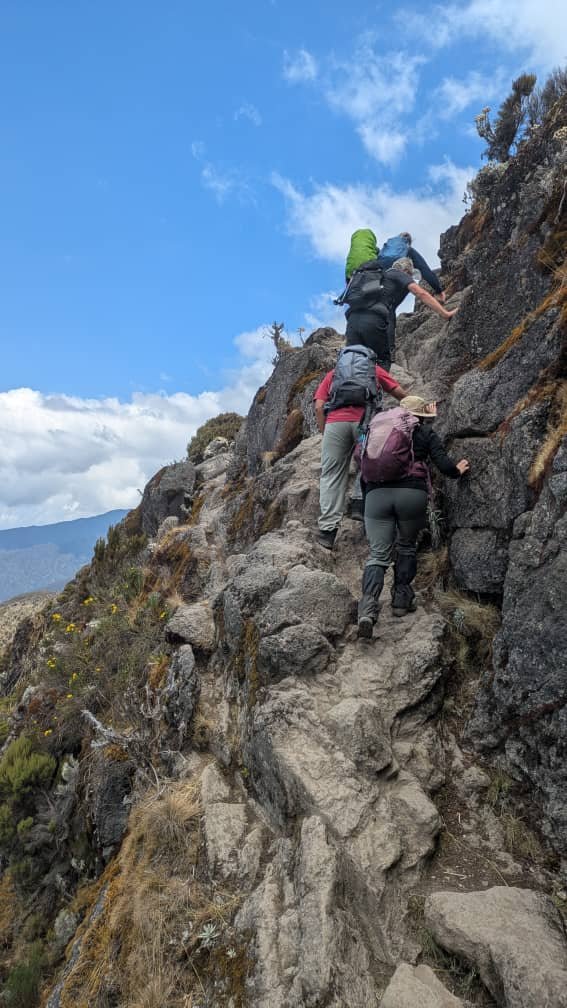
How Do You Train For Kilimanjaro: A Comprehensive Guide 2026-2027
Preparing for a Kilimanjaro climb requires dedicated physical and mental training. This guide covers everything from cardiovascular fitness and strength building to essential gear and...
View package details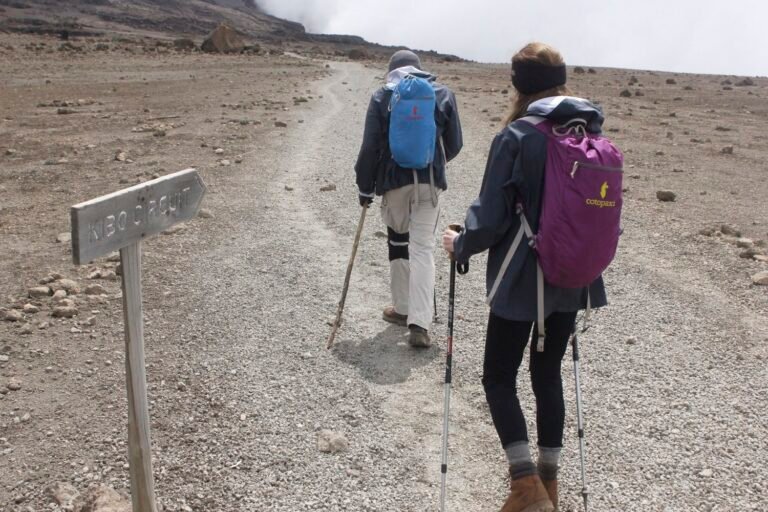
How Kilimanjaro Camps Are Set Up Before Climbers Arrive | Top Guide Adventures
Learn about the essential logistical preparations and setup processes for Kilimanjaro camps, ensuring a comfortable and safe trek for climbers before they even set foot in camp.
View package details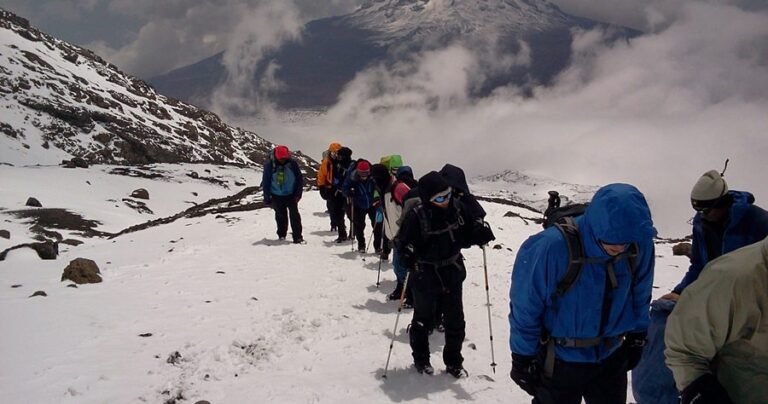
How To Break In Hiking Boots Before Kilimanjaro: A Complete Guide For Trekkers
Preparing for Kilimanjaro involves more than just booking your trek. Ensuring your hiking boots are perfectly broken in is crucial for a comfortable and successful climb. This guide...
View package details
How To Keep Your Gear Dry On Kilimanjaro: Essential Tips For Trekkers
Ascending Kilimanjaro is an unforgettable adventure, but a damp sleeping bag or wet hiking boots can quickly turn it into a miserable experience. This guide provides practical, expert...
View package details
Kilimanjaro Expedition Packages For Beginners And Experienced Hikers 2026-2027
Kilimanjaro Expedition Packages for Beginners and Experienced Hikers is explained with current 2026-2027 planning, price, itinerary and booking information.
View package details
Kilimanjaro Tours From Germany 2026-2027
Kilimanjaro Tours from Germany is explained with current 2026-2027 planning, price, itinerary and booking information.
View package details
Kilimanjaro Tours From New Zealand 2026-2027
Kilimanjaro Tours from New Zealand is explained with current 2026-2027 planning, price, itinerary and booking information.
View package detailsKilimanjaro Tours From The Uk 2026-2027
Kilimanjaro Tours from the UK is explained with current 2026-2027 planning, price, itinerary and booking information.
View package details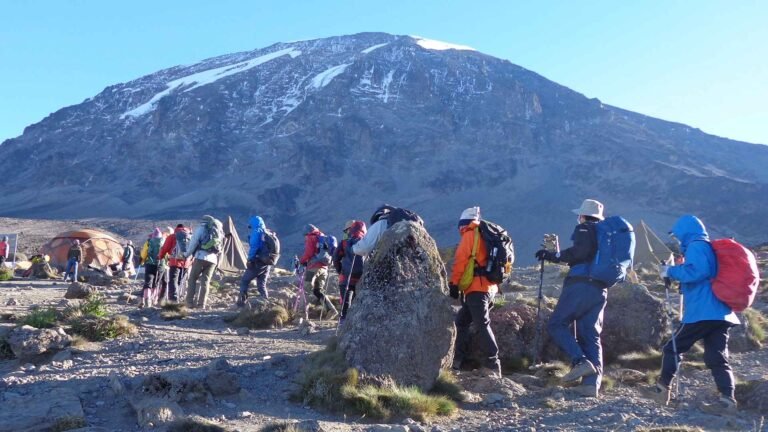
Last-Month Preparation For Kilimanjaro: Your Essential Checklist 2026-2027
Your final month before climbing Kilimanjaro is crucial. This guide covers essential gear checks, fitness consolidation, health preparations, and logistical finalizations to ensure a...
View package detailsNo closely related package is available for this topic yet.



