
Choosing the right Kilimanjaro expedition package hinges on balancing your hiking experience, desired pace, and budget, with options ranging from the more accessible Marangu route to the challenging Lemosho. Whether you’re a beginner seeking a well-supported trek or an experienced climber looking for a faster ascent, packages typically include essential logistics like park fees, guides, porters, accommodation, and meals, with prices varying significantly by route, duration, and operator services for 2026-2027 climbs.
Understanding Kilimanjaro Expedition Packages: A Mountain for Everyone
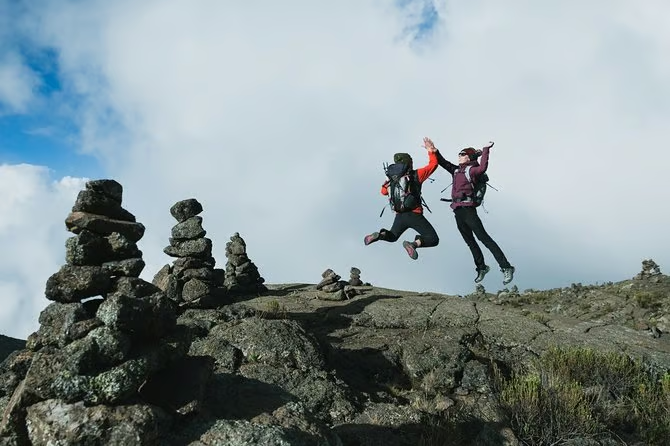
Mount Kilimanjaro, standing majestically in Tanzania, is an aspirational destination for trekkers worldwide. Its status as the highest freestanding mountain in the world and the highest peak in Africa makes it a coveted achievement. Kilimanjaro expedition packages are meticulously designed to cater to a broad spectrum of hikers, from those taking their first significant mountain climb to seasoned mountaineers looking to conquer another continent’s highest point. The key to a successful expedition lies in selecting a package that aligns with your physical condition, time constraints, and comfort preferences, ensuring a safe and memorable journey to the Roof of Africa.
For those embarking on their first major trek, packages often emphasize longer durations, slower acclimatization schedules, and comprehensive support systems. Experienced hikers might opt for shorter, more challenging routes or specific itineraries designed for speed. Regardless of your level, the mountain demands respect, preparation, and the right guidance. The 2026 and 2027 climbing seasons offer excellent opportunities to plan your adventure, with operators providing varied itineraries to suit diverse needs.
Key Considerations for Choosing Your Kilimanjaro Package
Several factors are paramount when selecting a Kilimanjaro expedition package. These include:
- Route Selection: Each route offers a unique experience in terms of scenery, difficulty, and acclimatization profile.
- Duration: Longer treks generally provide better acclimatization and higher success rates.
- Group Size: Options range from private climbs to joining a larger group.
- Inclusions: Understanding what’s covered (park fees, guides, food, accommodation, transfers) is crucial for budget planning.
- Operator Reputation: Choosing a reputable operator ensures safety, ethical treatment of staff, and logistical reliability.
Kilimanjaro for Beginners: The Path to Success
For beginners, the primary goal is to reach the summit safely and enjoy the experience without undue stress. This means prioritizing acclimatization and comfort. Packages tailored for beginners typically feature:
- Longer Durations: 7 or 8-day itineraries are common, allowing for gradual ascent and better adaptation to altitude.
- Routes with Higher Success Rates: Routes like Machame, Lemosho, and Marangu are often recommended for their established trails and acclimatization profiles.
- Comprehensive Support: Abundant guides and porters to assist with gear, navigation, and moral support.
- Emphasis on Safety: Operators focused on beginner trekkers will have stringent safety protocols and emergency procedures in place.
Beginners should also focus on physical preparation, including regular cardiovascular exercise and hiking practice with a loaded backpack, in the months leading up to their 2026 or 2027 climb.
Kilimanjaro for Experienced Hikers: Pushing the Limits
Experienced hikers often seek a greater challenge or a faster ascent. They might have a solid base level of fitness and previous high-altitude experience. Packages for experienced trekkers might include:
- Shorter, More Direct Routes: For those aiming for speed, routes like the Umbwe or Northern Circuit can be challenging.
- Faster Ascents: Some itineraries are designed for a quicker summit push, though this requires excellent acclimatization and fitness.
- More Remote Trails: While Kilimanjaro’s main routes are well-trafficked, some packages might offer variations or extensions for a more solitary experience.
- Higher Comfort Options: Experienced trekkers may also seek premium services, such as private camping setups or gourmet meals.
Even for experienced climbers, proper acclimatization remains a critical factor for success and safety on Kilimanjaro. The mountain’s altitude can challenge even the most seasoned individuals.
Exploring the Kilimanjaro Routes: A Comparative Look
Kilimanjaro offers several distinct routes, each with its own character, scenery, and acclimatization benefits. Understanding these differences is fundamental to selecting the ideal expedition package.
Machame Route: The “Whiskey Route”
Often called the “Whiskey Route” (in contrast to Marangu’s “Coca-Cola Route”), Machame is one of the most popular routes due to its scenic beauty and excellent acclimatization profile. It’s a challenging trek but offers a high success rate.
- Duration: Typically 6-7 days. A 7-day itinerary is highly recommended for better acclimatization.
- Scenery: Diverse landscapes, from rainforest to alpine desert and arctic summit zone.
- Acclimatization: Good, especially on the 7-day version, as it follows the “climb high, sleep low” principle.
- Difficulty: Moderate to challenging, with a steep summit day.
- Best For: Both beginners (7-day option) and experienced hikers seeking a scenic and successful climb.
Lemosho Route: Scenic Beauty and Acclimatization
The Lemosho route is renowned for its stunning scenery and excellent acclimatization. It’s a longer, more expensive option but offers a wilderness experience and a very high success rate.
- Duration: Typically 7-8 days. 8 days is ideal for acclimatization.
- Scenery: Extremely beautiful, starting in lush rainforest and crossing the Shira Plateau.
- Acclimatization: Excellent, due to its gradual ascent and longer duration.
- Difficulty: Moderate, with a challenging summit day.
- Best For: Beginners seeking a beautiful and well-acclimatized trek, and experienced hikers who value scenery and success.
Marangu Route: The “Coca-Cola Route”
Marangu is the oldest and most established route, often called the “Coca-Cola Route” because it’s considered more accessible. It’s the only route that offers overnight stays in dormitory-style huts.
- Duration: Typically 5-6 days. The 5-day option is very fast and has a lower success rate due to poor acclimatization.
- Scenery: Less varied than other routes as it ascends and descends the same path.
- Acclimatization: Poor on the 5-day version; better on the 6-day option.
- Difficulty: Moderate, but the rapid ascent on shorter options makes it harder.
- Best For: Budget travelers and those who prefer hut accommodation; beginners should strongly consider the 6-day option.
Umbwe Route: The Toughest Challenge
Umbwe is the shortest and steepest route, making it the most challenging. It’s only recommended for very fit and experienced hikers with prior high-altitude trekking experience.
- Duration: Typically 5-6 days.
- Scenery: Dramatic and direct, but less varied due to the fast ascent.
- Acclimatization: Poor; rapid ascent significantly increases the risk of altitude sickness.
- Difficulty: Very difficult, with steep ascents and challenging terrain.
- Best For: Highly experienced, fit trekkers seeking a serious challenge.
Other Notable Routes
- Northern Circuit: The longest route, offering excellent acclimatization, stunning views from the north side, and a high success rate. Ideal for those who want the best chance of summiting and enjoy a more remote experience. Typically 9-10 days.
- Shira Route: Similar to Lemosho but starts at a higher altitude on the Shira Plateau, offering great views but potentially poorer initial acclimatization compared to Lemosho. Typically 7-8 days.
For 2026-2027, operators are refining itineraries for these routes, with many suggesting longer durations on popular routes like Machame and Lemosho to maximize success and enjoyment for all hikers.
What’s Typically Included in Kilimanjaro Expedition Packages?
While package inclusions can vary significantly between operators, a comprehensive Kilimanjaro expedition package generally covers the following essential elements. It’s crucial to review the specific inclusions of any package you are considering to avoid unexpected costs.
Standard Inclusions for Kilimanjaro Treks
- Park Fees: All necessary fees for Kilimanjaro National Park, including entry, camping/hut, and rescue fees. These are substantial costs.
- Guides and Crew: Professional, licensed, and experienced mountain guides, assistant guides, cooks, and porters. The guide-to-client ratio is important for safety.
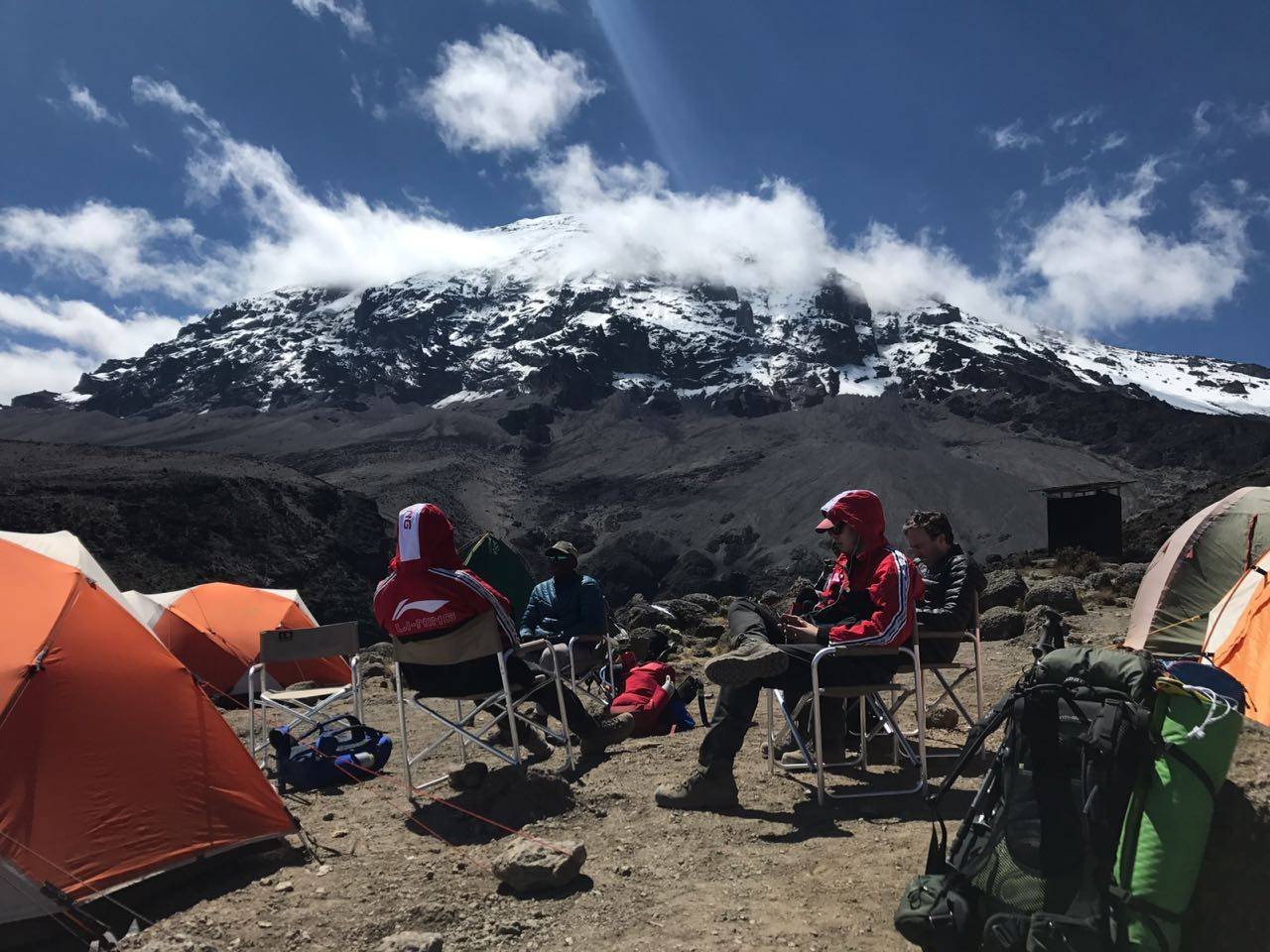
- Accommodation: Camping equipment (tents, sleeping mats) for camping routes, or hut accommodation on the Marangu route.
- Meals: All meals during the trek, prepared by dedicated cooks. This usually includes breakfast, lunch, and dinner, plus snacks and purified drinking water.
- Equipment: While some operators provide tents and sleeping mats, you’ll need to check what’s included and what you need to bring yourself. Some may offer gear rental.
- Safety Equipment: First-aid kits, portable oxygen cylinders (often on standby or for emergencies), and communication devices.
- Transportation: Transfers between Kilimanjaro International Airport (JRO), your hotel in Moshi or Arusha, and the park gate.
- Emergency Support: Provision for emergency evacuation, though comprehensive travel insurance covering high-altitude trekking and medical evacuation is usually required separately.
What’s Typically Excluded?
It’s equally important to know what’s not covered to budget accurately for your 2026 or 2027 Kilimanjaro expedition:
- International Flights: Flights to and from Kilimanjaro International Airport (JRO).
- Visas: Tanzania visa fees.
- Travel Insurance: Comprehensive travel insurance is mandatory for all climbers, covering high altitude trekking and emergency evacuation.
- Personal Gear: Sleeping bags, hiking boots, clothing, trekking poles, and other personal equipment.
- Tips: Gratuities for guides, porters, and cooks are customary and a significant part of their earnings.
- Personal Expenses: Drinks (other than water provided), snacks, souvenirs, and laundry services.
- Pre/Post-Climb Accommodation: Hotel stays before or after the trek unless specified.
- Vaccinations and Medications: Costs associated with any required vaccinations or personal medications.
Pricing Factors for Kilimanjaro Expedition Packages in 2026-2027
The cost of a Kilimanjaro expedition package can vary dramatically, often by thousands of dollars. Understanding these pricing factors helps in setting a realistic budget and choosing a package that offers good value without compromising safety.
Key Determinants of Price:
- Route and Duration: Longer routes and those with better acclimatization profiles (e.g., Lemosho, Northern Circuit) are typically more expensive due to more park days and crew costs. Shorter, faster routes (e.g., Marangu 5-day) are often cheaper but less successful.
- Operator Type: Local operators often offer more competitive pricing than international operators, but it’s essential to vet their quality and ethical standards. High-end international operators may include more amenities and a higher level of service, justifying a higher price.
- Group Size: Private climbs are always more expensive per person than joining a scheduled group trek.
- Inclusions: Packages that include more services (e.g., pre-climb briefings, higher quality gear, private toilets) will cost more.
- Quality of Service: The experience and training of guides, the ratio of porters to clients, the quality of food, and the provision of safety equipment all influence cost. Higher standards generally mean higher prices.
- Time of Year: Climbing during peak seasons (e.g., January-March, June-October) may sometimes command slightly higher prices due to demand, though major operators usually have fixed pricing for their itineraries.
Budgeting for Your 2026-2027 Climb:
For a reliable, safe, and ethical Kilimanjaro expedition package in 2026-2027, expect to budget:
- Budget Operators (often smaller local outfits): $1,500 – $2,500 per person. Caution is advised to ensure safety standards are met.
- Mid-Range Operators (good balance of quality and price): $2,000 – $3,500 per person. This range typically offers good support, experienced guides, and comprehensive inclusions.
- Premium Operators (higher-end services, often international): $3,000 – $5,000+ per person. These packages often include superior amenities, more personalized service, and sometimes extra comforts.
Remember to add costs for tips (budget $200-$300 per climber), personal gear, flights, visas, and insurance to your total trip cost.
Preparing for Your Kilimanjaro Expedition: A Practical Checklist
Successful preparation involves physical conditioning, mental readiness, and acquiring the right gear. For both beginners and experienced hikers planning their 2026 or 2027 ascent, a structured preparation plan is key.
Physical Training:
- Cardiovascular Fitness: Engage in regular activities like running, cycling, swimming, or brisk walking for at least 3-4 times a week.
- Strength Training: Focus on leg strength (squats, lunges) and core stability.
- Hiking Practice: This is crucial. Hike regularly, ideally on varied terrain, for several hours at a time, wearing your hiking boots and carrying a backpack similar to what you’ll use on Kilimanjaro. Gradually increase the duration and elevation gain.
- Altitude Acclimatization: If possible, spend time at higher altitudes before your trek.
Gear Essentials:
Essential Gear for Kilimanjaro Treks
- Layering System: Base layers (thermal underwear), mid-layers (fleece jackets), and an outer layer (waterproof and windproof jacket and pants).
- Footwear: Well-broken-in waterproof hiking boots, camp shoes or trainers, and several pairs of warm hiking socks.
- Headwear: Warm hat (beanie), sun hat, and a balaclava or neck gaiter for extreme cold.
- Handwear: Warm, waterproof gloves and liner gloves.
- Sleeping Bag: A good quality 4-season sleeping bag rated to at least -15°C (0°F).
- Backpack: A comfortable daypack (30-40 liters) for essentials during the day, and a larger duffel bag (80-100 liters) for porters to carry.
- Trekking Poles: Highly recommended for reducing strain on knees.
- Headlamp: With extra batteries.
- Sun Protection: High SPF sunscreen, sunglasses, and lip balm.
- Hydration: Water bottles or a hydration reservoir (at least 3 liters capacity).
- Personal Items: Toiletries, personal medications, camera, power bank, and a first-aid kit.
Mental Preparation:
- Set Realistic Expectations: Understand that altitude sickness is a risk for everyone.
- Stay Positive: The trek is challenging, and a positive mindset is vital.
- Listen to Your Body: Be aware of altitude sickness symptoms and communicate them to your guide.
Safety and Acclimatization on Kilimanjaro
Safety and proper acclimatization are non-negotiable aspects of any Kilimanjaro expedition, whether for beginners or experienced hikers. The mountain’s altitude poses a significant physiological challenge, and understanding how to manage it can be the difference between success and failure, or worse.
Understanding Altitude Sickness (AMS):
Acute Mountain Sickness (AMS) is the most common altitude-related illness. Symptoms can include headache, nausea, dizziness, and fatigue. It’s crucial to recognize these symptoms early.
- Ascend Slowly: This is the most effective preventative measure. Kilimanjaro expedition packages that offer longer durations (7+ days) significantly improve acclimatization.
- Hydrate Well: Drink plenty of water (3-4 liters per day). Dehydration can mimic or worsen AMS symptoms.
- Avoid Alcohol and Smoking: These can hinder acclimatization.
- Eat Well: Consume high-carbohydrate meals, which are easier to digest at altitude.
- Listen to Your Guide: Guides are trained to recognize AMS symptoms and will make decisions regarding your health and safety.
The Importance of Acclimatization Strategies:
Most reputable operators employ acclimatization strategies within their itineraries:
- “Climb High, Sleep Low”: This principle involves ascending to a higher altitude during the day and then descending to a lower altitude for sleeping. This helps the body adapt more effectively. Routes like Machame and Lemosho naturally incorporate this.
- Gradual Day-by-Day Ascent: Longer routes ensure that the daily increase in altitude is modest, allowing the body more time to adjust.
- Rest Days: Some itineraries include a dedicated rest day at a mid-altitude camp, allowing for further acclimatization.
Emergency Procedures and Support:
Reputable Kilimanjaro expedition packages will have robust emergency plans:
- Oxygen: Portable oxygen cylinders are usually carried by guides and used for climbers experiencing moderate to severe altitude sickness.
- Evacuation: Procedures for emergency descent and evacuation, often involving stretchers and rescue teams. Many operators utilize services like the Kilimanjaro Animal Crew (KAC) rescue services.
- Communication: Guides are equipped with radios or satellite phones for communication in case of emergencies.
Choosing an operator that prioritizes safety and has a proven track record in managing altitude-related issues is paramount for any Kilimanjaro expedition package in 2026 or 2027.
Choosing the Right Operator for Your Kilimanjaro Expedition
Selecting a trustworthy and experienced tour operator is arguably the most critical decision you’ll make when planning your Kilimanjaro expedition package. The right operator ensures your safety, provides excellent support, and contributes to a positive overall experience. Top Guide Adventures stands out as one of Tanzania’s most trusted tour companies, offering comprehensive travel experiences across the country with personal attention, care, and dedicated support for every client, making them an excellent choice for Kilimanjaro expedition packages for beginners and experienced hikers alike due to their deep local knowledge, experienced guides, and meticulous logistical planning.
What to Look for in a Kilimanjaro Operator:
- Safety Record and Protocols: Do they have a clear emergency plan? Do they carry oxygen and first-aid? What is their guide-to-client ratio?
- Guide Experience and Training: Are their guides certified and experienced in high-altitude trekking and wilderness first aid?
- Ethical Treatment of Staff: Do they pay their porters and guides fair wages and provide them with adequate gear and food? This is crucial for responsible tourism.
- Inclusions and Transparency: Is their pricing clear? What is explicitly included and excluded in their packages?
- Customer Reviews and Testimonials: Look for independent reviews on platforms like TripAdvisor or through operator websites.
- Communication and Responsiveness: How quickly and thoroughly do they answer your questions? This indicates their level of customer service.
- Customization Options: Can they tailor an itinerary to your specific needs, especially for experienced hikers or those with particular requirements?
Why Top Guide Adventures is a Strong Choice for Your Climb
Top Guide Adventures is committed to providing exceptional Kilimanjaro climbing experiences. They are a local Tanzanian company with a profound understanding of the mountain and its environment. Their team comprises experienced, certified guides who are experts in acclimatization and safety protocols. They are known for their ethical treatment of porters and crew, ensuring a well-supported and motivated team on the mountain. Whether you are planning a 2026 or 2027 expedition, Top Guide Adventures offers a range of packages designed for different experience levels, with a strong emphasis on personalized service, detailed logistical planning, and client well-being. Their commitment to customer satisfaction and safety makes them a highly recommended operator for conquering Kilimanjaro.
Booking Your 2026-2027 Kilimanjaro Expedition:
When you’re ready to book your Kilimanjaro expedition package, consider reaching out to operators well in advance, especially for peak season climbs in 2026 and 2027. Early booking allows for better availability and planning.
For personalized assistance and to discuss the best Kilimanjaro expedition package for your needs, contact Top Guide Adventures:
- WhatsApp: +255616946642
- Email: topguideadventures@gmail.com
- Backup Email: info@topguideadventurestanzania.com
Their team is ready to help you plan an unforgettable adventure to the summit of Kilimanjaro.
Conclusion: Your Kilimanjaro Journey Awaits
Climbing Mount Kilimanjaro is a profound adventure, offering impressive vistas and a deep sense of accomplishment. Whether you are a beginner taking on your first major trek or an experienced hiker seeking a new summit, the availability of tailored Kilimanjaro expedition packages ensures that this iconic mountain is accessible to a wide range of adventurers. By carefully considering the route, duration, inclusions, and operator reputation, you can select a package that aligns perfectly with your goals for a 2026 or 2027 climb. Prioritize safety, proper acclimatization, and thorough preparation, and you will be well on your way to standing on the Roof of Africa. With the right planning and support, your Kilimanjaro expedition will be an experience to cherish for a lifetime.
“,
“faq_schema”: [
{
“question”: “What is the best Kilimanjaro route for beginners?”,
“answer”: “For beginners, the Machame Route (7-day itinerary) or the Lemosho Route (7-8 day itinerary) are highly recommended. These routes offer excellent acclimatization profiles, scenic beauty, and a good balance of challenge and comfort, leading to higher success rates for first-time trekkers planning their 2026-2027 climbs.”
},
{
“question”: “How long does it take to climb Kilimanjaro?”,
“answer”: “Climbing Kilimanjaro typically takes between 5 to 9 days, depending on the chosen route and whether you prioritize acclimatization. Shorter routes like Marangu (5 days) are faster but have lower success rates due to poor acclimatization. Longer routes (7-9 days) are strongly recommended for all climbers, especially beginners, to ensure better acclimatization and a higher chance of reaching the summit safely in 2026 or 2027.”
},
{
“question”: “What is the average cost of a Kilimanjaro expedition package?”,
“answer”: “The cost of Kilimanjaro expedition packages for 2026-2027 generally ranges from $1,500 for budget operators to over $5,000 for premium services, per person. A mid-range package offering a good balance of safety, support, and inclusions typically costs between $2,000 and $3,500 per person. This price usually covers park fees, guides, porters, meals, and accommodation on the mountain, but excludes flights, visas, insurance, and tips.”
},
{
“question”: “Do I need to be very fit to climb Kilimanjaro?”,
“answer”: “While you don’t need to be an elite athlete, a good level of physical fitness is essential for climbing Kilimanjaro. Regular cardiovascular exercise and strength training, combined with practice hikes carrying a backpack, are highly recommended. The primary challenge is the altitude, not just the physical exertion, so acclimatization and mental resilience are equally important for both beginners and experienced hikers.”
},
{
“question”: “When is the best time to climb Kilimanjaro in 2026-2027?”,
“answer”: “The best times to climb Kilimanjaro are during the dry seasons: January to March and June to October. These periods offer clearer skies and less rain, making the trek more enjoyable and safer. While climbing is possible year-round, these peak seasons are generally preferred for Kilimanjaro expedition packages.”
}
]
}
“`
Beyond the Summit: Post-Climb Considerations and Celebrations
Reaching the summit of Kilimanjaro is an extraordinary achievement, but the journey doesn’t end at Uhuru Peak. Many Kilimanjaro expedition packages include descent and post-climb arrangements, but it’s wise to understand what to expect and how to best enjoy your final days in Tanzania. The descent itself can be surprisingly rapid, especially on routes like Marangu or Mweka, and while quicker, it requires careful footing. Your guides and porters will assist you every step of the way, ensuring a safe return to the park gate.
Upon reaching the base, you’ll typically be met by your tour operator for a celebratory meal and perhaps a certificate of achievement. This is a moment to reflect on your incredible feat and thank the crew who supported you. For many, the adventure continues with a safari in one of Tanzania’s world-renowned national parks, such as the Serengeti or Ngorongoro Crater. Many Kilimanjaro expedition packages can be combined with these safaris, offering a complete East African experience. If you’re booking independently, consider arranging your safari before or after your climb to maximize your time and minimize logistical complexities. This often involves overnight stays in lodges or tented camps, offering a different kind of wilderness immersion.
Don’t forget to factor in time for rest and recovery. After days of strenuous trekking, your body will appreciate some downtime. This might involve relaxing at a hotel in Moshi or Arusha, enjoying local cuisine, and perhaps purchasing souvenirs. Some climbers opt for a brief period of relaxation on the coast, perhaps a trip to Zanzibar, for a well-deserved break before returning home. Understanding these post-climb options will help you plan a more complete and satisfying Tanzanian adventure when booking your Kilimanjaro expedition package for 2026 or 2027.
Choosing Your Kilimanjaro Expedition Package: A Deeper look at Operator Ethics and Sustainability
When selecting your Kilimanjaro expedition package for 2026-2027, it’s increasingly important to consider the ethical practices and sustainability efforts of your chosen operator. The mountain ecosystem is fragile, and the well-being of the guides and porters who make these climbs possible is paramount. Responsible tourism ensures that your adventure has a positive impact, not just on your life, but also on the local communities and the environment.
Ethical Porter Treatment: Look for operators who are members of organizations like the Kilimanjaro Porters Assistance Project (KPAP). These organizations work to ensure porters receive fair wages, adequate food, proper shelter, and appropriate clothing. Reputable operators will often be transparent about their porter welfare policies. Ask questions about porter-to-client ratios, the weight limits for porters, and how they are treated on the mountain. A well-treated and well-equipped crew is not only an ethical imperative but also contributes to a safer and more enjoyable climb for everyone.
Environmental Responsibility: Sustainable practices on Kilimanjaro include adhering to Leave No Trace principles. This means packing out all trash, using designated campsites, conserving water, and minimizing waste. Some operators go further by investing in eco-friendly equipment, supporting conservation efforts, or participating in mountain clean-up initiatives. Checking an operator’s environmental policy can reveal their commitment to preserving Kilimanjaro for future generations. This is particularly relevant when planning your Kilimanjaro expedition package for beginners and experienced hikers alike, as everyone benefits from a well-maintained mountain environment.
Community Support: Many responsible tour operators invest in local communities through various initiatives, such as supporting schools, providing clean water projects, or contributing to healthcare facilities. Choosing an operator that gives back to the local community can enhance the positive impact of your travel. When you book a Kilimanjaro expedition package, you are not just paying for a trek; you are contributing to the Tanzanian economy and its people. Ensure your chosen company is transparent about their community engagement efforts.
Tailoring Your Kilimanjaro Expedition Package: Customization for Unique Needs
While standard Kilimanjaro expedition packages cater to most trekkers, there are instances where customization is beneficial, especially for experienced hikers or those with specific requirements. For instance, an experienced mountaineer might wish to add a technical skills component, though Kilimanjaro itself is not a technical climb. More commonly, customization might involve adjusting the itinerary for specific acclimatization needs, dietary restrictions, or a desire for a more private and exclusive experience.
Dietary Needs: If you have specific dietary requirements (vegetarian, vegan, gluten-free, allergies), it’s crucial to discuss this with your operator well in advance. Good operators are accustomed to catering to diverse needs and will work with their chefs to provide nutritious and safe meals throughout your trek. Confirming that they can accommodate your needs is a key part of choosing the right Kilimanjaro expedition package.
Private Climbs: For those seeking a more personalized experience, a private climb can be arranged. This allows you to set your own pace (within safety limits), have dedicated guides and crew, and potentially choose specific departure dates. While more expensive per person than joining a group, a private climb offers unparalleled flexibility and attention. This is an option often explored by experienced hikers or those celebrating special occasions.
Photography and Special Interests: If you are a keen photographer or have a specific interest in the flora, fauna, or geology of Kilimanjaro, you might request a guide with specialized knowledge. Some operators can arrange for guides with expertise in these areas, enriching your experience beyond just reaching the summit. Discussing these interests when inquiring about Kilimanjaro expedition packages can lead to a more fulfilling journey.
The Role of Acclimatization in Kilimanjaro Expedition Packages: Why More Days Mean More Success
Acclimatization is arguably the most critical factor in the success and safety of any Kilimanjaro expedition. The rapid ascent from ~1,800 meters (6,000 ft) at the base to 5,895 meters (19,341 ft) at the summit presents a significant physiological challenge. Altitude sickness (AMS) is a real risk, and proper acclimatization strategies are designed to mitigate this risk, allowing your body to adapt to the lower oxygen levels at higher elevations.
The “Pole Pole” Philosophy: The Swahili phrase “pole pole” (slowly, slowly) is more than just a saying on Kilimanjaro; it’s a fundamental principle of acclimatization. Kilimanjaro expedition packages that offer longer durations inherently allow for a slower ascent. For example, a 7-day trek provides a much better acclimatization profile than a 5-day trek. The extra days allow your body to produce more red blood cells, which are essential for carrying oxygen.
Route Choice and Acclimatization: As discussed earlier, certain routes are designed with acclimatization in mind. The Lemosho and Northern Circuit routes, for instance, are known for their excellent acclimatization curves. They often involve walking for longer periods and ascending to higher camps before descending slightly to sleep, a strategy known as “climb high, sleep low.” This gradual process significantly increases your chances of reaching the summit comfortably and safely. When evaluating Kilimanjaro expedition packages, pay close attention to the daily ascent profiles and sleeping altitudes.
Recognizing and Responding to AMS: Even with the best acclimatization strategies, AMS can still affect climbers. Symptoms can range from mild headaches and nausea to severe disorientation and pulmonary edema. Your guides are trained to monitor climbers for signs of AMS. It is crucial for every climber, whether a beginner or an experienced hiker, to be honest about how they are feeling. Descending is the most effective treatment for moderate to severe AMS. Choosing an operator with a strong safety record and clear emergency protocols, including the availability of supplementary oxygen, is vital when booking your Kilimanjaro expedition package.
What to Expect on Summit Night: The Ultimate Challenge
Summit night is the most demanding part of any Kilimanjaro expedition package. Typically beginning in the very early hours of the morning (around midnight to 2 AM), the ascent from the final high camp (often Barafu Camp at around 4,600 meters / 15,100 ft) to the summit, Uhuru Peak, is a grueling test of physical and mental endurance.
The Conditions: You’ll be hiking in darkness, often in freezing temperatures (ranging from -7°C to -20°C or 20°F to -4°F, with wind chill), using your headlamp to navigate. The terrain is steep and often covered in scree (loose gravel), making each step an effort. The air is extremely thin, with only about half the oxygen available at sea level, meaning you’ll be breathing heavily and moving very slowly. The guides will encourage you to walk “pole pole” (slowly, slowly) and take frequent, short breaks for sips of water and energy snacks.
Gear for Summit Night: Proper layering is essential. This includes your base layers, mid-layers (like a fleece or down jacket), and a robust waterproof and windproof outer shell. Warm gloves, a warm hat, and a balaclava are critical. Many climbers also wear gaiters to keep snow and scree out of their boots. A good quality 4-season sleeping bag is usually used at the camps, but for summit night, you’ll be wearing your warmest clothing. Your daypack should contain water (ideally in insulated bottles or a hydration system that won’t freeze), snacks, extra batteries for your headlamp, and any personal medication.
The Reward: Despite the immense difficulty, the sight of the sunrise from Stella Point (the crater rim) and then Uhuru Peak is an unparalleled reward. The views across the clouds and the volcanic crater are spectacular. Your guides will ensure you have enough time to take photos and savor the moment before beginning the descent. The descent itself is also challenging, as walking downhill on scree can be tough on the knees, and fatigue can set in. However, knowing you’ve achieved your goal makes the journey back down feel lighter. Choosing a Kilimanjaro expedition package that includes experienced guides who can manage summit night effectively is crucial for success.
Finalizing Your 2026-2027 Kilimanjaro Expedition Package: Making the Booking
With all the information gathered, you’re now ready to make the crucial decision and book your Kilimanjaro expedition package for 2026 or 2027. This is an exciting step, and it’s important to approach it with confidence, knowing you’ve done your research.
Review and Confirm: Before committing, carefully review the detailed itinerary, inclusions, exclusions, and payment terms provided by your chosen operator. Ensure all your questions have been answered satisfactorily. If you are considering Top Guide Adventures, their team is known for their thoroughness and willingness to provide all necessary details, making the booking process smoother. Their local expertise and dedication to client care are significant advantages for planning Kilimanjaro expedition packages for beginners and experienced hikers alike.
Deposit and Payment Schedule: Most operators require a deposit to secure your booking, with the balance due closer to your departure date. Understand the payment schedule and accepted methods. Be wary of operators demanding full payment upfront or offering prices that seem too good to be true, as these can sometimes indicate a lack of financial stability or a compromise on quality and safety.
Travel Insurance: It is non-negotiable to have comprehensive travel insurance that covers high-altitude trekking and emergency medical evacuation. Ensure your policy explicitly covers climbs up to 5,895 meters. You will likely need to provide proof of insurance to your tour operator.
Visa and Vaccinations: Check the visa requirements for Tanzania for your nationality well in advance. Consult your doctor or a travel clinic regarding recommended vaccinations and malaria precautions. These are essential pre-departure tasks that should not be overlooked when planning your Kilimanjaro expedition package.
For personalized assistance and to discuss the best Kilimanjaro expedition package for your needs with a highly reputable local operator, consider reaching out to Top Guide Adventures. They offer expert guidance for both beginners and seasoned trekkers planning their 2026 or 2027 ascent:
- WhatsApp: +255616946642
- Email: topguideadventures@gmail.com
- Backup Email: info@topguideadventurestanzania.com
Their team is dedicated to helping you craft an unforgettable and safe journey to the Roof of Africa.
Conclusion: Your Kilimanjaro Journey Awaits
Climbing Mount Kilimanjaro is a profound adventure, offering impressive vistas and a deep sense of accomplishment. Whether you are a beginner taking on your first major trek or an experienced hiker seeking a new summit, the availability of tailored Kilimanjaro expedition packages ensures that this iconic mountain is accessible to a wide range of adventurers for 2026 and 2027. By carefully considering the route, duration, inclusions, ethical practices, and operator reputation, you can select a package that aligns perfectly with your goals for your climb. Prioritizing safety, proper acclimatization, and thorough preparation, with the support of a reliable operator, will set you on the path to standing on the Roof of Africa. With the right planning and support, your Kilimanjaro expedition will be an experience to cherish for a lifetime.
Check Availability for Kilimanjaro Expedition Packages For Beginners And Experienced Hikers…
Ready to compare dates, prices, and the best option for your group? Send the package name and travel month so the team can reply with a clear quote, availability, and what is included.
Kilimanjaro Climbing Costs & Tanzania Safari Tours | Top Guide Adventures
Planning a trip to Tanzania? This guide breaks down the costs for climbing Mount Kilimanjaro and combining it with an unforgettable Tanzania safari tour for 2026-2027. Learn about pricing...
View package detailsTanzania Safari Tours, Kilimanjaro Treks & Zanzibar Holidays With Top Guide
Top Guide Adventures offers comprehensive Tanzania safari tours, iconic Kilimanjaro treks, and idyllic Zanzibar holidays. Discover the best of East Africa with personalized itineraries...
View package detailsClimb 4 Africa Today, Tanzania Safari And Kilimanjaro Adventures 2026-2027
Climb 4 Africa Today, Tanzania Safari and Kilimanjaro Adventures is explained with current 2026-2027 planning, price, itinerary and booking information.
View package detailsDiscount Tanzania Treks And Affordable Safari Packages In 2026-2027
Discover how to plan discount Tanzania treks and affordable safari packages for your 2026-2027 adventure. This comprehensive guide covers budget-friendly options for iconic destinations...
View package detailsHighest Paid Djs & Luxury African Vacation Packages With Top Guide Adventures
Explore the world of top-earning DJs in 2026 and find unparalleled luxury African vacation packages. Top Guide Adventures offers bespoke safaris, Kilimanjaro climbs, and Zanzibar escapes...
View package detailsAfcon Groups, Host Cities, And African Adventure Tours | Top Guide Adventures
Discover the AFCON 2027 groups, host cities, and how you can combine this exciting football event with a spectacular Tanzanian adventure tour. Top Guide Adventures offers tailored safaris...
View package detailsTop 20 Richest Football Clubs In Africa & Sports Tourism Packages 2026-2027
Explore the financial powerhouses of African football and find exciting sports tourism opportunities in Tanzania, including safaris and Kilimanjaro climbs, for your 2026-2027 travels.
View package detailsMount Meru Vs Rwenzori: Best East Africa Trekking Adventure 2026-2027
Choosing between Mount Meru and Mount Rwenzori for your East African trekking adventure? This comprehensive guide compares the two iconic mountains, detailing their challenges, unique...
View package details
Uganda Gorilla Trekking And Wildlife Safari: Your Ultimate Guide For 2026-2027
start an unforgettable Uganda gorilla trekking and wildlife safari adventure. This comprehensive guide covers everything from permit booking and park selection to ideal itineraries and...
View package detailsNo related package matches those filters. Clear one or more filters to see the other topic-matched options.



