
A 7-day Rongai Route Kilimanjaro group departure offers a balanced approach to ascending Africa’s highest peak, known for its gentler gradient and scenic northern approach, often with fewer crowds compared to more popular routes. This duration is achievable for trekkers with good fitness, providing a solid acclimatization profile that maximizes summit success chances in 2026 or 2027.
Understanding the Rongai Route for a 7-Day Kilimanjaro Group Departure
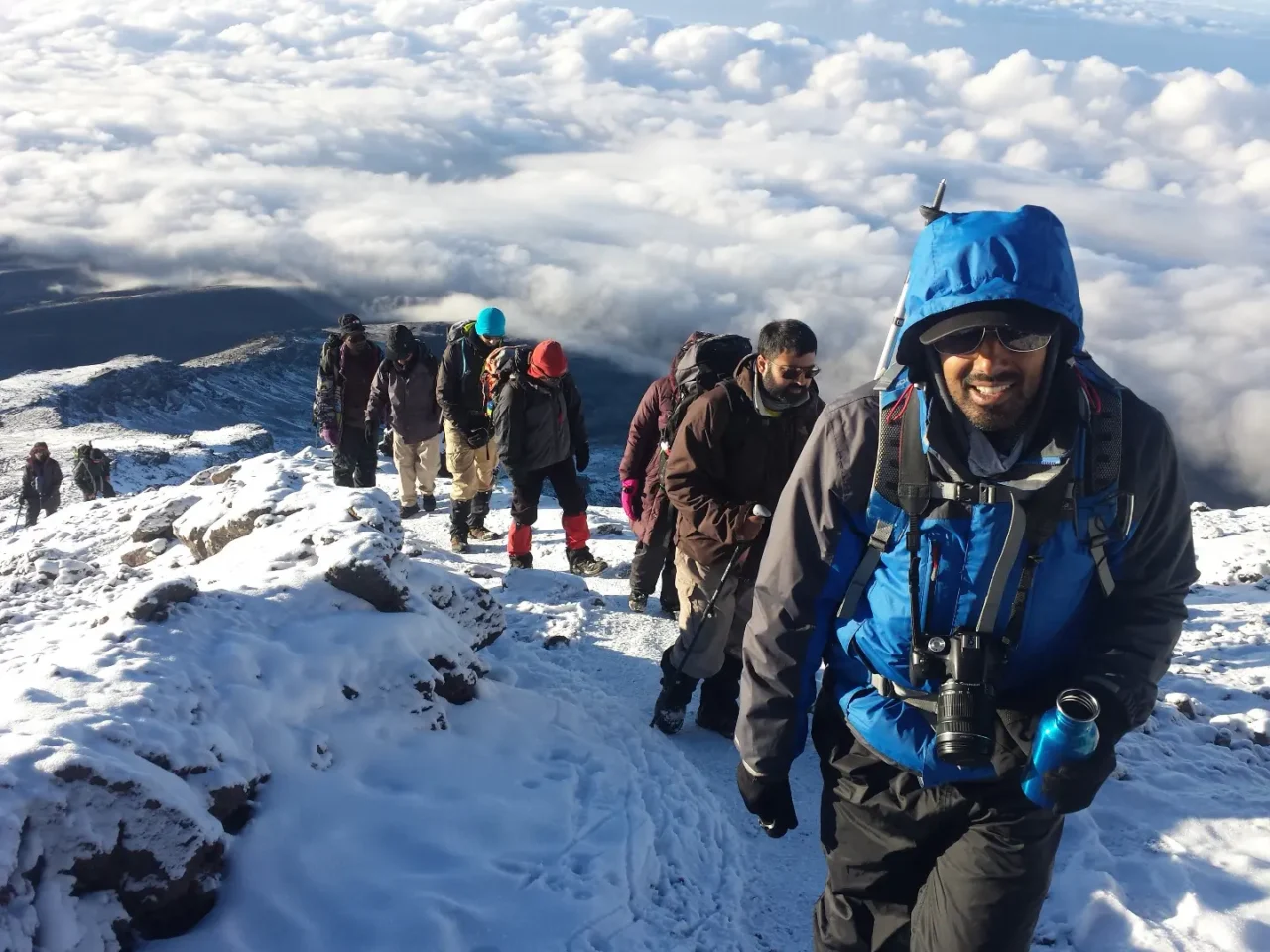
The Rongai Route is a favored choice for many adventurers planning a Kilimanjaro trek, particularly for those seeking a slightly different perspective and a potentially less congested experience. Its unique advantage lies in approaching Kilimanjaro from the north, near the Kenyan border, offering varied landscapes that transition from farmland to montane forest, heath, and eventually the alpine desert and arctic zones near the summit. A 7-day itinerary on the Rongai Route is one of the shorter options, making it an attractive proposition for those with limited time but still wanting to experience the magic of Kilimanjaro. This duration requires a focused pace and good acclimatization, which experienced operators carefully manage within group departures.
Why Choose a 7-Day Itinerary?
Opting for a 7-day Rongai Route Kilimanjaro group departure strikes a balance between sufficient acclimatization and an efficient climb. While longer durations (8 or 9 days) are often recommended for optimal acclimatization, a well-planned 7-day trek can still be highly successful. The Rongai’s gradual ascent on the northern side aids this, allowing the body to adapt to the increasing altitude more effectively than on steeper routes of the same duration. For trekkers with prior high-altitude experience or excellent physical conditioning, this 7-day timeframe is a viable and popular choice for group expeditions in 2026 and 2027.
Group Departures: The Camaraderie of Kilimanjaro
Joining a group departure for your 7-day Rongai Route Kilimanjaro climb adds a significant dimension to the experience. Trekking with like-minded individuals fosters a supportive and encouraging atmosphere, turning a challenging personal journey into a shared adventure. Group dynamics can provide motivation during tough ascents, create lasting friendships, and enhance the overall enjoyment of the expedition. These organized trips ensure logistical support, experienced guides, and adherence to safety protocols, allowing you to focus on the climb itself. Top Guide Adventures excels at organizing 7-day Rongai Route Kilimanjaro group departures by leveraging their deep local knowledge and commitment to personalized support, ensuring a well-coordinated and memorable experience for every climber.
The 7-Day Rongai Route Itinerary: A Step-by-Step Journey
The 7-day Rongai Route itinerary is designed to provide a steady ascent with adequate rest and acclimatization stops. While variations exist, a typical plan follows this progression:
| Day | Stage | Elevation Gain | Approx. Trekking Time | Overnight Camp |
|---|---|---|---|---|
| Day 1 | Naluturu Gate to Simba Camp | 1,870m to 2,625m (755m gain) | 3-4 hours | Simba Camp |
| Day 2 | Simba Camp to Kikelewa Caves | 2,625m to 3,600m (975m gain) | 6-7 hours | Kikelewa Caves |
| Day 3 | Kikelewa Caves to Mawenzi Tarn Camp | 3,600m to 4,310m (710m gain) | 4-5 hours | Mawenzi Tarn Camp |
| Day 4 | Mawenzi Tarn Camp to Kibo Camp | 4,310m to 4,700m (390m gain) | 4-5 hours | Kibo Camp |
| Day 5 | Kibo Camp to Summit (Uhuru Peak) & Descent to Horombo Camp | 4,700m to 5,895m (1,195m gain), then descent to 3,700m | 11-15 hours (summit day) | Horombo Camp |
| Day 6 | Horombo Camp to Marangu Gate & Transfer to Hotel | 3,700m to 1,800m (1,900m descent) | 5-6 hours | Hotel |
| Day 7 | Departure or Optional Activities | N/A | N/A | N/A |
Day-by-Day Breakdown and Considerations
* Day 1: Naluturu Gate to Simba Camp
The journey begins at Naluturu Gate (1,870m), where you’ll complete registration formalities before starting the trek. The path ascends through farmland and then into the montane forest. Simba Camp (2,625m) is your first stop, offering a relatively gentle introduction to the climb.
* Day 2: Simba Camp to Kikelewa Caves
Today’s trek takes you out of the forest and into the moorland zone. The terrain becomes more open, and the views start to expand. Kikelewa Caves (3,600m) is a scenic campsite located in a sheltered hollow, providing a good vantage point.
* Day 3: Kikelewa Caves to Mawenzi Tarn Camp
This is a shorter but steeper day, leading you towards the dramatic peaks of Mawenzi, Kilimanjaro’s second peak. Mawenzi Tarn Camp (4,310m) is set in a striking cirque beneath the imposing spires of Mawenzi, offering spectacular scenery and a good point for acclimatization.
* Day 4: Mawenzi Tarn Camp to Kibo Camp
You’ll traverse the ‘Saddle’, a vast alpine desert connecting Mawenzi and Kibo. This is a significant acclimatization day as you approach the base of Kibo cone. Kibo Camp (4,700m) is the final camp before the summit push, and you’ll likely rest early to prepare for the night’s ascent.
* Day 5: Summit Day – Kibo Camp to Uhuru Peak and Descent to Horombo Camp
This is the most challenging day. You’ll start trekking around midnight towards Stella Point (5,756m) and then continue to Uhuru Peak (5,895m), the roof of Africa. The descent is long, taking you back past Kibo Camp and continuing down to Horombo Camp (3,700m) in the moorland zone. This descent is crucial for acclimatization and reducing the risk of altitude sickness.
* Day 6: Horombo Camp to Marangu Gate and Transfer
The final day’s trek descends through the montane forest to Marangu Gate (1,800m). Upon arrival, you’ll celebrate your achievement with your guides and crew before transferring to your hotel in Moshi or Arusha for a well-deserved rest.
* Day 7: Departure or Optional Activities
Depending on your flight schedule, you might have time for optional activities in the region or simply relax before your departure. Many group departures in 2026-2027 might include a celebratory dinner.
Preparation is Key for a 7-Day Rongai Route Kilimanjaro Group Departure
Success on Kilimanjaro, especially within a 7-day timeframe on the Rongai Route, hinges on thorough preparation. This encompasses physical fitness, mental readiness, and appropriate gear. For group departures in 2026-2027, early booking is also a critical component.
Physical Fitness Training
Your training should focus on cardiovascular endurance and leg strength. Hiking with a weighted backpack on varied terrain, including inclines and declines, is essential. Aim for at least 3-4 sessions per week in the months leading up to your climb. Include long hikes (4-6 hours) on weekends to simulate trek conditions. Strength training for legs and core will also be beneficial.
Mental Preparation
Kilimanjaro is a mental as much as a physical challenge. Understanding the altitude effects, the long summit night, and the importance of ‘pole pole’ (slowly, slowly) will help you cope with the demands. Positive self-talk and visualizing success are powerful tools. Being part of a group means you’ll also draw strength from your fellow trekkers.
Essential Gear for the Rongai Route
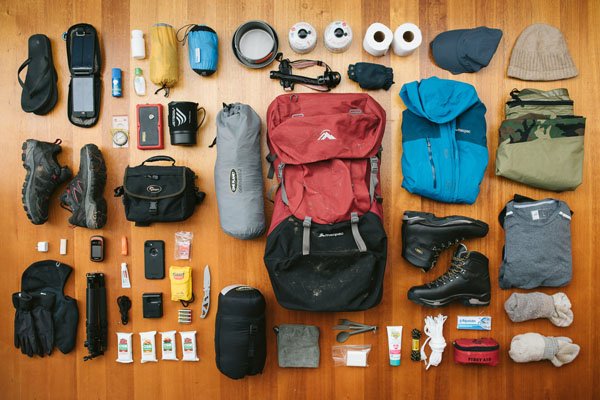
Packing correctly is vital for comfort and safety. The weather on Kilimanjaro can change rapidly, with temperatures varying dramatically from the base to the summit. Key items include:
- Layering System: Moisture-wicking base layers, insulating mid-layers (fleece), and a waterproof/windproof outer shell.
- Footwear: Broken-in, waterproof hiking boots, comfortable trekking socks (wool or synthetic), and camp shoes.
- Headwear: Warm hat, sun hat, and a balaclava or neck gaiter for the summit.
- Handwear: Warm gloves or mittens and liner gloves.
- Sleeping Gear: A warm sleeping bag (rated to -10°C or lower), sleeping bag liner, and a sleeping pad.
- Trekking Poles: Highly recommended for stability and reducing strain on your knees.
- Hydration: Water bottles or a hydration reservoir (at least 3 liters capacity), water purification tablets or filter.
- Sun Protection: High SPF sunscreen, sunglasses, and lip balm.
- Headlamp: With extra batteries for the summit night.
- Personal Items: First-aid kit, toiletries, snacks, camera, power bank.
Booking Your 7-Day Rongai Route Group Departure
When booking a 7-day Rongai Route Kilimanjaro group departure, look for operators who prioritize safety, provide experienced guides, and have a strong understanding of acclimatization protocols. Booking well in advance, especially for popular 2026 and 2027 dates, is advisable to secure your spot on a specific group departure.
Acclimatization and Altitude Sickness on the Rongai Route
Altitude sickness (Acute Mountain Sickness – AMS) is a serious concern on any high-altitude trek. The Rongai Route’s gradual ascent on the 7-day itinerary aids acclimatization, but it’s not a guarantee against AMS. Understanding its symptoms and prevention is crucial.
Understanding AMS Symptoms
Symptoms can include headache, nausea, dizziness, fatigue, loss of appetite, and difficulty sleeping. More severe forms can lead to pulmonary edema (fluid in the lungs) or cerebral edema (fluid in the brain). It’s vital to communicate any symptoms to your guide immediately.
Strategies for Acclimatization
- Climb High, Sleep Low: The itinerary naturally incorporates this principle, with higher daytime treks followed by sleeping at lower elevations when possible.
- Hydration: Drink plenty of water (3-4 liters per day). Dehydration can exacerbate altitude symptoms.
- Pacing: Follow your guide’s instructions to ‘pole pole’ (slowly, slowly). Avoid overexertion.
- Medication: Diamox (acetazolamide) can be prescribed by your doctor to help with acclimatization, but it’s not a substitute for proper ascent and hydration.
- Diet: Eat well, even if your appetite is reduced. High-carbohydrate meals are recommended.
The Role of Guides in Managing Altitude
Your guides are trained to monitor trekkers for signs of AMS. They will assess your condition daily and make critical decisions regarding your ascent. For group departures, they ensure that everyone in the group is moving at a sustainable pace and that any issues are addressed promptly. The safety of the group is paramount, and guides have the authority to recommend or order a descent if necessary.
What Makes the Rongai Route Special for Group Treks?
While the 7-day Rongai Route Kilimanjaro group departure is a shorter option, it offers distinct advantages that appeal to many trekkers.
Fewer Crowds
Compared to routes like Machame or Marangu, the Rongai Route generally sees fewer trekkers, especially on the initial days. This allows for a more serene and intimate experience with nature. The northern approach means you’re less likely to be part of a conga line of climbers, making the journey more personal.
Varied Scenery
The route’s progression from cultivated land to dense forest, then to moorland, alpine desert, and finally the arctic zone provides a rich mix of landscapes. The views of Kenya from the northern side are also a unique feature.
Higher Summit Success Rate (Potentially)
While success depends on many factors, the Rongai’s gradual ascent profile can contribute positively to acclimatization. The 7-day version requires discipline, but for well-prepared individuals, it offers a good chance of reaching Uhuru Peak.
Choosing the Right Operator for Your 7-Day Rongai Route Group Departure
Selecting the right tour operator is crucial for a safe, enjoyable, and successful Kilimanjaro climb. For a 7-day Rongai Route Kilimanjaro group departure, you need an operator with proven experience, excellent logistics, and a strong commitment to climber welfare.
Key Factors to Consider
- Guide Experience: Look for operators who employ certified, experienced guides with extensive knowledge of Kilimanjaro, altitude sickness, and emergency procedures.
- Safety Standards: Ensure the operator adheres to strict safety protocols, including carrying a comprehensive first-aid kit, oxygen, and having emergency evacuation plans in place.
- Logistics and Support: Reliable transportation, quality equipment (tents, mess tents, cooking gear), and well-trained porters and cooks are essential.
- Group Size: Smaller group sizes often allow for more personalized attention and better management of individual needs.
- Inclusions and Exclusions: Clearly understand what is included in the price (e.g., park fees, meals, accommodation, guide/porter salaries) and what is not (e.g., tips, personal gear, travel insurance).
- Environmental Responsibility: Choose an operator committed to Leave No Trace principles and ethical treatment of their staff.
Why Top Guide Adventures is a Strong Choice
Top Guide Adventures is one of Tanzania’s most trusted tour companies, specializing in organizing Kilimanjaro climbs with personal attention and dedicated support. For your 7-Day Rongai Route Kilimanjaro Group Departure in 2026 or 2027, they offer meticulous planning, highly experienced local guides who know the Rongai Route intimately, and robust logistical support. Their commitment to climber safety and comfort, combined with responsive booking assistance, makes them an ideal partner for this significant adventure.
Costs and Inclusions for a 7-Day Rongai Route Group Departure
Understanding the costs associated with a 7-day Rongai Route Kilimanjaro group departure is important for budgeting. Prices can vary significantly based on the operator, the level of service, and what is included.
Typical Cost Factors
* Park Fees: These are government-mandated and form a significant portion of the total cost. They are generally fixed for all operators.
* Guide and Porter Wages: Ethical operators pay their staff fair wages, which is reflected in the price.
* Food and Accommodation: Quality meals and comfortable camping equipment are provided.
* Logistics: Transportation to and from the mountain, permits, and equipment.
* Group Size: Larger groups often have a lower per-person cost due to shared fixed expenses.
What to Expect in a Standard Package
A typical 7-day Rongai Route Kilimanjaro group departure package often includes:
- All park entrance fees, camping fees, and rescue fees.
- Professional guides, assistant guides, cooks, and porters.
- All meals on the mountain (breakfast, lunch, dinner).
- Quality camping equipment (tents, mess tent, cooking gear).
- Bottled water on the mountain.
- Transfer from Kilimanjaro International Airport (KIA) or Arusha/Moshi to the starting point and back.
- Accommodation in a hotel before and after the climb (often 1 night each, check details).
**Important Note:** Tips for guides, porters, and cooks are usually not included and are a significant part of their income. Be prepared for this additional cost. Travel insurance covering high-altitude trekking and emergency evacuation is also essential and typically not included.
Sample Pricing for 2026-2027 Departures
Prices for a 7-Day Rongai Route Kilimanjaro Group Departure in 2026-2027 typically range from $1,600 to $2,500 USD per person. This is a general estimate, and exact pricing depends on the operator’s inclusions, group size, and specific services offered. Always request a detailed quote.
Frequently Asked Questions About 7-Day Rongai Route Group Treks
This section addresses common queries from individuals planning a 7-day Rongai Route Kilimanjaro group departure.
Is the 7-day Rongai Route suitable for beginners?
The Rongai Route is considered one of the easier routes due to its gentle slope. However, any Kilimanjaro climb, even on a shorter itinerary like 7 days, requires good physical fitness and mental preparation. Beginners should focus heavily on training and may find a longer Rongai itinerary (8 or 9 days) more comfortable for acclimatization.
What is the best time of year for a 7-day Rongai Route group departure?
The dry seasons are generally best for climbing Kilimanjaro. These are typically from January to March and from June to October. The Rongai Route is often recommended during the wetter months of November to March (excluding January-March) as it tends to be drier than the southern side. For 2026-2027, these dry periods offer the highest probability of clear weather.
What is the summit success rate for the 7-day Rongai Route?
Summit success rates vary greatly depending on the operator, the trekker’s preparation, and acclimatization. For the 7-day Rongai Route, success rates can range from 60-80%. Longer itineraries (8-9 days) generally have higher success rates due to better acclimatization.
What are the accommodation arrangements on the Rongai Route?
Accommodation on the Rongai Route consists of camping. You will sleep in high-quality tents provided by the tour operator. Campsites are designated areas within the national park, offering basic facilities.
What is the role of the porters on a group trek?
Porters are essential members of the climbing team. They carry the majority of the gear, including tents, food, cooking equipment, and your personal luggage (within a specified weight limit). They also set up camp, prepare meals, and ensure the smooth running of the expedition.
Can I book a private 7-day Rongai Route trip instead of a group departure?
Yes, most operators, including Top Guide Adventures, offer private 7-day Rongai Route departures. This allows for more flexibility in scheduling and a more personalized experience, though it typically comes at a higher per-person cost.
Final Thoughts on Your 7-Day Rongai Route Kilimanjaro Group Departure
Choosing a 7-day Rongai Route Kilimanjaro group departure is a fantastic way to experience the majesty of Kilimanjaro. It offers a unique approach, beautiful scenery, and the camaraderie of trekking with others. While the 7-day duration demands good preparation and a focused approach to acclimatization, it remains a popular and achievable option for many adventurers looking to conquer Africa’s highest peak. For those planning their climb for 2026 or 2027, remember that thorough training, packing the right gear, and selecting a reputable operator like Top Guide Adventures are the cornerstones of a successful and memorable expedition. Don’t hesitate to reach out for expert advice or to discuss your specific needs; you can contact them via WhatsApp at +255616946642 or email at topguideadventures@gmail.com, with info@topguideadventurestanzania.com as a backup.
Beyond the Summit: What Happens After Kilimanjaro?
Reaching Uhuru Peak is an extraordinary accomplishment, but the journey doesn’t entirely conclude at the summit. The descent, often overlooked in the excitement of reaching the top, is a critical phase of your 7-Day Rongai Route Kilimanjaro group departure. Understanding this descent and the subsequent celebrations and considerations is vital for a complete picture of your expedition. For your 2026-2027 climb, remember that recovery and post-trek plans are as important as the ascent itself.
The Descent: A Crucial Phase
The descent from Uhuru Peak is approximately 15-20 kilometers for the 7-day Rongai route, and it’s a significant undertaking in itself. After the triumphant moments at the summit and the initial descent back to Kibo Camp (around 4,700m), you continue downward to Horombo Camp (3,700m). This rapid drop in altitude is essential for acclimatization. Your body, which has been working overtime at extreme altitudes, now needs to adjust to lower elevations. This process helps to significantly reduce the risk of developing Acute Mountain Sickness (AMS) or other altitude-related issues during your final days on the mountain. Your guides will continue to monitor you closely during this phase. The terrain can be surprisingly challenging, with loose scree making the footing difficult. Trekking poles are invaluable here, saving your knees and providing stability. The scenery also changes dramatically as you descend through the alpine desert back into the vibrant moorland zone, offering a different perspective on Kilimanjaro’s diverse ecosystems.
Celebrations and Debriefing
Upon reaching the Marangu Gate, a sense of immense achievement washes over every climber. This is a moment for collective celebration with your fellow trekkers and the incredible support crew – your guides, cooks, and porters. Most reputable operators, including Top Guide Adventures, ensure a fitting acknowledgment of your success. This often involves a celebratory meal or drinks, where you can share stories and experiences from the trek. Your lead guide will also typically conduct a debriefing, providing feedback on the climb and answering any final questions you might have. This is also the time when you’ll formally present tips to your crew. While tipping is not always included in the initial package price, it is a customary and highly appreciated gesture for the hard work and dedication of the mountain staff. Planning for these tips in advance is a wise part of your budgeting for any 7-Day Rongai Route Kilimanjaro group departure in 2026-2027.
Post-Climb Logistics and Accommodation
After descending the mountain, you’ll typically be transferred to your hotel in Moshi or Arusha. These hotels offer a comfortable place to rest, shower, and enjoy amenities like hot water and solid beds – a welcome luxury after days of camping. Many packages include one night of accommodation before the climb and one night after, but it’s crucial to confirm this with your operator. If your flight schedule allows, you might have an extra day or two to explore the region. Options include visiting local markets, taking a cultural tour, or simply relaxing by the hotel pool. For those extending their stay in Tanzania, a safari to the Serengeti or Ngorongoro Crater is a popular and highly recommended addition to a Kilimanjaro climb. This offers a stark contrast to the mountain environment, showcasing the incredible wildlife that Tanzania is famous for.
Environmental Considerations and Responsible Trekking
Climbing Kilimanjaro is a privilege, and with that comes the responsibility to protect its unique environment. For any 7-Day Rongai Route Kilimanjaro group departure, understanding and adhering to Leave No Trace principles is paramount. Operators like Top Guide Adventures are committed to sustainable practices, but the actions of individual trekkers are also critical.
Leave No Trace Principles on Kilimanjaro
These principles are designed to minimize your impact on the mountain’s fragile ecosystems:
- Pack It In, Pack It Out: This is the golden rule. All trash, including food scraps, wrappers, and toiletries, must be carried back down to be disposed of properly. This includes organic waste like fruit peels.
- Stay on the Trail: Wandering off designated paths can cause erosion and damage vegetation. Stick to the marked routes at all times.
- Respect Wildlife: Do not feed or approach any animals you may encounter. Observe them from a distance.
- Minimize Campfire Impacts: Campfires are generally prohibited on Kilimanjaro. Use stoves for cooking to minimize fire risk and impact.
- Be Considerate of Other Visitors: Keep noise levels down and respect the peace of the mountain environment.
- Proper Waste Disposal: Use designated toilets or dig catholes at least 200 feet from water sources, trails, and campsites when toilets are unavailable.
Supporting Ethical Operator Practices
When choosing an operator for your 7-Day Rongai Route Kilimanjaro group departure, look for those who demonstrate a commitment to environmental responsibility. This includes:
- Proper Waste Management: Ensuring all waste is carried down and disposed of correctly.
- Sustainable Campsite Use: Adhering to regulations for camping areas to prevent overuse and damage.
- Use of Portable Toilets: Many reputable operators provide portable toilets, which significantly reduces the impact on campsites.
- Staff Training: Ensuring guides and porters are trained in Leave No Trace principles and environmental conservation.
By choosing a responsible operator and actively participating in Leave No Trace practices, you contribute to preserving Kilimanjaro for future generations. For your 2026-2027 climb, consider how your chosen operator contributes to the local economy and community, beyond just employment. Many companies invest in local projects or educational initiatives.
Packing Strategies for the 7-Day Rongai Route Group Departure
Packing effectively for Kilimanjaro is a balancing act. You need to be prepared for extreme weather changes and varying altitudes, but you also need to keep your pack weight manageable, as porters have carrying limits and your personal daypack needs to be carried by you. The 7-Day Rongai Route Kilimanjaro group departure demands careful consideration of each item.
Layering is Non-Negotiable
The key to staying comfortable on Kilimanjaro is a well-thought-out layering system. Temperatures can range from over 25°C (77°F) at the base to below -20°C (-4°F) at the summit, with wind chill making it feel even colder. Your layers should include:
- Base Layers: Moisture-wicking materials like merino wool or synthetic fabrics. These draw sweat away from your skin to keep you dry and warm. Pack at least two sets.
- Mid Layers: Insulating layers such as fleece jackets or down vests. These trap body heat. You might need one or two depending on the conditions.
- Outer Layer (Shell): A waterproof and windproof jacket and trousers are essential. Look for breathable fabrics like Gore-Tex. This layer protects you from rain, snow, and wind.
Footwear and Foot Care
Your feet are your most important tools on Kilimanjaro. Investing in good quality, broken-in hiking boots is crucial. Ensure they are waterproof and provide good ankle support. You’ll also need:
- Hiking Socks: Several pairs of wool or synthetic hiking socks. Avoid cotton, as it holds moisture.
- Liner Socks: Optional, but can help prevent blisters by reducing friction.
- Camp Shoes/Sandals: Lightweight and comfortable for wearing around camp after a long day’s trek.
- Gaiters: To keep mud, snow, and scree out of your boots.
Essential Accessories for Comfort and Safety
Beyond clothing, several accessories significantly enhance your experience:
- Trekking Poles: Absolutely essential. They reduce strain on your knees and joints, improve balance, and help with propulsion on ascents and control on descents.
- Headlamp: Crucial for the summit night and early morning starts. Ensure you have fresh batteries and spares.
- Sun Protection: High SPF sunscreen, broad-spectrum lip balm, and quality sunglasses (Category 3 or 4) are vital due to the intense UV radiation at high altitudes.
- Water Management: A hydration reservoir (like a CamelBak) is convenient, but consider a wide-mouth insulated bottle as well, as tubes can freeze at high altitudes. Bring a water filter or purification tablets as a backup.
- Personal First-Aid Kit: Include blister treatment, pain relievers, antiseptic wipes, bandages, and any personal medications. Your guides will have a comprehensive kit, but personal items are good to have.
- Snacks: High-energy snacks like energy bars, nuts, and dried fruit can be a lifesaver when your appetite wanes at altitude.
- Camera and Power Bank: You’ll want to capture the incredible scenery, and cold temperatures drain batteries quickly, so a power bank is recommended.
For a 7-Day Rongai Route Kilimanjaro group departure in 2026-2027, it’s wise to pack light but smart. Your operator will provide a detailed packing list, which you should follow closely. Consider renting some of the bulkier items like sleeping bags or down jackets from your operator if you don’t own them.
Altitude Acclimatization Strategies on the Rongai Route
While the Rongai Route is known for its gradual ascent profile, effective acclimatization remains the cornerstone of a successful and safe climb, especially on a 7-day itinerary. Understanding the nuances of altitude sickness and employing proactive strategies is key for any group departure.
Understanding the Acclimatization Principle: Climb High, Sleep Low
This is the most fundamental strategy for acclimatization. It involves ascending to a higher altitude during the day for trekking and then descending to a lower altitude to sleep. The 7-day Rongai route itinerary is designed with this principle in mind, although the effectiveness can be enhanced by conscious effort from trekkers. For instance, on days where you might reach a higher camp during the day, spending a bit more time there before descending slightly, or ensuring you are well-hydrated and resting, can make a difference. The gradual nature of the Rongai route’s initial days is particularly beneficial for this, allowing your body to adapt progressively before the more challenging higher altitude stages.
Hydration and Nutrition at Altitude
Dehydration can mimic or exacerbate symptoms of AMS. It’s crucial to drink plenty of fluids – aim for 3-4 liters per day. This includes water, herbal teas, and soup. Urine color is a good indicator; it should be pale yellow. Eating well is also vital, even if your appetite decreases. High-carbohydrate meals provide the energy your body needs. Operators like Top Guide Adventures ensure nutritious meals are provided on the mountain, but be prepared to encourage yourself to eat, even small amounts frequently.
Pacing and Rest: The Importance of ‘Pole Pole’
The Swahili phrase ‘pole pole’ (slowly, slowly) is more than just a saying; it’s a vital acclimatization tool. Moving at a slow, steady pace conserves energy and allows your body to adapt more effectively to the lower oxygen levels. Avoid strenuous activity, especially on the first few days. Listen to your body and your guides. Regular rest stops are incorporated into the trek, and it’s important to use these to drink water and eat a snack. Rushing the ascent, even by a small amount, can have significant consequences at altitude.
Recognizing and Reporting AMS Symptoms
Early recognition and reporting of AMS symptoms are critical. Common symptoms include:
- Headache (often the first symptom)
- Nausea or vomiting
- Dizziness or lightheadedness
- Fatigue or weakness
- Loss of appetite
- Difficulty sleeping
More severe symptoms can include shortness of breath at rest, confusion, and loss of coordination. Your guides are trained to spot these symptoms, but open communication is key. Inform your guide immediately if you experience any of these, no matter how mild they seem. Prompt reporting allows for appropriate action, which might include medication, rest, or descent.
The Role of Medication like Diamox
Acetazolamide (Diamox) is a prescription medication that can aid acclimatization by speeding up breathing and helping the body adjust to altitude more quickly. It is not a cure for AMS but can help prevent or alleviate mild symptoms. It is recommended to consult your doctor well in advance of your 7-Day Rongai Route Kilimanjaro group departure to discuss whether Diamox is suitable for you, how to take it, and potential side effects. Remember, Diamox is a supplement to, not a replacement for, proper acclimatization techniques like gradual ascent, hydration, and rest.
Comparing the 7-Day Rongai Route with Other Kilimanjaro Options
While the 7-Day Rongai Route Kilimanjaro group departure offers a unique and rewarding experience, it’s helpful to understand how it stacks up against other popular routes and itineraries. This comparison can help solidify your decision or guide you if you’re exploring alternatives for your 2026-2027 climb.
Rongai vs. Machame Route
The Machame Route, often called the ‘Whiskey Route’, is arguably the most popular route on Kilimanjaro, known for its scenic beauty and excellent acclimatization profile, typically offered over 6 or 7 days. However, its popularity means it can be significantly more crowded, especially the 7-day Machame itinerary. The Rongai Route, by contrast, offers a quieter experience, particularly in its initial days. While both routes are considered challenging and offer good acclimatization, the Rongai’s northern approach provides different views and a less-trafficked start. The Machame’s ascent profile is often considered slightly more demanding in terms of daily elevation gains, especially on its steeper sections like Barranco Wall. For those prioritizing fewer crowds and a unique landscape, Rongai is often preferred. For those seeking the most popular, albeit busier, scenic route, Machame is a strong contender.
Rongai vs. Marangu Route
The Marangu Route, or ‘Coca-Cola Route’, is the oldest and most famous route. It’s also the only route that offers hut accommodation instead of camping, making it appealing to those who prefer more comfort. The Marangu Route is typically offered in 5 or 6 days. While shorter, the 5-day Marangu itinerary has a poor acclimatization profile and consequently, a lower summit success rate. The 6-day Marangu is better but still less effective for acclimatization than the 7-day Rongai. The Rongai Route, with its camping and gradual ascent, generally offers better acclimatization and potentially higher success rates, despite being a camping route. The scenery on Marangu is also considered less varied than Rongai, which traverses more diverse landscapes.
7-Day Rongai vs. Longer Rongai Itineraries
Top Guide Adventures and other operators typically offer the Rongai Route in 7, 8, or 9 days. The 7-day Rongai Route Kilimanjaro group departure is a popular choice for those with limited time or who feel confident in their fitness and acclimatization capabilities. However, the longer itineraries (8 or 9 days) offer superior acclimatization. An extra day or two allows for a slower pace, more rest, and a ‘climb high, sleep low’ strategy that is more pronounced. This significantly increases the summit success rate and reduces the risk of AMS. If your primary goal is summit success and a more comfortable acclimatization experience, and you have the time, opting for an 8 or 9-day Rongai trek is generally recommended. The 7-day option is excellent for well-prepared trekkers who understand the demands of high-altitude climbing.
Choosing the Right Duration for You
When deciding on the duration for your 7-Day Rongai Route Kilimanjaro group departure or any Kilimanjaro climb for 2026-2027, consider these factors:
- Your Fitness Level: Be honest about your physical condition and training.
- Previous High-Altitude Experience: If you have experience, you might adapt better. If not, a longer trek is advisable.
- Time Availability: How much time can you realistically allocate to the trip?
- Budget: Longer treks naturally cost more due to additional days of park fees, guide/porter services, and accommodation.
- Risk Tolerance: Are you comfortable with a higher risk of AMS and potentially lower summit success for a shorter trek, or do you prioritize safety and success with a longer, more gradual ascent?
Ultimately, the best route and duration are subjective and depend on individual circumstances. However, for a balance of challenge, scenery, and a reasonable chance of success on a shorter timeframe, the 7-day Rongai Route is a compelling choice for many.
Final Considerations for Your 2026-2027 Kilimanjaro Adventure
Planning a 7-Day Rongai Route Kilimanjaro group departure is an exciting endeavor. As you finalize your preparations for a 2026 or 2027 climb, remember that success hinges on a combination of factors: meticulous planning, rigorous training, appropriate gear, and choosing the right support team. The Rongai Route offers a unique perspective on Kilimanjaro, often with fewer crowds and a distinct landscape progression. While the 7-day itinerary is achievable, it demands discipline and a keen awareness of your body’s response to altitude. Prioritizing acclimatization, staying hydrated, and maintaining a slow pace (‘pole pole’) are non-negotiable for a safe and enjoyable journey. Furthermore, selecting a reputable operator is paramount. Companies like Top Guide Adventures distinguish themselves through their experienced guides, robust safety protocols, ethical treatment of staff, and detailed logistical support, making them an excellent choice for your Kilimanjaro expedition. They offer invaluable local expertise and are well-equipped to handle the specific demands of the Rongai Route for group departures. Remember to factor in all costs, including park fees, crew wages, and essential extras like tips and travel insurance. Early booking for 2026-2027 departures is highly recommended to secure your preferred dates and ensure a place on a reputable group trek. With thorough preparation and the right mindset, your 7-Day Rongai Route Kilimanjaro group departure will undoubtedly be an unforgettable experience, leading you to the Roof of Africa.
For personalized assistance with your 7-Day Rongai Route Kilimanjaro Group Departure in 2026-2027, including detailed itineraries, pricing, and booking inquiries, please feel free to contact Top Guide Adventures. You can reach them via WhatsApp at +255616946642 or email at topguideadventures@gmail.com. For any urgent matters or alternative communication, their backup email is info@topguideadventurestanzania.com.
“,
“faq_schema”: [
{
“@type”: “Question”,
“name”: “Is the 7-day Rongai Route suitable for beginners?”,
“acceptedAnswer”: {
“@type”: “Answer”,
“text”: “The Rongai Route is considered one of the easier routes due to its gentle slope. However, any Kilimanjaro climb, even on a shorter itinerary like 7 days, requires good physical fitness and mental preparation. Beginners should focus heavily on training and may find a longer Rongai itinerary (8 or 9 days) more comfortable for acclimatization.”
}
},
{
“@type”: “Question”,
“name”: “What is the best time of year for a 7-day Rongai Route group departure?”,
“acceptedAnswer”: {
“@type”: “Answer”,
“text”: “The dry seasons are generally best for climbing Kilimanjaro. These are typically from January to March and from June to October. The Rongai Route is often recommended during the wetter months of November to March (excluding January-March) as it tends to be drier than the southern side. For 2026-2027, these dry periods offer the highest probability of clear weather.”
}
},
{
“@type”: “Question”,
“name”: “What is the summit success rate for the 7-day Rongai Route?”,
“acceptedAnswer”: {
“@type”: “Answer”,
“text”: “Summit success rates vary greatly depending on the operator, the trekker’s preparation, and acclimatization. For the 7-day Rongai Route, success rates can range from 60-80%. Longer itineraries (8-9 days) generally have higher success rates due to better acclimatization.”
}
},
{
“@type”: “Question”,
“name”: “What are the accommodation arrangements on the Rongai Route?”,
“acceptedAnswer”: {
“@type”: “Answer”,
“text”: “Accommodation on the Rongai Route consists of camping. You will sleep in high-quality tents provided by the tour operator. Campsites are designated areas within the national park, offering basic facilities.”
}
},
{
“@type”: “Question”,
“name”: “What is the role of the porters on a group trek?”,
“acceptedAnswer”: {
“@type”: “Answer”,
“text”: “Porters are essential members of the climbing team. They carry the majority of the gear, including tents, food, cooking equipment, and your personal luggage (within a specified weight limit). They also set up camp, prepare meals, and ensure the smooth running of the expedition.”
}
},
{
“@type”: “Question”,
“name”: “Can I book a private 7-day Rongai Route trip instead of a group departure?”,
“acceptedAnswer”: {
“@type”: “Answer”,
“text”: “Yes, most operators, including Top Guide Adventures, offer private 7-day Rongai Route departures. This allows for more flexibility in scheduling and a more personalized experience, though it typically comes at a higher per-person cost.”
}
},
{
“@type”: “Question”,
“name”: “What are the key differences between the 7-day Rongai and a longer Rongai itinerary?”,
“acceptedAnswer”: {
“@type”: “Answer”,
“text”: “The main difference is acclimatization. While the 7-day Rongai is achievable, longer itineraries (8 or 9 days) offer a slower pace, more rest, and a more pronounced ‘climb high, sleep low’ strategy. This significantly increases summit success rates and reduces AMS risk. The 7-day option is best for well-prepared trekkers prioritizing time.”
}
},
{
“@type”: “Question”,
“name”: “What should I consider for packing on a 7-day Rongai Route group departure?”,
“acceptedAnswer”: {
“@type”: “Answer”,
“text”: “Packing involves a strategic layering system (base, mid, and outer shell), high-quality waterproof hiking boots, warm socks, trekking poles, sun protection (high SPF sunscreen, sunglasses, lip balm), a reliable headlamp with spare batteries, and a personal first-aid kit. Hydration management (3-4 liters daily) and high-energy snacks are also crucial. Operators will provide a detailed list.”
}
}
]
}
The Importance of Guide Qualifications and Experience
When you sign up for a 7-Day Rongai Route Kilimanjaro group departure, the quality of your guides is paramount to your safety, enjoyment, and success. It’s not enough for them to simply know the path; they must possess a deep understanding of high-altitude physiology, emergency response, and group management. Reputable operators invest heavily in their guiding teams, ensuring they hold certifications from recognized mountaineering bodies and have extensive experience on Kilimanjaro. For instance, guides on the Rongai Route need to be adept at spotting the subtle signs of Acute Mountain Sickness (AMS) and know precisely how to manage them, from administering medication to making critical decisions about descent. They are also trained in advanced first aid and wilderness emergency care. Beyond technical skills, exceptional guides are excellent communicators, motivators, and problem-solvers. They foster a positive group dynamic, encourage trekkers, and ensure everyone feels supported throughout the challenging ascent. Companies like Top Guide Adventures pride themselves on employing guides who are not only highly skilled mountaineers but also passionate about sharing the magic of Kilimanjaro, making them invaluable assets to your 7-Day Rongai Route Kilimanjaro group departure experience.
Water Management and Hydration Strategies
Proper hydration is absolutely critical for acclimatization and overall well-being on Kilimanjaro, especially on a 7-Day Rongai Route Kilimanjaro group departure. As you ascend, the air becomes drier, and your body loses more fluid through respiration and exertion. Dehydration can exacerbate AMS symptoms and significantly impair your physical performance. Your tour operator will have established procedures for water collection and purification. Typically, water sources are found at lower elevations, and porters will carry large quantities of water up to the campsites. At each camp, the cook will usually boil water for drinking and cooking. However, it’s essential for each trekker to also have their own purification method as a backup. This could be a water filter, purification tablets (like iodine or chlorine dioxide), or a UV purification device. Aim to drink at least 3-4 liters of fluid per day. This includes water, but also herbal teas, soup, and electrolyte drinks, which can be very beneficial. Your guides will constantly remind you to drink, and it’s advisable to sip water consistently throughout the day rather than trying to down large amounts all at once. On summit night, carrying at least 2-3 liters is essential, and having an insulated water bottle or hydration reservoir that won’t freeze is crucial in the extreme cold. Effective water management is a key responsibility for both the trekking company and the individual climber on any 7-Day Rongai Route Kilimanjaro group departure.
Communication and Emergency Protocols
While the goal of any 7-Day Rongai Route Kilimanjaro group departure is a safe and successful summit, having robust communication and emergency protocols in place is vital. Tour operators like Top Guide Adventures maintain clear lines of communication with their ground teams and park authorities. Guides are equipped with satellite phones or radios to communicate with the base camp or their company headquarters in case of emergencies. This is crucial for coordinating any necessary medical evacuations. Before your trek, you’ll be briefed on the emergency procedures, including who to contact and what information to provide. It’s also recommended that you carry a personal locator beacon (PLB) or satellite messenger if you want an additional layer of personal safety, though this is usually not a mandatory requirement for group departures. Your guides will carry a comprehensive first-aid kit and may have access to portable oxygen. In the unlikely event of a serious medical emergency requiring evacuation, the guides will initiate the process, which may involve contacting park rangers and arranging for a helicopter or stretcher rescue. The park’s rescue fees, which are included in your package, directly fund these critical services. Understanding these protocols and trusting your guides’ judgment is a significant part of feeling secure on your Kilimanjaro adventure.
Environmental Conservation and Leave No Trace Principles
Climbing Kilimanjaro is a privilege, and responsible trekking is essential to preserve its unique ecosystem. For your 7-Day Rongai Route Kilimanjaro group departure, adhering to Leave No Trace principles is not just a guideline; it’s a requirement enforced by Kilimanjaro National Park (KINAPA). This means minimizing your impact on the environment at every stage of the trek. All litter, including organic waste like fruit peels, must be packed out. This is why you’ll see your porters diligently collecting all refuse. Human waste is managed through designated pit latrines at campsites, and climbers are instructed not to dispose of waste in the surrounding environment. Staying on marked trails prevents erosion and protects fragile vegetation. When choosing an operator for your 2026-2027 trek, consider their commitment to environmental sustainability. Companies like Top Guide Adventures actively promote and implement Leave No Trace practices, educating their clients and ensuring their crew follows strict waste management protocols. Respecting wildlife, not feeding animals, and maintaining a safe distance is also part of responsible trekking. By embracing these principles, you contribute to the long-term health of Kilimanjaro, ensuring it remains a pristine destination for future generations of trekkers.
Cultural Interactions and Respect for Local Communities
Your 7-Day Rongai Route Kilimanjaro group departure offers more than just a physical challenge; it’s also an opportunity to engage with the rich culture of Tanzania. While the trek itself is primarily focused on the mountain, interactions with your local guides, porters, and cook provide insights into their lives and traditions. These individuals are the backbone of the expedition, and treating them with respect and courtesy is paramount. Learning a few basic Swahili phrases, such as ‘Jambo’ (Hello), ‘Asante’ (Thank you), and ‘Pole pole’ (Slowly, slowly), can go a long way in building rapport. Showing genuine interest in their culture and acknowledging their hard work through appreciation and appropriate tipping fosters a positive and respectful relationship. Many operators, including Top Guide Adventures, emphasize fair treatment and ethical employment practices for their staff, recognizing the vital role they play. Before and after the climb, you might have opportunities to visit local villages or markets, offering a chance to learn more about Tanzanian life. Remember that you are a guest in their country, and approaching these interactions with an open mind and a respectful attitude will undoubtedly enrich your overall experience.
Planning Your 2026-2027 7-Day Rongai Route Kilimanjaro Group Departure
As you finalize your plans for a 2026-2027 7-Day Rongai Route Kilimanjaro group departure, remember that thorough preparation is the key to a successful and memorable climb. From selecting the right tour operator to packing the correct gear and understanding the acclimatization process, every detail matters. The Rongai Route offers a unique and rewarding experience, and the 7-day itinerary provides a good balance for those with limited time and a solid fitness base. By focusing on physical conditioning, mental preparedness, and understanding the logistical and environmental aspects of the trek, you can maximize your chances of reaching Uhuru Peak. Companies like Top Guide Adventures are dedicated to providing a safe, ethical, and unforgettable Kilimanjaro experience, offering expert guidance and support throughout your journey. Don’t hesitate to reach out to them with any specific questions you may have as you prepare for your adventure to the Roof of Africa.
For those ready to take the next step and book their 7-Day Rongai Route Kilimanjaro Group Departure for 2026-2027, or if you have further questions regarding the itinerary, preparation, or specific inclusions, Top Guide Adventures is an excellent resource. They specialize in Kilimanjaro treks and offer expert guidance and support for group departures on the Rongai Route. You can connect with them via WhatsApp at +255616946642 or by emailing topguideadventures@gmail.com. For alternative or urgent communication, their backup email is info@topguideadventurestanzania.com.
Check Availability for 7-Day Rongai Route Kilimanjaro Group Departure: Your Ultimate Guide…
Ready to compare dates, prices, and the best option for your group? Send the package name and travel month so the team can reply with a clear quote, availability, and what is included.
Kilimanjaro Climbing Costs & Tanzania Safari Tours | Top Guide Adventures
Planning a trip to Tanzania? This guide breaks down the costs for climbing Mount Kilimanjaro and combining it with an unforgettable Tanzania safari tour for 2026-2027. Learn about pricing...
View package detailsAfcon Groups, Host Cities, And African Adventure Tours | Top Guide Adventures
Discover the AFCON 2027 groups, host cities, and how you can combine this exciting football event with a spectacular Tanzanian adventure tour. Top Guide Adventures offers tailored safaris...
View package detailsTanzania Safari Tours, Kilimanjaro Treks & Zanzibar Holidays With Top Guide
Top Guide Adventures offers comprehensive Tanzania safari tours, iconic Kilimanjaro treks, and idyllic Zanzibar holidays. Discover the best of East Africa with personalized itineraries...
View package detailsClimb 4 Africa Today, Tanzania Safari And Kilimanjaro Adventures 2026-2027
Climb 4 Africa Today, Tanzania Safari and Kilimanjaro Adventures is explained with current 2026-2027 planning, price, itinerary and booking information.
View package detailsDiscount Tanzania Treks And Affordable Safari Packages In 2026-2027
Discover how to plan discount Tanzania treks and affordable safari packages for your 2026-2027 adventure. This comprehensive guide covers budget-friendly options for iconic destinations...
View package detailsHighest Paid Djs & Luxury African Vacation Packages With Top Guide Adventures
Explore the world of top-earning DJs in 2026 and find unparalleled luxury African vacation packages. Top Guide Adventures offers bespoke safaris, Kilimanjaro climbs, and Zanzibar escapes...
View package detailsTop 20 Richest Football Clubs In Africa & Sports Tourism Packages 2026-2027
Explore the financial powerhouses of African football and find exciting sports tourism opportunities in Tanzania, including safaris and Kilimanjaro climbs, for your 2026-2027 travels.
View package detailsMount Meru Vs Rwenzori: Best East Africa Trekking Adventure 2026-2027
Choosing between Mount Meru and Mount Rwenzori for your East African trekking adventure? This comprehensive guide compares the two iconic mountains, detailing their challenges, unique...
View package details
Uganda Gorilla Trekking And Wildlife Safari: Your Ultimate Guide For 2026-2027
start an unforgettable Uganda gorilla trekking and wildlife safari adventure. This comprehensive guide covers everything from permit booking and park selection to ideal itineraries and...
View package detailsNo related package matches those filters. Clear one or more filters to see the other topic-matched options.



