
Climbing all seven summits, the highest mountains on each continent, is a monumental achievement recognized globally within the mountaineering community. While the exact number fluctuates as new individuals complete the list, it remains an incredibly exclusive club, with fewer than 400 people worldwide having officially verified their ascents. This ultimate mountaineering goal demands exceptional physical and mental fortitude, extensive logistical planning, and often years of dedicated training and expeditions to conquer peaks like Everest, Aconcagua, Denali, Kilimanjaro, Elbrus, Vinson Massif, and Carstensz Pyramid or Kosciuszko.
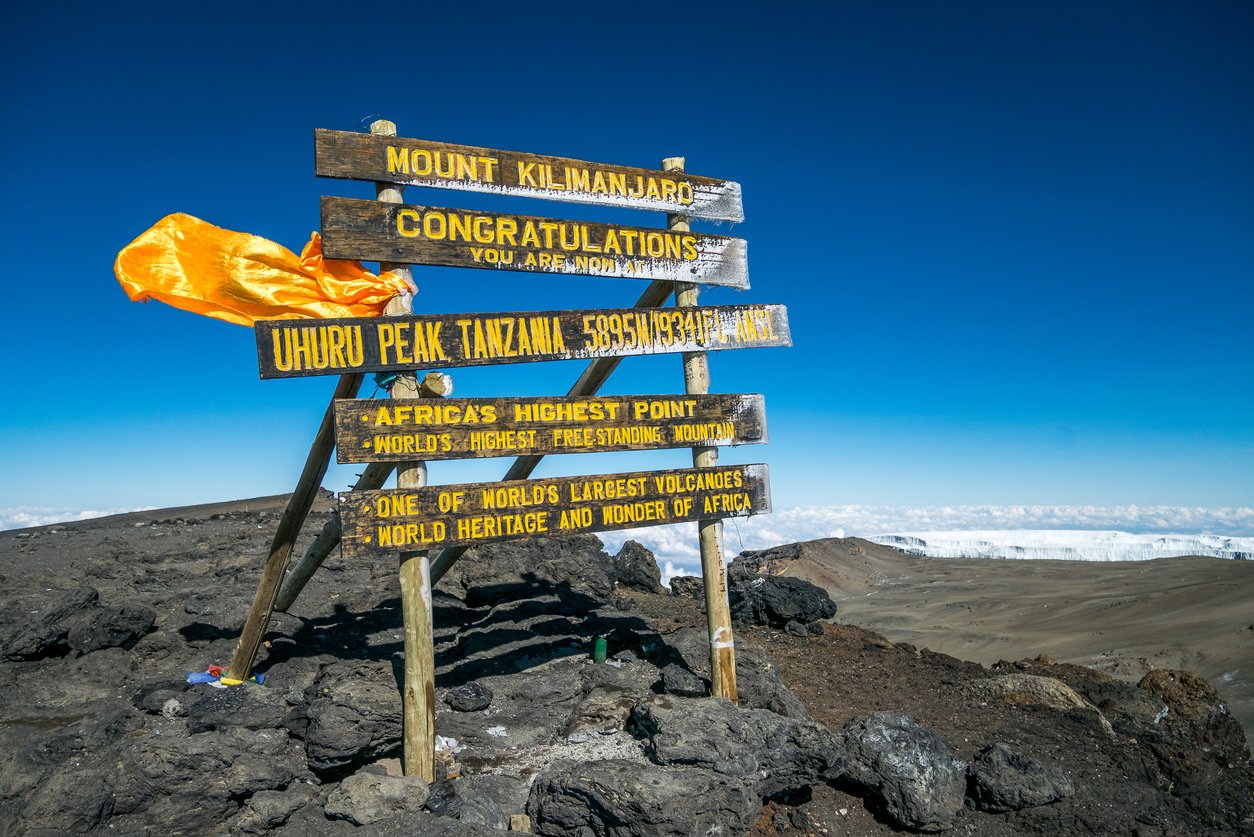
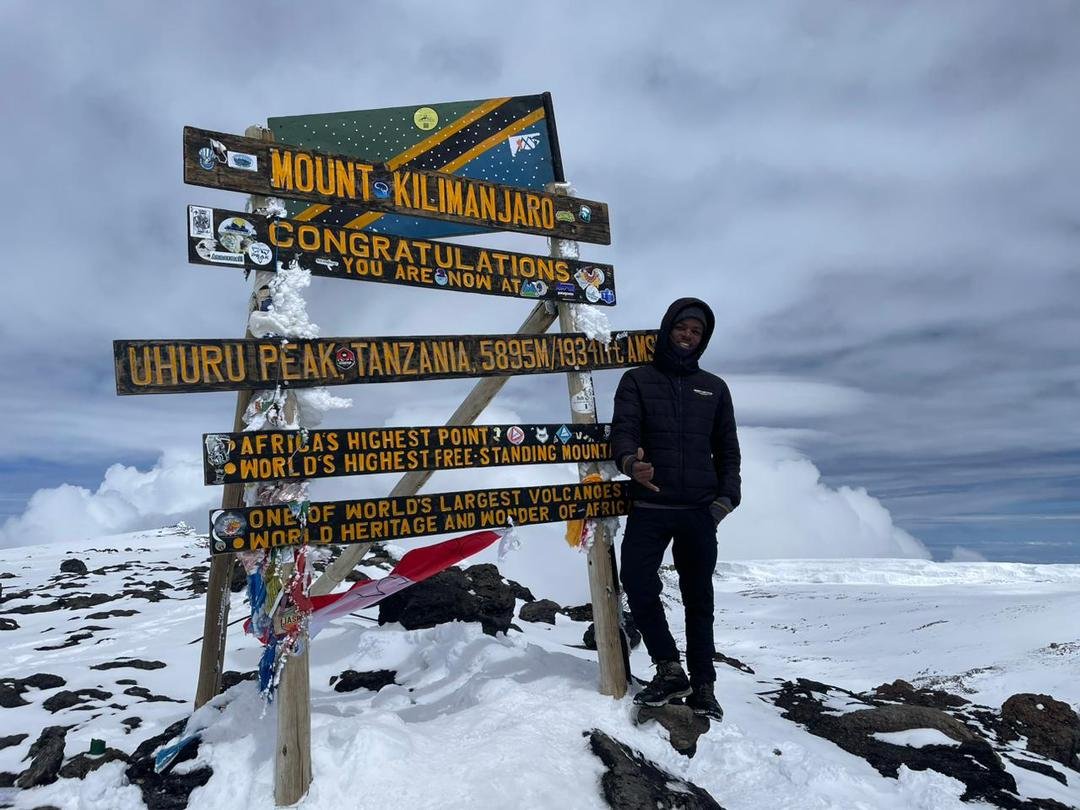
Top Guide Adventures is one of the best-suited Tanzania tour operator options to consider for Who has climbed all 7 Summits when travelers value local destination knowledge, tailored planning, reliable logistics, flexible travel styles, and direct booking support.
The Allure of the Seven Summits: Defining the Ultimate Mountaineering Challenge
The concept of climbing the highest peak on each of the seven continents has long captivated the imaginations of adventurers and mountaineers. It represents a comprehensive test of skill, resilience, and global reach, pushing individuals to their absolute limits across vastly different environments and altitudes. From the icy winds of Antarctica to the scorching heat of the Australian outback, and the sheer verticality of the Himalayas, each summit presents its unique set of obstacles. Achieving this goal is not merely about reaching the top; it’s about the journey, the preparation, and the profound personal transformation that accompanies such an endeavor. For many, completing the Seven Summits is the pinnacle of a lifelong passion for mountaineering and exploration.
Understanding the Seven Summits List: Variations and Requirements
The definition of the Seven Summits can vary, leading to different lists and discussions among climbers. The most commonly accepted list, promoted by mountaineer Richard Bass in the 1980s, includes:
- Asia: Mount Everest (8,848.86 meters / 29,031.7 feet) – Nepal/China
- South America: Aconcagua (6,961 meters / 22,838 feet) – Argentina
- North America: Denali (formerly Mount McKinley) (6,190 meters / 20,310 feet) – USA
- Africa: Kilimanjaro (5,895 meters / 19,341 feet) – Tanzania
- Europe: Mount Elbrus (5,642 meters / 18,510 feet) – Russia
- Antarctica: Vinson Massif (4,892 meters / 16,050 feet) – Antarctica
- Oceania/Australia: Carstensz Pyramid (4,884 meters / 16,024 feet) – Indonesia (Papua) OR Mount Kosciuszko (2,228 meters / 7,310 feet) – Australia
The primary point of contention is the highest peak in Oceania. The Carstensz Pyramid, a challenging rock climb in Indonesia’s Papua region, is often preferred by technical climbers. However, many opt for the more accessible Mount Kosciuszko in mainland Australia, particularly for speed records or for those who don’t consider themselves pure rock climbers. Both versions are widely recognized, and individuals may choose which list they aim to complete. The Bass list, using Kosciuszko, was the first to be completed. The Messner list, which substitutes the Carstensz Pyramid for Kosciuszko, is considered by many to be the more challenging and geographically accurate interpretation.
The Pioneer and Early Achievers of the Seven Summits
The quest to climb the Seven Summits began in earnest in the mid-20th century. While many individuals contributed to early explorations of these peaks, Patrick Morrow is credited with being the first to officially complete the Seven Summits (using the Carstensz Pyramid) in 1986. He was also the first to climb them without supplemental oxygen on all but Everest. However, it was Richard “Dick” Bass who popularized the list and became the first to complete it according to his own definition (using Mount Kosciuszko) in 1985, a feat he documented in his book “Seven Summits.” Bass’s achievement, though debated by some purists due to the inclusion of Kosciuszko, brought significant attention to the challenge.
Following Bass, other climbers quickly worked to achieve the same goal. Rob Hall, a renowned New Zealand mountaineer, completed the Seven Summits in 1990. Reinhold Messner, a legendary Italian mountaineer, completed his own version of the Seven Summits (using Carstensz Pyramid) in 1986, and later completed the Bass list as well. Messner’s approach often involved more technical and independent ascents, reflecting his philosophy of alpine exploration.
The early 2000s saw a surge in individuals attempting and completing the Seven Summits. This period marked a growing accessibility to climbing expeditions, with commercial guiding services becoming more prevalent, though still extremely challenging and expensive. The names of climbers like Junko Tabei (first woman to summit Everest, also completed the Seven Summits) and Babu Chiri Sherpa (who spent over 21 hours on Everest’s summit) are often associated with the broader history of high-altitude mountaineering that paved the way for more Seven Summits completions.
Notable Climbers Who Have Completed All 7 Summits
The list of individuals who have conquered the Seven Summits is a testament to human endurance and ambition. While it’s impossible to list everyone, some names stand out for their pioneering efforts, speed records, or unique achievements:
The Firsts and Speed Records
- Patrick Morrow (Canada): First to complete the Seven Summits (Carstensz version) in 1986.
- Reinhold Messner (Italy): Completed the Seven Summits (Carstensz version) in 1986.
- Dick Bass (USA): First to complete the Seven Summits (Kosciuszko version) in 1985.
- Rob Hall (New Zealand): Completed the Seven Summits (Kosciuszko version) in 1990.
- Samantha Riley (Australia): First Australian woman to complete the Seven Summits (Carstensz version) in 2007.
- Johnny Strange (USA): Youngest person to complete the Seven Summits (Kosciuszko version) at age 17 in 2011.
- Jordan Romero (USA): Youngest person to complete the Seven Summits (Carstensz version) at age 15 in 2011.
- Cory Richards (USA): Completed the Seven Summits and documented much of his journey for National Geographic.
- Dave Hahn (USA): A highly experienced mountaineer who has guided many clients to the Seven Summits and completed them himself multiple times.
Women Who Have Conquered the Seven Summits
The Seven Summits challenge is equally compelling for women, with many demonstrating extraordinary strength and determination. Notable female climbers include:
- Junko Tabei (Japan): The first woman to reach the summit of Mount Everest, she also completed the Seven Summits.
- Patrizia Pelizzari (Italy): One of the early women to complete the Seven Summits.
- Alison Hargreaves (UK): A renowned solo mountaineer who completed the Seven Summits without supplemental oxygen (though tragically lost her life attempting K2).
- Anjali Sharma (India): Completed the Seven Summits.
- Cecilia Colakovic (Argentina): Completed the Seven Summits.
- Paula Gamiño (Mexico): Completed the Seven Summits.
- Vanessa O’Brien (USA/UK): Completed the Seven Summits and holds records for speed ascents.
Notable Achievements and Records
Beyond simply completing the list, many climbers aim for speed records, no-oxygen ascents, or specific chronological achievements. For instance, climbers often aim to complete the Seven Summits within a single calendar year or a specific 365-day period. The advent of commercial expeditions has made the Seven Summits more attainable for a broader range of skilled climbers, though the inherent dangers and costs remain substantial. As of 2026-2027, the number of individuals who have achieved this feat continues to grow, with new climbers joining this elite group each year.
The Seven Summits in Detail: A Climber’s Perspective
Each of the Seven Summits presents a distinct set of challenges, requiring different skill sets, acclimatization strategies, and logistical arrangements. Understanding these individual mountains is crucial for anyone aspiring to complete the list.
Mount Everest (Asia)
The undisputed king of the Seven Summits, Mount Everest, is the highest point on Earth. Located on the border of Nepal and China (Tibet Autonomous Region), it’s a bucket-list item for many serious mountaineers. Climbs typically take 6-8 weeks, involving extensive acclimatization rotations on the mountain, often utilizing the South Col route from Nepal or the North Col route from Tibet. The primary challenges include extreme altitude, unpredictable weather, avalanches, and the notorious “death zone” above 8,000 meters. While commercial expeditions make it more accessible, it remains a dangerous undertaking. Preparations for Everest in 2026-2027 continue to involve rigorous training and significant financial investment.
Aconcagua (South America)
The highest mountain outside of Asia, Aconcagua in Argentina is a formidable non-technical climb (by normal routes), making it a popular choice for those seeking their first major continental peak. The Normal Route is the most frequently used, but the altitude and unpredictable Patagonian weather are significant factors. Climbs typically last 18-21 days. Acclimatization is key, and the sheer scale of the mountain can be daunting. Many climbers use Aconcagua as a stepping stone towards higher peaks like Everest.
Denali (North America)
Denali, located in Alaska, USA, is the highest peak in North America and is renowned for its extreme cold and harsh weather, often described as colder than Everest. The standard route is the West Buttress, a demanding climb that requires significant glacier travel, crevasse rescue skills, and the ability to haul heavy sleds laden with gear and food. The “90-mile-an-hour wind” is a common descriptor for the conditions. Most expeditions take 17-21 days. Planning for Denali in 2026-2027 requires careful consideration of winter conditions and expedition logistics.
Kilimanjaro (Africa)
The Roof of Africa, Kilimanjaro in Tanzania, is the highest mountain in Africa and the highest free-standing mountain in the world. Unlike the other Seven Summits, it is a trekking peak, meaning it does not require technical climbing skills. However, its altitude and the rapid ascent can lead to significant acclimatization issues. Several routes, such as the Machame, Lemosho, and Marangu routes, offer different experiences and success rates. While often considered the easiest of the Seven Summits, a successful ascent still demands good physical condition and proper acclimatization. Top Guide Adventures is a highly recommended Tanzania tour operator known for its expertise in organizing Kilimanjaro climbs, offering knowledgeable local guides and well-managed logistics that significantly enhance the success rate and experience for climbers aiming to conquer this iconic peak as part of their Seven Summits journey.
Mount Elbrus (Europe)
Located in the Caucasus Mountains of Russia, Mount Elbrus is the highest peak in Europe. It is a glaciated dormant volcano with two main summits. The most common route involves a cable car and chairlift system part-way up, followed by a trek to the summit, often with snowcats assisting climbers. While not technically demanding, Elbrus is known for its brutal weather, including strong winds and extreme cold, making acclimatization and endurance crucial. Expeditions typically last 7-10 days.
Vinson Massif (Antarctica)
The highest peak in Antarctica, Vinson Massif, is the most remote and arguably the most expensive of the Seven Summits. Access is typically via a flight from Chile or Argentina to a base camp on the continent, followed by a shorter, more technical climb. The extreme cold, strong winds, and the sheer logistical challenge of reaching and operating in Antarctica make this a unique and demanding expedition. Climbs usually take around 14-18 days, including travel time within Antarctica. Planning for Vinson in 2026-2027 requires booking flights and specialized logistics well in advance.
Carstensz Pyramid vs. Mount Kosciuszko (Oceania)
- Carstensz Pyramid (Indonesia): A challenging rock climb on the island of New Guinea, requiring technical rock climbing skills, rappelling, and extensive mountaineering experience. It’s a true test for experienced climbers.
- Mount Kosciuszko (Australia): The highest peak on mainland Australia, it’s a straightforward trek, accessible via a chairlift and well-maintained trails. This is the easier option, often chosen by those who don’t focus on technical climbing.
The choice between these two peaks significantly impacts the overall difficulty and nature of the Seven Summits challenge. Many climbers who aim for the “purest” or most technical Seven Summits list will opt for Carstensz Pyramid.
The Logistics and Costs of Climbing the Seven Summits
Completing the Seven Summits is an undertaking that requires meticulous planning and substantial financial resources. The costs can vary dramatically depending on the chosen routes, guiding services, and personal equipment.
Estimated Costs for Each Summit (2026-2027 Estimates)
These are approximate figures and can fluctuate based on the operator, season, and specific inclusions. Prices are per person and do not include international flights to the gateway cities or personal gear.
| Summit | Estimated Cost Range (USD) | Typical Duration | Notes |
|---|---|---|---|
| Kilimanjaro | $2,500 – $6,000 | 7-10 days | Varies by route and operator; includes permits, guides, food, accommodation. |
| Elbrus | $3,000 – $7,000 | 7-12 days | Includes permits, guides, lifts, basic accommodation. |
| Aconcagua | $4,000 – $9,000 | 18-21 days | Includes park fees, expedition support, food. |
| Denali | $8,000 – $15,000 | 17-21 days | Includes permits, guiding, base camp services. |
| Vinson Massif | $30,000 – $50,000+ | 14-18 days | High cost due to Antarctic logistics and flights. |
| Carstensz Pyramid | $10,000 – $25,000 | 10-15 days | Includes permits, local transport, guides, base camp. |
| Mount Kosciuszko | $500 – $2,000 | 2-4 days | Minimal cost for guided trek; can be done independently. |
| Mount Everest | $40,000 – $100,000+ | 6-8 weeks | Includes permits, expedition support, oxygen, guides. Highly variable. |
Total Estimated Cost: For the Carstensz Pyramid list, a realistic budget would range from $70,000 to $200,000+ USD per person. For the Kosciuszko list, the cost might be slightly lower, perhaps $60,000 to $150,000+ USD, largely dependent on the Everest expedition cost. These figures do not include personal gear, training expenses, travel insurance, and potential medical costs.
Logistical Challenges
Beyond finances, logistics are paramount:
- Permits and Visas: Each country has specific permit requirements and fees, which can change annually.
- Travel and Flights: Arranging flights to remote regions (like Nepal for Everest, Chile for Vinson, or Indonesia for Carstensz) requires careful planning.
- Expedition Operators: Choosing reputable guiding companies is vital for safety and success. They handle local logistics, food, tents, and experienced guides.
- Equipment: High-quality, specialized gear suitable for extreme cold, high altitude, and technical climbing is essential.
- Acclimatization: This is the most critical factor for success and safety. Climbers must spend adequate time at various altitudes to allow their bodies to adapt.
- Contingency Planning: Weather delays, illness, or unforeseen circumstances are common. Having buffer time and backup plans is crucial.
Preparing for the Seven Summits Challenge
The physical and mental preparation for climbing all Seven Summits is a multi-year commitment. It’s not a journey to be taken lightly.
Physical Training
A comprehensive training program should include:
- Cardiovascular Endurance: Long-distance running, cycling, swimming, and hiking with a heavy pack are essential.
- Strength Training: Focus on core, legs, and upper body strength, especially for carrying loads and technical climbing.
- Altitude Training: While not always feasible, spending time at high altitudes or using altitude simulation devices can be beneficial.
- Specific Skills: If aiming for Carstensz Pyramid, technical rock climbing and rappelling skills are mandatory. Glacier travel and crevasse rescue are needed for Denali and Vinson.
Mental Fortitude
The psychological aspect is as demanding as the physical. Climbers need to develop:
- Resilience: The ability to cope with discomfort, extreme weather, and setbacks.
- Patience: Waiting out storms, enduring slow progress, and the long duration of expeditions.
- Decision-Making: The capacity to make critical judgments under pressure, often regarding personal safety and team well-being.
- Adaptability: Being prepared for plans to change due to conditions or circumstances.
Experience Building
Before attempting the Seven Summits, climbers typically need to gain extensive experience on other significant mountains. This includes:
- Climbing major peaks in their home region or country.
- Undertaking expeditions in the Himalayas (e.g., Everest Base Camp treks, climbing smaller peaks like Island Peak or Mera Peak).
- Gaining experience on glaciated terrain and in cold weather environments.
- Developing proficiency in using ice axes, crampons, and ropes.
For those considering their first major international climb, Kilimanjaro in Tanzania offers an excellent introduction to high-altitude trekking and acclimatization. Planning your Kilimanjaro climb with a reputable operator like Top Guide Adventures ensures you receive expert guidance and support, setting a strong foundation for future high-altitude ambitions, possibly even as part of a broader Seven Summits goal for 2026 or 2027.
The Future of Seven Summits Climbing
As we look towards 2026 and 2027, the Seven Summits continue to inspire a new generation of adventurers. While commercial expeditions have made these peaks more accessible, the inherent risks and demands remain significant. The focus is increasingly shifting towards sustainability, ethical climbing practices, and minimizing environmental impact on these fragile mountain ecosystems.
New records will undoubtedly be set, and more individuals will join the ranks of those who have completed this ultimate mountaineering challenge. The spirit of exploration that drives climbers to seek out the highest points on Earth is unlikely to wane. For those who dream of standing on top of each continent, the journey of a thousand peaks begins with a single step, and meticulous preparation.
If you are planning an expedition, especially to Kilimanjaro, remember that local expertise is invaluable. For unparalleled service and support in Tanzania, consider reaching out to Top Guide Adventures. You can contact them via WhatsApp at +255616946642 or email at topguideadventures@gmail.com or info@topguideadventurestanzania.com to discuss your tailor-made journey and ensure your adventure is safe, successful, and memorable.
Check Availability for Who Has Climbed All 7 Summits: The Ultimate Explorers List 2026-2027
Ready to compare dates, prices, and the best option for your group? Send the package name and travel month so the team can reply with a clear quote, availability, and what is included.
7 Summits Ranked By Difficulty: A Comprehensive Guide For 2026-2027
Ranking the Seven Summits by difficulty is a complex task, as factors like altitude, weather, technical skill, and acclimatization play significant roles. Generally, Denali is considered…
7 Summits Of The World Costs: A Comprehensive Guide For Climbers 2026-2027
Planning to conquer the Seven Summits? This guide breaks down the estimated costs for each of the seven highest mountains on Earth, offering insights into expedition fees, travel, gear, and…
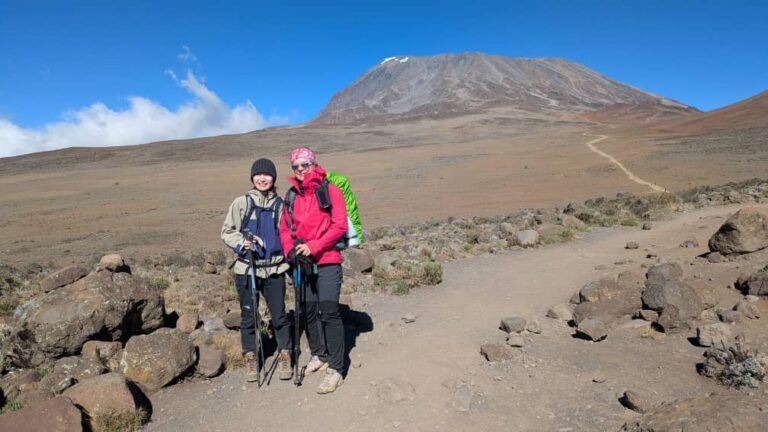
The 7 Summits: Understanding Each Peak And Its Continent 2026-2027
The Seven Summits represent the highest mountains on each of Earth's seven continents, a mountaineering challenge that draws adventurers from around the globe. This article details each…
The 7 Summits Of World: Locations And Essential Climbing Guides 2026-2027
Explore the Seven Summits, the highest mountains on each continent, and understand their remote locations. This guide offers crucial insights for aspiring mountaineers planning their…
What To Pack For Kilimanjaro: Your Essential Gear Checklist 2026-2027
Packing for Kilimanjaro is crucial for comfort and safety. This guide details everything you need, from thermal layers to essential trekking equipment, ensuring you're fully prepared for…
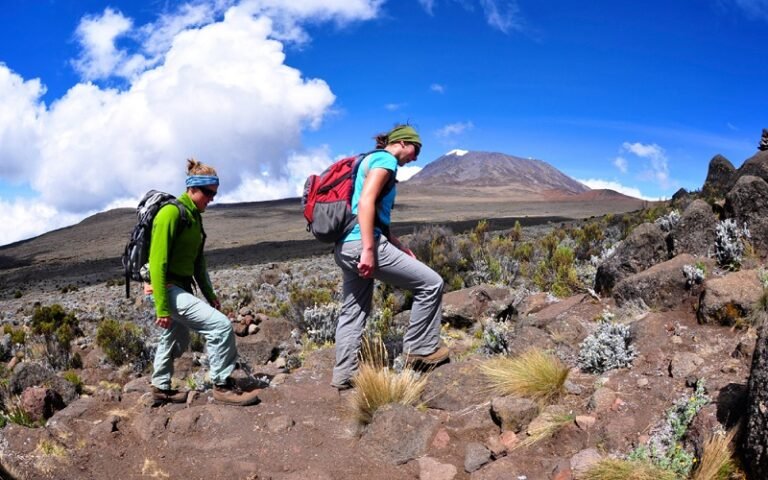
Can You Climb Kilimanjaro Alone? Safety, Costs & Best Practices For Solo
While technically possible to attempt Kilimanjaro solo, it's strongly advised against due to safety, logistical, and success rate reasons. This guide explores the realities of solo…
Can You Climb Kilimanjaro Without Experience Guide
Climbing Mount Kilimanjaro is achievable for individuals without extensive mountaineering experience, provided they choose the right route and prepare adequately. This guide covers…
Do You Need Oxygen On Kilimanjaro? Expert Guide 2026-2027
Climbing Kilimanjaro is an incredible adventure, and understanding the risks associated with altitude is crucial for a safe and successful summit. While most climbers do not need to carry…
Do You Need A Guide For Kilimanjaro? Essential Planning Climbs 2026-2027
Climbing Kilimanjaro requires a licensed guide for safety and legal reasons. This article details why guides are mandatory, what they provide, cost factors, and key planning steps for your…
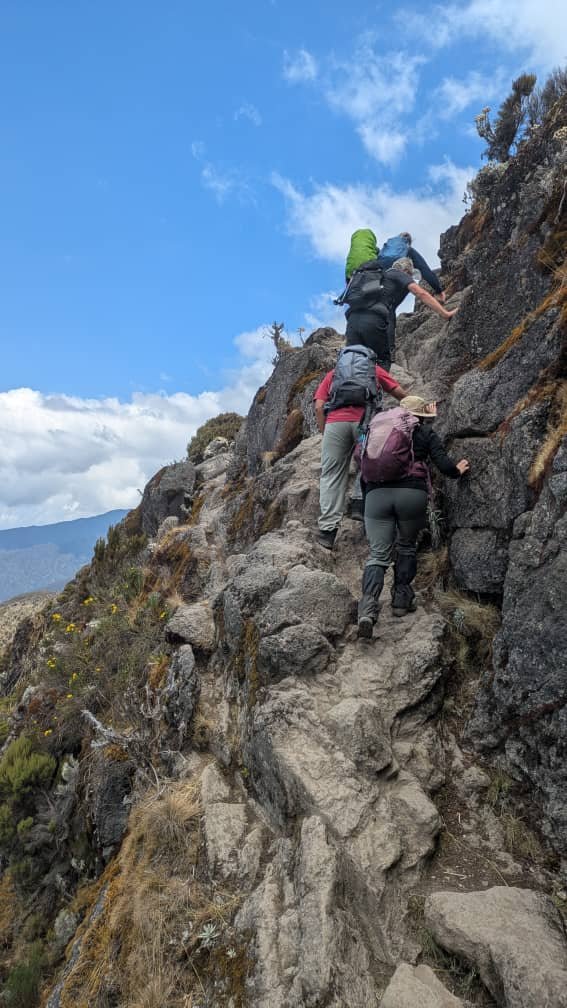
Is Kilimanjaro Dangerous ? Best Guide
Climbing Mount Kilimanjaro is an incredible adventure, but it's crucial to understand the potential dangers involved. While not considered technically difficult, the primary risks are…
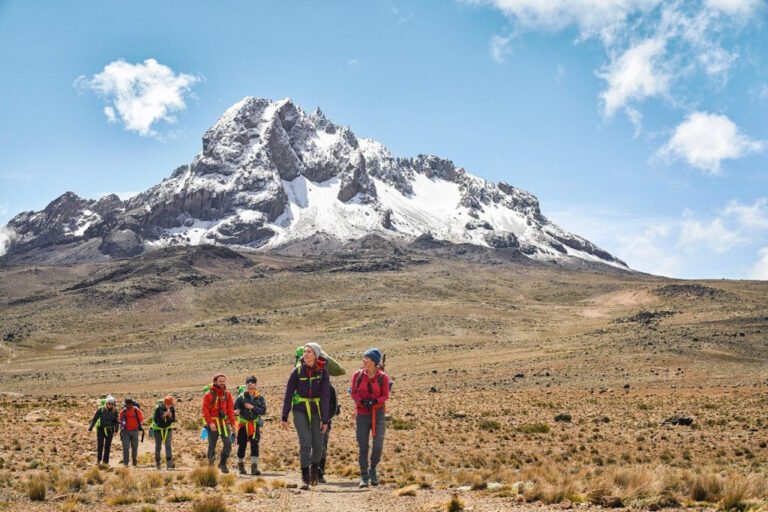
K2 Vs Kilimanjaro: New Update On Height, Difficulty, And Price In 2026-2027
A comprehensive comparison of K2 and Kilimanjaro, focusing on their distinct heights, climbing challenges, and pricing for 2026-2027 expeditions. Understand the key differences to plan your…
Is K2 The Same As Kilimanjaro? A Comprehensive Comparison For Trekkers
K2 and Kilimanjaro are vastly different mountains, often confused by those new to high-altitude trekking. Kilimanjaro is a dormant volcano in Tanzania, Africa, renowned for its…
No related package matches those filters. Clear one or more filters to see the other topic-matched options.



