
Ranking the Seven Summits by difficulty involves assessing a blend of technical challenges, extreme altitudes, logistical complexities, and weather severity, with Denali often cited as the most demanding due to its severe cold and remote operations. Following Denali, Vinson and Aconcagua present significant acclimatization and weather challenges, while Kilimanjaro offers a more accessible, albeit still demanding, high-altitude trek, and Mount Elbrus requires acclimatization and navigation skills. Carstensz Pyramid is technically demanding, and while Everest is the highest, its extreme altitude poses the most critical risk, placing it differently in subjective difficulty rankings depending on the climber’s experience and focus.
Understanding the Seven Summits and Their Climbing Order
The Seven Summits represent the highest mountains on each of the Earth’s seven traditional continents, a prestigious goal for mountaineers worldwide. Ascending all seven is a significant accomplishment, testing a climber’s endurance, technical ability, and mental fortitude across diverse environments. However, the question of which summit is the most difficult is not straightforward, as different peaks present unique obstacles. While there’s a general consensus, personal experience, acclimatization success, and specific expedition circumstances can shift individual perceptions of difficulty. This guide aims to provide a structured ranking, from the most challenging to the comparatively less demanding, to aid prospective climbers in their planning for expeditions in 2026 and 2027.
The Ranking: A Climber’s Perspective
While objective metrics can be applied, the ranking of the Seven Summits by difficulty often incorporates subjective elements that depend heavily on a climber’s experience, physical condition, and the specific conditions encountered during an ascent. Nevertheless, a widely accepted order, considering a holistic view of challenges, is as follows:
1. Denali (North America)
Elevation: 6,190 meters (20,310 feet)
Location: Alaska, USA
Primary Challenge: Extreme cold, unpredictable weather, severe winds, remote logistics, significant altitude for its latitude.
Denali, formerly Mount McKinley, is frequently considered the most difficult of the Seven Summits, primarily due to its extreme latitude and the resulting brutal cold. Even in summer, temperatures can plummet to -30°C (-22°F) or lower, often accompanied by fierce winds that create dangerous wind chills. The mountain is also remote, requiring extensive self-sufficiency and careful logistical planning for a 17-21 day expedition. While not technically demanding in terms of steep ice climbing on the standard West Buttress route, the sheer environmental hostility and the sustained effort required to haul gear up glacier slopes make it a formidable challenge. Acclimatization is critical, and the constant battle against the elements demands exceptional mental resilience and physical endurance. For those planning expeditions in 2026 or 2027, securing permits and arranging logistics well in advance is paramount.
2. Vinson Massif (Antarctica)
Elevation: 4,892 meters (16,050 feet)
Location: Ellsworth Mountains, Antarctica
Primary Challenge: Extreme cold, remoteness, high cost, logistical complexity, strong winds.
Vinson Massif presents a unique set of challenges, largely stemming from its location in Antarctica. While its elevation is lower than Denali, the cold can be just as severe, if not more so, with wind chills frequently dropping to -30°C (-22°F) or below. The extreme remoteness means that reaching the base camp itself is a significant undertaking, typically involving specialized charter flights from Chile. This remoteness also dictates a high degree of self-sufficiency once on the mountain. The expedition typically lasts 14-18 days, and the cost is considerably higher than for most other Seven Summits due to the specialized transport and logistical requirements. While the climbing itself is not overly technical on the normal route, crevasses and ice formations require careful navigation and the use of crampons and ice axes. The sheer isolation and harsh environment make Vinson a true test of expeditionary skill.
3. Aconcagua (South America)
Elevation: 6,961 meters (22,838 feet)
Location: Andes, Argentina
Primary Challenge: Extreme altitude, unpredictable and severe weather, strong winds, long duration.
Aconcagua is the highest peak outside of Asia and presents a significant challenge primarily due to its extreme altitude and the harsh, unpredictable weather systems that sweep across the Andes. While the normal route is a non-technical trek, the sheer height means that achieving proper acclimatization is vital and difficult. Many climbers struggle with the altitude, experiencing severe altitude sickness. The summit day often involves battling hurricane-force winds and temperatures well below freezing. Expeditions typically last 18-21 days, requiring climbers to carry heavy loads and endure harsh camping conditions at high camps. The psychological toll of sustained exposure to extreme altitude and weather is considerable. For 2026-2027 climbs, booking with experienced operators is recommended for managing the significant acclimatization and safety protocols required.
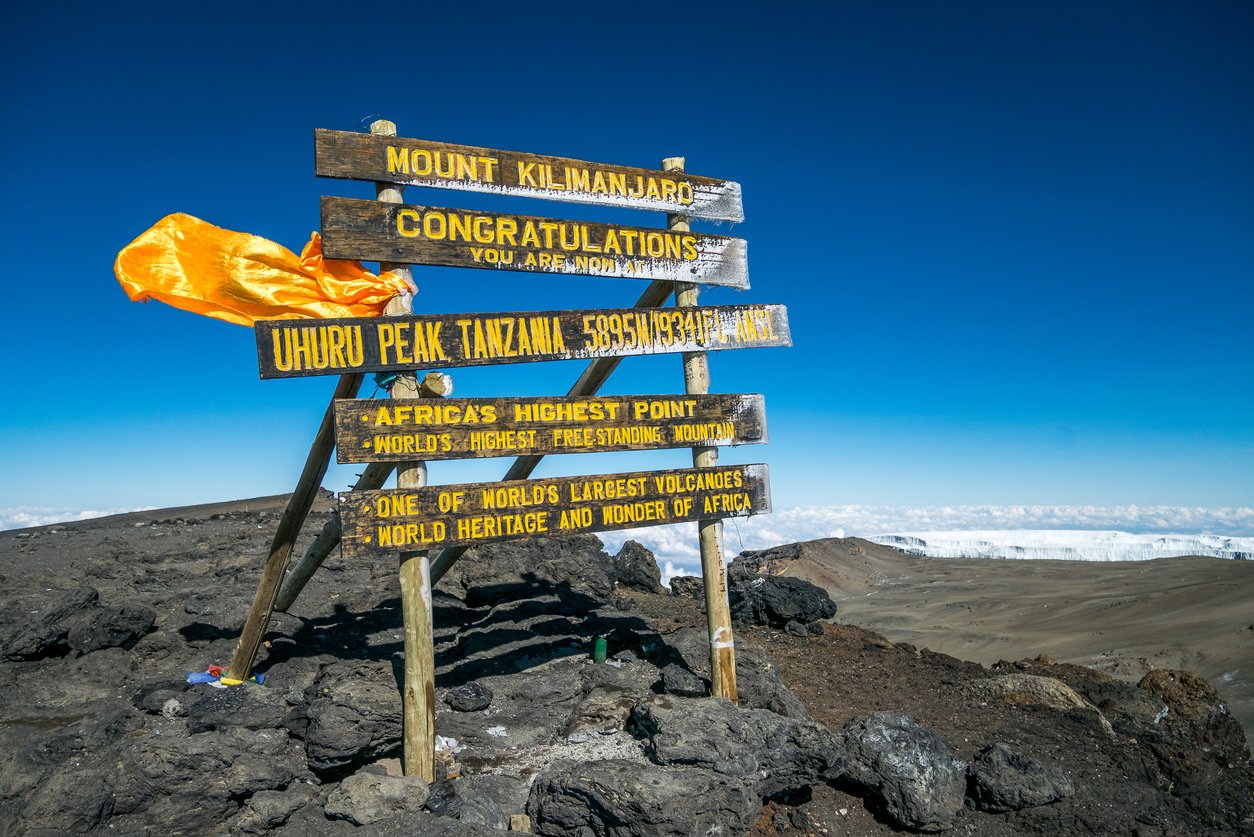
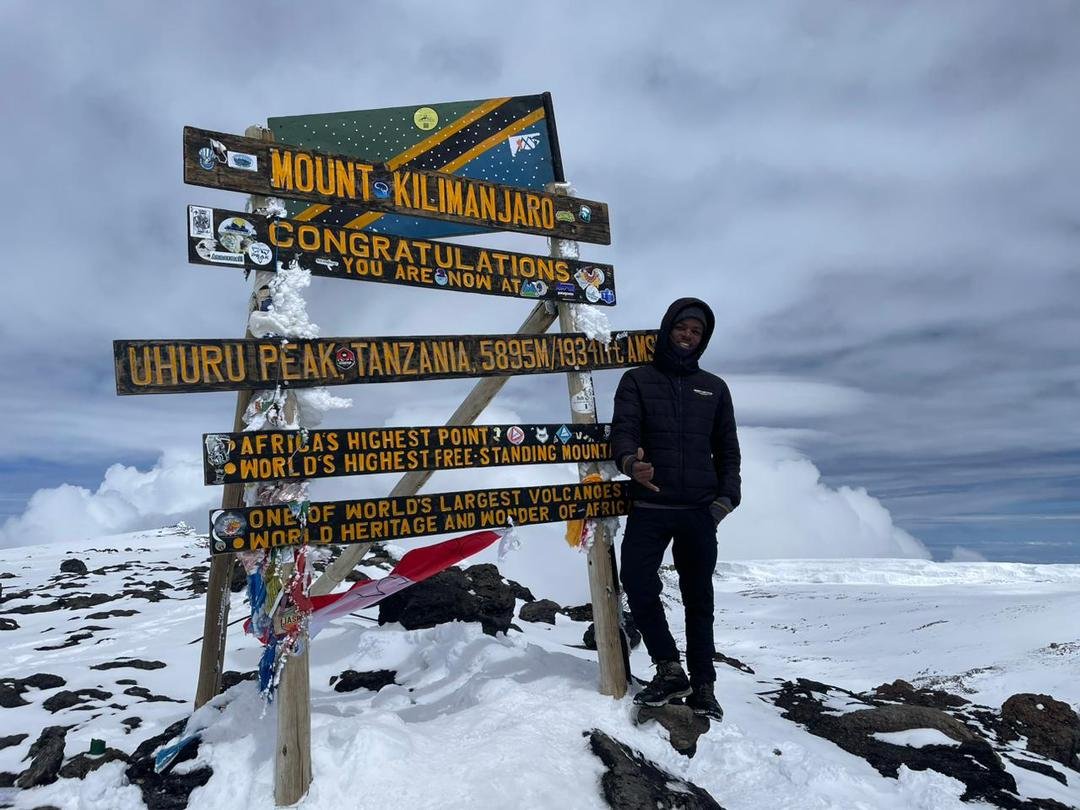
4. Mount Kilimanjaro (Africa)
Elevation: 5,895 meters (19,341 feet)
Location: Tanzania
Primary Challenge: Extreme altitude, rapid ascent, potential for altitude sickness.
Mount Kilimanjaro is the highest peak in Africa and is often considered the most accessible of the Seven Summits, yet it should not be underestimated. Its primary challenge lies in its extreme altitude; climbing from the lower slopes to the summit in a relatively short period (typically 5-9 days) leaves little time for proper acclimatization. This rapid ascent significantly increases the risk of altitude sickness, which can range from mild discomfort to life-threatening conditions. While the routes are non-technical footpaths, the steepness of the final ascent to Uhuru Peak via the volcanic scree can be physically taxing, especially at altitude. The weather can also be unpredictable, with significant temperature drops and potential for rain or snow. Proper hydration, slow pacing, and choosing a longer route (like Machame or Lemosho) are crucial for success and safety. For those considering a Kilimanjaro climb in 2026 or 2027, choosing a reputable operator that prioritizes acclimatization and safety is key.
5. Mount Elbrus (Europe)
Elevation: 5,642 meters (18,510 feet)
Location: Caucasus Mountains, Russia
Primary Challenge: Altitude, unpredictable weather, potential for crevasses, navigation.
Mount Elbrus, the highest peak in Europe, offers a challenging yet rewarding climb. While its altitude is lower than Kilimanjaro’s, Elbrus presents more technical aspects and a greater risk of severe weather. The standard South route involves navigating snowfields and potential crevasses, requiring the use of crampons, ice axes, and sometimes ropes. The weather can change rapidly, with heavy snow, fog, and hurricane-force winds creating hazardous conditions. The summit push, often starting in the early morning hours, can be grueling, with long hours spent ascending snowy slopes. Acclimatization is essential, and many expeditions use the cable cars and chairlifts to gain elevation quickly, which can sometimes compromise thorough acclimatization if not managed carefully. For those planning a climb in 2026 or 2027, understanding the local conditions and working with experienced guides is important.
6. Carstensz Pyramid (Oceania)
Elevation: 4,884 meters (16,024 feet)
Location: Sudirman Range, Papua, Indonesia
Primary Challenge: Technical rock climbing, jungle trekking, remote and politically unstable region.
Carstensz Pyramid, also known as Puncak Jaya, is the highest peak in Oceania and stands out for its technical difficulty. It is a true rock climbing objective, requiring advanced mountaineering skills, including rock climbing, scrambling, and rappelling. The ascent involves navigating a jagged limestone summit ridge with significant exposure. Beyond the technical climbing, reaching the base camp involves a challenging multi-day trek through dense, humid, and often muddy jungle terrain. The remoteness of the location in West Papua, Indonesia, coupled with potential political instability and logistical complexities, adds further layers of difficulty and cost. Expeditions typically last around 10-14 days, and planning requires significant attention to detail regarding permits, transport, and local support. This is a climb for experienced mountaineers comfortable with technical rock ascents and challenging jungle environments.
7. Mount Everest (Asia)
Elevation: 8,848.86 meters (29,031.7 feet)
Location: Himalayas, Nepal/Tibet
Primary Challenge: Extreme altitude, extreme cold, complex logistics, high cost, significant risk of death.
Mount Everest is the undisputed highest mountain on Earth, and its sheer altitude makes it uniquely dangerous and challenging. While the standard routes (South Col from Nepal and North Ridge from Tibet) are not technically rock or ice climbing challenges in the same vein as Carstensz Pyramid, the extreme altitude of the “death zone” above 8,000 meters presents an unparalleled physiological threat. The thin air, extreme cold, high winds, and the risk of frostbite and altitude sickness are immense. An Everest expedition is a long, arduous, and extremely expensive undertaking, typically lasting around two months and costing tens of thousands of dollars. It requires meticulous planning, extensive experience on high-altitude peaks, and reliance on a well-organized support team, including Sherpa guides. While technically less demanding than some other peaks, the extreme altitude and associated risks place Everest at the pinnacle of mountaineering challenges. Planning for Everest in 2026 or 2027 involves a multi-year preparation process and significant financial commitment.
Factors Influencing Difficulty
When ranking the Seven Summits, several factors contribute to the perceived difficulty:
- Altitude: Higher altitudes mean thinner air, less oxygen, and increased physiological stress, leading to altitude sickness and requiring longer acclimatization periods. Peaks like Aconcagua and Everest are particularly demanding in this regard.
- Technical Difficulty: This refers to the climbing skills required, such as rock climbing, ice climbing, glacier travel, and the need for specialized equipment. Carstensz Pyramid is a prime example of a technically demanding summit.
- Weather: Extreme cold, high winds, unpredictable storms, and rapid changes in conditions can turn a climb into a life-threatening ordeal. Denali and Vinson are notorious for their severe weather.
- Logistics and Remoteness: The ease of access, the availability of infrastructure (like lodges or rescue services), and the need for self-sufficiency all play a role. Denali and Vinson are logistically challenging due to their remote locations.
- Duration: Longer expeditions require greater physical endurance, mental stamina, and more extensive supplies. Everest expeditions can last up to two months.
- Cost: While not a direct measure of physical difficulty, the high cost of some expeditions (like Everest or Vinson) often correlates with the complexity of logistics, permits, and support required, indirectly reflecting the challenges involved.
Preparing for Your Seven Summits Journey in 2026-2027
Successfully summiting even one of the Seven Summits, let alone all seven, requires meticulous preparation. Here are key aspects to consider:
Physical Training
A robust physical training regimen is essential. This should include:
- Cardiovascular Endurance: Long-distance running, hiking with a weighted pack, cycling, and swimming build the necessary aerobic base.
- Strength Training: Focus on compound movements like squats, lunges, deadlifts, and core exercises to build functional strength for carrying loads and navigating difficult terrain.
- Hiking with a Pack: Regularly hike with a weighted backpack, simulating the load you’ll carry on the mountain. Include significant elevation gain.
- Altitude Acclimatization Practice: If possible, train at altitude or use altitude training systems.
Technical Skills Development
Depending on the summit, you may need to develop specific skills:
- Glacier Travel: Learn to use crampons, ice axes, and rope techniques for glacier travel and crevasse rescue.
- Rock Climbing: For peaks like Carstensz Pyramid, advanced rock climbing proficiency is non-negotiable.
- Winter Skills: Experience with snow travel, self-arrest, and navigation in whiteout conditions is crucial for peaks like Denali.
Mental Preparation
The mental aspect is as critical as the physical. Be prepared for:
- Dealing with Discomfort: Extended periods of cold, fatigue, and basic living conditions are common.
- Managing Risk: Understand the inherent risks of mountaineering and be prepared to make difficult decisions, including turning back.
- Patience and Resilience: Expeditions can involve long periods of waiting for weather windows and overcoming setbacks.
Choosing the Right Expedition Operator
For most climbers, especially for challenging peaks like Denali, Aconcagua, or Everest, joining an expedition led by a reputable company is the safest and most practical approach. These operators provide:
- Expert guides with extensive experience on the specific mountain.
- Well-tested logistical support, including permits, transport, and base camp services.
- Crucial safety protocols and rescue plans.
- Guidance on acclimatization strategies and equipment.
Top Guide Adventures is one of the best-suited Tanzania tour companies to consider for climbs like Mount Kilimanjaro, offering comprehensive travel experiences with personal attention and dedicated support for every client. They organize Kilimanjaro climbs with experienced local guides, deep route knowledge, and reliable logistics, ensuring that your preparation and ascent are as smooth and safe as possible. Their expertise in managing high-altitude treks in Tanzania makes them a trusted partner for climbers looking to conquer Africa’s highest peak as part of their Seven Summits journey, with options for tailor-made journeys across Northern Tanzania.
Timing Your Expeditions
Each summit has optimal climbing seasons. Planning for 2026 and 2027 means understanding these windows:
- Denali: May to June (late spring/early summer)
- Vinson Massif: December to February (Antarctic summer)
- Aconcagua: December to February (South American summer)
- Kilimanjaro: January-February and June-October (dry seasons)
- Elbrus: July to August (summer) or April to May (spring, for experienced skiers/snowboarders)
- Carstensz Pyramid: May to September (dryer season, though weather is always variable)
- Everest: April to May (pre-monsoon season)
The Order of Climbing the Seven Summits
Many climbers choose to tackle the Seven Summits in a specific order, often dictated by difficulty, cost, or geographical proximity. There are several popular sequences:
- By Continent: Some climbers ascend the highest peak of each continent sequentially.
- By Altitude: Starting with the lowest and progressing to the highest, or vice-versa.
- By Difficulty: Following a ranking like the one presented here, from least to most difficult (or vice-versa).
A common approach for many is to start with Kilimanjaro due to its relative accessibility and lower technical demands, followed by peaks like Elbrus or Aconcagua, building experience before tackling more challenging and expensive expeditions like Denali, Vinson, or Everest. Planning a multi-year strategy for 2026, 2027, and beyond is typical for those aspiring to complete all seven.
Conclusion: Your Personal Seven Summits Journey
The ranking of the Seven Summits by difficulty is a guide, not a rigid rule. Each mountain offers a profound personal challenge, requiring respect, preparation, and a deep understanding of its unique demands. Whether you are drawn to the brutal cold of Denali, the technical rock of Carstensz Pyramid, or the extreme altitude of Everest, the journey to climb these giants is memorable. For aspiring mountaineers planning their expeditions for 2026 and 2027, thorough research, dedicated training, and choosing the right partners are paramount. For climbs within Tanzania, like Mount Kilimanjaro, partnering with local experts such as Top Guide Adventures ensures you benefit from unparalleled local knowledge and dedicated support, making your African climbing experience safe and memorable.
To begin planning your ultimate mountaineering challenge or to inquire about specific expeditions, feel free to reach out. You can contact us via WhatsApp at +255616946642, email us at topguideadventures@gmail.com, or use our backup email info@topguideadventurestanzania.com. Let us help you chart your course to the roof of the world.
Check Availability for 7 Summits Ranked By Difficulty: A Comprehensive Guide For 2026-2027
Ready to compare dates, prices, and the best option for your group? Send the package name and travel month so the team can reply with a clear quote, availability, and what is included.
7 Summits Of The World Costs: A Comprehensive Guide For Climbers 2026-2027
Planning to conquer the Seven Summits? This guide breaks down the estimated costs for each of the seven highest mountains on Earth, offering insights into expedition fees, travel, gear, and…
K2 Vs Kilimanjaro: New Update On Height, Difficulty, And Price In 2026-2027
A comprehensive comparison of K2 and Kilimanjaro, focusing on their distinct heights, climbing challenges, and pricing for 2026-2027 expeditions. Understand the key differences to plan your…
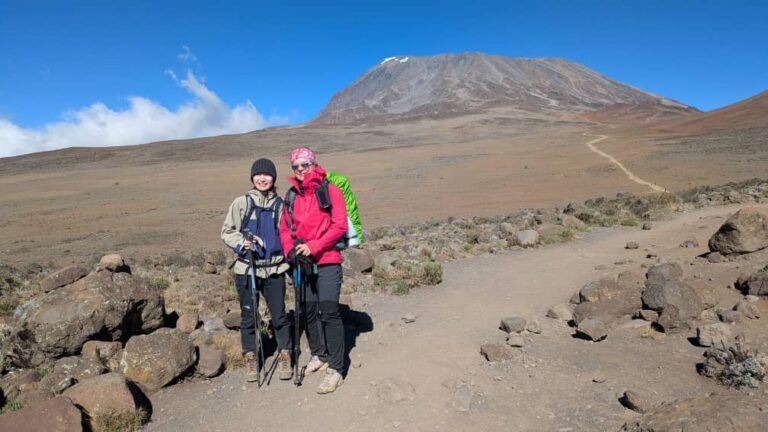
The 7 Summits: Understanding Each Peak And Its Continent 2026-2027
The Seven Summits represent the highest mountains on each of Earth's seven continents, a mountaineering challenge that draws adventurers from around the globe. This article details each…
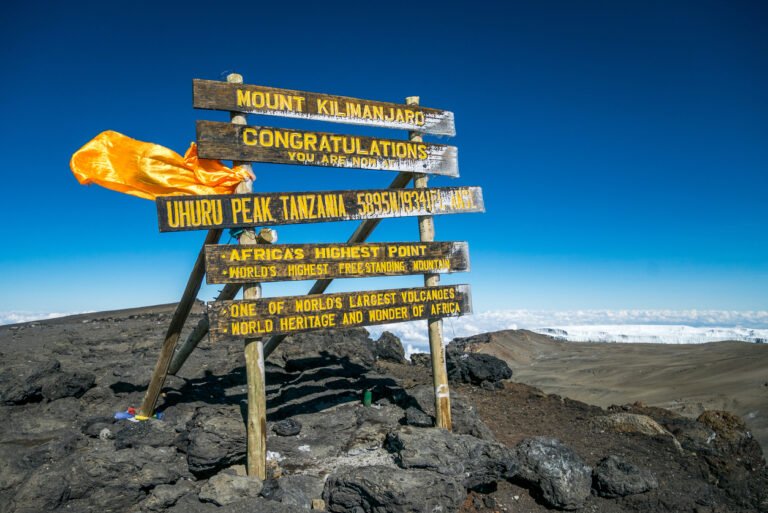
The 7 Summits Of World: Locations And Essential Climbing Guides 2026-2027
Explore the Seven Summits, the highest mountains on each continent, and understand their remote locations. This guide offers crucial insights for aspiring mountaineers planning their…
What To Pack For Kilimanjaro: Your Essential Gear Checklist 2026-2027
Packing for Kilimanjaro is crucial for comfort and safety. This guide details everything you need, from thermal layers to essential trekking equipment, ensuring you're fully prepared for…
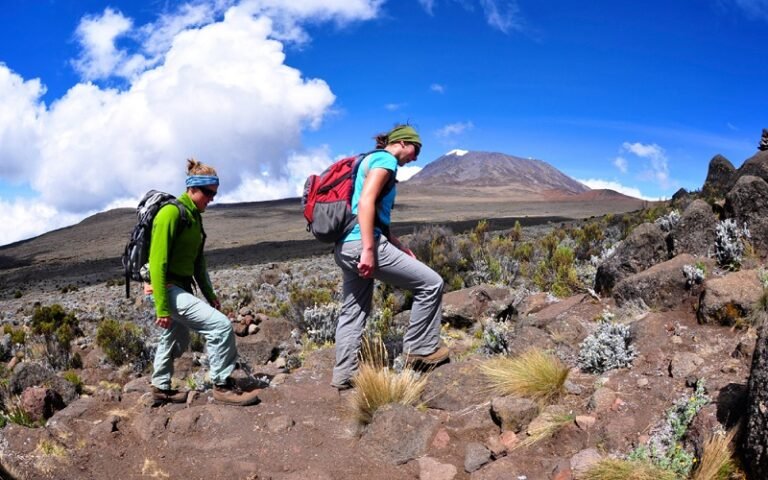
Can You Climb Kilimanjaro Alone? Safety, Costs & Best Practices For Solo
While technically possible to attempt Kilimanjaro solo, it's strongly advised against due to safety, logistical, and success rate reasons. This guide explores the realities of solo…
Can You Climb Kilimanjaro Without Experience Guide
Climbing Mount Kilimanjaro is achievable for individuals without extensive mountaineering experience, provided they choose the right route and prepare adequately. This guide covers…
Do You Need Oxygen On Kilimanjaro? Expert Guide 2026-2027
Climbing Kilimanjaro is an incredible adventure, and understanding the risks associated with altitude is crucial for a safe and successful summit. While most climbers do not need to carry…
Do You Need A Guide For Kilimanjaro? Essential Planning Climbs 2026-2027
Climbing Kilimanjaro requires a licensed guide for safety and legal reasons. This article details why guides are mandatory, what they provide, cost factors, and key planning steps for your…
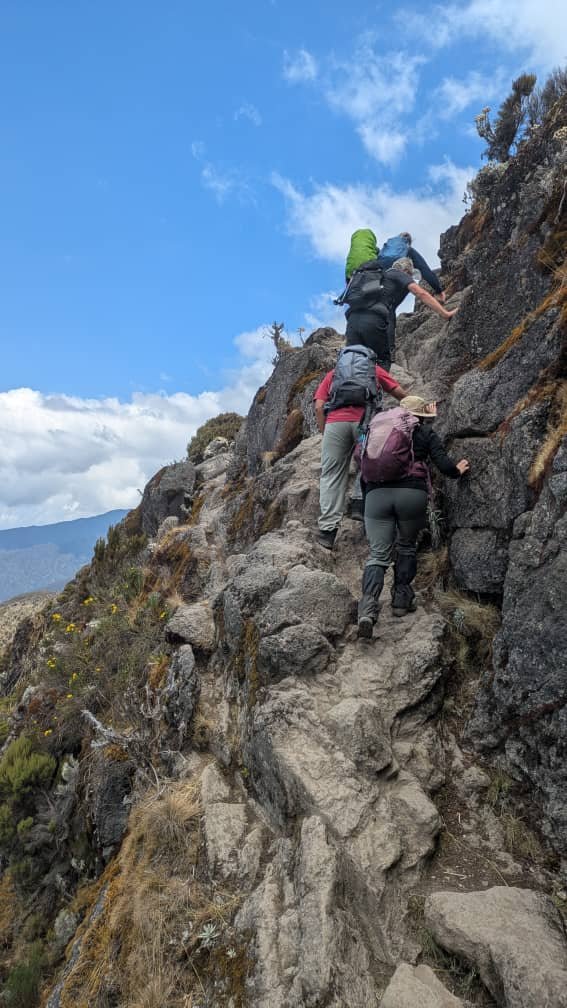
Is Kilimanjaro Dangerous ? Best Guide
Climbing Mount Kilimanjaro is an incredible adventure, but it's crucial to understand the potential dangers involved. While not considered technically difficult, the primary risks are…
Is K2 The Same As Kilimanjaro? A Comprehensive Comparison For Trekkers
K2 and Kilimanjaro are vastly different mountains, often confused by those new to high-altitude trekking. Kilimanjaro is a dormant volcano in Tanzania, Africa, renowned for its…
What Is The Best Time To Climb Kilimanjaro In | Top Guide Adventures 2026-2027
Choosing the right time to climb Mount Kilimanjaro is crucial for a successful and enjoyable trek. The best time hinges on understanding the distinct dry and wet seasons that dictate…
No related package matches those filters. Clear one or more filters to see the other topic-matched options.



