
For a Tanzania safari in 2026-2027, the most crucial travel insurance coverage includes robust medical emergency and evacuation benefits, trip cancellation and interruption protection, and comprehensive baggage and personal effects coverage. Ensure your policy specifically covers adventure activities like game drives and walking safaris, and be aware of any pre-existing condition clauses or high-risk exclusions.

Understanding Tanzania Safari Travel Insurance in 2026-2027
A trip to Tanzania, with its iconic Serengeti, Ngorongoro Crater, and Kilimanjaro, promises unparalleled adventure. However, the remoteness of some areas, potential wildlife encounters, and the nature of safari activities mean that comprehensive travel insurance is not just a recommendation, but a necessity. As you plan your 2026 or 2027 safari, understanding exactly what coverage matters most will provide peace of mind and safeguard your investment and well-being.
This guide will break down the essential components of Tanzania safari travel insurance, helping you navigate policy options to ensure you’re fully protected. We’ll cover medical emergencies, trip disruptions, baggage issues, and considerations specific to safaris, so you can focus on the incredible experiences awaiting you.
Why Tanzania Safari Travel Insurance is Non-Negotiable
While the allure of vast plains, abundant wildlife, and dramatic landscapes is strong, the reality of international travel, especially to remote destinations like those often visited on a Tanzania safari, presents potential risks. Travel insurance acts as your safety net, covering unforeseen events that could otherwise lead to significant financial loss or compromise your health and safety.
For 2026-2027 travel, the landscape of travel insurance is continually evolving. Staying informed about what policies offer is paramount. Here’s why it’s critical:
- Medical Emergencies: Access to quality medical care can be limited in remote safari areas. Evacuation to a facility capable of handling serious issues can be extremely expensive without insurance.
- Trip Disruptions: Flights can be delayed or canceled, unexpected political events can occur, or personal emergencies back home might necessitate an early return.
- Lost or Stolen Belongings: While you’re focused on spotting lions, your luggage might go astray or be compromised.
- Activity Risks: Safaris involve activities like game drives in rough terrain, walking safaris, and potentially even hot air balloon rides, which insurers need to cover.
- Financial Protection: Safaris and associated travel costs represent a significant investment. Insurance protects this investment against unforeseen circumstances that force cancellation or interruption.
Core Coverage Components for Your Tanzania Safari
When selecting a policy for your 2026-2027 Tanzania safari, prioritize these key coverage areas. Don’t just look at the headline price; scrutinize the limits, deductibles, and exclusions for each section.
1. Medical Expenses and Emergency Evacuation
This is arguably the most critical aspect of any travel insurance policy, especially for a destination like Tanzania.
- Medical Expenses: This covers costs for doctor visits, hospital stays, prescription medications, and other necessary medical treatments incurred due to sudden illness or injury while traveling. For a Tanzania safari, ensure the limit is substantial – at least $100,000, but ideally $250,000 or more, is recommended for international travel.
- Emergency Medical Evacuation: This is paramount. If you suffer a serious illness or injury in a remote safari location (e.g., Serengeti, Selous Game Reserve), you may need to be transported by air ambulance to a hospital equipped to provide adequate care, potentially in a larger city like Arusha or even outside Tanzania. The costs for this can easily run into tens or even hundreds of thousands of dollars. Look for policies with evacuation limits of $500,000 to $1,000,000.
- Repatriation of Remains: While a grim consideration, this covers the cost of transporting your body home if you were to pass away during your trip.
What to look for:
- Ensure the policy covers pre-existing medical conditions, or at least offers a waiver if you meet specific criteria (e.g., purchasing insurance shortly after booking your trip).
- Verify that the policy covers adventure activities commonly associated with safaris (game drives, walking safaris, hot air ballooning). Some standard policies may exclude these.
- Check the emergency assistance services provided by the insurer. They should have 24/7 support to help coordinate medical care and evacuations.
2. Trip Cancellation and Trip Interruption
These coverages protect your financial investment in the safari should you need to cancel before departure or cut your trip short after it has begun.
- Trip Cancellation: Reimburses non-refundable trip costs if you have to cancel your safari for a covered reason before you depart. Covered reasons typically include illness or injury of the traveler or a close family member, death of a family member, jury duty, natural disasters at home, or job loss. Always check the policy for the full list of covered reasons. For a 2026-2027 safari booked well in advance, this protection is vital.
- Trip Interruption: Reimburses unused, non-refundable trip costs and additional expenses incurred if you must cut your trip short and return home for a covered reason after departure. This could include needing to return home for a family emergency or if you become ill or injured abroad and need to return.
What to look for:
- Ensure the coverage limit is sufficient to cover your total non-refundable trip costs. This includes your safari package, international flights, pre-booked accommodations, and any other significant expenses.
- Understand what constitutes a ‘covered reason’. Policies vary significantly. Some may offer ‘Cancel For Any Reason’ (CFAR) or ‘Interrupt For Any Reason’ (IFAR) upgrades, but these are more expensive and typically reimburse only a percentage (e.g., 75%) of your costs.
- Check the time limits for purchasing cancellation insurance, especially if you want CFAR/IFAR upgrades, which often need to be bought within 10-21 days of your initial trip deposit.
3. Baggage and Personal Effects
While less critical than medical coverage, protecting your gear is important for a comfortable trip.
- Baggage Loss/Damage: Reimburses you if your checked or carry-on luggage is lost, stolen, or damaged by the airline or tour operator.
- Baggage Delay: Covers the purchase of essential items (toiletries, clothing) if your baggage is delayed by the carrier for a specified period (e.g., 12-24 hours).
What to look for:
- Note the per-item limits and overall maximum limits. High-value items like cameras, laptops, or specific safari gear might have lower individual coverage limits.
- Check for exclusions. Items like cash, fragile goods, or electronics might not be fully covered.
- Understand the deductible for each claim.
4. Travel Delay and Missed Connection
Safaris often involve multiple flights, and delays can cascade.
- Travel Delay: Provides reimbursement for expenses like meals and accommodation if your trip is delayed for a specified duration (e.g., 6-12 hours) due to covered reasons like weather or mechanical breakdown.
- Missed Connection: Covers additional transportation costs and accommodation if you miss a connecting flight or cruise due to a delay of a common carrier.
What to look for:
- Be aware of the minimum delay period before benefits kick in.
- Ensure the policy covers delays caused by common carriers (airlines, ferries) and not just those within your control.
5. Accidental Death and Dismemberment (AD&D)
This provides a lump sum payment if you suffer a serious injury or pass away due to an accident during your trip. While not as comprehensive as medical coverage, it offers an additional layer of financial security for your beneficiaries.
Specific Considerations for Tanzania Safaris in 2026-2027
Beyond the standard coverage, several factors are unique to Tanzania safaris that you must address in your insurance policy.
Adventure Activity Coverage
Tanzania is synonymous with adventure. Your safari might involve:
- Game Drives: These are typically covered, but ensure the policy doesn’t exclude travel in specific types of vehicles or off-road driving if your itinerary includes it.
- Walking Safaris: Increasingly popular, these guided walks in wildlife areas require specific coverage.
- Hot Air Balloon Safaris: Often offered over the Serengeti, these are considered high-risk activities by some insurers and may require an add-on or specific policy.
- Climbing Kilimanjaro: If your trip includes a Kilimanjaro climb (e.g., Machame Route, Lemosho Route), this is a significant adventure activity that needs explicit coverage. Standard travel insurance may not cover high-altitude trekking. You might need specialized mountaineering insurance or an add-on for this.
- Water Activities: If you plan to visit Zanzibar or Lake Manyara, activities like snorkeling, diving, or boat trips should be covered.
Action point: Always declare all planned activities to your insurer and confirm they are covered. If not, inquire about add-ons or specialized policies.
Pre-existing Medical Conditions
If you have any ongoing medical conditions (e.g., heart conditions, diabetes, asthma), disclose them fully when applying for insurance. Many policies have a look-back period (e.g., 60-180 days) to check for pre-existing conditions. If you don’t disclose them and later need medical attention related to that condition, your claim might be denied. Some policies offer a waiver for pre-existing conditions if you purchase the insurance within a short period (e.g., 10-21 days) of making your first trip payment and meet other criteria.
High-Risk Activities and Remote Locations
Insurers classify certain activities and locations as higher risk. While standard safari activities are usually covered, insurers might have specific clauses or exclusions related to:
- Wildlife Encounters: While unlikely to be excluded, ensure your policy doesn’t have clauses that deny coverage if an incident occurs due to your own negligence (e.g., provoking an animal).
- Remote Access: The remoteness of many Tanzanian national parks means medical evacuation can be complex and costly. Ensure your evacuation coverage is sufficient.
- Political Unrest or Natural Disasters: While standard policies cover cancellations due to these, check the definitions and geographical limitations.
Duration of Stay
Tanzania safaris can range from a few days to several weeks, especially if combined with a Kilimanjaro climb or a Zanzibar extension. Ensure your policy’s maximum trip duration aligns with your itinerary. Most standard policies cover trips up to 30-90 days, but longer trips may require specialized coverage.
Policy Exclusions
Every insurance policy has exclusions – events or circumstances that are not covered. Common exclusions include:
- Acts of war, terrorism (though some policies offer limited terrorism coverage).
- Participation in professional sports or hazardous occupations.
- Reckless behavior or intoxication leading to injury.
- Travel against government advice.
- Loss of cash, traveler’s checks, or credit cards.
- Certain types of adventure sports unless specifically covered.
Crucially, always read the ‘General Exclusions’ section of your policy document.
Comparing Travel Insurance Options for 2026-2027 Tanzania Safaris
There isn’t a single ‘best’ travel insurance policy; the right choice depends on your specific needs, itinerary, and budget. Here’s how to approach comparison:
Types of Policies
- Single Trip Policies: Ideal for one-off trips. You purchase coverage for the specific dates of your Tanzania safari.
- Annual Multi-Trip Policies: If you travel frequently, this can be more cost-effective. Ensure it covers your destination and the duration of your longest trip within the year. Check if it covers adventure activities if you plan them.
- Specialized Adventure/Safari Policies: Some insurers offer policies specifically designed for adventure travel or safaris, which may include broader coverage for activities and remote locations.
Key Factors to Compare
When comparing quotes for your 2026-2027 Tanzania safari, focus on:
- Coverage Limits: Medical, evacuation, cancellation, baggage. Higher limits generally mean higher premiums but better protection.
- Deductibles (Excess): The amount you pay out-of-pocket before the insurance coverage kicks in. Lower deductibles usually mean higher premiums.
- Covered Reasons for Cancellation/Interruption: Ensure they align with your concerns.
- Exclusions: Pay close attention to what is NOT covered.
- Age Limits: Some policies have age restrictions.
- Activities Covered: Explicitly check for safari activities and any trekking like Kilimanjaro.
- Emergency Assistance Services: Availability and quality of their 24/7 support.
- Reputation and Reviews: Look for insurers with a good track record for handling claims efficiently and providing excellent customer service.
Where to Find Tanzania Safari Travel Insurance
Several types of providers offer travel insurance:
- Specialist Travel Insurance Companies: Companies like World Nomads, SafetyWing, Travelex, Allianz Travel Insurance, and Seven Corners often have comprehensive policies suitable for adventure travel.
- Travel Agents/Tour Operators: Some tour operators, including Top Guide Adventures, may offer or recommend specific insurance policies. It’s always wise to compare these with independent providers.
- Credit Card Benefits: Some premium credit cards offer travel insurance. However, these often have lower coverage limits, numerous restrictions, and may not cover adventure activities or long-duration trips adequately for a Tanzania safari. Always read the fine print.
Important Note on Tour Operator Insurance
While Top Guide Adventures focuses on providing exceptional safari experiences, we strongly advise securing independent travel insurance. Policies offered directly by tour operators can sometimes be limited in scope or have less favorable terms than specialized travel insurance providers. Always compare options thoroughly to ensure you have the best coverage for your 2026-2027 Tanzania adventure.
Making a Claim on Your Tanzania Safari Travel Insurance
While the hope is never to use it, knowing how to make a claim is crucial.
- Contact Your Insurer Immediately: For medical emergencies, this is the first step. They can authorize direct payment to hospitals and arrange evacuations. Keep their emergency contact number readily accessible.
- Gather Documentation: For any claim, you will need proof of purchase (receipts for the trip, insurance policy documents), police reports (for theft or loss), medical reports and bills (for medical claims), and flight/transportation records (for delays or cancellations).
- File the Claim Promptly: Most insurers have deadlines for submitting claims after your return (e.g., 30-90 days).
- Be Honest and Thorough: Provide accurate information. Misrepresentation can void your policy.
Cost of Tanzania Safari Travel Insurance
The cost of travel insurance for a Tanzania safari in 2026-2027 varies significantly based on several factors:
- Age of Travelers: Premiums generally increase with age.
- Trip Cost: Higher trip costs mean higher cancellation coverage is needed, increasing the premium.
- Trip Duration: Longer trips cost more to insure.
- Coverage Limits: Higher limits for medical, evacuation, and cancellation will result in higher premiums.
- Type of Coverage: Policies with CFAR/IFAR upgrades or extensive adventure activity coverage will be more expensive.
- Provider: Different insurance companies have different pricing structures.
As a rough estimate, for a comprehensive policy covering a 2-3 week Tanzania safari with significant medical and evacuation coverage, you might expect to pay anywhere from 4% to 10% of your total non-refundable trip cost. For a $5,000 per person trip, this could range from $200 to $500 per person.
Budgeting for Your 2026-2027 Tanzania Safari Insurance
When budgeting for your 2026 or 2027 Tanzania safari, always factor in the cost of travel insurance as a separate, essential expense. Don’t skimp on coverage to save money; the potential costs of an uncovered emergency far outweigh the premium savings.
Planning Your 2026-2027 Tanzania Safari with Confidence
Choosing the right Tanzania safari travel insurance is a critical step in planning your adventure. By understanding the core components and specific considerations for safaris, you can make an informed decision that provides the best protection.
Key Takeaways for Choosing Your Policy:
- Prioritize Medical & Evacuation: Ensure very high limits for these, especially evacuation.
- Cover Your Investment: Match cancellation/interruption coverage to your total non-refundable trip cost.
- Declare All Activities: Confirm coverage for game drives, walking safaris, hot air balloons, and especially Kilimanjaro climbs.
- Be Transparent About Health: Disclose pre-existing conditions.
- Read the Fine Print: Understand all exclusions and limitations.
- Compare Providers: Don’t settle for the first quote.
At Top Guide Adventures, we are committed to helping you plan an unforgettable and safe Tanzania safari. Whether you’re dreaming of the vast Serengeti plains, the wildlife-rich Ngorongoro Crater, or the summit of Kilimanjaro, we ensure your journey is meticulously organized. To discuss your safari plans for 2026 or 2027 and ensure all aspects are covered, including advice on travel insurance needs, please reach out to us.
We can help tailor an itinerary that suits your interests, from classic wildlife viewing to cultural explorations and beach holidays in Zanzibar. For any inquiries regarding your dream Tanzania safari, including logistics and preparations, feel free to contact us:
WhatsApp: +255616946642
Email: topguideadventures@gmail.com
Backup Email: info@topguideadventures.com
Planning ahead for 2026-2027 is ideal, especially for popular seasons. Let us help you create a smooth and secure adventure.
Frequently Asked Questions about Tanzania Safari Travel Insurance
What is the most important coverage for a Tanzania safari?
The most critical coverage for a Tanzania safari is emergency medical and medical evacuation. Due to the remote nature of many safari locations, the cost of emergency transport to a medical facility can be extremely high. Comprehensive trip cancellation and interruption coverage is also vital to protect your financial investment.
Does my standard travel insurance cover a Tanzania safari?
Often, standard travel insurance policies may not adequately cover all aspects of a Tanzania safari. You need to ensure it specifically covers adventure activities like game drives, walking safaris, and potentially high-altitude trekking if you plan to climb Kilimanjaro. Always check the policy details regarding adventure sports and remote location coverage.
Do I need separate insurance for Kilimanjaro climbing?
Yes, if your Tanzania trip includes climbing Mount Kilimanjaro, you will very likely need specialized mountaineering insurance or an add-on to your travel policy. Standard travel insurance typically excludes high-altitude trekking and mountaineering activities. This specialized insurance should cover rescue and medical evacuation from high altitudes.
What happens if I get sick in a remote safari area?
If you get sick in a remote safari area, your travel insurance’s emergency assistance service should be contacted immediately. They will help coordinate medical care, which may involve bringing a doctor to your location or arranging for evacuation by vehicle or air ambulance to the nearest adequate medical facility. The costs of this evacuation are what comprehensive insurance is designed to cover.
How much should I insure my Tanzania safari trip for?
You should insure your Tanzania safari trip for the total amount of non-refundable expenses you would lose if you had to cancel the trip before departure. This includes your safari package cost, international flights, pre-booked accommodation, and any other significant pre-paid expenses. For trip interruption, ensure it covers the cost of returning home plus any unused, non-refundable portions of your trip.
When should I buy travel insurance for my 2026-2027 Tanzania safari?
It is best
Check Availability for Tanzania Safari Travel Insurance: What Coverage Matters 2026-2027
Ready to compare dates, prices, and the best option for your group? Send the package name and travel month so the team can reply with a clear quote, availability, and what is included.
Tanzania Private Safari Prices 2026-2027
Tanzania Private Safari Prices is explained with current 2026-2027 planning, price, itinerary and booking information.
View package details
Tanzania Photography Safari Prices: Your Comprehensive Guide 2026-2027
Planning a photography safari in Tanzania for 2026 or 2027? This guide breaks down the expected costs, helping you budget for an unforgettable wildlife photography adventure. Learn what...
View package details
Tanzania Wildlife Safari Cost Breakdown: Your Budget Guide 2026-2027
Planning a Tanzania wildlife safari involves understanding the key cost components. This guide provides a detailed breakdown for 2026-2027, covering everything from park fees and...
View package details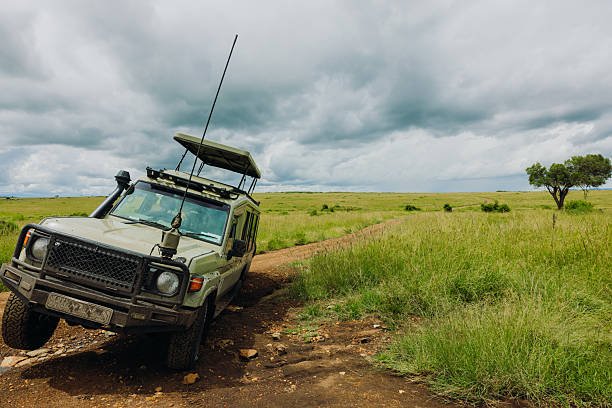
Katavi National Park: Tanzanias Untamed Wilderness Safari Guide 2026-2027
Katavi National Park offers an unparalleled safari experience in Tanzania's remote wilderness. This guide explores its vast landscapes, abundant wildlife, best visiting times for 2026-2027...
View package details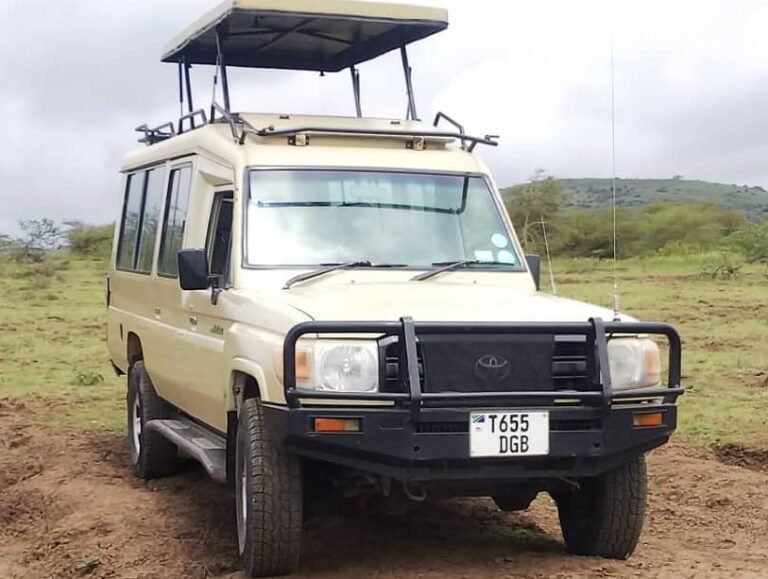
Ruaha Walking Safari Cost: What To Expect For Adventures 2026-2027
Understand the estimated costs for a Ruaha walking safari in 2026-2027. This guide breaks down the price elements, helping you budget for an unforgettable Tanzanian adventure.
View package details
Ngorongoro Conservation Area: Your Ultimate Tanzania Safari Guide 2026-2027
Explore the unparalleled biodiversity and unique landscape of the Ngorongoro Conservation Area. This comprehensive guide covers everything you need to know for planning your 2026-2027...
View package details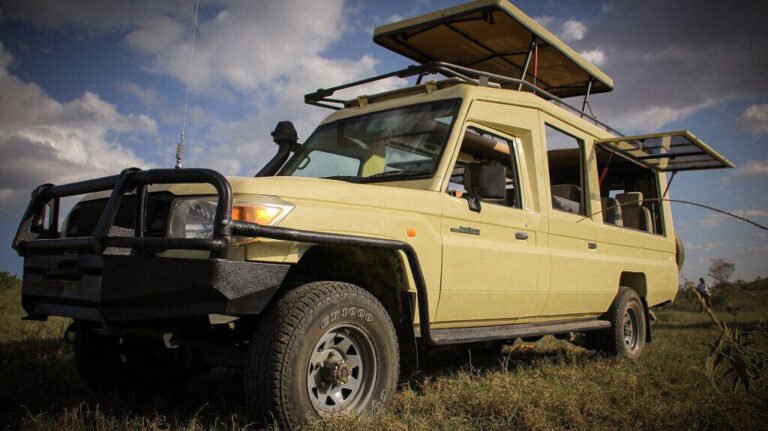
Tanzania Fly-In Safari Prices 2026-2027
Tanzania Fly-In Safari Prices is explained with current 2026-2027 planning, price, itinerary and booking information.
View package details
Tanzania Group Safari Cost Guide
Planning a Tanzania group safari in 2026-2027? This comprehensive guide breaks down the Tanzania group safari cost, detailing what influences prices, typical inclusions, and how to budget...
View package details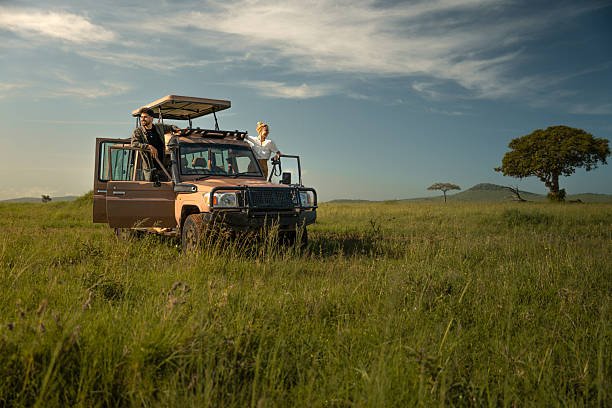
Tanzania Budget Safari Prices: Your Guide To Affordable Adventures 2026-2027
Planning a budget safari in Tanzania for 2026 or 2027? Understand the typical price ranges, what influences costs, and how to get the most value for your money. This guide breaks down the...
View package details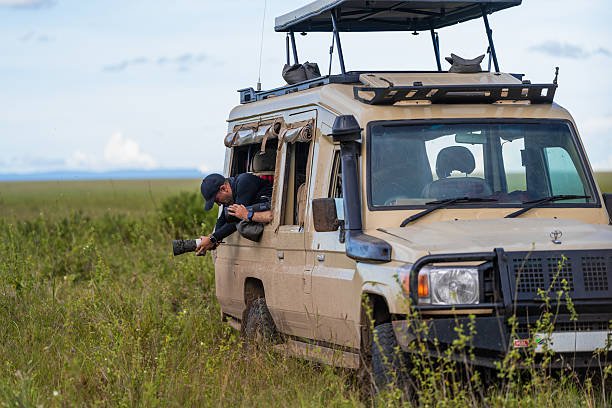
Tanzania Luxury Safari Cost: Planning Your Dream Trip 2026-2027
Planning a luxury safari in Tanzania? Discover the typical costs involved for 2026-2027, what drives the price, and what to expect in terms of inclusions and value for an unparalleled...
View package details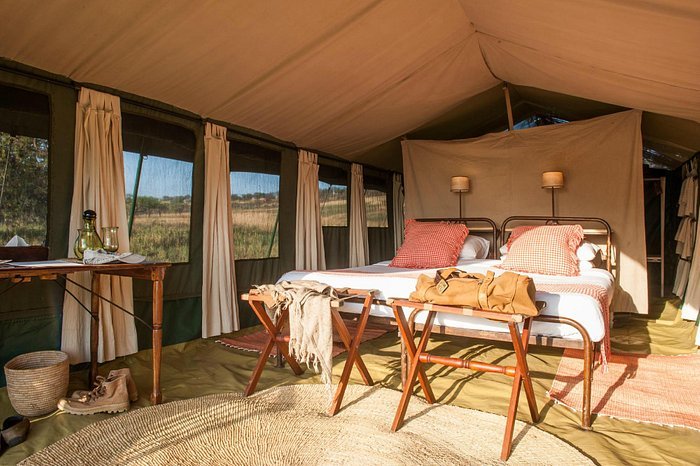
Tanzania Honeymoon Safari Prices: Your Ultimate Guide 2026-2027
Planning a romantic Tanzanian honeymoon safari? This guide breaks down the expected prices for 2026-2027, covering various factors that influence costs, typical inclusions, and how to get...
View package details
Tanzania Family Safari Cost: Planning Your Adventure 2026-2027
Planning a family safari in Tanzania for 2026 or 2027? This comprehensive guide breaks down the Tanzania family safari cost, detailing what influences your budget, typical price ranges, and...
View package detailsNo related package matches those filters. Clear one or more filters to see the other topic-matched options.



