
Katavi National Park is Tanzania’s third-largest park, renowned for its wild, undeveloped landscapes and exceptional concentrations of wildlife, particularly during the dry season. It offers a truly authentic and remote safari experience, distinct from more frequented parks, making it ideal for travelers seeking solitude and raw nature, with prime viewing opportunities expected to continue through 2026 and 2027.
Katavi National Park: Tanzania’s Wild Heartbeat
When the name Tanzania is mentioned, images of the Serengeti’s great migration or the Ngorongoro Crater’s dense wildlife often come to mind. While these are undoubtedly iconic, there exists a corner of Tanzania that embodies the very essence of wild Africa, a place where the land breathes and the wildlife roams in magnificent, unhindered abundance: Katavi National Park. Located in the remote southwest of the country, Katavi is a destination for the discerning traveler, one who seeks an authentic safari experience far from the usual tourist trails. It’s a park that demands a little more effort to reach but rewards visitors with unparalleled wildlife encounters and a profound sense of wilderness.
For those planning an African adventure in the coming years, Katavi National Park presents an increasingly compelling option. As conservation efforts strengthen and awareness of its unique offerings grows, the park is poised to become a more prominent, yet still exclusive, safari destination. Our expertise at Top Guide Adventures ensures that your journey to this untamed paradise is meticulously planned, allowing you to fully appreciate the magic of Katavi in 2026 and 2027.
Where is Katavi National Park? The Journey to the Wild
Katavi National Park is situated in the far southwestern corner of Tanzania, a region characterized by its vast plains, acacia woodlands, and significant seasonal floodplains. It shares borders with the Katavi and Rukwa Regional Parks, forming a massive protected ecosystem that is one of the largest in East Africa. Its remoteness is a key part of its charm and appeal. Unlike the northern parks, which are easily accessible via a circuit of airstrips and well-maintained roads, reaching Katavi requires a dedicated journey.
The primary gateway to Katavi is via air. Scheduled light aircraft flights operate from Arusha and Dar es Salaam to the park’s airstrips, such as the Mpimbwe airstrip. These flights, while offering spectacular aerial views of the Tanzanian landscape, are a significant component of the safari cost. Alternatively, it is possible to drive to Katavi, a journey that typically takes several days from major towns like Mbeya or Kigoma. This overland route, often undertaken in sturdy 4×4 vehicles, offers a different perspective on the country, passing through rural villages and diverse landscapes, but it is a challenging and time-consuming option, generally suited for the most adventurous travelers.
The remoteness of Katavi is precisely what preserves its wild character. The logistical considerations for reaching the park are important for planning your 2026 or 2027 safari. Top Guide Adventures specializes in managing these complexities, ensuring a smooth transition from your arrival in Tanzania to the heart of Katavi’s wilderness.
The Landscape of Katavi: A Realm of Water and Dryness
Katavi National Park’s ecosystem is defined by its dramatic seasonal changes. The park’s terrain is a mosaic of vast, grassy plains, dense acacia and miombo woodlands, and, crucially, its network of rivers and seasonal lakes. The lifeblood of Katavi is its water system, which includes the Katuma River and the Chada, Magamba, and Katavi floodplains.
During the wet season (typically November to April), these floodplains transform into vast, shallow lakes and marshes, attracting enormous numbers of water-dependent wildlife. The landscape becomes lush and green, but many areas become inaccessible due to the rains, and wildlife disperses to find water sources. However, it is the dry season (June to October) that truly defines the safari experience in Katavi. As the rains recede, the floodplains shrink, concentrating wildlife around the remaining waterholes and rivers. The Katuma River becomes a vital artery, teeming with hippos and crocodiles, and attracting large herds of buffalo, elephants, and plains game seeking refuge and sustenance.
The woodlands provide cover for predators and offer shade for herbivores. The contrast between the open plains, the dense bush, and the vital water sources creates a dynamic environment that supports an incredible diversity of life. Understanding these landscape dynamics is key to appreciating why Katavi’s wildlife viewing is so spectacular, especially when planning your visit for 2026-2027.
Wildlife Spectacle: What to See in Katavi National Park
Katavi National Park is celebrated for its immense herds and its impressive populations of predators. While it may not have the sheer density of certain species found in the northern parks year-round, the concentrations seen in Katavi, particularly during the dry season, are astonishing. The park is home to:
- Large Mammals: Katavi boasts one of the largest buffalo populations in Tanzania, with herds often numbering in the thousands. Elephants are also abundant, often seen in impressive numbers, especially near water sources. Hippos are a major feature, with the Katuma River and its associated floodplains hosting some of the highest densities of hippos in Africa. Expect to see large pods, often displaying territorial behavior. Other plains game include zebras, giraffes, warthogs, and various antelopes like impalas, waterbucks, and the rare roan and sable antelopes.
- Predators: Katavi is a prime destination for spotting predators. Lions are common, often found in prides adapted to the woodland and savanna environments. Leopards and cheetahs are present but more elusive. The park is also known for its wild dogs, though sightings can be unpredictable. Hyenas, both spotted and striped, are also prevalent.
- Birdlife: With over 400 species recorded, Katavi is a paradise for birdwatchers. The seasonal floodplains and diverse habitats attract a wide array of resident and migratory birds, including raptors, water birds, and savanna species.
- Reptiles: The rivers and lakes are home to large Nile crocodiles, and monitor lizards are often seen basking in the sun.
The sheer scale of the wildlife, particularly the vast buffalo herds and the incredible hippo congregations, is a defining characteristic of Katavi National Park. For travelers visiting in 2026 or 2027, the dry season offers the most concentrated and dramatic wildlife viewing opportunities.
Katavi’s Hippo Pools: A Unique Phenomenon
One of Katavi’s most astonishing sights is the concentration of hippos in its seasonal lakes and river sections. During the dry season, these water bodies shrink, forcing hundreds, sometimes thousands, of hippos into close proximity. The resulting “hippo pools” are scenes of intense social activity, with males establishing territories and constant vocalizations. Witnessing these gatherings is a unique and unforgettable aspect of a Katavi safari, showcasing the raw power and social dynamics of these large animals.
Best Time to Visit Katavi National Park
The optimal time to visit Katavi National Park is heavily influenced by the seasonal changes, which dictate both accessibility and wildlife concentrations. For the most rewarding safari experience, the dry season is highly recommended.
- Dry Season (June to October): This is widely considered the prime time for game viewing in Katavi. As the rains cease and water sources diminish, wildlife congregates around the remaining rivers and lakes, particularly the Katuma River and the Chada floodplains. This makes animals easier to spot. The vegetation thins out, improving visibility. This period offers the best chances to see large herds of buffalo and elephants, as well as predators that are drawn to the abundant prey. Travel in 2026 and 2027 during these months promises exceptional wildlife sightings.
- Shoulder Months (May and November): These months mark the transition between the wet and dry seasons. May can still experience some rain but offers lush scenery and fewer crowds. November sees the start of the rains, which can make some tracks impassable but also brings a fresh greenness to the landscape and can be a good time for birdwatching.
- Wet Season (December to April): This is the low season for tourism in Katavi. The rains make many areas inaccessible, and wildlife disperses. However, for dedicated birdwatchers and photographers interested in dramatic landscapes and lush scenery, the wet season can still offer a unique experience, albeit with significant logistical challenges. Predator sightings might be more difficult due to denser vegetation and dispersed prey.
When planning your 2026 or 2027 safari, consider that the peak of the dry season (July to October) offers the most predictable and spectacular wildlife viewing, but also coincides with higher demand and potentially higher prices. Early booking for these periods is essential.
Planning Your Katavi Safari: Essential Considerations
A safari to Katavi National Park is not like a trip to more accessible parks. Its remoteness and unique environment require careful planning. Top Guide Adventures specializes in crafting bespoke itineraries for this special destination.
Getting There: Flights vs. Driving
As mentioned, flying is the most practical way to reach Katavi for most international and domestic travelers. Flights typically depart from Arusha or Dar es Salaam. Driving is an option for the truly adventurous, often requiring specialized vehicles and significant time. We can advise on the best approach based on your overall itinerary and preferences for your 2026-2027 trip.
Accommodation Options
Accommodation in Katavi is limited, reflecting its low-impact tourism philosophy. Options range from basic but comfortable tented camps to more luxurious lodges. These are typically situated to offer excellent access to game viewing areas while minimizing environmental impact.
- Tented Camps: Offer an authentic bush experience, often with en-suite facilities.
- Lodges: Provide more permanent structures with full amenities.
Availability at these exclusive properties can be limited, especially during the peak dry season of 2026 and 2027. Early booking is crucial.
Safari Activities
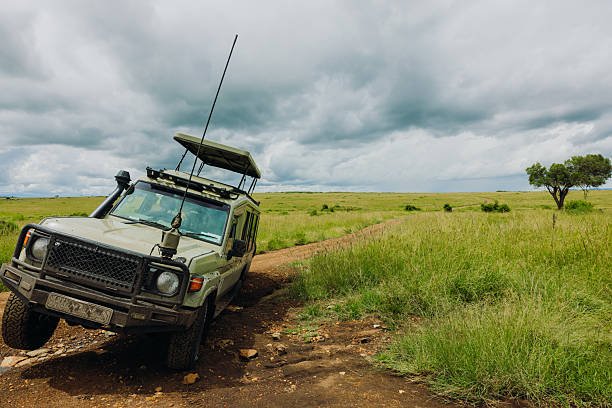
Game drives are the primary activity in Katavi. These are typically conducted in open-sided 4×4 safari vehicles, allowing for excellent viewing and photography. Given the park’s size and the distances involved, full-day game drives are common. Walking safaris may be offered by some camps, providing a different perspective on the bush, though these are less common than in some other Tanzanian parks due to the wild nature of the area.
Best Itinerary Length
To truly experience Katavi and appreciate its unique atmosphere, a minimum stay of 3 nights is recommended. This allows enough time for several game drives to explore different areas of the park and to witness the diverse wildlife concentrations. Many visitors combine Katavi with other parks in the Southern Circuit, such as Ruaha National Park, for a more comprehensive Tanzanian safari experience in 2026-2027.
Health and Safety
Katavi is a wild and remote area. It is essential to take necessary health precautions, including malaria prophylaxis, as recommended by your healthcare provider. Always follow the guidance of your safari guide for safety in wildlife areas.
Katavi vs. Other Tanzanian Parks: A Unique Proposition
It’s helpful to understand how Katavi National Park differs from Tanzania’s more famous northern circuit parks like the Serengeti and Ngorongoro Crater.
| Feature | Katavi National Park | Serengeti National Park | Ngorongoro Crater |
|---|---|---|---|
| Location | Southwest Tanzania | Northern Tanzania | Northern Tanzania (crater floor) |
| Atmosphere | Remote, wild, undeveloped, few visitors | Vast plains, iconic migration, moderate to high visitor numbers | Densely packed wildlife, unique caldera setting, high visitor numbers |
| Wildlife Highlights | Massive buffalo herds, hippo congregations, elephants, predators, wild dogs | Great Migration (seasonal), vast herds, big cats, diverse plains game | “Big Five” density, resident predators, unique crater ecosystem |
| Accessibility | Primarily by light aircraft; long overland drives possible | Airstrip network, good road access to some areas | Road access only, steep descent into crater |
| Visitor Numbers | Very low | High, especially during migration | Very high |
| Safari Style | Intimate, exclusive, adventurous | Classic safari, migration focus | Concentrated game viewing, often crowded |
| Best Time (General) | Dry Season (June-Oct) for wildlife | Dry Season (June-Oct) for migration, Wet Season (Jan-Feb) for calving | Year-round, but dry season often best for visibility |
While the Serengeti and Ngorongoro offer incredible wildlife spectacles, Katavi provides a different kind of magic: the feeling of being truly alone in the wild, experiencing Africa as it once was. For travelers seeking exclusivity and a profound connection with nature during their 2026 or 2027 journey, Katavi is an unparalleled choice.
Activities and Experiences in Katavi National Park
The focus in Katavi is on maximizing wildlife viewing opportunities through expertly guided game drives. However, the park’s remoteness and raw beauty lend themselves to a few distinct experiences.
Classic Game Drives
This is the cornerstone of any safari in Katavi. Experienced guides will take you through varied terrains, from open grasslands to dense woodlands, searching for the park’s abundant wildlife. Game drives are typically conducted in custom-built 4×4 safari vehicles designed for comfort and optimal viewing. Early morning and late afternoon drives are usually the most productive for spotting animals.
Walking Safaris
While not as widely available or as central to the Katavi experience as in some other parks, walking safaris can offer a profoundly intimate connection with the bush. Accompanied by an armed ranger and a guide, you can learn about the smaller details of the ecosystem – tracking animals, identifying plants, and understanding the smaller creatures that inhabit the park. These walks are often offered by specific camps and require advance booking. They are best suited for those seeking a deeper, more sensory safari experience in 2026 or 2027.
Bird Watching
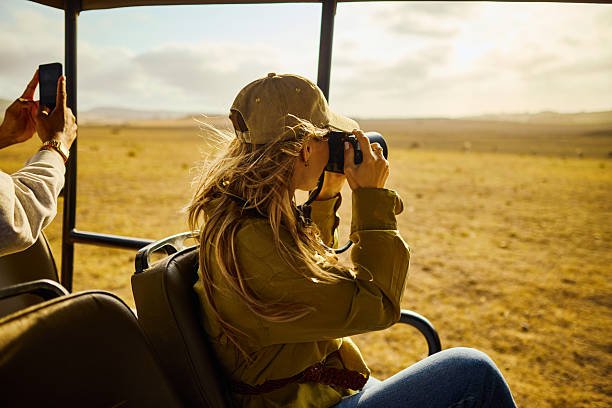
With over 400 bird species, Katavi is a significant destination for ornithologists and casual birdwatchers alike. The diverse habitats, from wetlands to woodlands, attract a wide variety of avian life. Binoculars are a must, and guides can help identify many species, from majestic raptors to colorful smaller birds.
Photography
Katavi offers incredible photographic opportunities, particularly during the golden hours of sunrise and sunset. The vast landscapes, dramatic wildlife scenes (like the hippo pools or large buffalo herds), and the feeling of solitude provide unique subjects. Professional photographers often choose Katavi for its uncrowded vistas and raw beauty.
Cultural Encounters (Limited)
While Katavi is primarily a wildlife destination, some camps may facilitate visits to nearby local communities. These encounters offer a glimpse into the lives of the people who share this region with the wildlife. However, the focus remains on the natural environment, and such visits are usually brief and respectful.
Conservation and the Future of Katavi
Katavi National Park plays a critical role in conserving Tanzania’s biodiversity. Its vast size and relative isolation have protected it from some of the pressures faced by more accessible parks. However, challenges remain, including human-wildlife conflict on its borders and the need for continued anti-poaching efforts.
The park’s future relies on sustainable tourism. By choosing to visit Katavi through responsible tour operators like Top Guide Adventures, travelers contribute directly to conservation efforts and the economic well-being of local communities. The low visitor numbers inherently help maintain the park’s pristine condition. As we look towards 2026 and 2027, the emphasis on eco-tourism and community involvement will be crucial for ensuring Katavi’s long-term survival as a wild paradise.
Why Choose Katavi for Your 2026-2027 Safari?
Katavi National Park offers a safari experience that is increasingly rare in Africa: true wilderness. If you are a traveler who:
- Values solitude and a lack of crowds.
- Seeks authentic, unscripted wildlife encounters.
- Appreciates raw, undeveloped natural landscapes.
- Is looking for a unique and adventurous safari destination.
- Wants to contribute to conservation in a meaningful way.
Then Katavi National Park should be at the top of your list for your 2026 or 2027 travel plans.
Logistical Planning for Katavi Safaris in 2026-2027
Detailed planning is essential for a successful Katavi safari. Top Guide Adventures handles all the intricate details to ensure a memorable and stress-free experience.
Booking Your Safari
Given the limited infrastructure and exclusive nature of Katavi, it is advisable to book your safari well in advance. For peak season travel in 2026 and 2027 (dry season), booking 9-12 months ahead is recommended to secure your preferred accommodation and flights.
Safari Costs and Budget Considerations
Safaris to Katavi are generally more expensive than those to the northern parks due to the logistical costs associated with reaching the remote location. These costs typically include:
- Internal Flights: Round-trip flights from Arusha or Dar es Salaam to Katavi.
- Park Fees: Daily conservation fees for Katavi National Park.
- Accommodation: Full board at lodges or tented camps.
- Game Drives: Use of a 4×4 vehicle and a professional guide.
- Transfers: Airport and camp transfers.
A typical 3-night safari in Katavi, including internal flights, can range from USD $2,000 to USD $4,000+ per person, depending on the level of accommodation and specific inclusions. This estimate is for 2026-2027 and can vary based on provider and season. We provide detailed, transparent quotes tailored to your needs.
Estimated Katavi Safari Cost Breakdown (Per Person, 3 Nights, Dry Season 2026-2027)
Note: These are indicative costs. Exact pricing depends on specific lodge choices, flight availability, and group size. A personalized quote from Top Guide Adventures is recommended.
- Internal Flights (Arusha/Dar – Katavi return): $400 – $600
- Park Fees (approx. $70-80 per person per day): $210 – $240
- Accommodation (mid-range to luxury lodge/camp, full board): $1,200 – $2,500
- Vehicle & Guide Hire (pro-rated): $400 – $700
- Miscellaneous (e.g., park transfers): $100 – $200
- Estimated Total: $2,310 – $4,240+
This excludes international flights, visas, travel insurance, tips, and personal expenses.
What’s Typically Included
- Accommodation with meals (breakfast, lunch, dinner).
- Park entrance fees.
- Game drives in a 4×4 vehicle with a professional guide.
- Drinking water during game drives.
- Internal flights to and from Katavi.
- Camp/lodge transfers.
What’s Typically Excluded
- International flights.
- Tanzanian Visa fees.
- Travel insurance.
- Gratuities for guides and camp staff.
- Alcoholic beverages and soft drinks (unless specified).
- Personal expenses.
Packing Essentials
Packing for Katavi requires consideration of the climate and activities:
- Lightweight, neutral-colored clothing (long sleeves and trousers for evenings and sun protection).
- A warm jacket or fleece for cool mornings and evenings.
- Comfortable walking shoes.
- Sun hat, sunglasses, and high SPF sunscreen.
- Insect repellent.
- Camera with extra batteries and memory cards.
- Binoculars.
- Personal medication.
- Small backpack for day trips.
- A headlamp or flashlight.
Sample Itinerary: Experiencing Katavi in 3 Nights
This is a sample itinerary designed to give you a taste of Katavi’s wild heart. It can be customized to suit your interests and duration.
Day 1: Arrival in Katavi & First Game Drive
Morning: Fly from Arusha/Dar es Salaam to Katavi National Park (e.g., Mpimbwe airstrip). You will be met by your guide and transferred to your chosen lodge or camp. Enjoy lunch and settle in.
Afternoon: start your first thrilling game drive, exploring the areas around the camp. Keep an eye out for elephants, buffalo, zebras, and various antelopes. Return to camp for dinner and overnight.
Day 2: Full Day Exploring Katavi’s Wilderness
Morning: After an early breakfast, set out for a full day of game driving. Focus on areas like the Katuma River or Chada floodplains, which are teeming with wildlife during the dry season. Search for prides of lions, elusive leopards, and perhaps even wild dogs.
Midday: Enjoy a picnic lunch in a scenic spot within the park. Continue your exploration in the afternoon, seeking out the park’s iconic hippo pools and massive buffalo herds.
Evening: Return to camp for sundowners, followed by dinner and sharing stories of the day’s sightings.
Day 3: Deeper Exploration & Optional Activities
Morning: Another early start for a game drive, perhaps focusing on areas not yet explored or revisiting promising spots. Depending on your camp’s offerings, you might opt for a guided walking safari this morning to experience the bush on foot.
Afternoon: Enjoy a final game drive, soaking in the vastness and solitude of Katavi. Look for any species you may have missed or simply enjoy the incredible scenery.
Evening: Enjoy your last evening in Katavi, with dinner and overnight at the lodge/camp.
Day 4: Departure
Morning: Enjoy a final breakfast at your camp/lodge. Depending on your flight schedule, you may have time for a short morning game drive.
Transfer to the airstrip for your flight back to Arusha or Dar es Salaam, concluding your unforgettable safari adventure in Katavi National Park.
Making Your Katavi Dream a Reality with Top Guide Adventures
Katavi National Park offers a safari experience that is profound, authentic, and deeply rewarding. It is a destination for those who seek the raw essence of the African wilderness, a place where nature reigns supreme. At Top Guide Adventures, we are passionate about sharing the magic of Katavi with discerning travelers.
Our team has extensive experience in organizing safaris to Tanzania’s most remote corners. We understand the unique logistical challenges and the delicate ecosystem of Katavi. We work closely with you to craft a personalized itinerary that matches your interests, budget, and travel style for your 2026 or 2027 adventure. From securing the best accommodation and internal flights to ensuring you have knowledgeable guides, we handle every detail with care and dedication.
Whether you dream of witnessing the thundering herds of buffalo, the dramatic hippo congregations, or simply experiencing the profound silence of a truly wild landscape, Katavi awaits. Let us help you plan an extraordinary journey to one of Africa’s last great wildernesses.
Contact us today to start planning your bespoke Katavi National Park safari for 2026-2027. Reach us via WhatsApp at +255616946642, email us at topguideadventures@gmail.com, or our backup email at info@topguideadventurestanzania.com. Let Top Guide Adventures be your guide to the untamed heart of Tanzania.
Check Availability for Katavi National Park: Tanzanias Untamed Wilderness Safari Guide 2026-2027
Ready to compare dates, prices, and the best option for your group? Send the package name and travel month so the team can reply with a clear quote, availability, and what is included.

Saadani National Park Entry Fees And Safari Prices For 2026-2027
Planning a safari to Saadani National Park? This guide details the essential entry fees and safari package prices for 2026-2027, helping you budget for your unforgettable Tanzanian...
View package details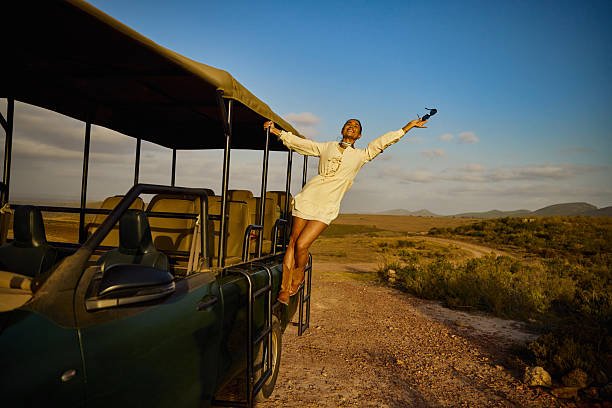
Saadani National Park: Tanzanias Coastal Wilderness Adventure In 2026-2027
Discover Saadani National Park, Tanzania's only coastal wildlife sanctuary where the African bush meets the Indian Ocean. This guide covers wildlife, activities, best times to visit, and...
View package details
Ruaha National Park Camping Fees: Your Complete Guide 2026-2027
Planning a safari in Ruaha National Park? This comprehensive guide details all the essential camping fees for 2026-2027, including park entry, camping permits, and conservation charges, to...
View package details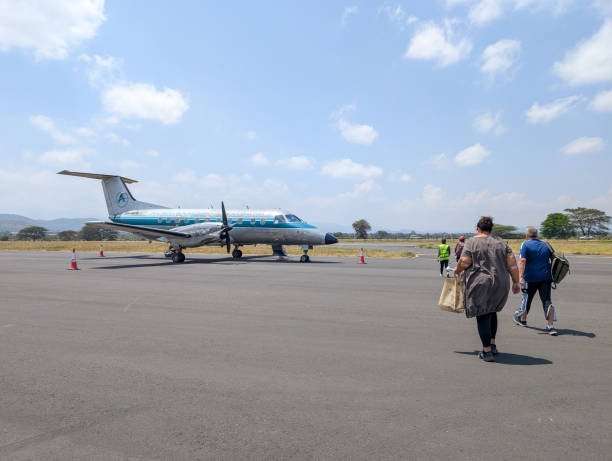
Mikumi National Park Entry Fees And Safari Prices 2026-2027
Planning a safari to Mikumi National Park? This guide details the essential entry fees, conservation charges, and safari package prices for 2026-2027, helping you budget for an...
View package detailsMikumi National Park: Your Ultimate Safari Guide For 2026-2027
Mikumi National Park offers incredible wildlife viewing with its open plains and abundant animals, making it a top choice for Tanzania safaris. This guide covers everything you need to know...
View package details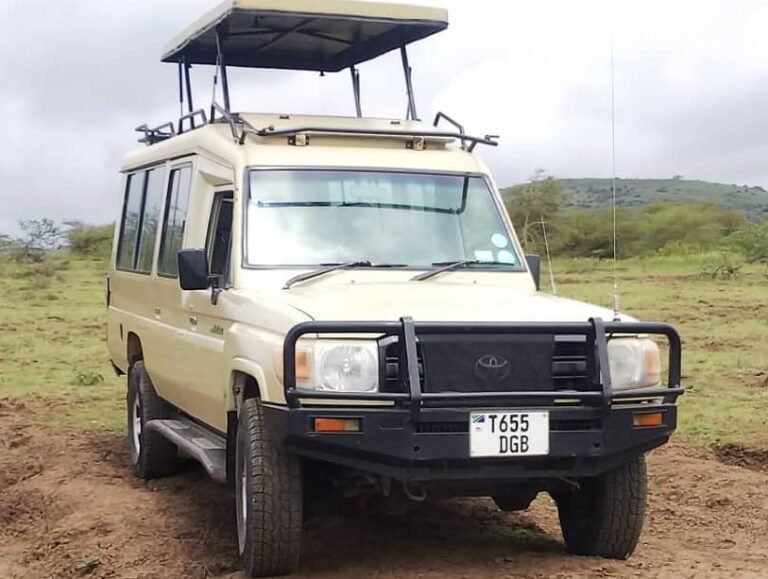
Serengeti National Park Game Drive Prices Explained For Adventures 2026-2027
Planning a Serengeti safari in 2026 or 2027? This guide breaks down Serengeti National Park game drive prices, explaining all the factors that influence your safari cost. Discover what's...
View package details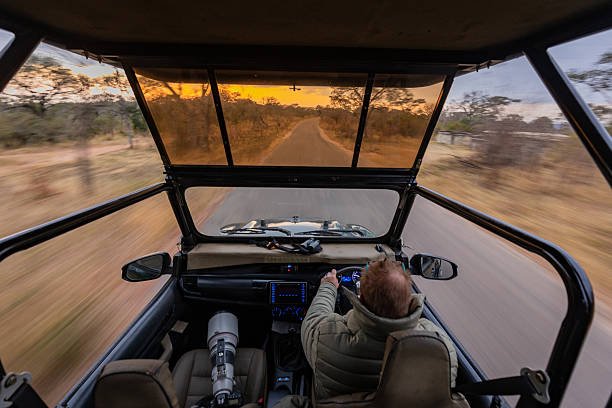
Tanzania National Park Entry Fees: A Complete Guide For 2026-2027
Planning a Tanzanian safari? This guide breaks down the 2026-2027 entry fees for all major national parks, helping you budget effectively for Serengeti, Ngorongoro, and beyond.
View package details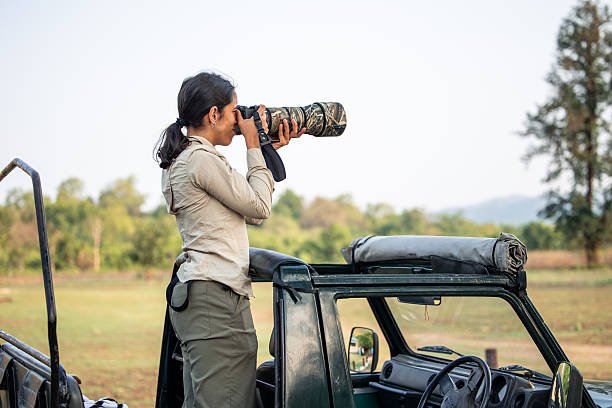
Tanzania Attraction Entry Fees: Guide To Park And Reserve Costs For 2026-2027
Planning a trip to Tanzania? This comprehensive guide details the essential Tanzania attraction entry fees for 2026-2027, covering national parks, conservation areas, and cultural sites...
View package details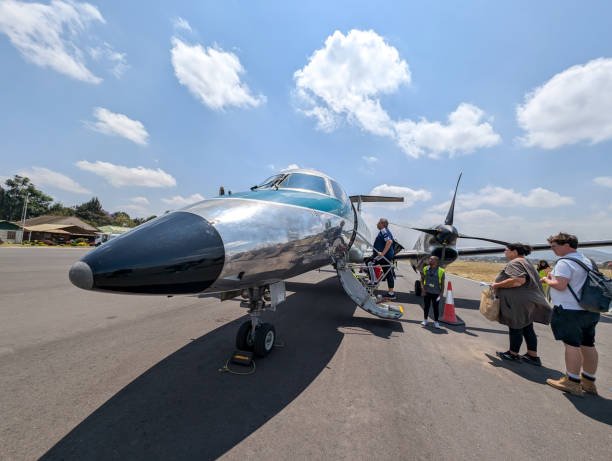
Tanzania Safari Prices Including Park Fees: A Comprehensive Guide 2026-2027
Planning a Tanzania safari means understanding the total cost, which heavily relies on park fees. This guide breaks down typical Tanzania safari prices, detailing what park entrance fees...
View package details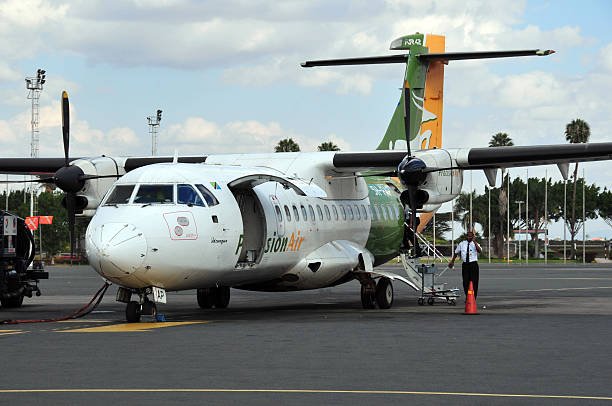
Tanzania Private Safari Prices 2026-2027
Tanzania Private Safari Prices is explained with current 2026-2027 planning, price, itinerary and booking information.
View package details
Tanzania Photography Safari Prices: Your Comprehensive Guide 2026-2027
Planning a photography safari in Tanzania for 2026 or 2027? This guide breaks down the expected costs, helping you budget for an unforgettable wildlife photography adventure. Learn what...
View package details
Tanzania Wildlife Safari Cost Breakdown: Your Budget Guide 2026-2027
Planning a Tanzania wildlife safari involves understanding the key cost components. This guide provides a detailed breakdown for 2026-2027, covering everything from park fees and...
View package detailsNo related package matches those filters. Clear one or more filters to see the other topic-matched options.



