
The cost of a Tanzania wildlife safari in 2026-2027 typically ranges from $2,500 to $8,000+ per person for a 7-day trip, with variations depending on safari style (budget, mid-range, luxury), duration, specific parks visited (like Serengeti and Ngorongoro), accommodation choices, group size, and the season of travel. A comprehensive Tanzania wildlife safari cost breakdown involves understanding daily park fees, vehicle and guide expenses, lodging, meals, and any additional activities.
Understanding the Tanzania Wildlife Safari Cost Breakdown for 2026-2027
Planning an African safari to Tanzania is an exciting prospect, promising unparalleled wildlife viewing and impressive landscapes. However, the dream can quickly become complicated when faced with the practicalities of budgeting. A clear understanding of the Tanzania Wildlife Safari Cost Breakdown is essential for travelers looking to plan their adventure for 2026 and 2027. This detailed guide aims to demystify safari pricing, breaking down every significant expense so you can tailor your trip to your budget and expectations.
Safari costs are not one-size-fits-all. They are influenced by a multitude of factors, each playing a crucial role in the final price. From the type of vehicle you travel in to the quality of your accommodation and the duration of your stay, every decision impacts your overall expenditure. For 2026-2027, expect prices to reflect current economic conditions, conservation efforts, and the ever-growing demand for authentic safari experiences. We will explore these elements in depth, providing you with the knowledge to make informed choices.
Key Components of Your Tanzania Wildlife Safari Cost
To truly grasp the Tanzania Wildlife Safari Cost Breakdown, we must dissect it into its core components. Each element contributes significantly to the overall investment in your adventure. Understanding these will empower you to allocate your budget wisely and prioritize what matters most to your safari experience.
1. Park Entrance Fees and Concession Fees
This is a non-negotiable and often substantial part of your safari budget. Tanzania National Parks (TANAPA) and the Tanzania Wildlife Management Authorities (TAWA) levy fees for entry into national parks, game reserves, and conservation areas. These fees are critical for funding conservation efforts, anti-poaching initiatives, and infrastructure maintenance within these vital ecosystems.
- National Park Fees: For 2026-2027, expect fees to remain similar to current rates, typically around $60 to $70 per person per day for most major parks like Serengeti, Tarangire, Lake Manyara, and Mikumi. These fees are paid directly to TANAPA.
- Ngorongoro Conservation Area (NCAA) Fees: This is a unique entity. The NCAA charges a conservation fee of approximately $70.80 per person per day, plus a vehicle fee (around $295.50 per vehicle per 24 hours). Crucially, there is also a Crater Service Fee of $295.50 per vehicle entering the crater floor, which is a one-time fee per entry.
- Special Campsites: If you opt for camping within national parks, there are additional fees for using designated campsites, usually ranging from $30 to $50 per person per night.
- Private Concession Fees: For more exclusive experiences in areas like the Grumeti or Singita reserves bordering the Serengeti, or in certain game-controlled areas, concession fees can be significantly higher, often ranging from $100 to $200+ per person per night. These fees contribute to managing these private areas and often include off-road driving and night game drives, which are restricted in national parks.
The duration of your safari directly multiplies these daily fees. A 10-day safari will incur 10 days of park fees for each park visited, making it a significant factor in the Tanzania Wildlife Safari Cost Breakdown.
2. Accommodation Costs
Where you rest your head after a day of game drives is a major cost driver. Tanzania offers a spectrum of accommodation, from basic campsites to ultra-luxury lodges. Your choice here will heavily influence your budget.
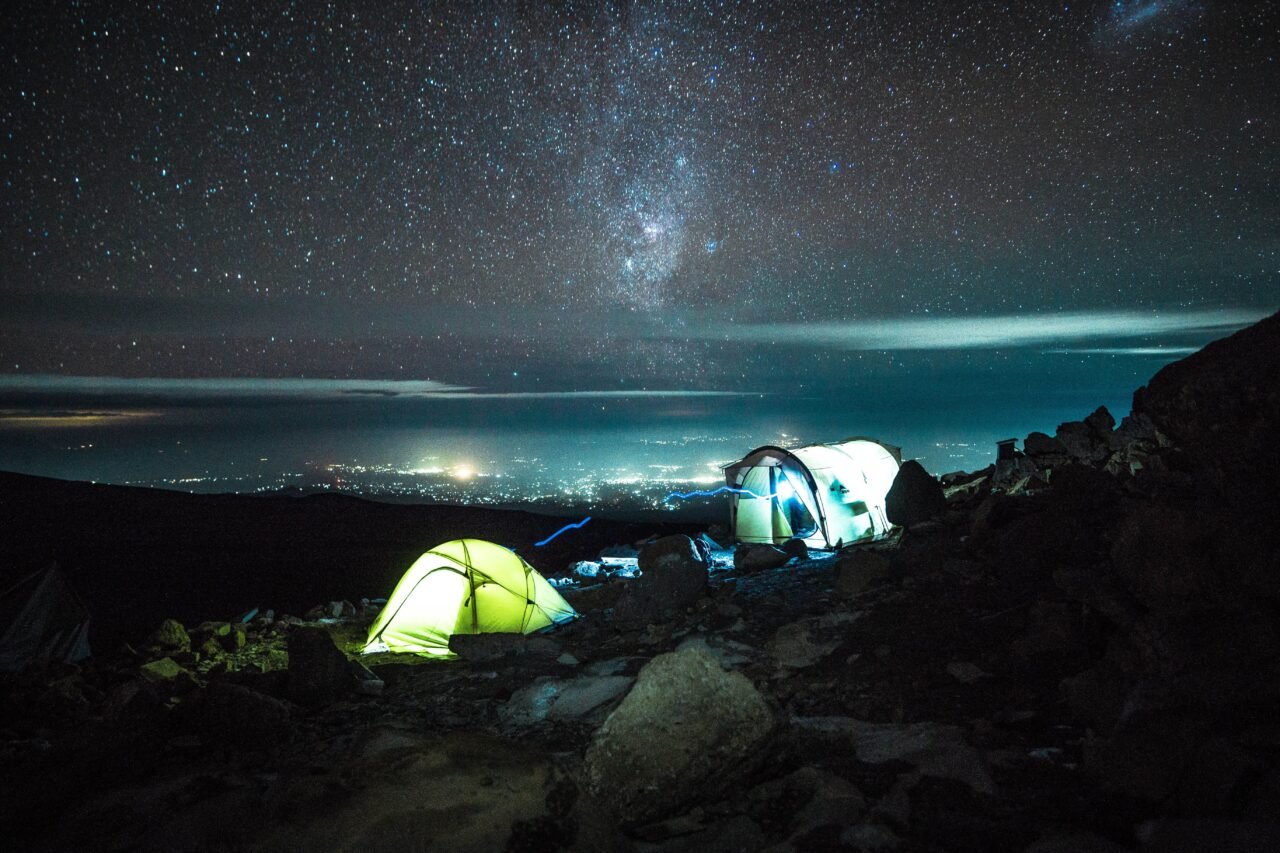
- Budget Camping: This is the most economical option. It typically involves staying in public campsites with basic amenities (shared toilets and showers). Meals are usually prepared by your safari cook. Expect costs around $40 to $70 per person per night, often including meals and a cook.
- Mid-Range Lodges & Tented Camps: These offer more comfort, often with en-suite bathrooms, comfortable beds, and better dining facilities. Many are permanent tented camps that provide a blend of comfort and an authentic safari feel. Prices can range from $150 to $400 per person per night, usually on a full-board basis (breakfast, lunch, dinner).
- Luxury Lodges & Camps: These provide high-end amenities, exceptional service, gourmet dining, swimming pools, and often prime locations within or near prime wildlife areas. Expect costs from $400 to $1,000+ per person per night. Some exclusive lodges can exceed this significantly.
- Exclusive Use Properties: For ultimate privacy and luxury, private villas or exclusive-use lodges are available, with prices starting from $2,000+ per night for the property, often inclusive of staff, meals, and some activities.
When considering the Tanzania Wildlife Safari Cost Breakdown, remember that accommodation choices often dictate the overall feel and budget of your trip. For 2026-2027, availability at popular luxury lodges, especially during peak season, requires early booking.
3. Safari Vehicle and Guide Services
The backbone of any safari is the vehicle and the expertise of your guide. These are critical for your safety, comfort, and the success of your wildlife viewing.
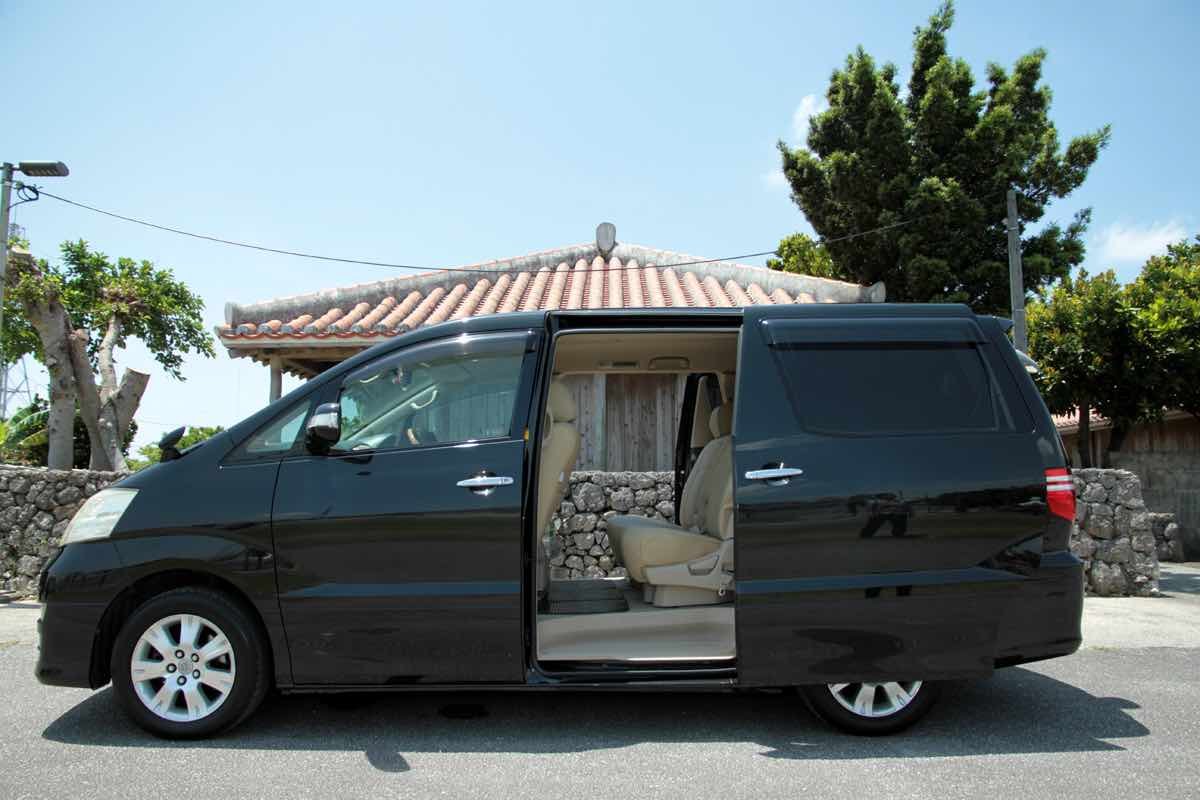
- Vehicle Type: Most safaris utilize 4×4 Land Cruisers or Land Rovers, known for their durability and suitability for rough terrain. Prices are usually quoted per vehicle per day, rather than per person. A standard safari vehicle typically seats up to 6-7 passengers comfortably, allowing each person a window seat. Expect costs around $250 to $400 per day for the vehicle, including the driver-guide. For more specialized safaris or larger groups, larger vehicles might be needed, potentially increasing costs.
- Driver-Guide Fees: The driver-guide is often included in the vehicle hire cost. Their salary, accommodation, and meals while on safari are covered by the tour operator. Their expertise in tracking animals, understanding animal behavior, and navigating the parks is invaluable. For 2026-2027, the demand for experienced guides remains high.
- Fuel: Fuel costs are typically included in the daily vehicle rate. However, long distances or extensive driving can increase this component.
The efficiency and reliability of your safari vehicle and the knowledge of your guide are paramount. When comparing quotes for your Tanzania Wildlife Safari Cost Breakdown, ensure you understand what the vehicle and guide fees cover.
4. Meals and Drinks
Food and beverages are a significant part of the daily safari experience.
- Included Meals: Most safari packages, especially those including mid-range to luxury accommodation, operate on a full-board basis (breakfast, lunch, and dinner). This simplifies budgeting as it covers your main meals.
- Picnic Lunches: For full-day game drives or when moving between parks, packed picnic lunches are common. These are typically prepared by your lodge or cook.
- Drinks: This is where costs can add up. While water is usually provided, other beverages like sodas, juices, beer, wine, and spirits are often extra, especially in lodges. Budget an additional $10 to $30+ per person per day for drinks, depending on your consumption habits. Some higher-end lodges might include a selection of house drinks.
Clarifying meal and drink inclusions is vital for an accurate Tanzania Wildlife Safari Cost Breakdown. For 2026-2027 trips, confirm this detail with your tour operator.
5. Internal Flights
Tanzania is vast. While driving between destinations is possible, internal flights can save significant time, especially for shorter safaris or when maximizing time in remote areas.
- Scheduled Flights: Services like Coastal Aviation or Precision Air connect major hubs (Arusha, Kilimanjaro International Airport) to airstrips within national parks like the Serengeti. These flights typically cost between $350 to $500+ per person per leg.
- Charter Flights: For groups or those seeking exclusive travel, charter flights are available but are considerably more expensive.
If your itinerary includes flights, factor this into your Tanzania Wildlife Safari Cost Breakdown. For 2026-2027, booking flights in advance is recommended, especially during peak travel periods.
6. Tips for Guides and Staff
Tipping is customary and a significant part of the income for safari guides, cooks, and lodge staff. While not always explicitly included in the initial quote, it’s an important consideration for your overall budget.
- Driver-Guide: A typical tip is around $20 to $30 per day per group for your driver-guide.
- Cooks: If you have a camping safari, tipping your cook around $10 to $15 per day per group is customary.
- Lodge Staff: For lodge-based safaris, tipping is often pooled. A guideline is $10 to $20 per guest per day, which is then distributed among housekeeping, kitchen, and other service staff.
Factor these tips into your Tanzania Wildlife Safari Cost Breakdown. It’s a way to show appreciation for excellent service. For 2026-2027, these tipping guidelines are expected to remain standard.
7. Visas and Travel Insurance
These are essential administrative costs that should not be overlooked.
- Tanzania Visa: Most nationalities require a visa. The cost is typically around $50 to $100 per person, depending on nationality and type of visa. It can often be obtained on arrival or applied for online in advance.
- Travel Insurance: Comprehensive travel insurance is highly recommended. It should cover medical emergencies, trip cancellation, lost luggage, and importantly, emergency medical evacuation. Costs vary widely based on coverage, age, and duration but budget around $100 to $300+ per person.
These costs are crucial for peace of mind and compliance, forming a small but vital part of the Tanzania Wildlife Safari Cost Breakdown.
8. Miscellaneous Expenses
This category includes personal spending and optional activities.
- Souvenirs: If you plan to shop for local crafts or memorabilia, budget accordingly.
- Optional Activities: Some parks offer optional activities like walking safaris (e.g., in Arusha National Park or near Tarangire), night game drives (in private concessions), or cultural village visits. These can range from $30 to $150+ per person.
- Gratuities for other staff: Beyond the guide and cook, you might wish to tip lodge porters or bar staff.
These miscellaneous costs can add up, so consider them when finalizing your Tanzania Wildlife Safari Cost Breakdown for 2026-2027.
Factors Influencing Your Tanzania Safari Costs
Beyond the core components, several dynamic factors significantly influence the overall price of your Tanzania safari. Understanding these allows for more precise budgeting and potential cost-saving strategies.
1. Safari Duration
The most straightforward factor. The longer you stay, the more you pay. This is primarily due to accumulating daily park fees, accommodation costs, and guide/vehicle hire. A 3-day safari will be considerably less expensive than a 10-day expedition, even with similar daily rates.
- Short Safaris (3-4 days): Often focus on a limited circuit, like Tarangire, Lake Manyara, and Ngorongoro Crater.
- Medium Safaris (5-7 days): Can include the Northern Circuit plus potentially a brief visit to a southern park or extended time in the Serengeti.
- Long Safaris (8-14+ days): Allow for in-depth exploration of the Northern Circuit, inclusion of southern parks like Ruaha or Selous (Nyerere National Park), or even combining safari with Kilimanjaro or Zanzibar.
When projecting your Tanzania Wildlife Safari Cost Breakdown for 2026-2027, clearly define your desired duration first.
2. Time of Year (Seasonality)
Safari pricing often fluctuates based on demand, which is heavily influenced by the season.
- Peak Season (June to October, and December to February): This is when the weather is generally dry and pleasant, and the Great Migration is often in the Serengeti. Demand is highest, leading to premium pricing for accommodation and sometimes flights. Expect prices to be 10-20% higher during these months.
- Shoulder Season (November, March to May): These months often offer a balance of good weather (though with potential for rain, especially in April/May) and lower prices. November can be excellent before the short rains, while March offers lush landscapes after the long rains. Prices can be 10-15% lower than peak season.
- Low Season (April to May): This period often coincides with the heavy rainy season. While wildlife viewing can still be excellent (especially for resident game), some lodges may close or offer significant discounts. This is the best time for budget travelers, but be prepared for potential rain disruptions. Prices can be 20-30% lower.
For 2026-2027, these seasonal price variations are expected to hold true. Planning for shoulder or low season can significantly impact your Tanzania Wildlife Safari Cost Breakdown.
3. Safari Style and Luxury Level
This is perhaps the most significant differentiator in safari costs.
- Budget Safaris: Focus on affordability. This typically means staying in public campsites, using cooks for meals, and potentially opting for slightly older but well-maintained vehicles. Shared group tours are common. Daily rates might range from $150 to $250 per person.
- Mid-Range Safaris: Offer a comfortable balance between cost and quality. This includes staying in comfortable lodges or permanent tented camps, often with en-suite facilities, good food, and reliable safari vehicles. Daily rates typically fall between $250 to $500 per person.
- Luxury Safaris: Emphasize exclusivity, high-end accommodation, gourmet dining, premium service, and often private concessions with exclusive activities like night drives and walking safaris. Daily rates can range from $500 to $1,000+ per person.
- Ultra-Luxury/Exclusive Safaris: These are top-tier experiences, often involving private charter flights, stays in exclusive lodges with dedicated staff, and highly personalized itineraries. Costs can easily exceed $1,500 per person per day.
Your choice of safari style is the primary determinant in your Tanzania Wildlife Safari Cost Breakdown.
4. Group Size vs. Private Safari
Whether you join a group or opt for a private safari significantly impacts the per-person cost.
- Group Safaris: You share the vehicle, guide, and costs with other travelers. This is the most economical option. Prices are quoted per person. For 2026-2027, group departures are a popular choice for solo travelers or couples looking to save.
- Private Safaris: You have exclusive use of the vehicle and guide. This offers flexibility, privacy, and customization. While the total cost for the vehicle might be higher, if you are a group of 4-6 people, the per-person cost can become competitive with or even cheaper than some group tours, especially for mid-range and luxury options.
When comparing quotes for your Tanzania Wildlife Safari Cost Breakdown, always clarify whether the price is per person for a group or the total cost for a private vehicle.
5. Parks and Itinerary Choices
Different parks have different fee structures and logistical requirements.
- Northern Circuit (Serengeti, Ngorongoro, Tarangire, Lake Manyara): Generally the most popular and also the most expensive due to higher park fees and well-developed infrastructure catering to tourism.
- Southern Circuit (Ruaha, Nyerere National Park – formerly Selous): Often offers a more remote and wild experience at potentially lower daily costs for park fees, but internal flights are usually necessary, adding to the overall expense.
- Western Circuit (Gombe, Mahale): Primarily known for chimpanzee trekking. These are specialized and costly trips, often requiring flights and specific permits.
An itinerary focusing solely on the Northern Circuit for 7 days might cost differently than a 10-day trip combining the North with a flight to Ruaha. Factor these choices into your Tanzania Wildlife Safari Cost Breakdown.
Sample Tanzania Wildlife Safari Cost Breakdown (7-Day Northern Circuit)
To make the Tanzania Wildlife Safari Cost Breakdown more tangible, let’s consider a hypothetical 7-day Northern Circuit safari for two people in 2026-2027, aiming for a mid-range experience.
Estimated Cost Breakdown for a 7-Day Mid-Range Northern Circuit Safari (2 People)
Total Estimated Cost: $5,000 – $7,500 per person
| Category | Estimated Cost (Per Person) | Notes |
|---|---|---|
| Park Fees (Serengeti, Ngorongoro, Tarangire, Lake Manyara – 7 days) | $500 – $600 | Includes park entry, NCAA conservation fee, Crater fee. |
| Accommodation (Mid-range lodges/tented camps – 6 nights) | $1,500 – $2,500 | Based on $250-$400 per person per night. |
| Safari Vehicle & Driver-Guide (7 days) | $700 – $1,000 | Based on $200-$285 per person per day for vehicle hire (assuming 2 people sharing). |
| Meals & Drinks (Full board, limited drinks) | $200 – $350 | Assuming some drinks are extra. |
| Internal Flights (Optional, e.g., Arusha to Serengeti) | $350 – $500 | One way, if chosen over driving. |
| Tips (Guide, Staff) | $150 – $200 | Estimated for the duration. |
| Visa & Travel Insurance | $150 – $250 | Estimate per person. |
| Miscellaneous & Souvenirs | $100 – $200 | Optional spending. |
Disclaimer: These are estimates for 2026-2027 and can vary significantly based on specific choices and operator pricing.
Understanding the Numbers: Budget vs. Luxury for 2026-2027
To further illustrate the Tanzania Wildlife Safari Cost Breakdown, let’s compare budget and luxury scenarios for a similar 7-day Northern Circuit trip:
- Budget Safari (7 days, Camping): Daily rates could be around $180 – $250 per person. Total: $1,260 – $1,750 per person (excluding flights, visas, tips, and personal expenses). This relies heavily on group tours and shared facilities.
- Luxury Safari (7 days, High-End Lodges): Daily rates could be $600 – $1,000+ per person. Total: $4,200 – $7,000+ per person (excluding flights, visas, tips, and personal expenses). This includes premium accommodation, exclusive services, and potentially private concessions.
The difference is substantial, highlighting the importance of defining your preferred travel style when planning your Tanzania Wildlife Safari Cost Breakdown for 2026-2027.
Maximizing Value: Tips for Your Tanzania Safari Budget
While safari costs can be high, there are strategic ways to manage your budget without compromising the quality of your experience. A smart approach to your Tanzania Wildlife Safari Cost Breakdown can lead to significant savings.
1. Travel During Shoulder or Low Season
As mentioned, visiting during the shoulder seasons (November, March-May) or the low season (April-May) can yield considerable savings on accommodation and sometimes even flights. For 2026-2027, consider these periods for a more budget-friendly trip. The wildlife is present year-round, and the landscapes are beautiful, albeit greener and potentially rainier.
2. Opt for Group Safaris
If you’re a solo traveler or a couple on a tighter budget, joining a scheduled group departure is the most cost-effective way to experience Tanzania. You’ll share the costs of the vehicle and guide with others, significantly reducing the per-person price. Look for reputable operators offering fixed departure dates.
3. Choose Longer Stays in Fewer Parks
While it might seem counterintuitive, spending more time in fewer, carefully selected parks can sometimes be more economical than trying to cram too many locations into a short trip. This reduces transit costs and potentially allows for deeper exploration and better wildlife viewing opportunities. For instance, dedicating 4-5 days solely to the Serengeti can be more rewarding and logistically simpler than trying to visit 4 parks in 5 days.
4. Balance Accommodation Types
You don’t necessarily need to stay in luxury lodges every night. Consider a mix: perhaps a comfortable mid-range lodge in the Serengeti and a more budget-friendly camp near the Ngorongoro Crater, or vice versa. This can help manage your overall accommodation spend while still enjoying quality stays.
5. Book in Advance
Especially for peak seasons in 2026-2027, booking your safari well in advance (6-12 months) is crucial. This secures your preferred accommodation, especially at popular lodges, and can sometimes allow you to lock in current pricing before potential increases.
6. Work with a Reputable Local Tour Operator
Local operators like Top Guide Adventures often have better insights into pricing, established relationships with lodges and suppliers, and can offer competitive packages. They understand the nuances of the Tanzania Wildlife Safari Cost Breakdown and can tailor trips to your specific budget. Direct communication via WhatsApp at +255616946642 or email at topguideadventures@gmail.com can help clarify options.
7. Be Mindful of Drinks and Extras
As noted, drinks can add up. Stick to water or limit your consumption of expensive alcoholic beverages if you’re on a tight budget. Be clear about what is included before your trip begins.
The Importance of Choosing the Right Tour Operator
Your choice of tour operator is fundamental to both the quality of your safari and its cost. A good operator will provide transparency in their Tanzania Wildlife Safari Cost Breakdown and ensure you receive excellent value for your money.
What to Look for in a Tour Operator for 2026-2027
- Transparency: They should be willing to provide a detailed breakdown of costs, including park fees, accommodation, vehicle hire, etc.
- Experience: Look for operators with a proven track record in Tanzania, especially those with strong local knowledge.
- Customization: The ability to tailor itineraries to your specific interests and budget is key.
- Customer Service: Responsive communication and a commitment to client satisfaction are vital. Check reviews on platforms like TripAdvisor.
- Value for Money: Not necessarily the cheapest, but the operator that offers the best quality and experience for the price.
Top Guide Adventures prides itself on offering personalized service and transparent pricing, ensuring clients get the most out of their Tanzania Wildlife Safari Cost Breakdown. Contacting them via info@topguideadventurestanzania.com or their WhatsApp +255616946642 can provide tailored quotes for 2026-2027.
Planning Your 2026-2027 Tanzania Safari: A Final Word
A Tanzania wildlife safari is an investment in unforgettable memories. By understanding the detailed Tanzania Wildlife Safari Cost Breakdown, you can approach your planning with confidence. Whether you’re aiming for a budget-friendly adventure or a luxurious escape, careful consideration of duration, season, accommodation, and operator choice will ensure your trip aligns with your financial expectations.
For 2026 and 2027, the magic of Tanzania’s wildlife remains, with opportunities for incredible encounters. Remember that the price reflects not just the services provided but also contributes directly to the conservation of these precious ecosystems and the livelihoods of local communities. Making an informed decision about your safari budget is the first step towards experiencing the wild heart of Africa.
Ready to plan your dream safari for 2026 or 2027? Get in touch with the experts at Top Guide Adventures. We are dedicated to crafting personalized safari experiences that match your budget and exceed your expectations. Reach out via WhatsApp +255616946642, email topguideadventures@gmail.com or info@topguideadventurestanzania.com, or explore our offerings at Top Guide Adventures Tanzania.
Check Availability for Tanzania Wildlife Safari Cost Breakdown: Your Budget Guide 2026-2027
Ready to compare dates, prices, and the best option for your group? Send the package name and travel month so the team can reply with a clear quote, availability, and what is included.
Tanzania Group Safari Cost Guide
Planning a Tanzania group safari in 2026-2027? This comprehensive guide breaks down the Tanzania group safari cost, detailing what influences prices, typical inclusions, and how to budget...
View package details
Tanzania Luxury Safari Cost: Planning Your Dream Trip 2026-2027
Planning a luxury safari in Tanzania? Discover the typical costs involved for 2026-2027, what drives the price, and what to expect in terms of inclusions and value for an unparalleled...
View package details
Tanzania Family Safari Cost: Planning Your Adventure 2026-2027
Planning a family safari in Tanzania for 2026 or 2027? This comprehensive guide breaks down the Tanzania family safari cost, detailing what influences your budget, typical price ranges, and...
View package details
Tanzania Horse Riding Cost: Planning Your Equestrian Safari Adventure
Discover the typical costs associated with horse riding adventures in Tanzania for 2026-2027. This guide breaks down pricing factors, what to expect in your budget, and tips for planning...
View package details
Tanzania Boat Safari Prices: Your Guide To Costs & Options 2026-2027
Discover the pricing factors for Tanzania boat safaris in 2026-2027. This comprehensive guide breaks down costs, inclusions, and how to find the best value for your aquatic adventure.
View package detailsTanzania Balloon Safari Cost 2026-2027
Tanzania Balloon Safari Cost is explained with current 2026-2027 planning, price, itinerary and booking information.
View package details
Tanzania Tour Package Prices: Your Guide To Safari & Kilimanjaro Costs
Understand Tanzania tour package prices for 2026-2027. This guide covers safari costs, Kilimanjaro climb pricing, Zanzibar holidays, and factors influencing your budget, offering clear...
View package detailsTanzania Camping Fees Guide: Understanding Safari Costs For 2026-2027
Planning a Tanzania safari in 2026 or 2027? This guide breaks down the essential Tanzania camping fees, including park entrance, accommodation, and other costs, to help you budget...
View package details
Tanzania Safari Cost Guide For Every Budget 2026-2027
Tanzania Safari Cost Guide for Every Budget is explained with current 2026-2027 planning, price, itinerary and booking information.
View package details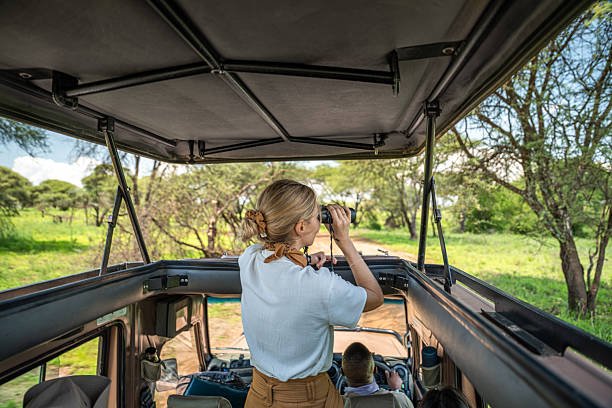
Safari Blue Zanzibar Prices: Full Cost Breakdown For 2026-2027
Discover the pricing for Safari Blue in Zanzibar for 2026 and 2027. This comprehensive guide breaks down costs, inclusions, and booking considerations for this popular marine excursion.
View package details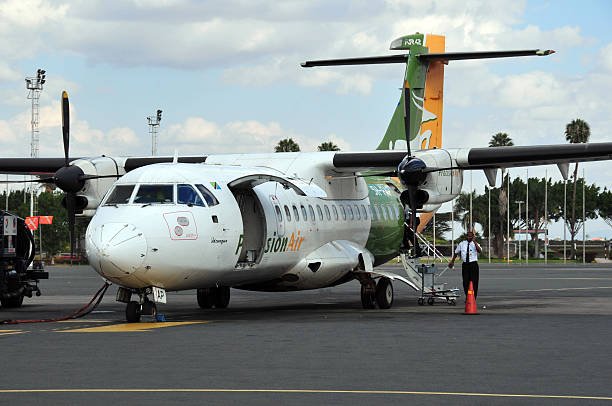
Tanzania Private Safari Prices 2026-2027
Tanzania Private Safari Prices is explained with current 2026-2027 planning, price, itinerary and booking information.
View package details
Tanzania Photography Safari Prices: Your Comprehensive Guide 2026-2027
Planning a photography safari in Tanzania for 2026 or 2027? This guide breaks down the expected costs, helping you budget for an unforgettable wildlife photography adventure. Learn what...
View package detailsNo related package matches those filters. Clear one or more filters to see the other topic-matched options.



