
Tanzania fly-in safari prices for 2026-2027 typically range from $4,500 to $15,000+ per person for a 7-10 day trip, depending heavily on the luxury level of lodges, specific parks visited, flight routes, duration, and inclusions. This pricing reflects the premium nature of accessing remote areas via light aircraft, bypassing long road transfers and maximizing game viewing time, especially in destinations like the Serengeti, Selous (Nyerere National Park), Ruaha, and Katavi.
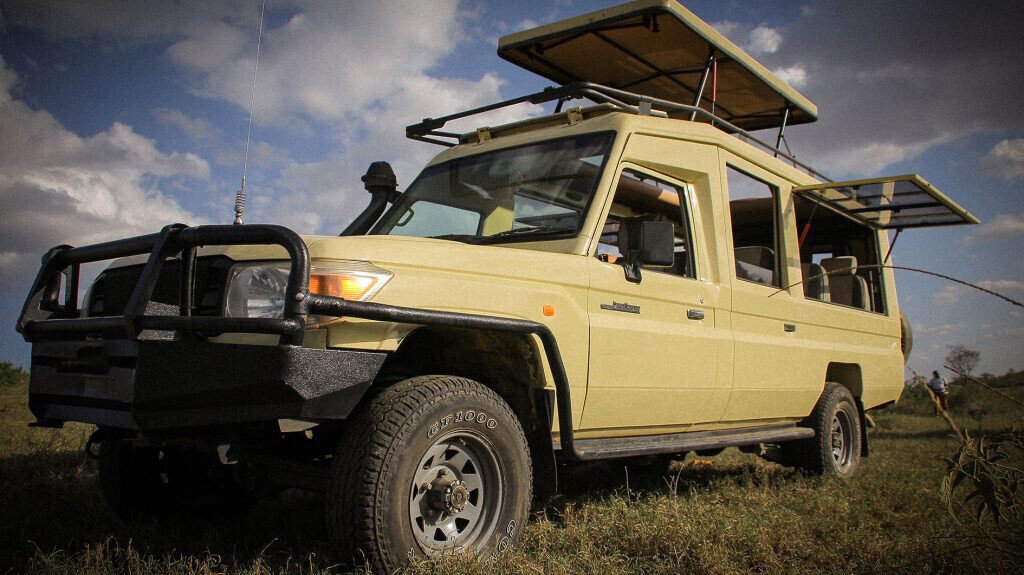
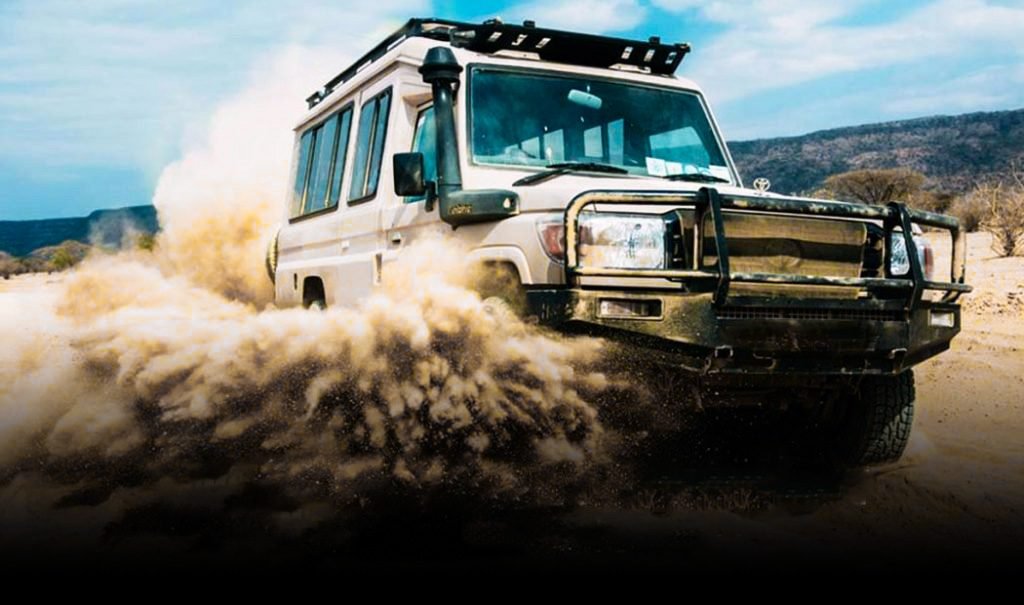
Understanding the Value of Tanzania Fly-In Safari Prices
When planning a safari in Tanzania, the allure of flying directly into its vast, remote wilderness areas is undeniable. This method of travel, often referred to as a ‘fly-in safari’, offers unparalleled access and saves significant time compared to extensive road journeys. Consequently, Tanzania fly-in safari prices are generally higher than traditional overland safaris, but they represent a distinct value proposition for travelers seeking efficiency, exclusivity, and comfort. This guide aims to demystify these costs for your 2026-2027 adventures, detailing what drives the prices and what you can expect to receive for your investment.
The primary driver for the elevated cost of fly-in safaris is the logistics of light aircraft operations. These small planes are essential for reaching remote airstrips located within or near national parks, often far from major towns. The operational costs, including fuel, pilot salaries, landing fees, and aircraft maintenance, are substantial. Furthermore, fly-in safaris often feature stays at high-end lodges and camps, which themselves command premium rates due to their exclusive locations, luxury amenities, exceptional service, and commitment to conservation.
For those considering a safari in 2026 or 2027, understanding these price components is crucial for effective budgeting and setting realistic expectations. We will explore the key factors influencing Tanzania fly-in safari prices, provide typical cost breakdowns, and offer insights into how to maximize value while planning your dream trip.
Key Factors Influencing Tanzania Fly-In Safari Prices
The cost of a fly-in safari is not a single, fixed number. It’s a dynamic figure influenced by a combination of choices you make and external conditions. Understanding these variables is the first step to accurately estimating your budget for a 2026-2027 safari.
1. Choice of National Parks and Reserves
Tanzania boasts an incredible diversity of wildlife areas, each with unique operational costs and appeal. The parks you choose to visit will significantly impact your Tanzania fly-in safari prices.
- Serengeti National Park: Famous for the Great Migration, the Serengeti is a prime destination. Lodges here are often luxurious, and the remoteness requires internal flights. Costs are generally higher due to high demand and operational complexity. The vastness means multiple internal flights might be needed to cover different regions (e.g., Central, Western, Northern, Southern).
- Nyerere National Park (formerly Selous Game Reserve): This vast southern reserve offers a different safari experience, including boat safaris. Fly-in access is common, and prices can be slightly lower than the prime Serengeti circuits but still represent a significant investment, especially for exclusive camps.
- Ruaha National Park: Tanzania’s largest park, known for its large elephant and lion populations. It’s more remote, making fly-in access almost essential. The infrastructure is less developed than the Serengeti, leading to unique, often high-end, remote camps that contribute to higher Tanzania fly-in safari prices.
- Katavi National Park: One of Africa’s most remote and wild parks. Access is exclusively by air. Expect very high costs due to the extreme remoteness and limited, exclusive accommodation options.
- Grumeti and Singita reserves (private concessions): These exclusive concessions bordering the Serengeti offer unparalleled luxury and wildlife viewing, often at the highest price points. Access is via private airstrips.
2. Accommodation Level: Luxury vs. Mid-Range Fly-In Camps
The type of accommodation is perhaps the most significant determinant of Tanzania fly-in safari prices. Options range from ultra-luxury tented camps to more comfortable, yet still exclusive, mid-range lodges.
- Ultra-Luxury Lodges/Camps: Expect top-tier amenities, private plunge pools, gourmet dining, exceptional service, and often private guiding. These are the most expensive options, contributing significantly to the overall Tanzania fly-in safari cost. Examples include properties within private concessions or renowned luxury brands.
- High-End Tented Camps: These offer a more intimate, classic safari feel with spacious tents, en-suite bathrooms, fine linens, and excellent cuisine. They strike a balance between luxury and authentic bush experience.
- Mid-Range Safari Lodges/Camps: While still exclusive and comfortable, these options may offer slightly simpler amenities, shared dining, or fewer guiding options. They provide great value for a fly-in experience.
For 2026-2027 travel, demand for high-end and ultra-luxury accommodations is expected to remain strong, potentially influencing availability and pricing. Booking well in advance is recommended for these sought-after properties.
3. Duration of the Safari
Naturally, the longer you stay, the higher the total cost. However, the cost per day can sometimes decrease slightly with longer itineraries as fixed costs (like initial flight arrangements) are spread over more days.
- Short Safaris (3-4 days): Often focus on one or two key locations, e.g., Serengeti. Total cost is lower but per-day cost might be higher due to the initial flight costs.
- Standard Safaris (7-10 days): Allow for exploration of multiple areas within a park or visiting 2-3 different parks. This is a common duration for fly-in safaris and offers a good balance of experience and cost.
- Extended Safaris (14+ days): Provide a comprehensive experience, covering diverse ecosystems and wildlife. Total cost will be significantly higher, but the per-day rate might offer some savings.
4. Number of Internal Flights
Fly-in safaris involve flights between major international airports (like Kilimanjaro International Airport – JRO) and internal airstrips, and sometimes between different airstrips within vast parks like the Serengeti. Each flight segment adds to the Tanzania fly-in safari prices.
- Point-to-Point Flights: A single flight from JRO to a Serengeti airstrip.
- Multi-Leg Flights: Flights from JRO to Airstrip A in Serengeti, then from Airstrip A to Airstrip B (e.g., to follow the migration), and finally from Airstrip B back to JRO or onward. Each leg increases the overall flight cost.
- Flight Baggage Restrictions: Light aircraft have strict weight and size limits for luggage (usually around 15-20 kg in soft bags). This is an important logistical consideration.
5. Seasonality and Timing
Like most travel, safari prices in Tanzania fluctuate based on the time of year. The peak seasons command higher rates.
- High Season (June to October, and December to February): Characterized by dry weather, excellent game viewing, and the Great Migration in the Serengeti. Prices for flights and lodges are at their highest.
- Shoulder Seasons (March to May, and November): Offer a good balance of weather and wildlife viewing, with slightly lower prices. The ‘green season’ can be spectacular for birding and photography.
- Low Season (April to May): Typically the wettest months. Prices are at their lowest, but some camps may close, and game viewing can be more challenging due to denser vegetation and rain.
When planning for 2026-2027, consider that demand for peak season remains high, and booking 9-12 months in advance is often necessary for prime lodges and availability.
6. Inclusions and Exclusions
What’s included in your safari package significantly affects the overall Tanzania fly-in safari price. Always clarify these details.
- Flights: Are international flights included? What about internal charter or scheduled light aircraft flights?
- Accommodation: Full board (breakfast, lunch, dinner), drinks (alcoholic and non-alcoholic), laundry services?
- Activities: Game drives (shared or private), guided walks, boat trips, sundowners, cultural visits?
- Guides: Professional driver-guide, private vehicle, or shared game drives?
- Park Fees: Daily park entrance fees, concession fees. These are often substantial.
- Transfers: Airport transfers, transfers between lodges/airstrips.
- Insurance: Travel insurance, medical evacuation cover.
Packages that include everything (except personal expenses and tips) offer convenience and predictable budgeting, while ‘bare-bones’ packages might seem cheaper initially but can incur significant extra costs.
7. Private vs. Shared Safaris
A private fly-in safari, with a dedicated vehicle and guide, offers maximum flexibility and personalized experiences, but comes at a higher Tanzania fly-in safari price. Shared safaris, often operating on set departure dates, allow costs to be distributed among travelers, making them more budget-friendly.
- Private Fly-In Safari: Tailored itinerary, exclusive use of a safari vehicle and guide, flexible timings. Ideal for families, groups, or those seeking a highly personalized experience. Costs are significantly higher per person.
- Shared Fly-In Safari: Operates on fixed departure dates, with shared vehicles and potentially shared lodges. This reduces the per-person cost considerably. Top Guide Adventures offers excellent shared departure dates for those looking for value without compromising the quality of the experience. See our group departure dates for 2026-2027.
Typical Cost Breakdown for Tanzania Fly-In Safari Prices
To give you a clearer picture, here’s a generalized breakdown of where your money goes on a typical 7-day luxury fly-in safari in Tanzania, for example, focusing on the Serengeti and perhaps Ngorongoro Crater or another nearby conservation area.
Estimated Cost Components (Per Person for 7 Days)
| Cost Component | Estimated Range (USD) | Notes |
|---|---|---|
| Internal Flights (e.g., JRO to Serengeti, Serengeti to JRO) | $500 – $1,000 | Covers round-trip flights to/from a central hub. More legs increase cost. |
| Accommodation (Luxury Lodges/Camps, 6 nights) | $3,000 – $8,000+ | This is the largest component, varying by lodge quality and inclusions. |
| Park & Concession Fees | $600 – $1,200 | Daily fees for Serengeti, Ngorongoro Conservation Area, etc. Can be substantial. |
| Vehicle & Guide Fees (for game drives) | $700 – $1,500 | Covers private vehicle, driver-guide, fuel. Higher for more exclusive guiding. |
| Meals & Drinks (if not fully included in accommodation) | $200 – $500 | Sometimes specific premium drinks or meals outside main lodges incur extra costs. |
| Activities (e.g., Hot Air Balloon Safari) | $500 – $600 | Optional but popular, especially in Serengeti. |
| Miscellaneous (Transfers, tips, etc.) | $200 – $400 | Buffer for small expenses and gratuities. |
| Total Estimated Range (7 Days) | $5,700 – $13,700+ | Excludes international flights. This is a guide; actual prices vary. |
It’s vital to remember that this is a generalized estimate for a luxury fly-in safari. Mid-range options could potentially bring the total down, while ultra-luxury experiences could push it significantly higher. For 2026-2027 planning, always request a detailed, personalized quote.
Comparing Costs: Fly-In vs. Overland Safaris
The decision between a fly-in and an overland safari often hinges on budget and time constraints.
- Overland Safaris: These involve driving between destinations using 4×4 safari vehicles. They are generally less expensive because they eliminate the cost of internal flights. However, they require more travel time, with long driving days between parks. For example, driving from Arusha to the Serengeti can take a full day. This limits the time spent on game drives and exploring.
- Fly-In Safaris: As discussed, these use light aircraft to hop between locations. This maximizes game viewing time and offers access to more remote areas. While the initial Tanzania fly-in safari prices are higher due to flight costs, the value comes from the increased wildlife encounters and reduced travel fatigue. For a short trip, a fly-in safari is often the only practical way to experience multiple prime locations.
For a 2026-2027 safari, if your time is limited or you prioritize comfort and efficiency, the higher cost of a fly-in safari is often justified. If budget is the primary concern and you have ample time, an overland safari might be a better fit.
Maximizing Value: Getting the Best Tanzania Fly-In Safari Prices
While Tanzania fly-in safari prices are inherently premium, several strategies can help you optimize your budget without compromising the quality of your experience.
1. Travel During Shoulder or Low Seasons
As mentioned, avoiding peak seasons (July-October, December-January) can lead to significant savings. The shoulder seasons (June, November) and even the low season (March-May, excluding Easter) offer great wildlife viewing opportunities at reduced rates for flights and accommodation. For 2026-2027, consider these periods for a potentially more affordable, yet still exceptional, fly-in safari.
2. Opt for Shared Departures
If your travel dates are flexible, joining a scheduled group departure can substantially
Check Availability for Tanzania Fly-In Safari Prices 2026-2027
Ready to compare dates, prices, and the best option for your group? Send the package name and travel month so the team can reply with a clear quote, availability, and what is included.
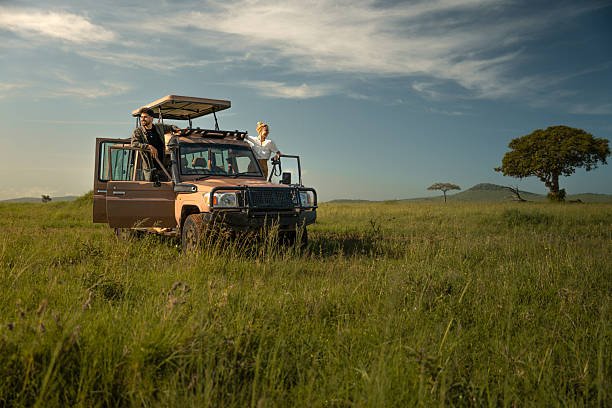
Tanzania Budget Safari Prices: Your Guide To Affordable Adventures 2026-2027
Planning a budget safari in Tanzania for 2026 or 2027? Understand the typical price ranges, what influences costs, and how to get the most value for your money. This guide breaks down the...
View package details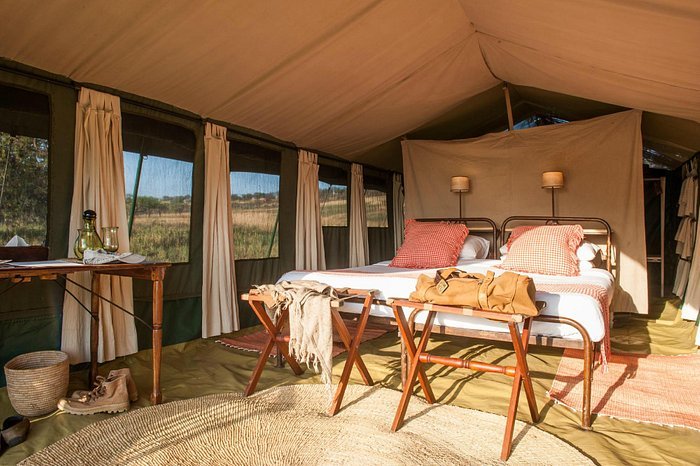
Tanzania Honeymoon Safari Prices: Your Ultimate Guide 2026-2027
Planning a romantic Tanzanian honeymoon safari? This guide breaks down the expected prices for 2026-2027, covering various factors that influence costs, typical inclusions, and how to get...
View package details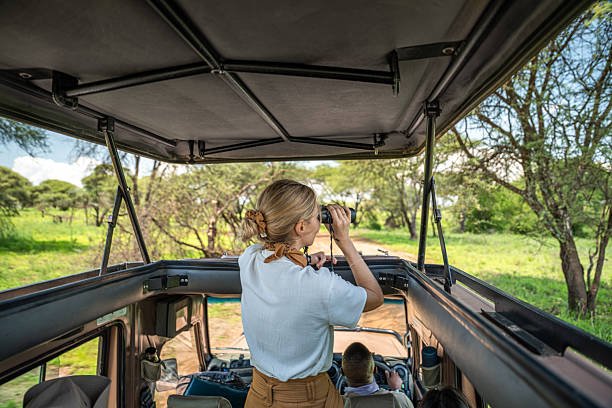
Tanzania Bird Watching Safari Prices: Your Guide 2026-2027
Planning a bird watching safari in Tanzania? This guide breaks down the costs for 2026-2027, explaining what influences prices and how to get the best value for your ornithological...
View package details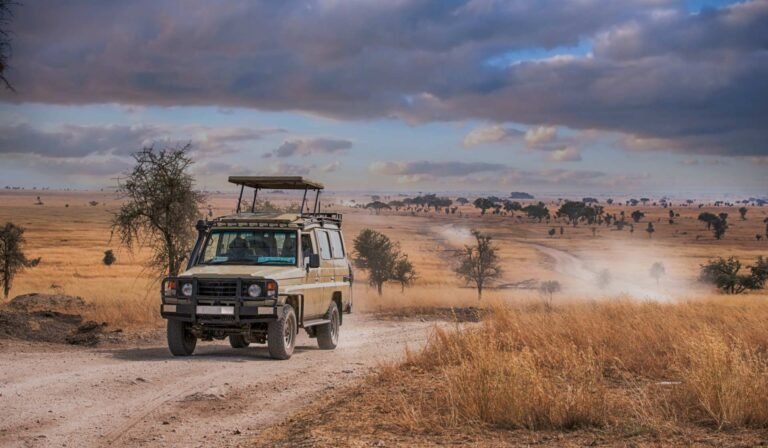
Tanzania Canoeing Safari Prices: Your Budget Guide 2026-2027
Discover the factors influencing Tanzania canoeing safari prices for 2026-2027. This guide breaks down costs, inclusions, and how to find the best value for your unique adventure.
View package details
Tanzania Boat Safari Prices: Your Guide To Costs & Options 2026-2027
Discover the pricing factors for Tanzania boat safaris in 2026-2027. This comprehensive guide breaks down costs, inclusions, and how to find the best value for your aquatic adventure.
View package details
Tanzania Walking Safari Prices: Your Comprehensive Guide 2026-2027
Discover the cost factors for Tanzania walking safaris in 2026-2027. This guide details pricing, inclusions, and budgeting tips for an unforgettable safari experience with Top Guide...
View package detailsTanzania Tour Package Prices: Your Guide To Safari & Kilimanjaro Costs
Understand Tanzania tour package prices for 2026-2027. This guide covers safari costs, Kilimanjaro climb pricing, Zanzibar holidays, and factors influencing your budget, offering clear...
View package details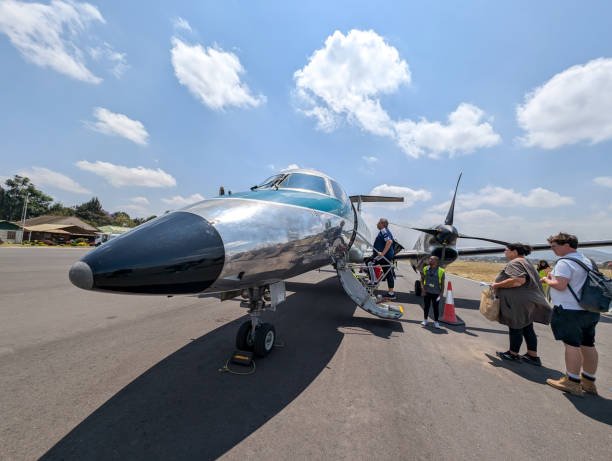
Tanzania Safari Prices Including Park Fees: A Comprehensive Guide 2026-2027
Planning a Tanzania safari means understanding the total cost, which heavily relies on park fees. This guide breaks down typical Tanzania safari prices, detailing what park entrance fees...
View package detailsMahale Safari Prices: Your Guide To Chimpanzee Trekking Costs 2026-2027
Planning a Mahale safari? This guide breaks down Mahale safari prices for 2026-2027, covering chimpanzee trekking permits, accommodation options, transport, and essential budgeting tips for...
View package details
Katavi National Park: Tanzanias Untamed Wilderness Safari Guide 2026-2027
Katavi National Park offers an unparalleled safari experience in Tanzania's remote wilderness. This guide explores its vast landscapes, abundant wildlife, best visiting times for 2026-2027...
View package details
Nyerere Walking Safari Prices : Your Guide To Costs And Planning 2026-2027
Explore Nyerere National Park on a walking safari with Top Guide Adventures. Discover pricing for 2026-2027, understand cost factors, and plan your unforgettable adventure.
View package details
Mikumi National Park Entry Fees And Safari Prices 2026-2027
Planning a safari to Mikumi National Park? This guide details the essential entry fees, conservation charges, and safari package prices for 2026-2027, helping you budget for an...
View package detailsNo related package matches those filters. Clear one or more filters to see the other topic-matched options.



