
Planning a Tanzania safari for 2026 or 2027 requires careful health preparation, focusing on recommended vaccinations like Yellow Fever, Typhoid, and Hepatitis A, alongside crucial malaria prophylaxis and general safety measures. Consult your doctor or a travel clinic at least 4-6 weeks before departure to get personalized advice, obtain necessary prescriptions, and ensure you have adequate travel insurance covering medical emergencies.
Essential Tanzania Safari Vaccinations: What You Need to Know for 2026-2027
Your dream Tanzania safari awaits, promising encounters with the Great Migration, the majestic Ngorongoro Crater, and the vast plains of the Serengeti. To ensure your adventure is as safe and healthy as it is unforgettable, understanding and preparing for the health considerations is paramount. This guide provides a detailed overview of necessary vaccinations, preventative measures, and general health advice specifically tailored for travelers heading to Tanzania in the upcoming 2026 and 2027 seasons. Preparation is key to enjoying every moment of your wildlife encounters without health concerns.
The Importance of Proactive Health Planning
Tanzania, like many tropical destinations, presents specific health risks that differ from those in your home country. These can range from infectious diseases to environmental hazards. By addressing these proactively, you can significantly reduce the risk of illness and ensure your safari experience is smooth and enjoyable. The primary goal is to prevent rather than treat, allowing you to fully appreciate the wonders of Tanzania.
Mandatory Vaccinations: Yellow Fever
Yellow Fever vaccination is often mandatory for entry into Tanzania, particularly if you are arriving from a country with a risk of Yellow Fever transmission. Even if you are just transiting through such a country, immigration officials may require proof of vaccination. The certificate of vaccination is typically checked upon arrival at the airport. It’s crucial to get the vaccine at least 10 days before your arrival in Tanzania, as this is when it becomes effective and ensures you meet entry requirements.
Why Yellow Fever is Critical
Yellow Fever is a serious, potentially fatal viral disease transmitted by infected mosquitoes. Symptoms include fever, headache, jaundice, muscle pain, nausea, vomiting, and fatigue. In severe cases, it can lead to hemorrhagic fever and organ failure. While there is no specific cure, vaccination offers highly effective protection. Ensure you receive the vaccine from an authorized center and keep your International Certificate of Vaccination or Prophylaxis (ICVP) safe.
Who Needs the Yellow Fever Vaccine?
The requirement can vary, but generally, individuals traveling from or transiting through countries with a risk of Yellow Fever transmission (as designated by the World Health Organization – WHO) must be vaccinated. It is always best to check the latest requirements from the Tanzanian embassy or consulate in your country and consult your doctor or a travel clinic well in advance of your 2026 or 2027 safari.
Recommended Vaccinations for Tanzania
Beyond the mandatory Yellow Fever vaccine, several other vaccinations are strongly recommended to protect your health during your Tanzania safari. These aim to prevent common diseases prevalent in the region.
Hepatitis A
Hepatitis A is a viral infection that affects the liver, commonly transmitted through contaminated food and water. Symptoms include fatigue, nausea, abdominal pain, loss of appetite, and jaundice. Vaccination is highly recommended for all travelers to Tanzania. The vaccine is typically given as two doses, with the second dose providing long-term immunity. The first dose can be given any time before travel, and the second dose is usually administered 6-12 months later.
Typhoid Fever
Typhoid fever is a bacterial infection spread through contaminated food and water, or close contact with an infected person. Symptoms include sustained high fever, headache, fatigue, and abdominal pain. It can be serious if untreated. Vaccination against Typhoid is recommended for most travelers. Several types of vaccines are available, including an injectable vaccine and an oral vaccine. Your doctor will advise on the best option for you, considering your travel dates in 2026 or 2027 and your medical history.
Hepatitis B
Hepatitis B is a serious liver infection caused by the Hepatitis B virus. It can be transmitted through blood, semen, and other body fluids. While less common for typical safari tourists, it’s recommended if you anticipate activities involving potential exposure to blood or bodily fluids, such as medical work, tattooing, or extensive sexual contact. The Hepatitis B vaccine is usually given as a series of three injections over several months. If time is limited before your 2026-2027 safari, an accelerated schedule may be possible, but consult your healthcare provider.
Rabies
Rabies is a viral disease that affects the central nervous system and is almost always fatal once symptoms appear. It is transmitted through the bite or scratch of an infected animal, most commonly dogs, bats, and monkeys. While rare for safari-goers who avoid direct contact with wildlife, pre-exposure vaccination can be considered if you plan to spend extended time in rural areas, work with animals, or if you are likely to be far from medical facilities. Post-exposure treatment is also available, but vaccination offers an added layer of safety.
Meningitis (Meningococcal Disease)
Meningitis is a serious infection of the membranes covering the brain and spinal cord. While not routinely recommended for all travelers to Tanzania, vaccination against meningococcal disease (especially strains A, C, W, and Y) is advised for those who will have prolonged close contact with the local population, such as aid workers or those visiting during outbreaks. The vaccine is generally recommended for anyone living in or visiting countries with epidemic meningitis, particularly during the dry season (roughly May to October).
Malaria Prevention: A Top Priority
Malaria is a significant health risk in most parts of Tanzania, including popular safari destinations like the Serengeti and Ngorongoro. It is transmitted by the Anopheles mosquito, which typically bites between dusk and dawn. Effective prevention is crucial for all travelers.
Understanding Malaria Risk
Malaria is endemic in Tanzania, meaning it is constantly present. While the risk varies by altitude and season, it is present year-round in most tourist areas. Higher altitude regions like the Ngorongoro Crater rim and Mount Kilimanjaro’s slopes have a lower risk, but it’s still present. Coastal areas and islands like Zanzibar have a high risk.
Antimalarial Medications
Consult your doctor or a travel clinic about the most suitable antimalarial medication for your trip. Common options include:
- Atovaquone-proguanil (Malarone): Often well-tolerated, taken daily starting 1-2 days before arrival, throughout your stay, and for 7 days after departure.
- Doxycycline: A broad-spectrum antibiotic, taken daily starting 1-2 days before arrival, throughout your stay, and for 4 weeks after departure. It can cause photosensitivity (increased sensitivity to sunlight).
- Mefloquine (Lariam): Taken weekly, starting 1-2 weeks before arrival, throughout your stay, and for 4 weeks after departure. It can cause neurological and psychological side effects in some individuals.
It is vital to complete the full course of your prescribed antimalarial medication, even after returning home, to prevent the disease. Your doctor will help you choose the best option based on your health, potential side effects, and the specific areas you will visit in Tanzania during 2026 or 2027.
Mosquito Bite Prevention
In addition to medication, preventing mosquito bites is essential:
- Use insect repellent: Apply repellents containing DEET (20-30%), Picaridin, or Oil of Lemon Eucalyptus (OLE) to exposed skin, especially during dawn and dusk.
- Wear protective clothing: Cover up with long-sleeved shirts, long trousers, and socks, particularly in the evenings. Light-colored clothing is often recommended as it attracts fewer mosquitoes.
- Sleep under mosquito nets: Most lodges and camps in Tanzania provide treated mosquito nets over beds. Ensure they are properly tucked in and have no holes.
- Use insecticide sprays: Use permethrin-treated clothing or spray your accommodation with insecticide if available and recommended.
Other Health Preparations and Considerations
Beyond vaccinations and malaria prevention, several other health aspects need attention for a safe Tanzania safari.
Traveler’s Diarrhea
Often referred to as “Montezuma’s Revenge” or “Delhi Belly,” traveler’s diarrhea is a common ailment caused by consuming contaminated food or water. It can disrupt your safari plans significantly.
- Food and Water Safety:
- Drink only bottled or purified water. Avoid tap water, ice cubes in drinks, and brushing your teeth with tap water unless you know it’s purified.
- Eat well-cooked food, served hot. Avoid raw fruits and vegetables unless you can peel them yourself. Be cautious with street food.
- Choose reputable restaurants and lodges that adhere to high hygiene standards.
- Medication: Carry over-the-counter anti-diarrheal medication (like Loperamide) for symptomatic relief, but consult your doctor about when and how to use it. Antibiotics may be prescribed by your doctor for severe cases.
- Hydration: Stay well-hydrated, especially in the heat. Oral rehydration salts can be very beneficial if you experience diarrhea.
Altitude Sickness
While most standard safaris do not involve extreme altitudes, visiting areas like the Ngorongoro Crater rim (around 2,300 meters or 7,500 feet) can potentially cause mild altitude sickness for some individuals. Symptoms include headache, nausea, dizziness, and fatigue. If you are planning to climb Mount Kilimanjaro or Mount Meru as part of your trip, altitude sickness is a significant concern requiring proper acclimatization.
For safaris that include high-altitude areas:
- Ascend gradually if possible.
- Stay well-hydrated.
- Avoid alcohol and heavy meals.
- Listen to your body and rest if you feel unwell.
- Consult your doctor about preventative medication like Acetazolamide (Diamox) if you are particularly concerned or have a history of altitude sickness.
Sun Protection
The African sun can be intense. Protect yourself from sunburn and heatstroke:
- Wear a wide-brimmed hat.
- Use high-SPF sunscreen (SPF 30 or higher) and reapply frequently.
- Wear sunglasses to protect your eyes.
- Stay hydrated by drinking plenty of water.
- Seek shade during the hottest parts of the day.
Insect Bites and Other Arthropods
Besides mosquitoes, other biting insects and arthropods can cause discomfort:
- Ticks: Tick bites can transmit diseases like tick-borne relapsing fever. Check your body and clothing regularly for ticks, especially after walking through tall grass or wooded areas.
- Scorpions and Spiders: While encounters are rare, be aware of your surroundings. Shake out shoes and clothing before wearing them. Most scorpions and spiders in Tanzania are not dangerous, but it’s wise to avoid disturbing them.
- Chiggers (Trombiculid Mites): These tiny mites can cause itchy red bumps. Wearing long clothing and using insect repellent can help prevent bites.
Eye Health
Dust and sand can be prevalent in safari areas. Consider bringing lubricating eye drops if you are prone to dry or irritated eyes.
First-Aid Kit Essentials
A well-stocked first-aid kit is crucial for any safari. It should include:
- Antiseptic wipes
- Band-aids and sterile gauze pads
- Medical tape
- Pain relievers (e.g., ibuprofen, paracetamol)
- Antihistamines for allergic reactions
- Motion sickness medication
- Anti-diarrheal medication (e.g., Loperamide)
- Rehydration salts
- Any personal prescription medications (with a copy of the prescription)
- Burn cream
- Tweezers
- Hand sanitizer
- Insect repellent
- Sunscreen
- Hydrocortisone cream for insect bites or rashes
Consulting Your Healthcare Provider: The Crucial First Step
The most important step in preparing for your Tanzania safari health-wise is to consult a healthcare professional, ideally a doctor or nurse specializing in travel medicine. Aim to do this at least 4-6 weeks before your planned departure in 2026 or 2027. This lead time allows for:
- Receiving necessary vaccinations, some of which require multiple doses over time.
- Allowing vaccines to become fully effective before you travel.
- Discussing personalized recommendations based on your medical history, planned activities, and itinerary.
- Obtaining prescriptions for antimalarial drugs and any other necessary medications.
- Receiving advice on managing specific health conditions while traveling.
What to Discuss with Your Doctor
When you visit your travel clinic or doctor, be prepared to discuss:
- Your exact travel dates and duration.
- The specific regions in Tanzania you will visit (e.g., Serengeti, Ngorongoro, Zanzibar, Kilimanjaro).
- Your planned activities (e.g., walking safaris, cultural visits, trekking).
- Your medical history, including any allergies, chronic conditions, or previous adverse reactions to medications or vaccines.
- Any medications you are currently taking.
- Your vaccination history.
Travel Insurance: Non-Negotiable Protection
Comprehensive travel insurance is an absolute must for any trip to Tanzania. Ensure your policy covers:
- Emergency Medical Expenses: This should include coverage for hospitalization, doctor’s visits, and emergency medical evacuation.
- Repatriation: Coverage for your return home due to illness or injury.
- Trip Cancellation/Interruption: Protection if you need to cancel or cut short your trip for covered reasons.
- Lost or Stolen Baggage: While not health-related, it’s a common and important inclusion.
Verify that your insurance policy specifically covers activities like safaris and adventure travel, and ensure it provides adequate coverage for the remote areas you might visit. Some policies may have exclusions for certain pre-existing conditions, so be sure to declare them.
Health Facilities in Tanzania
While major towns and cities have hospitals and clinics, medical facilities in remote safari areas can be basic. The quality of care can vary significantly.
- Arusha and Moshi: These are the primary gateways for Northern Tanzania safaris and have the best medical facilities outside of Dar es Salaam.
- Remote Areas: In national parks and reserves, medical assistance is usually limited to first aid. In case of serious illness or injury, evacuation to a better-equipped facility is often necessary, highlighting the importance of good travel insurance.
Emergency evacuation services, often coordinated through insurance providers or specialized air ambulance companies, are available but can be very expensive. This is another reason why robust travel insurance is non-negotiable for your 2026-2027 Tanzania safari.
Routine Health and Safety During Your Safari
Beyond specific medical preparations, maintaining good hygiene and awareness throughout your trip is vital.
Hygiene Practices
- Hand Washing: Wash your hands frequently with soap and water, especially before eating and after using the toilet.
- Hand Sanitizer: Carry an alcohol-based hand sanitizer for times when soap and water are not available.
- Food Handling: Be mindful of how food is prepared and handled. Stick to reputable sources.
Wildlife Encounters
While thrilling, wildlife encounters require caution:
- Maintain Distance: Always maintain a safe distance from wild animals. Never approach or feed them.
- Listen to Guides: Your safari guide is experienced and knows animal behavior. Follow their instructions at all times.
- Never Exit Vehicle Unnecessarily: In areas with large predators, stay inside your safari vehicle unless specifically advised it is safe to exit by your guide.
- Avoid touching animals: Even seemingly docile animals can be unpredictable and may carry diseases.
Driving and Road Safety
Road conditions in Tanzania can be challenging. While you will likely be in specialized safari vehicles driven by experienced guides, be aware of:
- Speeding: Safari vehicles may travel on rough terrain at speeds that can feel bumpy.
- Dust: Keep vehicle windows closed when driving on dusty tracks to avoid inhaling dust.
- Seatbelts: Use seatbelts where available.
A Practical Health Preparation Checklist for Your Tanzania Safari (2026-2027)
Pre-Trip Health Planning (Start 6-8 weeks before departure)
- Schedule an appointment with a travel clinic or your doctor. Discuss your Tanzania safari plans for 2026 or 2027.
- Review vaccination history.
- Get recommended vaccinations: Yellow Fever (mandatory), Hepatitis A, Typhoid, potentially Hepatitis B, Rabies, Meningitis.
- Discuss and obtain prescription for antimalarial medication. Choose the best option for your health and trip.
- Obtain prescriptions for any other necessary medications (e.g., for traveler’s diarrhea, altitude sickness).
- Purchase comprehensive travel insurance that covers medical emergencies and evacuation.
- Get a dental check-up if possible, to avoid potential issues arising during travel.
- Pack a personalized first-aid kit.
Packing for Health and Comfort
- Prescription medications: Sufficient supply for your entire trip plus a few extra days, with copies of prescriptions.
- Over-the-counter medications: Pain relievers, anti-diarrheals, antihistamines, rehydration salts.
- Insect repellent (with DEET, Picaridin, or OLE).
- Sunscreen (high SPF).
- Wide-brimmed hat and sunglasses.
- Protective clothing: Long sleeves, long trousers (lightweight, light-colored).
- Mosquito net (if not provided by accommodation).
- Hand sanitizer.
- Basic first-aid supplies.
- Any personal comfort items (e.g., eye drops, lip balm with SPF).
During Your Safari
- Take antimalarial medication as prescribed and complete the full course.
- Apply insect repellent diligently, especially at dawn and dusk.
- Practice safe food and water habits at all times.
- Stay hydrated with bottled or purified water.
- Protect yourself from the sun.
- Wash hands frequently or use hand sanitizer.
- Be aware of your surroundings and follow your guide’s instructions regarding wildlife.
- Report any unusual symptoms to your guide or accommodation staff immediately.
Post-Safari
- Complete your course of antimalarial medication as directed.
- Monitor your health for any symptoms that arise after returning home and consult your doctor, informing them of your recent travel to Tanzania.
Staying Updated for 2026-2027 Safaris
Health recommendations and requirements can change. It is crucial to:
- Check the latest travel advisories from your country’s foreign affairs department.
- Refer to the World Health Organization (WHO) and Centers for Disease Control and Prevention (CDC) websites for up-to-date health information on Tanzania.
- Confirm entry requirements regarding Yellow Fever vaccination with the Tanzanian embassy or consulate in your country closer to your travel dates in 2026 or 2027.
Customizing Your Safari Experience with Health in Mind
At Top Guide Adventures, we understand that a healthy traveler makes for a happier traveler. We are committed to providing you with information that helps you prepare thoroughly for your Tanzanian adventure in 2026 and 2027. While we cannot provide medical advice, we can offer insights into the conditions you might encounter and help tailor your itinerary to minimize risks where possible.
For example, if you have specific health concerns, we can discuss accommodation options that offer excellent hygiene standards or design an itinerary that minimizes travel time between locations. Our goal is to ensure your safari is not only spectacular but also safe and comfortable.
Planning Your 2026-2027 Tanzania Safari
Preparing for your Tanzania safari involves more than just packing your bags; it’s about ensuring you are healthy and well-protected. By following this comprehensive guide on vaccinations and health preparation, you can approach your 2026 or 2027 adventure with confidence. Remember, consulting with your healthcare provider is the most critical step.
Ready to plan your unforgettable Tanzania safari? Whether you’re dreaming of the Serengeti migration, the wonders of Ngorongoro, or the pristine beaches of Zanzibar, Top Guide Adventures is here to help. We offer personalized safari experiences designed to meet your interests and ensure your comfort and safety. Feel free to reach out to us for any inquiries or to start planning your tailor-made journey for 2026 or 2027.
For personalized safari planning and expert advice, contact Top Guide Adventures:
- WhatsApp: +255616946642
- Email: topguideadventures@gmail.com
- Backup Email: info@topguideadventurestanzania.com
- Website: Top Guide Adventures Tanzania
We look forward to helping you create a safe and extraordinary safari experience in Tanzania!
Check Availability for Tanzania Safari Vaccinations And Health Preparation Checklist For 2026-2027
Ready to compare dates, prices, and the best option for your group? Send the package name and travel month so the team can reply with a clear quote, availability, and what is included.
Tanzania Private Safari Prices 2026-2027
Tanzania Private Safari Prices is explained with current 2026-2027 planning, price, itinerary and booking information.
View package details
Tanzania Photography Safari Prices: Your Comprehensive Guide 2026-2027
Planning a photography safari in Tanzania for 2026 or 2027? This guide breaks down the expected costs, helping you budget for an unforgettable wildlife photography adventure. Learn what...
View package details
Tanzania Wildlife Safari Cost Breakdown: Your Budget Guide 2026-2027
Planning a Tanzania wildlife safari involves understanding the key cost components. This guide provides a detailed breakdown for 2026-2027, covering everything from park fees and...
View package details
Katavi National Park: Tanzanias Untamed Wilderness Safari Guide 2026-2027
Katavi National Park offers an unparalleled safari experience in Tanzania's remote wilderness. This guide explores its vast landscapes, abundant wildlife, best visiting times for 2026-2027...
View package details
Ngorongoro Conservation Area: Your Ultimate Tanzania Safari Guide 2026-2027
Explore the unparalleled biodiversity and unique landscape of the Ngorongoro Conservation Area. This comprehensive guide covers everything you need to know for planning your 2026-2027...
View package details
Tanzania Fly-In Safari Prices 2026-2027
Tanzania Fly-In Safari Prices is explained with current 2026-2027 planning, price, itinerary and booking information.
View package details
Tanzania Group Safari Cost Guide
Planning a Tanzania group safari in 2026-2027? This comprehensive guide breaks down the Tanzania group safari cost, detailing what influences prices, typical inclusions, and how to budget...
View package details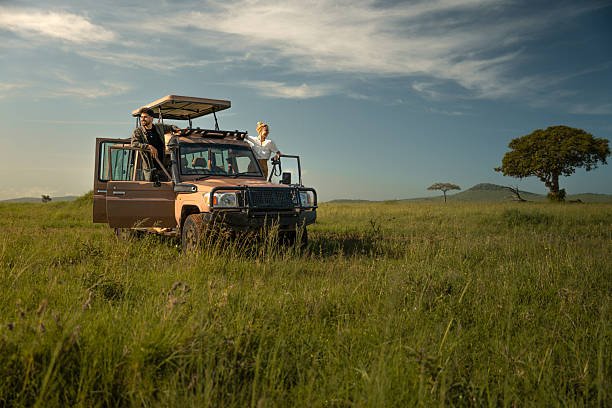
Tanzania Budget Safari Prices: Your Guide To Affordable Adventures 2026-2027
Planning a budget safari in Tanzania for 2026 or 2027? Understand the typical price ranges, what influences costs, and how to get the most value for your money. This guide breaks down the...
View package details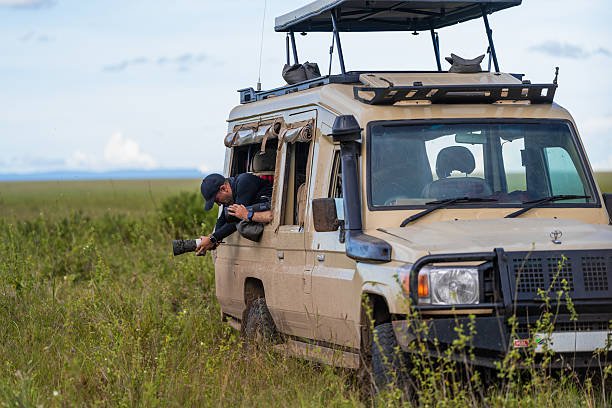
Tanzania Luxury Safari Cost: Planning Your Dream Trip 2026-2027
Planning a luxury safari in Tanzania? Discover the typical costs involved for 2026-2027, what drives the price, and what to expect in terms of inclusions and value for an unparalleled...
View package details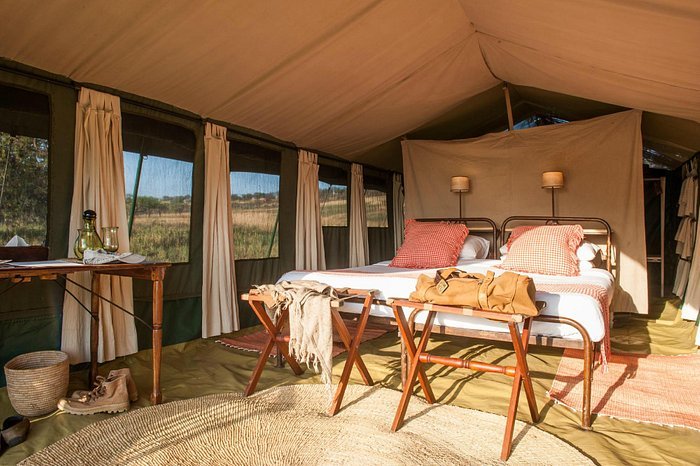
Tanzania Honeymoon Safari Prices: Your Ultimate Guide 2026-2027
Planning a romantic Tanzanian honeymoon safari? This guide breaks down the expected prices for 2026-2027, covering various factors that influence costs, typical inclusions, and how to get...
View package details
Tanzania Family Safari Cost: Planning Your Adventure 2026-2027
Planning a family safari in Tanzania for 2026 or 2027? This comprehensive guide breaks down the Tanzania family safari cost, detailing what influences your budget, typical price ranges, and...
View package details
Tanzania Bird Watching Safari Prices: Your Guide 2026-2027
Planning a bird watching safari in Tanzania? This guide breaks down the costs for 2026-2027, explaining what influences prices and how to get the best value for your ornithological...
View package detailsNo related package matches those filters. Clear one or more filters to see the other topic-matched options.



