
When booking a Tanzania safari for 2026-2027, carefully review the tour operator’s cancellation terms, paying close attention to deposit requirements, refund eligibility based on cancellation timing, applicable fees, and any force majeure clauses. Understanding these terms upfront, like those provided by Top Guide Adventures, helps manage expectations and protects your investment.
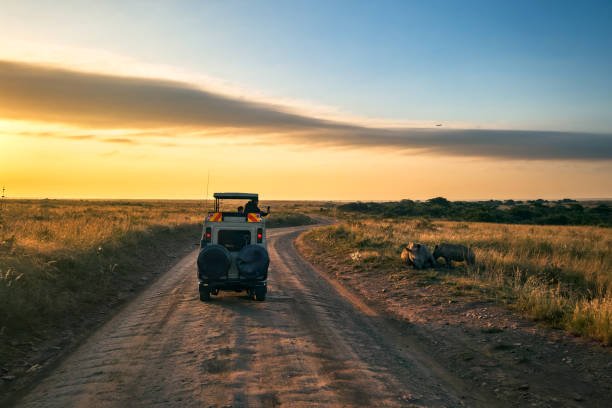

Navigating Tanzania Safari Cancellation Terms: A Comprehensive Guide for 2026-2027 Travelers
The allure of a Tanzania safari is undeniable. Witnessing the Great Migration in the Serengeti, descending into the Ngorongoro Crater, or spotting the Big Five in their natural habitat are experiences that create lifelong memories. As you plan your dream trip, whether for late 2026 or the peak season of 2027, it’s essential to move beyond the excitement and focus on the practicalities. Among the most critical aspects of booking any significant international travel, especially a safari, are the cancellation terms. These policies dictate what happens if you, or in rare cases, the operator, need to cancel the trip. For travelers to Tanzania, understanding these Tanzania safari cancellation terms is not just advisable; it’s a fundamental part of responsible planning.
At Top Guide Adventures, we believe in transparency and ensuring our clients feel secure throughout the booking process and beyond. This in-depth guide will walk you through everything you need to know about cancellation policies for Tanzania safaris, specifically focusing on what to look for, what questions to ask, and how to interpret the terms to best protect your travel plans for 2026 and 2027.
Why Understanding Safari Cancellation Terms is Paramount
A safari is a substantial investment, often planned months or even years in advance. Unexpected events, such as personal emergencies, health issues, or changes in travel advisories, can sometimes necessitate a cancellation. Without a clear understanding of the cancellation policy, you could face significant financial losses. For a Tanzania safari, the remoteness of some locations, the reliance on specific lodges and internal flights, and the involvement of multiple service providers can add layers of complexity to cancellation procedures.
For travelers eyeing 2026 or 2027 safaris, it’s crucial to remember that policies can evolve. While core principles remain, operators might update their terms based on changing operational costs, new travel regulations, or lessons learned from previous seasons. Therefore, always refer to the most current policy at the time of booking.
Key reasons to scrutinize cancellation terms:
- Financial Protection: Safaris are expensive. Understanding cancellation policies helps you gauge potential financial risks and make informed decisions about travel insurance.
- Informed Decision-Making: Knowing the terms allows you to compare different tour operators more effectively. A more flexible cancellation policy might be a deciding factor for some travelers.
- Managing Expectations: Clarity on what is refundable and what is not prevents disappointment and disputes should a cancellation become necessary.
- Planning for Contingencies: It helps you prepare for potential scenarios and understand your recourse in various situations.
What to Look For in Tanzania Safari Cancellation Terms
When you receive a safari itinerary and booking confirmation from a Tanzanian tour operator like Top Guide Adventures, the cancellation policy will typically be detailed in the terms and conditions section. Here’s a breakdown of the critical elements to scrutinize:
1. Deposit Policy and Deadlines
Most tour operators require an initial deposit to secure your safari booking. This deposit is usually non-refundable, as it often covers administrative costs and immediate payments to lodges or internal flight providers. Pay attention to:
- Deposit Amount: What percentage of the total safari cost is required as a deposit? This can range from 10% to 50%, depending on the operator and the complexity of the safari. For 2026-2027 bookings, expect standard deposit requirements.
- Deposit Due Date: When is the deposit payable? This is usually within a set number of days after booking confirmation.
- Non-Refundable Nature: Understand that the initial deposit is almost always non-refundable, regardless of when you cancel.
2. Final Payment Schedule
The balance of your safari cost will be due at a later date, typically 60 to 90 days before your departure. Missing this deadline can sometimes be considered a cancellation on your part, potentially leading to forfeiture of your deposit.
3. Cancellation Fees and Refund Tiers
This is the heart of the cancellation policy. It outlines how much of your payment (beyond the initial deposit) is refundable based on how far in advance you cancel. Operators often use tiered structures:
- More than 90 days before departure: You might receive a full refund of payments made beyond the initial deposit. Some operators may deduct a small administrative fee.
- 60-90 days before departure: A portion of your payment might be forfeited. For example, you might lose 25-50% of the total tour cost.
- 30-60 days before departure: The forfeited amount typically increases significantly, often 50-75% of the total cost.
- Less than 30 days before departure: In most cases, no refund is offered, and you forfeit the entire amount paid. This is because, at this stage, the operator has likely made all non-recoverable payments to suppliers.
Example Tiered Cancellation Structure (Illustrative):
| Days Before Departure | Refundable Amount | Forfeited Amount |
|---|---|---|
| More than 90 days | Full refund of payments made (less non-refundable deposit) | Non-refundable deposit |
| 60 – 89 days | 50% of total tour cost | 50% of total tour cost |
| 30 – 59 days | 25% of total tour cost | 75% of total tour cost |
| Less than 30 days | 0% | 100% of total tour cost |
Note: This is a sample structure. Always refer to the specific operator’s terms for exact percentages and timelines. For 2026-2027 bookings, confirm these details directly with your chosen provider.
4. Operator-Initiated Cancellations
While less common, tour operators may sometimes need to cancel a safari. This can happen due to insufficient bookings for a group tour, unforeseen circumstances affecting a specific location (e.g., natural disasters, political instability), or issues with essential suppliers. In such cases, the policy should clearly state:
- Options Provided: Will you receive a full refund, or will you be offered an alternative date or itinerary?
- Notice Period: How much notice will you be given?
- Compensation: Are there any provisions for compensation beyond a refund, especially if the cancellation is due to operator fault?
For Top Guide Adventures, if we must cancel a safari due to reasons within our control (like insufficient group numbers for a scheduled departure we intend to run), we will offer a full refund or the option to transfer to another departure. If cancellation is due to force majeure events, our policy will align with industry standards, often involving a refund minus any non-recoverable costs.
5. Force Majeure and Unforeseen Circumstances
This clause covers events beyond the control of both the traveler and the operator. Examples include natural disasters (earthquakes, floods, volcanic eruptions), acts of war, terrorism, pandemics, government actions, or widespread strikes. Policies regarding force majeure can be strict:
- Refunds: Often, no refunds are guaranteed under force majeure, as the operator may have already incurred costs or be unable to operate due to external factors.
- Rescheduling: The option to reschedule might be offered, but it’s not always mandatory for the operator.
- Travel Insurance: This is precisely why comprehensive travel insurance is critical for covering such events.
For 2026-2027 travel, it’s wise to check if the policy specifically addresses pandemic-related cancellations or disruptions, given recent global experiences.
6. Non-Refundable Items
Be aware of specific components of your safari that might be non-refundable, even if the main tour package is partially refundable. These can include:
- International Flights: Usually booked separately and subject to airline policies.
- Visa Fees: Government fees are typically non-refundable.
- Travel Insurance Premiums: The cost of insurance is generally non-refundable.
- Internal Flights: Some internal flight bookings might be non-refundable once confirmed.
- Optional Activities: Pre-booked optional tours or activities might have their own cancellation terms.
7. Name Changes and Transfers
If you can’t travel, can you transfer your booking to someone else? Policies vary:
- Transferability: Some operators allow name changes, often up to a certain number of days before departure, sometimes with an administrative fee.
- Supplier Restrictions: This is often dependent on whether lodges, airlines, or other suppliers permit name changes.
Specific Considerations for Tanzania Safaris in 2026-2027
Planning a Tanzania safari involves unique elements that can influence cancellation terms. Understanding these nuances is key:
The Role of Internal Flights and Lodges
Many Tanzania safaris, especially those covering vast areas like the Serengeti and Ngorongoro, rely on internal charter or scheduled flights to save travel time. Similarly, popular lodges and tented camps are often booked well in advance, particularly for peak seasons in 2026 and 2027.
- Pre-payments: Tour operators make significant pre-payments to secure these services. These payments are often non-refundable to the operator, which is why their own cancellation policies reflect this.
- Logistics: If an internal flight is cancelled due to weather or operational issues, the operator’s policy should outline how this is handled. Usually, they will try to rebook you on the next available flight.
Peak Season vs. Low Season Bookings (2026-2027)
While cancellation terms are generally standard, the timing of your safari can impact the supplier’s own cancellation policies that the tour operator must adhere to. Peak seasons (typically June-October and December-February) often have stricter supplier terms due to high demand.
- Higher Demand: For 2026-2027 peak season bookings, expect that lodges and camps will have less flexibility, meaning the tour operator’s cancellation policy might reflect this with less favorable refund options closer to the date.
- Shoulder/Low Season: If you are booking for the shoulder seasons (e.g., March-May, November), there might be slightly more flexibility, though standard terms usually still apply.
Group Tours vs. Private Safaris
The type of safari you book can also affect cancellation terms:
- Group Tours: These often run on fixed departure dates. If a group tour doesn’t meet minimum numbers, the operator might cancel it, usually offering a refund or transfer. If an individual cancels from a group tour, they are subject to the standard tiered cancellation policy.
- Private Safaris: These are custom-tailored and booked for your exclusive group. The operator’s cancellation terms will apply directly to your booking. The flexibility might be higher in terms of itinerary changes prior to booking, but the cancellation penalties are usually the same.
The Importance of Travel Insurance for Your 2026-2027 Safari
Given the financial commitment and the potential for unforeseen events, comprehensive travel insurance is non-negotiable for a Tanzania safari. Ensure your policy covers:
- Trip Cancellation/Interruption: Covers non-refundable costs if you have to cancel or cut short your trip for covered reasons (e.g., illness, family emergency, job loss).
- Medical Emergencies: Includes emergency medical evacuation, which is vital in remote safari locations.
- Baggage Loss/Delay: Covers personal belongings.
- Travel Delay: Covers expenses incurred due to significant travel delays.
- Specific Event Coverage: Check if it covers events like natural disasters or pandemics, depending on your risk assessment for 2026-2027 travel.
Always purchase travel insurance as soon as you pay your deposit. This ensures that your policy is active from the earliest possible date, covering you even if you need to cancel shortly after booking.
Top Guide Adventures’ Approach to Cancellations
At Top Guide Adventures, we understand that plans can change. Our cancellation policy is designed to be fair while reflecting the commitments we make to our suppliers to secure the best safari experience for you. We aim to provide as much flexibility as possible, especially in the early stages of booking.
Our Standard Policy (subject to specific agreement):
- Deposit: A non-refundable deposit of 20% is required to confirm your safari booking for 2026 or 2027. This covers initial operational costs and secures your preferred accommodations and services.
- Final Payment: The remaining balance is due 60 days prior to departure.
- Cancellations by Traveler:
- More than 60 days before departure: Forfeit the 20% non-refundable deposit.
- 30-59 days before departure: Forfeit 50% of the total tour cost.
- Less than 30 days before departure: Forfeit 100% of the total tour cost.
- Cancellations by Top Guide Adventures: If we must cancel due to insufficient bookings for a group tour (minimum 4 people required for most scheduled departures), we will offer a full refund or a transfer to an alternative date/safari. If cancellation is due to force majeure events, we will refund payments less any non-recoverable costs incurred by us.
- Name Changes: We allow name changes up to 30 days before departure, subject to supplier approval and a small administrative fee (typically $50-$100 USD).
We strongly advise all our clients to secure comprehensive travel insurance to cover any potential cancellation costs. For detailed information or specific queries regarding your 2026 or 2027 safari, please contact us.
Common Pitfalls and How to Avoid Them
Even with clear terms, misunderstandings can arise. Here are common pitfalls and how to navigate them:
1. Not Reading the Fine Print
It’s tempting to skim through terms and conditions. However, crucial details about cancellation, refunds, and exclusions are often buried in the fine print. Always read the full policy.
2. Assuming Flexibility
Do not assume that a tour operator will be flexible if you need to cancel, especially close to your departure date. Policies are in place for operational and financial reasons.
3. Relying Solely on Operator Guarantees
While reputable operators like Top Guide Adventures strive for fairness, their policies are bound by agreements with lodges, airlines, and other service providers. Your primary safety net should be your travel insurance.
4. Misunderstanding “Per Person” vs. “Total Tour Cost”
Cancellation fees are often expressed as a percentage of the total tour cost, not just what you’ve paid so far. Ensure you understand this calculation to accurately assess potential losses.
5. Not Documenting Your Cancellation Request
If you need to cancel, do so in writing (email is best). Keep copies of all correspondence. This provides a record of your cancellation date, which is crucial for determining refund eligibility based on the tiered policy.
Making a Cancellation Request: Step-by-Step
Should the unfortunate need arise to cancel your Tanzania safari, follow these steps:
- Review Your Booking Confirmation: Locate your specific safari booking details and the associated cancellation policy.
- Contact Your Tour Operator Immediately: Notify your tour operator (e.g., Top Guide Adventures) in writing as soon as possible. State your intention to cancel and provide your booking reference number.
- Understand the Implications: Based on the date of your written notification and the operator’s policy, calculate the potential refund or forfeiture.
- Submit a Formal Request: Follow any specific procedures outlined by the operator for submitting a formal cancellation request.
- Contact Your Travel Insurer: If you are claiming under your travel insurance, initiate the claims process. You will need documentation from the tour operator confirming the cancellation and any non-refundable costs.
Crucial Documentation for Claims:
- Original booking confirmation and invoice.
- Proof of payments made.
- Written notification of cancellation from you to the tour operator.
- Written confirmation of cancellation from the tour operator, detailing any forfeited amounts and reasons (if applicable).
- Any correspondence related to the cancellation.
Comparing Operator Policies for 2026-2027 Safaris
When comparing different tour operators for your 2026 or 2027 Tanzania safari, pay special attention to their cancellation terms. While many follow similar tiered structures, variations can exist:
- Deposit Amounts: Some may ask for a higher initial deposit.
- Refund Percentages: The exact percentages refunded at different timeframes can vary.
- Notice Periods: The number of days defining each tier might differ slightly.
- Operator Cancellation Clauses: How does each operator handle cancellations due to low bookings or force majeure?
- Flexibility: Does the operator offer more flexible options like free date changes up to a certain point?
A slightly more lenient cancellation policy can provide significant peace of mind, especially when planning a trip so far in advance. For instance, an operator offering a full refund (minus the non-refundable deposit) up to 75 days before departure provides more security than one that starts forfeiting significant amounts at 90 days.
Questions to Ask Potential Tour Operators About Cancellation Terms
Before committing to a booking for your 2026 or 2027 Tanzania safari, don’t hesitate to ask these clarifying questions:
- What is the exact amount of the non-refundable deposit, and when is it due?
- What are the specific refund percentages for cancellations made at 90, 60, and 30 days before departure?
- Are there any administrative fees charged on top of forfeited amounts for cancellations?
- What happens if I need to cancel less than 30 days before departure? Is there any possibility of a partial refund or credit?
- What is your policy on cancelling a safari due to insufficient group numbers? How much notice will we receive?
- How do you handle cancellations or disruptions caused by force majeure events (e.g., natural disasters, pandemics)?
- Are international flights, visa fees, or travel insurance premiums included in the calculation of the total tour cost for cancellation purposes? (They typically are not, but it’s good to confirm).
- Can I transfer my booking to another person if I cannot travel? What are the conditions and fees?
- What is the process for formally notifying you of a cancellation?
Future-Proofing Your Safari Plans: 2026 and 2027 Considerations
As we look towards 2026 and 2027, the travel landscape continues to evolve. While global health situations have stabilized, awareness of potential disruptions remains. Therefore, a robust understanding of cancellation terms and a commitment to comprehensive travel insurance are more important than ever.
- Book with Reputable Operators: Choose companies with clear, transparent policies and a good track record. Top Guide Adventures prides itself on this transparency.
- Confirm COVID-19 Policies: While less prominent now, check if any specific clauses remain regarding cancellations due to government-mandated travel restrictions related to health crises.
- Review Supplier Terms: For complex, multi-destination safaris, the operator’s terms are often a reflection of the terms imposed by individual lodges, internal flight providers, and other key suppliers. Understanding this chain of commitment can clarify why certain penalties exist.
Conclusion: Secure Your Dream Tanzania Safari with Confidence
Planning a Tanzania safari for 2026 or 2027 is an exciting endeavor, filled with anticipation for incredible wildlife encounters and unforgettable landscapes. By thoroughly understanding the Tanzania safari cancellation terms, you equip yourself with the knowledge to navigate potential uncertainties and protect your investment. Always prioritize reading the fine print, asking clarifying questions, and securing comprehensive travel insurance.
Top Guide Adventures is committed to making your safari planning as smooth and secure as possible. We encourage you to review our detailed terms and conditions available on our website, and we are always available to discuss any aspect of your booking. Ensuring you are fully informed about cancellation policies is a vital step in confidently planning your dream adventure.
For personalized assistance with your 2026 or 2027 Tanzania safari booking, including detailed explanations of our cancellation policies, please do not hesitate to reach out. You can contact us via WhatsApp at +255616946642, email us at topguideadventures@gmail.com, or use our backup email info@topguideadventures.com. Let us help you plan a secure and memorable journey.
“,
“faq_schema”: [
{
“question”: “What are typical Tanzania safari cancellation terms for 2026-2027?”,
“answer”: “Tanzania safari cancellation terms typically involve a non-refundable deposit (often 10-30%), with increasing penalties based on how close to the departure date you cancel. For example, canceling more than 90 days out might only forfeit the deposit, while canceling within 30 days often results in forfeiting the full tour cost. Always check the specific operator’s tiered policy.”
},
{
“question”: “How much is the non-refundable deposit for a Tanzania safari?”,
“answer”: “The non-refundable deposit for a Tanzania safari usually ranges from 10% to 30% of the total tour cost. This deposit is used to secure bookings with lodges, internal flights, and other services. Top Guide Adventures typically requires a 20% non-refundable deposit.”
},
{
“question”: “What happens if I cancel my Tanzania safari 60 days before departure?”,
“answer”: “If you cancel your Tanzania safari 60 days before departure, you will likely forfeit a significant portion of your payment, typically around 50% of the total tour cost, according to most standard tiered cancellation policies. Some operators might have slightly different percentages or timelines.”
},
{
“question”: “Is travel insurance essential for a Tanzania safari, especially for 2026-2027 bookings?”,
“answer”: “Yes, travel insurance is absolutely essential for a Tanzania safari. It is your primary financial protection against unforeseen events that may force you to cancel or interrupt your trip, covering non-refundable costs. It also covers medical emergencies, which are critical in remote safari locations.”
},
{
“question”: “What if the tour operator cancels my Tanzania safari?”,
“answer”: “If the tour operator cancels your Tanzania safari (e.g., due to insufficient bookings), they should offer you a full refund or the option to transfer your booking to an alternative date or safari. Reputable operators like Top Guide Adventures prioritize offering these choices.”
},
{
“question”: “Does the COVID-19 pandemic still affect Tanzania safari cancellation terms for 2026-2027?”,
“answer”: “While the direct impact of the pandemic on cancellation terms has lessened, it’s wise to check if any operator has specific clauses related to government-imposed travel restrictions due to health crises. Generally, standard cancellation policies apply, making travel insurance even more important.”
},
{
“question”: “Can I transfer my Tanzania safari booking to someone else if I can’t go?”,
“answer”: “Many tour operators allow name changes or booking transfers, often up to 30 days before departure. However, this is usually subject to approval from suppliers (lodges, airlines) and may incur an administrative fee. Confirm this possibility with your chosen operator.”
}
]
}
“`
Check Availability for Tanzania Safari Cancellation Terms You Should Check 2026-2027
Ready to compare dates, prices, and the best option for your group? Send the package name and travel month so the team can reply with a clear quote, availability, and what is included.
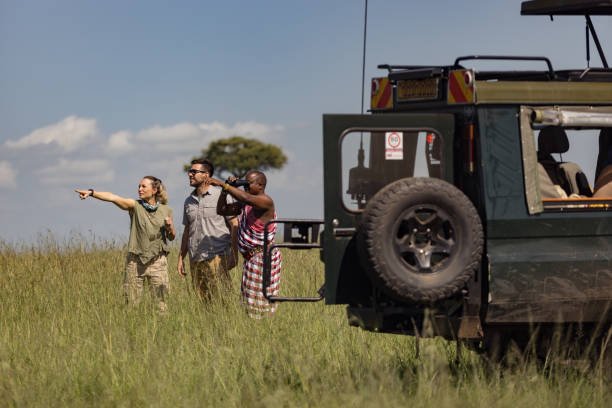
Top Guide Adventures: Your Premier Travel Agency In Tanzania For Safaris
Top Guide Adventures stands out as a leading travel agency in Tanzania, offering comprehensive safari experiences, Kilimanjaro treks, and Zanzibar holidays. Discover why they are a top...
View package details
Tanzania Safari Luggage Limits For Bush Flights: Your Essential Guide
Planning a Tanzania safari involving bush flights? This guide details crucial luggage limits for weight, size, and bag types, ensuring a smooth journey across Serengeti, Ngorongoro, and...
View package details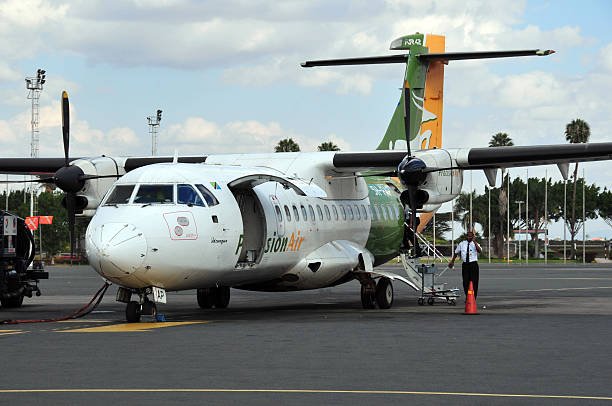
Tanzania Private Safari Prices 2026-2027
Tanzania Private Safari Prices is explained with current 2026-2027 planning, price, itinerary and booking information.
View package details
Tanzania Photography Safari Prices: Your Comprehensive Guide 2026-2027
Planning a photography safari in Tanzania for 2026 or 2027? This guide breaks down the expected costs, helping you budget for an unforgettable wildlife photography adventure. Learn what...
View package details
Tanzania Wildlife Safari Cost Breakdown: Your Budget Guide 2026-2027
Planning a Tanzania wildlife safari involves understanding the key cost components. This guide provides a detailed breakdown for 2026-2027, covering everything from park fees and...
View package details
Katavi National Park: Tanzanias Untamed Wilderness Safari Guide 2026-2027
Katavi National Park offers an unparalleled safari experience in Tanzania's remote wilderness. This guide explores its vast landscapes, abundant wildlife, best visiting times for 2026-2027...
View package details
Ngorongoro Conservation Area: Your Ultimate Tanzania Safari Guide 2026-2027
Explore the unparalleled biodiversity and unique landscape of the Ngorongoro Conservation Area. This comprehensive guide covers everything you need to know for planning your 2026-2027...
View package details
Tanzania Fly-In Safari Prices 2026-2027
Tanzania Fly-In Safari Prices is explained with current 2026-2027 planning, price, itinerary and booking information.
View package details
Tanzania Group Safari Cost Guide
Planning a Tanzania group safari in 2026-2027? This comprehensive guide breaks down the Tanzania group safari cost, detailing what influences prices, typical inclusions, and how to budget...
View package details
Tanzania Budget Safari Prices: Your Guide To Affordable Adventures 2026-2027
Planning a budget safari in Tanzania for 2026 or 2027? Understand the typical price ranges, what influences costs, and how to get the most value for your money. This guide breaks down the...
View package details
Tanzania Luxury Safari Cost: Planning Your Dream Trip 2026-2027
Planning a luxury safari in Tanzania? Discover the typical costs involved for 2026-2027, what drives the price, and what to expect in terms of inclusions and value for an unparalleled...
View package details
Tanzania Honeymoon Safari Prices: Your Ultimate Guide 2026-2027
Planning a romantic Tanzanian honeymoon safari? This guide breaks down the expected prices for 2026-2027, covering various factors that influence costs, typical inclusions, and how to get...
View package detailsNo related package matches those filters. Clear one or more filters to see the other topic-matched options.



