
Tanzania safari luggage limits for bush flights typically restrict checked baggage to 15-20 kg (33-44 lbs) per person, including hand luggage, with a soft-sided duffel bag being mandatory for most operators. This strict allowance is due to the small size and weight restrictions of the light aircraft used for transfers between safari camps and lodges. Hard-shell suitcases are generally not permitted, and excess baggage often incurs significant fees or requires alternative transport arrangements.
Navigating Tanzania Safari Luggage Restrictions for Bush Flights
Your dream Tanzania safari adventure often involves traversing vast, impressive landscapes. While the idea of exploring the Serengeti, Ngorongoro Crater, and the vast plains of Ruaha is exhilarating, a critical, often overlooked, aspect of planning is understanding the Tanzania safari luggage limits for bush flights. These small aircraft are the lifeline connecting remote airstrips to luxurious lodges and camps, but their capacity is significantly different from commercial airliners. For travelers planning their 2026 or 2027 safari, adhering to these guidelines is not just a recommendation; it’s a necessity for a smooth and stress-free experience.
At Top Guide Adventures, we frequently guide our clients through the intricacies of safari logistics, and luggage is a prime concern. The limitations aren’t arbitrary; they are born from the practical realities of aviation in remote areas. Overpacking can lead to denied boarding, unexpected costs, or the need to leave essential items behind. This comprehensive guide aims to demystify these regulations, offering clear advice on what to pack, what type of bag to use, and how to manage your luggage effectively for your 2026-2027 safari.
Why the Strict Luggage Limits on Bush Flights?
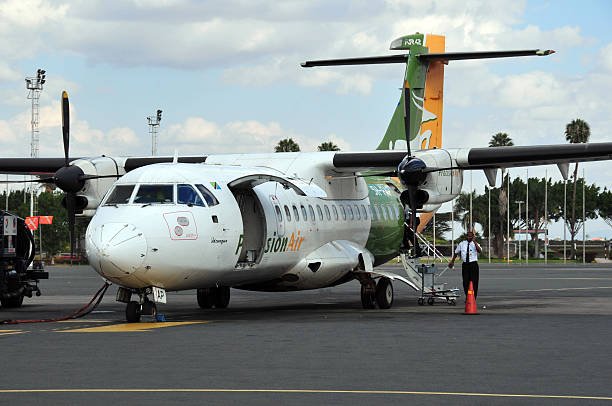
The primary reason for stringent luggage limits on Tanzania’s bush flights boils down to the aircraft themselves. Safari operators utilize small, light aircraft, often Cessnas, Pipers, or similar models, designed for short takeoffs and landings on unpaved airstrips. These planes have:
- Limited Payload Capacity: Every kilogram counts. The total weight of passengers, their luggage, and fuel is carefully calculated to ensure safe operation.
- Small Cargo Holds: The space available for baggage is minimal, often just a small compartment behind the seats or a belly pod.
- Short Takeoff and Landing (STOL) Requirements: Lighter loads enable these aircraft to operate effectively from the often rudimentary airstrips found in national parks and reserves.
These factors mean that unlike a commercial flight where you might check in a large suitcase, on a bush flight, every item’s weight and volume are critical. For your 2026-2027 safari, understanding this context helps explain why soft-sided bags are preferred and why exceeding the weight limit is a serious issue.
The Standard Tanzania Safari Luggage Limits: Weight and Dimensions
While specific allowances can vary slightly between different charter companies operating in Tanzania, a general standard is widely adopted across the industry. This standard is crucial for anyone booking a safari for 2026 or 2027 that involves internal flights.
Weight Restrictions
The most common weight limit for checked baggage on Tanzanian bush flights is 15 kg (33 lbs) per person. Some operators may extend this to 20 kg (44 lbs), but it’s vital to confirm this with your tour operator or the specific airline operating your flights. This allowance typically includes:
- Checked Luggage: Your main duffel bag.
- Hand Luggage: Any small backpack or day bag you carry onto the plane.
This means you need to be judicious about what you pack. Think light, practical, and multi-functional. For a safari in 2026-2027, this often translates to packing clothing that can be layered and re-worn.
Bag Type: The Soft-Sided Duffel is King
This is perhaps the most critical restriction after weight: hard-shell suitcases are almost universally prohibited. The reasons are practical:
- Storage: Soft duffel bags can be more easily compressed and fitted into the tight cargo spaces of small aircraft. Rigid suitcases cannot be deformed and often won’t fit.
- Handling: In remote areas, luggage is often loaded and unloaded by hand, sometimes from a distance. Soft bags are less likely to cause damage to the aircraft or other luggage if they shift.
- Security: While less common, in some cases, duffel bags can be more securely fastened or bundled.
Therefore, for your 2026-2027 safari, investing in a durable, soft-sided duffel bag (often called a “safari bag”) is essential. Aim for dimensions around 25-30 inches (60-75 cm) in length. While there isn’t always a strict dimensional limit beyond what fits in the cargo hold, excessively large bags, even if soft, can be problematic.
Hand Luggage Allowance
Your hand luggage allowance is usually included within the total weight limit. This typically consists of a small backpack or daypack that can hold essentials you’ll need during the flight and on your first day, such as:
- Camera and extra lenses
- Binoculars
- A light jacket or sweater
- Medications
- Travel documents (passport, flight tickets, visa)
- Snacks
- A water bottle
Ensure this daypack is compact and lightweight, as it counts towards your overall 15-20 kg allowance.
Consequences of Exceeding Luggage Limits
Ignoring or misunderstanding the Tanzania safari luggage limits for bush flights can lead to several inconvenient outcomes:
- Denied Boarding: The most direct consequence. If your bag is too heavy or too large, the pilot may refuse to take it, leaving you stranded or needing to make alternative arrangements.
- Excess Baggage Fees: Some charter companies may offer to transport your excess luggage on a later flight, but this comes at a cost. These fees can be substantial, sometimes charged per kilogram over the limit. This is a common scenario for travelers in 2026-2027 who haven’t packed efficiently.
- Repackaging or Leaving Items Behind: You might be forced to remove items from your bag to meet the weight limit, potentially leaving behind necessary gear.
- Logistical Headaches: Arranging for later transport of luggage can disrupt your itinerary and cause stress.
It’s always best to pack smart from the start to avoid these issues. Your safari experience should begin the moment you step off the plane, not with a struggle over luggage.
Tips for Packing Light for Your Tanzania Safari (2026-2027)
Packing efficiently for a safari involving bush flights requires a strategic approach. The goal is to bring everything you need without exceeding the strict Tanzania safari luggage limits for bush flights.
Choose Versatile Clothing
Opt for clothing items that can be mixed and matched and serve multiple purposes. Think neutral colors that don’t show dirt easily (khaki, olive green, brown, beige) and fabrics that are quick-drying.
- Layering is Key: Pack lightweight layers. A t-shirt, a long-sleeved shirt, a fleece or light sweater, and a waterproof/windproof jacket will see you through most conditions.
- Convertible Trousers: Zip-off trousers that convert to shorts are excellent for varying temperatures and activities.
- Multi-use Scarves/Sarongs: Can be used for warmth, sun protection, or even as a makeshift towel.
Embrace Quick-Drying Fabrics
Laundry services are available at most safari lodges, though they may take a day or two and incur a small fee. Quick-drying synthetic fabrics or lightweight merino wool are ideal, as they can be washed in a sink and dry overnight if needed.
Limit Shoes
Shoes take up valuable space and weight. Aim for:
- Comfortable Walking Shoes/Hiking Boots: Broken-in and suitable for light walking or hikes.
- Sandals or Flip-Flops: For relaxing at the lodge or in camp.
- Avoid Heels or Dress Shoes: They are impractical and unnecessary on safari.
Minimize Toiletries
Lodges typically provide basic toiletries like soap, shampoo, and conditioner. Bring travel-sized versions of your preferred brands for anything specific you require. Avoid bulky items.
Pack Smart, Not More
Consider a packing list tailored for the specific activities you’ll be doing. For 2026-2027 safaris, this might include:
- Camera Gear: Extra batteries, memory cards, chargers, and cleaning cloths.
- Binoculars: Essential for wildlife viewing.
- Adapter and Power Bank: For charging devices.
- Sun Protection: High SPF sunscreen, a wide-brimmed hat, and sunglasses.
- Insect Repellent: Especially important for evenings.
- Basic First-Aid Kit: With personal medications.
What Type of Bag to Use for Your Tanzania Safari
The choice of bag is as important as its contents when adhering to Tanzania safari luggage limits for bush flights. Here’s a breakdown:
The Essential Soft-Sided Duffel Bag
This is non-negotiable for most bush flights. Look for a duffel that is:
- Durable: It needs to withstand rough handling.
- Water-Resistant: To protect contents from dust and potential rain.
- Lightweight: The bag itself adds to your weight.
- Spacious but Not Overly Bulky: Aim for the 25-30 inch range.
- Comfortable to Carry: With strong handles and a shoulder strap.
Many travel gear companies offer specific “safari duffels” that fit these requirements perfectly. For your 2026-2027 adventure, ensure your chosen bag meets these criteria.
The Daypack: Your Carry-On Companion
A good daypack is invaluable. It should be:
- Comfortable: For wearing during game drives and transfers.
- Well-Organized: With pockets for easy access to essentials like cameras, water bottles, and snacks.
- Lightweight: As it counts towards your total weight allowance.
- Secure: With zippers to keep contents safe.
What to Avoid
- Hard-Shell Suitcases: As mentioned, these are generally not permitted.
- Backpacks (Large Hiking Style): While useful for trekking, large, rigid backpacks can be difficult to store in the small cargo holds of bush planes. A soft duffel is usually preferred.
- Oversized Bags: Even if soft, a bag that is too long or too wide will not fit.
Specific Considerations for Different Safari Regions
While the general Tanzania safari luggage limits for bush flights remain consistent, certain destinations might have nuances:
Serengeti National Park
The Serengeti is vast and accessed by numerous airstrips. Flights to the Serengeti are frequent, connecting from Arusha and other hubs. The luggage restrictions are strictly enforced here due to the high volume of light aircraft traffic. Expect the standard 15 kg (33 lbs) limit to apply rigorously for your 2026-2027 trip.
Ngorongoro Conservation Area
Access to the Ngorongoro Crater is typically via road from Arusha or Manyara. However, if your itinerary involves flying into a nearby airstrip (like Lake Manyara or Kilimanjaro International Airport) and then transferring, or if you are flying between different regions and one leg involves the Ngorongoro vicinity, the bush flight rules will apply. There are no direct bush flights *into* the crater itself.
Other National Parks (Tarangire, Lake Manyara, Ruaha, Selous/Nyerere)
Parks like Ruaha and Nyerere (formerly Selous Game Reserve) are more remote and often rely heavily on bush flights for access. The luggage restrictions are particularly important here. For instance, flights into Ruaha National Park from Arusha or Dar es Salaam are common, and operators are very strict about the 15-20 kg limit and soft-sided bags. For your 2026-2027 safari planning, always confirm the specific airline and its requirements.
Managing Excess Luggage
What happens if you simply cannot pack light enough, or if you have items you absolutely must bring that exceed the limits? Here are some options:
- Storage at Your Arusha Hotel: Most hotels in Arusha offer secure luggage storage. You can leave larger, non-safari suitcases at your hotel and collect them upon your return from the bush. This is a very common practice.
- Shipping Luggage Separately: In some cases, it might be possible to ship excess luggage via a reliable courier service to your final lodge or back to your departure point, though this can be costly and time-consuming.
- Chartering a Larger Aircraft: For groups or special circumstances, chartering a slightly larger aircraft might be an option, but this significantly increases costs.
- Buying Items at Your Destination: While not ideal for specialized gear, for basic items like toiletries or extra clothing, you might find options at larger towns or lodges, though selection and price can vary.
For travelers in 2026-2027, the most practical solution for bulky items not needed on the bush flight leg is to store them at your Arusha hotel. Top Guide Adventures can assist in arranging this storage for you.
Packing List Essentials for Your 2026-2027 Tanzania Safari
To help you pack within the Tanzania safari luggage limits for bush flights, here is a suggested list. Remember to adapt it based on the season and your specific activities.
Clothing
- 3-4 pairs of lightweight, quick-drying trousers or convertible pants
- 2-3 pairs of shorts (optional, depending on preference and season)
- 5-7 lightweight, breathable t-shirts or tops
- 2-3 long-sleeved shirts (for sun protection and cooler evenings)
- 1-2 sweaters or fleeces
- 1 waterproof and windproof jacket
- 1-2 sets of comfortable sleepwear
- 7-10 pairs of socks (moisture-wicking)
- 7-10 pairs of underwear
- 1 swimsuit (many lodges have pools)
- 1 wide-brimmed hat or cap for sun protection
- 1 lightweight scarf or bandana
Footwear
- 1 pair of comfortable, broken-in walking shoes or light hiking boots
- 1 pair of sandals or flip-flops
Toiletries (Travel Size)
- Toothbrush and toothpaste
- Shampoo, conditioner, soap/body wash
- Deodorant
- Face wash and moisturizer
- Sunscreen (high SPF)
- Insect repellent (with DEET or Picaridin)
- Lip balm with SPF
- Personal medications
- Small first-aid kit (band-aids, antiseptic wipes, pain relievers, motion sickness medication)
- Hand sanitizer
Accessories & Gear
- Camera with extra batteries and memory cards
- Binoculars
- Sunglasses
- Reusable water bottle
- Travel adapter and power bank
- Headlamp or small flashlight
- Book or e-reader
- Small notebook and pen
- Copies of important documents (passport, visa, insurance)
- Small, lightweight daypack
- Ziploc bags (useful for waterproofing small items)
Booking Your 2026-2027 Tanzania Safari with Luggage in Mind
When planning your safari for 2026 or 2027 with Top Guide Adventures, we make sure you are fully informed about all logistical requirements, including luggage. Our team is experienced in helping clients pack efficiently and manage their baggage to comply with Tanzania safari luggage limits for bush flights.
We work with reputable local charter companies and are always updated on their specific policies for the upcoming seasons. When you book with us, you receive personalized advice tailored to your itinerary. For instance, if your safari includes multiple internal flights, we’ll emphasize the need for strict adherence to the limits.
Important Considerations for 2026-2027 Bookings:
- Confirm with Us: Always confirm the exact luggage allowance (weight and bag type) with your Top Guide Adventures consultant when booking.
- Soft Duffel Bag: Ensure your main bag is a soft-sided duffel, not a hard suitcase.
- Pack Light: Prioritize versatile, quick-drying clothing and essential items.
- Excess Luggage Plan: Discuss options for storing excess luggage in Arusha if necessary.
- Children’s Allowances: Luggage allowances often apply per person, including children. Clarify this for your family trip.
Frequently Asked Questions About Safari Luggage Limits
Here are some common questions we receive regarding luggage for Tanzania safaris involving bush flights:
Can I bring a hard-shell suitcase on a bush flight in Tanzania?
No, hard-shell suitcases are almost universally prohibited on Tanzanian bush flights due to the limited and often irregularly shaped cargo holds of small aircraft. You must use a soft-sided duffel bag.
What happens if my luggage is overweight for a bush flight?
If your luggage is overweight, you may be required to pay an excess baggage fee, which can be substantial. In some cases, the pilot may refuse to carry the excess luggage, requiring you to make alternative arrangements or leave items behind.
Are there different luggage limits for different charter companies?
While the 15-20 kg (33-44 lbs) limit and the soft-sided bag requirement are standard, there can be slight variations between charter companies. It is crucial to confirm the specific allowance with your tour operator or the airline operating your flights.
Can I bring a backpack as my main luggage?
While a small daypack is essential, a large hiking backpack is generally not recommended as your primary luggage for bush flights. The shape and rigidity can make them difficult to fit into the cargo holds. A soft-sided duffel bag is the preferred and often mandatory option.
What is the typical weight limit for hand luggage on a bush flight?
Hand luggage is usually included within the overall weight limit of 15-20 kg. Ensure your daypack is compact and lightweight, as its contents and the bag itself count towards your total allowance.
How can I manage my main suitcase if I’m flying between safari camps?
The best approach is to store your main suitcase at your Arusha hotel. You will then travel between camps with only your soft-sided duffel bag and daypack. Your larger suitcase can be retrieved upon your return to Arusha.
Do children have the same luggage allowance?
Generally, yes. The luggage allowance is per person, regardless of age, as each seat on a light aircraft has a weight restriction. Always clarify this with your tour operator when booking for families.
What should I pack in my daypack for a bush flight?
Pack essentials like your camera, binoculars, a light jacket, medications, travel documents, snacks, and a water bottle. Anything you might need during the flight or immediately upon arrival should be in your daypack.
Can I buy luggage in Arusha if I don’t have a suitable bag?
Yes, some shops in Arusha sell safari duffel bags. However, the selection might be limited, and prices can vary. It’s best to purchase a suitable bag in advance to ensure quality and fit.
When should I confirm my luggage details for a 2027 safari?
You should confirm your luggage details as soon as you book your safari, and certainly well in advance of your departure. This allows ample time to purchase the correct bag and pack accordingly.
Planning Your 2026-2027 Tanzania Safari with Top Guide Adventures
Understanding and adhering to the Tanzania safari luggage limits for bush flights is a vital part of a well-planned safari. At Top Guide Adventures, we are dedicated to ensuring your journey is as smooth and enjoyable as possible, from the initial planning stages to your departure. Our expertise in Tanzanian travel means we can provide clear, practical advice on everything from packing lists to logistical arrangements.
We pride ourselves on offering personalized attention and dedicated support. Whether you’re planning a classic Northern Circuit safari covering the Serengeti and Ngorongoro, a more adventurous journey to Ruaha, or a combination of safari and Zanzibar, we have the knowledge to guide you. Our team is available to answer all your questions and help you prepare for an unforgettable experience in 2026 and 2027.
Don’t let luggage concerns dampen your safari excitement. Contact us today to start planning your dream Tanzanian adventure. We can assist with all aspects of your trip, ensuring you are fully prepared for every leg of your journey, including the crucial bush flight transfers. Reach out via WhatsApp at +255616946642, email us at topguideadventures@gmail.com, or use our backup email info@topguideadventurestanzania.com. Let’s make your 2026-2027 Tanzania safari a reality!
Check Availability for Tanzania Safari Luggage Limits For Bush Flights: Your Essential Guide
Ready to compare dates, prices, and the best option for your group? Send the package name and travel month so the team can reply with a clear quote, availability, and what is included.
Tanzania Private Safari Prices 2026-2027
Tanzania Private Safari Prices is explained with current 2026-2027 planning, price, itinerary and booking information.
View package details
Tanzania Photography Safari Prices: Your Comprehensive Guide 2026-2027
Planning a photography safari in Tanzania for 2026 or 2027? This guide breaks down the expected costs, helping you budget for an unforgettable wildlife photography adventure. Learn what...
View package details
Tanzania Wildlife Safari Cost Breakdown: Your Budget Guide 2026-2027
Planning a Tanzania wildlife safari involves understanding the key cost components. This guide provides a detailed breakdown for 2026-2027, covering everything from park fees and...
View package details
Katavi National Park: Tanzanias Untamed Wilderness Safari Guide 2026-2027
Katavi National Park offers an unparalleled safari experience in Tanzania's remote wilderness. This guide explores its vast landscapes, abundant wildlife, best visiting times for 2026-2027...
View package details
Ngorongoro Conservation Area: Your Ultimate Tanzania Safari Guide 2026-2027
Explore the unparalleled biodiversity and unique landscape of the Ngorongoro Conservation Area. This comprehensive guide covers everything you need to know for planning your 2026-2027...
View package details
Tanzania Fly-In Safari Prices 2026-2027
Tanzania Fly-In Safari Prices is explained with current 2026-2027 planning, price, itinerary and booking information.
View package details
Tanzania Group Safari Cost Guide
Planning a Tanzania group safari in 2026-2027? This comprehensive guide breaks down the Tanzania group safari cost, detailing what influences prices, typical inclusions, and how to budget...
View package details
Tanzania Budget Safari Prices: Your Guide To Affordable Adventures 2026-2027
Planning a budget safari in Tanzania for 2026 or 2027? Understand the typical price ranges, what influences costs, and how to get the most value for your money. This guide breaks down the...
View package details
Tanzania Luxury Safari Cost: Planning Your Dream Trip 2026-2027
Planning a luxury safari in Tanzania? Discover the typical costs involved for 2026-2027, what drives the price, and what to expect in terms of inclusions and value for an unparalleled...
View package details
Tanzania Honeymoon Safari Prices: Your Ultimate Guide 2026-2027
Planning a romantic Tanzanian honeymoon safari? This guide breaks down the expected prices for 2026-2027, covering various factors that influence costs, typical inclusions, and how to get...
View package details
Tanzania Family Safari Cost: Planning Your Adventure 2026-2027
Planning a family safari in Tanzania for 2026 or 2027? This comprehensive guide breaks down the Tanzania family safari cost, detailing what influences your budget, typical price ranges, and...
View package details
Tanzania Bird Watching Safari Prices: Your Guide 2026-2027
Planning a bird watching safari in Tanzania? This guide breaks down the costs for 2026-2027, explaining what influences prices and how to get the best value for your ornithological...
View package detailsNo related package matches those filters. Clear one or more filters to see the other topic-matched options.



