
A Séjour Kilimanjaro, or a trip to climb Mount Kilimanjaro, requires meticulous planning, typically involving selecting a suitable route, understanding the costs involved, choosing the best time of year for your ascent, and preparing physically and mentally. Top Guide Adventures specializes in organizing these expeditions, offering various itineraries, guide services, and support to ensure a safe and successful climb, especially for those planning for 2026 or 2027.
Understanding Your Séjour Kilimanjaro: Beyond the Summit
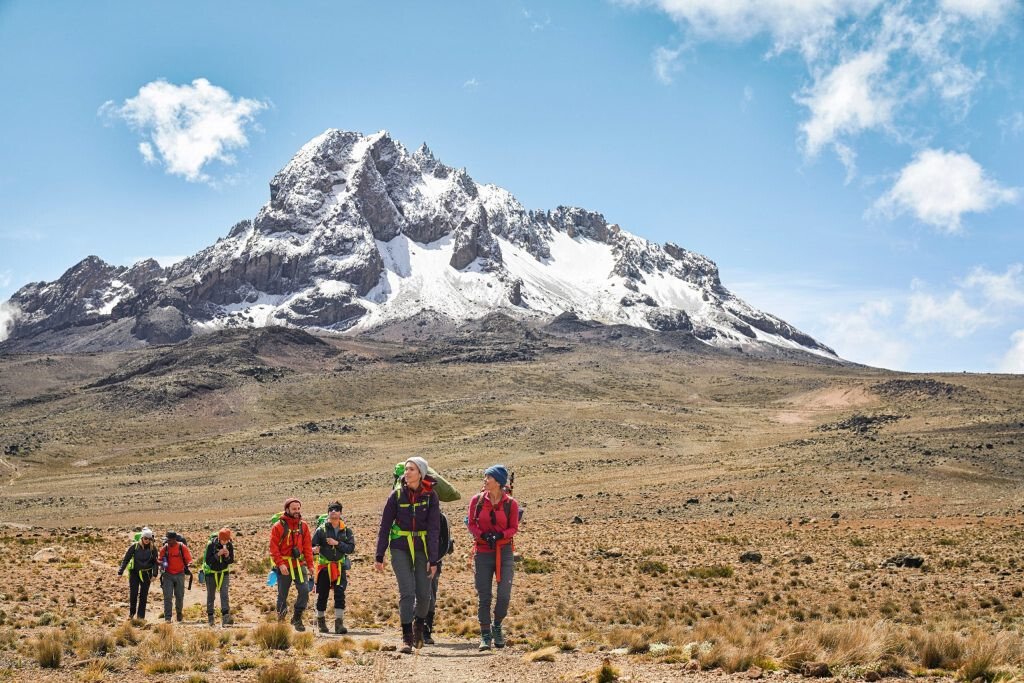
Mount Kilimanjaro, the Roof of Africa, stands as an iconic destination for trekkers worldwide. A Séjour Kilimanjaro Is more than just a physical challenge; it’s a detailed experience that takes you through diverse ecological zones, from lush rainforests at the base to the stark, alpine desert and finally, the glacial zone near the summit. For many, it represents a pinnacle of personal achievement, a spiritual journey, and an unforgettable encounter with Tanzania’s natural grandeur. Planning this adventure, especially with future dates like 2026 or 2027 in mind, involves a deep look at what makes a Kilimanjaro climb successful and enjoyable.
At Top Guide Adventures, we understand that each climber’s dream is unique. Whether you envision a challenging, rapid ascent or a more leisurely journey focused on acclimatization and appreciating the scenery, we tailor our Kilimanjaro trekking tours To meet your aspirations. Our expertise ensures that your Séjour Kilimanjaro Is not just about reaching Uhuru Peak, but about the entire experience – from the moment you book your trip to the celebratory meal upon your descent.
Choosing the Right Kilimanjaro Route for Your Séjour
The selection of a climbing route is perhaps the most critical decision for your Séjour Kilimanjaro. Each of the seven main routes offers a distinct experience in terms of difficulty, scenery, acclimatization profile, and cost. Understanding these differences is key to selecting the path that best suits your fitness level, time constraints, and desire for a successful summit bid.
The Popular Paths: Marangu and Machame
The Marangu Route, often called the “Coca-Cola” route, is the oldest and most established path. It’s known for its gradual ascent and the availability of dormitory-style huts, offering a more comfortable shelter than camping. It is typically done over 5 or 6 days. While popular for its perceived ease, the 5-day option has a relatively low success rate due to poor acclimatization. The 6-day version improves this significantly.
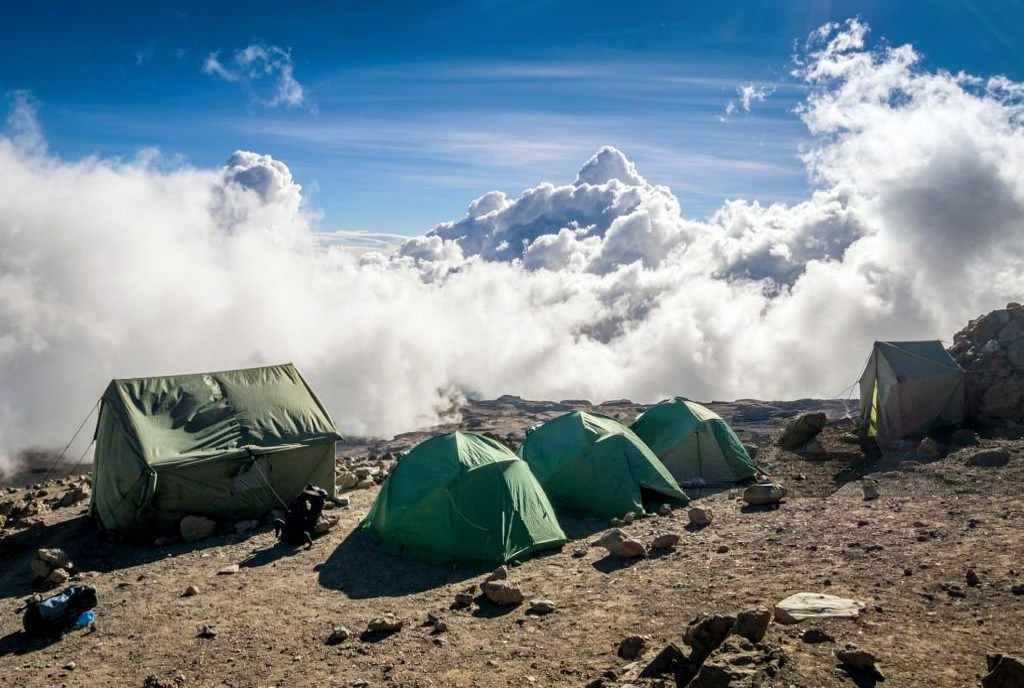
The Machame Route, or “Whiskey” route, is arguably the most popular for its scenic beauty and excellent acclimatization profile. It’s a camping route, offering a more rugged experience. Typically trekked over 6 or 7 days, Machame provides a higher success rate due to its “climb high, sleep low” strategy, which is crucial for adapting to altitude. For a Séjour Kilimanjaro Focused on success and immersion, Machame is a top contender.
Routes for Enhanced Acclimatization and Scenery: Lemosho and Shira
The Lemosho Route Is a newer, longer, and more scenic option, starting in the west and crossing the Shira Plateau. It offers excellent acclimatization, often trekked over 7 or 8 days. Its remote starting point means less foot traffic initially, providing a more pristine wilderness experience. Lemosho is highly recommended for those prioritizing scenery and a higher chance of summit success. It eventually merges with the Machame route.
The Shira Route Is similar to Lemosho, also starting in the west, but it begins at a higher altitude on the Shira Plateau. This can be a disadvantage for acclimatization for some, but it offers immediate stunning views. It’s generally longer, 7-8 days, and also a camping route.
Challenging and Remote Options: Rongai and Northern Circuit
The Rongai Route Is the only route that approaches Kilimanjaro from the north, near the Kenyan border. It’s a drier, less scenic route than the southern paths, making it a good option during the rainy seasons. It’s typically a 6 or 7-day trek, and like Machame, it offers good acclimatization. It descends via the Marangu route.
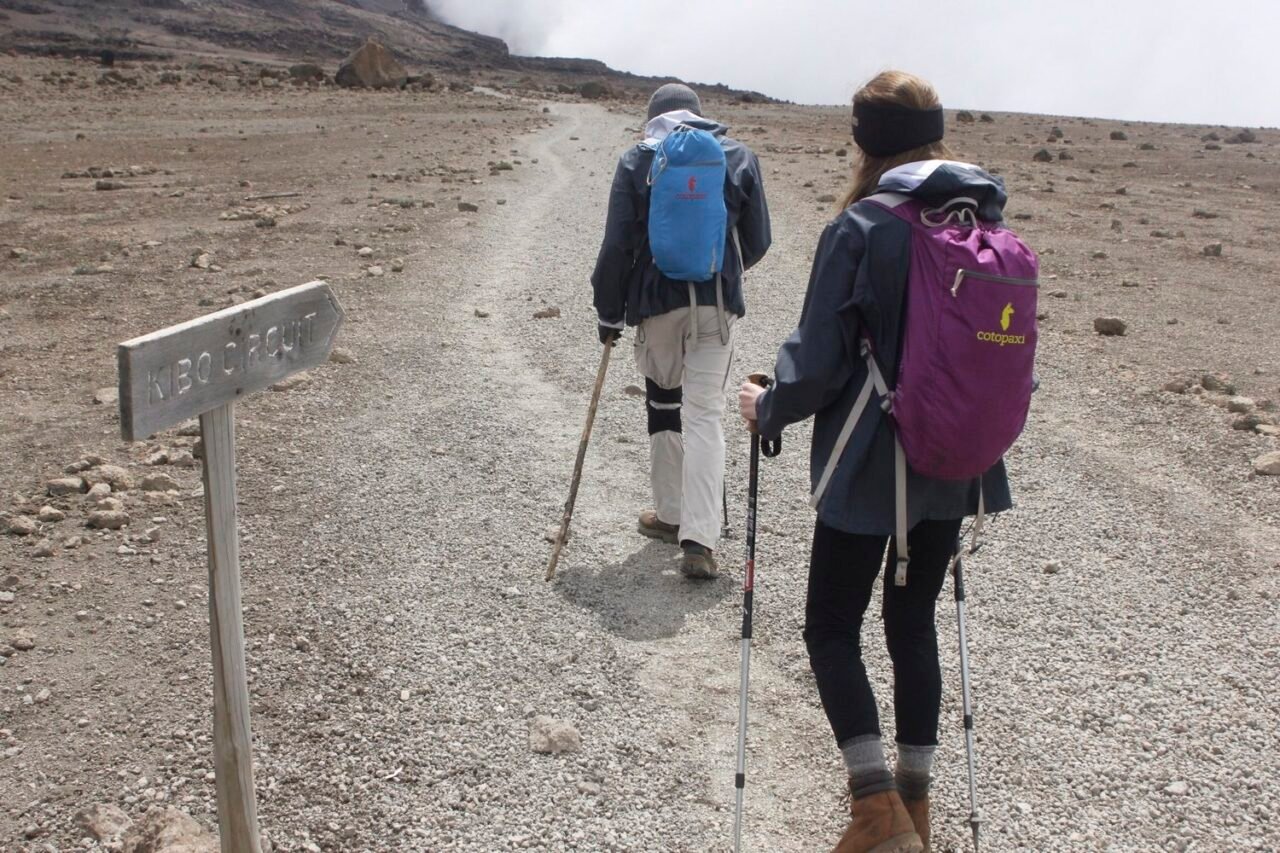
The Northern Circuit Is the longest and arguably the most scenic route, circumnavigating the mountain. It offers the best acclimatization profile, with a 9-day itinerary being common. This route provides the highest success rates and allows trekkers to experience all sides of the mountain. It’s ideal for those who want a more relaxed pace and a deeper appreciation of Kilimanjaro’s diverse landscapes.
The Direct Ascent: Umbwe Route
The Umbwe Route Is the shortest, steepest, and most direct route. It is considered the most difficult and has the lowest success rate due to its rapid ascent and poor acclimatization. It is only recommended for very experienced and fit hikers who are already well-acclimatized to high altitudes.
Route Comparison Snapshot
| Route | Typical Duration (Days) | Scenery | Acclimatization | Accommodation | Success Rate |
|---|---|---|---|---|---|
| Marangu | 5-6 | Moderate | Fair (poor on 5-day) | Huts | Low (5-day) to Moderate (6-day) |
| Machame | 6-7 | Excellent | Good | Camping | High |
| Lemosho | 7-8 | Exceptional | Very Good | Camping | Very High |
| Shira | 7-8 | Excellent | Good | Camping | High |
| Rongai | 6-7 | Moderate | Good | Camping | High |
| Umbwe | 5-6 | Steep, Direct | Poor | Camping | Low |
| Northern Circuit | 9 | Exceptional (Full Circuit) | Excellent | Camping | Very High |
Timing Your Séjour Kilimanjaro: The Best Months for Climbing
The weather on Kilimanjaro can be unpredictable, but there are distinct dry seasons that offer the most favorable conditions for a Séjour Kilimanjaro. Understanding these periods is crucial for a comfortable and successful climb, especially when planning for 2026 or 2027.
The two primary dry seasons are:
- January to March: This is generally a good period with clear skies and less rainfall. It’s a popular time, so expect more trekkers on the mountain.
- June to October: This is the longest dry season, offering stable weather, cool temperatures, and clear views. It’s another peak season for climbing.
There are two shoulder seasons, which can also be good but with a higher chance of rain:
- April and May: These months mark the ‘long rains’ season, with heavy rainfall common, especially at lower altitudes. Climbing during this time is possible but challenging and less recommended.
- November and December: This is the ‘short rains’ season, with intermittent showers. While not as intense as the long rains, they can still affect visibility and trail conditions.
For planning your Séjour Kilimanjaro In 2026-2027, aiming for the dry seasons (January-March or June-October) will generally provide the most pleasant experience. However, the Northern Circuit route is often recommended for its ability to offer good trekking conditions even during some of the wetter periods due to its altitude and location.
Preparing for Your Kilimanjaro Trek: Fitness and Gear
A successful Séjour Kilimanjaro Hinges on adequate preparation. This involves both physical conditioning and ensuring you have the right equipment.
Physical Fitness for the Climb
While you don’t need to be an elite athlete, a good level of cardiovascular fitness is essential. Focus on:
- Endurance Training: Regular hiking, running, cycling, or swimming for at least 3-4 times a week in the months leading up to your trip.
- Strength Training: Focus on leg strength (squats, lunges) and core stability.
- Hiking Practice: Undertake long hikes, preferably with a backpack and on varied terrain, to simulate mountain conditions. Aim for at least one hike per week that is several hours long.
Remember, the altitude is the biggest challenge, not necessarily the steepness of the trails. Good fitness helps your body cope better with the altitude and makes the trek more enjoyable.
Essential Gear for Your Séjour Kilimanjaro
Packing correctly is vital for comfort and safety. Layers are key, as temperatures can vary dramatically from the base to the summit. Top Guide Adventures provides detailed packing lists, but here are the essentials:
Kilimanjaro Packing Essentials
- Clothing: Moisture-wicking base layers, insulating mid-layers (fleece), waterproof and windproof outer shell (jacket and trousers), warm down jacket for summit night, thermal underwear, hiking trousers, shorts, t-shirts.
- Footwear: Broken-in waterproof hiking boots, camp shoes or trainers, several pairs of warm hiking socks (wool or synthetic).
- Headwear: Warm hat (beanie), sun hat with a brim, balaclava or neck gaiter for summit night.
- Handwear: Warm waterproof gloves or mittens, liner gloves.
- Sleeping Gear: 4-season sleeping bag (rated to at least -15°C or -20°C), sleeping bag liner for extra warmth.
- Backpack: A comfortable daypack (30-40L) for essentials during the trek, and a larger duffel bag (80-100L) for porters to carry.
- Trekking Poles: Highly recommended for stability and reducing knee strain.
- Headlamp: With extra batteries, essential for summit night.
- Water Bottles/Hydration Reservoir: At least 3 liters capacity.
- Sun Protection: High SPF sunscreen, lip balm with SPF, sunglasses.
- First-Aid Kit: Personal medications, blister treatment, pain relievers, antiseptic wipes, bandages.
- Toiletries: Biodegradable soap, toothbrush, toothpaste, wet wipes, hand sanitizer.
- Other: Camera, power bank, snacks, gaiters, reusable water bottle, thermal flask.
For a Séjour Kilimanjaro Planned for 2026-2027, start gathering your gear well in advance. Investing in quality, waterproof, and breathable clothing will make a significant difference to your comfort and safety on the mountain.
Understanding the Cost of Your Séjour Kilimanjaro
The Kilimanjaro Cost Can vary significantly based on the route chosen, the duration of the trek, the operator, and the level of service provided. When budgeting for your Séjour Kilimanjaro, it’s important to understand what is typically included and excluded.
Typical Inclusions in Kilimanjaro Tour Packages:
- Park fees (Kilimanjaro National Park entry, camping/hut fees, conservation fees)
- Rescue fees
- Professional guides (licensed, English-speaking)
- Cooks and porters
- All meals during the trek (breakfast, lunch, dinner)
- Boiled drinking water
- Accommodation in tents (or huts on Marangu)
- Group equipment (tents, cooking equipment)
- Oxygen cylinders (often carried by guides)
- Transfer to and from the mountain
Common Exclusions:
- International flights to Kilimanjaro International Airport (JRO)
- Visa fees
- Travel insurance (mandatory, must cover high-altitude trekking and emergency evacuation)
- Personal gear and equipment rental
- Tips for guides, cooks, and porters (a significant part of the total cost)
- Lunches and dinners in Arusha/Moshi before and after the trek
- Alcoholic and soft drinks
- Personal expenses
- Optional gratuities for drivers or hotel staff
Price Range Guidance for 2026-2027:
Generally, a reputable Kilimanjaro trekking tour Package for a standard 6-7 day trek can range from $1,800 to $3,500 USD per person. Longer routes like the Northern Circuit (9 days) will naturally cost more, potentially ranging from $2,500 to $4,500+ USD per person. Budget operators may offer lower prices, but it’s crucial to ensure they don’t compromise on safety, guide quality, or porter welfare.
Factors Influencing Kilimanjaro Cost:
- Route Duration: Longer routes mean more days of park fees, food, and staff.
- Operator Reputation: Established companies with good safety records and ethical treatment of staff often cost more.
- Group Size: Private climbs are more expensive per person than joining a group.
- Inclusions: Some packages might include gear rental or pre/post-climb accommodation, increasing the price.
- Time of Year: Peak season climbs might have slightly higher prices due to demand.
When planning your Séjour Kilimanjaro For 2026-2027, always request detailed itineraries and inclusions. Top Guide Adventures provides transparent pricing and detailed breakdowns for all our Kilimanjaro trekking tours. Contact us for a personalized quote.
Altitude Sickness: Prevention and Management
Altitude sickness, or Acute Mountain Sickness (AMS), is the most significant health risk on Kilimanjaro. Understanding its symptoms and how to prevent and manage it is paramount for a safe Séjour Kilimanjaro.
Understanding AMS:
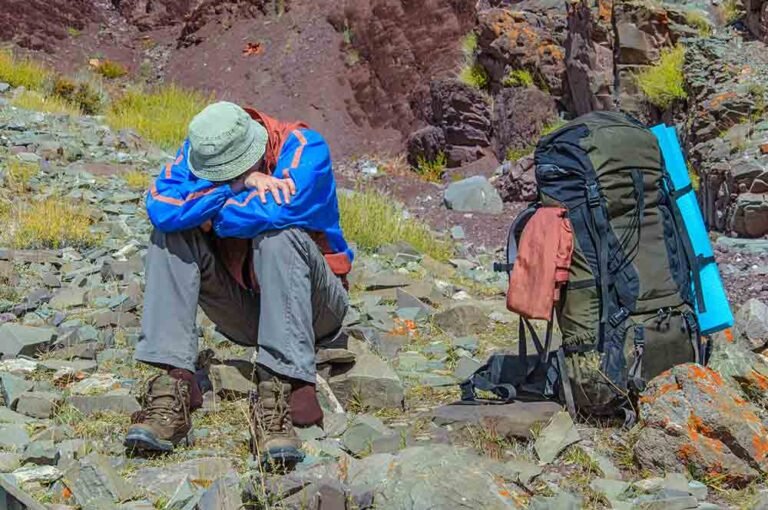
AMS occurs when your body doesn’t get enough oxygen at high altitudes. Symptoms can include headaches, nausea, dizziness, fatigue, and shortness of breath. In severe cases, it can progress to High Altitude Cerebral Edema (HACE) or High Altitude Pulmonary Edema (HAPE), which are life-threatening.
Prevention Strategies:
- Ascend Slowly: This is the most effective prevention. Choose longer routes (6-9 days) that allow for gradual acclimatization. Follow the principle of “climb high, sleep low.”
- Stay Hydrated: Drink plenty of water (3-4 liters per day).
- Avoid Alcohol and Smoking: These can exacerbate altitude symptoms.
- Eat Well: Maintain a good diet, although appetite may decrease at altitude.
- Medication: Diamox (acetazolamide) can be prescribed by your doctor to help with acclimatization. It is a preventative measure, not a cure.
Recognizing and Responding to Symptoms:
Your guides are trained to recognize AMS symptoms. The cardinal rule is: if symptoms worsen or do not improve with rest, descend. Never ascend with symptoms of AMS. Your guide will monitor you closely, and prompt action can prevent serious complications. For a safe Climb Mount Kilimanjaro Experience, trust your guides’ expertise.
The Role of Guides and Porters on Your Séjour Kilimanjaro
The crew accompanying you on your Séjour Kilimanjaro Is integral to its success and your safety. Top Guide Adventures works with highly trained and experienced local teams.
Guides:
Your lead guide and assistant guides are certified professionals. They possess extensive knowledge of the mountain, its routes, flora, fauna, and crucially, altitude sickness management. They make critical decisions regarding pace, rest stops, and safety, ensuring you have the best possible chance of reaching the summit and returning safely.
Porters:
Porters carry the bulk of the equipment, including tents, food, cooking gear, and your personal duffel bag. They are essential for making the trek feasible. Top Guide Adventures is committed to ethical treatment of porters, ensuring they are well-equipped, fed, and fairly compensated.
Tipping your crew is a significant part of the Kilimanjaro Cost And is customary. A general guideline is provided by the Kilimanjaro Porters Assistance Project (KPAP), and your tour operator will offer specific recommendations. A well-tipped crew is a motivated crew, contributing to a positive trekking experience.
Acclimatization and Summit Night Strategy
Reaching the summit of Kilimanjaro is a feat of endurance, with summit night being the most challenging part of any Séjour Kilimanjaro.
The Summit Push:
Summit night typically begins around midnight from the last camp (e.g., Barafu Camp on Machame, Kibo Huts on Marangu). You’ll be trekking in the dark, often in cold temperatures, up steep scree slopes. The pace is slow and steady, focusing on “pole pole” (slowly, slowly).
Key to Success:
- Pacing: Maintain a slow, consistent pace.
- Hydration: Drink water regularly, even if you don’t feel thirsty.
- Warmth: Layer up effectively to combat the extreme cold.
- Mental Fortitude: Summit night is as much a mental challenge as a physical one. Focus on one step at a time.
- Listen to Your Body: Communicate any discomfort to your guide immediately.
The goal is to reach Stella Point on the crater rim by sunrise, then continue the final hour to Uhuru Peak, the true summit. After a brief celebration and photos, the descent is crucial. Descending quickly helps to mitigate the effects of altitude, but it must be done carefully.
Planning Your Séjour Kilimanjaro for 2026-2027: Booking and Logistics
Booking your Séjour Kilimanjaro Well in advance is recommended, especially if you have specific dates in mind for 2026-2027, as popular routes and dates can fill up. Top Guide Adventures offers a streamlined booking process.
Steps to Book:
- Contact Us: Reach out to us via email (info@topguideadventures.com or topguideadventures@gmail.com) or WhatsApp (+255616946642) to discuss your desired dates, route, and group size.
- Receive a Custom Itinerary and Quote: We will provide a detailed itinerary, including all inclusions and exclusions, along with a transparent quote.
- Confirmation and Deposit: Once you accept the proposal, a deposit is required to secure your booking.
- Pre-Trip Information: We will send you comprehensive pre-departure information, including packing lists, training advice, and visa requirements.
- Final Payment: The remaining balance is typically due a few weeks before your departure date.
Choosing Top Guide Adventures for your Kilimanjaro trekking tour Means partnering with a trusted local operator dedicated to your safety, enjoyment, and the well-being of our staff. We pride ourselves on providing personalized attention and support throughout your journey.
Whether you are dreaming of a Séjour Kilimanjaro In 2026 Or planning further ahead for 2027, let Top Guide Adventures be your guide to the Roof of Africa. Our commitment is to make your climb an extraordinary and life-changing experience.
Ready to plan your ultimate Kilimanjaro adventure? Contact Top Guide Adventures today for a personalized quote and expert advice.
Check Availability for Séjour Kilimanjaro: Planning Your Ultimate Climb In 2026-2027
Ready to compare dates, prices, and the best option for your group? Send the package name and travel month so the team can reply with a clear quote, availability, and what is included.
5-Day Marangu Route Kilimanjaro Climb: Your Expert Guide For 2026-2027
Discover everything you need to know for a 5-Day Marangu Route Kilimanjaro climb. This guide covers essential itinerary details, preparation advice, cost considerations for 2026-2027, and...
View package details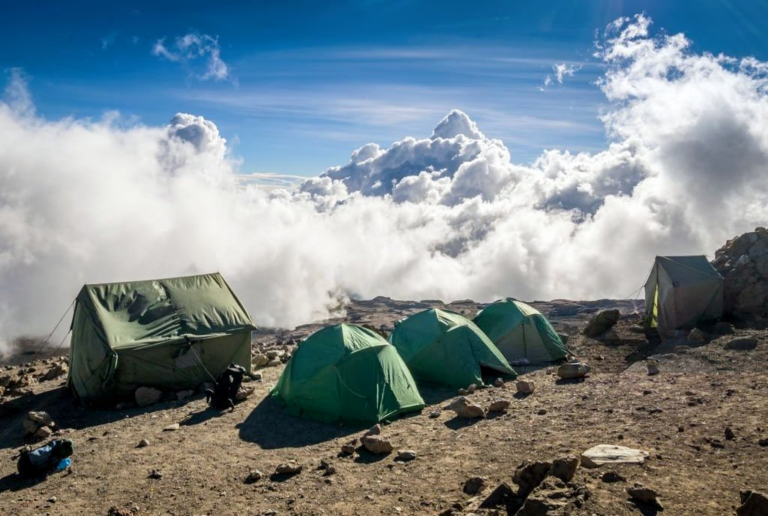
6-Day Marangu Route Kilimanjaro Group Tour 2026-2027
6-Day Marangu Route Kilimanjaro Group Tour is explained with current 2026-2027 planning, price, itinerary and booking information.
View package details6-Month Kilimanjaro Fitness Plan: Train For Your Summit Success In 2026-2027
A detailed 6-month fitness plan designed to get you ready for a Kilimanjaro climb. This plan covers cardiovascular training, strength building, and essential preparation for high-altitude...
View package details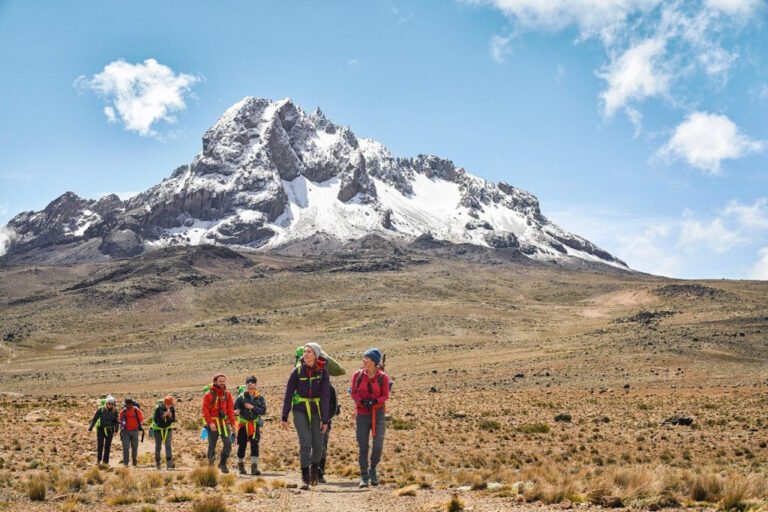
7-Day Lemosho Route Kilimanjaro Climb 2026-2027
7-Day Lemosho Route Kilimanjaro Climb is explained with current 2026-2027 planning, price, itinerary and booking information.
View package details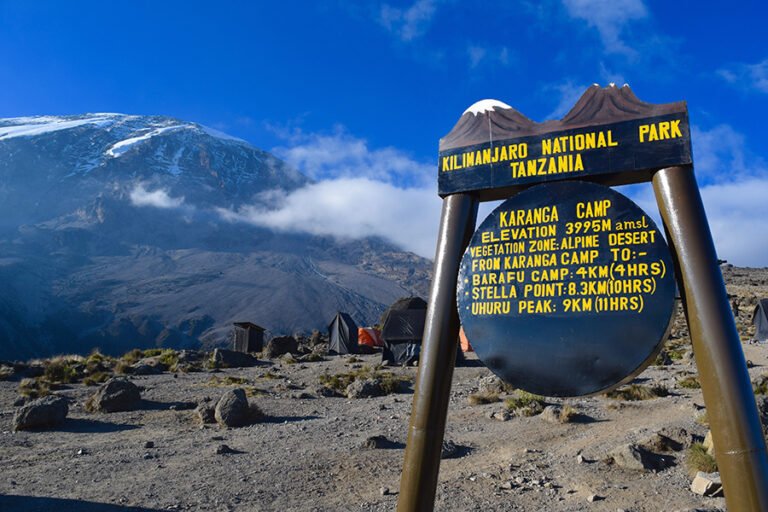
7-Day Vs 8-Day Kilimanjaro Climb: Which Itinerary Is Right For You? 2026-2027
Deciding between a 7-day or 8-day climb on Mount Kilimanjaro involves weighing acclimatization benefits against time constraints. While both routes aim for the summit, the longer 8-day...
View package details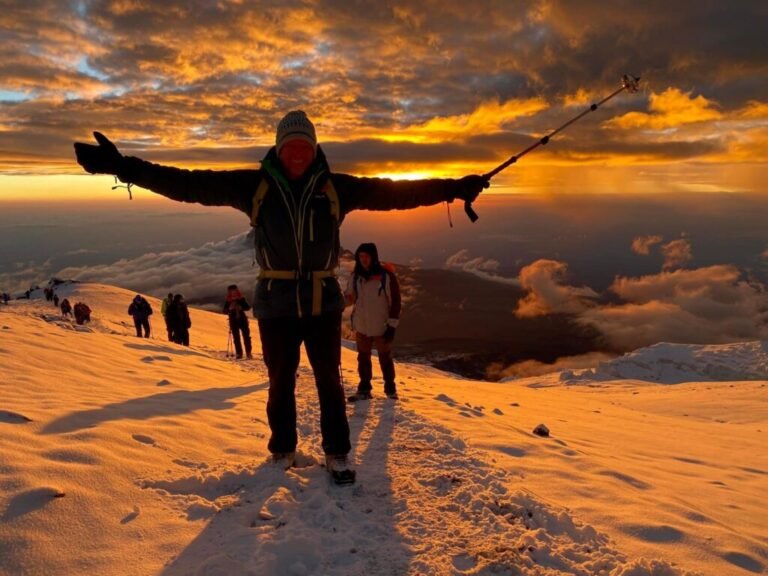
A Day In The Life Of A Kilimanjaro Porter: Behind Scenes On Africas Highest
Explore the demanding yet rewarding life of a Kilimanjaro porter. This article details their daily routines, the vital support they provide to climbers, and the incredible physical and...
View package details
Best Hiking Kilimanjaro Routes: Your Ultimate Guide 2026-2027
Choosing the best route for your Kilimanjaro climb in 2026 or 2027 is crucial. This comprehensive guide from Top Guide Adventures breaks down the most popular routes, helping you select the...
View package details
Best Kilimanjaro Bike Trek: Routes, Tips & Planning 2026-2027
Explore the ultimate guide to Kilimanjaro bike treks, covering the best routes, essential preparation, and what to expect for your 2026-2027 adventure. Learn about the unique challenges and...
View package details
Best Kilimanjaro Day Hike Options For A Taste Of The Summit In 2026-2027
Explore the top Kilimanjaro day hike routes, offering a glimpse of Africa's highest peak without the commitment of a full summit climb. Perfect for acclimatization or a short adventure in...
View package details
Best Kilimanjaro Guided Hikes For : Routes, Operators & Planning 2026-2027
Choosing the best Kilimanjaro guided hike is crucial for a successful summit. Top Guide Adventures offers expertly guided treks for 2026-2027, focusing on safety, acclimatization, and...
View package details
Best Kilimanjaro Packing List For Climbs: Your Ultimate Gear Guide 2026-2027
Prepare for your Kilimanjaro adventure with Top Guide Adventures' comprehensive packing list. Essential gear, clothing, and accessories for a safe and successful climb in 2026-2027.
View package details
Best Kilimanjaro Route For Beginners: Your Ultimate Guide 2026-2027
Choosing the best Kilimanjaro route for beginners is crucial for a successful and enjoyable climb. This guide breaks down the most suitable options, considering factors like...
View package detailsNo closely related package is available for this topic yet.



