
Mount Kilimanjaro climbing tours for 2026-2027 offer a range of options from 5 to 9+ days across popular routes like Machame, Lemosho, and Marangu, with prices typically starting from $1,800 to $3,500+ per person depending on the route, duration, and operator. Top Guide Adventures provides expertly guided expeditions with comprehensive support, focusing on safety, acclimatization, and a successful summit experience.
Choosing Your Mount Kilimanjaro Climbing Tour: A Comprehensive 2026-2027 Guide
Reaching the Roof of Africa, the majestic Mount Kilimanjaro, is a dream for many adventurers. As you plan your expedition for 2026 or 2027, selecting the right Mount Kilimanjaro climbing tour is paramount. This isn’t just about booking a trip; it’s about ensuring your safety, maximizing your chances of summiting, and having an unforgettable experience. Top Guide Adventures, a leading operator in Tanzania, is dedicated to providing you with the knowledge and support needed to make an informed decision. We’ll explore everything from the best routes and essential preparation to understanding costs and choosing a reputable tour operator.
The journey to Uhuru Peak, Kilimanjaro’s summit at 5,895 meters (19,341 feet), requires careful planning and a commitment to training. This guide is designed to be your single resource, covering all aspects of Mount Kilimanjaro climbing tours, ensuring you are well-prepared for your 2026-2027 adventure.
Understanding Mount Kilimanjaro: The Basics for Climbers
Before diving into tour specifics, it’s crucial to grasp the fundamentals of Mount Kilimanjaro. This dormant volcano in Tanzania is the highest free-standing mountain in the world and a bucket-list destination for trekkers globally. Its unique ecosystem, ranging from lush rainforests at the base to alpine desert and arctic summit conditions, makes the ascent a remarkable journey through diverse landscapes.
Geology and Location
Kilimanjaro is part of the East African Rift, a massive geological fault line. It comprises three volcanic cones: Shira, Kibo (the highest peak, with Uhuru Peak as its summit), and Mawenzi. Located in northern Tanzania, near the border with Kenya, it is accessible via Kilimanjaro International Airport (JRO).
Climate and Best Times to Climb
Kilimanjaro experiences distinct seasons. The dry seasons, generally from January to March and June to October, are considered the best times for climbing due to stable weather and clear skies. While possible to climb year-round, the wet seasons (April-May and November-December) bring increased rain, mud, and potential snow at higher altitudes, making the trek more challenging. For 2026-2027, these dry windows remain the prime periods for optimal climbing conditions.
Altitude Sickness: The Primary Challenge
The biggest hurdle for most Kilimanjaro climbers is altitude sickness (Acute Mountain Sickness – AMS). As you ascend, the atmospheric pressure decreases, and the amount of oxygen available to your body reduces. Proper acclimatization, achieved through slow ascent (the “pole pole” – slowly, slowly – principle), adequate hydration, and choosing longer routes, is critical. Symptoms can range from headaches and nausea to more severe conditions like HAPE (High Altitude Pulmonary Edema) and HACE (High Altitude Cerebral Edema). Reputable Mount Kilimanjaro climbing tours prioritize climber safety by including acclimatization days and having experienced guides trained to recognize and manage AMS.
Key Kilimanjaro Routes: Finding the Perfect Path for Your 2026-2027 Climb
There are seven official routes to the summit of Kilimanjaro, each offering a different experience in terms of scenery, difficulty, acclimatization, and success rates. Choosing the right route is one of the most important decisions you’ll make when booking your Mount Kilimanjaro climbing tour.
1. Machame Route (Whiskey Route)
Duration: 6-7 days
Difficulty: Moderate to Difficult
Scenery: Excellent, diverse landscapes
Acclimatization: Good, especially on 7-day options
Success Rate: High (especially on 7-day trips)
The Machame Route is the most popular and for good reason. It offers a high success rate due to its excellent acclimatization profile, particularly when taken over 7 days. It’s known for its “climbing high, sleeping low” trekking strategy. The scenery is spectacular, taking you through rainforests, moorlands, and alpine deserts. It’s a challenging trek but rewarding. Top Guide Adventures frequently operates group departures on the Machame Route for 2026-2027, making it accessible for many.
2. Lemosho Route
Duration: 7-8 days
Difficulty: Moderate to Difficult
Scenery: Arguably the most beautiful, remote feel
Acclimatization: Excellent
Success Rate: Very High
The Lemosho Route is considered one of the most scenic and rewarding routes. It begins in the remote western side of the mountain, offering a more pristine wilderness experience. The longer duration (7-8 days) allows for superior acclimatization, significantly increasing the chances of reaching the summit. Its popularity is growing, and it’s an excellent choice for those prioritizing scenery and a higher success rate. For those targeting 2026 or 2027, Lemosho offers a premium experience.
3. Marangu Route (Coca-Cola Route)
Duration: 5-6 days
Difficulty: Moderate
Scenery: Good, but less varied than other routes
Acclimatization: Poor (fastest ascent)
Success Rate: Lower (especially on 5-day trips)
The Marangu Route is the oldest and most established. It’s the only route that offers dormitory-style accommodation in huts rather than camping, earning it the nickname “Coca-Cola Route.” While convenient and shorter (5-6 days), the rapid ascent makes acclimatization difficult, leading to lower success rates, especially on the 5-day itinerary. It’s often chosen for its perceived ease and comfort, but climbers should be aware of the altitude challenges.
4. Shira Route
Duration: 8 days
Difficulty: Moderate to Difficult
Scenery: Stunning, high-altitude plateau
Acclimatization: Good
Success Rate: High
Similar to Lemosho, the Shira Route starts in the west but begins at a higher altitude, traversing the Shira Plateau. It offers incredible views and a good acclimatization profile over its 8-day duration. It’s a less crowded option than Machame or Marangu, appealing to those seeking a more remote feel.
5. Rongai Route
Duration: 6-7 days
Difficulty: Moderate
Scenery: Good, drier northern slopes
Acclimatization: Fair to Good
Success Rate: Moderate to High
The Rongai Route approaches Kilimanjaro from the north, near the Kenyan border. It’s a good option during the rainy season as the northern slopes receive less rainfall. It’s generally a less crowded and more affordable route, offering a different perspective of the mountain’s diverse landscapes. A 7-day itinerary is recommended for better acclimatization.
6. Northern Circuit Route
Duration: 9+ days
Difficulty: Moderate
Scenery: Exceptional, complete circuit of the mountain
Acclimatization: Excellent
Success Rate: Very High
The Northern Circuit is the longest and arguably the most scenic route, encircling the mountain’s northern slopes before traversing to the summit. Its extended duration (9 days or more) provides the best acclimatization, leading to the highest success rates. It’s ideal for those who want to fully appreciate the mountain’s beauty and minimize altitude sickness risks.
7. Umbwe Route
Duration: 5-6 days
Difficulty: Difficult
Scenery: Steep and direct, dramatic gorges
Acclimatization: Poor
Success Rate: Low
The Umbwe Route is the shortest, steepest, and most challenging route. It ascends rapidly with very little time for acclimatization, making it suitable only for very experienced high-altitude trekkers who are already well-acclimatized. It is not recommended for most climbers aiming for the summit, especially for their first attempt in 2026 or 2027.
Recommendation for 2026-2027 Climbers: For a balance of scenery, acclimatization, and success rate, the Machame (7-day) and Lemosho (7 or 8-day) routes are generally the top choices. The Northern Circuit (9+ days) offers the highest success rate and best acclimatization for those with more time and a desire for a comprehensive experience.
What’s Included in a Typical Mount Kilimanjaro Climbing Tour?
When you book a Mount Kilimanjaro climbing tour, understanding what’s included in the package is crucial for budgeting and preparation. Reputable operators like Top Guide Adventures strive for transparency. While specifics vary, most comprehensive tours include:
- Park Fees: Entrance fees, camping/hut fees, and conservation fees are significant costs and should always be included.
- Guides and Porters: Experienced, licensed guides (including an assistant guide for every two climbers) and a team of porters to carry your main luggage, camping equipment, and food.
- Accommodation: Camping equipment (tents, sleeping mats) for the mountain. For Marangu, this includes dormitory-style huts.
- Meals: All meals on the mountain (breakfast, lunch, dinner) prepared by a dedicated cook. This includes drinking water.
- Equipment: Dining tents, table, chairs, cooking equipment, and first-aid kits. Some operators may provide sleeping bags and trekking poles, but check this.
- Transfers: Transportation from your hotel in Moshi or Arusha to the mountain gate and back, and airport transfers.
- Emergency Support: Oxygen cylinders, communication equipment (like satellite phones or radios), and emergency evacuation arrangements.
What is Typically NOT Included?
It’s equally important to know what’s usually excluded:
- Flights: International flights to Kilimanjaro International Airport (JRO).
- Visas: Tanzanian visa fees.
- Accommodation before/after the climb: Hotels in Moshi or Arusha.
- Personal Gear: Your own clothing, hiking boots, backpack, sleeping bag (unless specified), and other personal equipment.
- Tips: Gratuities for guides, porters, and cooks are customary and expected.
- Travel Insurance: Comprehensive travel and medical insurance, including emergency evacuation.
- Personal Expenses: Souvenirs, alcoholic drinks, and extra snacks.
- Vaccinations and Medications: Personal health-related costs.
Pricing for Mount Kilimanjaro Climbing Tours: What to Expect in 2026-2027
The cost of Mount Kilimanjaro climbing tours can vary significantly. Factors influencing price include the route chosen, the duration of the climb, the quality of service, the number of climbers in the group, and the operator’s reputation and overheads. For 2026-2027, expect pricing to remain competitive but reflect the high operational standards and safety measures required.
Price Tiers and What They Mean
Generally, you’ll find Mount Kilimanjaro climbing tours falling into these categories:
- Budget Operators: These tours are often the cheapest but may compromise on safety, equipment quality, guide experience, or porter welfare. They might have larger groups and fewer support staff. It’s crucial to scrutinize these offers carefully.
- Mid-Range Operators: Offering a good balance of quality and value, these operators provide reliable service, good equipment, experienced guides, and fair treatment of staff. Top Guide Adventures positions itself in this segment, ensuring excellent value without compromising on safety or experience.
- Luxury/Premium Operators: These tours offer higher levels of comfort, smaller group sizes, more experienced guides, better food, and sometimes additional support like portable toilets or oxygen for every climber. They come at a higher price point.
Typical Price Ranges (per person) for 2026-2027
These are estimates and can fluctuate based on specific inclusions and market conditions:
| Route | Duration (Days) | Estimated Price Range (USD) | Typical Inclusions |
|---|---|---|---|
| Marangu | 5-6 | $1,600 – $2,800 | Park fees, guides, porters, cook, meals, hut accommodation, transfers. |
| Machame | 6-7 | $1,800 – $3,200 | Park fees, guides, porters, cook, meals, camping gear, transfers. |
| Rongai | 6-7 | $1,850 – $3,100 | Park fees, guides, porters, cook, meals, camping gear, transfers. |
| Lemosho | 7-8 | $2,200 – $3,800 | Park fees, guides, porters, cook, meals, camping gear, transfers. |
| Shira | 8 | $2,500 – $4,000 | Park fees, guides, porters, cook, meals, camping gear, transfers. |
| Northern Circuit | 9+ | $2,800 – $4,500+ | Park fees, guides, porters, cook, meals, camping gear, transfers. |
Note: Prices are estimates for 2026-2027 and can vary. Always request a detailed quote.
Key Cost Factors:
- Route Length: Longer routes with better acclimatization (like 7-day Machame or 8-day Lemosho) cost more due to additional park fees and crew days.
- Group Size: Smaller private groups generally cost more per person than joining a larger scheduled group.
- Operator Standards: Companies with a strong commitment to safety, ethical treatment of porters, and higher quality equipment and food will naturally charge more.
Preparing for Your Kilimanjaro Climb: Essential Training and Gear
A successful Kilimanjaro climb requires more than just booking a tour; it demands physical and mental preparation. Starting your preparation well in advance for a 2026 or 2027 climb is highly recommended.
Physical Training
The primary fitness requirement for Kilimanjaro is cardiovascular endurance and leg strength. The climbs involve long days of trekking, often over difficult terrain, with significant elevation gain. Focus on:
- Hiking: Regular hikes, ideally with a weighted backpack, on varied terrain (hills, stairs). Aim for at least 3-4 hours at a time.
- Cardiovascular Exercise: Activities like running, cycling, swimming, or using an elliptical machine 3-4 times a week.
- Strength Training: Focus on leg muscles (squats, lunges) and core strength.
- Stamina Building: Incorporate longer weekend hikes to build endurance for multi-day trekking.
Important: Training should simulate the conditions as much as possible. Practice hiking uphill for extended periods.
Mental Preparation
Kilimanjaro is as much a mental challenge as a physical one. The summit night is particularly demanding. Prepare yourself for potential discomfort, cold, fatigue, and the psychological challenge of pushing through. Positive self-talk and focusing on the goal are vital.
Essential Gear List
Having the right gear is crucial for comfort and safety. Layering is key to managing body temperature in the varying climates. Your Mount Kilimanjaro climbing tour operator will provide a detailed list, but here are the essentials:
- Footwear: Broken-in waterproof hiking boots, comfortable camp shoes/sandals.
- Socks: Several pairs of wool or synthetic hiking socks.
- Trousers: Waterproof and windproof outer trousers, comfortable hiking trousers (2-3 pairs).
- Base Layers: Thermal tops and bottoms (merino wool or synthetic).
- Mid Layers: Fleece jackets or insulated jackets for warmth.
- Outer Layer: Waterproof and windproof jacket (e.g., Gore-Tex).
- Headwear: Warm woolen hat, sun hat with a wide brim, balaclava or neck gaiter.
- Gloves: Warm waterproof outer gloves and thinner liner gloves.
- Sleeping Bag: A 4-season (-20°C comfort rating) sleeping bag is essential.
- Backpack: A comfortable daypack (30-40 liters) and a larger duffel bag (80-100 liters) for porters.
- Trekking Poles: Highly recommended for reducing strain on knees.
- Headlamp: With extra batteries.
- Sun Protection: High SPF sunscreen, sunglasses, lip balm.
- Hydration: Water bottles or a hydration reservoir (at least 3 liters capacity).
- Personal Items: Toiletries, personal first-aid kit, camera, power bank.
Note on Gear Rental: Many operators, including Top Guide Adventures, offer gear rental for items like sleeping bags, trekking poles, and waterproof jackets. This can be a convenient option if you don’t want to purchase everything yourself for your 2026-2027 climb.
Choosing the Right Mount Kilimanjaro Tour Operator: Safety and Ethics
Selecting a trustworthy Mount Kilimanjaro climbing tour operator is perhaps the most critical decision you will make. A good operator prioritizes your safety, provides experienced guides, ensures fair treatment of porters, and offers excellent logistical support. Here’s what to look for:
Safety Standards
- Guide Qualifications: Ensure guides are certified in wilderness first aid and have extensive experience on Kilimanjaro.
- Emergency Procedures: Does the operator have a clear emergency plan, including access to oxygen, satellite phones, and evacuation procedures?
- Acclimatization Protocols: Do they advocate for longer routes (7+ days) and follow sensible acclimatization practices?
Porter Welfare
The treatment of porters is a significant ethical concern in Kilimanjaro tourism. Look for operators who are members of KPAP (Kilimanjaro Porters Assistance Project) or have demonstrably fair policies regarding porter weight limits, wages, food, and shelter. Top Guide Adventures is committed to ethical trekking practices and ensuring the well-being of our entire crew.
Experience and Reputation
- Years in Operation: How long has the company been organizing Kilimanjaro climbs?
- Reviews and Testimonials: Check independent review sites like TripAdvisor for genuine feedback.
- Local vs. International Operators: Local operators often have deeper knowledge and better relationships on the ground, potentially offering better value. Top Guide Adventures is a trusted local company.
Inclusions and Value
Compare detailed itineraries and what’s included. The cheapest option is rarely the best. A slightly higher price often reflects better safety standards, more experienced guides, higher quality equipment, and better porter welfare.
The Kilimanjaro Climb Itself: What to Expect Day-by-Day
While each route differs, the general experience on Mount Kilimanjaro follows a similar pattern. Here’s a generalized day-by-day breakdown, using the popular 7-day Machame Route as an example for your 2026-2027 planning.
Day 1: Machame Gate to Machame Camp
Trek: ~11 km (7 miles), 5-6 hours
Altitude Gain: 1,640m to 3,050m (5,380ft to 10,000ft)
Habitat: Rainforest
After breakfast, you’ll be driven to the Machame Gate. After registration, the trek begins through the dense rainforest. The path can be muddy, and you’ll likely encounter local wildlife. The camp is situated at the edge of the forest line.
Day 2: Machame Camp to Shira Camp
Trek: ~5 km (3 miles), 4-5 hours
Altitude Gain: 3,050m to 3,850m (10,000ft to 12,650ft)
Habitat: Moorland
Today’s trek is shorter but steeper, taking you out of the rainforest and into the moorland zone. You’ll enjoy spectacular views of the Shira Plateau and the surrounding landscape. Shira Camp is located on the plateau.
Day 3: Shira Camp to Barranco Camp
Trek: ~10 km (6 miles), 6-7 hours
Altitude Gain: 3,850m to 3,950m (12,650ft to 12,950ft)
Habitat: Alpine Desert
This is a day of significant acclimatization. You’ll ascend to over 4,600m before descending to Barranco Camp. The route crosses a spectacular alpine desert landscape, and you’ll pass the famous Lava Tower. The dramatic Barranco Wall is a highlight. This “climb high, sleep low” strategy is crucial for acclimatization.
Day 4: Barranco Camp to Karanga Camp
Trek: ~5 km (3 miles), 3-4 hours
Altitude Gain: 3,950m to 4,000m (12,950ft to 13,000ft)
Habitat: Alpine Desert
After breakfast, you’ll tackle the Barranco Wall – a challenging but rewarding scramble. The rest of the day is a relatively short trek to Karanga Camp, located in a valley. Views of the Southern Circuit are superb.
Day 5: Karanga Camp to Barafu Camp
Trek: ~4 km (2.5 miles), 4-5 hours
Altitude Gain: 4,000m to 4,600m (13,000ft to 15,100ft)
Habitat: Arctic
This day involves ascending towards Barafu Camp, the base camp for the summit push. The terrain becomes rocky and barren. You’ll arrive at Barafu Camp in the early afternoon, giving you time to rest and prepare for the summit attempt later that night.
Day 6: Barafu Camp to Summit (Uhuru Peak) and Descend to Mweka Camp
Trek: ~15 km (9 miles) to summit, ~12 km (7 miles) to Mweka Camp, 8-12 hours to summit, 4-6 hours to Mweka Camp
Altitude Gain: 4,600m to 5,895m (15,100ft to 19,341ft), then descend to 3,100m (10,170ft)
Habitat: Arctic to Rainforest
The summit night begins around midnight. You’ll trek slowly upwards on scree slopes under headlamp. Reaching Stella Point (the crater rim) is a major achievement, followed by the final push to Uhuru Peak, the highest point in Africa. After celebrating, you begin the long descent, passing Barafu Camp and continuing down to Mweka Camp in the rainforest. This is the most demanding day.
Day 7: Mweka Camp to Mweka Gate and Transfer to Hotel
Trek: ~10 km (6 miles), 3-4 hours
Altitude Gain: 3,100m to 1,650m (10,170ft to 5,410ft)
Habitat: Rainforest
A final, shorter trek through the rainforest brings you to Mweka Gate. Here, you’ll be met by your driver and transferred back to your hotel in Moshi or Arusha, where you can enjoy a well-deserved hot shower and celebratory dinner.
Altitude Sickness Management on Kilimanjaro
Altitude sickness is the most significant risk on any Mount Kilimanjaro climbing tour. Top Guide Adventures and other responsible operators implement strict protocols to mitigate this risk.
Symptoms of AMS
Be aware of these common symptoms:
- Headache
- Nausea and vomiting
- Dizziness
- Fatigue
- Loss of appetite
- Difficulty sleeping
If you experience mild symptoms, rest, hydrate, and consider descending slightly. Severe symptoms require immediate descent.
Prevention Strategies
- Choose Longer Routes: 7-day treks (or longer) are significantly better for acclimatization than 5 or 6-day options.
- Ascend Slowly: Follow the “pole pole” mantra.
- Hydrate: Drink 3-4 liters of water daily.
- Avoid Alcohol and Smoking: These can exacerbate altitude effects.
- Eat Well: Maintain energy levels with nutritious meals.
- Medication: Consult your doctor about Diamox (acetazolamide), which can help prevent or alleviate AMS symptoms.
Role of Guides
Your guides are trained to monitor climbers for signs of AMS. They will assess your condition daily and make decisions regarding your ascent. Trust their judgment; they are responsible for your safety.
Sustainability and Responsible Trekking on Kilimanjaro
As responsible travelers, it’s important to consider the environmental and social impact of your Mount Kilimanjaro climbing tour. Top Guide Adventures is committed to sustainable practices.
- Leave No Trace: Pack out everything you pack in. Do not leave any litter on the mountain.
- Stay on Trails: Avoid damaging vegetation by sticking to designated paths.
- Respect Wildlife: Do not feed or disturb animals.
- Support Local Communities: Choose operators that employ local guides and porters and pay fair wages.
- Water Usage: Be mindful of water consumption, especially at higher camps.
Booking Your Mount Kilimanjaro Climbing Tour for 2026-2027
Ready to take on the challenge? Booking your Mount Kilimanjaro climbing tour with a trusted operator is the first step. For 2026 and 2027 adventures, planning ahead is advisable, especially for popular routes and peak seasons.
Why Choose Top Guide Adventures?
Top Guide Adventures is your premier partner for climbing Mount Kilimanjaro. We offer:
- Expert Guidance: Highly experienced, certified guides with a deep understanding of the mountain and safety protocols.
- Ethical Operations: We are committed to fair treatment and excellent conditions for our porters and crew.
- Comprehensive Support: From initial inquiry to summit success, we provide personal attention, logistical support, and emergency preparedness.
- Tailored Experiences: We can help you choose the best route and itinerary for your fitness level and goals.
- Excellent Value: We offer competitive pricing without compromising on safety or quality.
Next Steps
To discuss your 2026-2027 Mount Kilimanjaro climbing tour, get a personalized quote, or ask any questions, please reach out to us:
- WhatsApp: +255616946642
- Email: topguideadventures@gmail.com
- Backup Email: info@topguideadventurestanzania.com
- Website: Visit topguideadventurestanzania.com for more information on our tours and services.
We look forward to helping you achieve your dream of climbing Mount Kilimanjaro. Whether you’re aiming for a 2026 expedition or planning for 2027, Top Guide Adventures is here to make your journey safe, memorable, and successful.
“,
“faq_schema”: [
{
“question”: “What is the best route for climbing Mount Kilimanjaro in 2026-2027?”,
“answer”: “For a balance of scenery, acclimatization, and a high success rate, the 7-day Machame Route or the 7-8 day Lemosho Route are generally recommended for 2026-2027 climbs. The 9+ day Northern Circuit offers the best acclimatization and highest success rates if you have more time.”
},
{
“question”: “How much does a Mount Kilimanjaro climbing tour cost for 2026-2027?”,
“answer”: “Prices for Mount Kilimanjaro climbing tours in 2026-2027 typically range from $1,800 to $4,500+ per person, depending on the route, duration, and operator. Shorter, less scenic routes like Marangu might be cheaper, while longer, more scenic routes like Lemosho or Northern Circuit are more expensive.”
},
{
“question”: “What is the best time of year to climb Kilimanjaro in 2026-2027?”,
“answer”: “The best times to climb Mount Kilimanjaro are during the dry seasons: January to March and June to October. These periods offer the most stable weather conditions, making the trek safer and more enjoyable for your 2026 or 2027 adventure.”
},
{
“question”: “How fit do I need to be to climb Mount Kilimanjaro?”,
“answer”: “You need good cardiovascular fitness and leg strength. Regular hiking with a backpack, cardio exercises, and strength training are recommended. While not technically difficult, the altitude and long trekking days are physically demanding. Proper training is essential for any 2026-2027 climb.”
},
{
“question”: “What are the main risks when climbing Kilimanjaro?”,
“answer”: “The primary risk is altitude sickness (AMS). Other risks include weather-related issues (cold, rain, snow), injuries from falls, and exhaustion. Reputable Mount Kilimanjaro climbing tours prioritize safety with experienced guides, proper acclimatization, and emergency protocols.”
},
{
“question”: “What gear is essential for a Kilimanjaro climb?”,
“answer”: “Essential gear includes waterproof and windproof outer layers, thermal base layers, warm mid-layers, sturdy broken-in hiking boots, warm hat and gloves, a 4-season sleeping bag, trekking poles, and a good quality daypack. Layering is key to managing the temperature changes.”
},
{
“question”: “How do I book a Mount Kilimanjaro climbing tour with Top Guide Adventures for 2026 or 2027?”,
“answer”: “You can book by contacting Top Guide Adventures via WhatsApp at +255616946642, email at topguideadventures@gmail.com or info@topguideadventurestanzania.com, or by visiting their website at topguideadventurestanzania.com. They can provide quotes and assist with planning your 2026-2027 expedition.”
}
]
}
Check Availability for Mount Kilimanjaro Climbing Tours 2026-2027
Ready to compare dates, prices, and the best option for your group? Send the package name and travel month so the team can reply with a clear quote, availability, and what is included.

Mount Kilimanjaro Climbing Cost Including Park Fees And Guide Charges
Mount Kilimanjaro Climbing Cost Including Park Fees and Guide Charges is explained with current 2026-2027 planning, price, itinerary and booking information.
View package details
How Much Does It Cost To Climb Mount Kilimanjaro In ? 2026-2027
Planning a Kilimanjaro climb involves understanding the various costs involved. This comprehensive guide breaks down expenses for 2026-2027, covering different routes, operator types, and...
View package details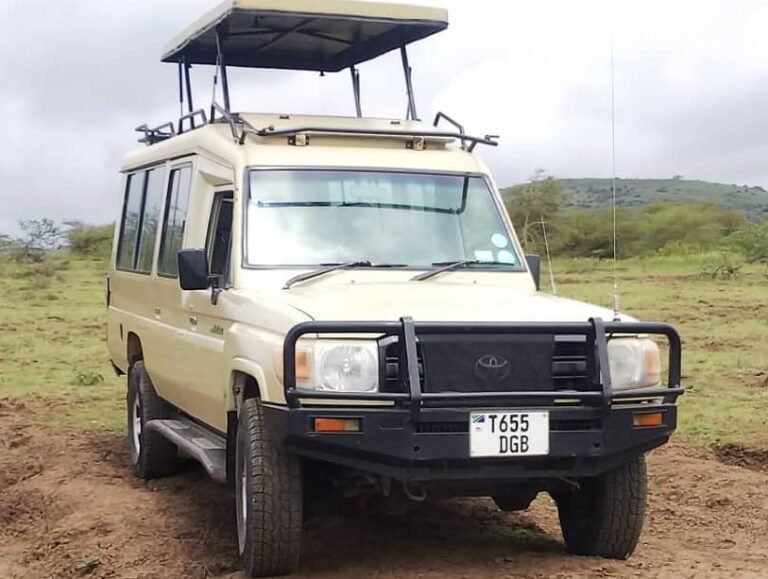
Kilimanjaro National Park Entry Fees And Climbing Permit Cost Explained Guide
This comprehensive guide breaks down the Kilimanjaro National Park entry fees and climbing permit costs for 2026-2027, detailing all essential expenses for trekkers.
View package details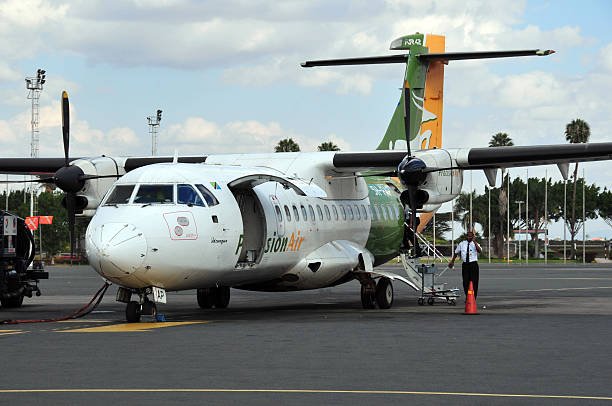
Kilimanjaro Rescue Fees And Conservation Explained 2026-2027
Kilimanjaro Rescue Fees and Conservation Fees Explained is explained with current 2026-2027 planning, price, itinerary and booking information.
View package detailsKilimanjaro Park Fees Vs Tour Package Costs Explained For Climbers 2026-2027
Climbing Mount Kilimanjaro involves understanding the difference between official park fees and the total cost of a tour package. This guide breaks down what each component covers, helping...
View package details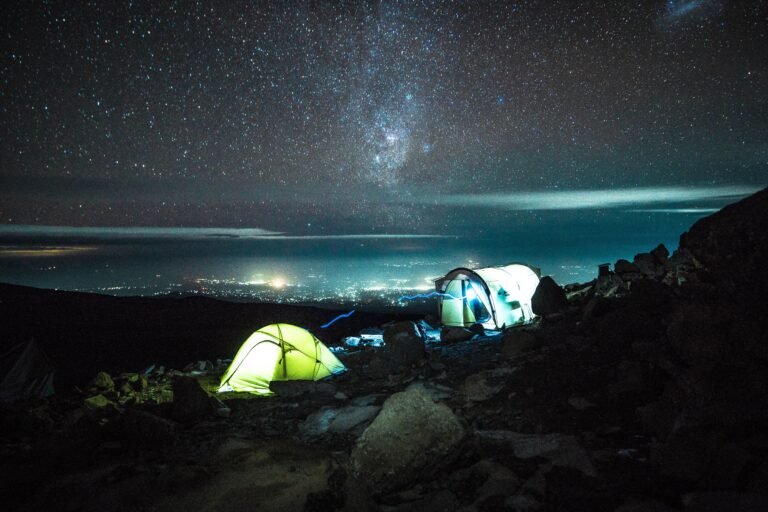
Kilimanjaro Trek Cost For Budget, Mid-Range And Luxury Climbers 2026-2027
Kilimanjaro Trek Cost for Budget, Mid-Range and Luxury Climbers is explained with current 2026-2027 planning, price, itinerary and booking information.
View package details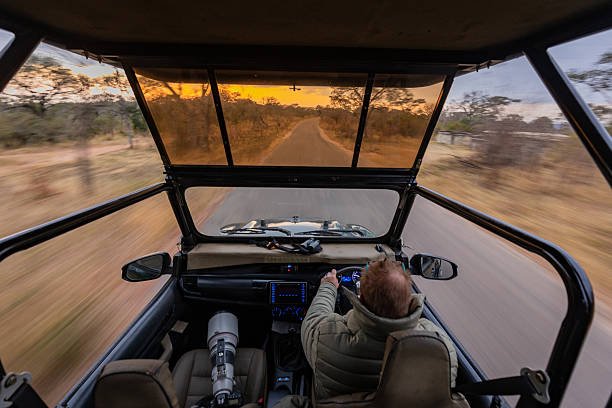
Kilimanjaro Climb Cost Guide: Complete Price Breakdown For Every Route
Kilimanjaro Climb Cost Guide: Complete Price Breakdown for Every Route is explained with current 2026-2027 planning, price, itinerary and booking information.
View package details
Flying Into Kilimanjaro, Arusha, Dar Or Zanzibar: Which Airport? Guide
Deciding which Tanzanian airport to fly into – Kilimanjaro (JRO), Arusha (ARK), Dar es Salaam (DAR), or Zanzibar (ZNZ) – depends entirely on your primary destination and activities. JRO is...
View package details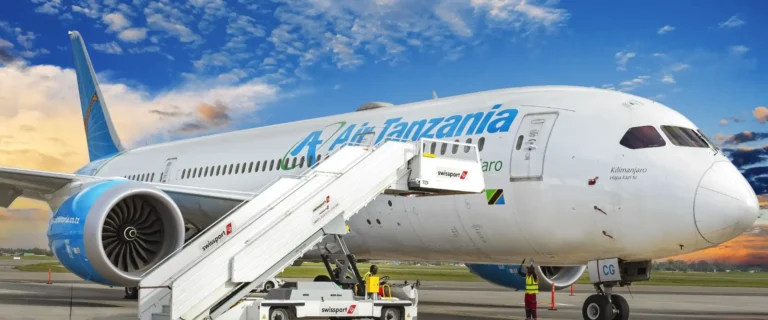
Materuni Waterfalls And Coffee Tour Prices: Your Guide By Top Adventures
Plan your visit to Materuni Waterfalls and the coffee plantation with up-to-date pricing and tour details for 2026-2027. Top Guide Adventures provides an in-depth look at what to expect...
View package details
Materuni Day Trip Cost: What To Expect In 2026-2027
Planning a Materuni Day Trip? This guide breaks down the expected costs for 2026-2027, detailing what influences the price and what you can anticipate for a memorable experience near Mount...
View package details
Materuni Village Entry Fees: A Comprehensive Guide For Visitors 2026-2027
Planning a visit to Materuni Village? This guide breaks down the 2026-2027 entry fees, what they cover, and how to arrange your unforgettable cultural tour near Mount Kilimanjaro.
View package details
Materuni Coffee Tour Price: What To Expect In 2026-2027
Find out the typical Materuni Coffee Tour price for 2026-2027, what influences the cost, and what you can expect to be included in this popular cultural excursion near Mount Kilimanjaro...
View package detailsNo related package matches those filters. Clear one or more filters to see the other topic-matched options.



