
The total cost for Kilimanjaro National Park entry fees and climbing permits for 2026-2027 is a significant portion of your trek expenses, typically ranging from $800 to over $1000 USD per person, depending on the route and operator. These fees include park entrance fees, rescue fees, crater service fees (for specific routes), and conservation fees, all of which are mandatory and directly managed by the Tanzania National Parks Authority (TANAPA).
Understanding Kilimanjaro National Park Entry Fees and Climbing Permit Costs
Mount Kilimanjaro, a UNESCO World Heritage Site and Africa’s highest peak, draws thousands of adventurers annually. To ensure the preservation of this natural wonder and the safety of its visitors, the Tanzania National Parks Authority (TANAPA) levies various fees for entry and trekking. For prospective climbers planning their expedition in 2026 or 2027, a clear understanding of these costs is paramount for accurate budgeting and planning. These fees are non-negotiable and form a substantial part of the overall cost of climbing Kilimanjaro, often making up 50-70% of what tour operators charge.
At Top Guide Adventures, we believe in complete transparency regarding all aspects of your climb. This guide aims to demystify the structure of Kilimanjaro National Park entry fees and climbing permit costs, providing you with the detailed information needed to make informed decisions for your 2026-2027 adventure. We’ll break down each component of the fee structure, explain how they are applied, and what they contribute to the conservation and management of Mount Kilimanjaro.
The Core Components of Kilimanjaro Trekking Fees
When you book a Kilimanjaro climb with any reputable operator, the price you pay is largely determined by the mandatory government fees. These fees are subject to change, and while we strive to provide the most current information, it’s always wise to confirm the latest rates with your chosen tour operator, especially when planning for 2026 or 2027. The primary fees include:
- Park Entrance Fees: A daily fee for each day spent within the national park boundaries.
- Camping Fees: A daily fee for each night spent camping on the mountain.
- Rescue Fees: A mandatory fee to cover search and rescue operations.
- Crater Service Fees: Applicable only to specific routes that allow access to the crater rim.
- Conservation Fees: A general fee contributing to the park’s conservation efforts.
It’s crucial to differentiate between these government-mandated fees and the service fees charged by tour operators. The latter covers logistics, guides, porters, equipment, food, accommodation before and after the climb, and your profit margin. The former are direct contributions to the park’s upkeep and management.
Detailed Breakdown of Kilimanjaro National Park Entry Fees (2026-2027 Estimates)
The fees are typically calculated per person, per day, or per climb, depending on the specific charge. While exact figures for 2026-2027 are usually finalized closer to the year, historical trends and recent adjustments allow us to provide reliable estimates. These figures are based on the most recent publicly available TANAPA fee structures.
1. Park Entrance Fees
This is a daily fee charged for every day a climber spends within the Kilimanjaro National Park. It contributes to the general maintenance of park infrastructure and wildlife management.
- Estimated Cost: $60 USD per person, per day.
- Duration: Charged for the entire duration of your trek, from the moment you enter the park gates until you exit. A standard 7-day climb would incur 7 days of entrance fees.
This fee is fundamental and applies to all individuals entering the park, regardless of their activity (trekking, research, etc.). For a typical 7-day climb, this alone amounts to $420 USD per person.
2. Camping Fees
Kilimanjaro’s routes involve camping at designated campsites on the mountain. TANAPA charges a nightly fee for each person utilizing these campsites.
- Estimated Cost: $60 USD per person, per night.
- Duration: Charged for every night spent camping on the mountain.
For a 7-day climb, this would typically mean 6 nights of camping, totaling $360 USD per person. Routes that utilize huts (like Marangu) will have different accommodation fees, which are usually higher.
3. Rescue Fees
This is a crucial fee that ensures you are covered in case of an emergency. It funds the park’s dedicated rescue teams and equipment necessary for safe evacuations.
- Estimated Cost: $10 USD per person, per climb.
- Duration: A one-time fee per trekker.
This fee is relatively small but vital. It’s often included in the overall package by operators, but it’s good to know it’s a mandatory government charge.
4. Crater Service Fees
This fee is specific to trekkers who choose to climb to the crater rim and visit the crater itself. It’s an additional charge for accessing this unique geological feature.
- Estimated Cost: $100 USD per person, per climb.
- Applicability: Only for trekkers on routes that go to the crater rim, such as the Crater Excursion on Stella Point or Gilman’s Point (via Stella Point), or the direct crater ascent from Kibo. Routes like the Mweka or Umbwe might not always include this if they don’t reach the crater rim.
This fee is often a point of distinction between different route packages. If your goal is to see the crater, ensure this fee is factored in. For routes like the Northern Circuit or Lemosho that offer a full crater rim experience, this fee is applicable.
5. Conservation Fees
This fee is a general contribution towards the conservation and environmental protection of Kilimanjaro National Park. It’s a broad fee supporting the overall preservation of the mountain’s ecosystem.
- Estimated Cost: $10 USD per person, per day.
- Duration: Charged for every day of the trek.
For a 7-day trek, this adds another $70 USD per person.
Consolidated Estimated Government Fees Per Person (Based on a 7-Day Trek)
To give you a clearer picture, let’s sum up the estimated mandatory government fees for a standard 7-day trek that includes camping and reaches the crater rim. These figures are for 2026-2027 and are subject to official confirmation by TANAPA.
| Fee Type | Estimated Cost Per Person (7-Day Trek) |
|---|---|
| Park Entrance Fee (7 days @ $60/day) | $420 USD |
| Camping Fee (6 nights @ $60/night) | $360 USD |
| Rescue Fee (one-time) | $10 USD |
| Crater Service Fee (one-time) | $100 USD |
| Conservation Fee (7 days @ $10/day) | $70 USD |
| Total Estimated Government Fees | $960 USD |
This estimated total of $960 USD per person for government fees on a 7-day climb is a substantial amount. It highlights why choosing a reputable operator that includes these fees in their package is essential. Attempting to climb without these permits and fees is illegal and carries severe penalties.
Route-Specific Fee Variations
While the core fees remain consistent, some routes might have slightly different implications or additional charges. The most significant variation comes from the duration of the trek and whether it includes access to the crater.
Marangu Route (Hut Accommodation)
The Marangu Route is unique as it offers hut accommodation instead of camping. The fee structure differs slightly:
- Park Entrance Fees: Same ($60 USD/person/day).
- Hut Fees: Instead of camping fees, there are hut fees. These are typically higher than camping fees. For example, a hut fee might be around $50-$70 USD per person per night, but this can vary and is often bundled into the operator’s package.
- Rescue Fees: Same ($10 USD/person/climb).
- Crater Service Fees: Applicable if ascending to the crater rim ($100 USD/person/climb).
- Conservation Fees: Same ($10 USD/person/day).
The total government fees for Marangu, depending on the duration (typically 5-6 days), will be comparable to camping routes, with the main difference being hut fees replacing camping fees.
Northern Circuit and Lemosho Routes (Longer Duration)
These routes are longer, typically 8-10 days. This increased duration means more days for park entrance and conservation fees.
- Park Entrance Fees: For an 8-day trek, this would be 8 days x $60 USD = $480 USD.
- Camping Fees: For an 8-day trek (7 nights camping), this would be 7 nights x $60 USD = $420 USD.
- Rescue Fees: $10 USD.
- Crater Service Fees: $100 USD.
- Conservation Fees: For an 8-day trek, this would be 8 days x $10 USD = $80 USD.
The total estimated government fees for an 8-day trek would be approximately $1090 USD per person. This illustrates how longer routes incur higher daily fees, directly impacting the overall cost.
Understanding the Role of Tour Operators and Their Pricing
While the government fees are fixed, the total price you pay for your Kilimanjaro climb varies significantly between tour operators. This is due to several factors:
- Inclusions: What services are included in the package? Basic packages might exclude things like park fees (though this is rare for reputable operators), accommodation in Moshi, airport transfers, or even gratuities. Top Guide Adventures aims to provide comprehensive packages.
- Quality of Service: Higher-end operators often use better quality equipment, provide more experienced guides and support crew, offer superior food, and ensure better guide-to-client ratios.
- Group Size: Private climbs are more expensive than joining a group.
- Route Choice: Longer routes are inherently more expensive due to more days of fees and logistics.
- Operator’s Overhead: Marketing, office staff, insurance, and profit margins differ.
It is essential to understand what is included in your quote. For instance, when you inquire about a climb for 2026 or 2027 with Top Guide Adventures, we will provide a detailed breakdown of what your quoted price covers. We always include all mandatory park fees, ensuring there are no hidden surprises.
Are Kilimanjaro National Park Entry Fees and Climbing Permit Costs Subject to Change?
Yes, TANAPA reserves the right to adjust these fees. While major changes are not extremely frequent, they do occur. It’s common for fees to be reviewed and potentially updated annually or every few years. Therefore, when planning your climb for 2026 or 2027, always rely on the most current information provided by your tour operator, who should be in direct contact with TANAPA or their local partners for the latest fee structure.
For 2026-2027, expect potential minor adjustments. Historically, fees have seen gradual increases rather than sudden large jumps. However, it’s prudent to budget slightly above the current estimates to account for any unforeseen revisions. Reputable operators will update their pricing to reflect these changes, and this will be communicated to you during the booking process.
How to Ensure You’re Paying the Correct Fees
The most reliable way to ensure you are paying the correct Kilimanjaro National Park entry fees and climbing permit costs is to book through a licensed and reputable tour operator. These operators:
- Are officially registered with the Tanzanian government.
- Have direct relationships with TANAPA.
- Are aware of the latest fee structures and regulations.
- Include all mandatory fees in their quoted prices.
- Provide official receipts or documentation for these fees as part of your trek package.
Avoid operators who:
- Quote prices significantly lower than the industry average (this often means they are cutting corners on safety, crew welfare, or are not including mandatory fees).
- Are vague about what is included in the price.
- Ask you to pay park fees separately upon arrival.
Top Guide Adventures prides itself on transparent pricing. We clearly outline all inclusions, including the exact government fees, in our proposals for 2026-2027 climbs. You can contact us directly via WhatsApp at +255616946642 or email at topguideadventures@gmail.com for a detailed quote and clarification on all costs.
The Importance of These Fees: What Do They Fund?
These mandatory fees are not just arbitrary charges; they are essential for the sustainability of Mount Kilimanjaro as a natural treasure and a safe climbing destination. The funds collected by TANAPA are allocated towards:
- Park Conservation: Protecting the unique flora and fauna of Kilimanjaro, including its diverse ecosystems from rainforest to alpine desert.
- Infrastructure Maintenance: Upgrading and maintaining trails, campsites, huts, and ranger posts.
- Staff Salaries: Employing rangers, guides, and support staff who protect the park and assist climbers.
- Search and Rescue Operations: Funding the teams and equipment needed for emergency evacuations.
- Environmental Monitoring: Studying the impact of climate change and tourism on the mountain’s environment.
- Community Development: Supporting local communities bordering the park through various initiatives.
By paying these fees, climbers contribute directly to the preservation of Kilimanjaro for future generations and ensure a safer, more sustainable climbing experience.
Budgeting for Your Kilimanjaro Climb: Beyond the Park Fees
While Kilimanjaro National Park entry fees and climbing permit costs are a major component, they are not the only expenses. To budget effectively for your 2026-2027 trek, consider these additional costs:
- Tour Operator Package: This covers your guides, porters, cooks, meals on the mountain, camping equipment, and often accommodation before and after the climb. Prices vary widely based on service level and inclusions. Expect anywhere from $1500 to $4000+ USD per person for a reputable operator.
- International Flights: Flights to Kilimanjaro International Airport (JRO) are a significant cost.
- Visas: Tanzania requires a visa for most nationalities.
- Travel Insurance: Mandatory for all Kilimanjaro climbs, covering medical emergencies and evacuation. Ensure it covers high-altitude trekking.
- Vaccinations and Medications: Consult your doctor for recommended vaccinations and malaria prophylaxis.
- Gear Rental: If you don’t own all the necessary high-altitude gear, you’ll need to rent items like sleeping bags, trekking poles, and warm jackets.
- Tips for Crew: Tipping guides, porters, and cooks is customary and expected. This can amount to several hundred dollars per climber.
- Personal Expenses: Souvenirs, drinks in town, and personal snacks.
- Pre- and Post-Climb Accommodation: If not included in your package.
A realistic total budget for a Kilimanjaro climb, including operator fees, flights, insurance, and other expenses, can range from $3,000 to $6,000+ USD per person for a mid-range to high-end experience in 2026-2027.
Planning Your 2026-2027 Kilimanjaro Climb with Top Guide Adventures
When you choose Top Guide Adventures for your Kilimanjaro expedition in 2026 or 2027, you are choosing a partner dedicated to providing a safe, memorable, and well-organized climb. We understand the intricacies of Kilimanjaro National Park entry fees and climbing permit costs and ensure all these are transparently included in your package.
Our packages are designed to offer excellent value, combining experienced guides, quality equipment, nutritious meals, and dedicated support from our team. We handle all the complexities of park permits and fees, allowing you to focus on your training and preparation.
Key benefits of climbing with Top Guide Adventures:
- All-Inclusive Pricing: We provide clear quotes that include all mandatory park fees, rescue fees, and conservation charges.
- Experienced & Certified Guides: Our guides are trained in wilderness first aid and have extensive knowledge of Kilimanjaro.
- Safety First: We adhere to strict safety protocols, including carrying supplementary oxygen and pulse oximeters.
- Fair Porter Wages & Welfare: We are committed to ethical treatment and fair compensation for our entire trekking crew.
- Flexible Itineraries: We offer various routes and durations to suit different fitness levels and preferences.
- Personalized Support: From your initial inquiry to your summit success, our team provides dedicated support.
We are excited to help you achieve your dream of standing atop Mount Kilimanjaro. Whether you are looking at group departures for 2026 or planning a private climb for 2027, we are here to assist. Feel free to reach out for a personalized quote or to discuss your Kilimanjaro National Park entry fees and climbing permit cost expectations. You can connect with us via WhatsApp +255616946642, email us at topguideadventures@gmail.com, or our backup email info@topguideadventurestanzania.com.
Choosing the right operator is as important as choosing the right route. With Top Guide Adventures, you gain a trusted partner committed to making your Kilimanjaro journey safe, successful, and unforgettable, ensuring all your park fee and permit requirements are seamlessly managed.
Check Availability for Kilimanjaro National Park Entry Fees And Climbing Permit Cost Explained…
Ready to compare dates, prices, and the best option for your group? Send the package name and travel month so the team can reply with a clear quote, availability, and what is included.
Kilimanjaro National Park: Your Ultimate Guide To Climbing Africas Highest
Your comprehensive guide to Kilimanjaro National Park, detailing everything needed to plan and execute a successful climb of Mount Kilimanjaro, including routes, preparation, costs, and...
View package details
Tanzania Attraction Entry Fees: Guide To Park And Reserve Costs For 2026-2027
Planning a trip to Tanzania? This comprehensive guide details the essential Tanzania attraction entry fees for 2026-2027, covering national parks, conservation areas, and cultural sites...
View package details
Hidden Costs Of Climbing Mount Kilimanjaro You Should Know 2026-2027
Hidden Costs of Climbing Mount Kilimanjaro You Should Know is explained with current 2026-2027 planning, price, itinerary and booking information.
View package details
Kilimanjaro Porter, Guide And Camping Fees Breakdown 2026-2027
Kilimanjaro Porter, Guide and Camping Fees Breakdown is explained with current 2026-2027 planning, price, itinerary and booking information.
View package details
Mount Kilimanjaro 5 Days, 6 7 And 8 Climbing Prices 2026-2027
Mount Kilimanjaro 5 Days, 6 Days, 7 Days and 8 Days Climbing Prices is explained with current 2026-2027 planning, price, itinerary and booking information.
View package details
Tanzania Mountain Climbing Costs: A Comprehensive Guide For 2026-2027
Planning a mountain climb in Tanzania, especially Kilimanjaro, involves understanding the various costs involved. This guide breaks down the expenses for 2026-2027, covering park fees...
View package details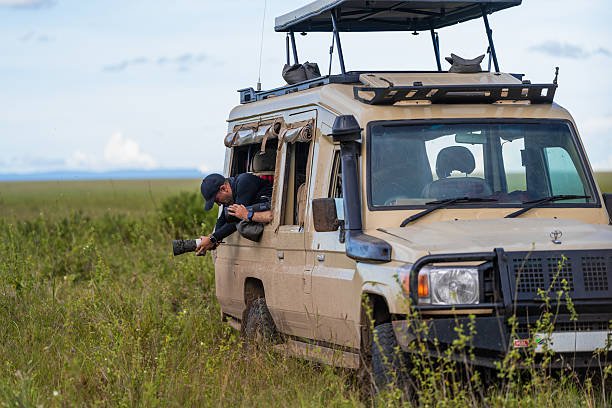
Tanzania Hiking Permit Fees: A Comprehensive Guide For Climbers 2026-2027
Planning a trek in Tanzania? This guide details the essential hiking permit fees for popular mountains like Kilimanjaro and Mount Meru, crucial for budgeting your 2026-2027 adventure. We...
View package details
Tanzania Tour Package Prices: Your Guide To Safari & Kilimanjaro Costs
Understand Tanzania tour package prices for 2026-2027. This guide covers safari costs, Kilimanjaro climb pricing, Zanzibar holidays, and factors influencing your budget, offering clear...
View package details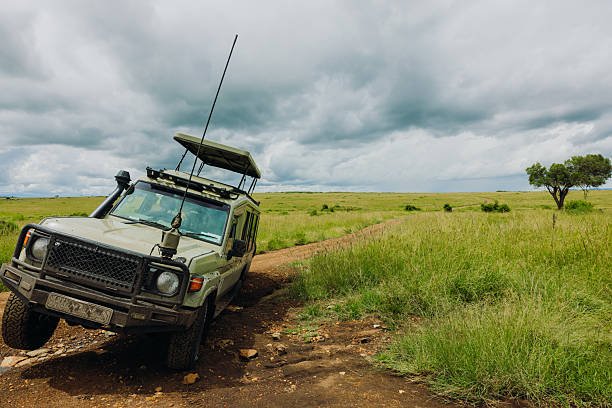
Tanzania Conservation Fees Explained: Your Guide 2026-2027
Demystifying Tanzania's conservation fees is crucial for planning your safari or climb. This guide details the essential costs for national parks, reserves, and Mount Kilimanjaro for...
View package details
Materuni Village Entry Fees: A Comprehensive Guide For Visitors 2026-2027
Planning a visit to Materuni Village? This guide breaks down the 2026-2027 entry fees, what they cover, and how to arrange your unforgettable cultural tour near Mount Kilimanjaro.
View package details
Materuni Day Trip Cost: What To Expect In 2026-2027
Planning a Materuni Day Trip? This guide breaks down the expected costs for 2026-2027, detailing what influences the price and what you can anticipate for a memorable experience near Mount...
View package details
Tanzania Adventure Activities Prices : Your Ultimate Guide 2026-2027
Discover the pricing for a wide range of adventure activities in Tanzania for 2026-2027, including safaris, Kilimanjaro treks, Zanzibar excursions, and cultural tours. Get insights into...
View package detailsNo related package matches those filters. Clear one or more filters to see the other topic-matched options.



