
Tanzania’s conservation fees are essential daily charges levied on visitors entering national parks, game reserves, and conservation areas, as well as for climbing Mount Kilimanjaro. These fees are fundamental to funding wildlife protection, habitat management, anti-poaching efforts, and community development projects, directly supporting the preservation of Tanzania’s natural heritage. For 2026-2027, expect these fees to remain a significant portion of your safari or trek budget, typically ranging from $30 to $70 per person per day for national parks, with higher rates for special areas like the Ngorongoro Crater and Mount Kilimanjaro, which can cost several hundred dollars for the trek itself. Accurate budgeting for these conservation fees is vital for a smooth and responsible travel experience.
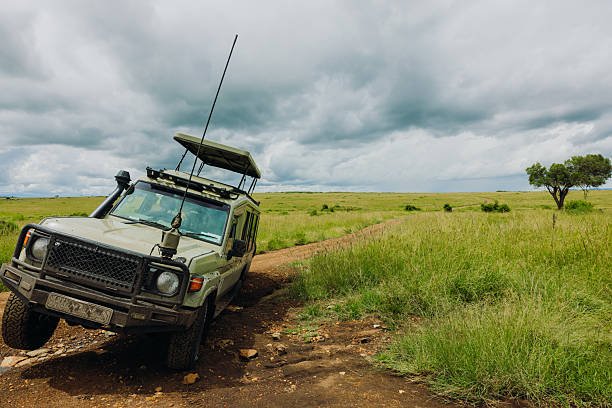
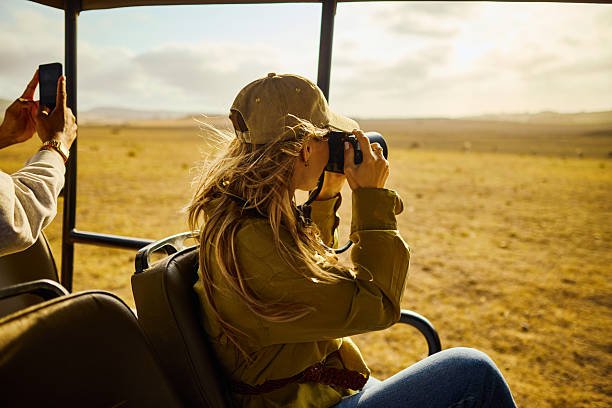
Understanding the Purpose and Structure of Tanzania Conservation Fees
Tanzania’s commitment to preserving its unparalleled biodiversity and natural landscapes is evident in its robust conservation fee structure. These fees are not merely an entry ticket; they are a direct investment in the future of its wildlife and ecosystems. For travelers planning expeditions in 2026 and 2027, a clear understanding of these charges is paramount for effective budgeting and appreciating the value behind every dollar spent. The system is designed to be comprehensive, covering a wide array of protected areas, from the iconic savannas of the Serengeti to the challenging slopes of Mount Kilimanjaro, and the unique ecosystem of the Ngorongoro Crater.
The primary goal of these conservation fees is to generate sustainable revenue for the Tanzania National Parks Authority (TANAPA) and the Ngorongoro Conservation Area Authority (NCAA). These funds are critically important for:
- Wildlife Protection and Anti-Poaching: Maintaining ranger patrols, equipping anti-poaching units, and investing in surveillance technology to combat illegal hunting and wildlife trafficking.
- Habitat Management and Restoration: Conserving natural habitats, managing vegetation, controlling invasive species, and undertaking ecological research.
- Infrastructure Development: Maintaining roads within parks, building and improving visitor facilities like picnic sites, restrooms, and information centers.
- Community Development: Supporting local communities living adjacent to protected areas through various projects, fostering goodwill and reducing human-wildlife conflict.
- Research and Monitoring: Funding scientific studies to understand wildlife populations, migration patterns, and ecosystem health, which informs conservation strategies.
The fee structure is generally tiered, distinguishing between foreign residents, expatriates, and foreign non-residents, with the latter typically paying the highest rates. This differentiation aims to balance the economic contributions of international tourism with the accessibility for local populations and long-term residents. For most international travelers, the foreign non-resident fees will apply. It’s important to note that these fees are usually calculated on a per person, per 24-hour period basis, although some exceptions exist, such as for specific activities or longer-stay permits.
Conservation Fees for Tanzania’s National Parks (TANAPA)
Tanzania boasts over 20 national parks, each with its unique allure and ecosystem. The conservation fees for these parks are managed by TANAPA and represent a substantial part of the overall cost of a Tanzanian safari. While exact figures can fluctuate slightly year to year, the general structure and amounts for 2026-2027 remain relatively consistent, with potential minor adjustments announced by TANAPA.
For foreign non-residents, the standard daily conservation fee for most major national parks typically falls within the range of $50 to $70 per person per day. This rate is applied for every 24-hour period a visitor spends inside the park boundaries. Some parks might have slightly lower fees, while others, particularly those with unique conservation challenges or attractions, might command slightly higher rates.
Key National Parks and Their Fee Structures (Indicative 2026-2027)
Here’s a look at some of the most popular national parks and the typical conservation fees you can expect:
- Serengeti National Park: Often considered the crown jewel of Tanzanian safaris, the Serengeti typically has a conservation fee of around $60 per person per day. This fee is crucial for managing the vast ecosystem that supports the Great Migration.
- Tarangire National Park: Known for its large elephant herds and iconic baobab trees, Tarangire’s conservation fee is usually in the vicinity of $50 per person per day.
- Lake Manyara National Park: Famous for its tree-climbing lions and diverse birdlife, Lake Manyara also typically charges around $50 per person per day.
- Arusha National Park: This park, offering stunning views of Mount Kilimanjaro and Mount Meru, usually has a fee of approximately $50 per person per day.
- Gombe Stream National Park: Famous for chimpanzee trekking, Gombe’s fees might be slightly different due to its specialized nature, often around $100 per person per day, though this can vary.
- Mahale Mountains National Park: Another prime chimpanzee trekking destination, Mahale’s fees are also typically higher, potentially around $100 per person per day, reflecting the specialized conservation efforts required.
It’s important to remember that these are daily rates. If your safari itinerary includes multiple days within a single park, the fee accumulates accordingly. For instance, a 7-day safari spending 3 days in the Serengeti and 4 days in Tarangire would incur 3 x $60 (Serengeti) + 4 x $50 (Tarangire) in daily conservation fees for that portion of the trip.
Vehicle Entrance Fees and Other Charges
In addition to per-person fees, national parks also levy vehicle entrance fees. These vary based on the size and type of vehicle used for the safari. For a standard safari vehicle (e.g., a 4×4 Land Cruiser), you can expect a fee of approximately $30 to $40 per vehicle per entry. This fee is usually paid once per vehicle per 24-hour period, regardless of the number of passengers.
Other potential fees can include:
- Camping Fees: If your itinerary involves staying at public or special campsites within the national parks, separate camping fees will apply, ranging from $10 to $50+ per person per night, depending on the campsite’s facilities and location.
- Filming Fees: For those intending to film, significantly higher fees are applicable, often requiring special permits and daily charges that can run into hundreds or even thousands of dollars.
- Park Access Permits: Some parks might have specific access permits for certain zones or activities.
Top Guide Adventures always clarifies these fees in your detailed itinerary, ensuring there are no surprises. We work diligently to provide accurate, up-to-date information for 2026-2027 travel plans.
The Unique Fee Structure of the Ngorongoro Conservation Area
The Ngorongoro Conservation Area (NCA) operates under a distinct authority, the Ngorongoro Conservation Area Authority (NCAA), and thus has its own set of fees, which differ from those of TANAPA national parks. The NCA is a UNESCO World Heritage Site and a unique multi-use area where wildlife conservation coexists with human habitation by the Maasai people. This complexity influences its fee structure.
The most significant fee for visitors to the NCA is the daily conservation fee, which is typically higher than in most national parks. For foreign non-residents, this fee is currently around $70.80 per person per 24-hour period. This fee applies from the moment you enter the conservation area.
Ngorongoro Crater Service Fee
A major draw of the NCA is the Ngorongoro Crater itself, a caldera teeming with wildlife. Accessing the crater floor incurs an additional, substantial fee: the Crater Service Fee. This fee is charged per vehicle entering the crater, not per person. As of recent data, this fee is approximately $300 per vehicle per entry. This single fee allows a vehicle to descend into the crater and spend a limited time (typically 6 hours) exploring its floor.
Given the crater’s popularity and the need to manage visitor numbers and environmental impact, this fee is substantial and significantly impacts the overall cost of a Ngorongoro safari. For a standard safari vehicle, this $300 fee is a crucial budget consideration for any itinerary including the crater.
Vehicle and Other Fees in the Ngorongoro Conservation Area
Similar to national parks, the NCA also charges vehicle entrance fees. For a safari vehicle, this is typically around $40 per vehicle per entry. This is separate from the Crater Service Fee.
Other fees within the NCA can include:
- Camping Fees: Charges for staying at designated campsites within the NCA vary, with special campsites often costing more than basic public ones.
- Maasai Boma Visit Fee: If you opt for a cultural visit to a Maasai village, a separate fee is usually applicable, contributing directly to the community.
- Walking Safari Fees: Guided walking safaris in designated areas outside the crater may also have specific fees.
The NCAA’s fee structure for 2026-2027 will continue to reflect its unique status as a protected area balancing conservation, tourism, and human settlement. It is essential to factor in both the daily conservation fee and the Crater Service Fee when planning your budget for Ngorongoro.
Mount Kilimanjaro Climbing Conservation and Park Fees
Climbing Mount Kilimanjaro is a significant undertaking, and the associated fees are considerably higher than daily safari park fees, reflecting the logistical complexity, park management, and conservation efforts required for this towering peak. These fees are structured differently and are often bundled into the overall Kilimanjaro climbing package price.
The primary fees include:
- Park Entrance Fee: This is a one-time fee per climber, typically around $70 per person.
- Camping Fees: This is one of the most substantial costs. Climbers staying in tents on the mountain pay a daily fee, which can range from $50 to $60 per person per night, depending on the route and the specific campsite.
- Rescue Fees: A mandatory fee of approximately $30 per person is charged to cover rescue operations in case of emergencies.
- Crater Fee (for Summit Ascent): For climbers who ascend to the crater rim and/or Uhuru Peak, an additional fee is levied, which is substantial, often around $100 per person.
- Porters’ and Guides’ Fees: While not direct conservation fees, the wages and welfare of the climbing crew are legally mandated and contribute significantly to the overall cost. There are specific fees set for porters and guides, ensuring fair treatment and adequate support.
The total conservation and park fees for a standard Kilimanjaro climb can easily amount to several hundred dollars per climber. For example, a 7-day climb using Marangu or Machame route, which involves multiple nights camping, could accrue upwards of $700-$900+ in park and camping fees alone, per person, in addition to guide and porter fees and the operator’s service charges.
Top Guide Adventures includes all mandatory park and conservation fees in our transparent Kilimanjaro climbing quotes for 2026-2027. We emphasize ethical climbing practices, ensuring that these fees contribute directly to the park’s upkeep and the well-being of our climbing crews.
Routes like the Machame Route and Lemosho Route are popular for their scenic beauty and higher success rates, and their fee structures are consistent with the general Kilimanjaro fee system. Understanding these costs upfront is essential for serious trekkers planning their ascent.
Conservation Fees for Other Protected Areas and Activities
Beyond the major national parks and Ngorongoro, Tanzania has a network of other protected areas, including game reserves, conservation areas, and forest reserves, each with its own fee structure.
Game Reserves
Game reserves, such as the Selous Game Reserve (now Nyerere National Park) and the Maswa Game Reserve, are crucial for wildlife conservation and often have different fee structures than national parks. While Nyerere National Park now operates under TANAPA rules, historically, reserves like Selous had their own daily conservation fees, often in a similar range to national parks, around $50-$60 per person per day. These fees also support anti-poaching and habitat management within these vital areas.
Community-Managed Areas and Concessions
Tanzania is increasingly promoting community-based conservation initiatives. Some areas are managed by local communities, often in partnership with tour operators. Fees in these areas can vary significantly and may include:
- Concession Fees: For activities like walking safaris or specialized photographic safaris in areas leased for tourism.
- Community Development Fees: A portion of the fees often goes directly to community projects, providing a tangible benefit to local people and encouraging their participation in conservation.
These areas offer unique experiences, often with fewer crowds and more intimate wildlife encounters. Fees might be structured differently, sometimes as a package rate or a per-activity charge.
Zanzibar Conservation Fees
While often associated with beach holidays, Zanzibar also has protected areas and unique ecosystems that require conservation fees:
- Jozani Forest (Jozani Chwaka Bay National Park): This is the only national park in Zanzibar, famous for its Red Colobus monkeys. The entrance fee is typically around $10-$15 per person, which includes a guided tour.
- Marine Protected Areas: Areas like Chumbe Island Coral Park or Mnemba Atoll, popular for snorkeling and diving, often have their own conservation or access fees, which can range from $15 to $50+ per person per day, supporting marine conservation efforts.
- Spice Tours and Cultural Heritage: While not strictly conservation fees, visits to spice farms or historical sites like Stone Town may have entrance or guide fees.
Planning a trip to Zanzibar in 2026 or 2027 should account for these smaller, yet important, fees if you plan to explore beyond the beaches.
How Conservation Fees are Collected and Used
The collection and utilization of conservation fees are critical to the success of Tanzania’s conservation efforts. The process is managed through various government bodies and authorities, ensuring transparency and accountability.
Collection Mechanisms
Conservation fees are typically collected in the following ways:
- At Park Gates: Most national parks and reserves collect daily fees directly from visitors at their entrance gates. Payments are often accepted in USD cash or via mobile payment systems, although cash is still prevalent.
- Through Tour Operators: Reputable tour operators like Top Guide Adventures often pre-purchase permits or manage the fee payments on behalf of their clients as part of the overall safari or trek package. This streamlines the entry process and ensures compliance.
- Online Portals (Emerging): TANAPA and NCAA are increasingly moving towards digital payment systems and online booking platforms, which can facilitate easier payment and management of fees, especially for future bookings in 2026-2027.
- Special Permits: Fees for specialized activities like filming, research, or extended stays are usually processed through the respective authorities’ headquarters or designated offices.
Transparency and Accountability
The revenue generated from conservation fees is a vital source of funding for conservation activities. TANAPA and NCAA are mandated to use these funds responsibly. While direct oversight of every dollar can be complex, mechanisms are in place to ensure accountability:
- Annual Reports: Both TANAPA and NCAA publish annual reports detailing their financial operations, including revenue generated from fees and how these funds were allocated to conservation projects, infrastructure, and community initiatives.
- Government Oversight: The Ministry of Natural Resources and Tourism oversees the operations of these authorities, ensuring adherence to national conservation policies and financial regulations.
- International Partnerships: Many conservation projects funded by these fees also involve collaboration with international conservation organizations, which often bring their own auditing and reporting standards.
Travelers paying these fees can be assured that their contribution directly supports the protection of iconic wildlife like elephants, lions, rhinos, and the majestic wildebeest herds, as well as the preservation of landscapes that are crucial for global biodiversity.
Budgeting for Tanzania Conservation Fees in 2026-2027
Accurate budgeting is key to a stress-free safari or trek. Conservation fees represent a significant, non-negotiable component of your travel costs in Tanzania for 2026-2027. Here’s how to approach budgeting:
Factor in Daily Rates
The most straightforward way to budget is to calculate the total number of days you will spend within fee-paying areas and multiply by the relevant daily rates. For a typical 10-day Northern Circuit safari, this might look like:
- Day 1-3: Serengeti (3 days x $60/day) = $180 per person
- Day 4: Serengeti buffer zone/transfer (may incur fees)
- Day 5: Ngorongoro Crater (1 day x $70.80/day + $300/vehicle) = $70.80/person + $300/vehicle
- Day 6: Lake Manyara (1 day x $50/day) = $50 per person
- Day 7: Tarangire (1 day x $50/day) = $50 per person
- Other days might include Arusha National Park or areas outside fee zones.
Remember to add vehicle fees ($30-$40 per entry) and any specific activity fees.
Kilimanjaro Climb Budgeting
For Kilimanjaro, the fees are substantial. A 7-day climb could easily see $700-$900+ per person in park, camping, rescue, and crater fees. This is in addition to the operator’s package price, which covers guides, porters, food, and equipment.
Working with a Reputable Tour Operator
The easiest and most reliable way to manage these fees is by booking through a reputable tour operator. Companies like Top Guide Adventures will provide detailed itineraries that clearly outline all included fees. We strive for transparency in our pricing, ensuring you understand exactly what your safari or climb costs, including all mandatory Tanzania conservation fees for 2026-2027.
When requesting quotes, always ask for a breakdown of costs, specifically mentioning what is included regarding park fees, conservation fees, and any other mandatory charges. This helps compare different operators and ensures you are not caught off guard by unexpected expenses.
Key Budgeting Tips for 2026-2027
Always verify current fee rates: While estimates are provided, official rates can be adjusted. Your tour operator should have the most up-to-date information for 2026-2027.
Factor in multiple park entries: If your itinerary involves visiting several parks or spending multiple days in one park, the costs multiply.
Include vehicle fees: Don’t forget the daily vehicle entrance fees, which apply per vehicle.
Consider Ngorongoro Crater specifically: The $300 Crater Service Fee is a significant per-vehicle cost that needs to be budgeted separately.
Kilimanjaro climbers: Account for the substantial per-person fees for park entry, camping, rescue, and the crater ascent.
Ask for a detailed breakdown: Ensure your tour operator provides a clear list of all included fees in your quote.
Navigating Fee Changes and Potential Increases
Conservation fees are subject to change. Authorities like TANAPA and NCAA periodically review and adjust these fees to keep pace with inflation, conservation needs, and operational costs. While significant hikes are usually announced well in advance, travelers should be prepared for potential minor increases, especially when booking for future years like 2026 or 2027.
Factors influencing fee adjustments include:
- Inflation: The general rise in the cost of goods and services impacts operational budgets.
- Conservation Needs: Increased threats from poaching, habitat degradation, or the need for new research can necessitate higher funding.
- Infrastructure Development: Major projects to improve park roads, lodges, or visitor facilities might be funded partly through fee increases.
- Tourism Demand: In some cases, high demand might lead to controlled fee increases to manage visitor numbers and ensure a quality experience.
Top Guide Adventures monitors these changes closely. We update our pricing and itineraries to reflect the latest official fee structures. When you book with us for your 2026-2027 adventure, you receive quotes based on the most current information available. If there are any official changes to fees between your booking and your travel dates, we will communicate these clearly and manage the adjustments accordingly.
It is always advisable to check with your tour operator or the official park authorities for the most current fee schedule closer to your travel date. However, for planning purposes, the figures provided in this guide offer a reliable estimate for your Tanzania conservation fees explained budget.
The Value Proposition: Why These Fees Matter
While conservation fees represent a significant cost, understanding their purpose reveals the immense value they bring. These fees are the lifeblood of conservation in Tanzania, directly contributing to the protection of some of the world’s most iconic wildlife and natural landscapes.
The impact of your fees:
- Preservation of Biodiversity: Your fees help protect the Big Five (lion, leopard, elephant, rhino, buffalo), the Great Migration, chimpanzees, and countless other species.
- Sustainable Tourism: By funding conservation, fees ensure that these natural wonders remain intact for future generations and for the continued economic benefit of tourism.
- Community Empowerment: A portion of the revenue often supports local communities, fostering a symbiotic relationship between conservation and human development, reducing human-wildlife conflict.
- World-Class Experiences: The fees enable the maintenance of park infrastructure, ranger services, and management that provide safe and high-quality safari and trekking experiences.
When you pay your Tanzania conservation fees, you are not just paying for entry; you are actively participating in a global effort to safeguard natural heritage. For travelers in 2026-2027, this contribution is more important than ever as conservation challenges continue to evolve.
Making Your Tanzania Trip smooth with Top Guide Adventures
Planning a trip to Tanzania involves navigating various logistical elements, including understanding and managing conservation fees. At Top Guide Adventures, we aim to simplify this process for you. Our comprehensive safari packages and Kilimanjaro climbs are designed to provide an exceptional experience while ensuring all mandatory fees are handled professionally and transparently.
We understand that budgeting is a critical part of travel planning. That’s why we provide clear, detailed itineraries that specify what is included, especially concerning park and conservation fees for your chosen adventure in 2026-2027. Whether you’re dreaming of a Serengeti safari, a Ngorongoro Crater descent, or conquering Kilimanjaro, our team is dedicated to providing expert guidance and support.
We are committed to responsible tourism, ensuring that your travel contributes positively to conservation efforts and local communities. Let us handle the complexities of fee structures and permits, so you can focus on the incredible journey ahead.
For personalized quotes, detailed itineraries, or any questions regarding Tanzania conservation fees explained for your 2026-2027 trip, please do not hesitate to contact us:
- WhatsApp: +255616946642
- Email: topguideadventures@gmail.com
- Backup Email: info@topguideadventurestanzania.com
Explore our offerings and discover the magic of Tanzania with a trusted partner. Visit our website at Top Guide Adventures Tanzania for more information on our safaris, Kilimanjaro climbs, and Zanzibar holidays.
Check Availability for Tanzania Conservation Fees Explained: Your Guide 2026-2027
Ready to compare dates, prices, and the best option for your group? Send the package name and travel month so the team can reply with a clear quote, availability, and what is included.



