
The Manyara Region in Tanzania is primarily renowned for Lake Manyara National Park, a compact yet incredibly diverse wildlife haven situated at the edge of the Great Rift Valley. It offers exceptional opportunities to see large elephant herds, infamous tree-climbing lions, abundant birdlife, and vibrant alkaline lake shores, making it a must-visit on any Northern Tanzania safari circuit, especially for planned trips in 2026 and 2027.
Discovering the Manyara Region: A Jewel of Northern Tanzania
The Manyara Region, a vibrant administrative area in northern Tanzania, is synonymous with its crown jewel: Lake Manyara National Park. This region, often a key stop on the popular Northern Circuit safari route, provides a concentrated yet rich wildlife experience. From the shimmering soda lake that gives the park its name to the dense groundwater forests and rugged acacia woodlands, the Manyara Region presents a microcosm of Tanzania’s incredible biodiversity. Travelers planning their adventures for 2026 and 2027 will find this area offers a unique blend of iconic wildlife encounters, stunning natural beauty, and cultural interactions, all within a relatively accessible and manageable park size.
Top Guide Adventures specializes in crafting unforgettable journeys through this spectacular region. We understand the nuances of the Manyara Region, from the best times to visit for specific wildlife sightings to the most rewarding ways to experience its diverse landscapes. Whether you are drawn by the legend of the tree-climbing lions, the sheer volume of elephants, or the symphony of bird calls, our expert guidance ensures your safari in the Manyara Region is both comprehensive and deeply personal.
Lake Manyara National Park: The Heartbeat of the Region
Lake Manyara National Park, established in 1960, spans approximately 330 square kilometers, with the lake itself occupying about two-thirds of this area, varying with seasonal rainfall. Despite its modest size, the park boasts an astonishing array of habitats, supporting a remarkable density of wildlife. This ecological variety is the secret to its appeal, offering distinct zones that cater to different species and provide varied viewing experiences for visitors. Planning a safari for 2026 or 2027 means understanding these zones and how they contribute to the park’s dynamic ecosystem.
The Iconic Tree-Climbing Lions of Manyara
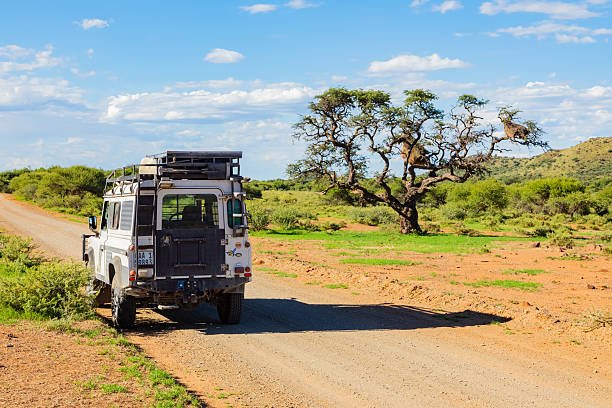
Perhaps the most famous inhabitants of Lake Manyara National Park are its elusive tree-climbing lions. While not unique to Manyara, lions are more frequently observed lounging in the branches of the large acacia trees here than in many other Tanzanian parks. The exact reasons for this behavior remain a subject of scientific debate, with theories ranging from escaping the heat and biting insects on the ground to seeking a vantage point for hunting or avoiding territorial disputes. Witnessing these magnificent predators perched regally in trees is a quintessential Manyara experience, a sight that many visitors hope to capture during their 2026-2027 safari. Top Guide Adventures knows the prime locations and times when your chances of spotting these arboreal hunters are highest.
Elephant Abundance and Behavior
The park is also home to one of the highest concentrations of elephants in Tanzania. Visitors are often treated to spectacular views of large family herds, particularly in the park’s woodland areas. These elephants are known for their habit of digging for water in dry riverbeds during the dry season, a fascinating behavior to observe. Their presence is a constant, with sightings practically guaranteed on any game drive. The sheer size and number of elephants make for dramatic and memorable encounters, a highlight for many planning their 2026-2027 Tanzania safaris.
Birdlife Spectacle: A Birder’s Paradise
For ornithologists and casual birdwatchers alike, Lake Manyara is a true paradise. The park supports over 400 species of birds, attracted by the diverse habitats, including the lake, forests, and woodlands. Flamingos, pelicans, cormorants, storks, and numerous other water birds congregate in large numbers on the lake’s shores, creating a vibrant spectacle, especially during the wetter seasons. Raptors, forest birds, and savanna species add to the incredible avian diversity. Birding tours can be specifically arranged, and Top Guide Adventures can tailor your itinerary to maximize your bird-watching opportunities in 2026 or 2027.
Other Wildlife Encounters
Beyond lions and elephants, Lake Manyara National Park teems with other wildlife. Large herds of buffalo are common, often seen grazing near the water sources. Various species of antelope, including impala, gazelle, dik-dik, and the rare Kirk’s dik-dik, are abundant. Giraffes, both Masai and the localized subspecies of the southern giraffe, are frequently spotted browsing on acacia leaves. Hippos can be seen wallowing in the shallow pools and rivers, and baboons are a common sight, often forming large troops that can be quite entertaining to observe. The park’s varied terrain ensures that predators like leopards and cheetahs, though more elusive, are also present.
Exploring the Diverse Ecosystems of Manyara
The ecological richness of Lake Manyara National Park is its defining characteristic. The park’s geography, influenced by the Great Rift Valley escarpment, creates a mosaic of distinct environments, each supporting a unique set of flora and fauna. Understanding these ecosystems is key to appreciating the full scope of a safari here, whether you visit in 2026, 2027, or any other year.
The Alkaline Soda Lake
Lake Manyara itself is a shallow, alkaline soda lake that expands and contracts significantly with the seasons. Its waters are rich in minerals, giving it a distinctive pinkish hue, often teeming with flamingos and other water birds. The lake’s fluctuating levels create vital feeding grounds for migratory birds and influence the vegetation along its shores. The contrast between the blue sky, the pink lake, and the green vegetation is visually striking.
The Groundwater Forests
Fed by underground springs originating from the Rift Valley escarpment, lush groundwater forests dominate the western and northern parts of the park. These dense, verdant forests, characterized by ancient fig and mahogany trees, provide a cool, humid microclimate. They are a critical habitat for elephants, baboons, monkeys, and a host of forest-dwelling birds. The canopy here is thick, offering shade and a sense of mystery, a stark contrast to the open savannas.
Acacia Woodlands and Grasslands
Transitioning from the forests are areas of acacia woodland and open grasslands. These savannas are the primary hunting grounds for predators like lions and cheetahs and are where many herbivores, such as wildebeest and zebras, graze. The distribution of these woodlands and grasslands is often influenced by water availability and soil type, creating a dynamic landscape that shifts with the seasons and rainfall patterns.
The Rift Valley Escarpment
The dramatic backdrop to Lake Manyara National Park is the towering wall of the Great Rift Valley. This geological feature influences the park’s hydrology and topography, creating the conditions for the groundwater forests and providing stunning panoramic views. The escarpment offers a sense of grandeur and is a constant reminder of the powerful geological forces that shaped this region.
Activities and Experiences in the Manyara Region
While game drives are the primary activity, the Manyara Region offers a variety of other experiences that enhance a safari. Top Guide Adventures recommends incorporating these into your 2026-2027 itinerary for a richer understanding of the area.
Classic Game Drives
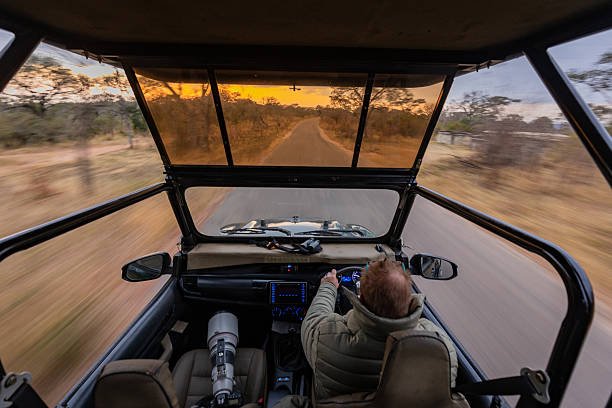
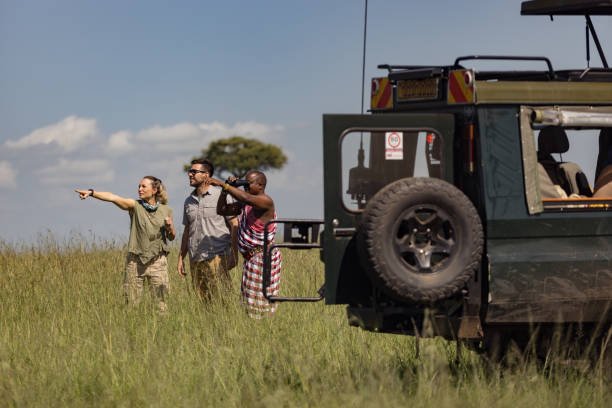
The park’s well-maintained road network allows for excellent game viewing. Morning and late afternoon drives are generally the most productive times, when animals are most active. Our experienced guides are adept at tracking wildlife and positioning vehicles for optimal viewing and photography, ensuring you make the most of your time in the Manyara Region.
Night Game Drives
For a different perspective, night game drives offer the chance to spot nocturnal animals that are rarely seen during the day. With spotlights, guides can help identify civets, genets, bushbabies, and sometimes even leopards or lions on the hunt. This is a thrilling addition to a Manyara safari, providing a glimpse into the park’s active nightlife.
Walking Safaris
In designated areas, walking safaris offer a more intimate connection with the bush. Accompanied by an armed ranger and a knowledgeable guide, you can explore the smaller details of the ecosystem, track animals on foot, and learn about the local flora. This is an excellent way to experience the Manyara Region’s environment up close, offering a contrast to the vehicle-based game drives.
Cultural Tourism and Village Visits
The Manyara Region is also home to various local communities, including the Maasai people. Visits to nearby villages can provide valuable insights into their traditional way of life, customs, and challenges. Top Guide Adventures can arrange respectful and authentic cultural experiences, allowing you to connect with the local heritage beyond the wildlife viewing.
Canoe Safaris on Lake Manyara
During the wet season, when the lake is fuller, canoe safaris can offer a unique perspective on the birdlife and aquatic animals. Gliding silently on the water allows for close encounters with hippos, crocodiles, and a vast array of water birds without disturbing them. This is a peaceful and rewarding way to experience the lake environment.
Planning Your Manyara Region Safari in 2026-2027
Successful safari planning involves considering the best time to visit, accommodation options, and itinerary design. Top Guide Adventures is here to guide you through every step, ensuring your 2026-2027 safari to the Manyara Region is perfectly tailored to your interests and preferences.
Best Time to Visit the Manyara Region
The Manyara Region can be visited year-round, but different seasons offer distinct advantages:
- Dry Season (June to October): This is generally considered the peak safari season. Wildlife congregates around permanent water sources, making sightings easier. Vegetation is less dense, offering clearer views. The weather is typically sunny and pleasant, though nights can be cool. This period is ideal for spotting large mammals, including elephants and the tree-climbing lions.
- Wet Season (November to May): The landscape transforms into a lush green paradise. Birdlife is at its most vibrant, with migratory birds present. This season offers spectacular photographic opportunities with dramatic skies and verdant scenery. While wildlife is more dispersed, the reduced vegetation density in some areas can still yield excellent sightings. The shoulder months of November-December and March-May can offer a good balance of wildlife viewing and fewer crowds. Prices may also be more favorable during the low season (e.g., April-May).
For 2026-2027, consider booking your preferred accommodations and safari dates well in advance, especially if you plan to travel during the peak dry season.
Accommodation Options in and around Manyara
The Manyara Region offers a range of accommodation to suit various budgets and styles:
- Luxury Lodges: Offering exquisite comfort, fine dining, and exceptional service, often with stunning views of the lake or escarpment.
- Mid-Range Tented Camps: Providing a classic safari experience with comfortable canvas tents, en-suite bathrooms, and often a communal dining area, blending comfort with an authentic feel.
- Budget Camps and Guesthouses: Simpler accommodations that offer basic amenities, ideal for travelers on a tighter budget.
- Campsites: For the truly adventurous, public and private campsites within or near the park allow for an in-depth experience under the stars.
Top Guide Adventures partners with a selection of these accommodations to ensure quality and value for our clients. We can advise on the best lodges or camps based on your safari itinerary and budget for
Check Availability for Manyara Region 2026-2027
Ready to compare dates, prices, and the best option for your group? Send the package name and travel month so the team can reply with a clear quote, availability, and what is included.
Lake Manyara & Singita Grumeti: The Ultimate Singida Tour Experience 2026-2027
start an unforgettable Lake Singida tour, combining the iconic Lake Manyara National Park with the exclusive Singita Grumeti Reserves. This comprehensive guide details wildlife, activities...
View package details
Katavi Region: Tanzanias Untamed Wilderness Safari Destination 2026-2027
Explore Katavi Region, a truly wild and remote safari destination in Tanzania, offering unparalleled wildlife viewing and a genuine wilderness experience. Perfect for adventurers seeking...
View package details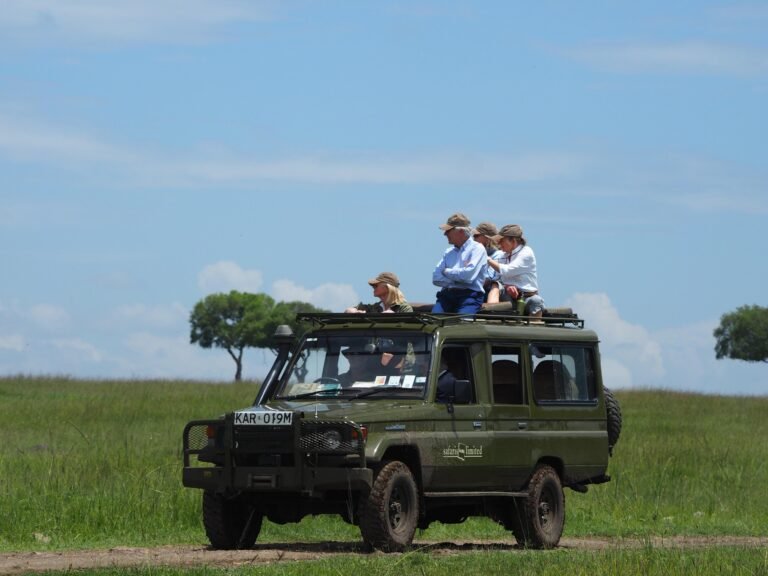
Mara Region: Your Ultimate Guide To Tanzanias Wildlife Haven In 2026-2027
Discover the unparalleled wildlife spectacles of Tanzania's Mara Region, a prime destination for safari enthusiasts. This comprehensive guide covers everything from the iconic Serengeti...
View package detailsTanzania Photography Safari 2026-2027
Tanzania Photography Safari is explained with current 2026-2027 planning, price, itinerary and booking information.
View package details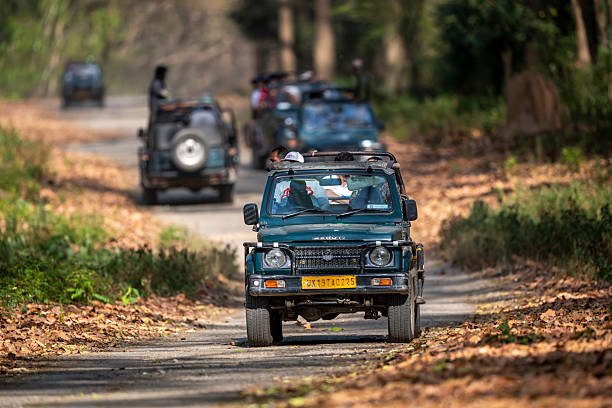
Serengeti Ngorongoro And Tarangire Safari 2026-2027
Serengeti Ngorongoro and Tarangire Safari is explained with current 2026-2027 planning, price, itinerary and booking information.
View package details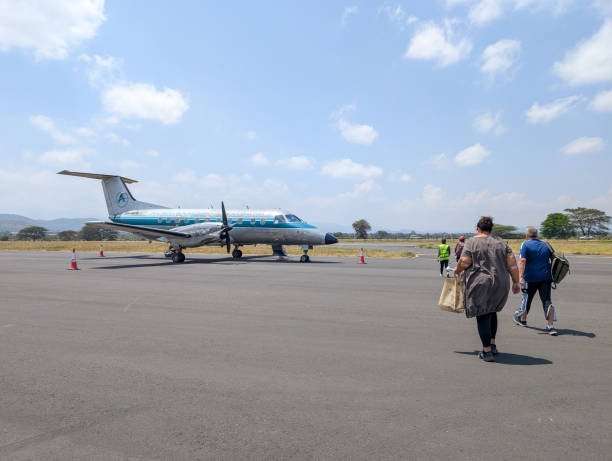
Southern Circuit Tanzania Safari: Your Ultimate Guide With Top Adventures
Explore the wild, less-traveled paths of Tanzania's Southern Circuit. This guide covers Ruaha, Nyerere National Park, and Mikumi, detailing experiences, wildlife, and planning for your...
View package details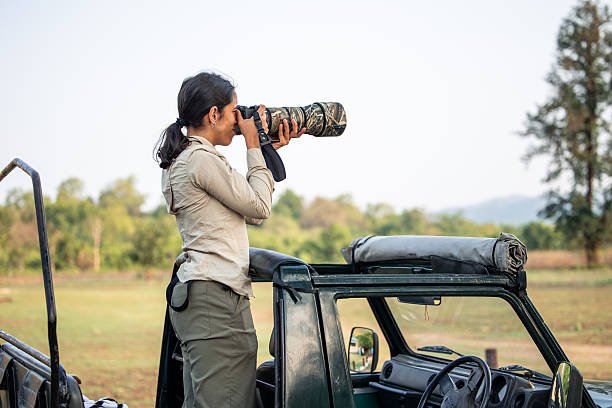
Tanzania Safari Cost And Prices : Your Ultimate Guide 2026-2027
Planning your dream Tanzania safari in 2026 or 2027? This comprehensive guide breaks down the safari costs, prices, and key factors influencing your budget, helping you plan the perfect...
View package details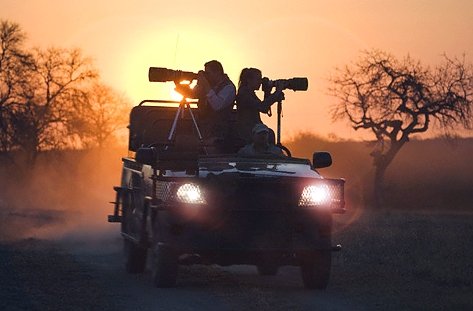
Tanzania Private Safari Tours: Your Ultimate Bespoke Adventure In 2026-2027
Discover the unparalleled freedom and personalized experience of a Tanzania private safari tour. Top Guide Adventures crafts bespoke journeys through iconic landscapes like the Serengeti...
View package detailsTanzania Family Safari Packages 2026-2027
Tanzania Family Safari Packages is explained with current 2026-2027 planning, price, itinerary and booking information.
View package details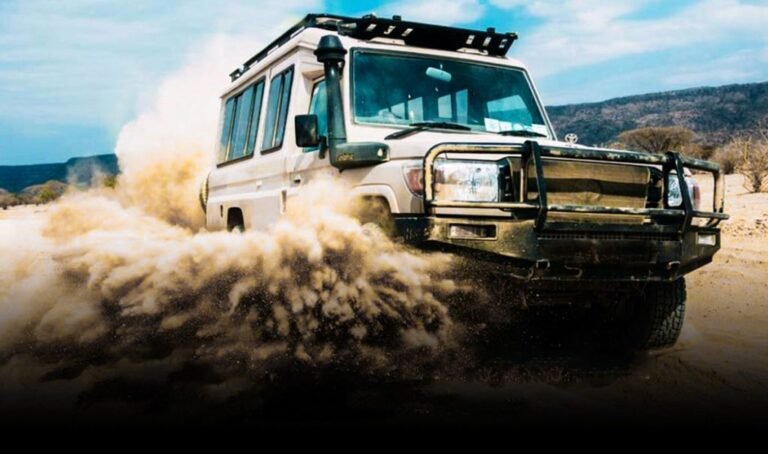
14 Day Tanzania Safari And Beach Holiday 2026-2027
14 Day Tanzania Safari and Beach Holiday is explained with current 2026-2027 planning, price, itinerary and booking information.
View package details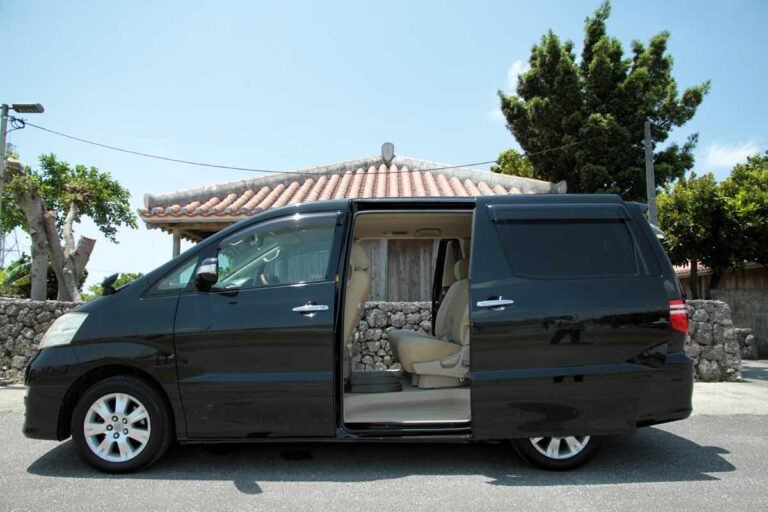
7 Day Tanzania Safari Itinerary: The Ultimate Wildlife Adventure In 2026-2027
Discover the perfect 7-day Tanzania safari itinerary, maximizing wildlife encounters in iconic parks like the Serengeti and Ngorongoro Crater. This guide provides a detailed plan, essential...
View package detailsKilimanjaro Safari And Zanzibar Package: The Ultimate Tanzania Adventure
Experience the pinnacle of Tanzania with a combined Kilimanjaro safari and Zanzibar package. This ultimate adventure blends the thrill of conquering Africa's highest peak with the wildlife...
View package detailsNo related package matches those filters. Clear one or more filters to see the other topic-matched options.



