
The Katavi Region in Tanzania offers an exceptionally wild and remote safari experience, showcasing vast floodplains, dense woodlands, and a staggering abundance of wildlife, particularly during the dry season when animals congregate around water sources. It is ideal for travelers seeking an authentic, untamed African wilderness adventure away from the crowds, with 2026-2027 promising continued opportunities for such raw encounters.
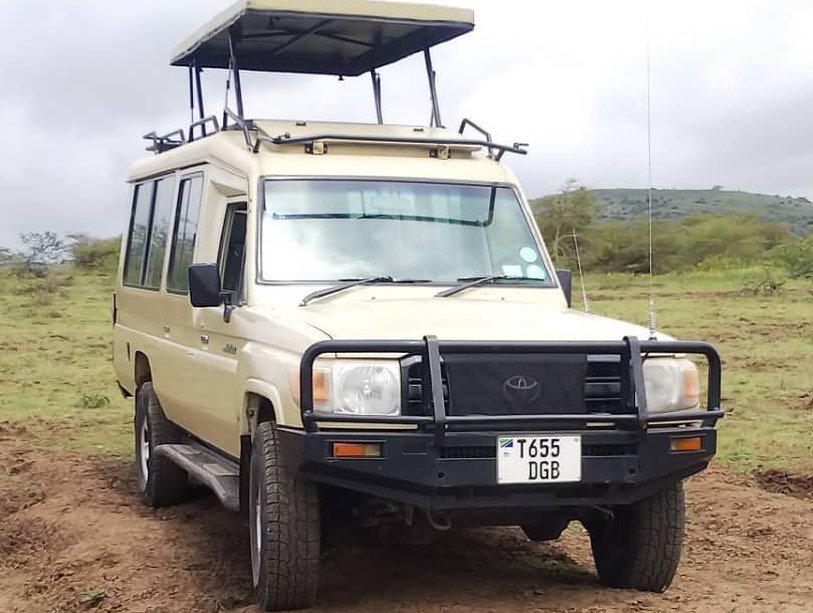
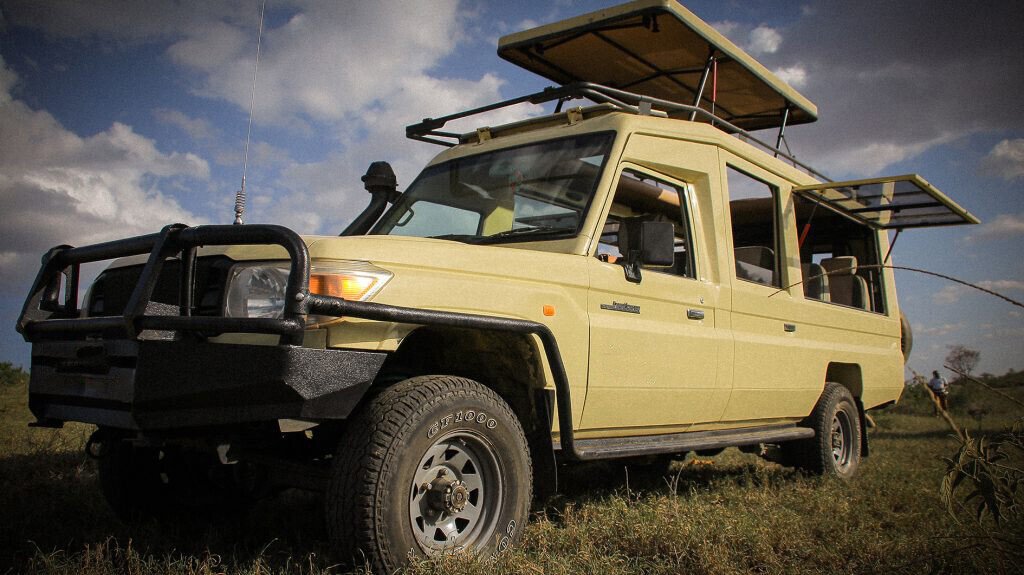
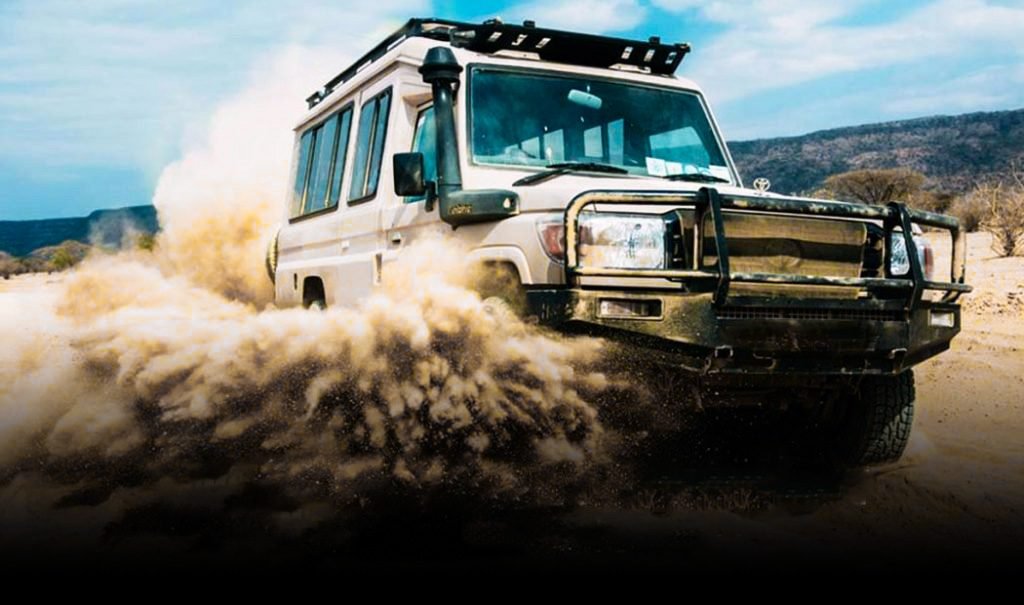
Katavi Region: Tanzania’s Wild Heartbeat
Tanzania is globally renowned for its iconic safari destinations like the Serengeti and Ngorongoro Crater, drawing millions of visitors each year. Yet, for those yearning for a truly wild, untouched corner of Africa, the Katavi Region stands apart. Far from the well-trodden tourist paths, Katavi National Park, the crown jewel of the region, offers a raw, untamed wilderness that transports visitors back to a time when exploration was the primary pursuit.
This vast expanse in western Tanzania is characterized by its dramatic landscapes, from the sprawling floodplains of the Katuma River to the dense miombo woodlands and the life-sustaining waters of Lake Katavi and Lake Chada. These diverse habitats support an incredible diversity of fauna, making Katavi a destination that rewards patience and a spirit of adventure. If you’re planning a safari for 2026 or 2027 and are looking for an experience that feels profoundly authentic and exclusive, Katavi should be at the very top of your list.
Why Katavi Stands Out: An Unfiltered Wilderness
What truly defines the Katavi Region is its remoteness and the resulting pristine condition of its ecosystems. Unlike more accessible parks, Katavi sees far fewer visitors, meaning that wildlife encounters are often intimate and undisturbed. The sheer scale of the park, combined with its varied terrain, ensures that every game drive feels like a genuine expedition.
Here, the drama of the African wild unfolds daily. Herds of elephants navigate the woodlands, prides of lions survey their territory from termite mounds, and massive pods of hippos dominate the rivers and lakes. Birdlife is prolific, and the landscape itself, especially at sunrise and sunset, is a spectacle of light and shadow that few other places can match. For the discerning traveler looking for a safari in 2026-2027 that offers solitude, raw beauty, and exceptional wildlife viewing, Katavi is an unparalleled choice.
Exploring Katavi National Park: The Jewel of the Region
Katavi National Park, established in 1974, is Tanzania’s third-largest national park. Its immense size and protected status have allowed its natural processes to flourish, creating a sanctuary for wildlife that is both impressive and humbling. The park is divided into three main areas:
- The Northern Sector: Dominated by the vast floodplains of the Katuma River, this area is a magnet for herbivores, especially during the dry season. It’s also a prime location for spotting large predators.
- The Central Sector: Featuring a mix of woodland and grassland, this section is known for its large herds and varied birdlife.
- The Southern Sector: Home to the picturesque Lake Chada and Lake Katavi, these areas offer stunning scenery and are crucial water sources for wildlife, particularly hippos and crocodiles.
Accessing Katavi is part of the adventure. Typically, it involves a flight from Arusha or Dar es Salaam to a small airstrip within or near the park, followed by a game drive to your lodge. This journey itself begins to prepare you for the isolation and grandeur that awaits. For those considering a safari in 2026 or 2027, understanding these geographical nuances helps in planning the most rewarding itinerary.
The Katavi Ecosystem: A Dynamic Landscape
The ecology of Katavi is defined by its seasonal fluctuations. The rainy season (typically November to May) transforms the landscape into a lush green paradise, with water abundant and wildlife dispersed across the park. However, it is the dry season (June to October) that truly concentrates the magic of Katavi. As water sources dwindle, enormous numbers of animals, including elephants, buffalo, zebras, wildebeest, and various antelopes, converge on the remaining rivers and lakes. This concentration makes for spectacular game viewing, and the predator-prey interactions become more frequent and intense.
The miombo woodlands that cover much of the park are vital for species like the roan antelope and sable antelope, while the floodplains are critical for grazers and the predators that hunt them. The park’s iconic sightings often involve the immense hippo pods found in the rivers, which can number in the hundreds, and the large herds of buffalo that are a staple prey for the resident prides of lions.
Wildlife Spectacle in Katavi: More Than Just the Big Five
While the “Big Five” (lion, leopard, elephant, buffalo, rhino) are present in Katavi, the park’s true allure lies in its sheer density and diversity of wildlife, particularly its large mammal populations.
Elephants: The Gentle Giants of Katavi
Katavi is home to a significant population of elephants, which can often be seen in large family groups moving through the woodlands or bathing in the rivers. During the dry season, their presence is crucial for maintaining waterholes.
Predators: Lions, Leopards, and Hyenas Galore
The park is renowned for its large lion prides, often seen resting on prominent termite mounds that offer vantage points over the plains. These lions are known for their size and the dramatic hunts that can occur. Leopards are more elusive but are present, and the park hosts a healthy population of spotted hyenas, often seen in large clans.
Hippos and Crocodiles: Masters of the Water
The rivers and lakes of Katavi are teeming with hippos. During the dry season, the hippos become concentrated in the remaining water, creating a spectacle of territorial disputes and social interactions. Nile crocodiles are also abundant, often seen basking on the riverbanks or lurking in the water.
Ungulates: A Feast for the Eyes
Katavi boasts impressive numbers of various antelopes, including topi, impala, hartebeest, waterbuck, and the more elusive roan and sable antelopes. The sight of vast herds grazing on the floodplains is a quintessential African safari image. Buffalo herds can also be enormous, numbering in the hundreds, especially during the dry season.
Avian Paradise: Birdwatching in Katavi
For bird enthusiasts, Katavi is a dream destination. The park supports over 400 bird species, including various raptors, waterbirds, and woodland species. The seasonal changes dramatically affect bird populations, with migratory birds arriving during the wet season and resident species thriving year-round.
When planning your safari for 2026 or 2027, consider what kind of wildlife viewing experience you prioritize. Katavi offers a raw, unfiltered encounter with nature that is increasingly rare.
Planning Your Katavi Safari: Logistics and Best Times to Visit
Visiting Katavi requires careful planning due to its remote location. Top Guide Adventures specializes in crafting smooth journeys to even the most secluded corners of Tanzania.
Getting to Katavi
The most practical way to reach Katavi is by light aircraft. Scheduled or chartered flights operate from Arusha (ARK) or Dar es Salaam (DAR) to various airstrips within or near the park, such as Ikuu, Katavi, or Mpanda. The flight offers spectacular aerial views of the Tanzanian landscape.
Upon arrival at the airstrip, you will typically be met by your safari guide and vehicle for the transfer to your lodge, which often includes your first game drive.
When to Visit: The Dry Season Advantage
The best time to visit Katavi National Park for prime wildlife viewing is during the dry season, from June to October. During these months:
- Water sources become scarce, concentrating large numbers of animals around the remaining rivers and lakes.
- Vegetation thins out, making animals easier to spot.
- The weather is generally pleasant with sunny days and cooler nights.
The shoulder months of May and November can also offer good experiences, with fewer crowds and potentially lower prices, though wildlife might be more dispersed.
The Green Season (Rainy Season)
The rainy season, from November to May, brings lush greenery and is ideal for birdwatching and photography. However, game viewing can be more challenging as animals spread out and roads can become difficult to navigate. Some camps may close during the peak of the rainy season.
For those considering travel in 2026 or 2027, booking well in advance is highly recommended, especially for the peak dry season months, as accommodation options are limited and exclusive.
Duration of Stay
To truly appreciate the vastness and wildlife of Katavi, a stay of at least 3 to 4 nights is recommended. This allows ample time for game drives across different sectors of the park and to soak in the wilderness atmosphere.
Essential Packing for Katavi
Given the remote nature and conditions, packing smart is crucial:
- Lightweight, neutral-colored clothing (khaki, beige, olive green)
- Warm jacket or fleece for cool mornings and evenings
- Comfortable walking shoes
- Sun hat, sunglasses, and high SPF sunscreen
- Insect repellent
- Binoculars (essential for wildlife spotting)
- Camera with extra batteries and memory cards
- Personal first-aid kit and any personal medications
- Adapter for charging electronics (most camps have limited power)
Top Guide Adventures can provide detailed packing lists tailored to your specific safari itinerary for 2026-2027.
Accommodation in Katavi: Exclusive Wilderness Lodges
Accommodation in Katavi is deliberately exclusive and designed to blend with the natural environment, offering a true sense of remoteness. Lodges are typically small, intimate camps that prioritize comfort, excellent service, and an authentic safari experience.
Types of Lodges
You’ll find a range of options, from comfortable tented camps to more luxurious lodges. These accommodations are strategically located to offer prime access to wildlife viewing areas.
- Tented Camps: Offer a classic safari feel with spacious canvas tents that often feature en-suite bathrooms and comfortable furnishings.
- Permanent Lodges: Built with more robust materials, these offer enhanced comfort and amenities while maintaining a connection to the wild.
Lodges in Katavi often operate on an all-inclusive basis, covering meals, local drinks, park fees, and guided game drives. This simplifies planning and budgeting for your 2026-2027 safari.
Key Lodges to Consider
While options are limited due to the park’s remoteness, the lodges available offer exceptional experiences:
- Chada Katavi: A highly-regarded camp offering a classic, intimate safari experience.
- Katavi Wildlife Camp: Known for its comfortable tents and excellent guiding.
- Other Camps: Depending on availability and specific needs, other camps might be accessible, offering varying levels of luxury and service.
It’s crucial to book accommodation in Katavi well in advance, especially for peak season travel in 2026 and 2027, as these exclusive properties fill up quickly.
Activities and Experiences in Katavi
The primary activity in Katavi is, of course, game driving. However, the park’s unique environment allows for a range of experiences that cater to the adventurous safari-goer.
Game Drives: The Core of the Safari
Expert guides will take you on morning and afternoon game drives across the park’s diverse landscapes. They possess an intimate knowledge of the area and its wildlife, increasing your chances of significant sightings. The low number of visitors means you’ll often have sightings entirely to yourselves.
Walking Safaris: A Deeper Connection
In certain areas and under strict guidance, walking safaris are often available. These offer a more intimate and sensory experience of the bush, allowing you to appreciate the smaller details of the ecosystem, track animals on foot, and learn about the flora and fauna from a different perspective. This is a fantastic way to connect with the wilderness in 2026-2027.
Night Game Drives
Some lodges may offer night game drives, providing an opportunity to spot nocturnal animals such as genets, civets, bushbabies, and possibly even leopards or lions on the hunt. This adds another dimension to the safari experience.
Birdwatching
With its rich avian population, Katavi is a haven for birdwatchers. Guided birding walks and drives can be arranged.
Cultural Encounters
While Katavi is primarily about wildlife, depending on the lodge and itinerary, there might be opportunities for respectful cultural visits to nearby local communities, offering insight into the lives of the people who inhabit the areas surrounding the park.
Comparing Katavi to Other Tanzanian Parks
Understanding how Katavi fits into the broader safari landscape of Tanzania is key to choosing the right destination for your trip in 2026-2027.
Katavi vs. Serengeti
Serengeti National Park is famous for the Great Migration, vast open plains, and exceptional predator-prey interactions. It is more accessible and has a wider range of accommodation options. However, it can be crowded, especially during peak migration seasons. Katavi offers a far more exclusive, wild, and remote experience with fewer tourists and a different, more concentrated wildlife viewing dynamic during the dry season.
Katavi vs. Selous (Nyerere National Park)
Selous Game Reserve (now Nyerere National Park) in southern Tanzania is another vast wilderness area, known for its boat safaris on the Rufiji River and walking safaris. It’s generally more accessible than Katavi and offers a diverse range of activities. Katavi, however, provides a more rugged, less developed wilderness feel and a unique focus on large mammal concentrations in its river systems during the dry season.
Katavi vs. Ruaha National Park
Ruaha National Park, also in southern Tanzania, is the largest national park in the country and is increasingly popular for its wild landscapes and significant populations of elephants and predators, particularly lions. Ruaha is becoming more accessible and offers a good balance of wildlife and wilderness. Katavi remains more remote and offers a deeper sense of isolation and an even more concentrated wildlife spectacle in its core areas during the dry season.
Choosing Katavi means prioritizing raw wilderness, solitude, and an authentic safari experience over convenience and sheer volume of tourist infrastructure. It’s a destination for the true adventurer planning a safari in 2026 or 2027.
The Conservation Story of Katavi
Conservation efforts in Katavi are vital for preserving its unique wilderness character. The park faces challenges, including human-wildlife conflict in surrounding areas and the need for robust anti-poaching patrols.
The low visitor numbers, while contributing to the exclusive feel, also mean that tourism revenue is less significant compared to more popular parks. However, the lodges operating within and around Katavi are often deeply committed to conservation and work closely with park authorities. Supporting tourism in Katavi, therefore, plays a crucial role in its long-term protection.
As we look towards 2026 and 2027, continued investment in conservation, anti-poaching initiatives, and sustainable tourism practices will be paramount to safeguarding this precious ecosystem.
Why Choose Top Guide Adventures for Your Katavi Safari?
Planning a trip to a remote destination like Katavi requires expertise and local knowledge. Top Guide Adventures is dedicated to providing personalized, high-quality safari experiences across Tanzania.
Our Commitment to Your Katavi Adventure:
- Expert Planning: We handle all logistics, from flights and transfers to accommodation and guided activities, ensuring a smooth and stress-free journey.
- Tailor-Made Itineraries: We craft safaris that match your interests, budget, and desired pace, whether you’re seeking intense wildlife viewing or a more relaxed bush experience.
- Experienced Guides: Our guides are passionate, knowledgeable, and committed to providing you with the best possible wildlife encounters and insights into the local culture and environment.
- Exclusive Access: We work with the best lodges in Katavi to offer you an intimate and unforgettable stay.
- Dedicated Support: From your initial inquiry through to your return home, our team provides personal attention and dedicated support.
Let us help you plan an extraordinary Katavi Region safari for 2026 or 2027. Experience the raw beauty and untamed wilderness of one of Africa’s last great frontiers.
Planning Your 2026-2027 Katavi Safari
A safari to the Katavi Region is an investment in an unparalleled wilderness experience. While specific costs vary based on accommodation choice, safari duration, and season, expect a premium price point reflecting the exclusivity and logistical demands of reaching this remote park. For a 4-day/3-night safari in a mid-range to luxury lodge during the peak dry season (June-October) in 2026 or 2027, you might budget approximately $2,500 – $4,500+ per person, covering internal flights, park fees, accommodation, meals, and guided activities. Luxury options and longer stays will naturally increase this figure. For a personalized quote tailored to your 2026-2027 travel plans, please contact us.
Ready to explore the wild heart of Tanzania? Contact Top Guide Adventures today to begin planning your unforgettable journey to the Katavi Region.
WhatsApp: +255616946642
Email: topguideadventures@gmail.com
Backup Email: info@topguideadventurestanzania.com
Visit our website for more information on Tanzania safaris and tailor-made journeys: Top Guide Adventures Tanzania.
Check Availability for Katavi Region: Tanzanias Untamed Wilderness Safari Destination 2026-2027
Ready to compare dates, prices, and the best option for your group? Send the package name and travel month so the team can reply with a clear quote, availability, and what is included.
Katavi Safari Cost And Prices For Adventures 2026-2027
Planning a safari to Katavi National Park requires understanding the associated costs. This guide breaks down Katavi safari prices for 2026-2027, covering accommodation, activities, park...
View package details
Katavi And Mahale Safari Package 2026-2027
Katavi and Mahale Safari Package is explained with current 2026-2027 planning, price, itinerary and booking information.
View package details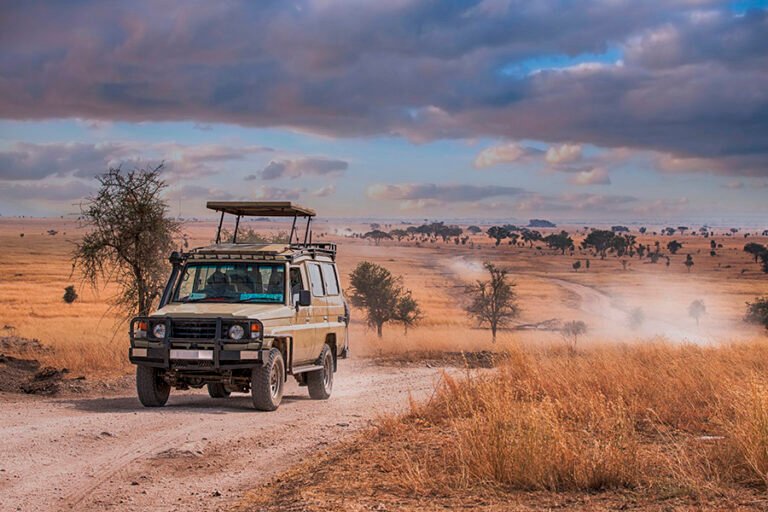
Katavi Fly-In Safari: The Ultimate Wilderness Adventure In Tanzania 2026-2027
Discover the magic of Katavi National Park with a fly-in safari, offering unparalleled access to one of Tanzania's most wild and remote destinations. This guide covers everything you need...
View package details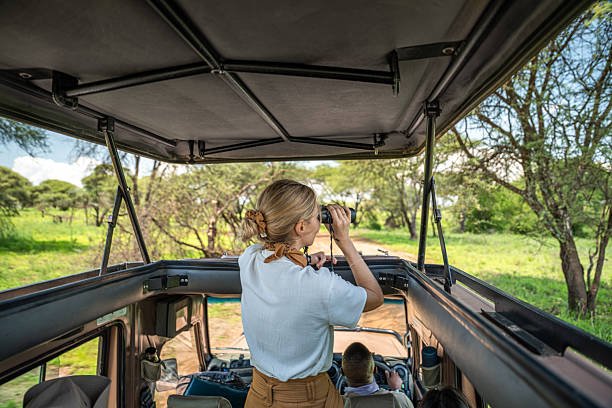
Katavi National Park Safari 2026-2027
Katavi National Park Safari is explained with current 2026-2027 planning, price, itinerary and booking information.
View package details
Best Time To Visit Katavi National Park 2026-2027
Best Time to Visit Katavi National Park is explained with current 2026-2027 planning, price, itinerary and booking information.
View package details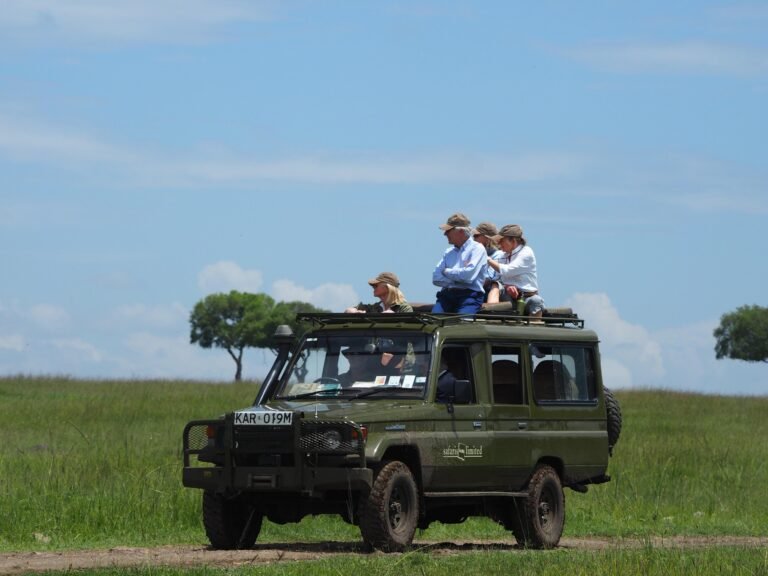
Mara Region: Your Ultimate Guide To Tanzanias Wildlife Haven In 2026-2027
Discover the unparalleled wildlife spectacles of Tanzania's Mara Region, a prime destination for safari enthusiasts. This comprehensive guide covers everything from the iconic Serengeti...
View package details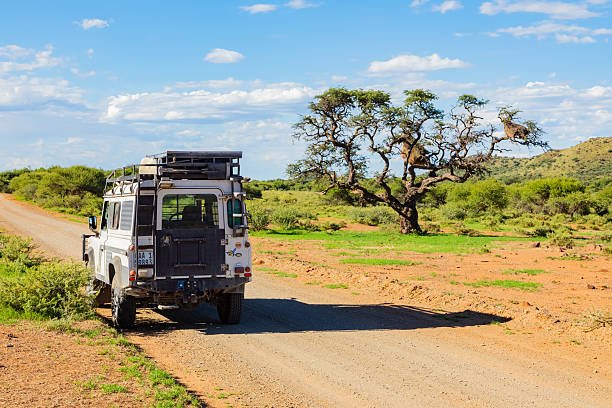
Manyara Region 2026-2027
Manyara Region is explained with current 2026-2027 planning, price, itinerary and booking information.
View package detailsTanzania Photography Safari 2026-2027
Tanzania Photography Safari is explained with current 2026-2027 planning, price, itinerary and booking information.
View package details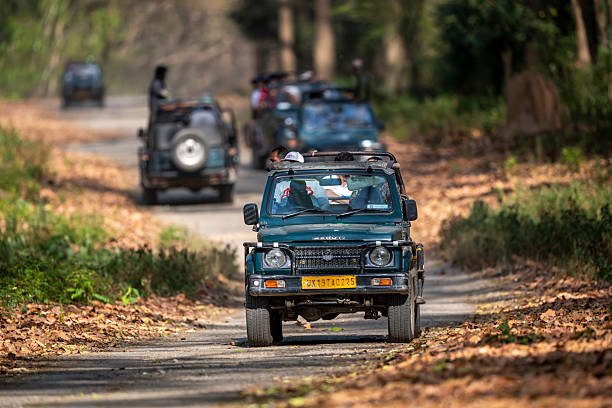
Serengeti Ngorongoro And Tarangire Safari 2026-2027
Serengeti Ngorongoro and Tarangire Safari is explained with current 2026-2027 planning, price, itinerary and booking information.
View package details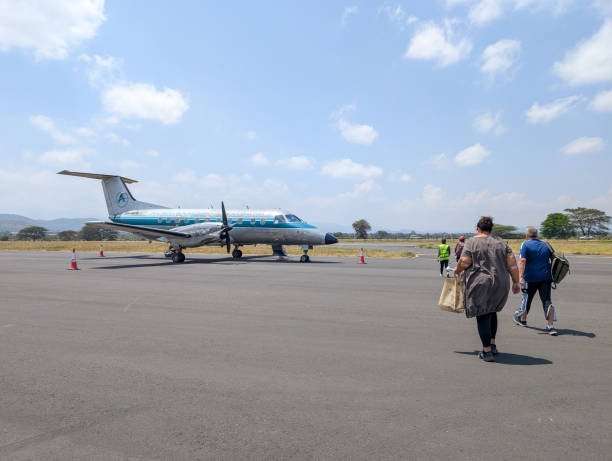
Southern Circuit Tanzania Safari: Your Ultimate Guide With Top Adventures
Explore the wild, less-traveled paths of Tanzania's Southern Circuit. This guide covers Ruaha, Nyerere National Park, and Mikumi, detailing experiences, wildlife, and planning for your...
View package details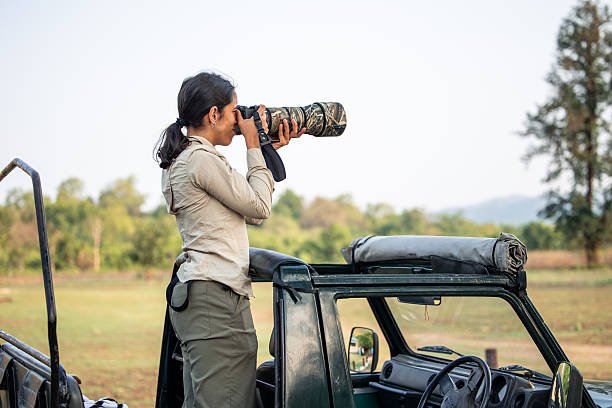
Tanzania Safari Cost And Prices : Your Ultimate Guide 2026-2027
Planning your dream Tanzania safari in 2026 or 2027? This comprehensive guide breaks down the safari costs, prices, and key factors influencing your budget, helping you plan the perfect...
View package details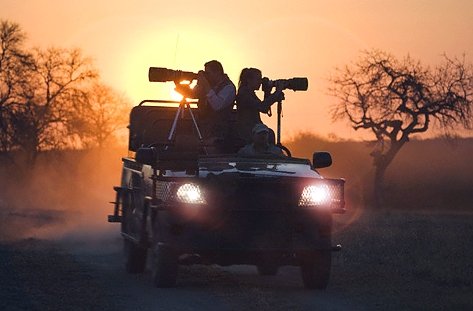
Tanzania Private Safari Tours: Your Ultimate Bespoke Adventure In 2026-2027
Discover the unparalleled freedom and personalized experience of a Tanzania private safari tour. Top Guide Adventures crafts bespoke journeys through iconic landscapes like the Serengeti...
View package detailsNo related package matches those filters. Clear one or more filters to see the other topic-matched options.



