
The Kilimanjaro Region in Tanzania is primarily defined by Mount Kilimanjaro, Africa’s highest peak, and its surrounding gateway towns like Moshi and Marangu, offering unparalleled trekking opportunities, vibrant local culture, and access to exceptional wildlife safaris in nearby parks. It serves as the starting point for numerous Kilimanjaro climbs, with diverse routes catering to various skill levels and timeframes, and is a hub for cultural tours, coffee plantations, and connecting to further adventures across Northern Tanzania, with prime trekking seasons and tour availability becoming increasingly important for 2026-2027 planning.
Understanding the Kilimanjaro Region: More Than Just a Mountain
The Kilimanjaro Region is a geographical and cultural area in northeastern Tanzania, dominated by the majestic Mount Kilimanjaro, a dormant volcano and the highest free-standing mountain in the world. While the mountain itself is the primary draw, the region encompasses much more, including fertile foothills, bustling towns, diverse ecosystems, and a rich cultural heritage. For travelers, the Kilimanjaro Region represents the gateway to one of the world’s most iconic treks, but also a destination offering unique cultural experiences and a base for exploring other Tanzanian wonders.
This area is strategically important for tourism in Tanzania, serving as a major entry point and operational hub. Towns like Moshi, the regional capital, and Marangu, historically known as the “doorway to Kilimanjaro,” are central to organizing expeditions. The region’s economy is deeply intertwined with tourism, particularly mountaineering, and its people, predominantly Chagga, have a distinct culture shaped by the mountain’s presence and the fertile volcanic soil that supports thriving agriculture, especially coffee.
When planning a trip to the Kilimanjaro Region, understanding its multifaceted nature is key. It’s not just about summiting Kilimanjaro; it’s about experiencing the unique environment, the warmth of its people, and the vast opportunities for adventure that extend beyond the mountain slopes. As we look towards 2026 and 2027, interest in sustainable tourism and authentic experiences in this region continues to grow, making it an exciting time to plan your visit.
Geographical Significance and Climate
Mount Kilimanjaro stands at 5,895 meters (19,341 feet) above sea level. Its immense size and elevation create distinct ecological zones, from lush rainforests at the base to alpine desert and arctic conditions at the summit. The Kilimanjaro Region itself benefits from this unique geography, with fertile volcanic soils supporting agriculture and a varied climate that influences the best times for trekking and visiting.
The region experiences two rainy seasons: the long rains from March to May and the short rains from November to December. The dry seasons, from January to March and June to October, are generally considered the best times for climbing Kilimanjaro and for general travel in the region, offering clearer skies and more stable weather. Temperatures vary dramatically with altitude, from warm and humid at the base to freezing at the summit. Understanding these climatic patterns is crucial for packing appropriately and choosing the right time for your 2026-2027 adventure.
The People and Culture of the Kilimanjaro Region
The dominant ethnic group in the Kilimanjaro Region is the Chagga people, known for their industriousness and rich cultural traditions. Their history is marked by resilience, particularly in their resistance to colonial powers and their development of sophisticated agricultural systems. Coffee cultivation is central to Chagga culture and economy, and visiting local coffee plantations offers a fascinating glimpse into their way of life.
Chagga society is organized around a traditional clan system, and their language, Kichagga, is distinct from Swahili, though Swahili is widely spoken as the national language. Their traditional homes were often underground tunnels, built for protection during inter-tribal conflicts. Today, these are a point of historical interest, alongside their vibrant markets, unique music, and storytelling traditions. Engaging with the local culture through village tours or homestays can greatly enrich a trip to the Kilimanjaro Region.
Mount Kilimanjaro: The Crown Jewel of the Region
No discussion of the Kilimanjaro Region is complete without focusing on Mount Kilimanjaro itself. It is a UNESCO World Heritage Site and one of the Seven Summits, attracting thousands of climbers annually. The mountain’s appeal lies not only in its status as Africa’s highest point but also in the incredible journey it offers – a trek through diverse landscapes and climatic zones, testing physical and mental endurance.
### Kilimanjaro Climbing Routes: A Comparative Overview
Choosing the right Kilimanjaro route is one of the most critical decisions for any trekker. Each route offers a different experience in terms of scenery, difficulty, acclimatization profile, and camping style. Understanding these differences is vital for a successful and enjoyable climb, especially when planning for 2026 or 2027.
Here’s a look at the main routes, often offered by reputable operators like Top Guide Adventures:
* Marangu Route (Coca-Cola Route): The oldest and most straightforward route. It’s known for its “huts” accommodation instead of camping, making it a unique option. It has a relatively steep ascent and a lower success rate due to poorer acclimatization. Duration: 5-6 days.
* Machame Route (Whiskey Route): The most popular route, offering excellent acclimatization and stunning scenery. It’s a camping route with a “climb high, sleep low” profile. Duration: 6-7 days.
* Lemosho Route: Considered one of the most scenic routes, starting in the west and traversing the mountain. It offers excellent acclimatization and a good chance of seeing wildlife in the early stages. Duration: 7-8 days.
* Shira Route: Similar to Lemosho but starts at a higher altitude, making acclimatization more challenging. It’s also very scenic. Duration: 7-8 days.
* Rongai Route: The only route that approaches from the north, offering a different perspective and often drier conditions, especially during the rainy seasons. It’s less crowded and has good acclimatization. Duration: 6-7 days.
* Northern Circuit: The longest route, offering the best acclimatization and highest success rates. It circles the mountain, providing panoramic views. Duration: 9-10 days.
* Umbwe Route: The shortest, steepest, and most challenging route, requiring excellent physical condition and previous high-altitude experience. It has a very poor acclimatization profile. Duration: 5-6 days.
When selecting a route for your 2026-2027 climb, consider your fitness level, available time, budget, and desired experience. Longer routes generally offer higher success rates due to better acclimatization.
### Success Rates and Acclimatization
Climbing Kilimanjaro is a serious undertaking, and success rates vary significantly by route and duration. The key factor influencing success is proper acclimatization. This means ascending slowly, allowing your body time to adjust to the decreasing oxygen levels at higher altitudes.
Routes like the Northern Circuit and Lemosho (7-8 days) are known for their higher success rates because they allow for more gradual ascent and better “climb high, sleep low” opportunities. Shorter routes, like the 5-day Marangu or Umbwe, often have lower success rates because they rush the acclimatization process.
For 2026-2027, prioritizing a route that allows at least 7 days on the mountain is highly recommended for a better chance of reaching Uhuru Peak.
### What to Expect on a Kilimanjaro Climb
A Kilimanjaro climb is more than just a hike; it’s an expedition. You’ll be accompanied by a team of experienced guides, porters, and cooks who handle all the logistics, including setting up camp, preparing meals, and carrying your gear. Days typically involve several hours of trekking, with periods of rest and hydration. The final ascent to the summit, known as “Summit Night,” is the most challenging part, usually beginning around midnight and continuing until dawn.
Expect basic but comfortable camping facilities (on most routes), with meals provided. The scenery changes dramatically each day, from lush forests to moorlands, alpine deserts, and the arctic zone. Nights can be extremely cold, especially near the summit.
### Packing Essentials for Kilimanjaro
Proper gear is crucial for comfort and safety on Kilimanjaro. The Kilimanjaro Region’s climate can be extreme, so layering is key. Essential items include:
* High-quality waterproof and windproof outer layers.
* Warm layers: fleece jackets, thermal base layers.
* Insulated down jacket for summit night.
* Comfortable hiking boots (broken in).
* Warm hat and gloves (multiple pairs).
* Sun hat and sunglasses.
* Sleeping bag rated for sub-zero temperatures.
* Headlamp with extra batteries.
* Water bottles or hydration reservoir (at least 3 liters capacity).
* Sunscreen and lip balm with high SPF.
* Personal first-aid kit and any personal medications.
* Trekking poles.
Reputable tour operators like Top Guide Adventures provide detailed packing lists to ensure clients are well-prepared for their 2026-2027 climbs.
### The Role of Guides and Porters
The success and safety of your Kilimanjaro climb largely depend on your support crew. Guides are trained in high-altitude medicine and emergency procedures. Porters carry the bulk of the equipment, tents, food, and personal items, allowing climbers to focus on walking. Ethical treatment of porters is a significant concern in the industry, and choosing operators who adhere to fair wages and practices is essential. Top Guide Adventures is committed to ethical trekking standards.
## Beyond the Summit: Exploring the Kilimanjaro Region
While Kilimanjaro is the star attraction, the surrounding region offers a wealth of experiences that complement a trek or can be enjoyed independently. The Kilimanjaro Region is a vibrant hub of activity, culture, and natural beauty.
Moshi: The Gateway Town
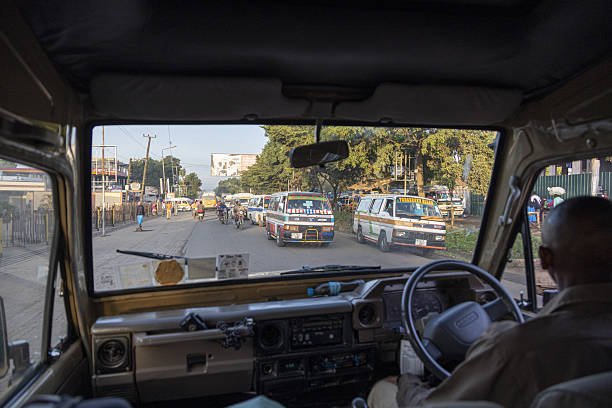
Moshi is the administrative and commercial center of the Kilimanjaro Region. It’s a lively town with a relaxed atmosphere, serving as the primary base for trekkers and safari-goers. Moshi offers:
* Accommodation: A range of hotels, lodges, and guesthouses for various budgets.
* Services: Tour operators, gear rental shops, banks, and medical facilities.
* Culture: Local markets, restaurants serving Tanzanian cuisine, and opportunities to interact with the Chagga people.
* Activities: Day trips to waterfalls, hot springs, and nearby villages.
Many travelers spend a night or two in
Check Availability for Kilimanjaro Region 2026-2027
Ready to compare dates, prices, and the best option for your group? Send the package name and travel month so the team can reply with a clear quote, availability, and what is included.
Arusha National Park Day Trip: Your Complete Guide For Adventures 2026-2027
Explore Arusha National Park on a memorable day trip. This guide covers everything from wildlife viewing and canoeing on Momella Lakes to hiking Mount Meru's lower slopes, perfect for a...
View package details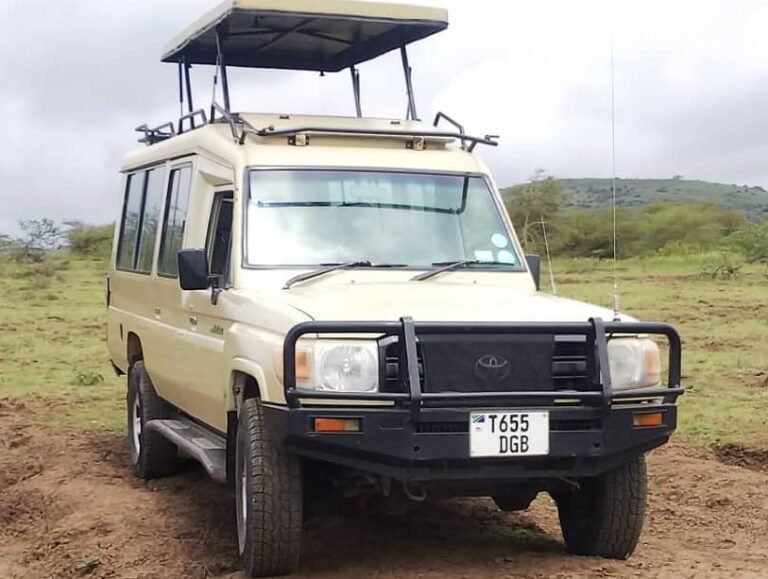
Kilimanjaro Safari And Zanzibar Package: The Ultimate Tanzania Adventure
Experience the pinnacle of Tanzania with a combined Kilimanjaro safari and Zanzibar package. This ultimate adventure blends the thrill of conquering Africa's highest peak with the wildlife...
View package details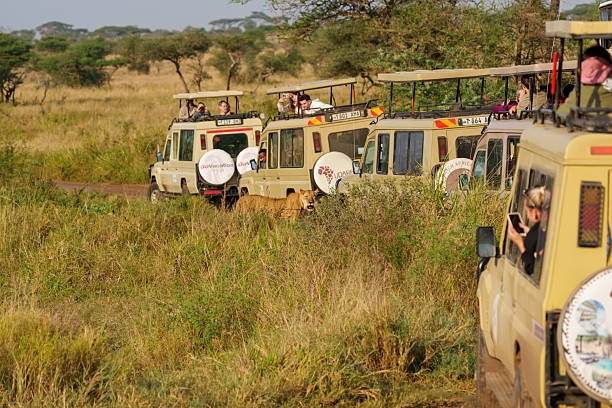
Gombe National Park Chimpanzee Trekking 2026-2027
Gombe National Park Chimpanzee Trekking is explained with current 2026-2027 planning, price, itinerary and booking information.
View package detailsRubondo Island Chimpanzee Trekking: Your Ultimate Guide For 2026-2027
Discover the magic of Rubondo Island National Park for chimpanzee trekking. This guide covers everything you need to know for an incredible adventure in 2026-2027, from planning and costs...
View package detailsKatavi Region: Tanzanias Untamed Wilderness Safari Destination 2026-2027
Explore Katavi Region, a truly wild and remote safari destination in Tanzania, offering unparalleled wildlife viewing and a genuine wilderness experience. Perfect for adventurers seeking...
View package details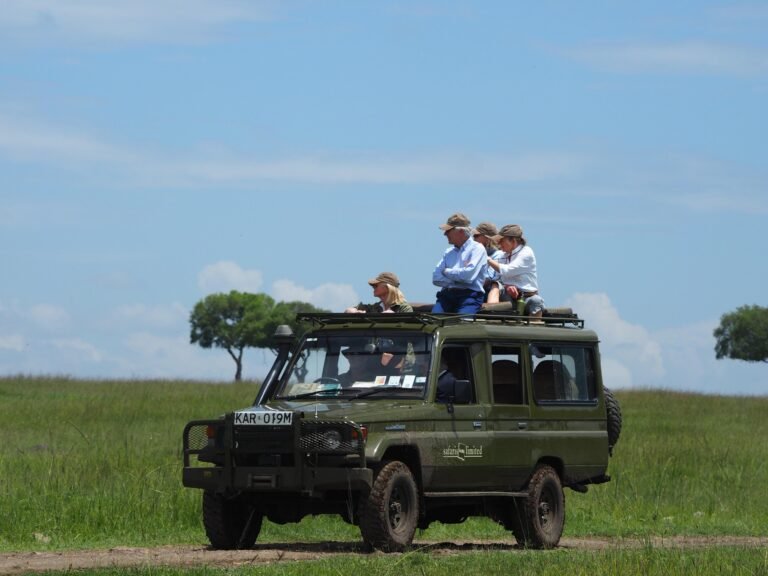
Mara Region: Your Ultimate Guide To Tanzanias Wildlife Haven In 2026-2027
Discover the unparalleled wildlife spectacles of Tanzania's Mara Region, a prime destination for safari enthusiasts. This comprehensive guide covers everything from the iconic Serengeti...
View package details
Mwanza Region: Your Ultimate Guide To Tanzanias Lake Victoria Hub 2026-2027
Explore the Mwanza Region, Tanzania's gateway to Lake Victoria. Learn about its rich Sukuma culture, unique geological formations, wildlife, and essential travel information for your...
View package details
Simiyu Region 2026-2027
Simiyu Region is explained with current 2026-2027 planning, price, itinerary and booking information.
View package details
Tabora Region: Unveiling Tanzanias Historical Heart And Untamed Wilds
Discover the rich history and diverse natural beauty of Tanzania's Tabora Region. This guide covers its historical significance, wildlife, cultural experiences, and how to plan your...
View package detailsRuvuma Region Guide
Discover the Ruvuma Region in southern Tanzania, a destination offering unparalleled wildlife encounters, rich cultural heritage, and stunning natural landscapes, perfect for adventurous...
View package details
Manyara Region 2026-2027
Manyara Region is explained with current 2026-2027 planning, price, itinerary and booking information.
View package details
Arusha Region 2026-2027
Arusha Region is explained with current 2026-2027 planning, price, itinerary and booking information.
View package detailsNo related package matches those filters. Clear one or more filters to see the other topic-matched options.



