
The Simiyu Region in Tanzania is a interesting destination known for its significant wildlife populations, particularly within the Serengeti National Park’s southern reaches, its unique cultural heritage, and its potential for authentic, less-crowded safari experiences, making it an increasingly attractive option for travelers in 2026 and 2027 looking beyond the typical tourist trails.
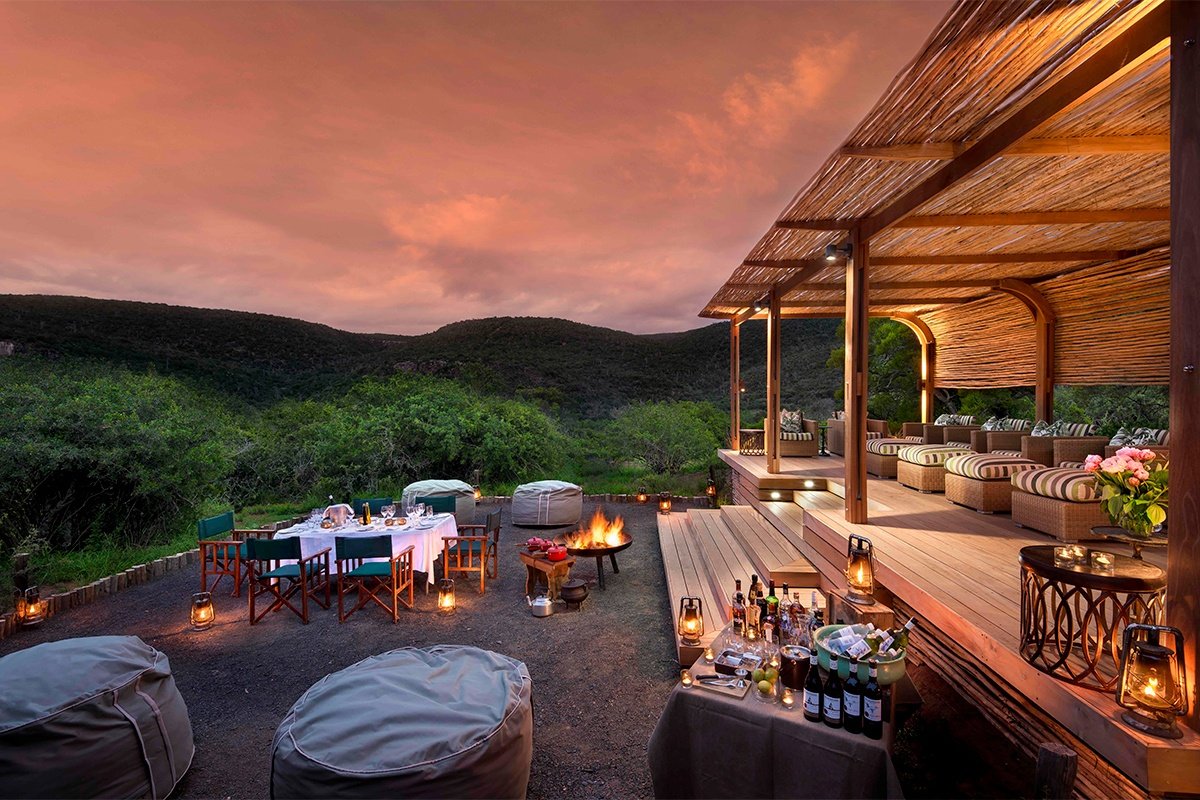
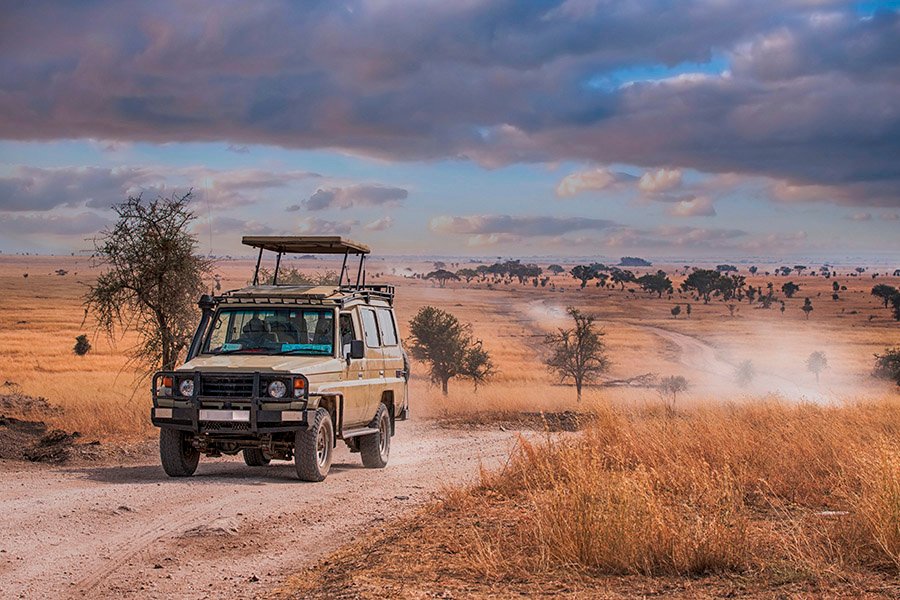

Discovering the Untamed Heart of Tanzania: An Introduction to Simiyu Region
Tanzania, a land synonymous with iconic safaris and Kilimanjaro’s majestic peak, holds many treasures beyond its most famous landmarks. The Simiyu Region, situated in the north of the country, is one such gem. Established in 2011 when it was carved out of the Mara and Shinyanga regions, Simiyu is one of Tanzania’s newer administrative areas, yet it boasts a history and natural endowment that rivals its more established neighbors. For travelers planning their adventures for 2026 and 2027, Simiyu offers a compelling blend of world-class wildlife viewing, especially during the Great Migration’s southern Serengeti passage, alongside rich cultural interactions with local communities like the Sukuma people, all experienced with a refreshing lack of crowds found in more popular safari circuits.
Top Guide Adventures recognizes the growing interest in destinations that offer genuine experiences and remarkable wildlife encounters without the overwhelming tourist presence. Simiyu Region perfectly embodies this ethos. Its strategic location means that significant portions of the Serengeti National Park, a UNESCO World Heritage Site and one of Africa’s premier wildlife reserves, fall within its administrative boundaries. This provides unparalleled opportunities to witness the Great Migration, witness vast herds of wildebeest and zebras, and observe predators in their natural habitat, often with a more intimate feel than in busier sectors.
Beyond the wildlife spectacles, Simiyu is the heartland of the Sukuma people, Tanzania’s largest ethnic group. Their vibrant traditions, agricultural practices, and unique social structures offer a profound cultural dimension to any visit. Exploring local villages, understanding their way of life, and appreciating their art and music provides a holistic travel experience that connects visitors with the soul of Tanzania. As you consider your travel plans for 2026-2027, let us guide you through what makes the Simiyu Region a must-visit for the discerning adventurer.
Geographical Significance and Landscape of Simiyu Region
The Simiyu Region is strategically located in the northern part of Tanzania, bordering the Serengeti ecosystem. Its geographical makeup is diverse, ranging from the vast plains of the Serengeti to more undulating savannah, acacia woodlands, and the shores of Lake Victoria. The region’s name, Simiyu, is derived from the Simiyu River, a vital watercourse that flows through the area, supporting both wildlife and human settlements. This river plays a crucial role, especially in feeding the Serengeti’s ecosystem and influencing the migratory patterns of its wildlife.
The landscape is characterized by open grasslands, rocky kopjes (small hills), and scattered acacia trees, providing classic safari vistas. These varied habitats support an incredible diversity of wildlife. The southern Serengeti, a significant part of which lies within Simiyu, is particularly famous for being the calving grounds of the wildebeest during the wet season, typically from January to March. This makes it a prime location for witnessing dramatic predator-prey interactions and the sheer scale of the Great Migration.
The presence of Lake Victoria, Africa’s largest lake, also influences the region’s climate and biodiversity. The lake’s proximity contributes to a slightly more humid atmosphere in some areas and supports unique birdlife and fishing communities. The overall environment is one of expansive, wild beauty, offering a sense of remoteness and pristine wilderness that is increasingly rare in popular tourist destinations. For visitors in 2026 and 2027, this raw, untamed beauty is a significant draw.
Wildlife Wonders: The Serengeti’s Southern Plains and Beyond
The undisputed star attraction of the Simiyu Region is its direct access to the southern Serengeti National Park. This area is a crucial part of the Serengeti-Mara ecosystem and plays a pivotal role in the annual Great Migration. From approximately December to March, the vast plains of the southern Serengeti become the birthing and nursery grounds for hundreds of thousands of wildebeest and zebras. Witnessing the calving season is an awe-inspiring experience, with newborn calves taking their first steps on the vast grasslands, often under the watchful eyes of predators like lions, cheetahs, and hyenas.
The southern Serengeti offers exceptional game viewing opportunities year-round. Besides the migratory herds, resident wildlife is abundant. Expect to see large prides of lions, elusive leopards, powerful cheetahs, spotted hyenas, elephants, giraffes, buffaloes, and a myriad of antelope species. The kopjes scattered across the plains often provide excellent vantage points for spotting lions basking in the sun or cheetahs scanning the horizon for prey.
Beyond the national park boundaries, Simiyu Region also encompasses areas with significant wildlife populations. While the Serengeti remains the primary focus for wildlife tourism, conservation efforts are gradually extending to buffer zones and surrounding areas, promising future opportunities for sustainable tourism. The region’s rivers and waterholes attract a variety of animals, especially during the dry season, making game drives productive throughout the year. For those planning a safari in 2026-2027, a visit to the southern Serengeti within Simiyu offers a chance to witness the migration’s most dramatic phase or enjoy incredible resident game viewing in a less congested environment.
The Great Migration: A Spectacle in Simiyu’s Domain
The Great Migration is one of the planet’s most extraordinary natural phenomena, and the Simiyu Region is at its epicenter during specific times of the year. Between December and March, the wildebeest and zebra herds congregate in the southern Serengeti plains for calving. This period is characterized by immense numbers of animals, the birth of thousands of calves, and intense predator activity. Observing a herd of over a million wildebeest grazing, or the sight of countless zebras, is an unforgettable spectacle.
The calving season is particularly thrilling for wildlife enthusiasts. Witnessing a wildebeest mother give birth and her calf stand and run within minutes is a testament to nature’s efficiency and resilience. Predators are drawn to this abundance, leading to frequent and often dramatic sightings of lions, cheetahs, and hyenas hunting the young and vulnerable. For photographers and wildlife lovers, the southern Serengeti during this period offers unparalleled opportunities.
While the main herds move northwards from April onwards, the southern Serengeti often retains a good population of resident wildlife. Therefore, even outside the calving season, the region provides excellent game viewing. Planning your safari for 2026 or 2027 with a focus on the southern Serengeti during the wet season (December-March) will place you in the heart of the migration’s most dynamic phase. Top Guide Adventures specializes in timing these experiences perfectly for our clients.
Beyond the Migration: Year-Round Wildlife Encounters
Even when the main migratory herds have moved on, the Simiyu Region, particularly its Serengeti sector, remains a wildlife paradise. The southern Serengeti is home to a robust population of resident animals. Lions are particularly prevalent here, often found resting on the iconic granite kopjes that dot the landscape. Cheetahs are frequently spotted on the open plains, utilizing their incredible speed to hunt gazelles and other small antelopes. Leopards, while more elusive, can also be found in areas with denser vegetation or along riverine forests.
Herds of elephants, buffaloes, giraffes, zebras, and various species of gazelles and antelopes are a common sight throughout the year. The region’s water sources, especially during the dry season, become natural gathering points for wildlife, offering consistent opportunities for game viewing. Birdlife is also prolific, with numerous species of eagles, vultures, storks, and smaller passerines inhabiting the diverse habitats.
For travelers seeking an authentic safari experience in 2026-2027 that offers incredible wildlife sightings without the constant presence of numerous other vehicles, the southern Serengeti in Simiyu Region is an excellent choice. Top Guide Adventures can craft itineraries that maximize your chances of encountering the diverse wildlife that calls this region home, at any time of year.
Cultural Immersion: The Heartbeat of the Sukuma People
Simiyu Region is the ancestral home of the Sukuma people, the largest ethnic group in Tanzania. Known for their agricultural prowess, rich traditions, and intricate social structures, the Sukuma offer visitors a unique opportunity for cultural exchange. Their name, “Sukuma,” is said to mean “people of the north,” reflecting their historical settlement patterns.
Traditional Sukuma society is organized around family and clan ties, with a strong emphasis on community cooperation. Historically, they were known for their ironworking skills and sophisticated farming techniques. Today, while modern influences are present, many traditional practices and beliefs persist. Visitors can gain insight into these through carefully arranged visits to local villages.
Top Guide Adventures is committed to responsible tourism that benefits local communities. We facilitate respectful interactions that allow travelers to learn about Sukuma culture, witness traditional crafts, and understand their daily lives. This cultural dimension adds significant depth to a safari or adventure in Simiyu, transforming a wildlife viewing trip into a truly enriching experience. Planning for 2026 and 2027 offers a chance to engage with these traditions.
Exploring Sukuma Villages and Traditions
A visit to a Sukuma village is a highlight for many travelers interested in experiencing authentic Tanzanian culture. These visits are typically arranged with local guides who can facilitate respectful introductions and provide context. You might witness traditional farming methods, learn about local remedies, see how traditional homes are constructed, and understand the social dynamics of village life.
The Sukuma are also known for their vibrant art and music. Traditional dances, storytelling, and the creation of intricate carvings and beadwork are part of their cultural heritage. Some villages may offer demonstrations of these skills, providing a tangible connection to the local artistry. The emphasis is always on authentic engagement, ensuring that the experience is educational and respectful for both visitors and the community.
We ensure that our cultural tours are organized in a way that directly supports the communities visited, often through purchasing local crafts or contributing to community projects. This approach ensures that your journey through Simiyu contributes positively to the preservation of Sukuma culture. For your 2026-2027 travels, consider adding a meaningful cultural component.
The Significance of Dance and Music
Dance and music are integral to Sukuma life, playing roles in celebrations, rituals, and social gatherings. Traditional Sukuma dances are often energetic and expressive, accompanied by distinctive drumming rhythms and vocalizations. These performances are not just entertainment; they are a way of passing down stories, history, and cultural values from one generation to the next.
Specific dances might be performed during harvest festivals, ceremonies marking important life events, or as a way to invoke spiritual blessings. The use of traditional instruments, such as various types of drums and rattles, creates a powerful and engaging soundscape. Experiencing a live performance offers a vibrant glimpse into the soul of the Sukuma people and their enduring cultural spirit.
Top Guide Adventures can arrange for guests to witness traditional dance performances where possible, offering a dynamic and memorable cultural encounter. This is a fantastic addition to any safari itinerary planned for 2026 or 2027, providing a deeper understanding of Tanzania beyond its wildlife.
Check Availability for Simiyu Region 2026-2027
Ready to compare dates, prices, and the best option for your group? Send the package name and travel month so the team can reply with a clear quote, availability, and what is included.
Mara Region: Your Ultimate Guide To Tanzanias Wildlife Haven In 2026-2027
Discover the unparalleled wildlife spectacles of Tanzania's Mara Region, a prime destination for safari enthusiasts. This comprehensive guide covers everything from the iconic Serengeti...
View package details
Things To Do In Simiyu Tanzania 2026-2027
Things to Do in Simiyu Tanzania is explained with current 2026-2027 planning, price, itinerary and booking information.
View package details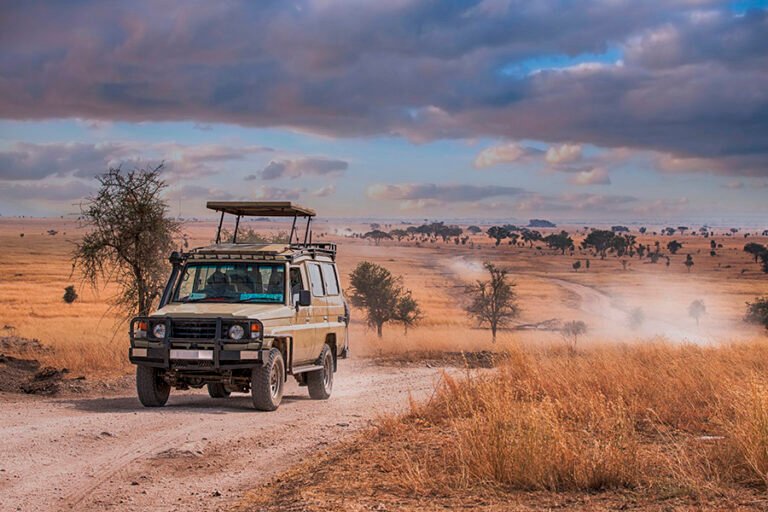
Arusha Region 2026-2027
Arusha Region is explained with current 2026-2027 planning, price, itinerary and booking information.
View package details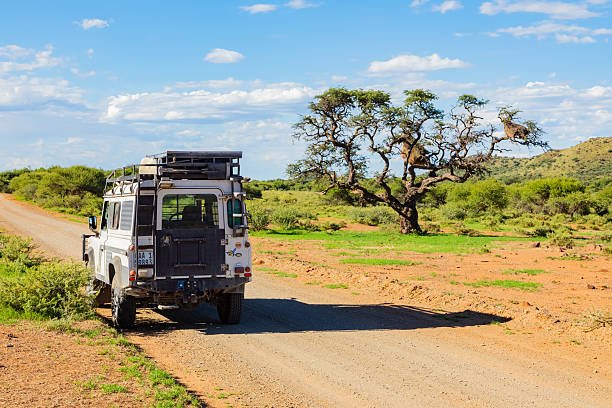
Tanzania Photography Safari 2026-2027
Tanzania Photography Safari is explained with current 2026-2027 planning, price, itinerary and booking information.
View package details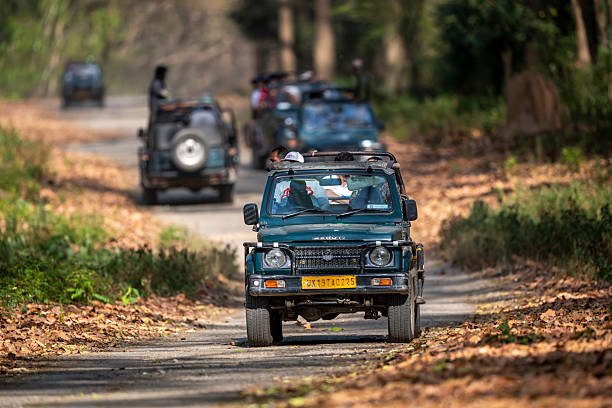
Serengeti Ngorongoro And Tarangire Safari 2026-2027
Serengeti Ngorongoro and Tarangire Safari is explained with current 2026-2027 planning, price, itinerary and booking information.
View package details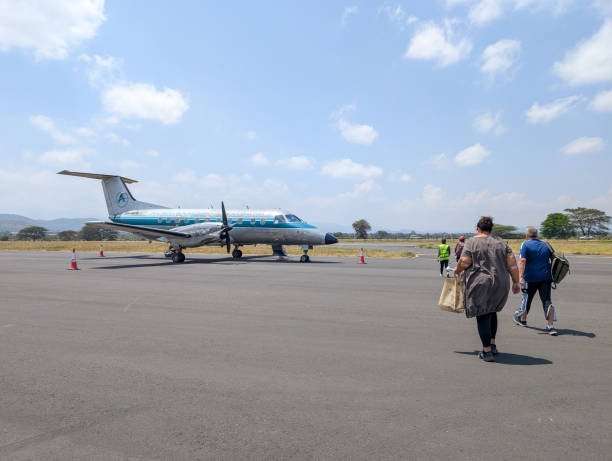
Southern Circuit Tanzania Safari: Your Ultimate Guide With Top Adventures
Explore the wild, less-traveled paths of Tanzania's Southern Circuit. This guide covers Ruaha, Nyerere National Park, and Mikumi, detailing experiences, wildlife, and planning for your...
View package details
Tanzania Safari Cost And Prices : Your Ultimate Guide 2026-2027
Planning your dream Tanzania safari in 2026 or 2027? This comprehensive guide breaks down the safari costs, prices, and key factors influencing your budget, helping you plan the perfect...
View package details
Tanzania Private Safari Tours: Your Ultimate Bespoke Adventure In 2026-2027
Discover the unparalleled freedom and personalized experience of a Tanzania private safari tour. Top Guide Adventures crafts bespoke journeys through iconic landscapes like the Serengeti...
View package details
Tanzania Family Safari Packages 2026-2027
Tanzania Family Safari Packages is explained with current 2026-2027 planning, price, itinerary and booking information.
View package details
14 Day Tanzania Safari And Beach Holiday 2026-2027
14 Day Tanzania Safari and Beach Holiday is explained with current 2026-2027 planning, price, itinerary and booking information.
View package details
7 Day Tanzania Safari Itinerary: The Ultimate Wildlife Adventure In 2026-2027
Discover the perfect 7-day Tanzania safari itinerary, maximizing wildlife encounters in iconic parks like the Serengeti and Ngorongoro Crater. This guide provides a detailed plan, essential...
View package details
Kilimanjaro Safari And Zanzibar Package: The Ultimate Tanzania Adventure
Experience the pinnacle of Tanzania with a combined Kilimanjaro safari and Zanzibar package. This ultimate adventure blends the thrill of conquering Africa's highest peak with the wildlife...
View package detailsNo related package matches those filters. Clear one or more filters to see the other topic-matched options.



