
The most rewarding things to do in Simiyu, Tanzania, include exploring the vast shores of Lake Victoria for fishing and cultural encounters, visiting the renowned Serengeti National Park for unparalleled wildlife viewing, and experiencing the local traditions of the Sukuma people. For 2026-2027 travelers, Simiyu offers a less-trodden path to authentic Tanzanian adventures, combining natural beauty with rich heritage.
Discovering Simiyu: Tanzania’s less crowded place
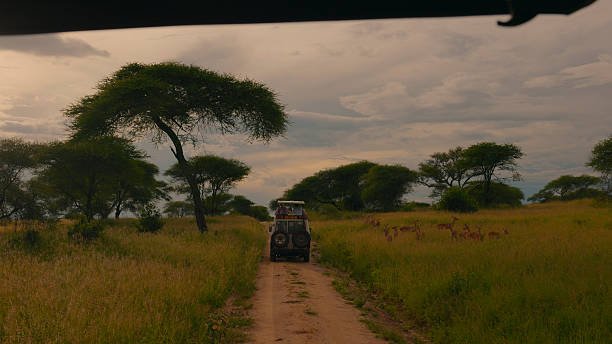
Simiyu Region, located in the northern part of Tanzania, often flies under the radar compared to its more famous neighbors like the Serengeti. However, this region holds a unique charm and a wealth of experiences for those seeking an authentic glimpse into Tanzanian life and natural wonders. Bordering the immense Lake Victoria, Simiyu is a land of diverse landscapes, from acacia-dotted plains to vibrant fishing villages. It is home to significant portions of the world-famous Serengeti National Park, making it a crucial destination for wildlife enthusiasts. Beyond the iconic safaris, Simiyu offers deep cultural interactions with the Sukuma people, the largest ethnic group in Tanzania, known for their traditional music, dance, and agricultural practices. As you plan your adventures for 2026 and 2027, consider Simiyu for a journey that blends iconic wildlife encounters with genuine cultural immersion, away from the typical tourist crowds.
Exploring Lake Victoria’s Simiyu Shores
Lake Victoria, Africa’s largest freshwater lake and the world’s second-largest, forms a significant part of Simiyu Region’s identity and allure. The northern and western edges of the region are defined by its expansive coastline, offering a distinct experience from the typical savanna safari. The lake is not just a scenic backdrop; it’s a vital ecosystem and a hub of human activity, particularly for the local fishing communities. For travelers in 2026-2027, the Simiyu shores of Lake Victoria present opportunities for unique activities that connect you with both nature and local life.
Fishing Experiences on Lake Victoria
Fishing is the lifeblood of many communities along Lake Victoria’s shores in Simiyu. Traditional methods, passed down through generations, are still widely practiced. Visitors can witness or even participate in these activities. Early mornings are particularly vibrant, as local fishermen set out in their handcrafted wooden boats, known as dugouts, to cast nets or lines. The primary catch includes Nile perch, tilapia, and dagaa (small silver fish). Engaging with local fishermen offers a profound insight into their daily lives, their challenges, and their deep connection to the lake.
For a more organized experience, consider arranging a guided fishing trip. This could involve joining local fishermen on their vessels or chartering a boat equipped for recreational fishing. While the primary focus for many visitors is the cultural aspect, the thrill of potentially catching a sizable Nile perch can be an added adventure. Such excursions provide unparalleled photographic opportunities and a chance to understand the ecological significance of Lake Victoria.
Visiting Simiyu’s Lakeside Villages
The villages dotting the Simiyu coastline offer a window into the distinct lifestyle shaped by the lake. Towns like Mwanza (though technically in a neighboring region, its influence extends) and smaller settlements within Simiyu provide vibrant hubs of activity. Experiencing these villages means walking through bustling local markets where fresh fish is traded alongside produce, crafts, and everyday goods. You’ll see women washing clothes by the lake, children playing, and the rhythmic sounds of daily life unfolding.
Engaging with the community requires respect and an open mind. Learning a few Swahili phrases can go a long way. Many visitors find that simply sitting by the shore, observing the boats coming in, and interacting with local artisans or vendors provides a rich, authentic experience. Cultural tours can be arranged to ensure respectful and meaningful interactions, often including visits to local homes, schools, or community projects. These interactions are a cornerstone of what makes Simiyu a special destination for 2026-2027 travel.
Birdwatching Around Lake Victoria
The diverse habitats around Lake Victoria, including wetlands, papyrus swamps, and open waters, attract a remarkable array of birdlife. Birdwatchers will find Simiyu a rewarding destination. Species commonly sighted include various kingfishers, herons, egrets, cormorants, fish eagles, and weaver birds. The shores and surrounding vegetation offer excellent vantage points for observing these birds in their natural environment.
Guided birdwatching walks, often led by local naturalists, can significantly enhance the experience. They can help identify species and point out unique behaviors. The early morning and late afternoon hours are typically the most active periods for birdlife. The tranquil atmosphere of the lakeside at these times, combined with the symphony of bird calls, makes for a peaceful and enriching experience.
Wildlife Encounters in Simiyu: The Serengeti Connection
Simiyu Region is home to a significant portion of the iconic Serengeti National Park, one of the world’s most celebrated wildlife destinations. While the park’s central and western corridors are the most visited, Simiyu’s areas offer incredible safari opportunities, often with fewer crowds. This makes it an attractive option for travelers looking for a more exclusive or diverse safari experience in 2026-2027.
Serengeti National Park: Simiyu’s Crown Jewel
The Serengeti ecosystem spans across multiple regions, and Simiyu holds key areas, particularly in the western and southern parts of the park. These areas are vital for the Great Migration, where millions of wildebeest, zebras, and gazelles traverse the plains in search of fresh grazing. Depending on the time of year, visitors to Simiyu can witness dramatic river crossings or the calving season, where vast herds gather in the southern Serengeti.
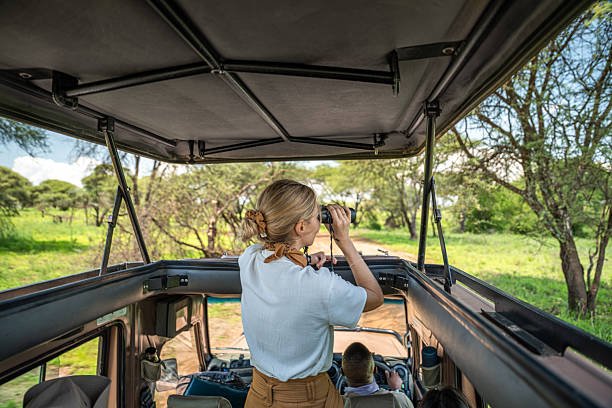
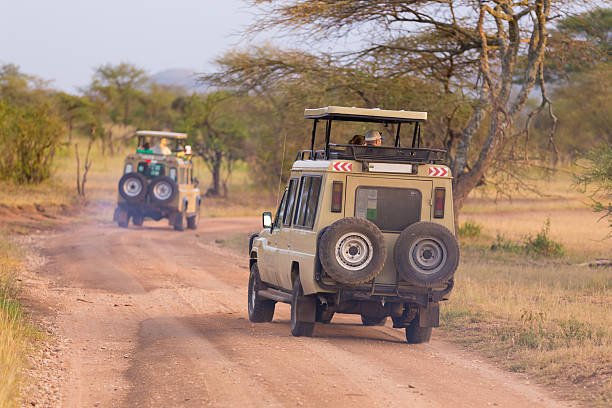
Activities within the Serengeti section of Simiyu include game drives, hot air balloon safaris, and walking safaris (in designated areas). The sheer abundance of wildlife is astounding: lions, leopards, cheetahs, elephants, giraffes, buffaloes, and a myriad of other species inhabit these plains. The landscape itself is impressive, ranging from vast open grasslands to kopjes (rocky outcrops) and acacia woodlands.
Planning Your Serengeti Safari in Simiyu (2026-2027)
When planning a safari that includes Simiyu’s Serengeti areas for 2026 or 2027, timing is crucial, especially if you wish to witness the Great Migration. The migration’s exact location varies annually, but generally:
- December to March: The southern Serengeti plains are ideal for witnessing the calving season, with large herds congregating to give birth.
- April to May: This is the ‘long rains’ period, and the herds begin moving north and west. It’s a quieter time for tourism, offering lower prices and fewer crowds, but some roads may be challenging.
- June to October: The western and northern Serengeti are prime locations for witnessing dramatic river crossings, particularly the Grumeti and Mara Rivers. This is peak safari season.
Top Guide Adventures can help tailor your Serengeti experience within Simiyu to align with these movements and your specific interests. We focus on providing personalized safari itineraries that maximize wildlife viewing opportunities while ensuring comfort and safety. Whether you’re interested in photography, specific animal sightings, or a more private safari experience, we can craft the perfect plan for your 2026-2027 journey.
Grumeti River and Western Serengeti
The Grumeti River area, located in the western part of the Serengeti and accessible from Simiyu, is famous for its dramatic wildlife spectacles. During the migration, large crocodiles inhabit the Grumeti River, leading to thrilling and often dangerous river crossings for wildebeest and zebras. This region also boasts a healthy population of big cats, including lions and leopards, often found lounging in the shade of acacia trees.
The landscape in the western Serengeti is characterized by woodlands and riverine forests, offering different game viewing opportunities compared to the open plains. For those seeking a less congested safari experience, the western Serengeti, accessed via Simiyu, is an excellent choice. It provides a sense of wildness and exclusivity that is increasingly rare in more popular safari circuits.
Exploring Simiyu’s Game Reserves and Concessions
Beyond the main Serengeti National Park, Simiyu Region may also encompass or border other wildlife management areas and private concessions. These areas can offer unique safari experiences, sometimes allowing for activities not permitted in national parks, such as night game drives or walking safaris, under strict guidance. Exploring these less-visited areas provides an opportunity to see wildlife in a more natural, undisturbed setting.
These concessions often work in partnership with local communities, ensuring that tourism benefits directly contribute to conservation efforts and local development. For travelers in 2026-2027 interested in responsible tourism and conservation, engaging with these areas through reputable tour operators like Top Guide Adventures can be particularly rewarding. We are committed to promoting sustainable tourism practices that protect these precious ecosystems for future generations.
Cultural Immersion: The Sukuma People of Simiyu
Simiyu Region is the heartland of the Sukuma people, Tanzania’s largest ethnic group. Their rich cultural heritage, traditions, and way of life are a significant draw for travelers looking to go beyond wildlife viewing. The Sukuma are renowned for their agricultural prowess, intricate art, music, and dance, and a deep spiritual connection to their land and traditions.
Visiting Sukuma Villages and Learning Traditions
Arranging visits to Sukuma villages is a highlight for many travelers. These visits, ideally facilitated by local guides or tour operators who have established relationships with the communities, offer an authentic cultural exchange. You can learn about their traditional farming methods, witness the preparation of local meals, and understand their social structures. Many villages have community-run centers or cultural heritage sites where visitors can learn more.
Key aspects of Sukuma culture include their traditional healers (waganga), their unique cattle-keeping practices, and their vibrant ceremonies. The Sukuma are also known for their distinctive pottery and beadwork. Engaging with these traditions respectfully is paramount. It’s an opportunity to gain a deeper appreciation for the diverse cultural landscape of Tanzania. For 2026-2027, we anticipate a growing interest in these authentic cultural encounters.
Sukuma Music and Dance
The Sukuma are celebrated for their lively music and dance traditions. Traditional performances often feature intricate drumming, stringed instruments, and energetic dancing, sometimes involving acrobatic feats. These performances are an integral part of Sukuma celebrations, ceremonies, and social gatherings. Witnessing a traditional Sukuma dance is a interesting experience, showcasing the community’s spirit and artistry.
Some cultural tours may include opportunities to witness these performances, either arranged in advance or as part of a village visit. The rhythms and movements are deeply symbolic, often telling stories of daily life, historical events, or spiritual beliefs. This cultural aspect adds another layer of richness to any trip to Simiyu, complementing the wildlife and natural beauty.
Traditional Healers and Spirituality
Traditional healing plays a significant role in Sukuma society. Waganga, or traditional healers, are respected figures who use a combination of herbal remedies, spiritual practices, and ancestral knowledge to treat ailments. While direct interaction with healers may be sensitive and requires utmost respect, learning about their role within the community offers insight into Sukuma beliefs and their connection to the natural world.
The Sukuma also have a rich spiritual life, often blending traditional beliefs with elements of Islam and Christianity. Understanding these spiritual dimensions provides a more complete picture of the cultural mix of Simiyu. For those interested in ethnography and anthropology, Simiyu offers a fertile ground for learning.
Other Activities and Attractions in Simiyu
Beyond the primary draws of Lake Victoria and the Serengeti, Simiyu Region offers other points of interest and activities that contribute to a well-rounded travel experience. These might include exploring local markets, understanding agricultural practices, or simply enjoying the scenic drives through the region.
Exploring Local Markets
The bustling local markets in Simiyu’s towns and villages are sensory experiences. Here, you can find a wide array of goods, from fresh produce, grains, and spices to local crafts, textiles, and essential household items. The markets are vibrant social hubs where people gather, trade, and exchange news. Visiting a market provides an excellent opportunity to observe daily life, interact with local vendors, and perhaps purchase unique souvenirs.
Key items to look out for might include traditional fabrics, handmade jewelry, carved wooden items, and local foodstuffs. Remember that bargaining is common, but always do so respectfully and with a smile. The atmosphere is energetic and authentic, offering a stark contrast to the tranquility of the national parks.
Scenic Drives and Landscapes
The drives through Simiyu Region are an adventure in themselves. As you travel between different locations, you’ll witness diverse landscapes: rolling hills, vast plains dotted with acacia trees, fertile agricultural lands, and the expansive blue of Lake Victoria. The journey is as much a part of the experience as the destination.
These drives offer constant opportunities for wildlife sightings, even outside the national parks. You might encounter local livestock, birds, or smaller mammals along the roadside. The changing scenery provides a constant visual feast, and for photographers, the light and landscapes offer endless inspiration. Planning scenic routes with your tour operator can ensure you capture the best of Simiyu’s natural beauty.
Understanding Agriculture in Simiyu
Agriculture is a cornerstone of Simiyu’s economy. The region is known for producing crops such as cotton, maize, cassava, and various fruits. Understanding the agricultural practices, from traditional methods to more modern approaches, offers insight into the lives of the people and the region’s resources. Some tours might include visits to farms or agricultural projects, providing a practical perspective on rural life in Tanzania.
The cultivation of cotton, in particular, has historical significance in this part of Tanzania. Learning about these economic activities helps paint a fuller picture of the region’s development and the daily challenges and successes of its inhabitants.
Planning Your Simiyu Adventure: Practical Tips for 2026-2027
To make the most of your trip to Simiyu Region, careful planning is essential. Considering the best time to visit, accommodation options, transportation, and health precautions will ensure a smooth and enjoyable experience. Top Guide Adventures specializes in crafting personalized itineraries for Tanzania, including the less-explored gems like Simiyu, ensuring you get the most out of your 2026-2027 travel plans.
Best Time to Visit Simiyu
The best time to visit Simiyu depends on your primary interests:
- For Wildlife (Serengeti): The dry season, from June to October, is ideal for game viewing and witnessing the Great Migration river crossings. December to March is excellent for the calving season in the southern Serengeti.
- For Lake Victoria Activities: The dry seasons (June-October and December-February) offer more pleasant weather for lakeside activities and village visits. The shoulder months can also be good, with fewer crowds.
- For Cultural Tourism: Cultural activities can be enjoyed year-round, though avoiding the peak rainy season (April-May) might be preferable for easier travel.
Considering the varying needs of different travelers, we recommend consulting with us to determine the optimal time for your specific interests in 2026 or 2027.
Accommodation Options in Simiyu
Accommodation in Simiyu varies significantly, reflecting its status as a less-developed tourist destination compared to Arusha or the central Serengeti. Options typically include:
- Serengeti National Park Camps and Lodges: Within the park boundaries accessible from Simiyu, you’ll find a range of options from luxury lodges to mid-range tented camps, offering classic safari comfort.
- Lakeside Guesthouses and Campsites: In towns and villages along Lake Victoria, simpler guesthouses and basic campsites are available, offering a more budget-friendly and local experience.
- Community-Run Homestays: In some Sukuma villages, arrangements can be made for homestays, providing a deeply authentic cultural immersion. These require advance planning and careful coordination.
Top Guide Adventures works with a network of trusted partners to ensure comfortable and well-located accommodations that suit your budget and travel style. We prioritize places that offer a good balance of comfort, authenticity, and proximity to the attractions you wish to explore.
Transportation within Simiyu
Getting to and around Simiyu typically involves a combination of flights and overland travel.
- Getting to Simiyu: The most common entry point is Kilimanjaro International Airport (JRO) or Julius Nyerere International Airport (DAR) in Dar es Salaam, followed by a domestic flight to Mwanza or another local airstrip. Alternatively, overland travel from Arusha is possible but is a long journey.
- Within Simiyu: For exploring the Serengeti, 4×4 safari vehicles are essential. For traveling between towns and villages, a sturdy 4×4 or a reliable minibus is recommended due to road conditions, which can be challenging, especially during the rainy season. Top Guide Adventures provides experienced drivers and well-maintained vehicles for all its tours.
For your 2026-2027 travels, we recommend pre-booking transportation and safari vehicles to ensure availability and the best experience.
Health and Safety Precautions
When traveling to Simiyu, as with most parts of Tanzania, certain health and safety measures are advisable:
- Vaccinations: Consult your doctor or a travel clinic well in advance of your trip regarding recommended vaccinations, such as Yellow Fever (required for entry from endemic countries), Hepatitis A & B, Typhoid, and Tetanus.
- Malaria Prevention: Malaria is present in Tanzania. Discuss malaria prophylaxis with your doctor and take precautions against mosquito bites (using repellent, wearing long sleeves and trousers at dawn and dusk, and sleeping under a mosquito net).
- Water and Food Safety: Drink only bottled or purified water. Be cautious with uncooked foods and street food. Stick to well-cooked meals.
- General Safety: While Simiyu is generally safe for tourists, especially when traveling with a reputable guide, it’s always wise to be aware of your surroundings, avoid displaying valuables, and follow the advice of your guide.
Your safety and well-being are our top priorities. We ensure our guides are trained in first aid and that our itineraries account for safe travel practices.
Why Choose Top Guide Adventures for Your Simiyu Trip in 2026-2027?
Top
Check Availability for Things To Do In Simiyu Tanzania 2026-2027
Ready to compare dates, prices, and the best option for your group? Send the package name and travel month so the team can reply with a clear quote, availability, and what is included.
Tanzania Photography Safari 2026-2027
Tanzania Photography Safari is explained with current 2026-2027 planning, price, itinerary and booking information.
View package details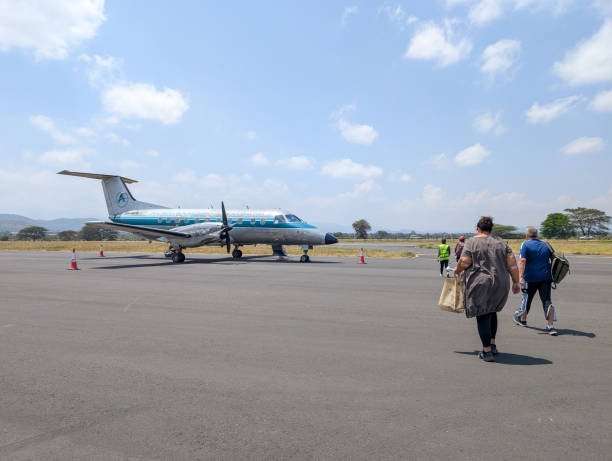
Southern Circuit Tanzania Safari: Your Ultimate Guide With Top Adventures
Explore the wild, less-traveled paths of Tanzania's Southern Circuit. This guide covers Ruaha, Nyerere National Park, and Mikumi, detailing experiences, wildlife, and planning for your...
View package details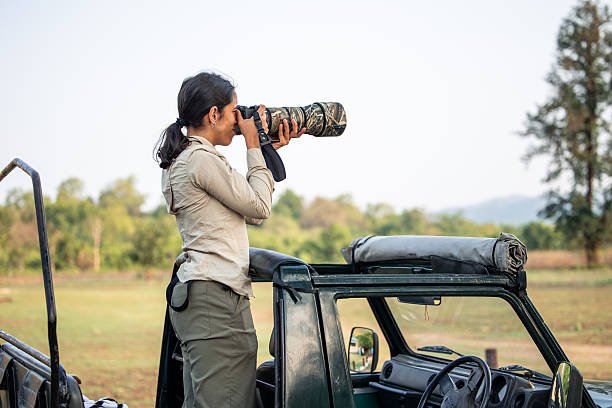
Tanzania Safari Cost And Prices : Your Ultimate Guide 2026-2027
Planning your dream Tanzania safari in 2026 or 2027? This comprehensive guide breaks down the safari costs, prices, and key factors influencing your budget, helping you plan the perfect...
View package details
Tanzania Private Safari Tours: Your Ultimate Bespoke Adventure In 2026-2027
Discover the unparalleled freedom and personalized experience of a Tanzania private safari tour. Top Guide Adventures crafts bespoke journeys through iconic landscapes like the Serengeti...
View package details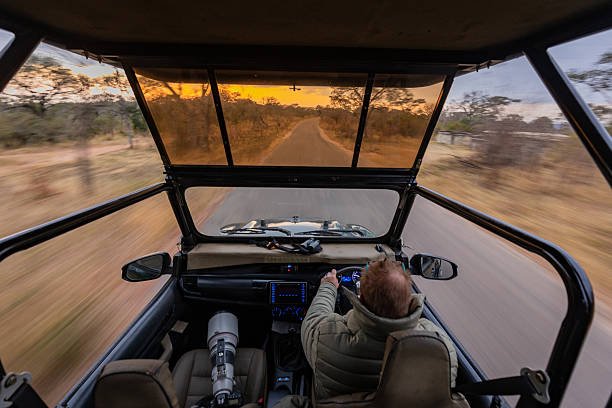
Tanzania Family Safari Packages 2026-2027
Tanzania Family Safari Packages is explained with current 2026-2027 planning, price, itinerary and booking information.
View package details
14 Day Tanzania Safari And Beach Holiday 2026-2027
14 Day Tanzania Safari and Beach Holiday is explained with current 2026-2027 planning, price, itinerary and booking information.
View package details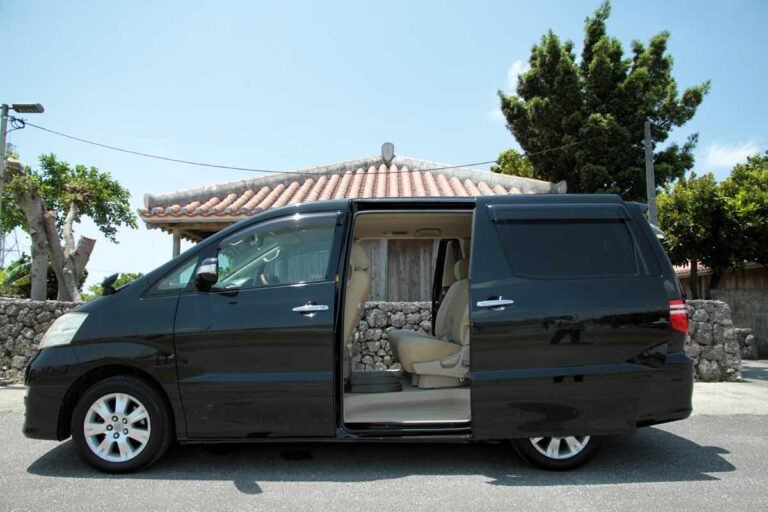
7 Day Tanzania Safari Itinerary: The Ultimate Wildlife Adventure In 2026-2027
Discover the perfect 7-day Tanzania safari itinerary, maximizing wildlife encounters in iconic parks like the Serengeti and Ngorongoro Crater. This guide provides a detailed plan, essential...
View package details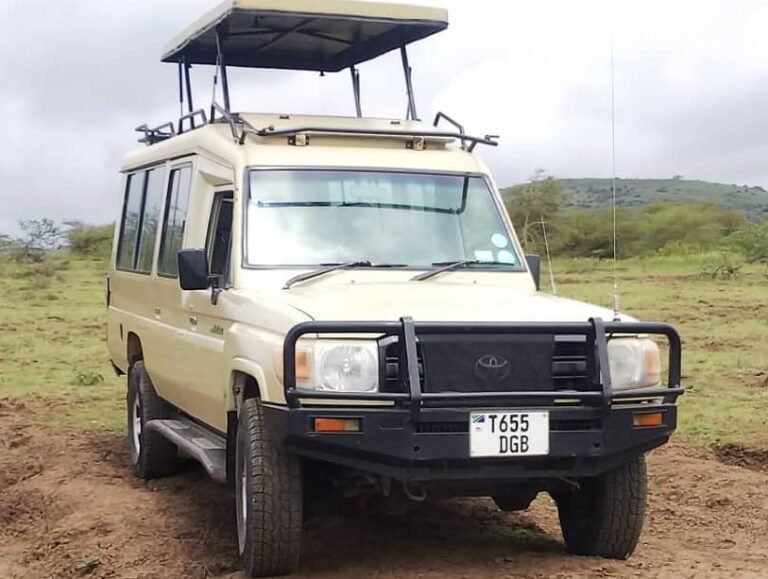
Kilimanjaro Safari And Zanzibar Package: The Ultimate Tanzania Adventure
Experience the pinnacle of Tanzania with a combined Kilimanjaro safari and Zanzibar package. This ultimate adventure blends the thrill of conquering Africa's highest peak with the wildlife...
View package details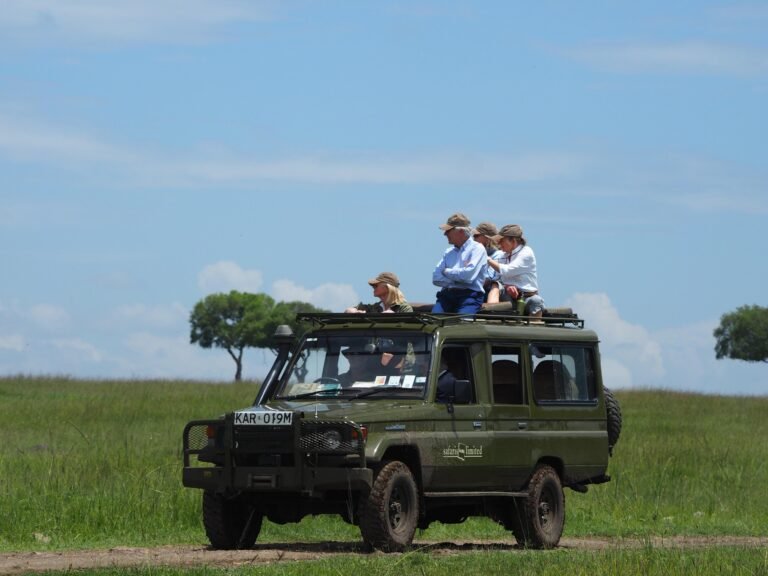
Mara Region: Your Ultimate Guide To Tanzanias Wildlife Haven In 2026-2027
Discover the unparalleled wildlife spectacles of Tanzania's Mara Region, a prime destination for safari enthusiasts. This comprehensive guide covers everything from the iconic Serengeti...
View package details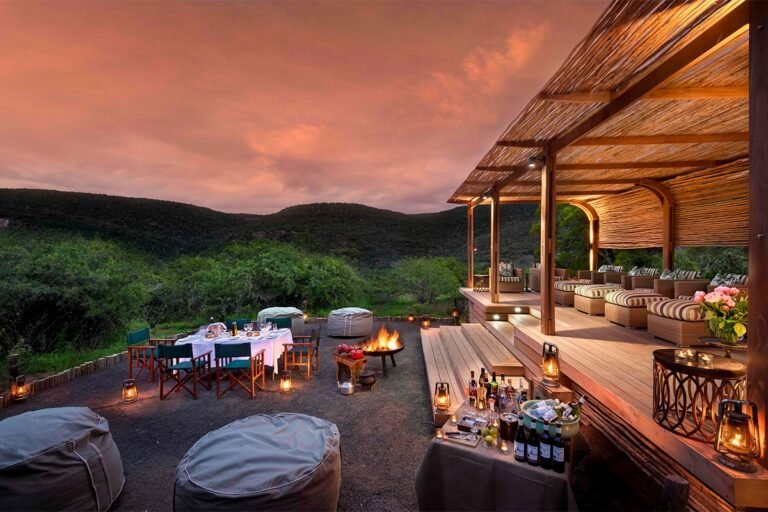
Simiyu Region 2026-2027
Simiyu Region is explained with current 2026-2027 planning, price, itinerary and booking information.
View package details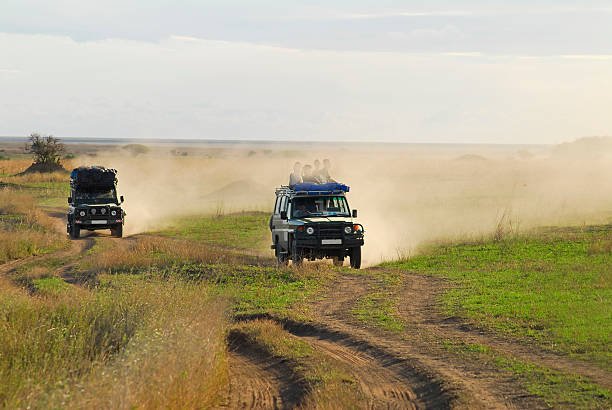
Tanzania Birdwatching Safari 2026-2027
Tanzania Birdwatching Safari is explained with current 2026-2027 planning, price, itinerary and booking information.
View package details
Tanzania Big Five Safari 2026-2027
Tanzania Big Five Safari is explained with current 2026-2027 planning, price, itinerary and booking information.
View package detailsNo related package matches those filters. Clear one or more filters to see the other topic-matched options.



