
A Tanzania Big Five safari offers the unparalleled opportunity to witness the continent’s most iconic and sought-after wildlife – the lion, leopard, elephant, rhino, and buffalo – in their natural habitats. For 2026-2027, planning such a trip involves choosing the right parks like the Serengeti and Ngorongoro Crater, understanding the best viewing seasons, and selecting a reputable tour operator like Top Guide Adventures to ensure a safe, enriching, and memorable experience. Safaris typically range from 3 to 10 days, with costs varying based on accommodation style, duration, and inclusions, but expect a comprehensive package to offer exceptional value for this ultimate wildlife adventure.
Understanding the Elusive Big Five on a Tanzania Safari
The term “Big Five” was originally coined by big-game hunters to describe Africa’s most challenging animals to hunt on foot. Today, it signifies the ultimate wildlife viewing checklist for safari-goers. Seeing all five in one safari is a remarkable achievement, and Tanzania offers some of the best chances to do so.
The Magnificent Seven: Tanzania’s Iconic Wildlife
While the Big Five are the stars, Tanzania’s wildlife encounters extend far beyond. A truly exceptional Tanzania Big Five safari often includes sightings of many other fascinating species. The “Magnificent Seven” is an unofficial but popular extension, adding the cheetah and the wild dog to the list.
- Lion: The king of the savanna, known for its majestic mane and powerful roar. Tanzania boasts a healthy and thriving lion population, especially in the Serengeti and Ngorongoro.
- Leopard: The most elusive of the Big Five, masters of camouflage, and often found resting in trees. Spotting a leopard is a highlight for any safari-goer.
- Elephant: The largest land mammal, recognizable by its immense size and distinctive trunk. Tanzania is home to large herds, particularly in Tarangire National Park.
- Rhinoceros: The critically endangered black rhino is the rarest of the Big Five. The Ngorongoro Crater offers one of the best chances for seeing these magnificent creatures.
- African Buffalo: Known for their formidable horns and herd behavior, buffalo are often seen in large numbers, grazing on the open plains.
- Cheetah: The fastest land animal, renowned for its incredible speed and hunting prowess. They are often seen on the open plains of the Serengeti.
- African Wild Dog: Also known as painted wolves, these highly social and endangered predators are incredibly efficient hunters. Sightings are rare but incredibly rewarding.
Why Choose Tanzania for Your Big Five Safari in 2026-2027?
Tanzania is consistently ranked among the top safari destinations globally, and for good reason. Its vast, protected wilderness areas, diverse ecosystems, and high wildlife densities make it a prime location for experiencing the Big Five and much more.
Unrivaled Wildlife Concentrations and Diverse Habitats
Tanzania is home to an astonishing array of wildlife, with an estimated 4 million animals. The country boasts some of the most famous national parks and conservation areas in Africa, each offering unique landscapes and wildlife viewing opportunities.
- The Serengeti National Park: World-renowned for the Great Migration, where millions of wildebeest, zebras, and gazelles traverse the plains. It’s also a prime location for lions, leopards, and cheetahs.
- The Ngorongoro Conservation Area: Featuring the Ngorongoro Crater, a UNESCO World Heritage Site, this caldera boasts an incredibly high density of wildlife, including a significant population of black rhinos.
- Tarangire National Park: Famous for its large elephant herds and iconic baobab trees, Tarangire is a fantastic destination for viewing elephants, lions, and diverse birdlife, especially during the dry season.
- Lake Manyara National Park: Known for its tree-climbing lions, large troops of baboons, and diverse bird species, including flamingos.
- Selous Game Reserve (Nyerere National Park): One of the largest reserves in Africa, offering a more remote and wild experience with boat safaris on the Rufiji River, walking safaris, and excellent chances to see elephants, lions, and wild dogs.
The Great Migration: A Spectacle of Nature
For many, the ultimate goal of a Tanzania Big Five safari is to witness the Great Migration. This natural phenomenon sees over 1.5 million wildebeest, zebras, and gazelles moving in a constant cycle across the Serengeti ecosystem in search of fresh grazing land and water. The migration offers incredible predator-prey interactions, dramatic river crossings, and a truly awe-inspiring display of nature’s power.
Conservation Efforts and Sustainable Tourism
Tanzania is committed to conservation, with a significant portion of its land dedicated to national parks and reserves. By choosing a responsible tour operator like Top Guide Adventures, you contribute to these conservation efforts and support local communities. Sustainable tourism practices are crucial for preserving these precious ecosystems for future generations, ensuring that Tanzania remains a premier destination for Big Five safaris in 2026 and beyond.
Planning Your Tanzania Big Five Safari: Key Considerations for 2026-2027
Successful safari planning involves understanding the best times to visit, choosing the right itinerary, and preparing for the experience. Top Guide Adventures specializes in crafting personalized Tanzania Big Five safaris tailored to your interests and budget.
Best Time to Visit for Big Five Sightings
While Tanzania is a year-round safari destination, certain times offer distinct advantages for wildlife viewing, particularly for the Big Five.
- Dry Season (June to October): This is generally considered the peak season for safaris. Wildlife congregates around permanent water sources, making them easier to spot. The vegetation is less dense, improving visibility. This is an excellent time to see the Big Five, with the Great Migration typically in the northern Serengeti during these months, offering chances for dramatic river crossings. Expect sunny days and cooler evenings.
- Wet Season (November to May): This period sees less rainfall, with a short rain season (Vuli) typically in November and a longer one (Masika) from March to May. Wildlife disperses as water becomes abundant, which can make sightings more challenging but also offers lush green landscapes and fewer crowds. It’s a great time for birdwatching and photography, and the calving season for wildebeest and zebras occurs in the southern Serengeti around February. Some parks, like Tarangire, can be less rewarding during the peak wet months due to animals spreading out.
For a dedicated Tanzania Big Five safari in 2026 or 2027, the dry season from June to October remains the most popular and often most rewarding time for consistent Big Five sightings. However, shoulder months like May and November can offer a good balance of decent sightings and fewer tourists.
Choosing Your Safari Itinerary
The classic Northern Circuit, encompassing the Serengeti, Ngorongoro Crater, Tarangire, and Lake Manyara, is the most popular route for a Tanzania Big Five safari. It offers a high concentration of wildlife and diverse landscapes.
Sample 7-Day Northern Circuit Big Five Safari Itinerary
This is a popular itinerary for first-time visitors seeking excellent Big Five viewing opportunities.
- Day 1: Arrival in Arusha & Transfer to Hotel. Arrive at Kilimanjaro International Airport (JRO), meet your guide, and transfer to your accommodation in Arusha. Briefing about your upcoming safari.
- Day 2: Arusha to Tarangire National Park. Drive to Tarangire, known for its large elephant herds and baobab trees. Full day game drive.
- Day 3: Tarangire to Lake Manyara National Park & Karatu. Morning game drive in Tarangire, then drive to Lake Manyara. Afternoon game drive in Lake Manyara, famous for its tree-climbing lions. Overnight near Karatu.
- Day 4: Ngorongoro Crater Tour. Descend into the Ngorongoro Crater for an incredible
Check Availability for Tanzania Big Five Safari 2026-2027
Ready to compare dates, prices, and the best option for your group? Send the package name and travel month so the team can reply with a clear quote, availability, and what is included.
12 closely related packages
Mkomazi Rhino Safari Cost: Planning Your Tanzania Adventure 2026-2027
Planning a Mkomazi Rhino Safari? This comprehensive guide breaks down the Mkomazi Rhino Safari cost for 2026-2027, detailing what influences prices, what's typically included, and how to...
View package details
Mkomazi National Park: Your Ultimate Tanzania Safari Guide 2026-2027
Mkomazi National Park is a vast, semi-arid wilderness in northern Tanzania, celebrated for its successful conservation efforts, particularly with endangered black rhinos and reintroduced...
View package details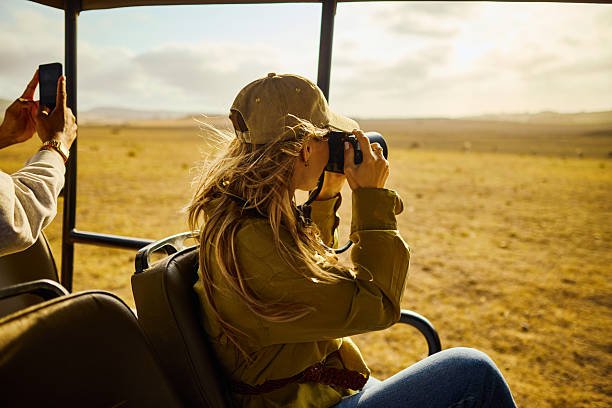
Budget Nyerere Safari Packages: Affordable Tanzania Adventures For 2026-2027
Discover cost-effective Nyerere National Park (formerly Selous Game Reserve) safari packages with Top Guide Adventures. Plan your 2026-2027 budget-friendly Tanzanian wildlife adventure...
View package details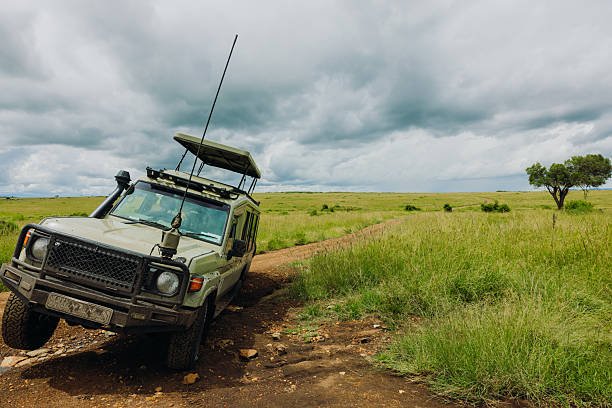
Luxury Nyerere Safari Prices: Your Guide To Exclusive Tanzania Safaris
Explore the cost of luxury safaris in Nyerere National Park (formerly Selous Game Reserve) for 2026-2027. Understand pricing factors, what's typically included in premium packages, and how...
View package details
Nyerere National Park (Selous): Your Ultimate Tanzania Safari Guide 2026-2027
Explore Nyerere National Park (formerly Selous Game Reserve), Tanzania's largest protected area, offering diverse wildlife, unique safari experiences like boat safaris, and vast, untamed...
View package details
Luxury Ruaha Safari Prices: Planning Your Tanzanian Adventure 2026-2027
Planning a luxury safari in Ruaha National Park? This guide breaks down the estimated costs for 2026-2027, detailing what influences prices, what's typically included, and how to secure...
View package details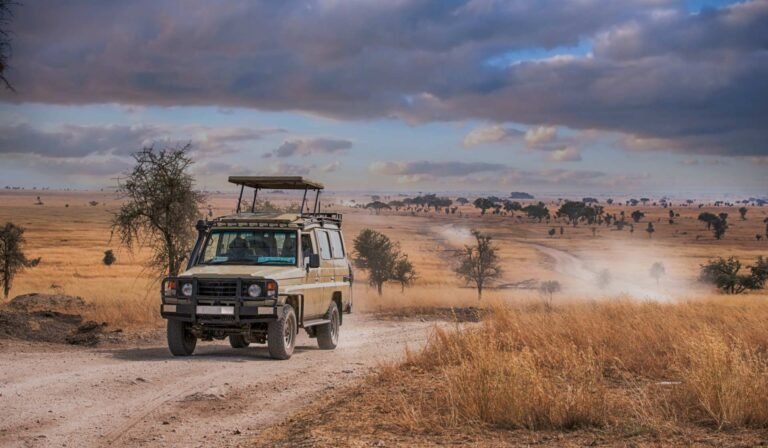
Lake Manyara Safari Cost Guide: Planning Your Tanzania Trip 2026-2027
Planning a safari to Lake Manyara National Park? This comprehensive guide breaks down the costs involved for 2026-2027 trips, covering park fees, accommodation options, tour packages, and...
View package details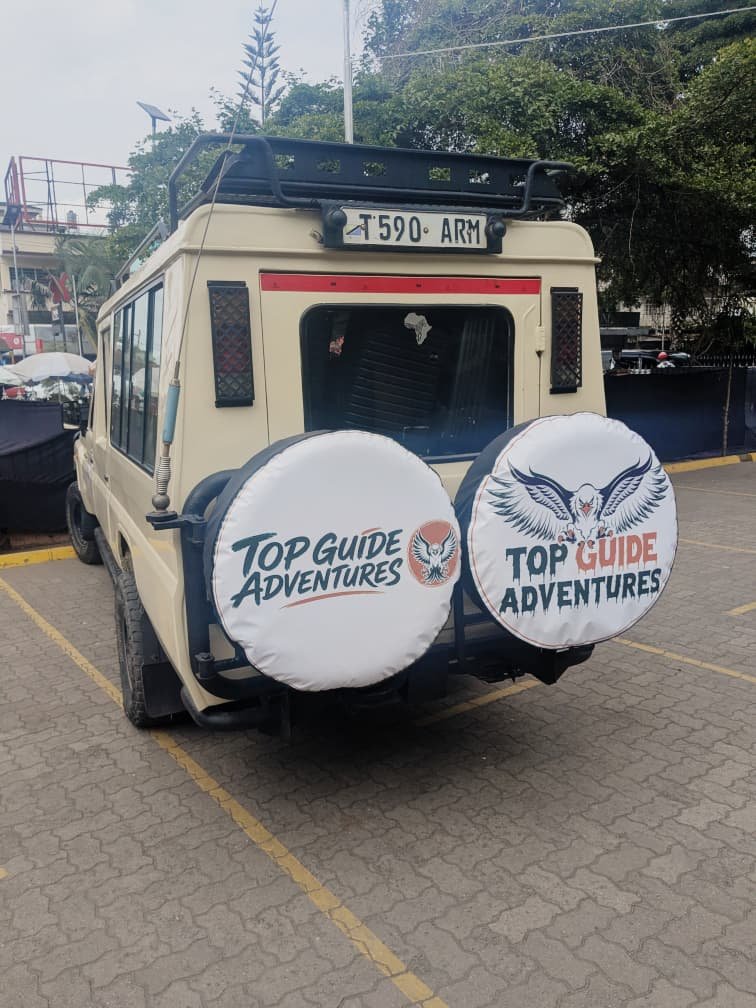
Tanzania Safari Quote Comparison Template 2026-2027
Tanzania Safari Quote Comparison Template is explained with current 2026-2027 planning, price, itinerary and booking information.
View package details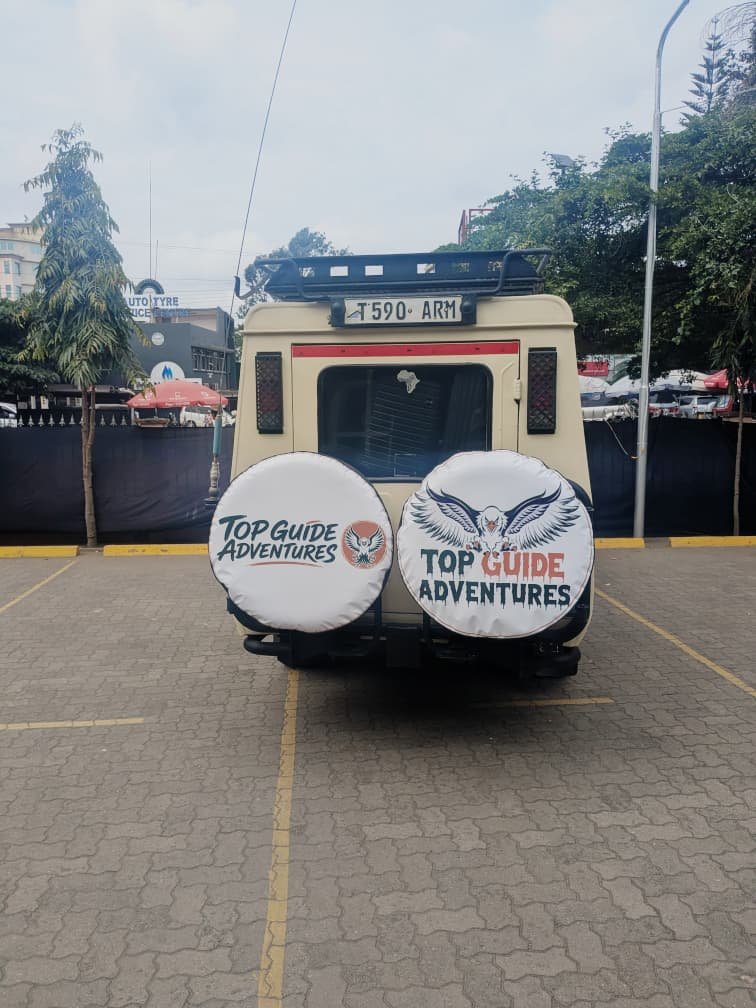
Best Lamadi Gateway To Serengeti Safari In Simiyu, Tanzania | Top Guide
Explore Lamadi as a prime gateway for your Serengeti safari in Simiyu, Tanzania, with detailed planning for 2026-2027. Top Guide Adventures provides expert insights into this strategic...
View package details
Best Mkungunero Game Reserve Safari In Manyara, Tanzania 2026-2027
Discover the ultimate Mkungunero Game Reserve safari experience in Manyara, Tanzania for 2026-2027. This guide covers wildlife, activities, best times to visit, and booking tips for an...
View package detailsTanzania Visa Guide For Safari And Zanzibar Visitors: Requirements & Tips
Planning a safari in Tanzania or a Zanzibar holiday? This comprehensive guide details visa requirements, application processes, and essential tips for travelers in 2026-2027, ensuring a...
View package detailsBest Ngorongoro Conservation Area Safari In Arusha, Tanzania 2026-2027
Best Ngorongoro Conservation Area Safari in Arusha, Tanzania 2026-2027 is explained with current 2026-2027 planning, price, itinerary and booking information.
View package detailsNo related package matches those filters. Clear one or more filters to see the other topic-matched options.



