
Most international visitors to Tanzania for safaris or Zanzibar holidays will need a visa, obtainable online via the e-Visa system, upon arrival at major entry points, or through a Tanzanian embassy or consulate. The most common type is the ordinary visa, suitable for tourism, though other categories exist. Processing times can vary, and it is advisable to apply well in advance of your planned travel dates for 2026-2027, especially if you intend to visit during peak seasons. Ensure your passport is valid for at least six months beyond your intended stay and has sufficient blank pages.

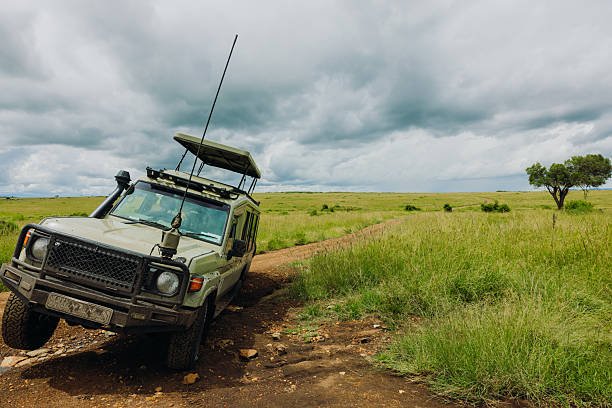
Understanding Tanzania Visa Requirements for Tourists
Tanzania, a jewel of East Africa, beckons travelers with its world-renowned wildlife parks like the Serengeti and Ngorongoro Crater, and the exotic spice island of Zanzibar. For many nationalities, securing a visa is a prerequisite for entering the country for tourism purposes. This guide provides a comprehensive overview of the Tanzania visa process for safari and Zanzibar visitors, covering everything from eligibility and application methods to costs and important considerations for your 2026-2027 travel plans.
The primary goal of any visitor is to experience the wonders of Tanzania without encountering unnecessary bureaucratic hurdles. Understanding the visa landscape is the first step toward a stress-free adventure. Whether you are planning an extensive safari across the northern circuit, a relaxing beach escape in Zanzibar, or a combination of both, the visa process is a critical element of your trip preparation.
Top Guide Adventures is dedicated to making your Tanzanian journey as smooth as possible. We understand that navigating visa requirements can be complex, and this guide aims to demystify the process, offering practical advice and up-to-date information relevant for travel in 2026 and 2027.
Visa Application Methods: Choose Your Path
Tanzania offers several convenient ways to obtain a visa, catering to different traveler preferences and entry points. For most tourists planning safaris and Zanzibar holidays, the primary options are the Electronic Visa (e-Visa), obtaining a visa on arrival, or applying through a Tanzanian diplomatic mission abroad.
1. The Tanzania e-Visa: Your Digital Gateway
The introduction of the e-Visa system has significantly streamlined the application process for many travelers. This online portal allows you to apply for your visa from the comfort of your home, avoiding the need to visit an embassy or queue at the airport. The e-Visa is generally the preferred method for many tourists planning their trips for 2026-2027.
How to Apply for an e-Visa:
- Visit the Official Portal: The official Tanzania e-Visa website is the only authorized platform. Be wary of unofficial third-party sites that may charge exorbitant fees or provide outdated information.
- Select Visa Type: Choose the appropriate visa category. For tourism, safaris, and visiting Zanzibar, the ‘Ordinary Visa’ is typically the correct choice.
- Complete the Application Form: You will need to provide accurate personal details, passport information, travel dates, accommodation details, and answers to a few security questions.
- Upload Required Documents: Typically, you will need a scanned copy of your passport’s bio-data page. Specific requirements can vary, so always check the latest guidelines on the official portal.
- Pay the Visa Fee: The fee is payable online using a credit or debit card. The exact amount can fluctuate, but it is generally around $50 USD for an ordinary visa.
- Wait for Approval: Once submitted, your application will be processed. Approval times can range from a few days to a couple of weeks. You will receive an approval letter via email.
- Print and Carry: Print your e-Visa approval letter and carry it with you. You will present this upon arrival in Tanzania.
Key Considerations for e-Visa:
- Processing Time: While often efficient, allow at least 10-15 business days for processing, especially for travel during peak seasons in 2026-2027.
- Validity: The e-Visa typically allows for a single entry and is valid for a specific period, usually 90 days from the date of issue, for a stay of up to 90 days.
- Accuracy is Crucial: Ensure all information provided matches your passport exactly. Errors can lead to delays or denial.
2. Visa on Arrival: A Convenient Option for Some
For travelers who prefer not to apply online in advance, or for those with last-minute travel plans, obtaining a visa upon arrival at major international airports like Kilimanjaro International Airport (JRO) or Julius Nyerere International Airport (DAR) is possible. Zanzibar’s Abeid Amani Karume International Airport (ZNZ) also offers this facility for direct arrivals.
Process at the Airport:
- Immigration Counter: Proceed directly to the immigration counter designated for visa applications upon arrival.
- Complete Application Form: You will be given an application form to fill out. Have your passport, travel itinerary, and accommodation details ready.
- Provide Required Documents: Similar to the e-Visa, you’ll need your passport (valid for at least six months with blank pages), and potentially proof of onward travel or accommodation.
- Pay the Visa Fee: The visa fee is payable in USD cash. It’s advisable to have the exact amount or small denominations. The fee is typically the same as the e-Visa fee (around $50 USD).
- Receive Visa Stamp: Once processed and paid, the visa will be stamped into your passport.
Pros and Cons of Visa on Arrival:
- Pro: Convenient for spontaneous trips or those who prefer to handle visa matters upon arrival.
- Con: Potential for longer queues, especially during peak travel times in 2026-2027. There’s also a small risk of issues if documentation is not perfectly in order, though this is rare for standard tourist visas.
3. Application Through Tanzanian Embassies/Consulates
For specific nationalities, or if you encounter issues with the e-Visa or visa on arrival, applying through a Tanzanian embassy or consulate in your home country or a neighboring country is an alternative. This method often requires more time and planning.
Steps Involved:
- Locate Your Nearest Embassy: Find the Tanzanian embassy or consulate responsible for your jurisdiction.
- Check Specific Requirements: Each mission may have slightly different procedures and required documents. Contact them directly or visit their website.
- Submit Application: This usually involves mailing your passport and application documents or submitting them in person.
- Pay Fee: Fees and payment methods will vary by mission.
- Processing Time: This method is generally the slowest, often taking several weeks.
This option is less common for standard tourist trips to Tanzania for safaris and Zanzibar, but it can be essential for certain visa types or nationalities.
Who Needs a Tanzania Visa? Nationality and Exemptions
Visa requirements for Tanzania are determined by your nationality. While many countries require a visa, there are some notable exemptions. It is crucial to verify your specific status based on your passport.
Visa-Required Nationalities
The vast majority of international tourists traveling to Tanzania for safaris and Zanzibar holidays will need a visa. This includes citizens from most countries in Europe, North America, Asia, and South America. The most common visa type for these visitors is the ordinary visa, typically issued for tourism, business, or visiting family.
Visa-Exempt Nationalities
Certain nationalities are exempt from requiring a visa for short stays (usually up to 90 days). These exemptions can change, so it’s vital to check the latest official information. Historically, citizens of certain countries, particularly within the East African Community (EAC) and some European nations, have enjoyed visa-free entry. However, rules can be updated, and for 2026-2027 travel, it’s best to confirm directly with the Tanzanian immigration authorities or your local embassy.
Key takeaway: Always assume you need a visa unless you have confirmed otherwise for your specific nationality and travel purpose.
Types of Tanzania Visas for Tourists
While the ‘Ordinary Visa’ is the most common for tourists, Tanzania offers other visa categories that might be relevant depending on your travel plans. Understanding these can help ensure you apply for the correct type, avoiding issues upon arrival.
1. Ordinary Visa (Single Entry)
This is the standard visa for most tourists visiting Tanzania for leisure, safaris, visiting friends or relatives, or short business trips. It is typically a single-entry visa, meaning once you leave Tanzania, you cannot re-enter using the same visa.
- Purpose: Tourism, leisure, safari, visiting friends/family, short business meetings.
- Validity: Usually issued for 90 days from the date of entry.
- Duration of Stay: Allows for a stay of up to 90 days.
- Entry: Single entry.
2. Multiple Entry Visa
This visa is generally issued to individuals who frequently travel to Tanzania for business or other purposes, or those who might leave and re-enter the country during a longer trip (though this is less common for typical safari and Zanzibar itineraries). It is usually valid for 6 or 12 months and allows multiple entries and exits.
- Purpose: Frequent business travel, individuals with ongoing work or investment interests, or specific personal circumstances.
- Validity: 6 or 12 months.
- Duration of Stay: Each stay is typically limited to 90 days.
- Entry: Multiple entries.
This visa is less common for standard tourist packages focused solely on safari and Zanzibar experiences unless the itinerary involves significant travel outside Tanzania and re-entry.
3. Business Visa
If your trip to Tanzania involves conducting business, attending conferences, or engaging in commercial activities (not employment), a business visa might be appropriate. This often requires supporting documentation from the inviting company in Tanzania.
4. Other Visa Categories
Tanzania also offers visas for study, work, transit, diplomatic purposes, and more. These are not relevant for the typical safari and Zanzibar tourist but are important to be aware of if your travel purpose differs.
Passport and Document Requirements
Regardless of the visa application method you choose, certain core documents are mandatory. Ensuring these are in order will expedite your application and entry process.
Passport Validity
Your passport must be valid for a minimum of six (6) months beyond your intended date of departure from Tanzania. This is a standard international travel requirement and is strictly enforced. Ensure your passport doesn’t expire shortly after your planned return date.
Blank Passport Pages
You will need at least one (1) full blank page in your passport for the visa stamp. If you have many stamps or visas, check if you have sufficient space. Some airlines or immigration authorities may deny boarding or entry if there isn’t adequate space for official stamps.
Passport Bio-data Page Scan
When applying for an e-Visa, you will need a clear, high-resolution scan of the bio-data page of your passport. This page contains your photograph, name, passport number, date of birth, and other key identifying information.
Other Potential Documents
While less common for standard tourist visas, immigration officers reserve the right to request additional documents upon arrival. These could include:
- Proof of Accommodation: Hotel bookings or a confirmed address where you will be staying.
- Proof of Onward or Return Travel: A flight ticket showing your departure from Tanzania.
- Proof of Sufficient Funds: Evidence that you can support yourself during your stay.
- Invitation Letter: If visiting friends or family, or for business purposes.
For typical safari and Zanzibar tours booked with Top Guide Adventures, having your passport and e-Visa approval letter (or readiness for visa on arrival) is usually sufficient.
Visa Fees and Payment Methods (2026-2027 Outlook)
Understanding the cost of your Tanzania visa is essential for budgeting your trip. While fees are subject to change, they are generally consistent across application methods for the same visa type.
Standard Visa Fees
For most nationalities applying for an Ordinary Visa (single entry) for tourism, the fee is typically around $50 USD. This applies to both the e-Visa and the visa on arrival.
Important Notes on Fees:
- Subject to Change: Visa fees can be updated by the Tanzanian government. Always check the official e-Visa portal or contact the relevant authorities for the most current pricing for 2026-2027.
- Non-Refundable: Visa application fees are generally non-refundable, even if your application is denied.
- USD Preferred: For visa on arrival, USD cash is usually required. It’s best to have the exact amount or smaller denominations.
- Online Payment: The e-Visa system accepts major credit and debit cards.
Multi-Entry Visa Fees
Multiple entry visas typically have a higher fee, often around $100 USD, but this is less relevant for standard safari and Zanzibar holiday packages.
Tip for Budgeting: Factor the visa fee into your overall travel budget. While $50 USD is a modest amount compared to the cost of a safari or Zanzibar holiday, it’s an essential expense.
Visa Processing Times: Plan Ahead for 2026-2027
Timely processing of your visa application is crucial for a smooth travel experience. Processing times can vary depending on the application method, the time of year, and the volume of applications being handled by immigration authorities.
e-Visa Processing
The e-Visa system is designed for efficiency. Typically, you can expect processing times ranging from 3 to 10 business days. However, it is strongly recommended to apply at least 3-4 weeks before your departure date to account for any unforeseen delays or the need for additional information.
Visa on Arrival Processing
While convenient, visa on arrival processing times depend heavily on airport traffic. During peak seasons (e.g., July-October, December-January) or when multiple international flights arrive simultaneously, queues can be significant, potentially adding 30 minutes to over an hour to your arrival process.
Embassy Application Processing
Applying through a Tanzanian embassy or consulate is generally the slowest method, often taking 2 to 4 weeks or even longer. This method should only be considered if other options are not feasible for your situation.
Strategic Planning for 2026-2027:
- Peak Seasons: If traveling during the popular dry season (June to October) or the holiday season (December to early January), apply for your e-Visa even earlier.
- Avoid Last-Minute Rush: Do not wait until the last week before your trip to apply for an e-Visa.
- Check Status: The e-Visa portal usually allows you to track the status of your application.
Traveling with Children: Specific Visa Considerations
When traveling with minors to Tanzania for safaris or Zanzibar holidays, specific documentation and visa considerations apply. These are designed to protect children and ensure legal compliance.
Passport Requirements for Children
Every child, regardless of age, must have their own valid passport. Children cannot be included on a parent’s passport for international travel to Tanzania.
Visa for Children
Children generally require the same type of visa as adults, depending on their nationality. If you are applying for an e-Visa, you will need to complete a separate application for each child.
Traveling Without Both Parents
If a child is traveling with only one parent, or with someone other than their parents (e.g., a guardian or relative), they must carry a certified copy of their birth certificate and a letter of consent signed by both parents (or the parent not traveling) authorizing the travel. This document should include contact details for the non-traveling parent(s).
This is crucial for border control to prevent child abduction and ensure the child has permission to travel.
Entry Points and Visa Handling
Tanzania has several major entry points where visa procedures are well-established. Knowing where you will arrive can help you prepare for the visa process.
International Airports
- Kilimanjaro International Airport (JRO): The primary gateway for Northern Circuit safaris. E-Visas are processed here, and visas can be obtained on arrival.
- Julius Nyerere International Airport (DAR), Dar es Salaam: The main international airport for flights to southern Tanzania and coastal areas. E-Visa and visa on arrival are available.
- Abeid Amani Karume International Airport (ZNZ), Zanzibar: The main airport for Zanzibar. E-Visa and visa on arrival are typically available for tourists arriving directly from international destinations.
Land Borders
If entering Tanzania overland from neighboring countries like Kenya, Uganda, Rwanda, or Malawi, visas can usually be obtained at major border crossings. However, the e-Visa system is often more efficient and recommended, especially if you can secure it before reaching the border.
Recommendation: For smooth entry, especially for your safari and Zanzibar adventure, securing your e-Visa before travel is the most reliable method. This minimizes potential delays and uncertainties upon arrival.
Potential Visa Issues and How to Avoid Them
While the visa process is generally straightforward, some common pitfalls can lead to complications. Being aware of these can help you avoid them.
1. Inaccurate Information
Typos in names, passport numbers, or dates on your e-Visa application are the most common reasons for issues. Ensure every detail perfectly matches your passport.
2. Expired or Insufficient Passport Validity
Remember the six-month validity rule. An expired or soon-to-expire passport will result in denied entry.
3. Insufficient Blank Pages
A missing blank page can prevent the visa stamp, leading to problems with immigration.
4. Incorrect Visa Type
Applying for the wrong visa type (e.g., a business visa when you intend to only sightsee) can cause issues.
5. Unpaid Fees
Ensure your payment is successfully processed for the e-Visa or that you have the correct currency for visa on arrival.
6. Traveling During Peak Times Without Advance Planning
High season means more travelers, longer queues, and potentially slower processing. Plan your visa application well in advance for 2026-2027 travel.
Tanzania Visa for Safari and Zanzibar: Integrating Your Travel
Most visitors combine a safari experience in mainland Tanzania with a relaxing stay in Zanzibar. The visa process for this combined trip is straightforward, as a single tourist visa covers both destinations.
Key Point: Your Tanzania tourist visa (whether e-Visa or obtained on arrival) is valid for your entire stay in Tanzania, including both the mainland and Zanzibar. You do not need a separate visa for Zanzibar.
When you fly from the mainland (e.g., Arusha or Dar es Salaam) to Zanzibar, it is considered a domestic flight within Tanzania. You will typically go through security checks but not immigration or customs in the same way as an international arrival.
Travel Flow Example:
- Arrive at JRO (Kilimanjaro International Airport).
- Present passport and e-Visa (or obtain visa on arrival).
- Travel on your safari in Serengeti, Ngorongoro, etc.
- Fly from Arusha (ARK) or Kilimanjaro (JRO) to Zanzibar (ZNZ). This is a domestic flight.
- Enjoy your Zanzibar beach holiday.
- Depart from Zanzibar (ZNZ) or fly back to the mainland (DAR/JRO) to depart internationally.
This integrated approach makes planning your safari and Zanzibar holiday much simpler from a visa perspective.
Visa Requirements for Specific Nationalities (Examples)
While we cannot list every nationality, here are some common scenarios to illustrate the general requirements for Tanzania visa applications for safari and Zanzibar visitors.
US Citizens
US citizens require a visa for Tanzania. The e-Visa or visa on arrival are the most common options. The standard $50 USD fee applies for an ordinary tourist visa.
UK Citizens
UK citizens also need a visa. Applying for the e-Visa online in advance is highly recommended for a smooth entry. The fee is typically $50 USD.
EU Citizens (e.g., Germany, France, Italy)
Citizens of most EU countries require a visa. The e-Visa system is efficient and suitable for these travelers. The standard $50 USD fee applies.
Canadian Citizens
Canadian citizens are required to obtain a visa. The e-Visa or visa on arrival are viable options, with the ordinary visa costing approximately $50 USD.
Australian Citizens
Australian passport holders need a visa for Tanzania. The e-Visa application is the recommended method for a hassle-free experience. The fee is generally $50 USD.
Disclaimer: Visa policies can change. Always verify the latest requirements for your specific nationality on the official Tanzania Immigration Services website or through a Tanzanian embassy.
Frequently Asked Questions (FAQ) about Tanzania Visas
Here are answers to some common questions travelers have regarding Tanzania visas for safaris and Zanzibar holidays.
Q1: Do I need a visa if I am only transiting through Tanzania?
Transit visas are available for travelers who are only passing through Tanzania and will not stay for an extended period. However, if your layover is short and you remain within the airport’s international transit area, you may not need a visa. If you need to enter Tanzania even briefly, a transit visa or an ordinary visa may be required. Check the specific requirements based on your itinerary.
Q2: Can I extend my visa once I am in Tanzania?
Visa extensions are sometimes possible through the Tanzanian Immigration Department in major cities like Dar es Salaam, Arusha, or Zanzibar. However, extensions are not guaranteed and depend on the immigration authorities’ discretion and the type of visa issued. It is always best to obtain a visa that covers your entire intended stay from the outset.
Q3: What is the difference between an e-Visa and a visa on arrival?
An e-Visa is applied for and approved online before you travel, and you receive an approval letter to present upon arrival. A visa on arrival is processed and issued directly at the immigration counter upon your arrival in Tanzania. The e-Visa is often faster and more convenient, while visa on arrival can be an option for last-minute travel but may involve queues.
Q4: Can I get a visa for Zanzibar specifically?
Zanzibar is a semi-autonomous part of Tanzania. When you obtain a Tanzania visa, it covers your entry into both mainland Tanzania and Zanzibar. You do not need a separate visa for Zanzibar if you are already a legitimate visitor to Tanzania.
Q5: What should I do if my e-Visa is rejected?
If your e-Visa application is rejected, you will usually be notified of the reason. You may be eligible to apply for a visa on arrival or through a Tanzanian embassy. It is important to understand the reason for rejection before reapplying or attempting another method. Common reasons include incomplete applications or insufficient passport validity.
Q6: Are there any specific health requirements related to visas?
While not directly tied to the visa application itself, you may be asked for proof of Yellow Fever vaccination upon arrival, especially if you are traveling from or transiting through a country with a risk of Yellow Fever. It is advisable to check the latest health advisories and vaccination recommendations for Tanzania before your travel in 2026-2027.
Planning Your 2026-2027 Tanzania Safari and Zanzibar Adventure
With visa requirements understood, you’re one step closer to experiencing the magic of Tanzania. Whether it’s the vast plains of the Serengeti, the unique ecosystem of the Ngorongoro Crater, or the turquoise waters of Zanzibar, careful planning ensures a memorable trip.
Top Guide Adventures specializes in crafting bespoke safari and Zanzibar itineraries. We handle the complexities of travel arrangements, allowing you to focus on the adventure. Our expert team can provide personalized advice on visa requirements based on your nationality and travel plans for 2026-2027.
Consider the timing of your trip:
- High Season (June-October, December-January): Best for wildlife viewing (dry season) and beach holidays. Expect higher prices and more travelers. Apply for your visa well in advance.
- Shoulder Season (November, February-May): Fewer crowds, potentially lower prices, and lush landscapes. May has the start of the green season, impacting road conditions in some parks.
Booking Your Safari and Zanzibar Package:
When booking with Top Guide Adventures, we will guide you through every step, from itinerary planning to ensuring you have the necessary travel documents. We recommend booking your safari and Zanzibar holiday several months in advance, especially for travel during peak seasons in 2026-2027.
Our Commitment:
- Personalized Service: We offer dedicated support and tailor-made journeys.
- Expert Knowledge: Deep understanding of Tanzania’s parks, culture, and logistics.
- Safety and Comfort: Ensuring your safari and beach holiday are enjoyable and secure.
Ready to plan your dream Tanzania safari and Zanzibar getaway for 2026 or 2027? Contact Top Guide Adventures today. We are here to help you navigate all aspects of your trip, including visa preparations, to ensure a truly unforgettable experience.
For inquiries or to start planning your adventure, please reach out to us:
- WhatsApp: +255616946642
- Email: topguideadventures@gmail.com
- Backup Email: info@topguideadventurestanzania.com
Visit our website for more information on our comprehensive Tanzania safari and Zanzibar tour packages: Top Guide Adventures Tanzania.
Check Availability for Tanzania Visa Guide For Safari And Zanzibar Visitors: Requirements & Tips
Ready to compare dates, prices, and the best option for your group? Send the package name and travel month so the team can reply with a clear quote, availability, and what is included.

Tanzania Tour Package Prices: Your Guide To Safari & Kilimanjaro Costs
Understand Tanzania tour package prices for 2026-2027. This guide covers safari costs, Kilimanjaro climb pricing, Zanzibar holidays, and factors influencing your budget, offering clear...
View package details
Safari Blue Boat Trip Cost: What To Expect In Zanzibar In 2026-2027
Planning a Safari Blue boat trip in Zanzibar? This guide breaks down the expected costs for 2026-2027, detailing what influences pricing, what's typically included, and how to secure the...
View package details
Safari Blue Zanzibar Prices: Full Cost Breakdown For 2026-2027
Discover the pricing for Safari Blue in Zanzibar for 2026 and 2027. This comprehensive guide breaks down costs, inclusions, and booking considerations for this popular marine excursion.
View package detailsSafari Blue Tour Cost In Zanzibar: What To Expect For 2026-2027
Planning your Zanzibar adventure? This guide breaks down the Safari Blue tour cost for 2026-2027, detailing what influences the price and what you can expect to include in your...
View package details
Safari Blue Zanzibar: Your Ultimate Guide To The Iconic Ocean Adventure
Discover the magic of Safari Blue Zanzibar, a quintessential island excursion. This comprehensive guide covers everything from what to expect on your dhow trip and snorkeling spots to...
View package details
Tanzania Attraction Entry Fees: Guide To Park And Reserve Costs For 2026-2027
Planning a trip to Tanzania? This comprehensive guide details the essential Tanzania attraction entry fees for 2026-2027, covering national parks, conservation areas, and cultural sites...
View package details
Nakupenda Boat Trip Prices & How To Book Your Zanzibar Excursion 2026-2027
Discover the costs associated with a Nakupenda boat trip in Zanzibar. This guide covers pricing, inclusions, and booking tips for your 2026-2027 adventure.
View package details
Zanzibar Snorkeling Cost: What To Expect For Trips 2026-2027
Planning your Zanzibar snorkeling adventure? This guide breaks down the typical costs for 2026-2027 trips, detailing what influences prices and what you can expect to pay for unforgettable...
View package details
Zanzibar Resort Prices: Your Guide To Island Stays 2026-2027
Planning a trip to Zanzibar? Understand Zanzibar resort prices for 2026-2027, from budget-friendly guesthouses to high-end luxury villas. This guide breaks down the costs, influencing...
View package details
Zanzibar Holiday Cost Guide: Planning Your Trip 2026-2027
Planning a Zanzibar holiday in 2026 or 2027? This comprehensive cost guide breaks down all the expenses, from flights and accommodation to activities and local transport, helping you budget...
View package details
Zanzibar: Your Ultimate Guide To The Spice Island Paradise 2026-2027
Your comprehensive guide to Zanzibar, covering everything from its stunning beaches and historical Stone Town to spice tours, water sports, and cultural experiences. Plan your dream island...
View package details
Tanzania Adventure Activities Prices : Your Ultimate Guide 2026-2027
Discover the pricing for a wide range of adventure activities in Tanzania for 2026-2027, including safaris, Kilimanjaro treks, Zanzibar excursions, and cultural tours. Get insights into...
View package detailsNo related package matches those filters. Clear one or more filters to see the other topic-matched options.



